Cut Flower Garden Ideas: Transform Your Garden into a Colorful Paradise
Blog > Home > cut flower garden > Cut Flower Garden Ideas: Transform Your Garden into a Colorful Paradise
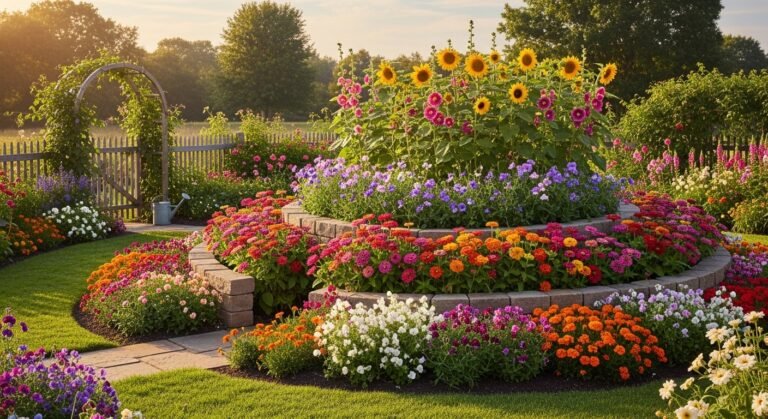
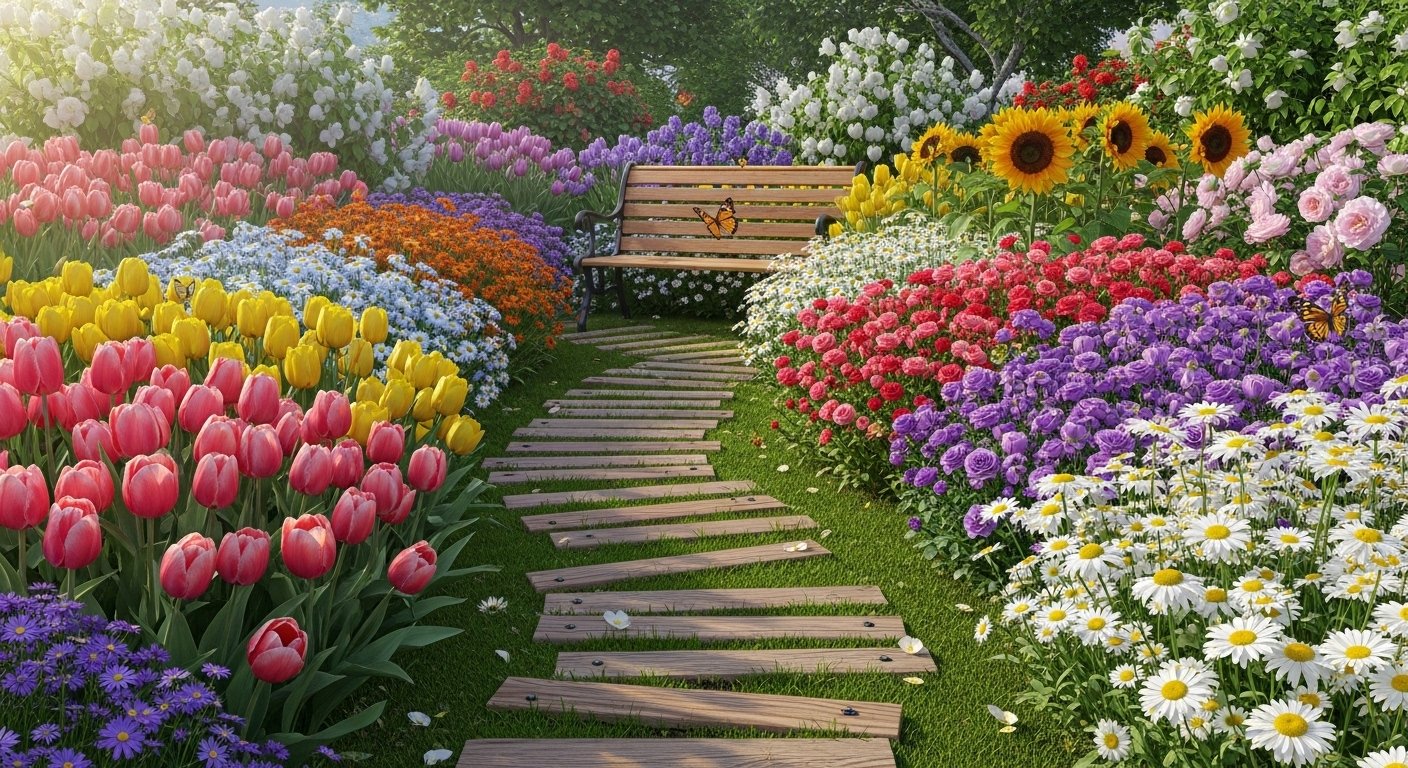
A cut flower garden is the perfect way to bring vibrant colors, fragrant blooms, and a touch of elegance to your home garden. Growing flowers specifically for cutting allows you to enjoy fresh, seasonal arrangements inside your home while enhancing your outdoor space. From easy-care perennials to show-stopping annuals, a cut flower garden can be both practical and visually stunning. With thoughtful planning, you can create a garden that blooms throughout the season, providing endless bouquets and cheerful displays. Here are twelve inspiring cut flower garden ideas to help you design a garden full of beauty and creativity.
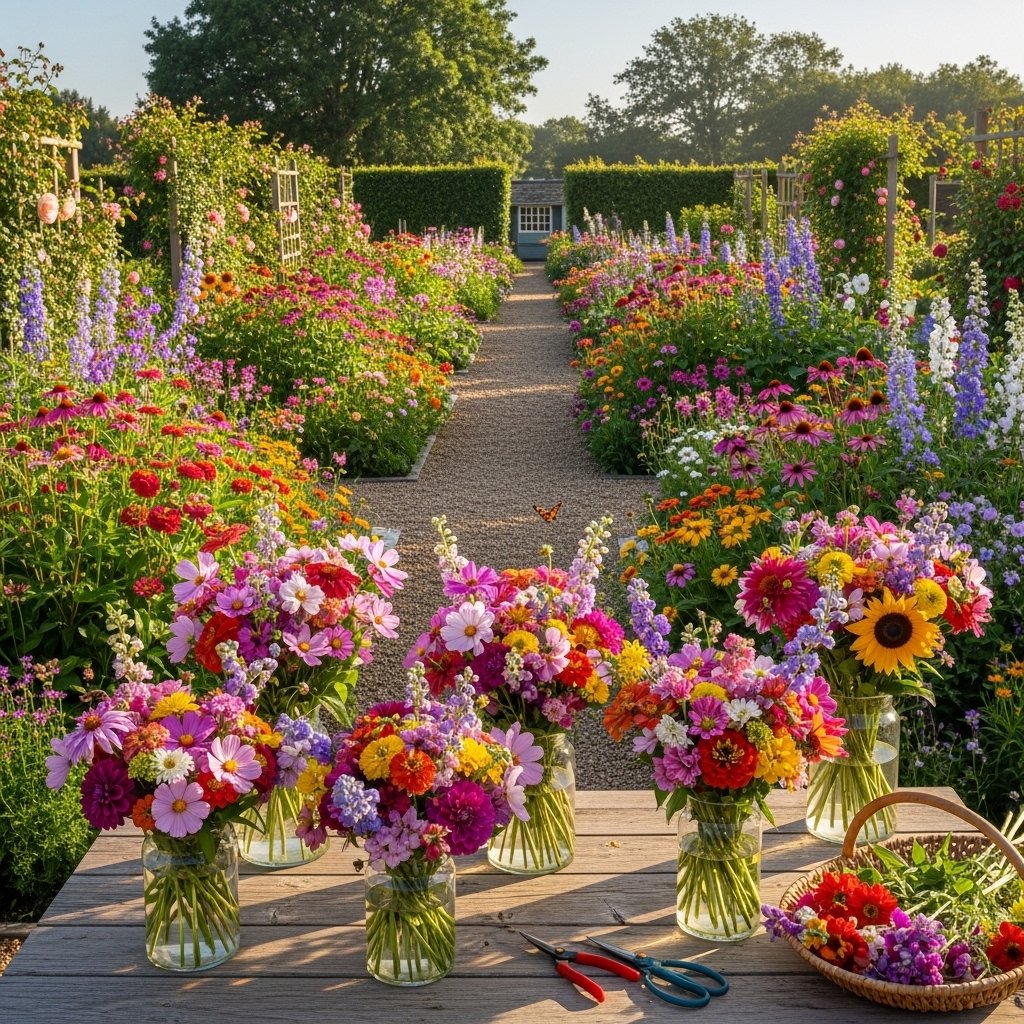
Table Of Content
1. Choose a Color Theme
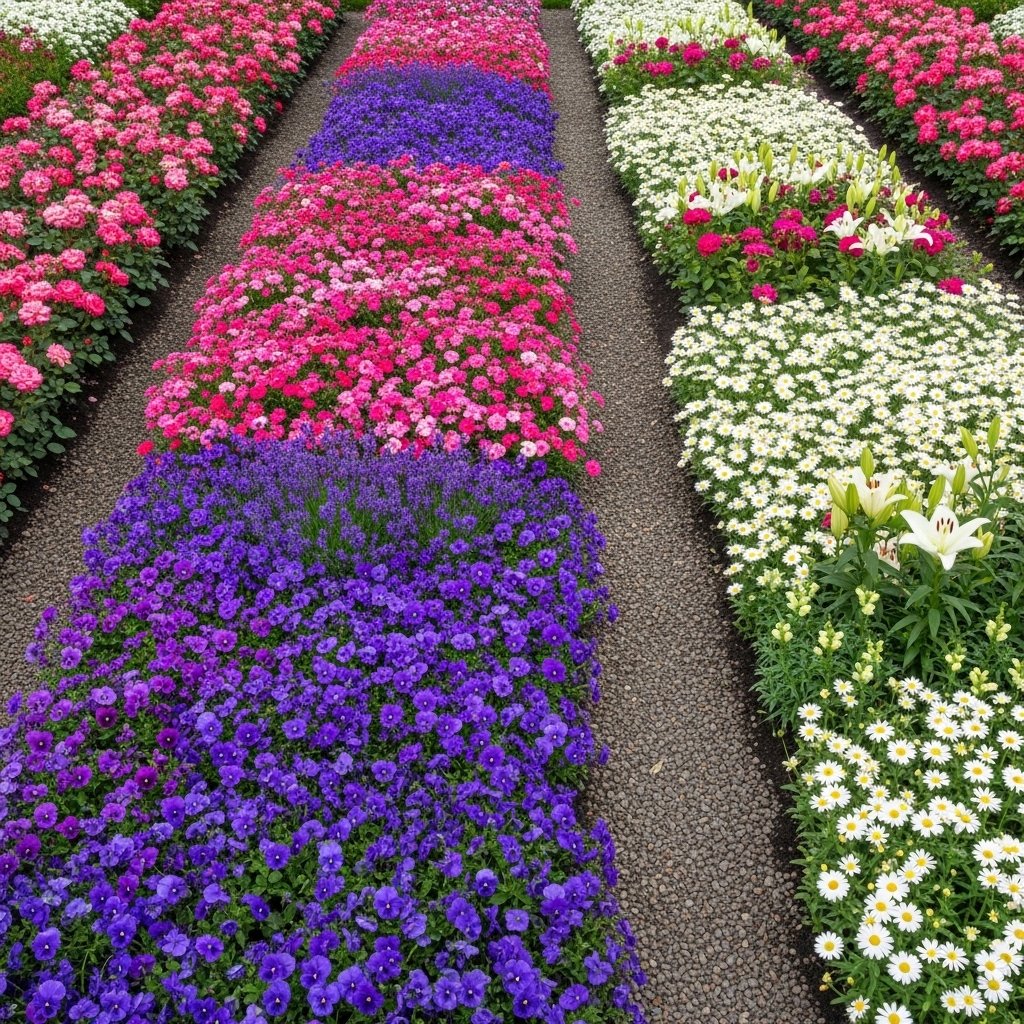
One of the easiest ways to create a striking cut flower garden is by selecting a color theme. Focusing on complementary or harmonious colors gives your garden a cohesive, professional look. For example, shades of pink, purple, and white can create a soft romantic feel, while bright reds, oranges, and yellows make the garden lively and energetic. Sticking to a color palette also makes arranging flowers for bouquets simpler. This approach ensures your cut flowers always look stunning together.
2. Plant in Waves for Continuous Bloom
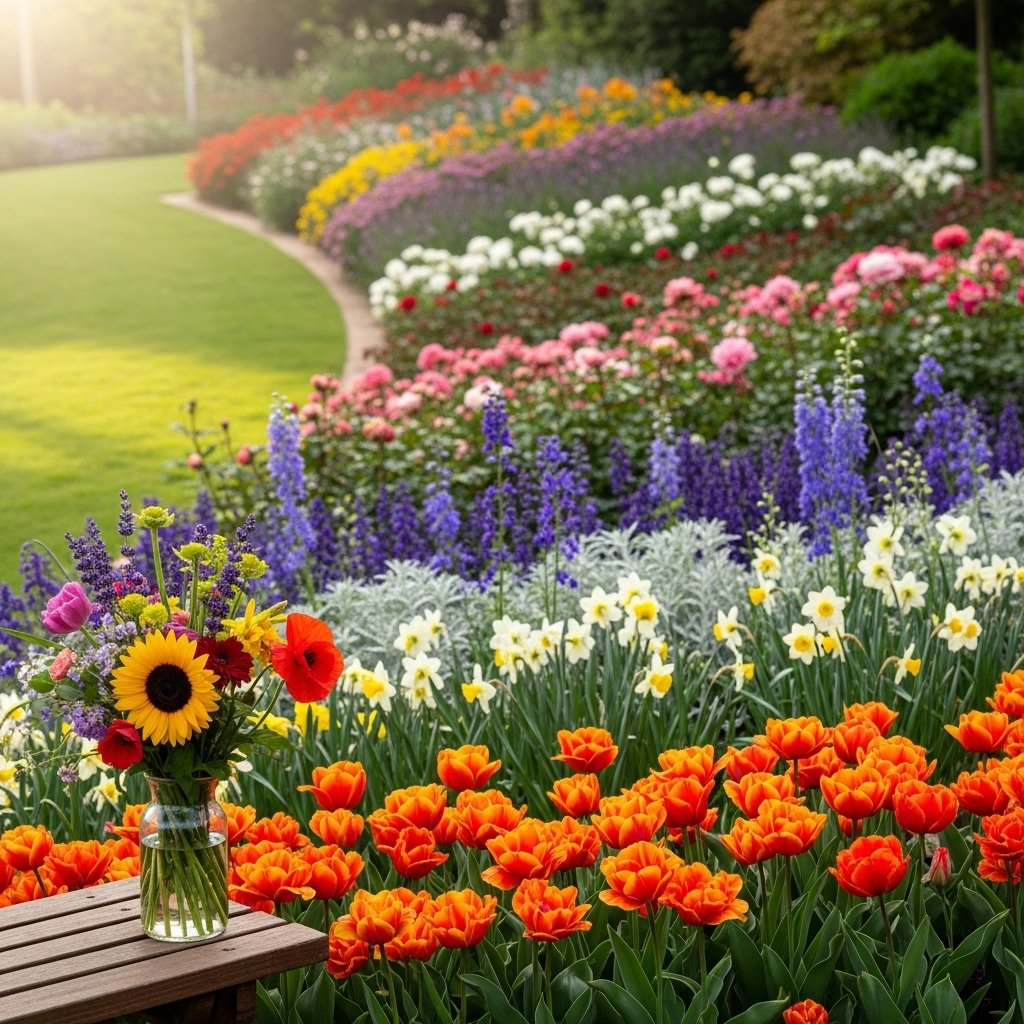
To have flowers available for cutting all season, plant in waves or succession. This technique involves staggering planting times or choosing early, mid, and late-season bloomers. Crops like sunflowers, zinnias, and cosmos can be planted every few weeks for a continuous supply of blooms. This method keeps your garden vibrant and your vases full from spring through fall. It’s a simple way to maintain variety without overcrowding your garden.
3. Mix Tall and Short Flowers
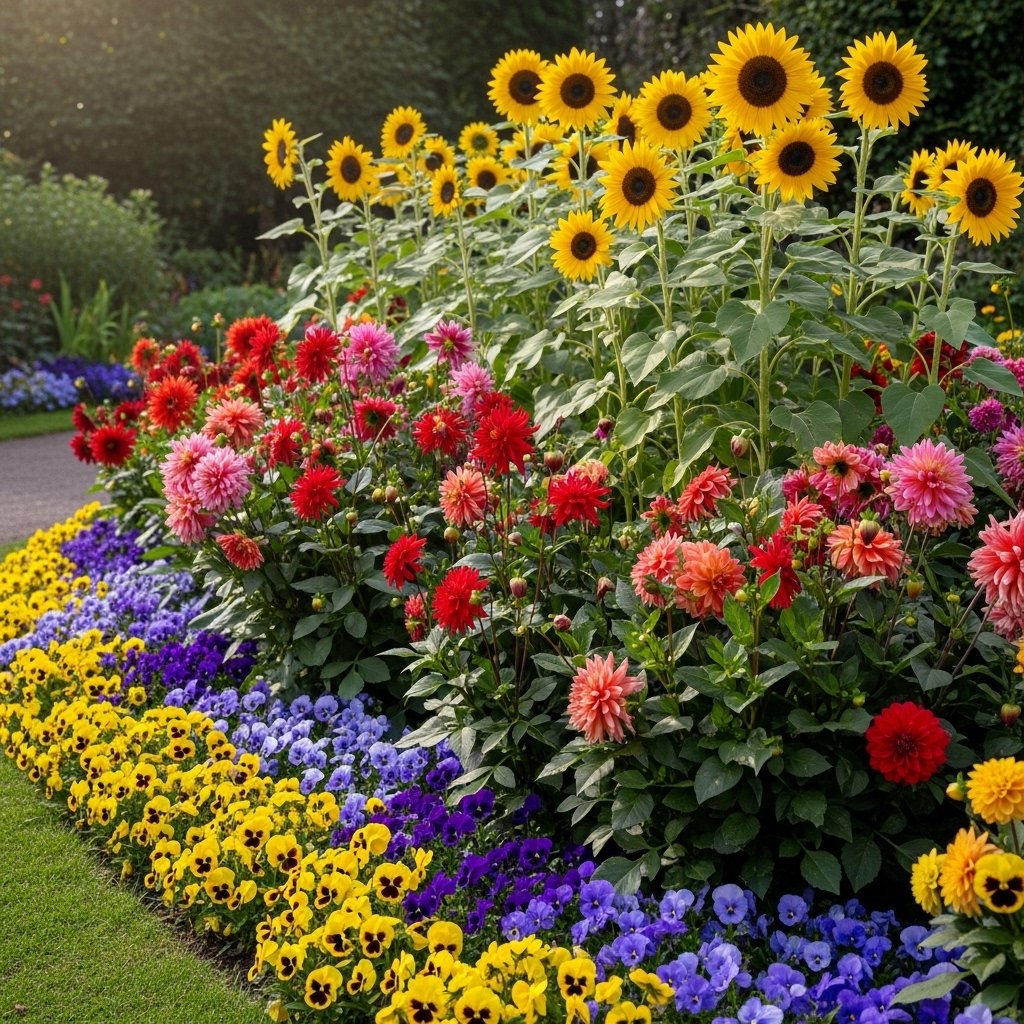
Combining tall and short flowers adds depth and visual interest to your cut flower garden. Tall flowers like delphiniums, sunflowers, or foxgloves make stunning background elements. Medium-height flowers such as dahlias or lilies provide a central layer, while low-growing blooms like sweet alyssum or pansies add foreground color. Layering flowers not only enhances your garden’s appearance but also makes cutting arrangements easier. This technique ensures every bouquet looks well-balanced and professional.
4. Include Fragrant Flowers
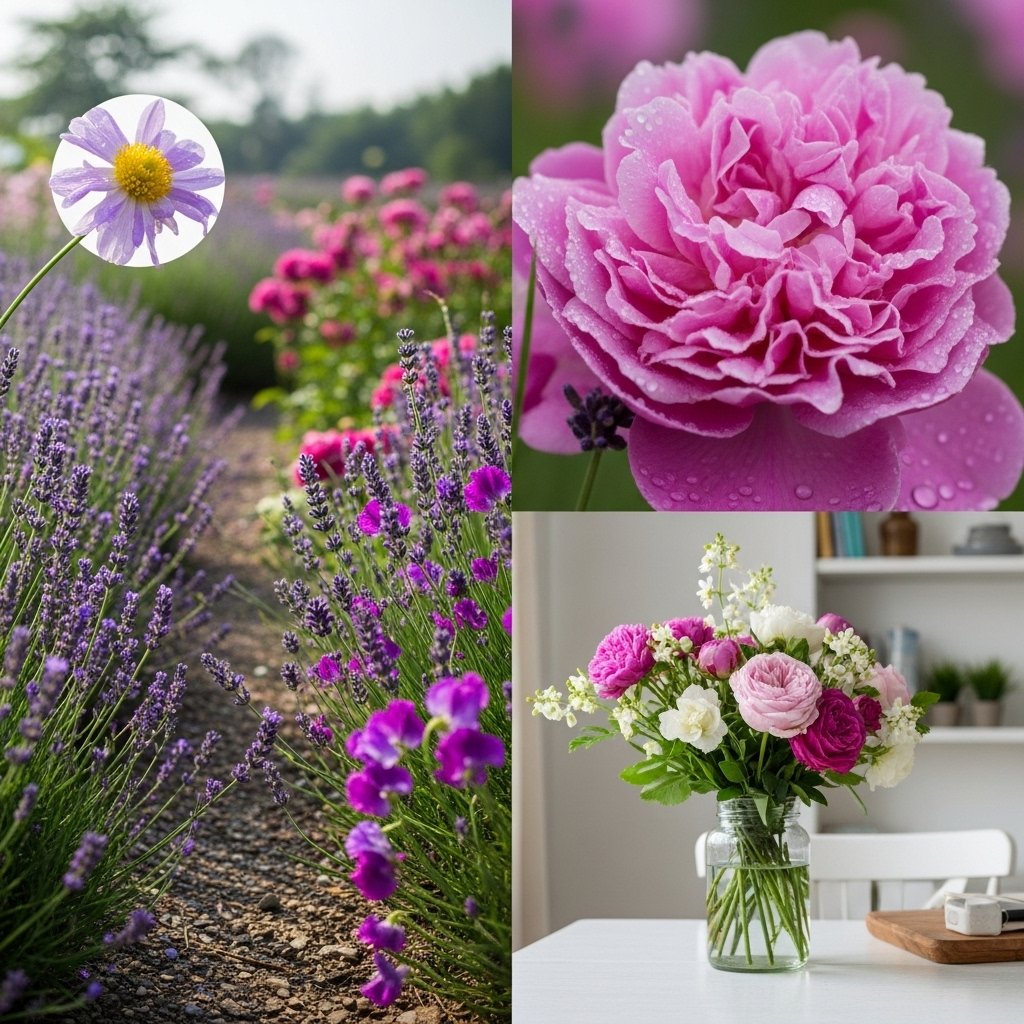
Adding fragrant flowers to your cut flower garden makes both your outdoor and indoor spaces delightful. Roses, lavender, peonies, and sweet peas offer wonderful scents that elevate fresh-cut arrangements. Planting fragrant flowers near pathways also enhances your outdoor experience. When choosing flowers for cutting, prioritize varieties that retain their scent after being harvested. Fragrance is an often-overlooked aspect that adds a luxurious touch to any bouquet.
5. Plant Easy-to-Cut Annuals
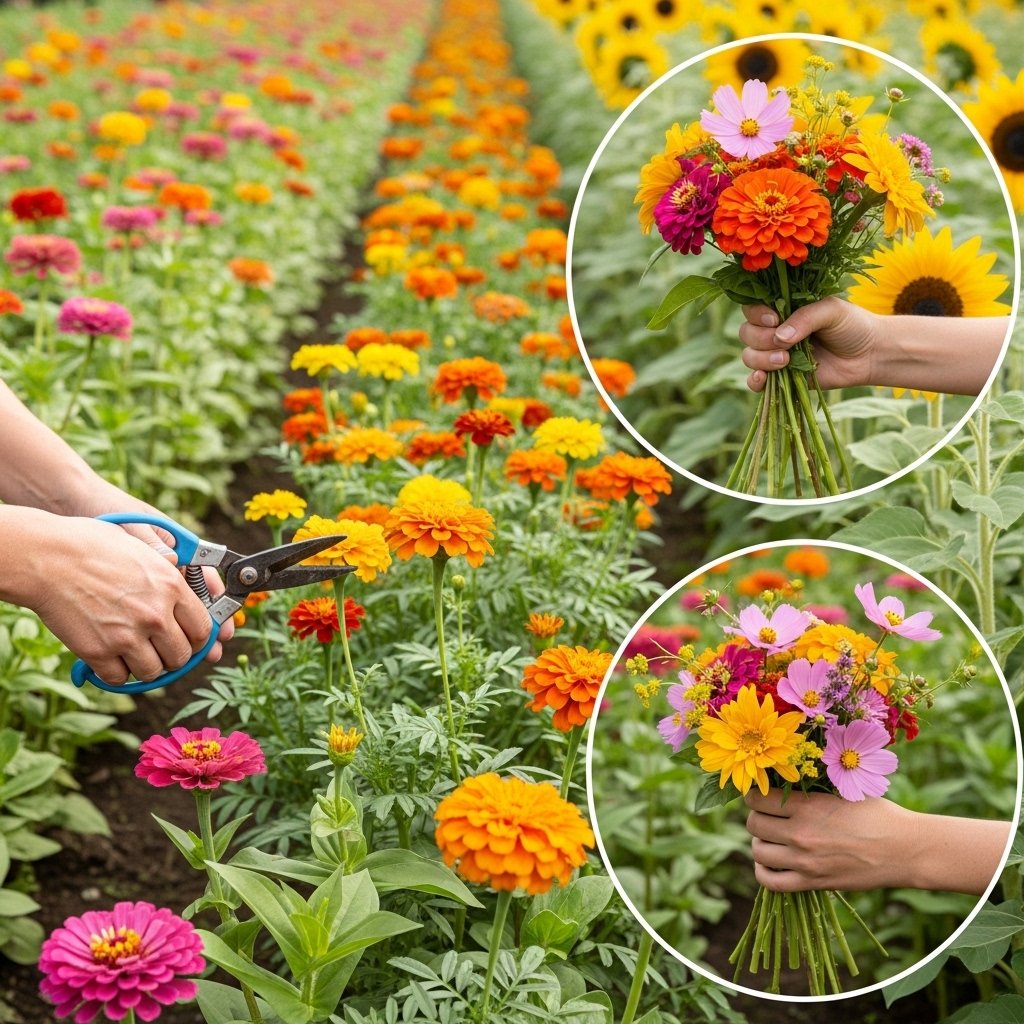
Annual flowers are perfect for a cut flower garden because they grow quickly and bloom profusely. Zinnias, cosmos, marigolds, and sunflowers are popular choices for easy cutting. These plants often produce long stems ideal for bouquets. Annuals allow you to experiment with colors and patterns without long-term commitment. Their rapid growth ensures you always have flowers ready to brighten your home.
6. Incorporate Perennials for Longevity
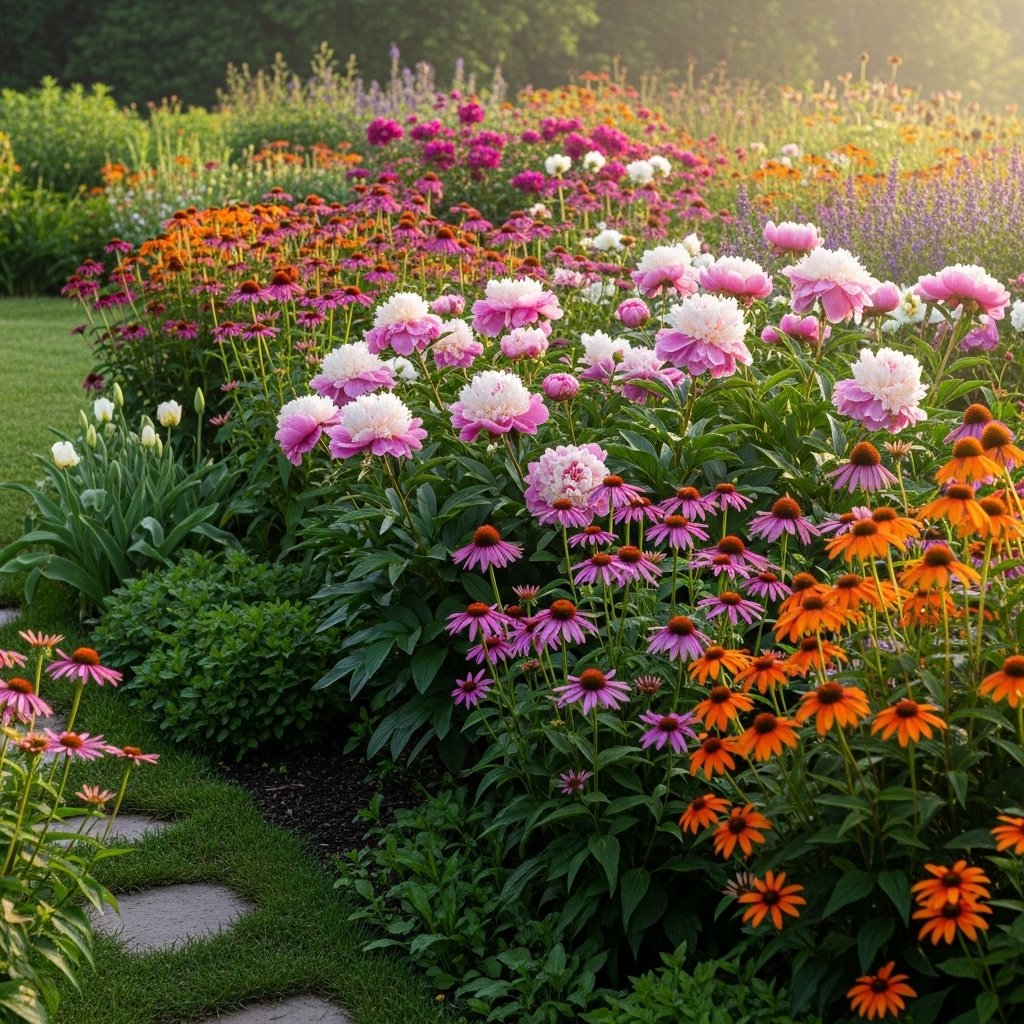
While annuals provide quick blooms, perennials offer a long-term foundation for your cut flower garden. Flowers like coneflowers, peonies, and echinacea return year after year, reducing replanting work. Perennials often provide sturdier stems and larger blooms, perfect for lasting arrangements. Combining perennials with annuals creates a garden that is both sustainable and continuously beautiful. This mix ensures that your garden remains productive and colorful for years.
7. Use Companion Planting
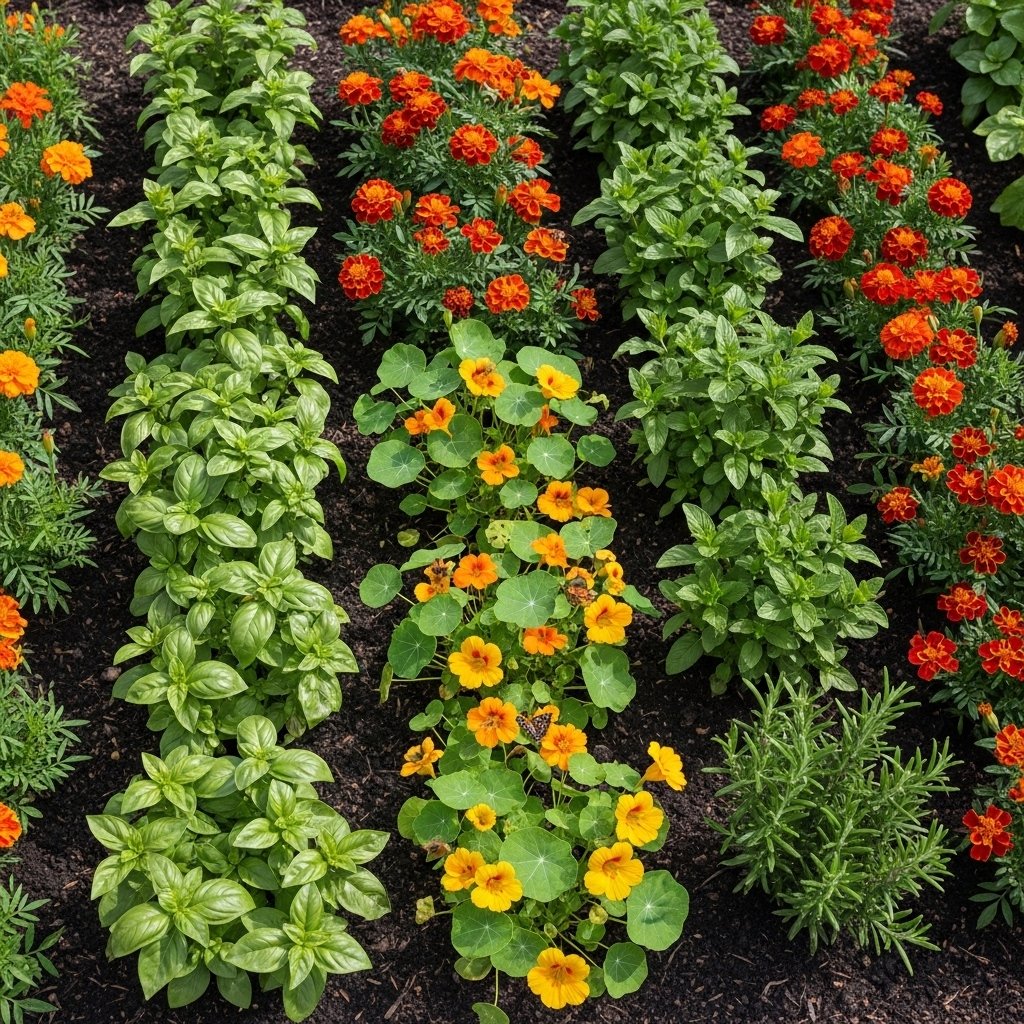
Companion planting benefits both flower growth and aesthetics in a cut flower garden. Planting flowers alongside herbs like basil or mint can deter pests naturally. Some flowers, such as marigolds, repel insects while attracting pollinators to other plants. Grouping flowers with similar sunlight and water needs improves overall health and bloom quality. Strategic planting creates a thriving garden while reducing maintenance problems.
8. Incorporate Foliage and Texture
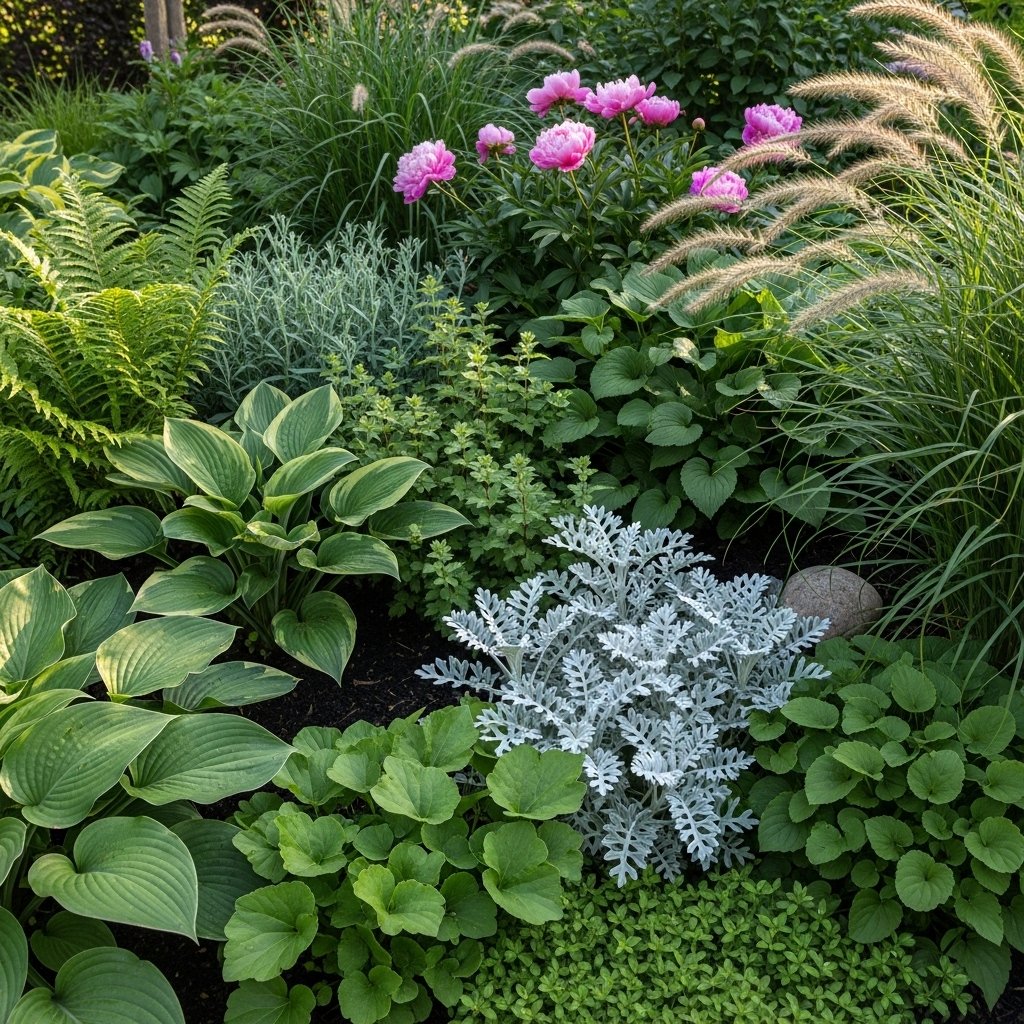
Adding foliage plants and textural elements enhances your bouquets and garden design. Greens like eucalyptus, ferns, and dusty miller provide contrast to bright flowers and make arrangements more professional-looking. Ornamental grasses and leafy perennials also add movement and dimension. Textural diversity keeps your cut flower garden visually interesting throughout the season. Foliage ensures that even a bouquet with fewer blooms looks full and elegant.
9. Plan for Seasonal Interest
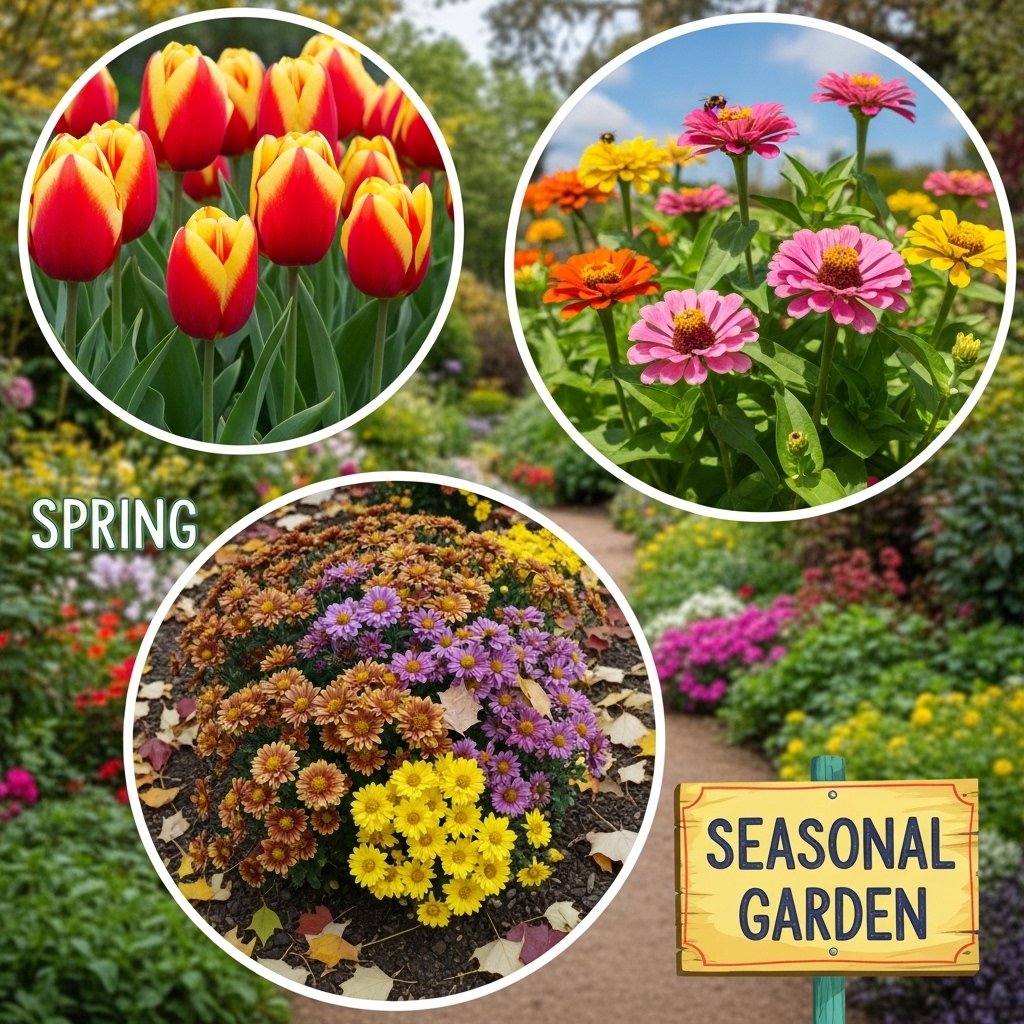
Design your cut flower garden to provide interest across all seasons. Spring bulbs like tulips and daffodils start the season with vibrant color. Summer blooms such as zinnias, sunflowers, and dahlias keep your garden lively. Autumn flowers like chrysanthemums and ornamental kale extend visual appeal into cooler months. By planning for seasonal succession, you ensure fresh flowers for cutting year-round.
10. Create a Cutting Station
A dedicated cutting station near your garden improves efficiency and preserves flower quality. Place garden scissors, buckets, and water near the bed for easy access. Harvesting flowers in the morning or late evening helps maintain freshness. A cutting station allows you to create arrangements immediately, reducing wilt and damage. This practical setup makes your cut flower hobby more enjoyable and productive.
11. Grow Edible Flowers for Added Fun
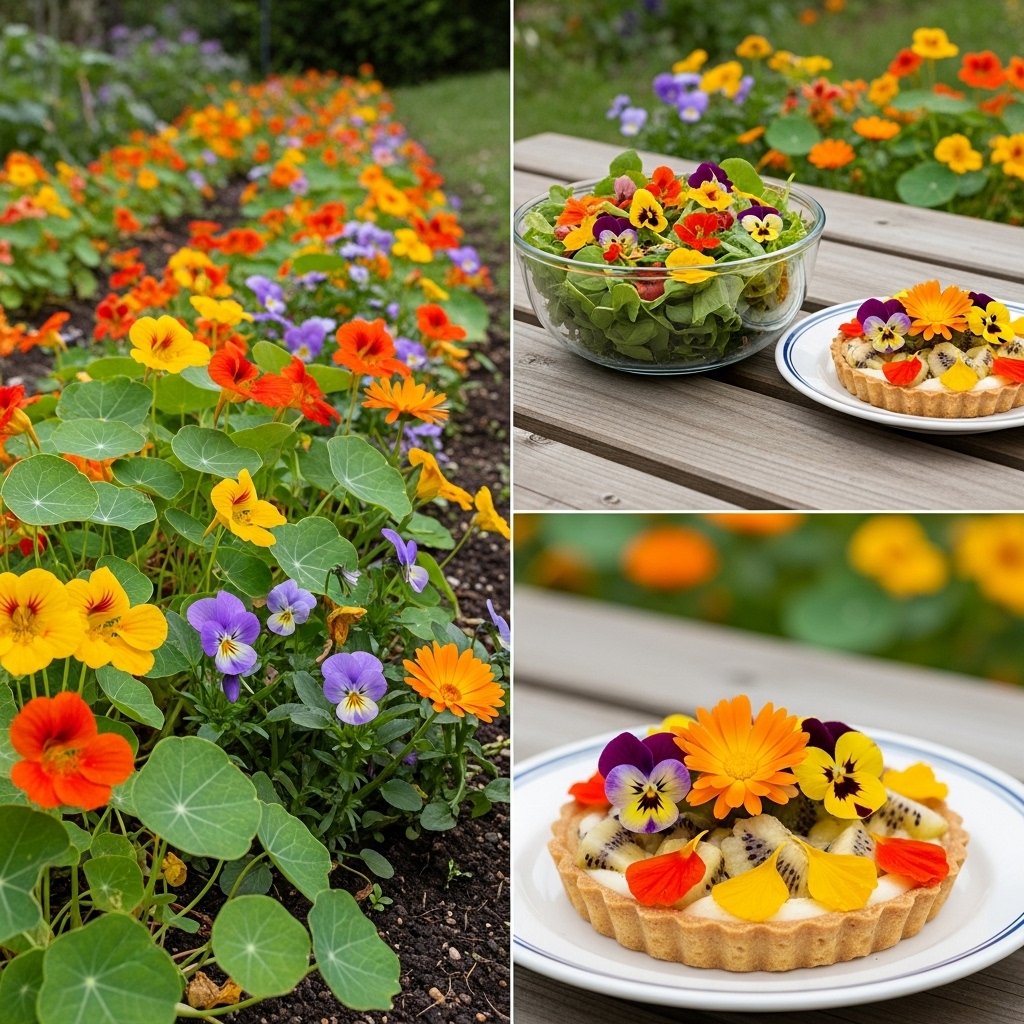
Incorporating edible flowers into your cut flower garden adds both beauty and functionality. Nasturtiums, pansies, and calendula are colorful options that can be used in salads, desserts, and drinks. These blooms provide a unique talking point for bouquets or garden tours. Edible flowers encourage creativity and allow you to use your harvest in multiple ways. This combination of ornamental and edible plants makes your garden truly versatile.
12. Keep Maintenance Simple
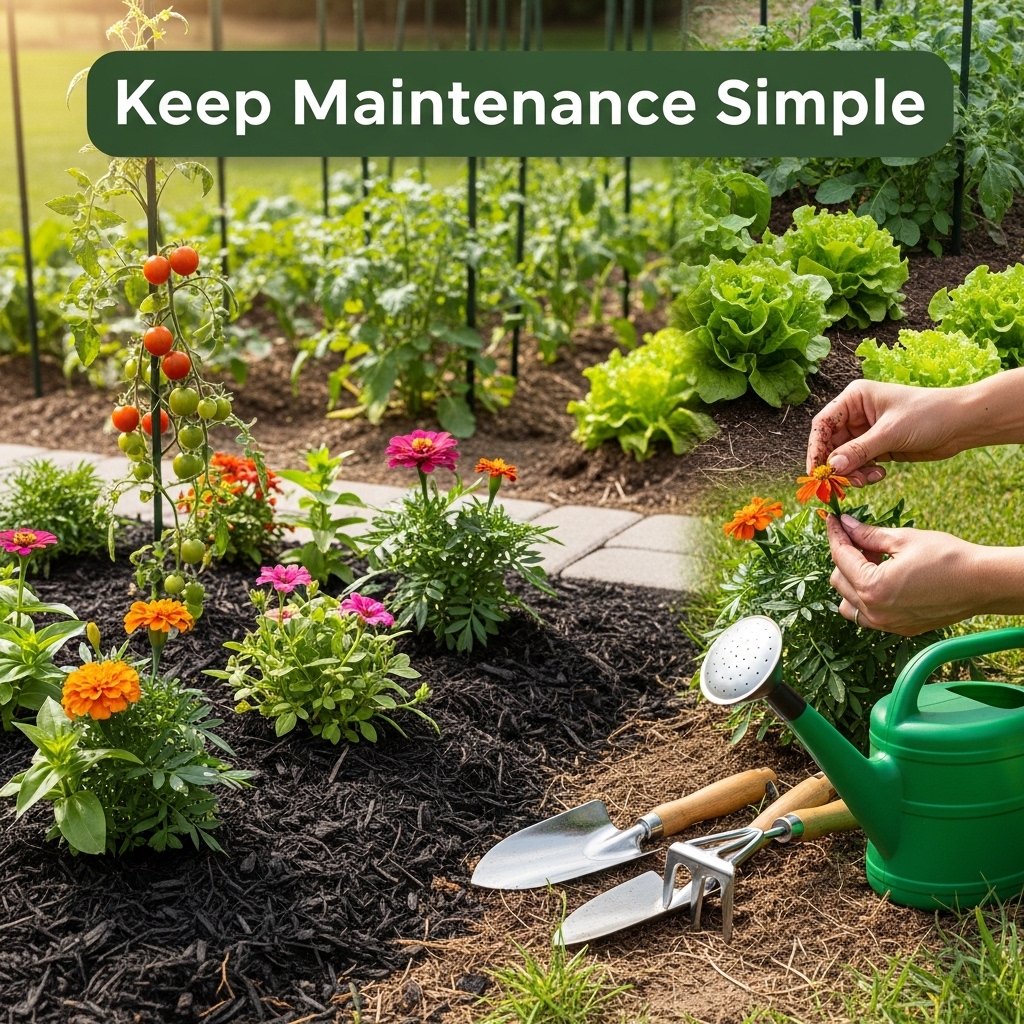
A successful cut flower garden requires consistent but simple maintenance. Regular watering, deadheading spent blooms, and removing pests ensures healthy plants. Mulching around flowers helps retain moisture and suppress weeds. Choosing low-maintenance varieties reduces stress while keeping the garden productive. A well-maintained garden guarantees more blooms, healthier plants, and stunning bouquets all season long.
13. How to Care for a Cut Flower Garden
- Water Properly – Water your flowers deeply but not too often. Keep the soil moist, especially during hot weather.
- Give Enough Sunlight – Most cut flowers need 6–8 hours of sunlight daily to grow strong and healthy.
- Use Good Soil & Fertilizer – Plant flowers in rich, well-drained soil and feed them regularly to boost blooms.
- Prune & Deadhead – Remove dry leaves and faded flowers to encourage new growth and more blooms.
- Cut Flowers Correctly – Use clean, sharp scissors and cut in the morning to keep flowers fresh longer.
13.1. FAQ
13.2. What are cut flower garden ideas❓
Cut flower garden ideas focus on growing flowers specifically for cutting and arranging in vases. These gardens are planned with colorful, long-lasting blooms that can be harvested regularly without harming the overall look of the space. A well-designed cut flower garden provides fresh flowers throughout the season while also adding beauty and structure to your outdoor area.
13.3. Which flowers are best for a cut flower garden❓
The best flowers for a cut flower garden are those that grow quickly, bloom repeatedly, and last long after being cut. Popular choices include roses, sunflowers, zinnias, tulips, and dahlias. These flowers offer bright colors, strong stems, and good vase life, making them ideal for bouquets and indoor decoration.
13.4. How do you plan a small cut flower garden❓
To plan a small cut flower garden, choose a sunny location with good soil and proper drainage. Arrange flowers in rows or sections based on height, placing taller plants at the back and shorter ones at the front. Selecting a mix of seasonal flowers ensures continuous blooms, allowing you to enjoy fresh cut flowers for a longer period.
14. Final Thoughts
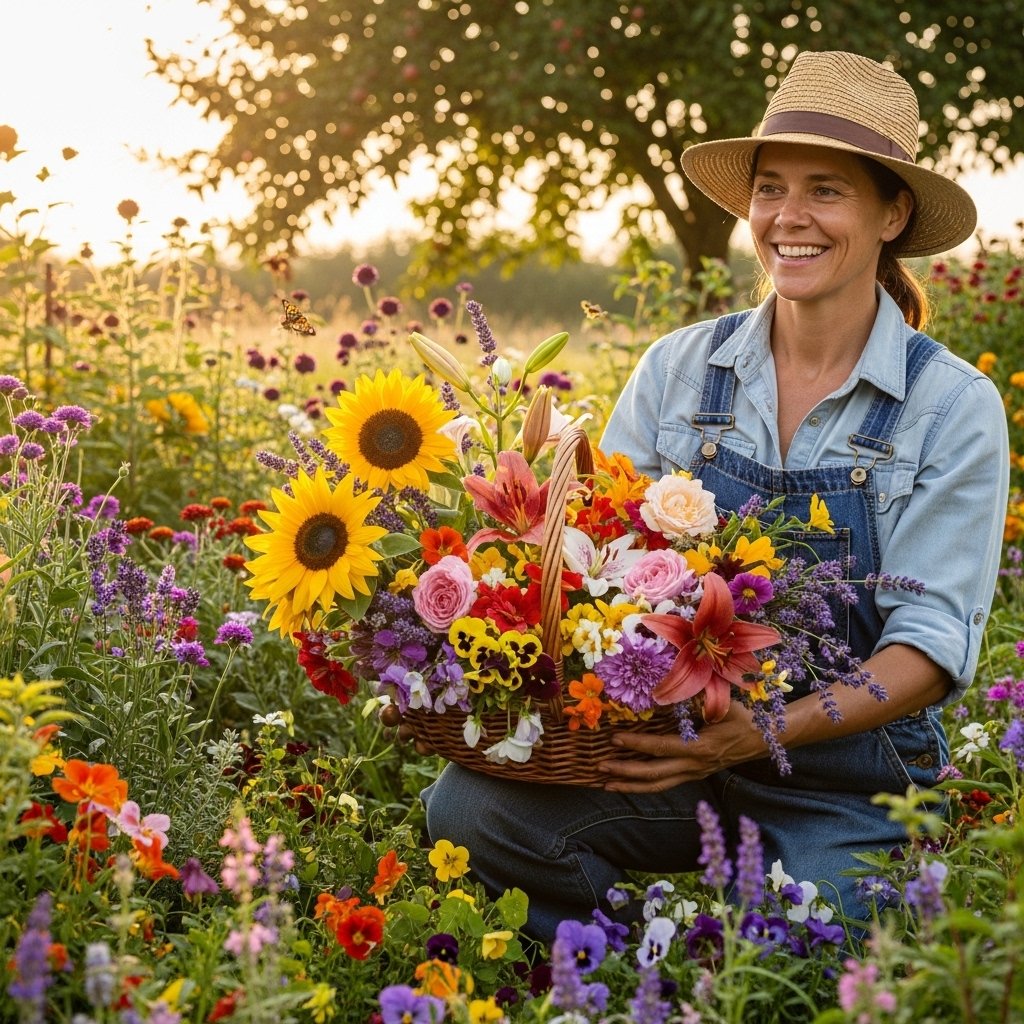
A cut flower garden is a beautiful way to enjoy the outdoors while bringing fresh, vibrant blooms into your home. By mixing colors, textures, and bloom times, you can create a garden that looks stunning and produces endless arrangements. From easy-to-grow annuals to fragrant perennials and edible flowers, there are countless ways to customize your space. Planning for continuous blooms, adding a cutting station, and keeping maintenance simple ensures your garden stays productive and beautiful. With these twelve cut flower garden ideas, you can transform your yard into a colorful, fragrant paradise year after year.