Japanese Plants Indoor: Elegant Ideas to Transform Your Home Naturally
Blog > Home > Indoor Plants & Home Decor > Japanese Plants Indoor: Elegant Ideas to Transform Your Home Naturally
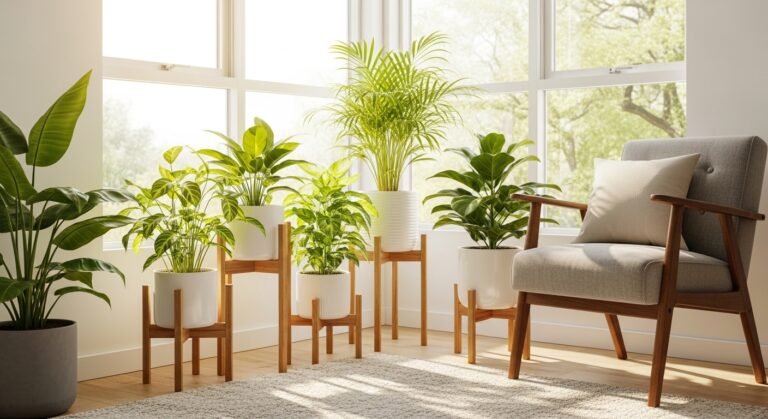
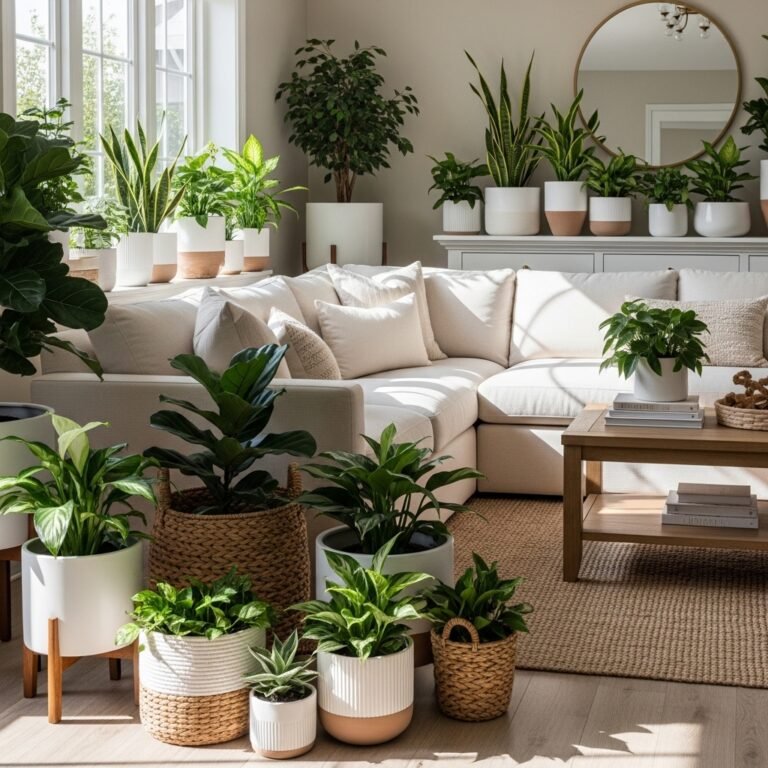
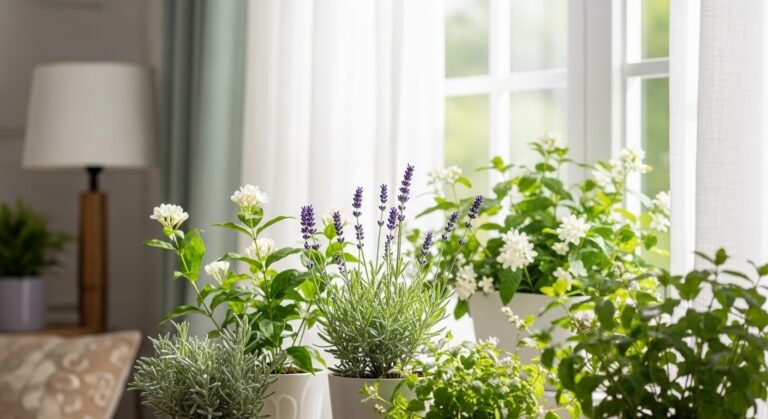
Japanese indoor plants have become a major trend in modern interior design due to their minimalistic beauty and calming presence. Inspired by traditional Japanese aesthetics such as simplicity, balance, and harmony with nature, these plants bring a peaceful atmosphere into any home. Whether you live in a small apartment or a large house, incorporating Japanese plants indoor can instantly elevate your space. They are known for their clean structure, soothing green tones, and low-maintenance nature, making them perfect for both beginners and plant lovers. In this article, you will explore 12 creative Japanese indoor plant ideas that can help you design a refreshing and Zen-inspired environment.
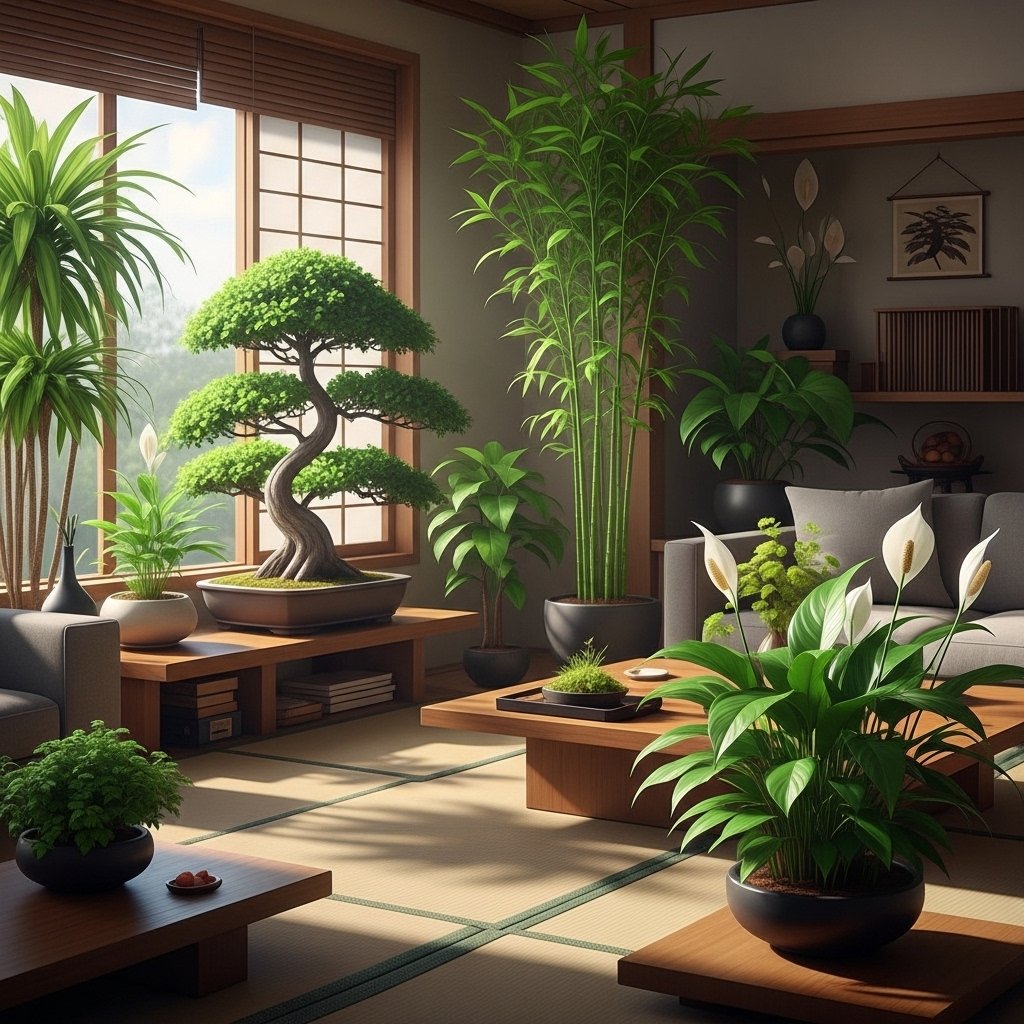
Table Of Content
1. Bonsai Tree for a Traditional Japanese Touch
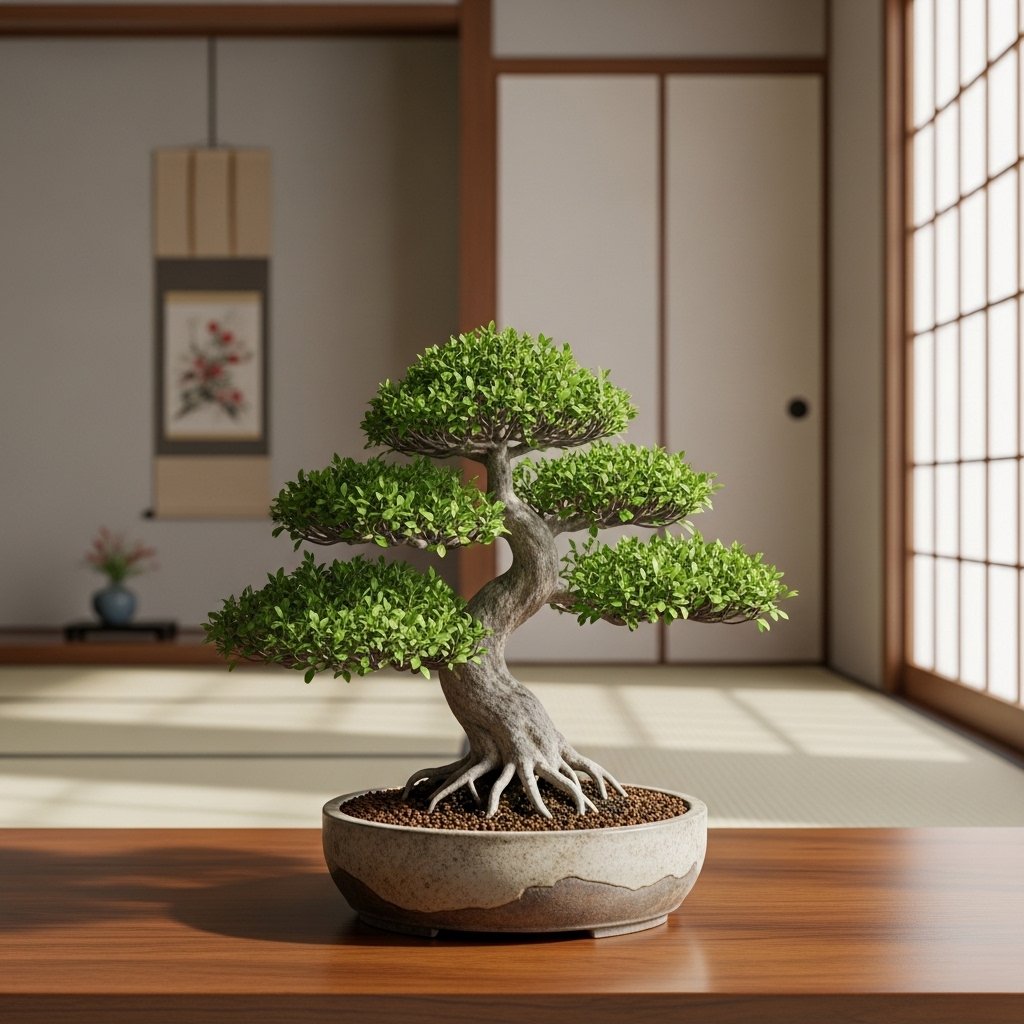
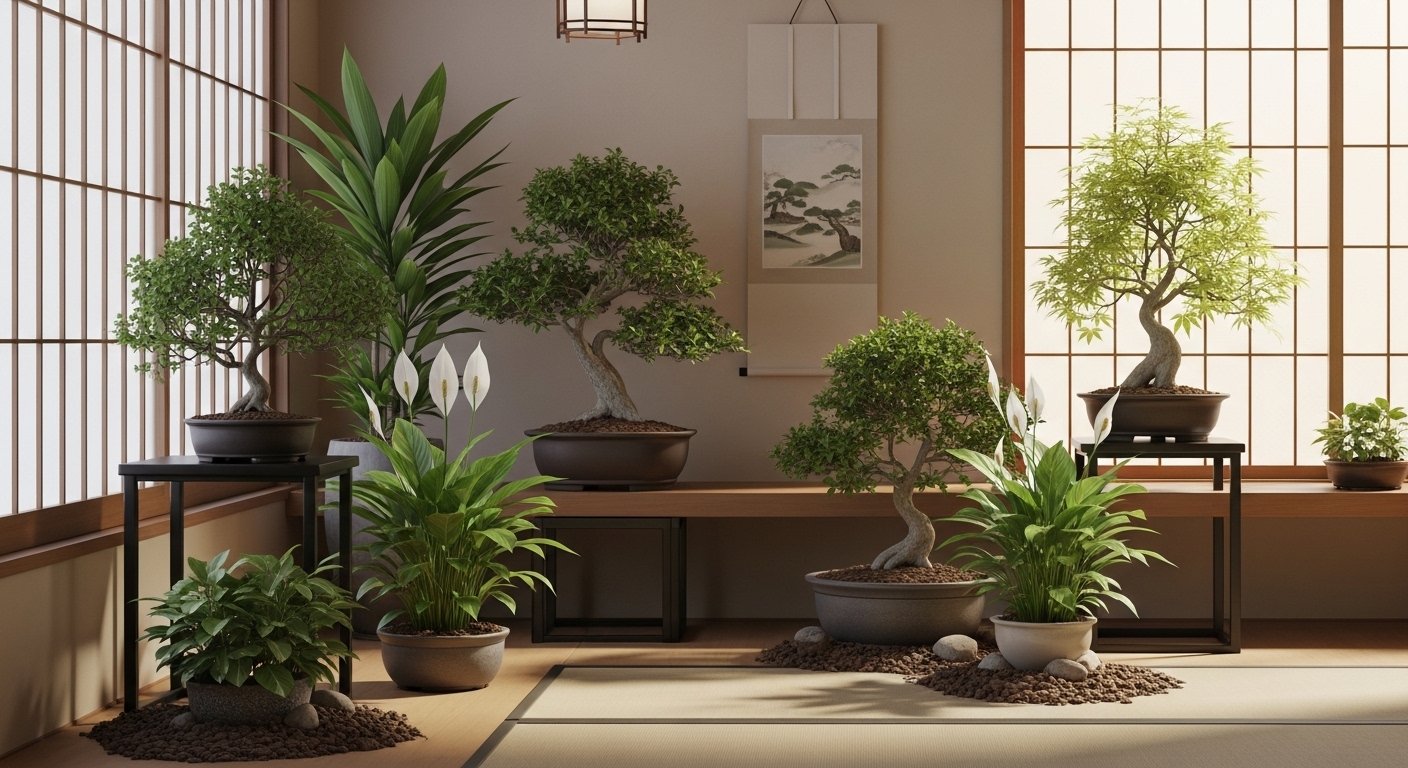
The Bonsai tree is one of the most iconic Japanese indoor plants and represents patience, harmony, and nature in miniature form. It is perfect for adding a traditional aesthetic to your home while staying compact enough for indoor spaces. Bonsai trees require careful pruning and attention, making them a mindful hobby as well as a decorative piece. Placing it near natural light enhances its growth and beauty. This plant is ideal for living rooms, study tables, or meditation corners.
2. Bamboo Plant for Positive Energy
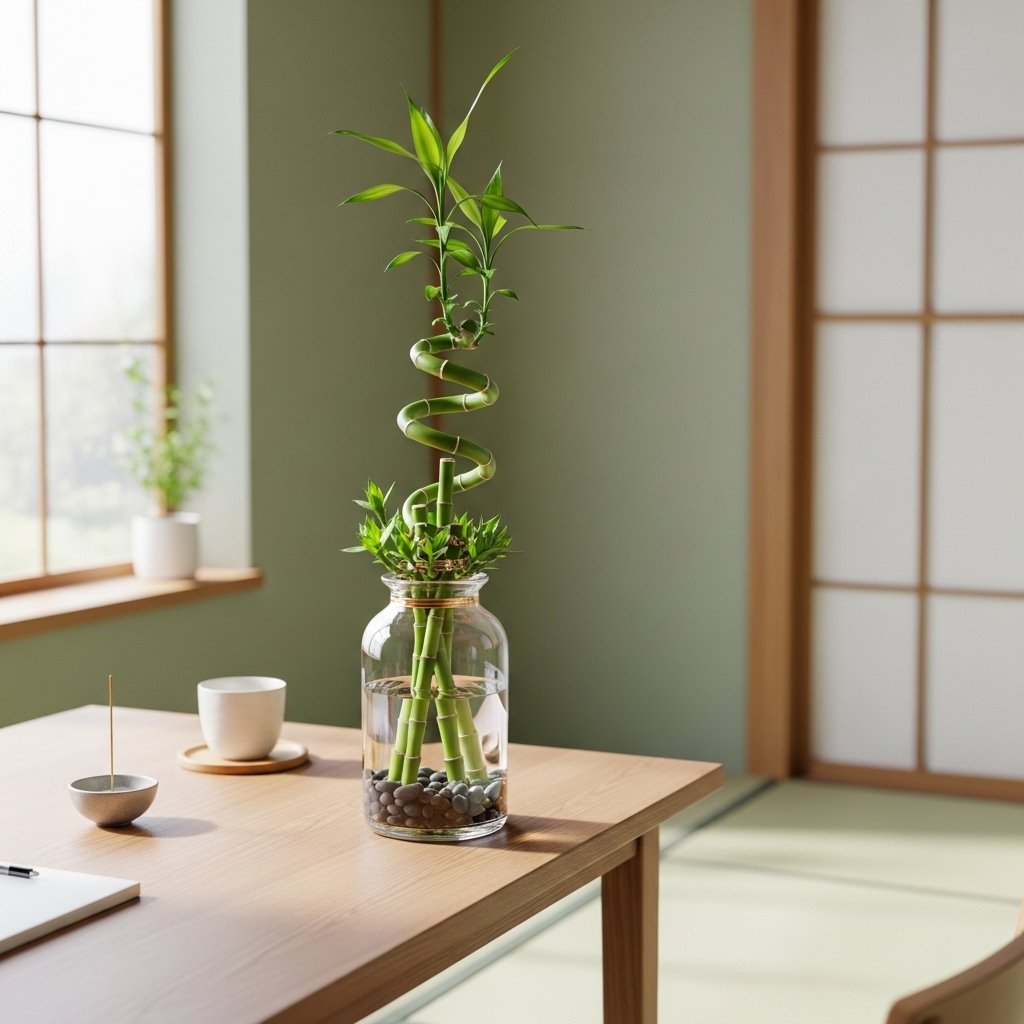
Indoor bamboo is widely used in Japanese-inspired interiors because it symbolizes luck, strength, and flexibility. It grows easily in water or soil, making it a low-maintenance option for beginners. Bamboo plants are often placed in glass containers to enhance their visual appeal. Their tall, slender structure makes them perfect for narrow corners or office desks. This plant is believed to attract positive energy and create a calm environment.
3. Japanese Maple Mini Indoor Version
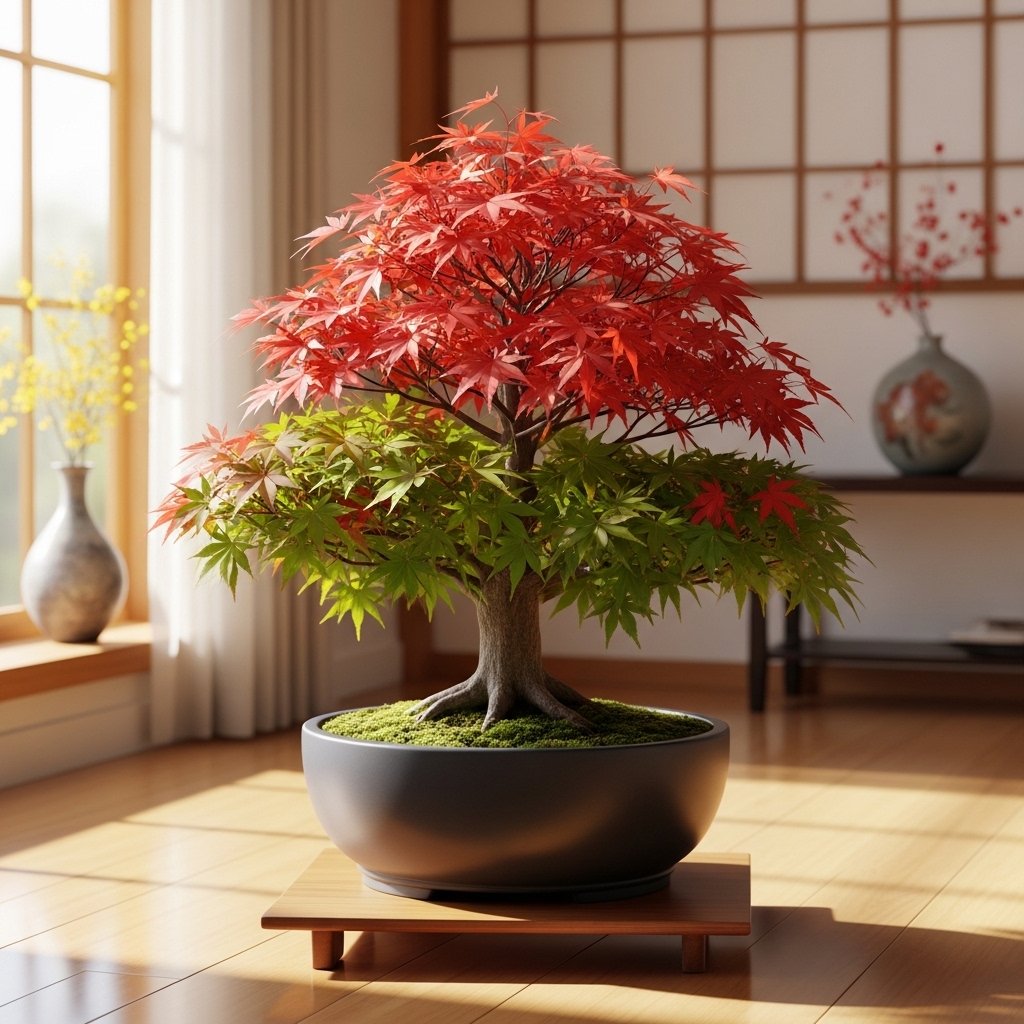
A miniature Japanese maple brings stunning red and green foliage indoors, adding a seasonal charm to your space. While typically an outdoor plant, dwarf varieties can thrive indoors with proper lighting. Its delicate leaves create a dramatic yet peaceful visual effect in any room. This plant works beautifully in decorative pots that match minimalist Japanese interiors. It is perfect for creating a focal point in your living area.
4. Peace Lily for Zen-Inspired Spaces
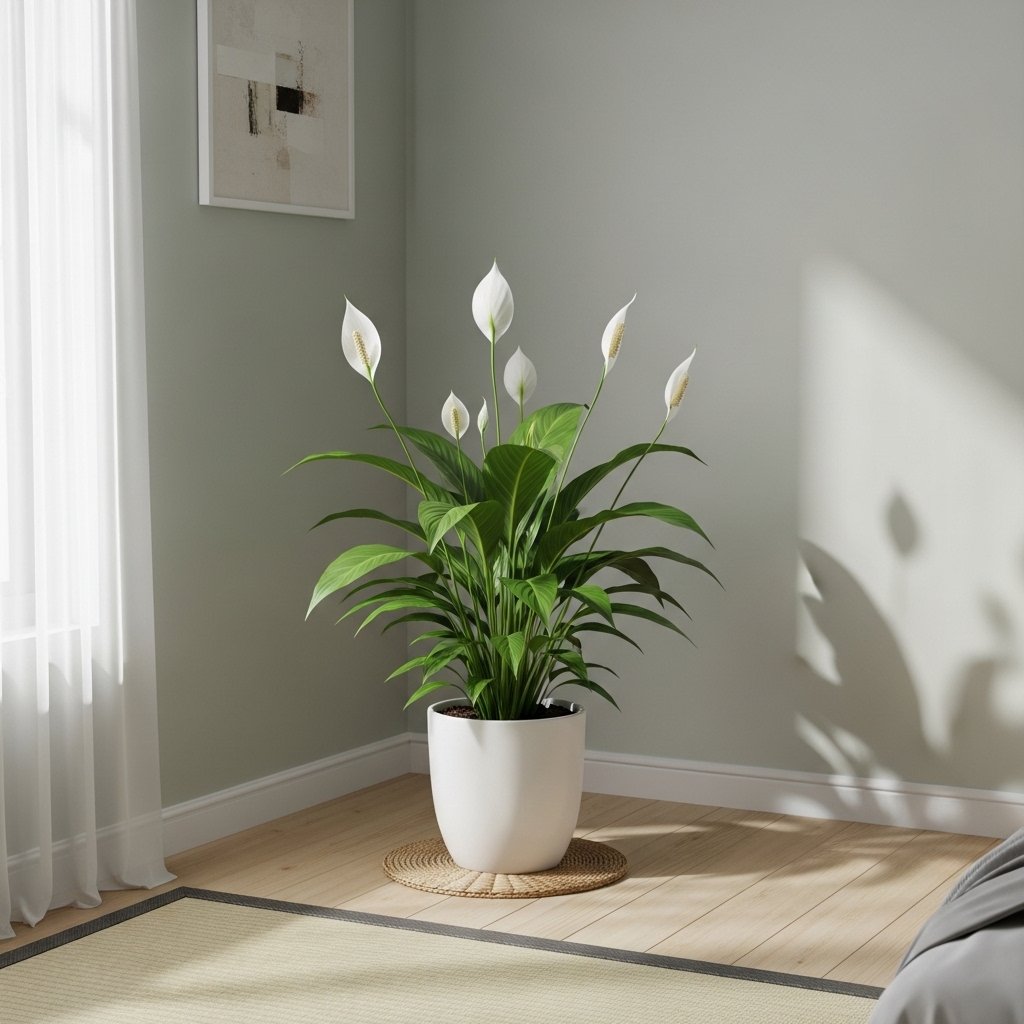
The Peace Lily is a popular indoor plant that aligns perfectly with Japanese Zen aesthetics. It features elegant white flowers and deep green leaves that symbolize purity and tranquility. This plant is also known for improving indoor air quality, making it both beautiful and functional. It thrives in low-light conditions, making it suitable for bedrooms or shaded corners. Its simple yet elegant appearance enhances any calm living space.
5. Japanese Fern for Soft Green Texture
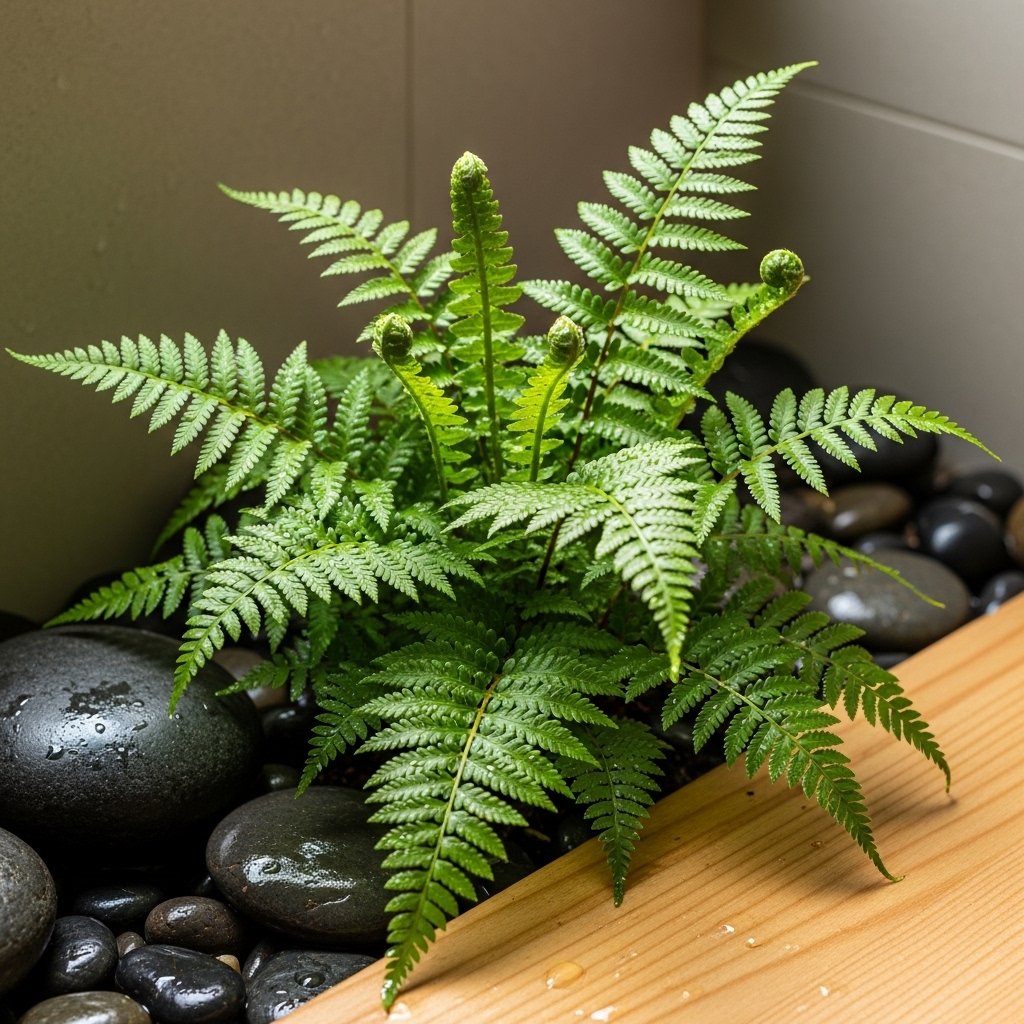
Japanese ferns add a soft and delicate texture to indoor environments, making them ideal for natural-themed décor. Their lush green fronds create a forest-like feel inside your home. These plants prefer humid conditions, so placing them in bathrooms or kitchens works well. Ferns are low-maintenance and grow beautifully in indirect sunlight. They help create a refreshing and natural atmosphere indoors.
6. Kokedama Moss Ball Plant
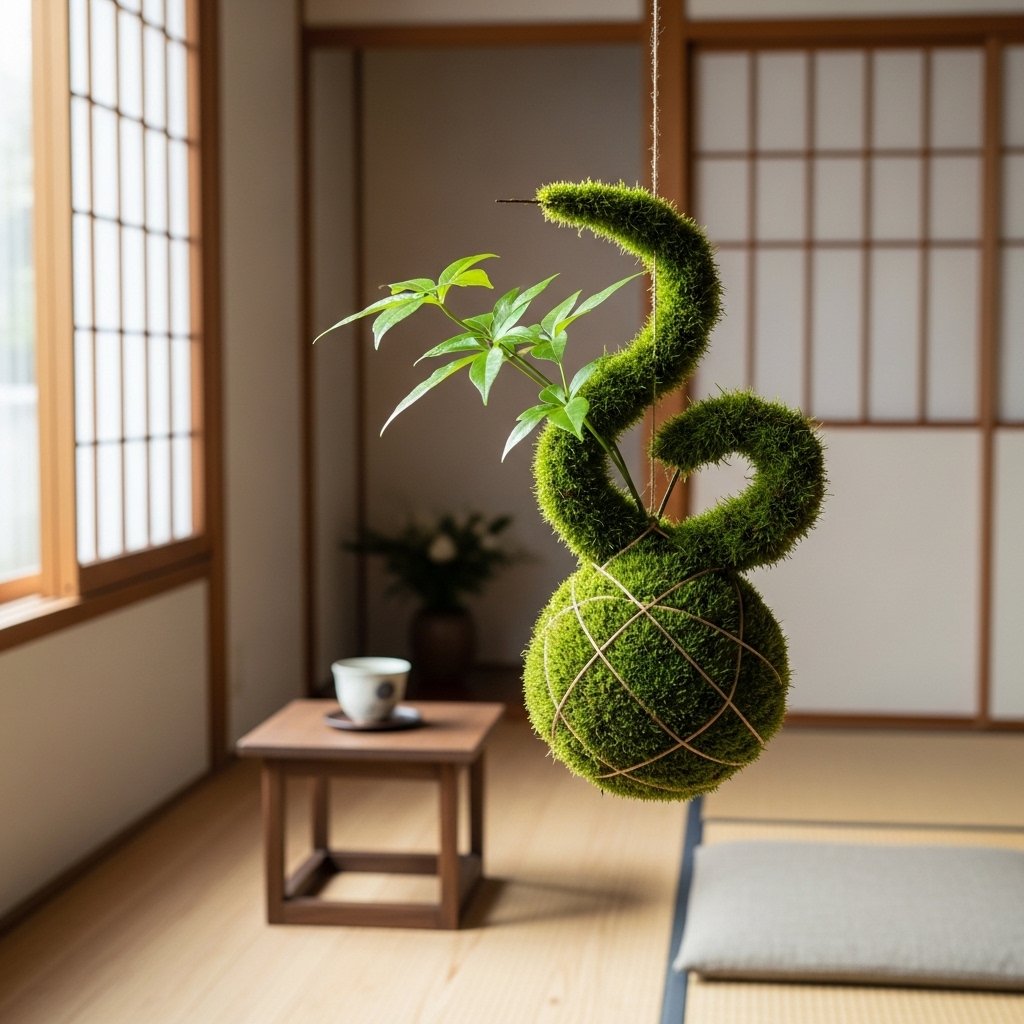
Kokedama is a unique Japanese planting style where plants grow in a moss-covered soil ball instead of a pot. This artistic form of gardening is both decorative and space-saving. It can be hung with string or placed on small trays for display. Kokedama works well with small indoor plants like ferns or ivy. It adds a creative and traditional Japanese touch to modern interiors.
7. Snake Plant for Minimalist Japanese Interiors
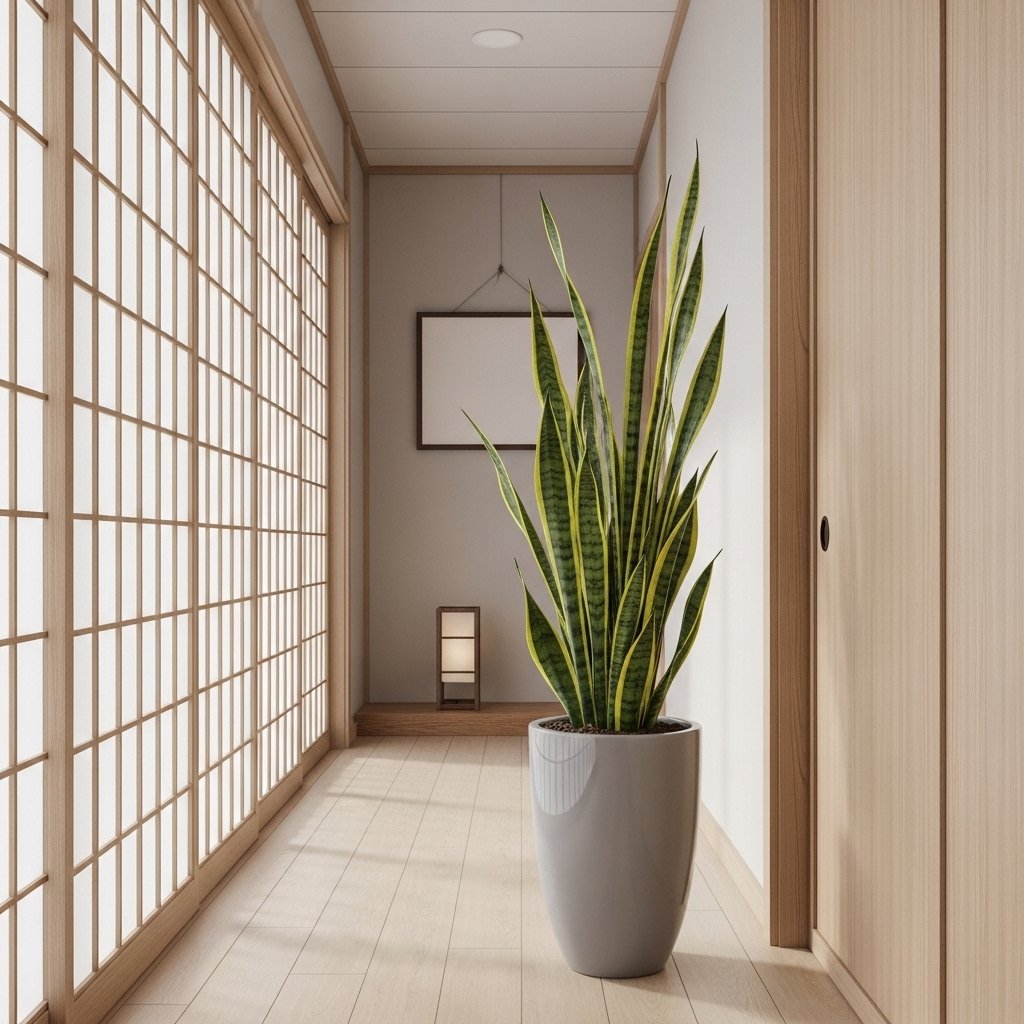
The Snake Plant is widely used in Japanese-inspired homes due to its clean, vertical lines and low-maintenance nature. It symbolizes strength and resilience while purifying indoor air effectively. This plant thrives in low light and requires minimal watering, making it perfect for busy lifestyles. Its sharp, structured leaves complement minimalist décor perfectly. It is an excellent choice for bedrooms, hallways, and office spaces.
8. Japanese Orchid for Elegant Decoration
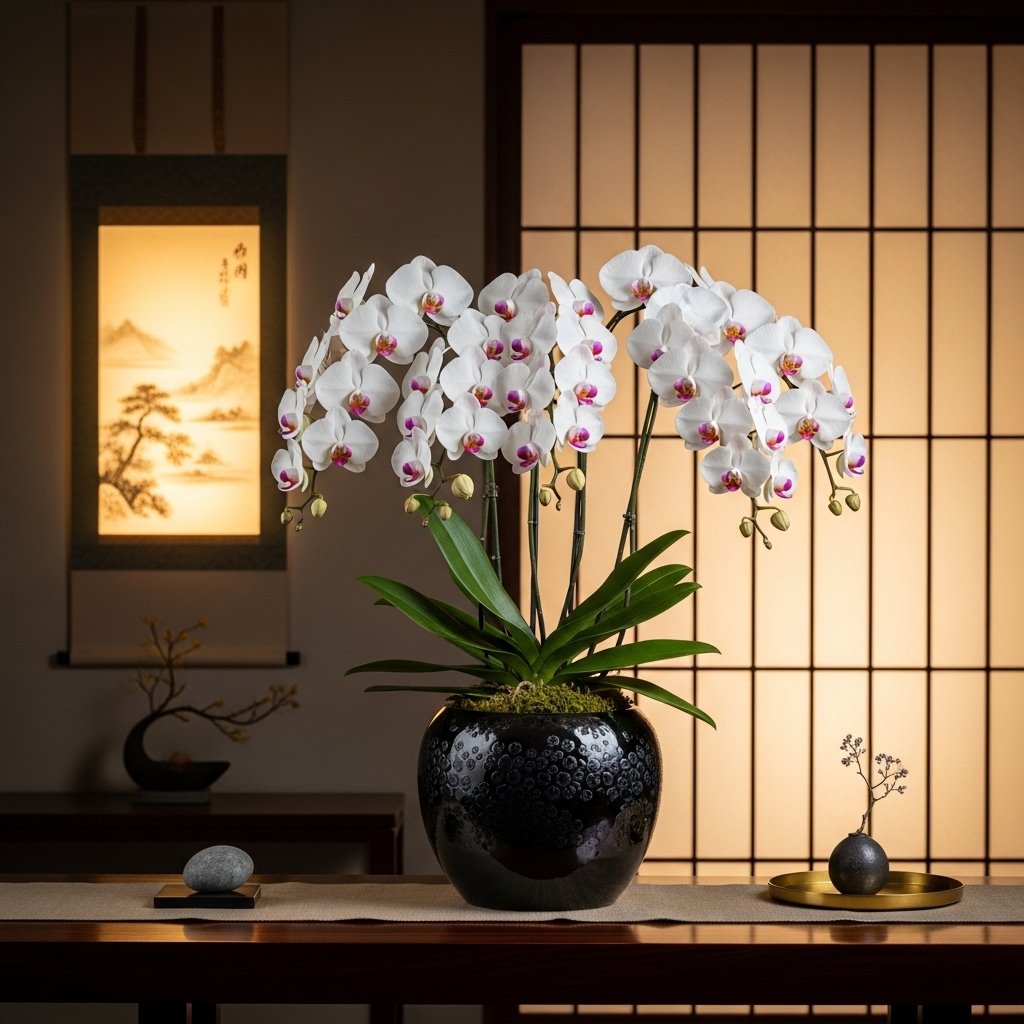
Japanese orchids bring elegance and sophistication to indoor spaces with their delicate blooms. They are often associated with luxury and refined beauty in Japanese culture. Orchids require indirect sunlight and moderate humidity to thrive indoors. Their long-lasting flowers make them a great decorative choice for dining rooms or entryways. This plant adds a graceful and artistic touch to any interior design.
9. Lucky Moss for Natural Floor Decor
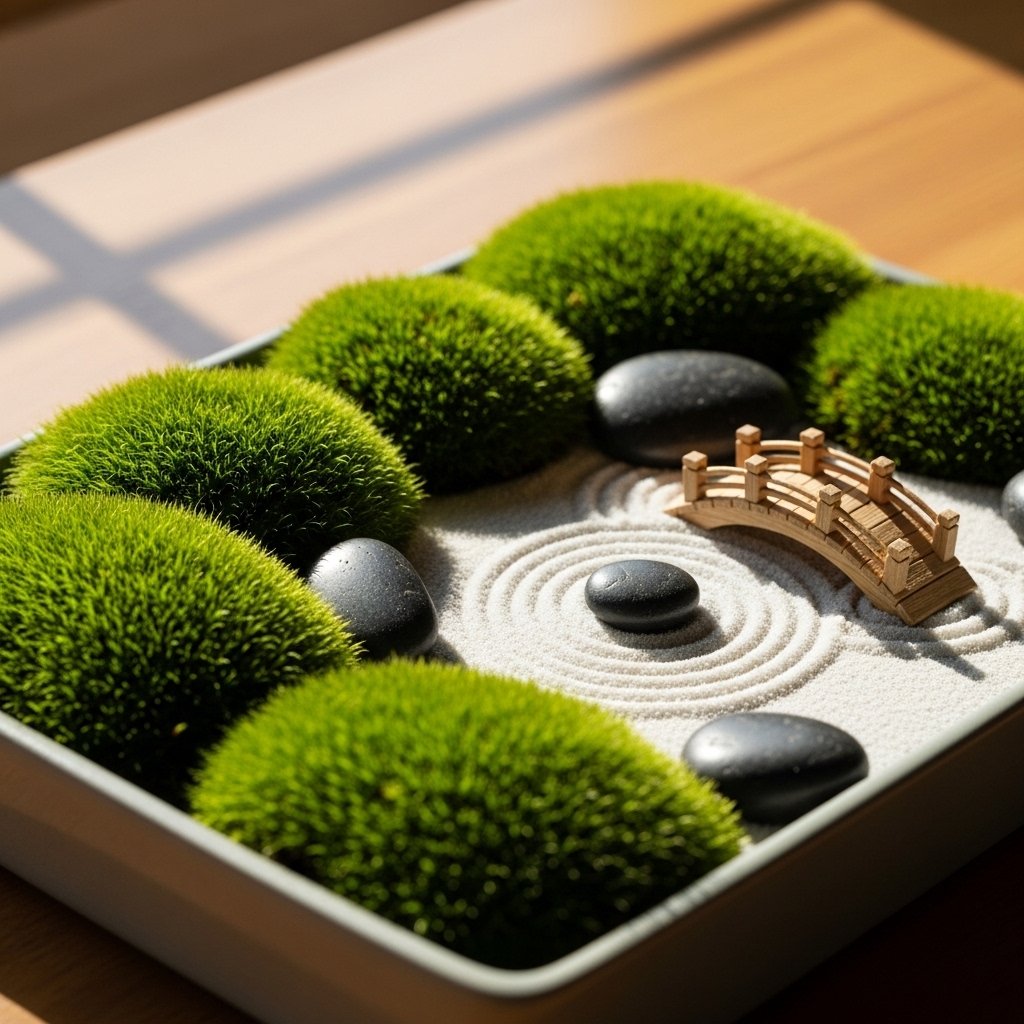
Lucky moss is commonly used in Japanese gardens and can also be adapted for indoor use. It creates a soft green carpet effect when placed in shallow trays or containers. Moss requires minimal care and thrives in moist, shaded environments. It is perfect for creating miniature Zen garden setups indoors. This plant adds a grounding and earthy feel to your living space.
10. Ficus Bonsai for Modern Indoor Styling
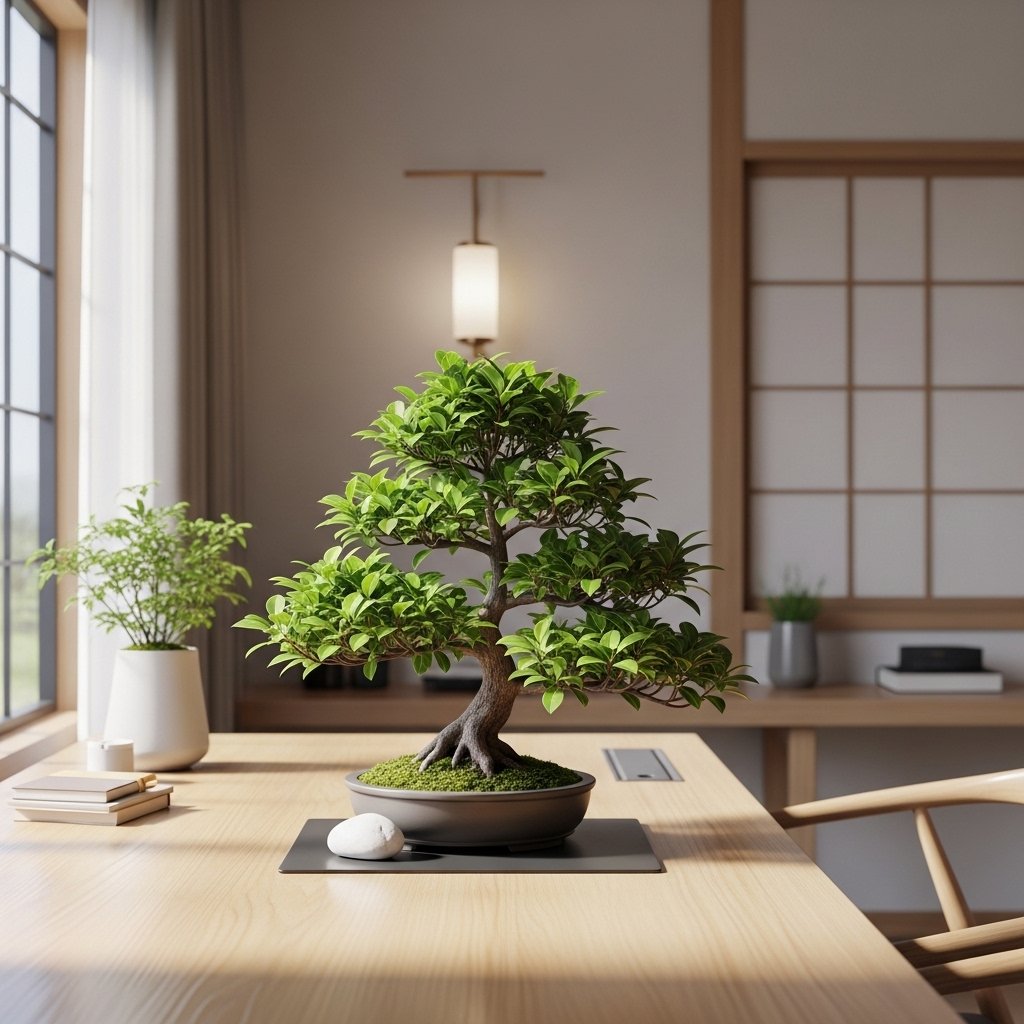
Ficus Bonsai combines traditional Japanese bonsai techniques with a modern indoor plant variety. It is easier to maintain compared to classic bonsai trees, making it suitable for beginners. Its glossy green leaves provide a fresh and vibrant look to interiors. Regular pruning helps maintain its artistic shape and structure. This plant is perfect for desks, shelves, or coffee tables.
11. Japanese Ivy for Hanging Greenery
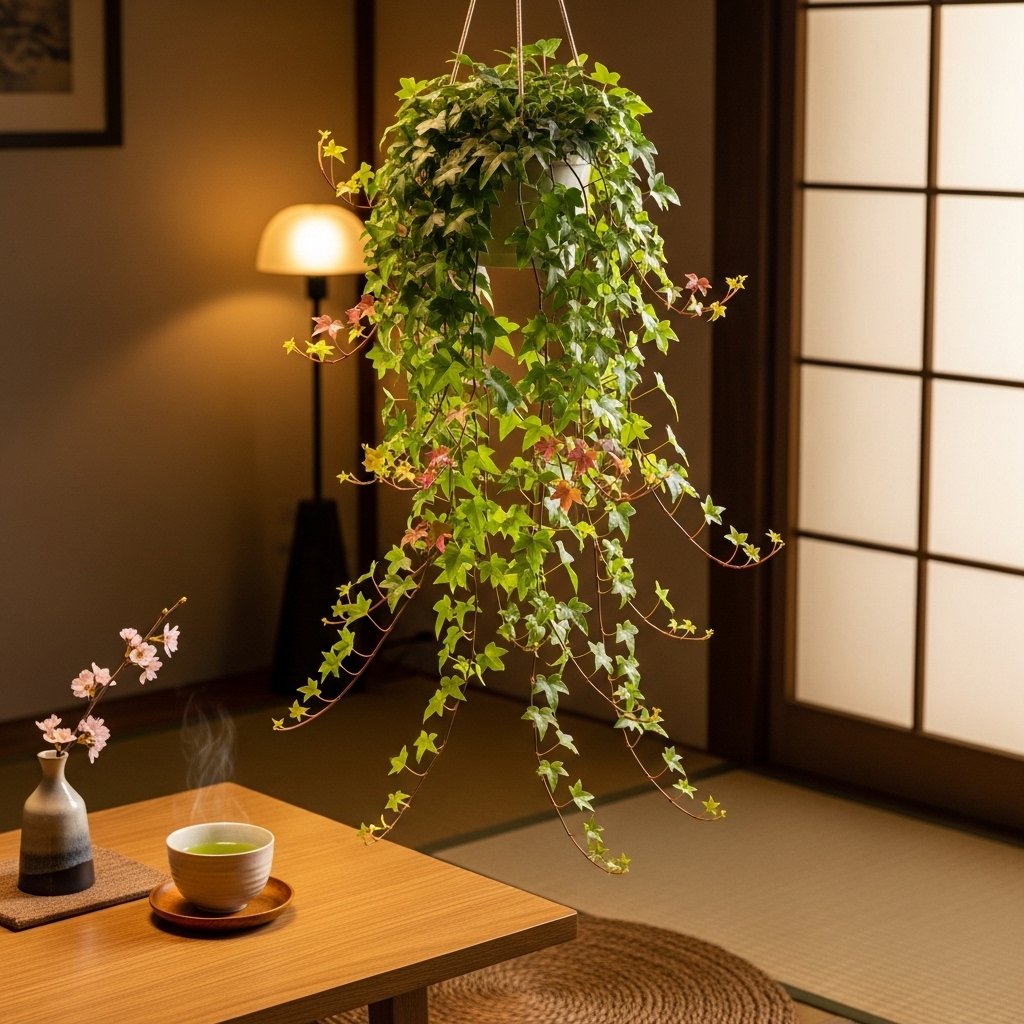
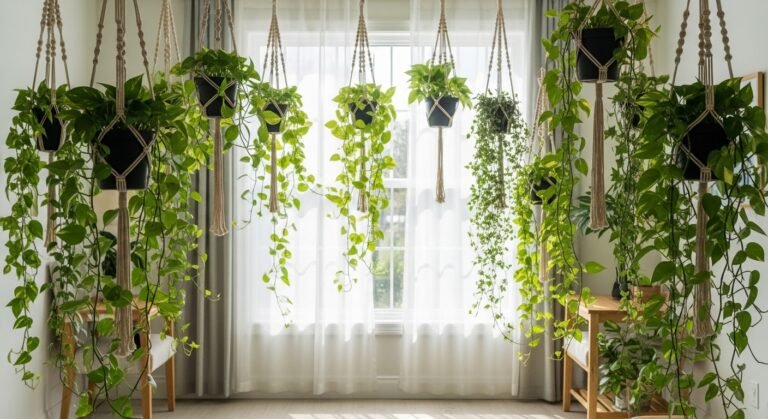
Japanese ivy is a versatile plant that works well in hanging pots or wall planters. Its trailing vines create a natural waterfall effect indoors. This plant is easy to grow and adapts well to different lighting conditions. It helps soften sharp interior edges and adds a cozy atmosphere. Japanese ivy is ideal for balconies, kitchens, or living room corners.
12. Mini Zen Garden Plant Setup
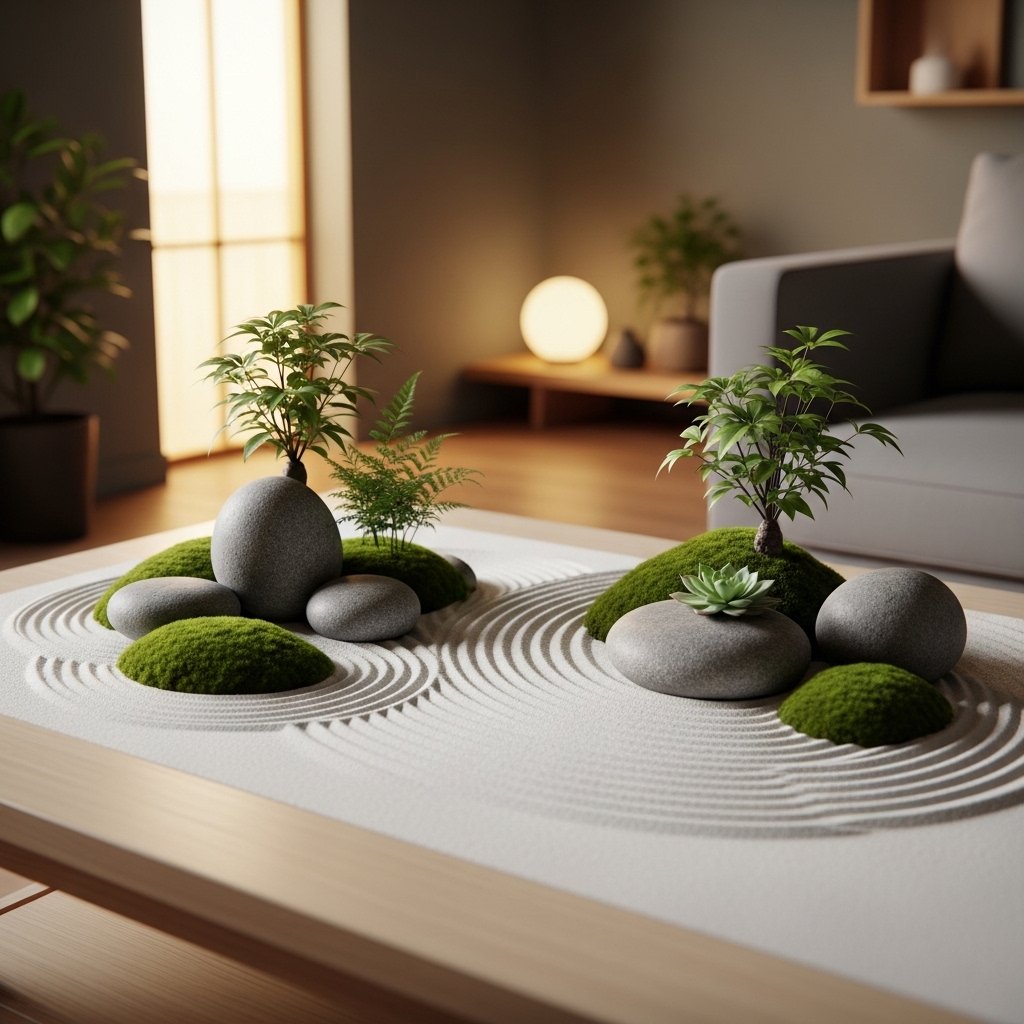
A mini Zen garden with small Japanese plants creates a peaceful and meditative indoor space. It often includes elements like sand, stones, moss, and small plants arranged artistically. This setup encourages relaxation and mindfulness while enhancing home décor. It can be placed on coffee tables, desks, or meditation areas. A Zen garden brings the essence of Japanese culture directly into your home.
13. How to Care for Indoor Japanese Plants
- Water Carefully – Water only when the top soil feels dry to avoid root rot.
- Give Soft Light – Place plants in bright indirect sunlight, not harsh direct sun.
- Maintain Humidity – Keep air slightly humid by misting or using a water tray nearby.
- Clean Regularly – Wipe leaves gently to remove dust and help plants breathe better.
- Trim & Monitor – Remove dry leaves and check regularly for pests or damage.
13.1. FAQ
13.2. What are Japanese indoor plants❓
Japanese indoor plants are plants that are commonly used in Japanese-style home decor to create a calm, natural, and peaceful environment. These plants are often chosen for their simple beauty and minimal care needs. They help bring a touch of nature inside the home and are widely used in modern Japanese interior design.
13.3. Why are Japanese plants popular for indoor decor❓
Japanese plants are popular for indoor decor because they create a clean, peaceful, and balanced atmosphere. Their natural green look improves the mood of a room and supports a minimalist lifestyle. Many people prefer them because they are elegant, simple, and do not require heavy maintenance.
13.4. Which Japanese plants are best for indoors❓
Some of the best Japanese indoor plants include bonsai trees, bamboo, peace lilies, and Japanese maple in controlled indoor settings. These plants are known for their beauty and symbolic meaning. They fit well in small spaces and add a natural, stylish touch to any room.
14. Final Thoughts
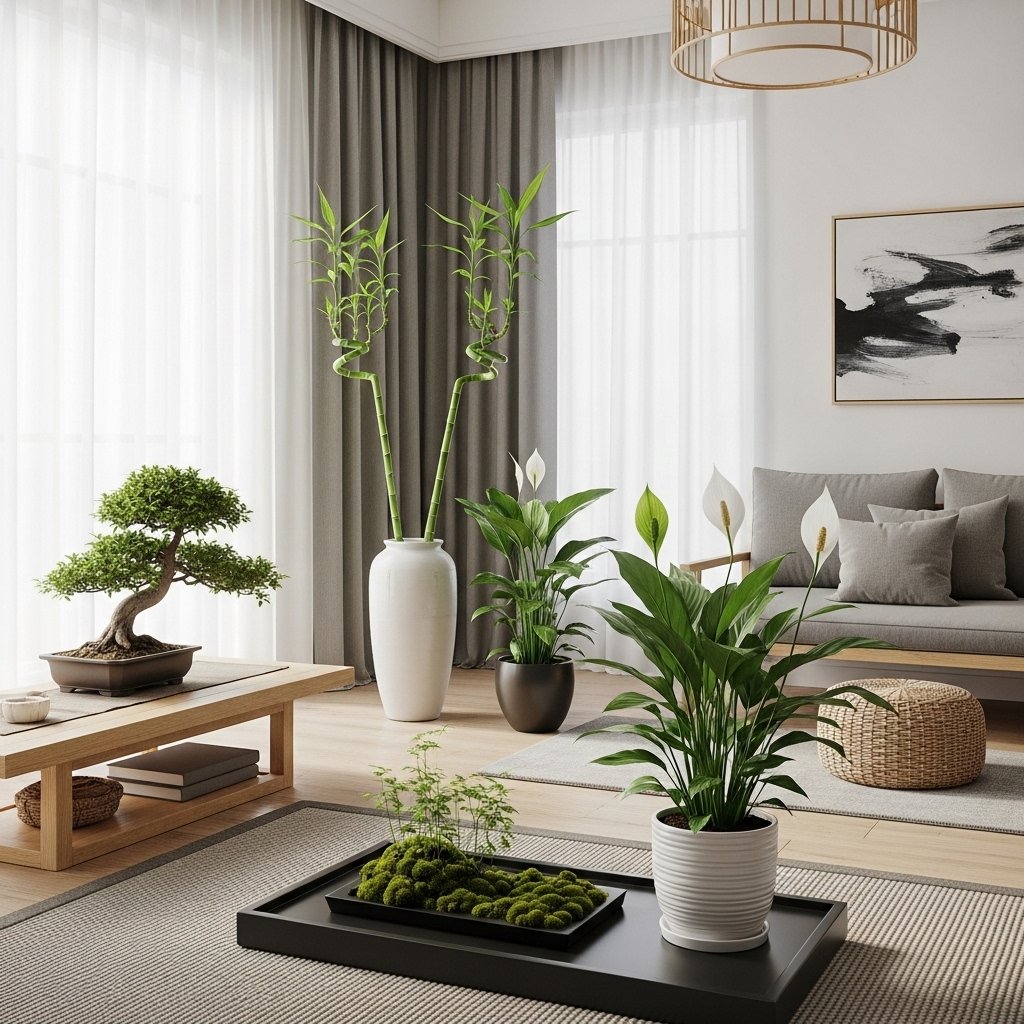
Japanese plants indoor are a perfect way to bring nature, peace, and minimalism into your living space. Each plant carries its own cultural meaning and aesthetic value, contributing to a balanced and calming environment. From bonsai trees to moss gardens, these plants allow you to design a home that feels both modern and naturally grounded. They are not only decorative but also improve air quality and mental well-being. By choosing the right combination of Japanese indoor plants, you can easily create a serene, stylish, and refreshing atmosphere in any room.