Indoor Plants That Repel Bugs: Natural Ways to Keep Your Home Pest-Free
Blog > Home > Indoor Plants & Home Decor > Indoor Plants That Repel Bugs: Natural Ways to Keep Your Home Pest-Free
Indoor plants do more than just beautify your living space—they can also help protect your home from unwanted insects. Many indoor plants that repel bugs release natural oils and fragrances that deter mosquitoes, flies, and other pests. This makes them a perfect eco-friendly alternative to chemical repellents. Along with improving air quality and reducing stress, these plants create a healthier indoor environment. In this guide, you’ll explore 12 powerful indoor plants that naturally help keep bugs away while enhancing your home decor.
Table Of Content
1. Basil
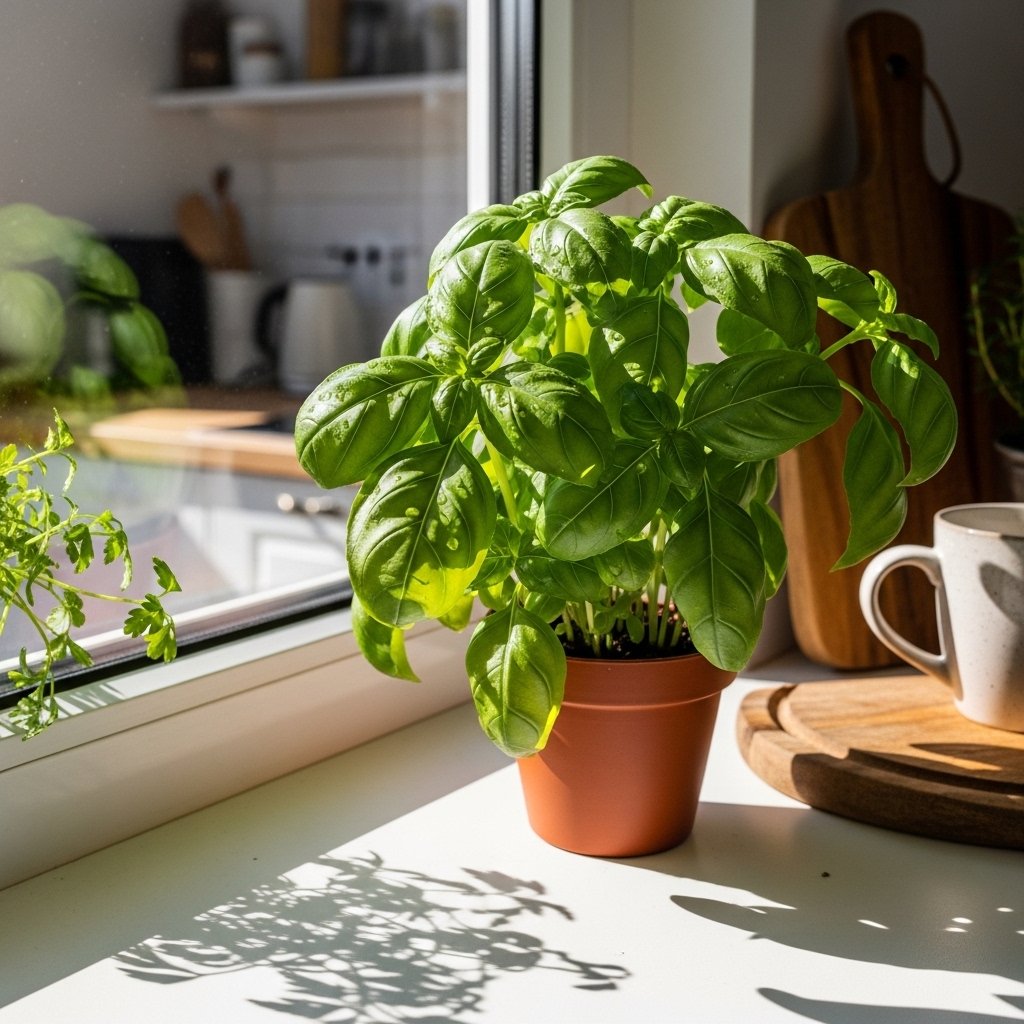
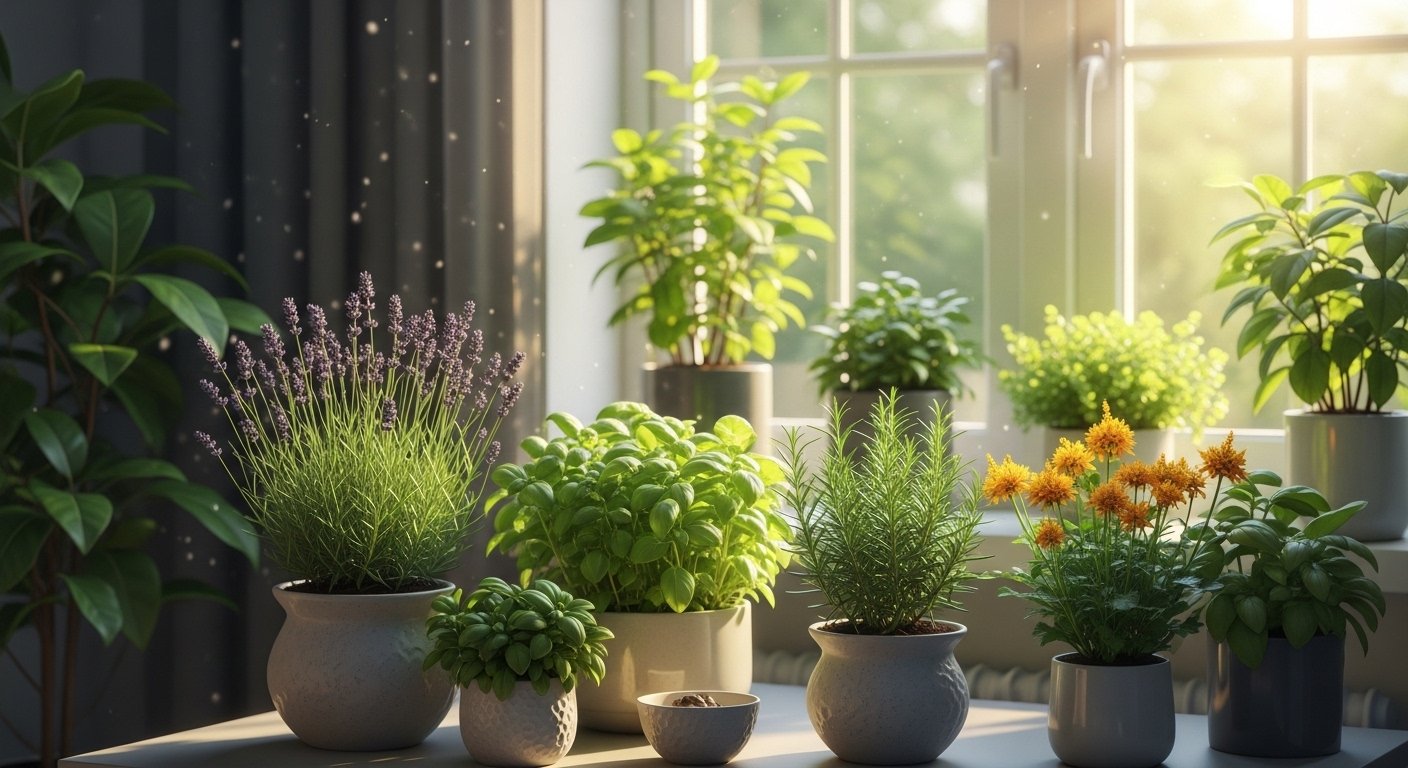
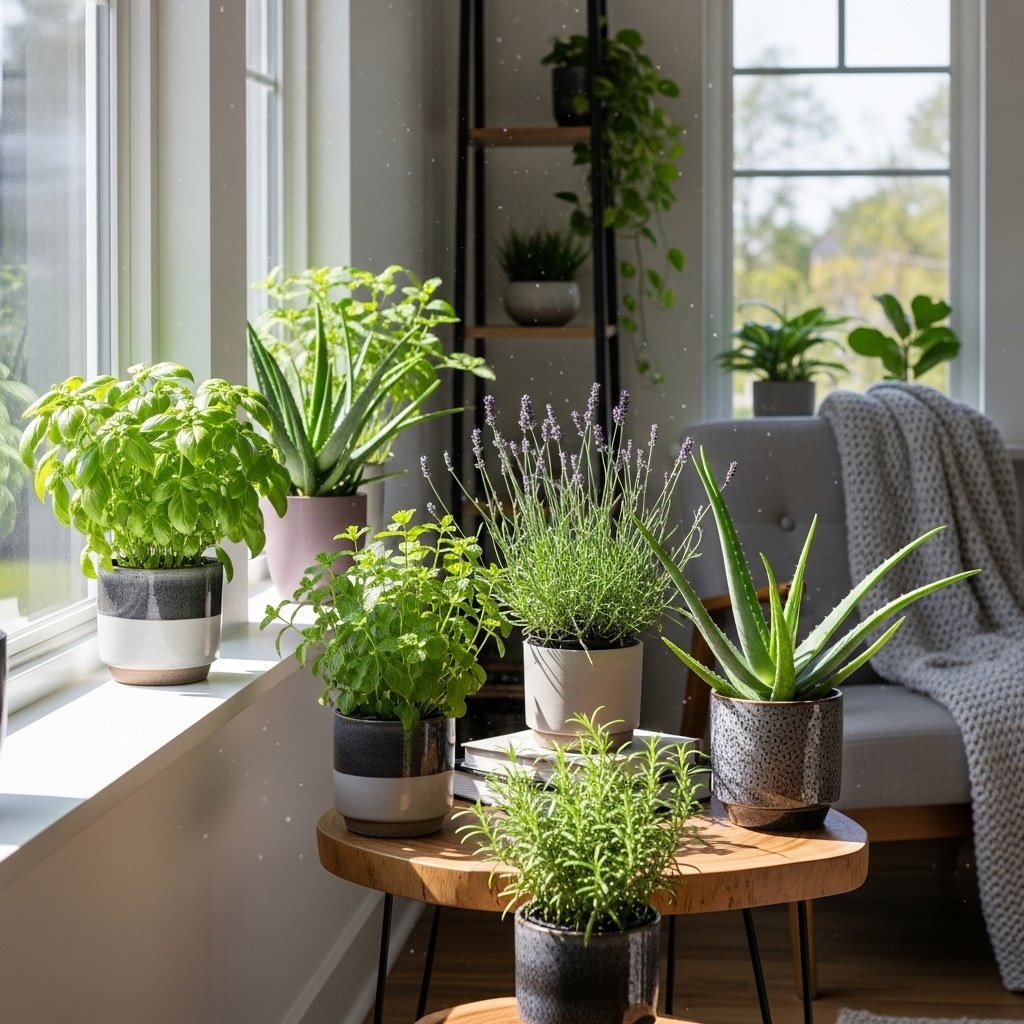
Basil is one of the most effective indoor plants that repel bugs, especially mosquitoes and houseflies. Its strong aroma comes from essential oils that insects find highly unpleasant. Placing basil pots near windows or kitchen areas helps reduce pest activity naturally. This plant also doubles as a culinary herb, making it both practical and functional. Regular pruning ensures healthy growth and a stronger fragrance for better bug control.
2. Mint
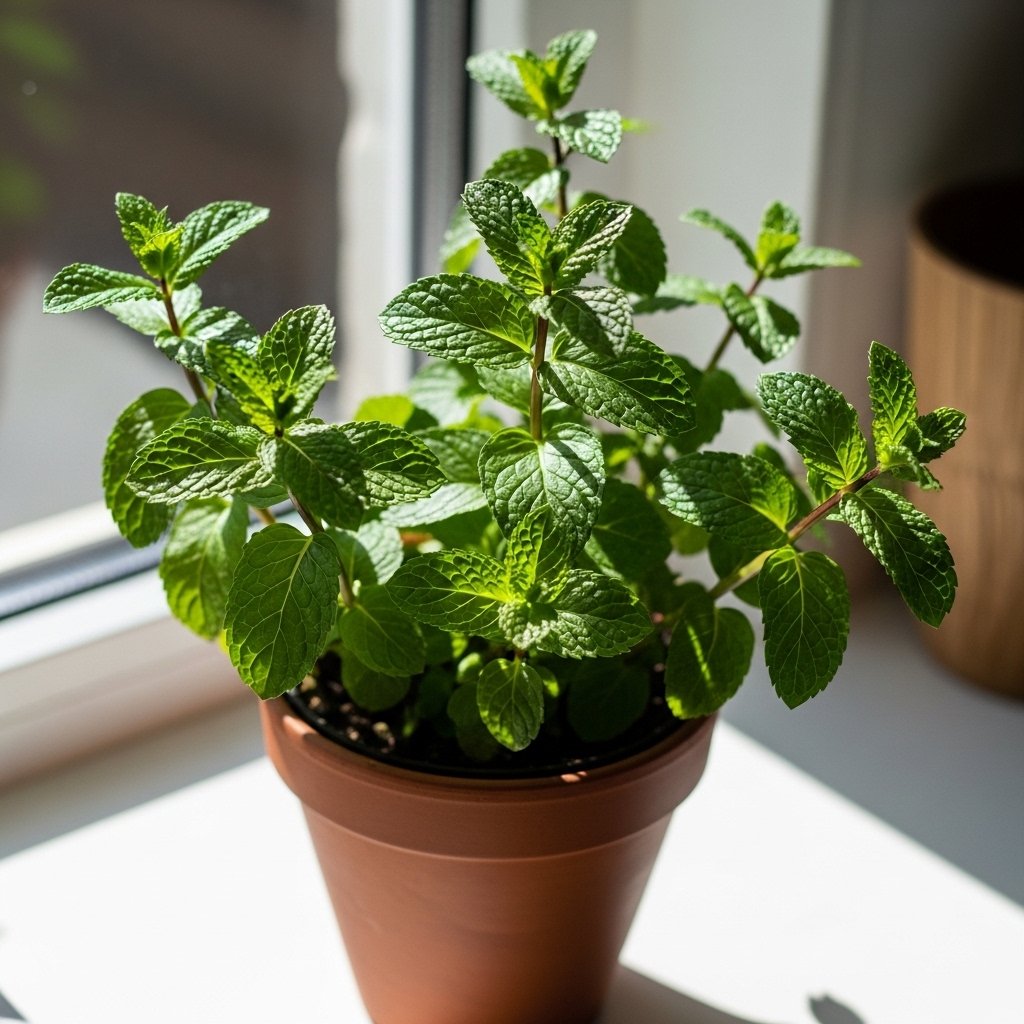
Mint is a refreshing herb known for its cooling scent and powerful insect-repelling properties. The strong menthol aroma naturally keeps ants, mosquitoes, and flies away from indoor spaces. It grows easily in pots and requires minimal maintenance, making it ideal for beginners. Keeping mint near doorways or windows enhances its effectiveness against pests. You can also use fresh leaves in drinks while enjoying its natural bug-repelling benefits.
3. Lavender
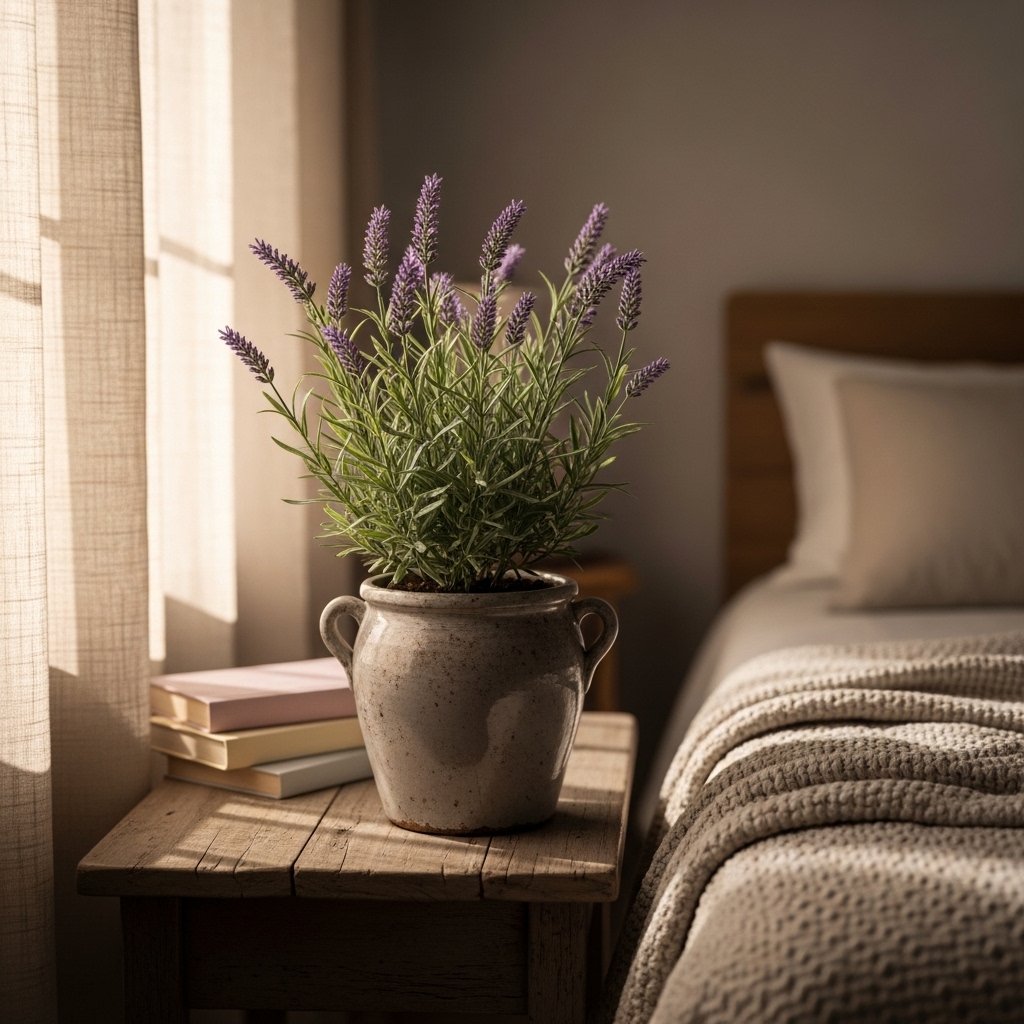
Lavender is not only beautiful but also one of the most popular indoor plants that repel bugs. Its calming fragrance is loved by humans but disliked by mosquitoes, moths, and flies. Placing lavender in bedrooms can promote relaxation and improve sleep quality. This plant thrives in bright light and well-drained soil for optimal growth. Dried lavender can also be used in sachets for extended insect protection.
4. Rosemary
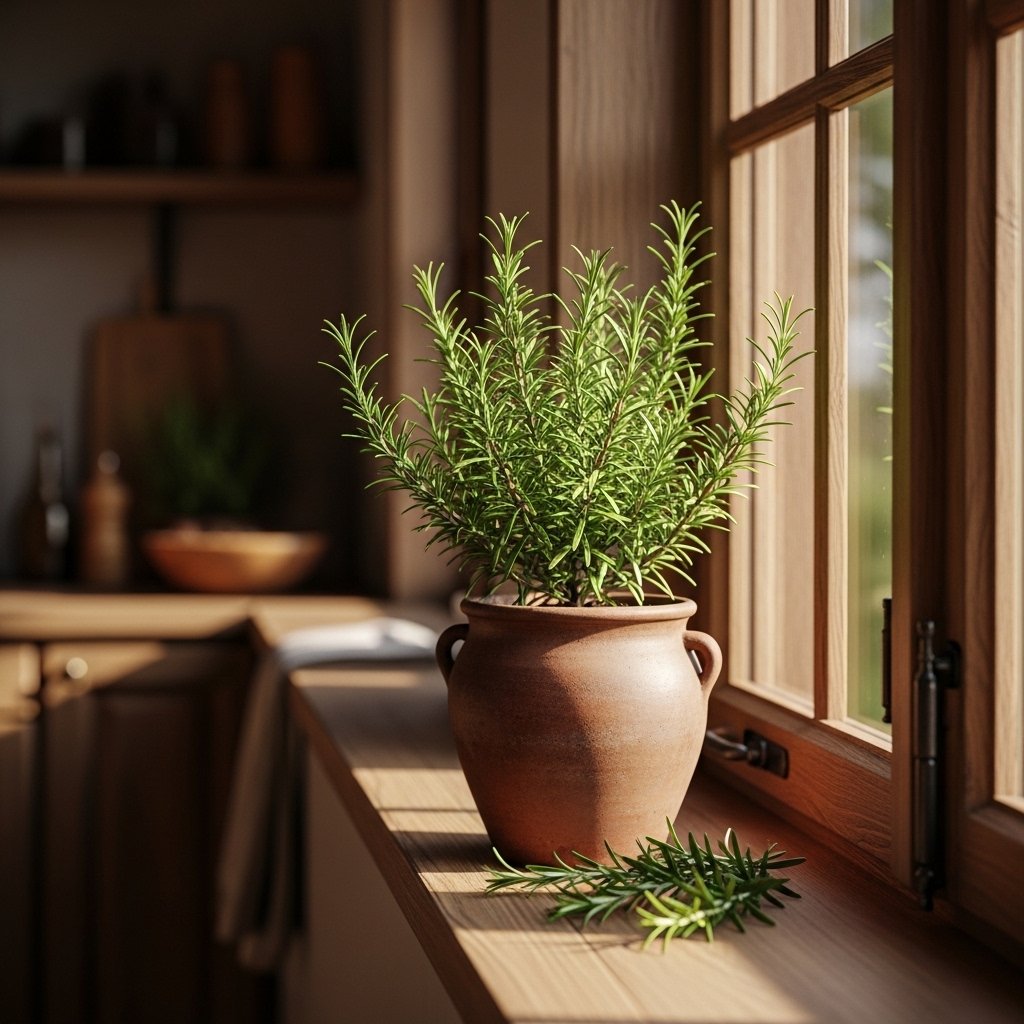
Rosemary is a fragrant herb that works effectively as a natural insect deterrent indoors. Its woody scent repels mosquitoes and various flying insects. This plant prefers sunny windowsills where it can grow strong and aromatic. Rosemary is also widely used in cooking, adding value beyond pest control. Regular trimming helps maintain its shape and enhances its bug-repelling aroma.
5. Lemongrass
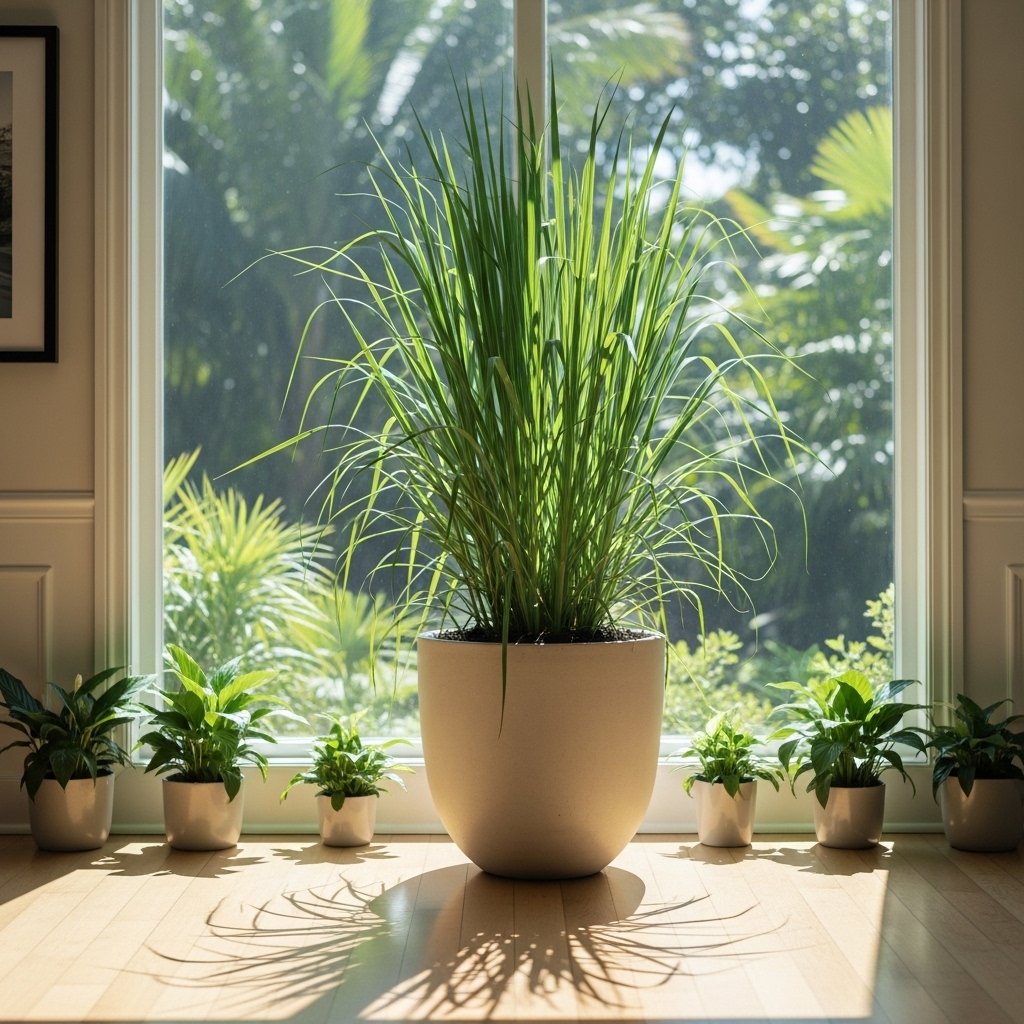
Lemongrass is well known for its citrus-like fragrance that naturally repels mosquitoes. It contains citronella oil, a common ingredient in insect repellents. Growing lemongrass indoors in large pots can significantly reduce mosquito presence. It requires warmth and sunlight to thrive, making it ideal for bright indoor spaces. Crushing the leaves occasionally releases a stronger scent for added protection.
6. Citronella Plant
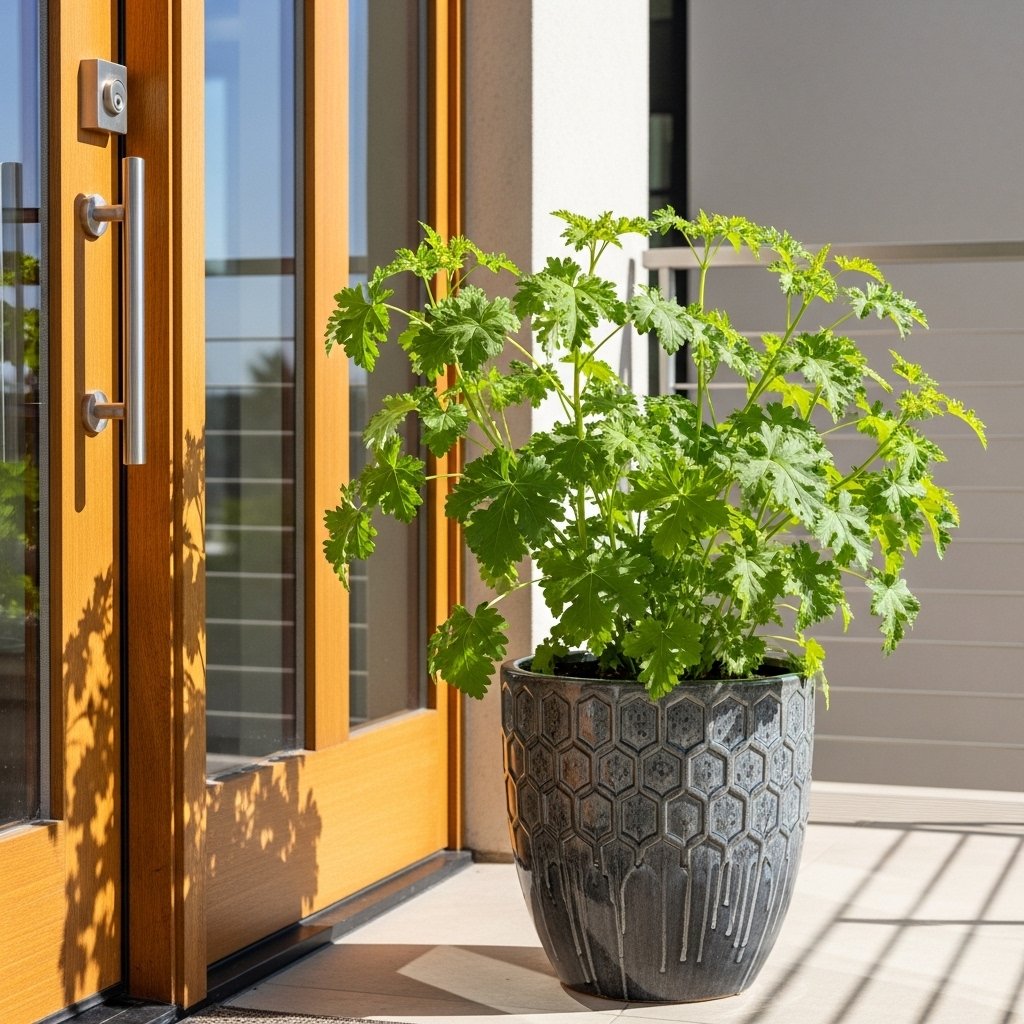
Citronella is one of the most powerful indoor plants that repel bugs, especially mosquitoes. Its strong lemony aroma masks human scents, making it difficult for insects to locate you. This plant is often used in natural mosquito repellents and candles. It grows best in warm environments with plenty of light and moisture. Keeping citronella near entry points can help create a protective barrier against bugs.
7. Marigold
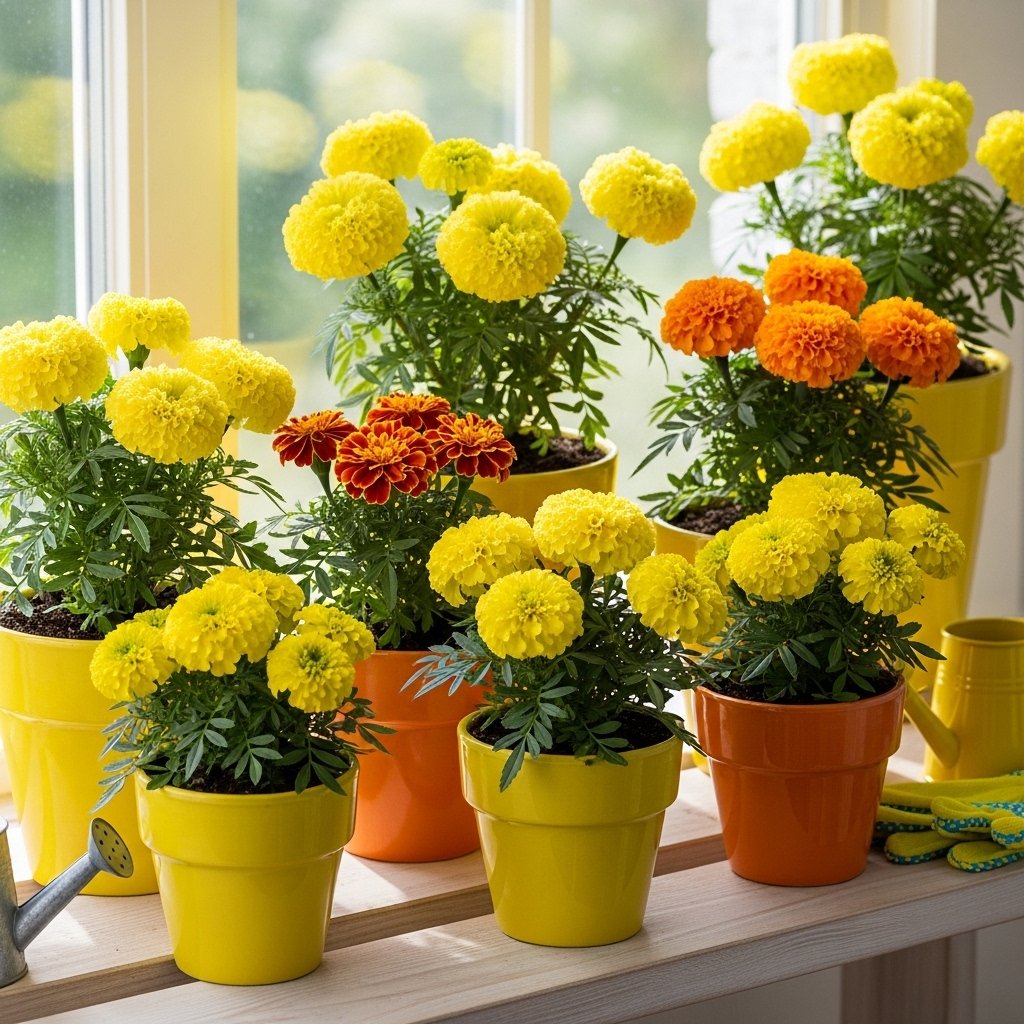
Marigold is a vibrant flowering plant that helps repel a wide range of insects indoors. It produces a distinct scent that deters mosquitoes, aphids, and even some flies. Its bright yellow and orange flowers also add a cheerful touch to home interiors. Marigolds are easy to grow in pots and require moderate sunlight. Placing them near windows enhances their natural pest-repelling effects.
8. Neem Plant
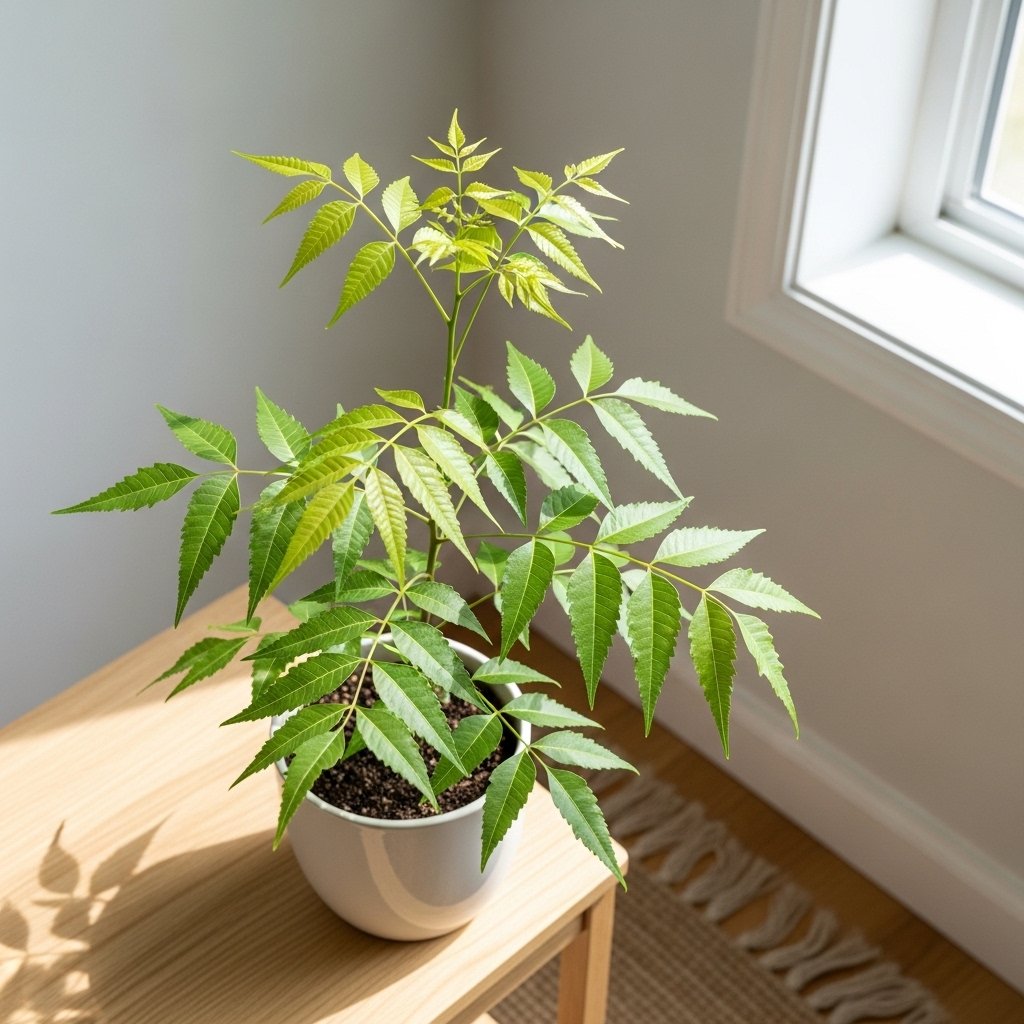
Neem is widely known for its medicinal and insect-repelling properties. Its leaves contain compounds that naturally deter mosquitoes, moths, and other pests. Keeping a small neem plant indoors can significantly reduce insect activity. It also purifies the air, adding extra health benefits to your home. Regular care and proper watering help maintain its effectiveness and growth.
9. Eucalyptus
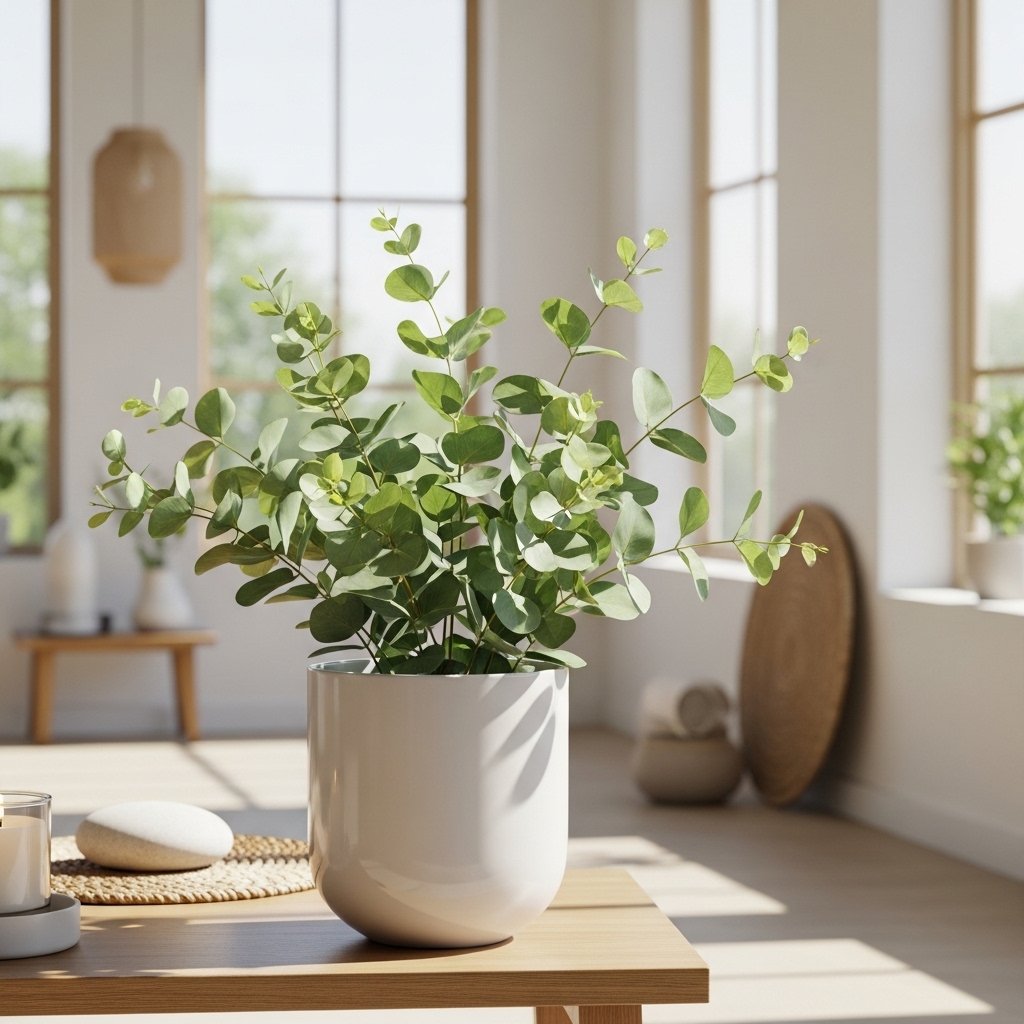
Eucalyptus is a strong-scented plant that works well as a natural insect repellent indoors. Its essential oils are commonly used in sprays and balms to keep bugs away. The refreshing aroma also helps clear the air and improve breathing. Eucalyptus plants thrive in bright, sunny indoor spots with good airflow. Placing leaves in rooms can further enhance its pest-repelling power.
10. Catnip
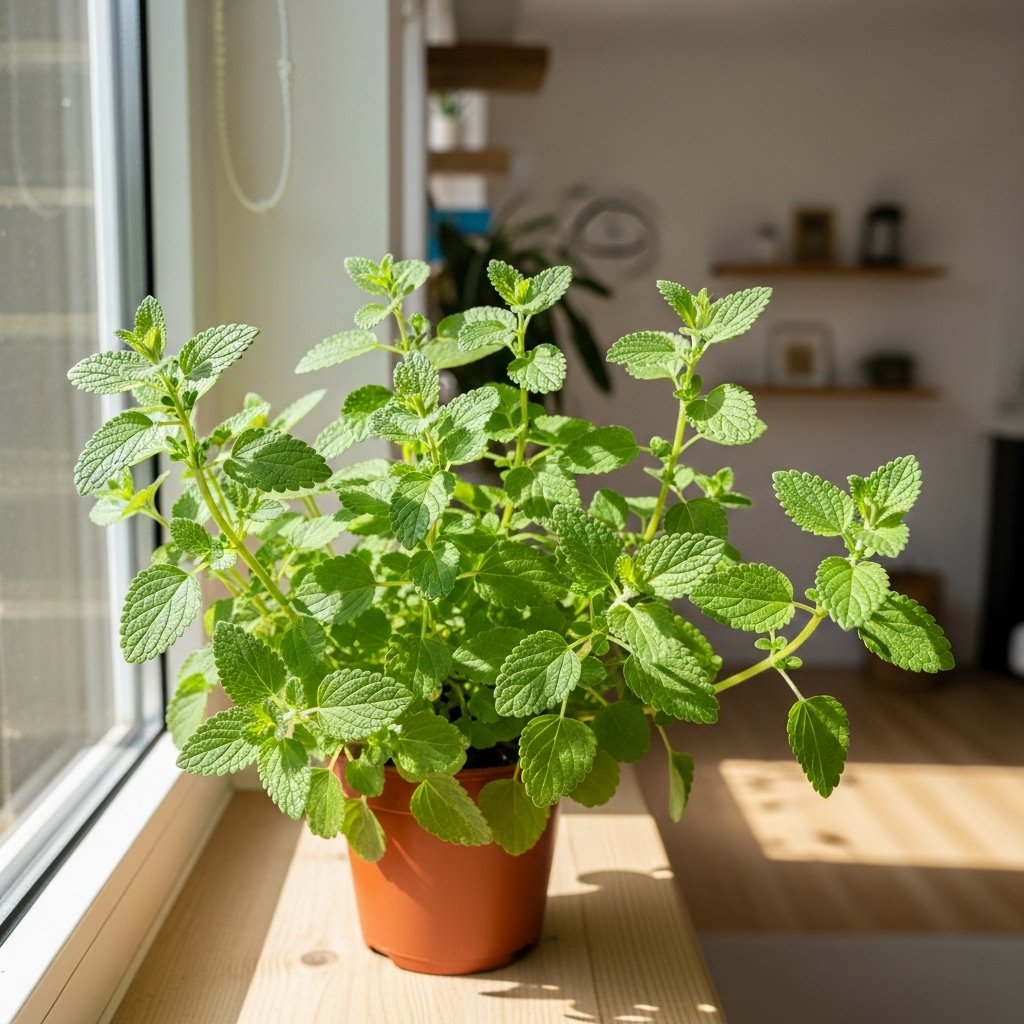
Catnip is not just for cats—it is also a powerful natural mosquito repellent. It contains nepetalactone, a compound that insects find extremely irritating. Studies suggest it can be even more effective than some chemical repellents. Growing catnip indoors is easy as it requires minimal care and grows quickly. Keeping it near windows or balconies helps reduce mosquito entry into the home.
11. Chrysanthemum
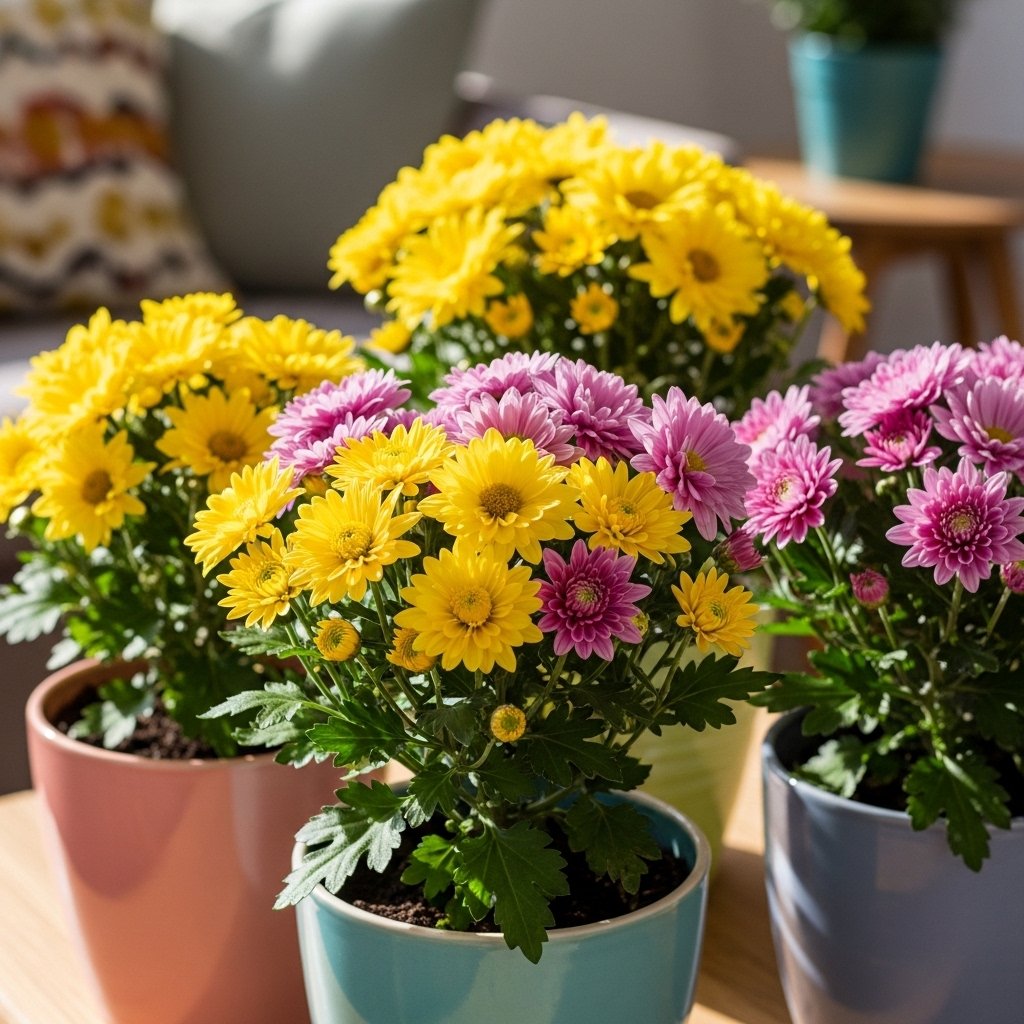
Chrysanthemum is a beautiful flowering plant that doubles as a natural insect killer. It contains pyrethrin, a compound used in many insecticides. This makes it highly effective against ants, roaches, fleas, and mosquitoes. Chrysanthemums add color and vibrancy to indoor spaces while protecting against pests. They thrive in bright light and need regular watering to stay healthy.
12. Aloe Vera
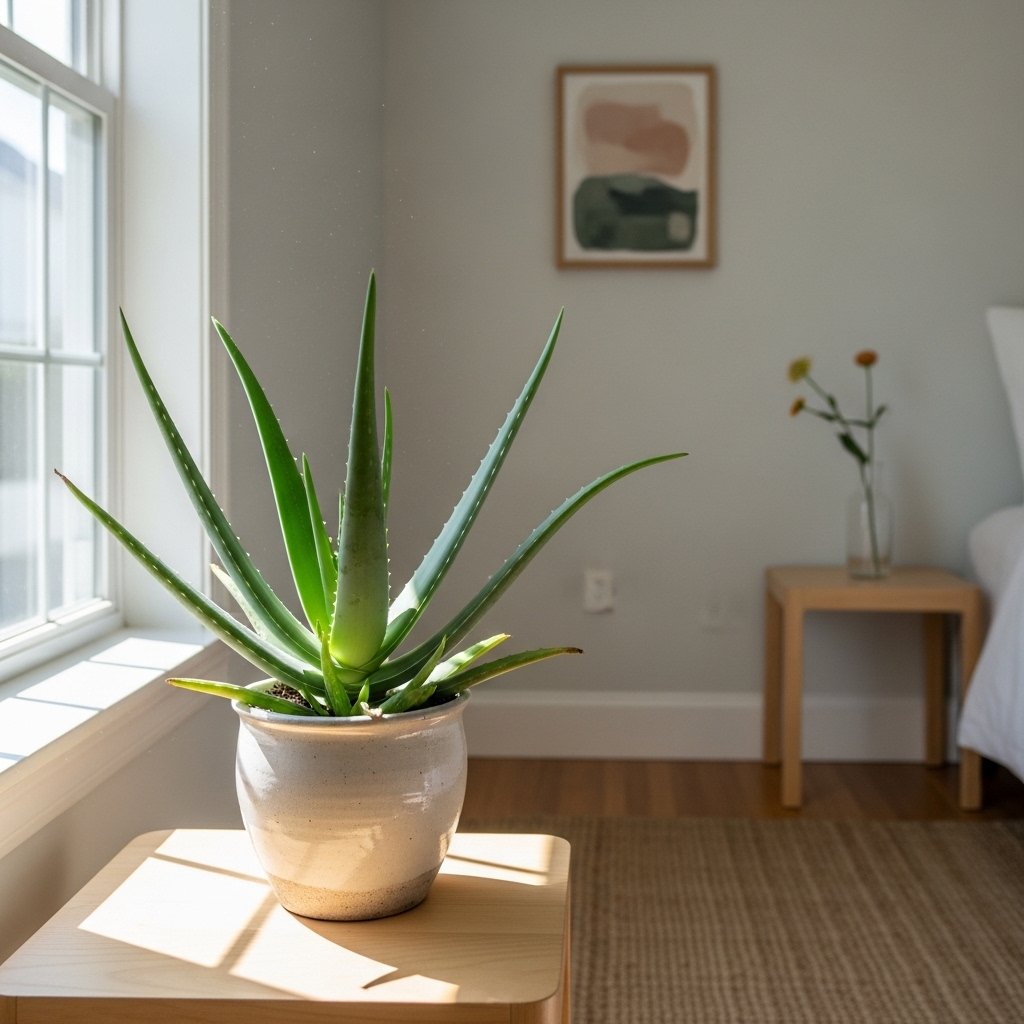
Aloe vera is widely known for its healing properties but also plays a role in repelling certain insects. Its gel contains compounds that can deter pests like mosquitoes and flies. Aloe vera is extremely easy to maintain and grows well indoors with minimal care. It also purifies the air and improves indoor oxygen quality. Placing it in bedrooms or living rooms adds both health and protective benefits.
13. How to Care for Bug-Repellent Indoor Plants
- Water Correctly – Water only when the soil is dry to avoid root rot and keep plants healthy.
- Give Proper Light – Place plants in bright indirect sunlight so they grow well and stay strong.
- Keep Leaves Clean – Wipe leaves regularly to remove dust and help plants stay fresh and effective.
- Check for Pests – Inspect plants often to make sure no bugs or insects are damaging them.
- Prune Regularly – Cut dry or weak leaves to improve growth and maintain plant health.
13.1. FAQ
13.2. What are indoor plants that repel bugs❓
Indoor plants that repel bugs are natural plants that help keep insects like mosquitoes, flies, and ants away from your home. These plants release natural scents or oils that bugs dislike, making them a chemical-free way to protect your living space. Common examples include basil, mint, lavender, and rosemary, which are also easy to grow indoors.
13.3. How do indoor plants repel insects❓
Indoor plants repel insects by producing natural fragrances and oils that insects find unpleasant. These scents act as a natural barrier, discouraging bugs from entering or staying in the room. Some plants also contain compounds that interfere with insect behavior, helping reduce their presence in a safe and eco-friendly way.
13.4. Why should I use indoor plants for bug control❓
You should use indoor plants for bug control because they are natural, safe, and free from harmful chemicals. Unlike sprays or pesticides, these plants do not affect air quality negatively and are safe for children and pets. They also improve room decor while keeping your environment fresh and green.
14. Final Thoughts
Indoor plants that repel bugs are a natural, safe, and beautiful way to keep your home pest-free. They not only protect your living space from insects but also improve air quality and enhance interior decor. From fragrant herbs like basil and mint to powerful plants like neem and chrysanthemum, each option offers unique benefits. These plants require minimal effort while providing long-term protection against common household pests. By adding a few of these indoor plants to your home, you can create a healthier, fresher, and bug-free environment naturally.