How Often Should You Water Indoor Plants? A Complete Guide for Healthy Growth
Blog > Home > Indoor Plants & Home Decor > How Often Should You Water Indoor Plants? A Complete Guide for Healthy Growth
Indoor plants can instantly brighten up your home, improve air quality, and create a calming atmosphere. However, one of the most common questions plant owners ask is how often should you water indoor plants to keep them healthy and thriving. The truth is, there’s no one-size-fits-all answer because watering needs vary depending on plant type, environment, and season. Overwatering and underwatering are the two biggest mistakes that can harm your plants. In this complete guide, you’ll discover 12 structured and practical insights to help you understand exactly when and how often to water your indoor plants.
Table Of Content
1. Understand Your Plant Type
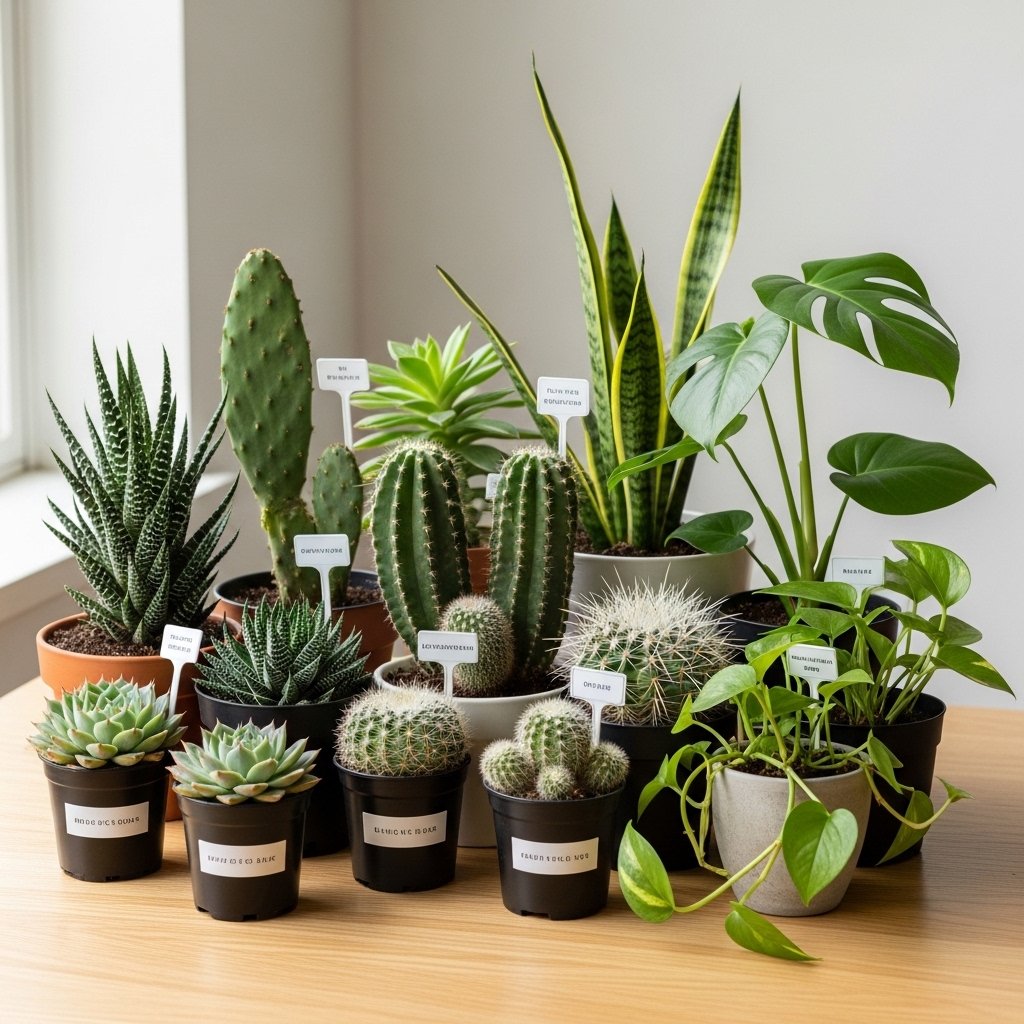
Different indoor plants have different watering needs, so identifying your plant type is the first step. Succulents and cacti require less frequent watering, while tropical plants often need more consistent moisture. Knowing whether your plant prefers dry or moist soil helps prevent common care mistakes. Researching your specific plant ensures you provide the right care routine. This knowledge forms the foundation for proper watering habits.
2. Check the Soil Before Watering
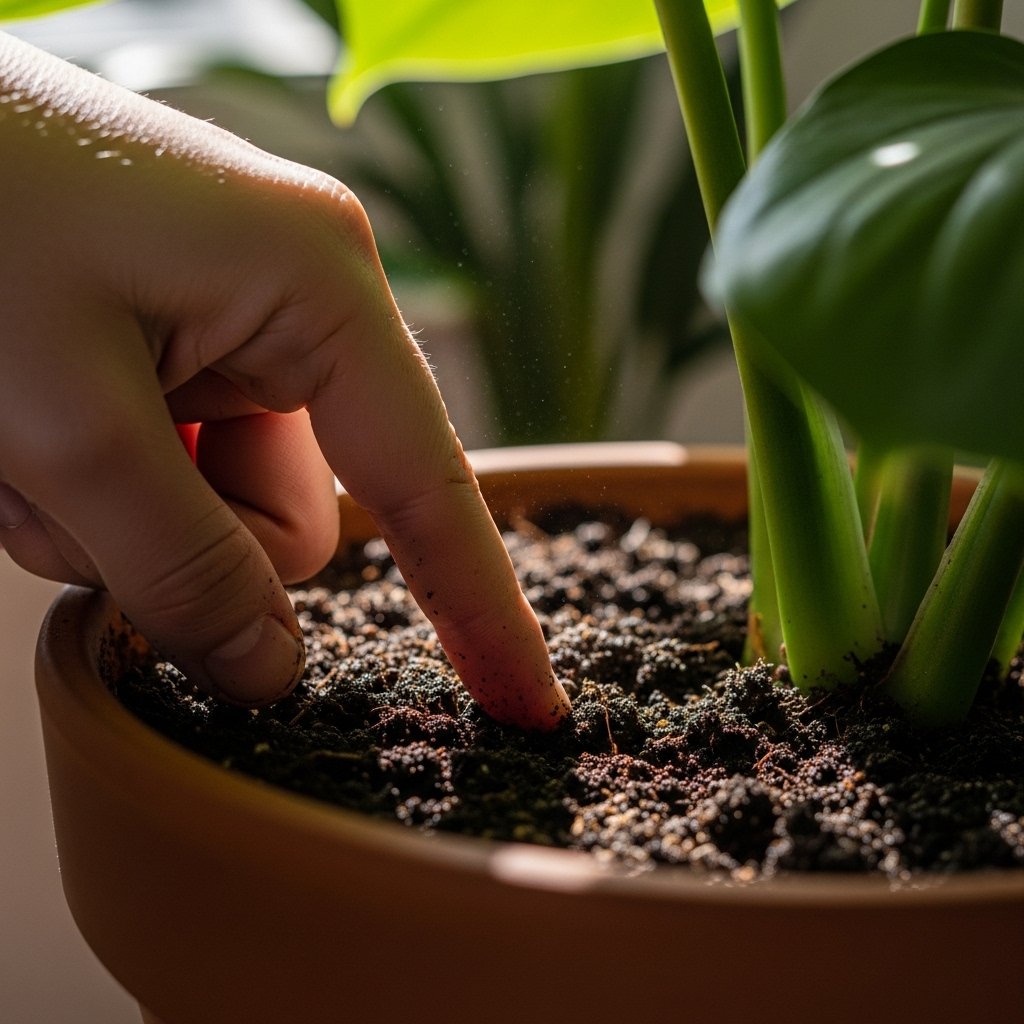
One of the best ways to determine how often you should water indoor plants is by checking the soil. Insert your finger about one to two inches into the soil to feel its moisture level. If it feels dry, it’s time to water; if it’s still moist, wait a bit longer. This simple method helps prevent overwatering, which is a common issue. Consistently checking soil ensures your plant gets water only when needed.
3. Consider the Season
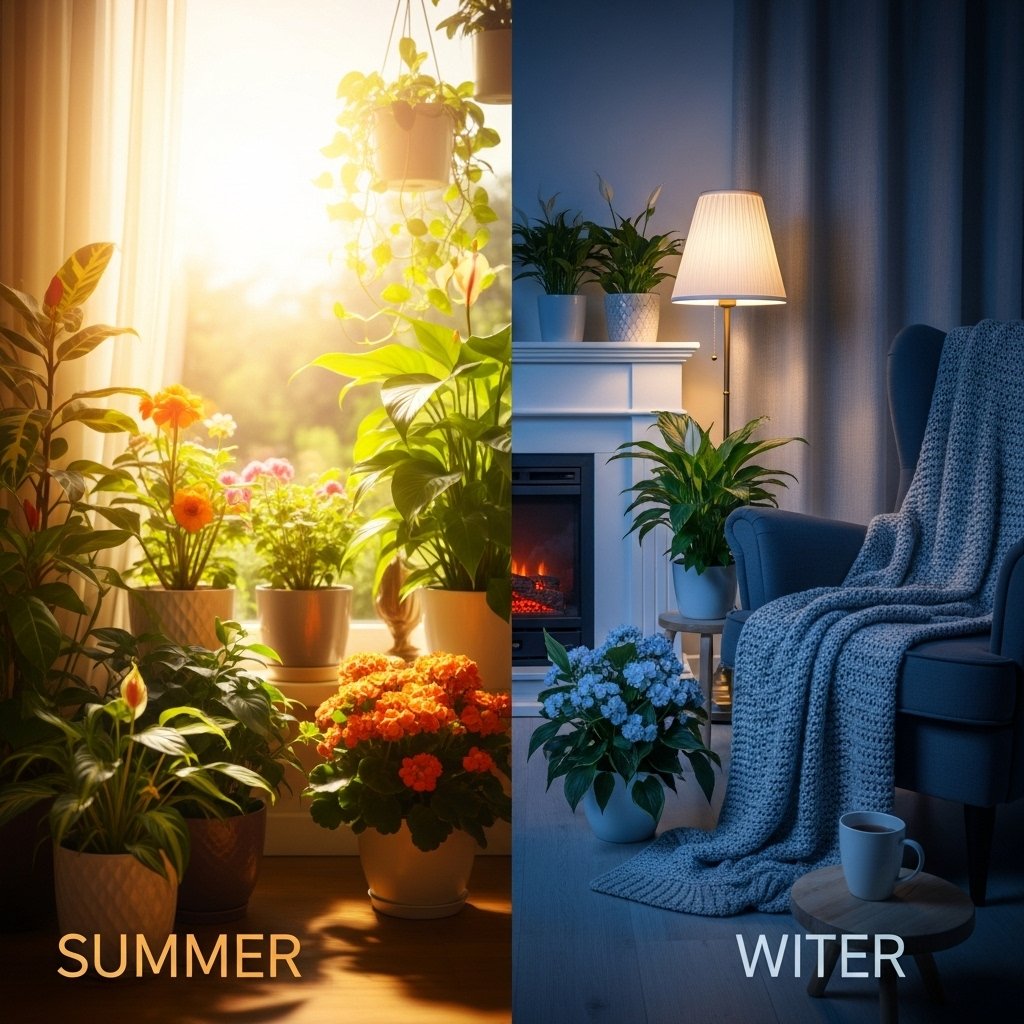
Seasonal changes significantly affect how often you water indoor plants. During the growing seasons like spring and summer, plants usually need more frequent watering. In fall and winter, most plants enter a dormant phase and require less water. Adjusting your watering schedule based on the season keeps plants healthy year-round. Ignoring seasonal changes can lead to root damage or stunted growth.
4. Evaluate Light Exposure
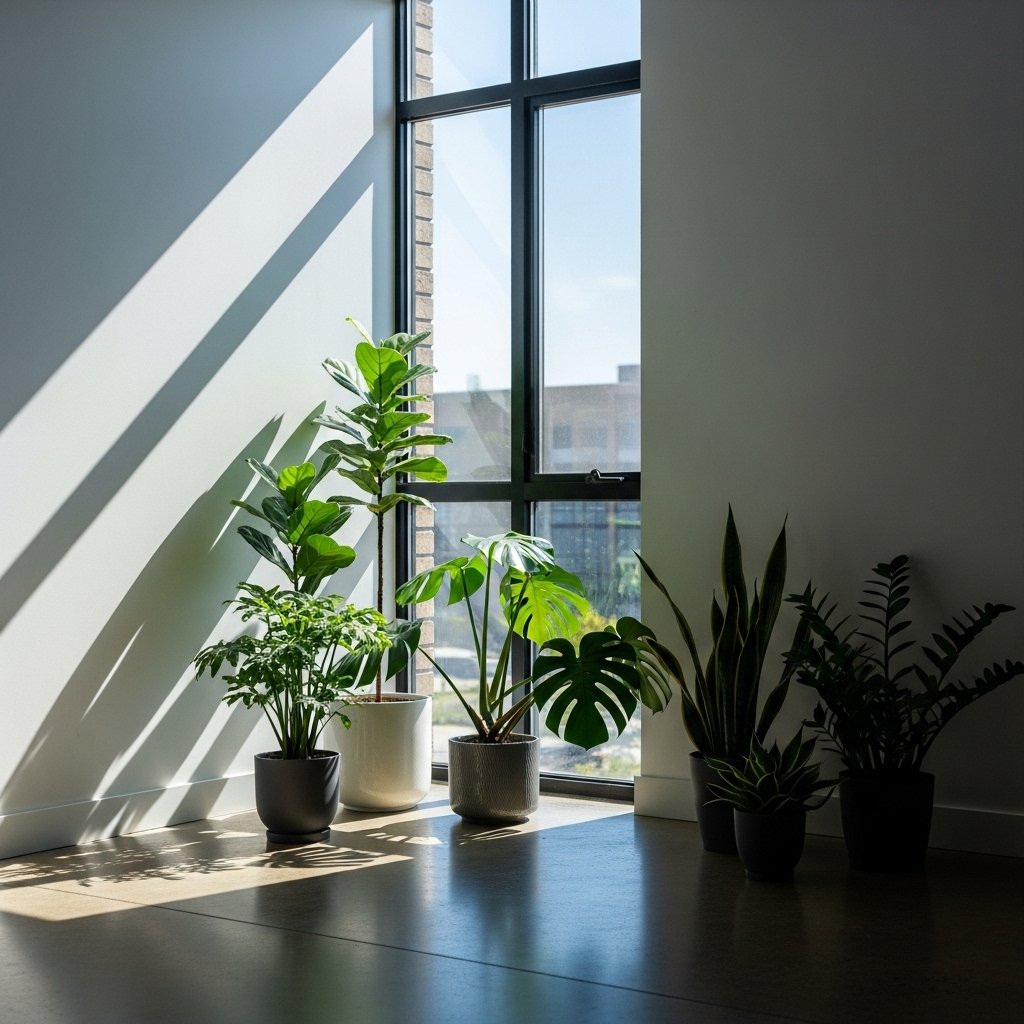
Light plays a major role in how quickly soil dries out and how often watering is required. Plants placed in bright, direct sunlight tend to dry out faster than those in low-light areas. This means they will need more frequent watering to stay hydrated. On the other hand, low-light plants retain moisture longer and require less water. Understanding your plant’s light conditions helps fine-tune your watering routine.
5. Pay Attention to Pot Size and Type
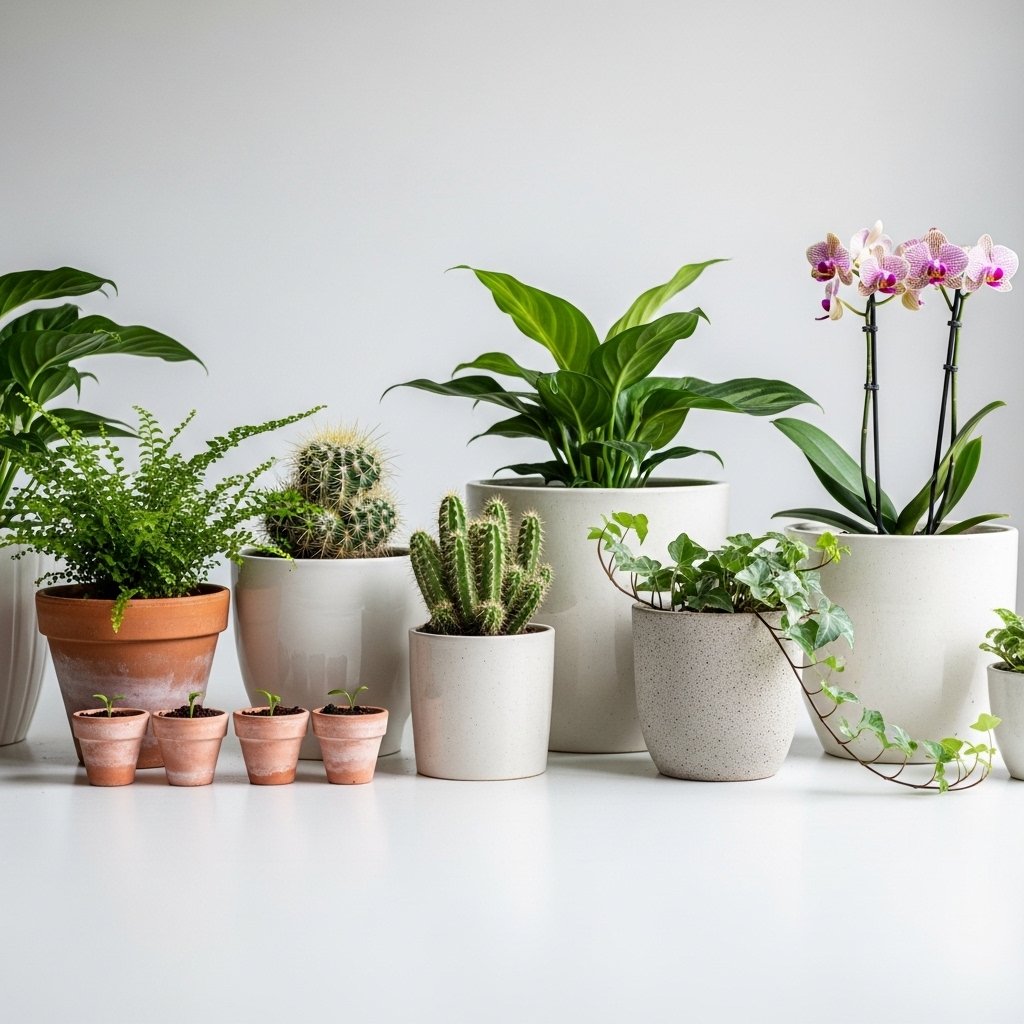
The size and material of your plant pot can impact watering frequency. Smaller pots dry out more quickly, requiring more frequent watering. Larger pots retain moisture for longer periods, reducing the need for frequent watering. Additionally, terracotta pots absorb water and dry out faster than plastic or ceramic ones. Choosing the right pot helps maintain a balanced watering schedule.
6. Monitor Humidity Levels
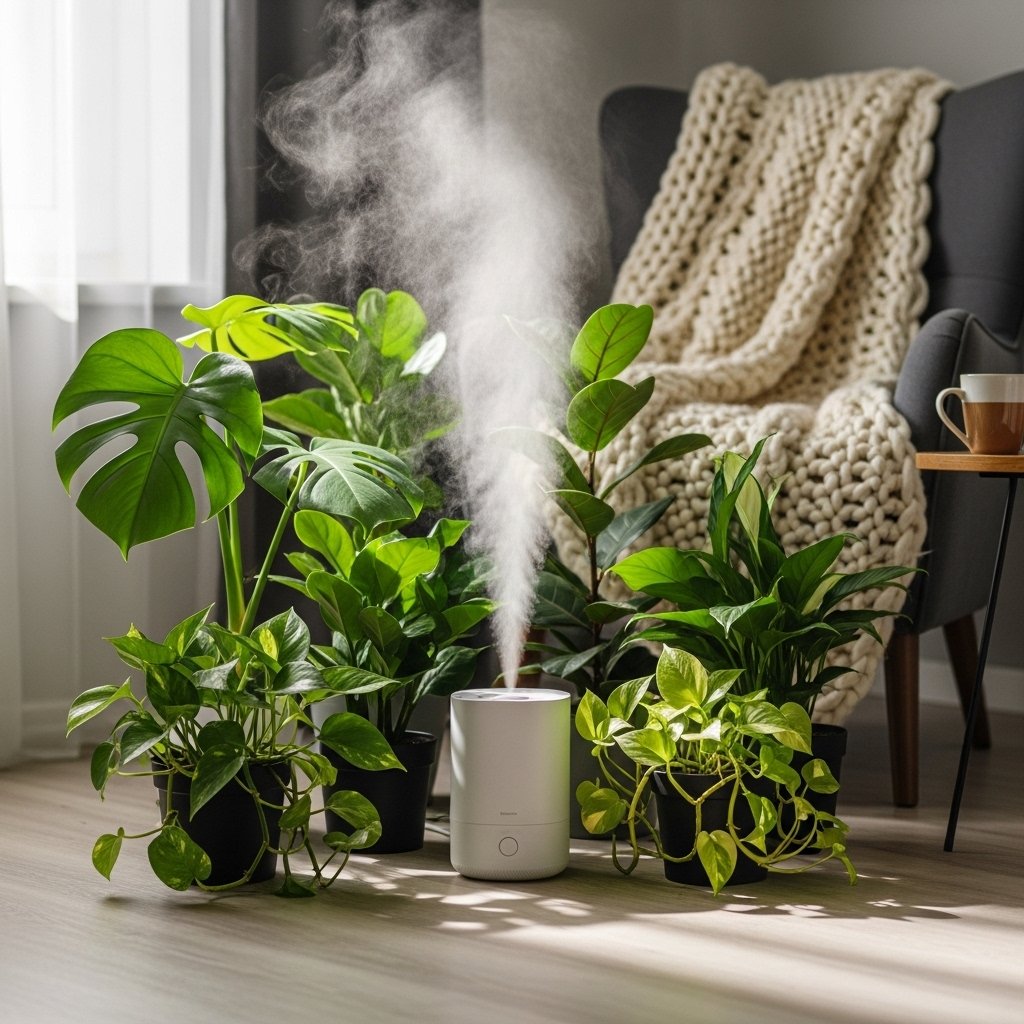
Indoor humidity levels also influence how often you should water indoor plants. In dry environments, soil loses moisture quickly, increasing the need for watering. In humid conditions, plants retain moisture longer and require less frequent watering. Using a humidifier or grouping plants together can help maintain proper humidity. Keeping track of humidity ensures your plants stay well-hydrated without overwatering.
7. Use Proper Drainage
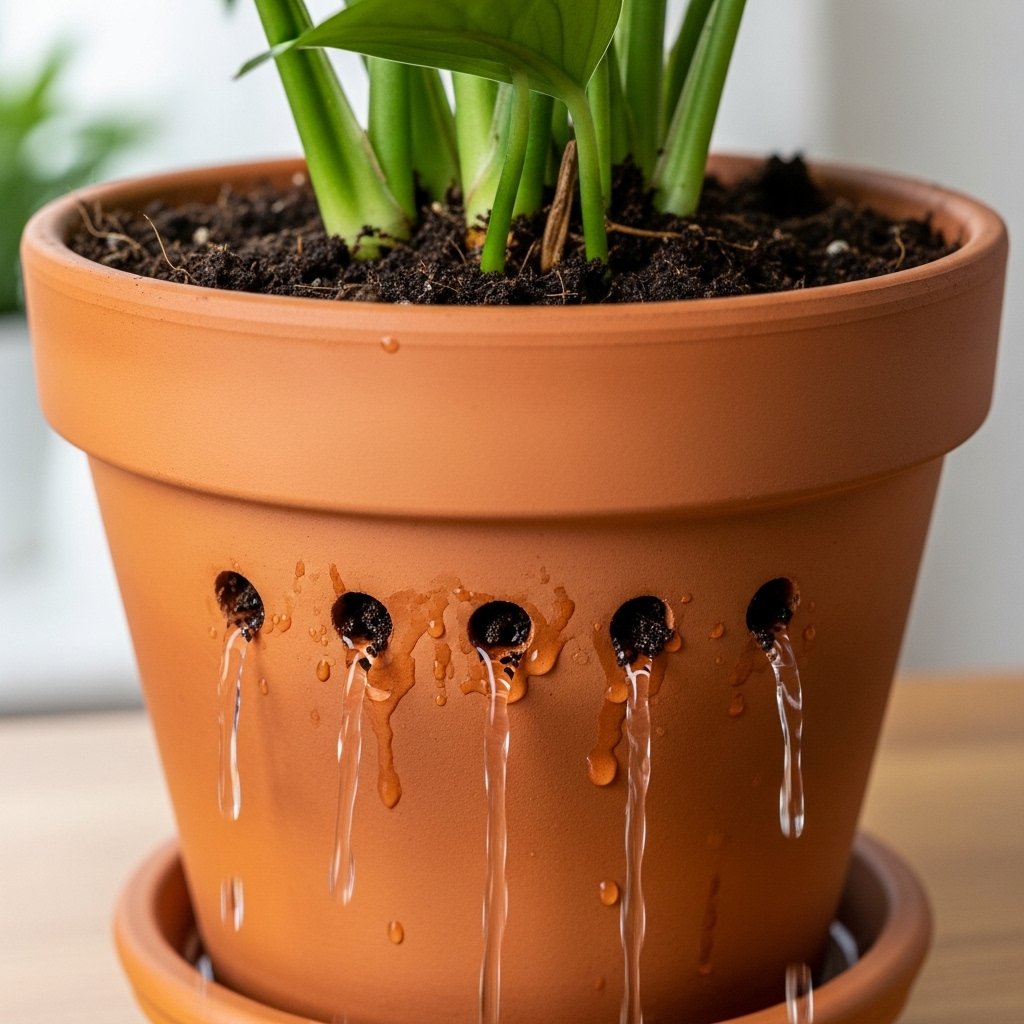
Good drainage is essential for healthy indoor plants and proper watering practices. Pots with drainage holes allow excess water to escape, preventing root rot. Without proper drainage, water can accumulate and damage the plant’s roots. Always ensure your pots have adequate drainage to maintain soil balance. This simple step makes a big difference in watering success.
8. Watch for Signs of Overwatering
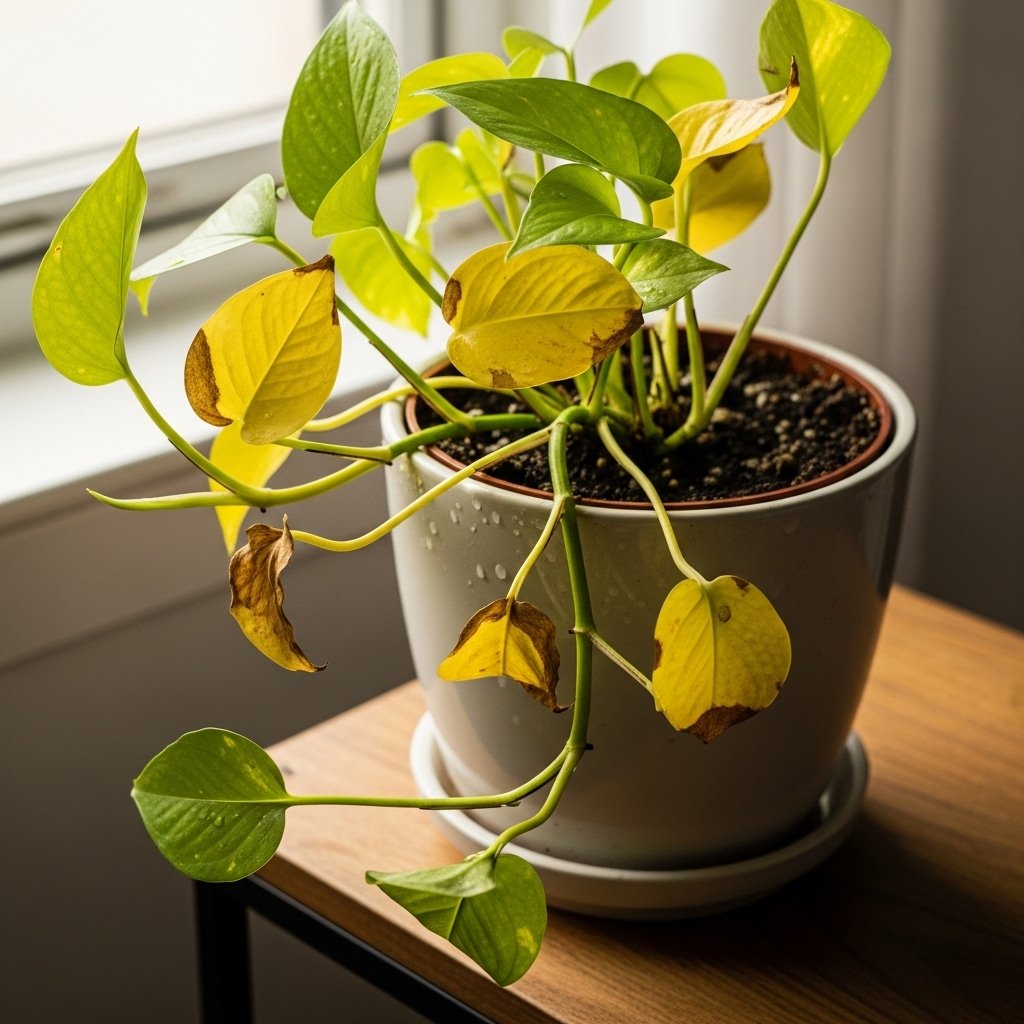
Overwatering is one of the most common plant care mistakes and can be harmful. Yellowing leaves, mushy stems, and a foul smell from the soil are common signs. If you notice these symptoms, reduce your watering frequency immediately. Allow the soil to dry out before watering again to help the plant recover. Learning these signs helps you adjust your care routine quickly.
9. Recognize Signs of Underwatering
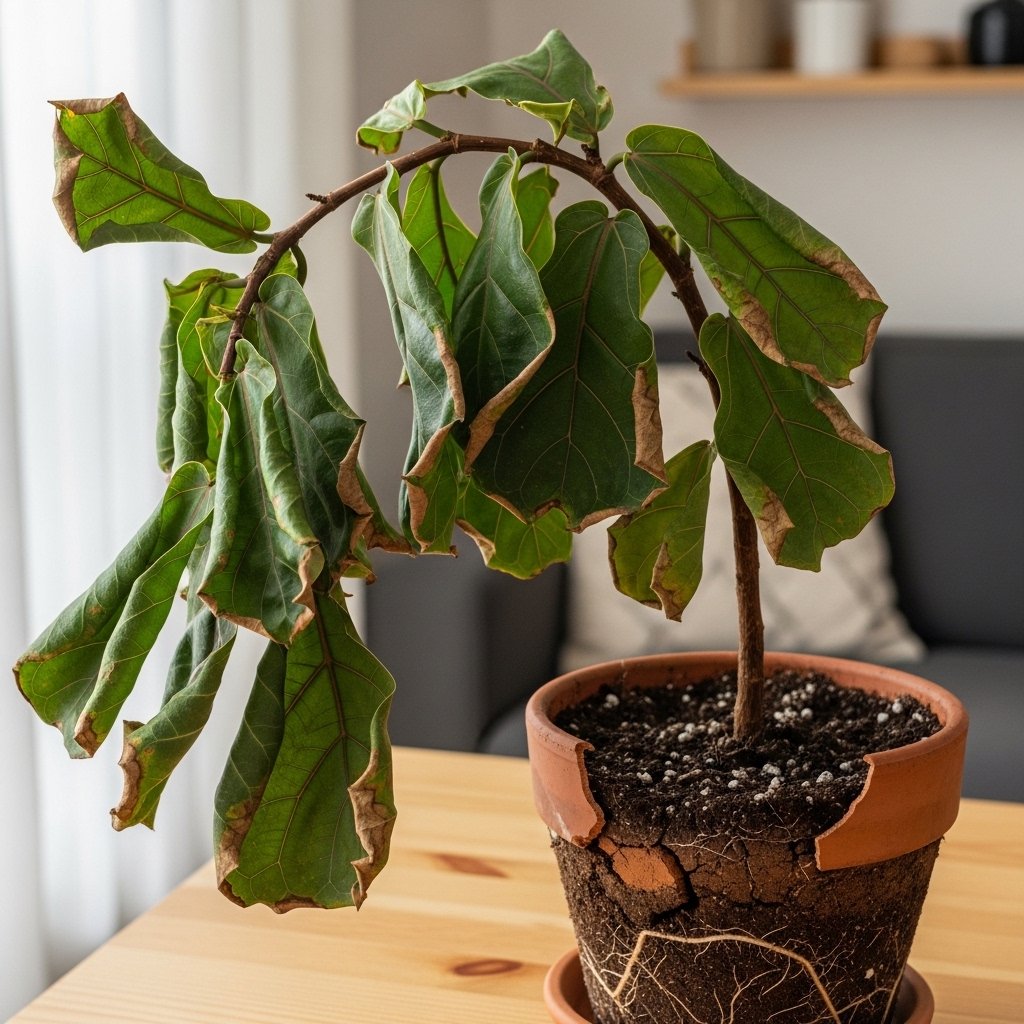
Underwatering can also stress your plants and affect their growth. Dry, crispy leaves and drooping stems are common indicators. The soil may also pull away from the edges of the pot when it’s too dry. Increasing your watering frequency can help revive the plant. Paying attention to these signs ensures your plants stay hydrated and healthy.
10. Create a Watering Schedule
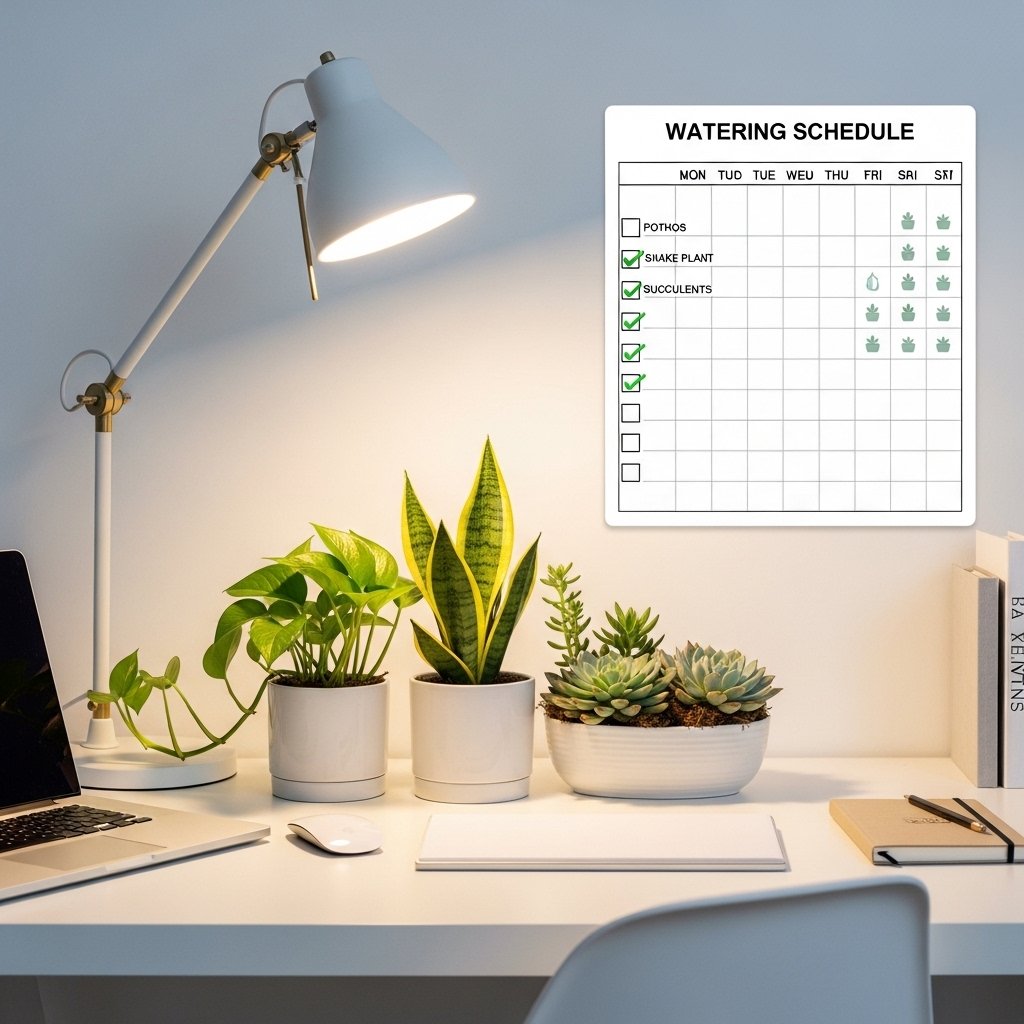
Establishing a consistent watering schedule can simplify plant care. While you should always check the soil, having a general routine helps you stay on track. For example, some plants may need watering once a week, while others may need it every two weeks. Adjust your schedule based on your plant’s needs and environmental conditions. Consistency is key to maintaining healthy indoor plants.
11. Use the Right Watering Technique
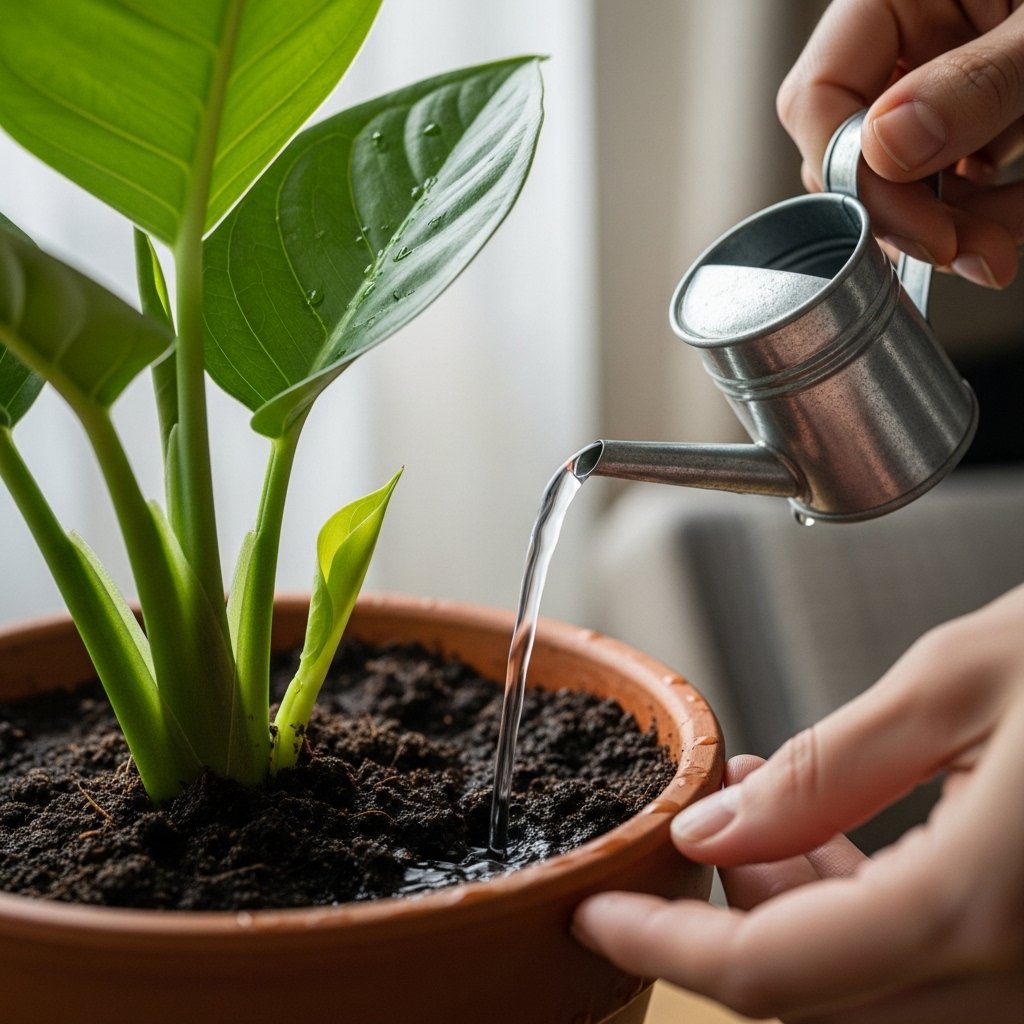
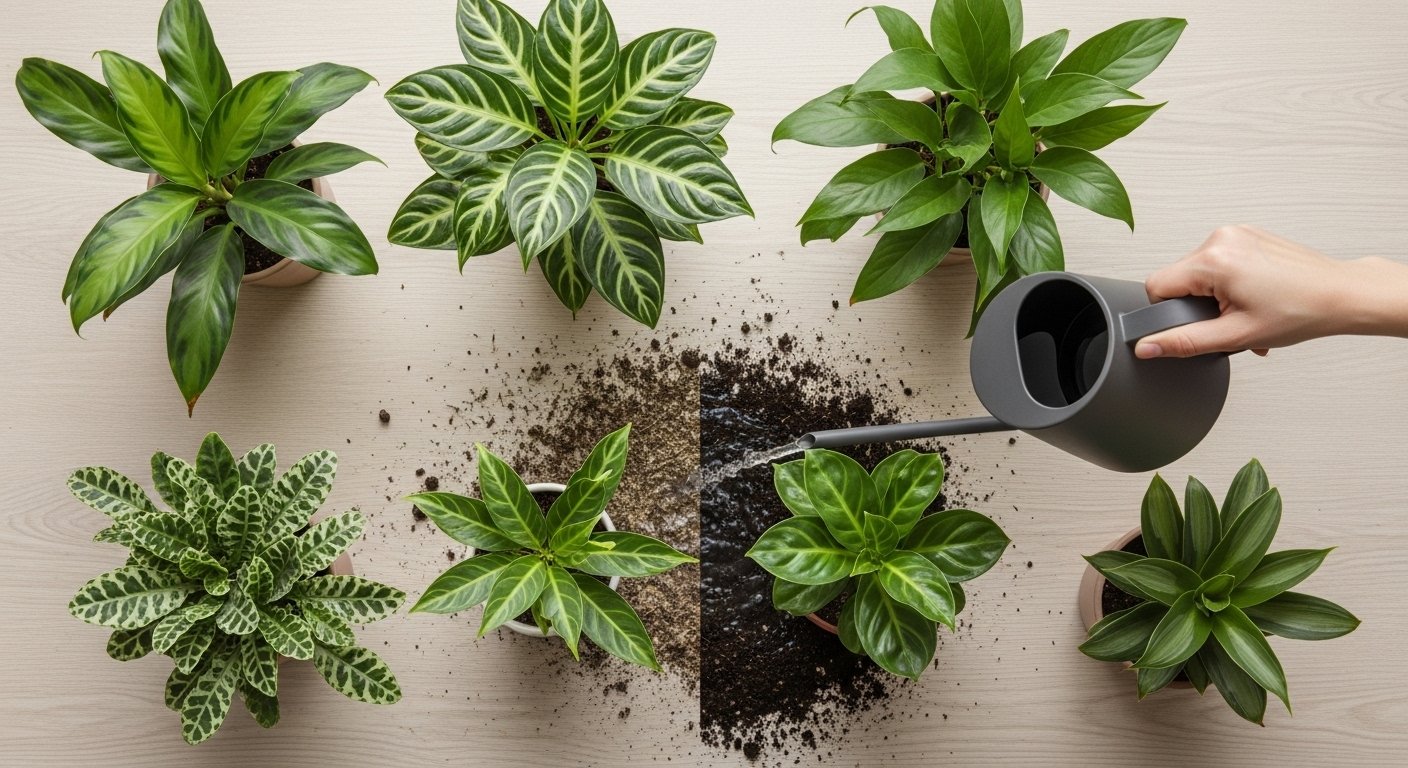
How you water your plants is just as important as how often you do it. Water slowly and evenly until it drains out of the bottom of the pot. This ensures the roots receive adequate moisture without waterlogging the soil. Avoid splashing water on leaves if the plant is sensitive to moisture. Proper technique improves overall plant health and growth.
12. Adapt Based on Plant Growth
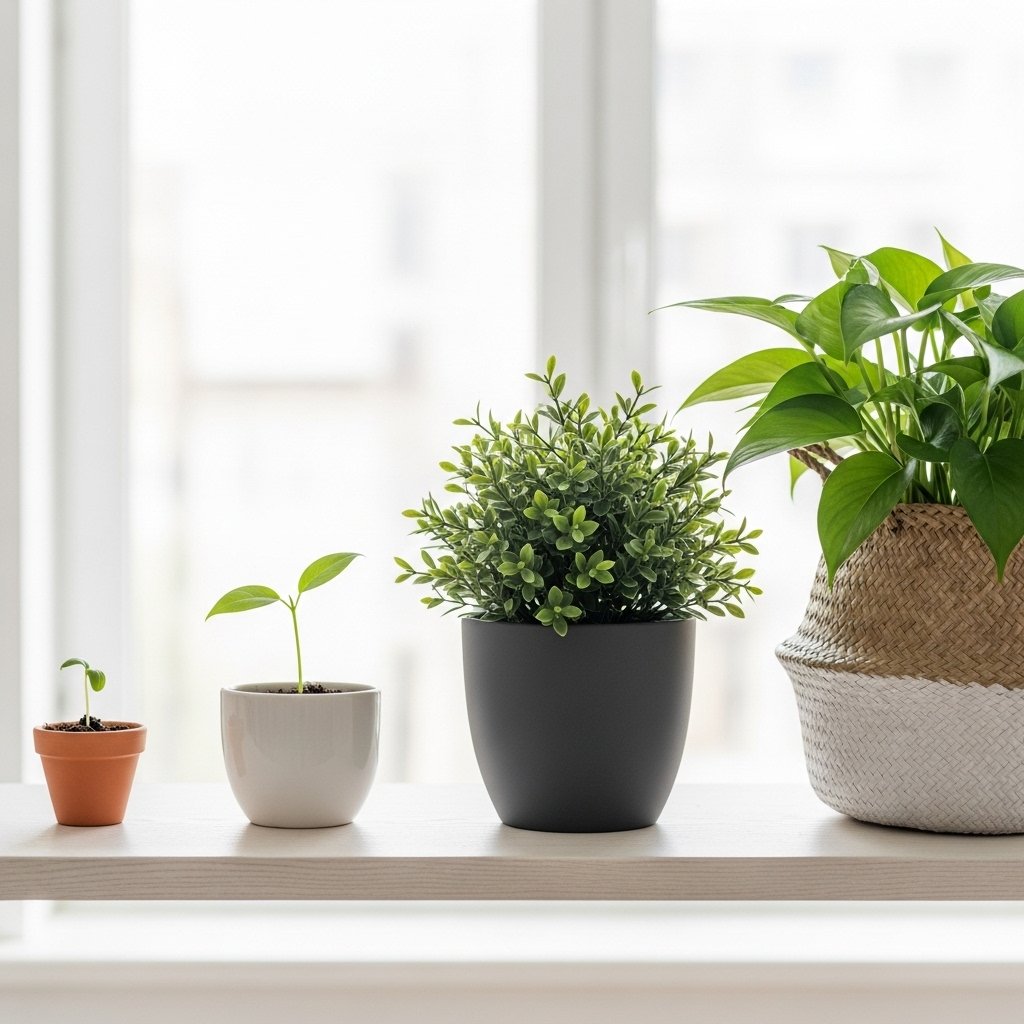
As your plant grows, its watering needs will change over time. Larger plants with more foliage typically require more water than smaller ones. Repotting into bigger containers may also affect how often watering is needed. Regularly observing your plant helps you adjust your care routine accordingly. Being flexible ensures long-term plant health and vitality.
13. How Often to Water Indoor Plants
- Check Soil First – Water only when the top inch of soil feels dry.
- Follow Plant Type – Some plants need more water, others need less.
- Adjust by Season – Water more in summer and less in winter.
- Avoid Overwatering – Too much water can damage roots.
- Use Proper Drainage – Make sure excess water can drain out easily.
13.1. FAQ
13.2. How often should you water indoor plants❓
Indoor plants should be watered based on their type, size, and environment, but a general rule is to water them once the top inch of soil feels dry. Some plants need frequent watering, while others prefer dry conditions. Instead of following a fixed schedule, it is better to check the soil regularly to avoid overwatering or underwatering.
13.3. How can I tell if my indoor plant needs water❓
You can tell your indoor plant needs water by checking the soil with your finger. If it feels dry, the plant likely needs watering. Other signs include drooping leaves, dry edges, or slower growth. Paying attention to these signals helps keep your plants healthy and properly hydrated.
13.4. Why is overwatering indoor plants harmful❓
Overwatering is harmful because it can cause root rot, which prevents the plant from absorbing oxygen and nutrients properly. This can lead to yellow leaves, weak growth, and eventually plant death. It is important to let the soil dry slightly between watering to maintain a healthy balance.
14. Final Thoughts
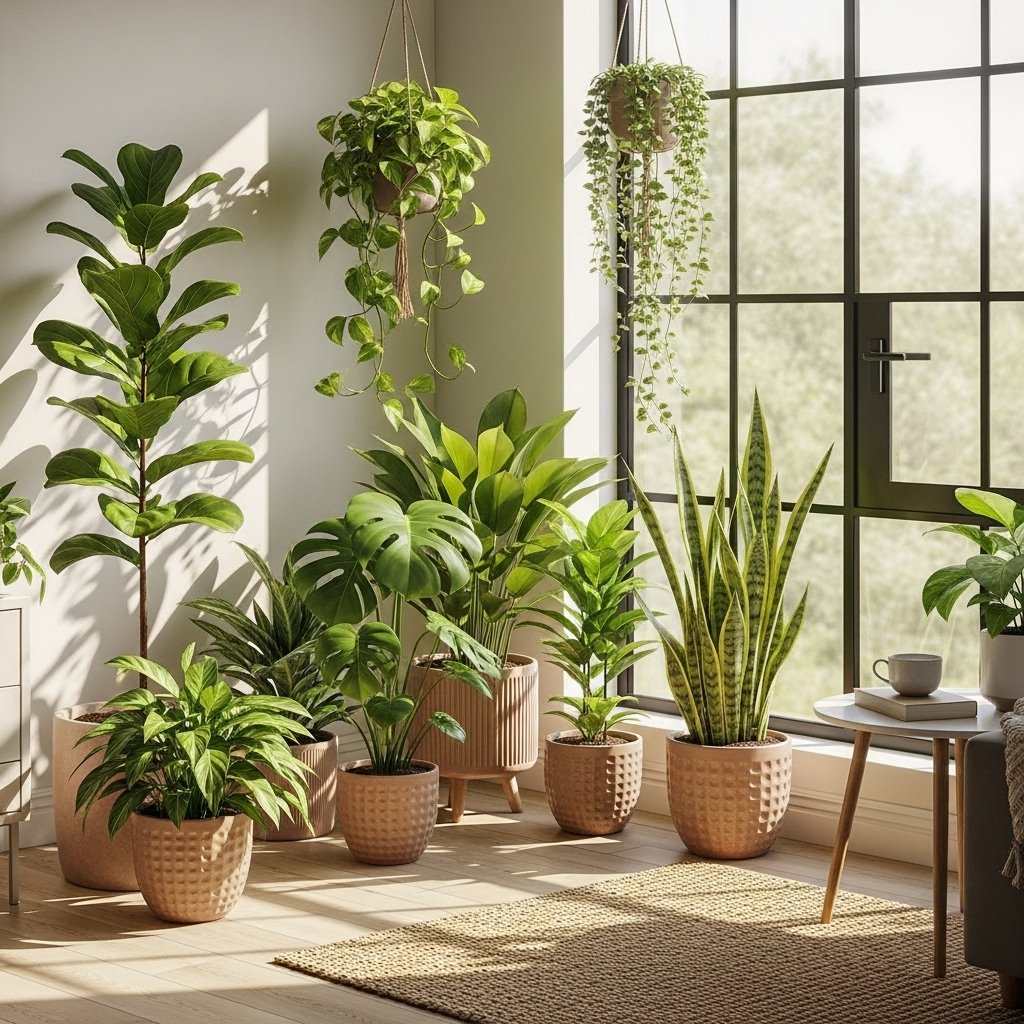
Understanding how often you should water indoor plants is essential for keeping them healthy and thriving. By considering factors like plant type, light, season, and soil moisture, you can create an effective watering routine. Avoiding common mistakes like overwatering or underwatering will help your plants grow and vibrant. With these 12 practical tips, you can confidently care for your indoor plants and enjoy a lush, green living space. Consistent observation and proper care will ensure your plants remain beautiful and healthy all year round.