Plants That Clean Indoor Air: Natural Ways to Purify Your Home Environment
Blog > Home > Indoor Plants & Home Decor > Plants That Clean Indoor Air: Natural Ways to Purify Your Home Environment
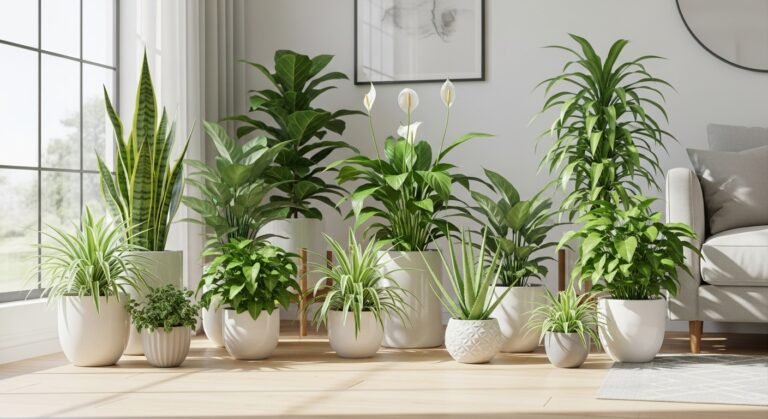
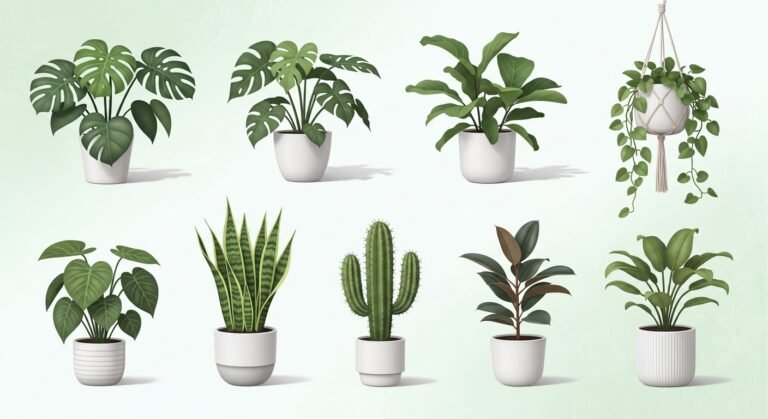
Indoor air quality plays a major role in your health, comfort, and overall well-being. Many homes contain invisible pollutants released from furniture, cleaning products, paints, and everyday household items. These toxins can build up over time and affect breathing, sleep quality, and long-term health. One of the most natural and effective solutions is using plants that clean indoor air. These plants not only improve air quality but also add beauty and freshness to your living space. In this guide, you will discover 12 powerful indoor plants that help purify air naturally and enhance your home environment.
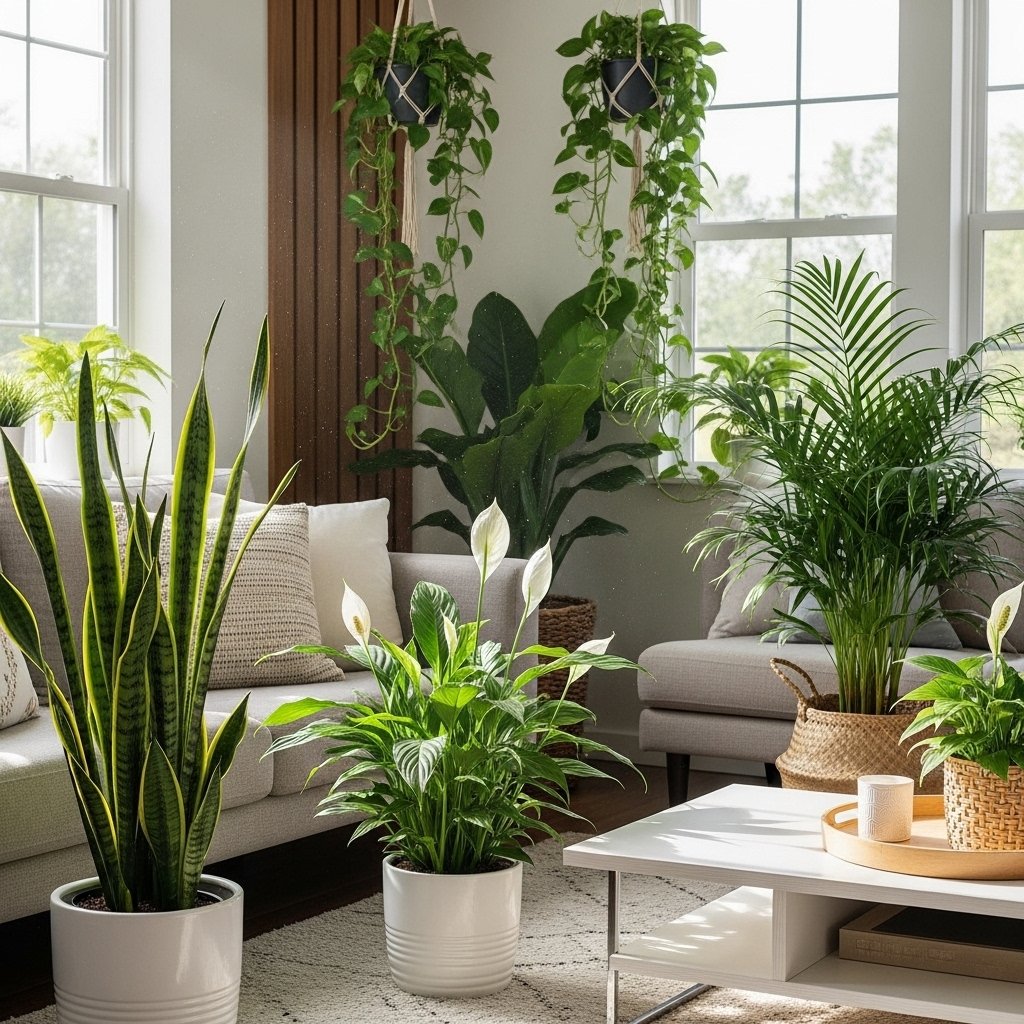
Table Of Content
1. Snake Plant (Sansevieria)
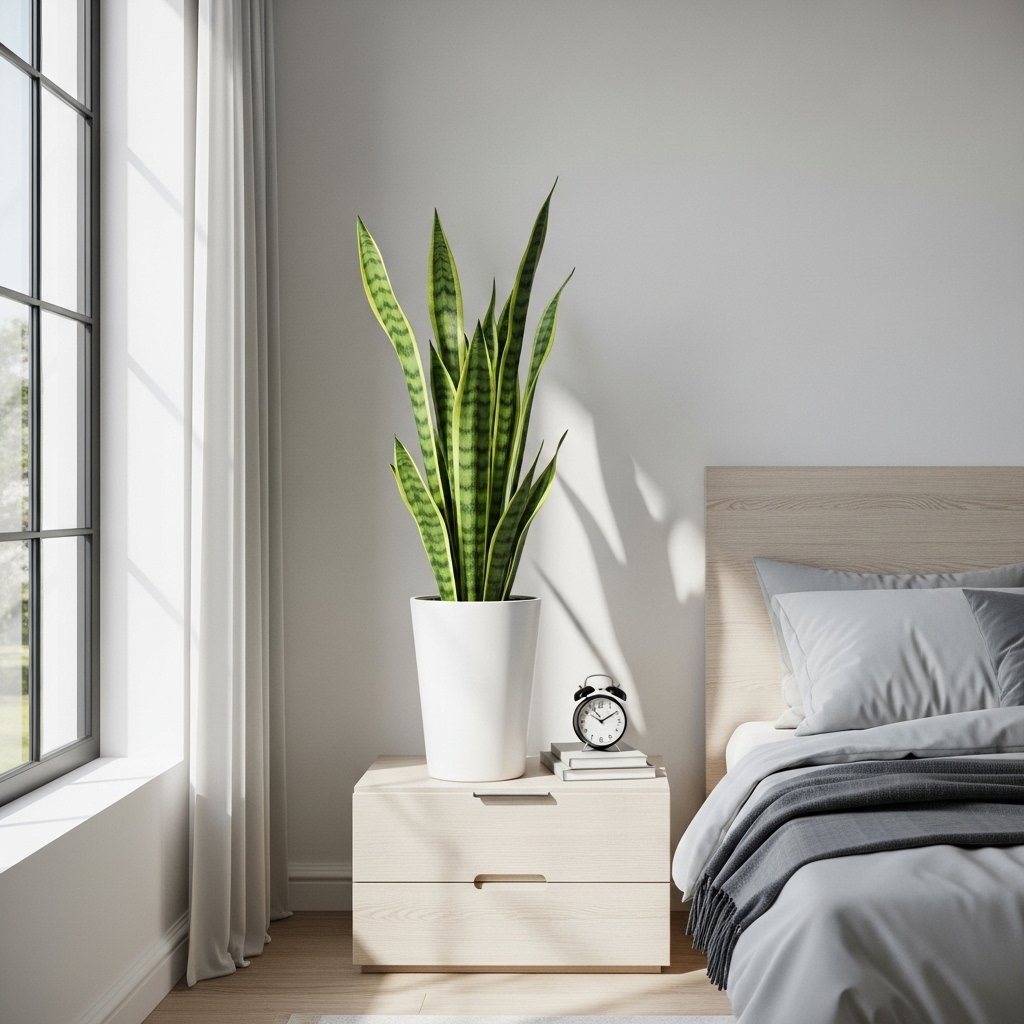
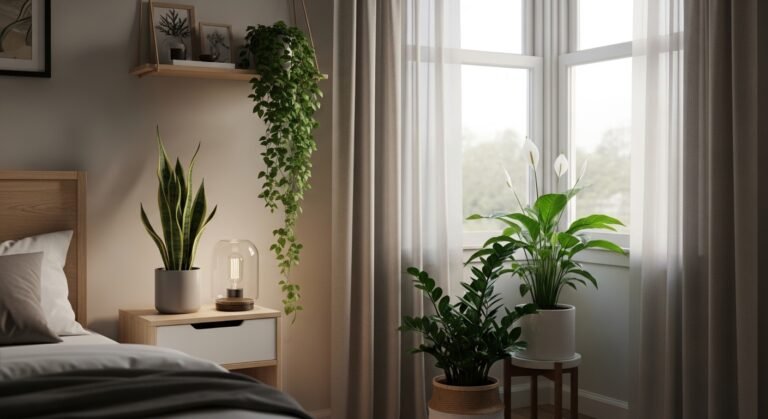
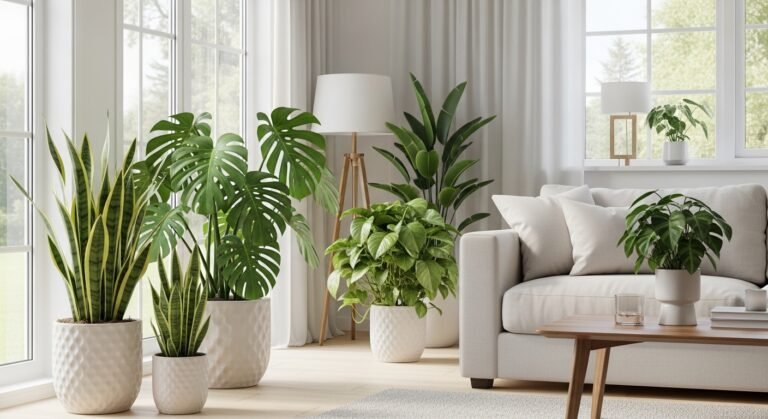
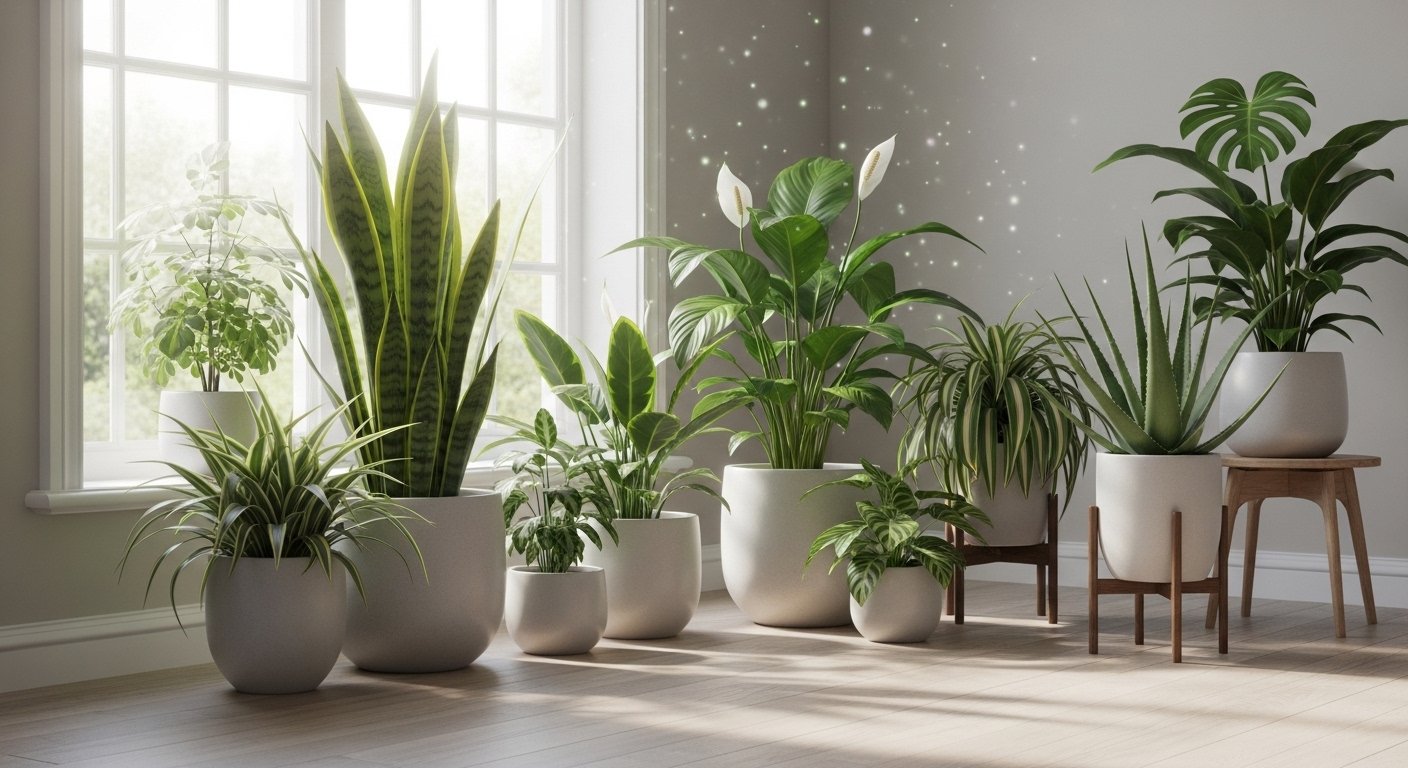
The Snake Plant is one of the most popular plants that clean indoor air due to its strong oxygen-producing ability. It absorbs toxins such as formaldehyde, benzene, and xylene, which are commonly found in household products. Unlike most plants, it releases oxygen at night, making it ideal for bedrooms. This plant requires very little maintenance and can survive in low light conditions. Its tall, upright leaves also add a modern decorative touch to any room.
2. Spider Plant (Chlorophytum comosum)
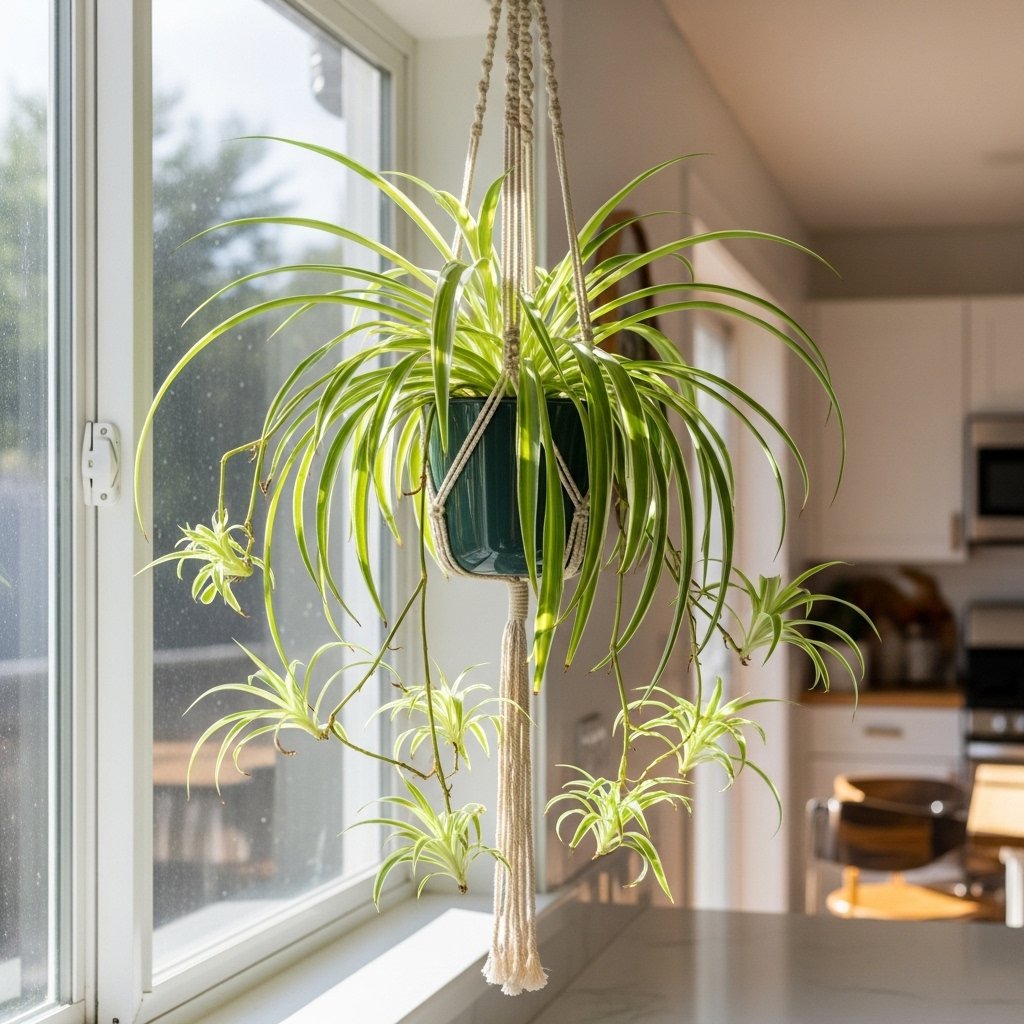
The Spider Plant is known for its ability to remove harmful pollutants like carbon monoxide and formaldehyde. It is extremely easy to grow and is perfect for beginners who want low-maintenance indoor greenery. The plant produces small “baby” offshoots that make it visually attractive and easy to propagate. It thrives in indirect sunlight and needs only occasional watering. This makes it a great choice for kitchens, living rooms, and offices.
3. Peace Lily (Spathiphyllum)
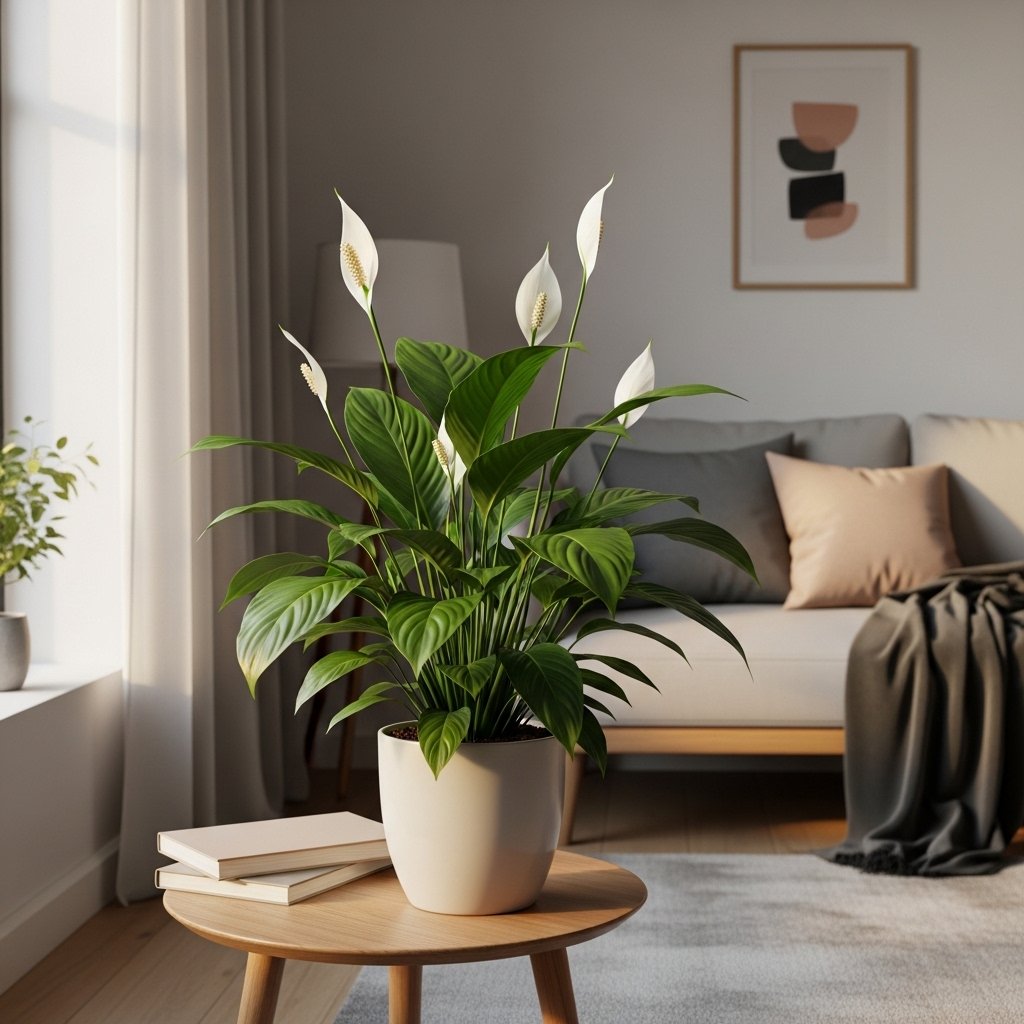
The Peace Lily is a beautiful flowering plant that effectively removes toxins such as ammonia, benzene, and formaldehyde. It also helps reduce mold spores in indoor air, improving overall air freshness. Its elegant white flowers make it a popular decorative plant for homes and offices. The Peace Lily prefers low to medium light and regular watering. It is both functional and aesthetically pleasing, making it a top choice for air purification.
4. Aloe Vera
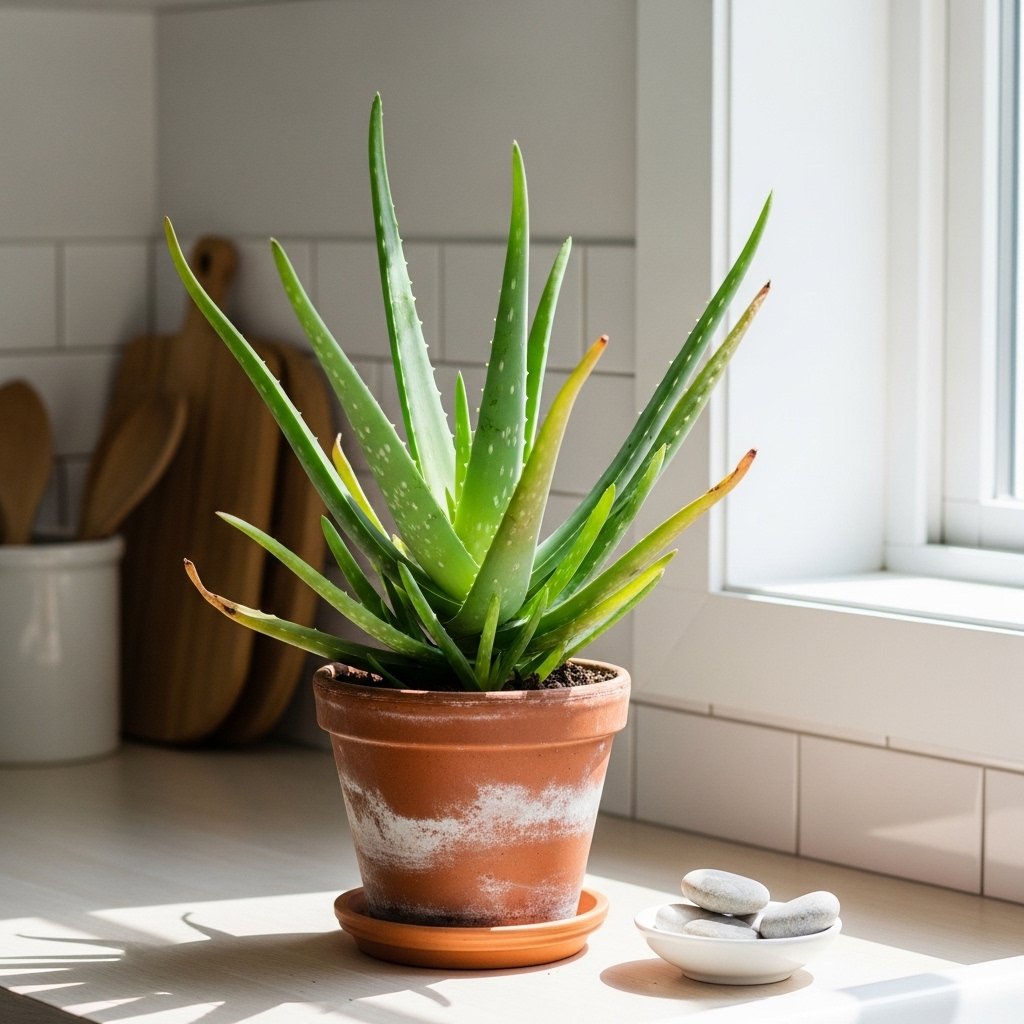
Aloe Vera is widely known for its medicinal properties, but it is also one of the best plants that clean indoor air. It absorbs harmful chemicals from cleaning agents and paints while releasing oxygen at night. This succulent plant is very easy to maintain and requires minimal watering. Aloe Vera also provides gel that can be used for skin burns and minor cuts. It is perfect for kitchens and sunny indoor spots.
5. Areca Palm
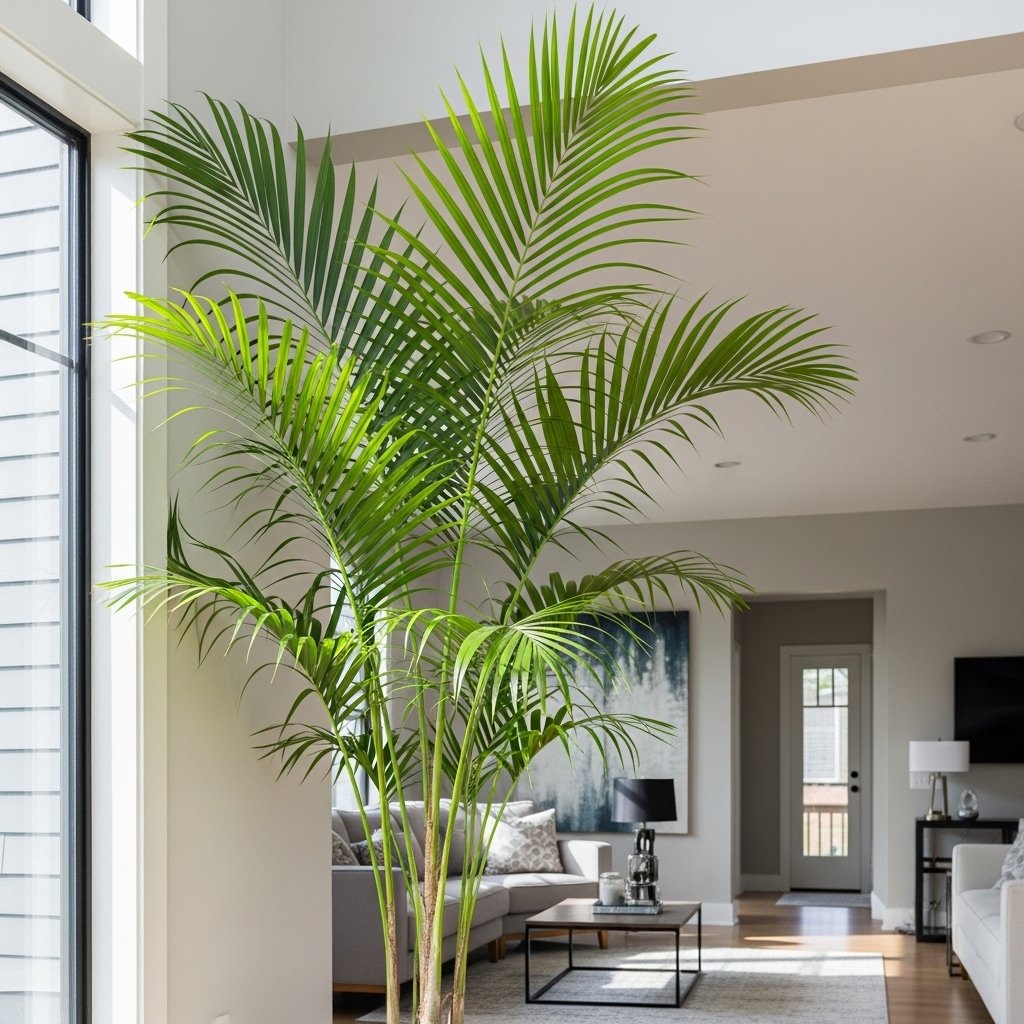
The Areca Palm is a natural humidifier and air purifier that removes toxins like xylene and toluene. It is highly effective in improving indoor air moisture levels, making it ideal for dry environments. This plant can grow quite tall, giving a tropical feel to any indoor space. It requires bright, indirect sunlight and regular watering. The Areca Palm is perfect for living rooms and spacious areas.
6. Boston Fern
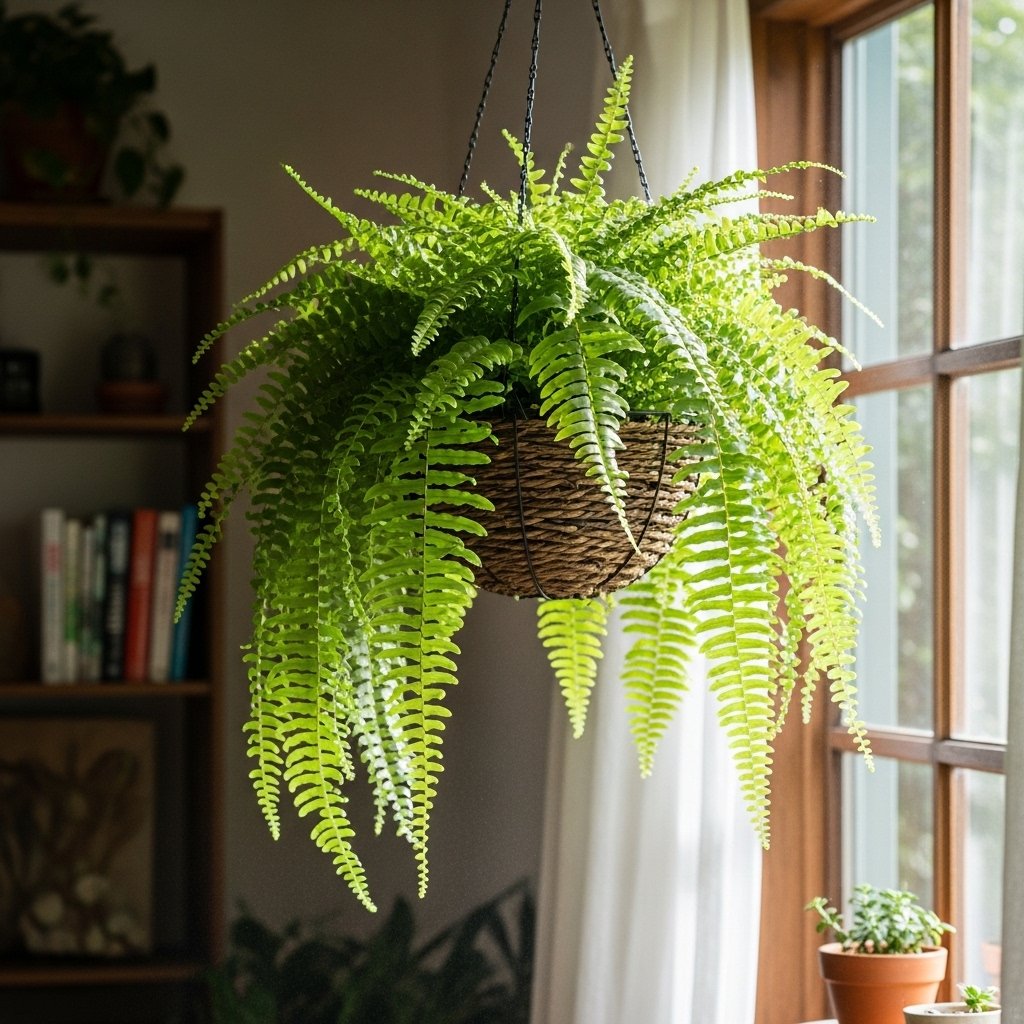
Boston Fern is one of the most efficient plants for removing formaldehyde from indoor air. It also helps maintain humidity levels, which can benefit people with dry skin or respiratory issues. This plant thrives in indirect light and prefers consistently moist soil. Its lush green fronds add a soft, natural look to interior spaces. Boston Fern is ideal for hanging baskets and shaded corners.
7. Rubber Plant (Ficus elastica)
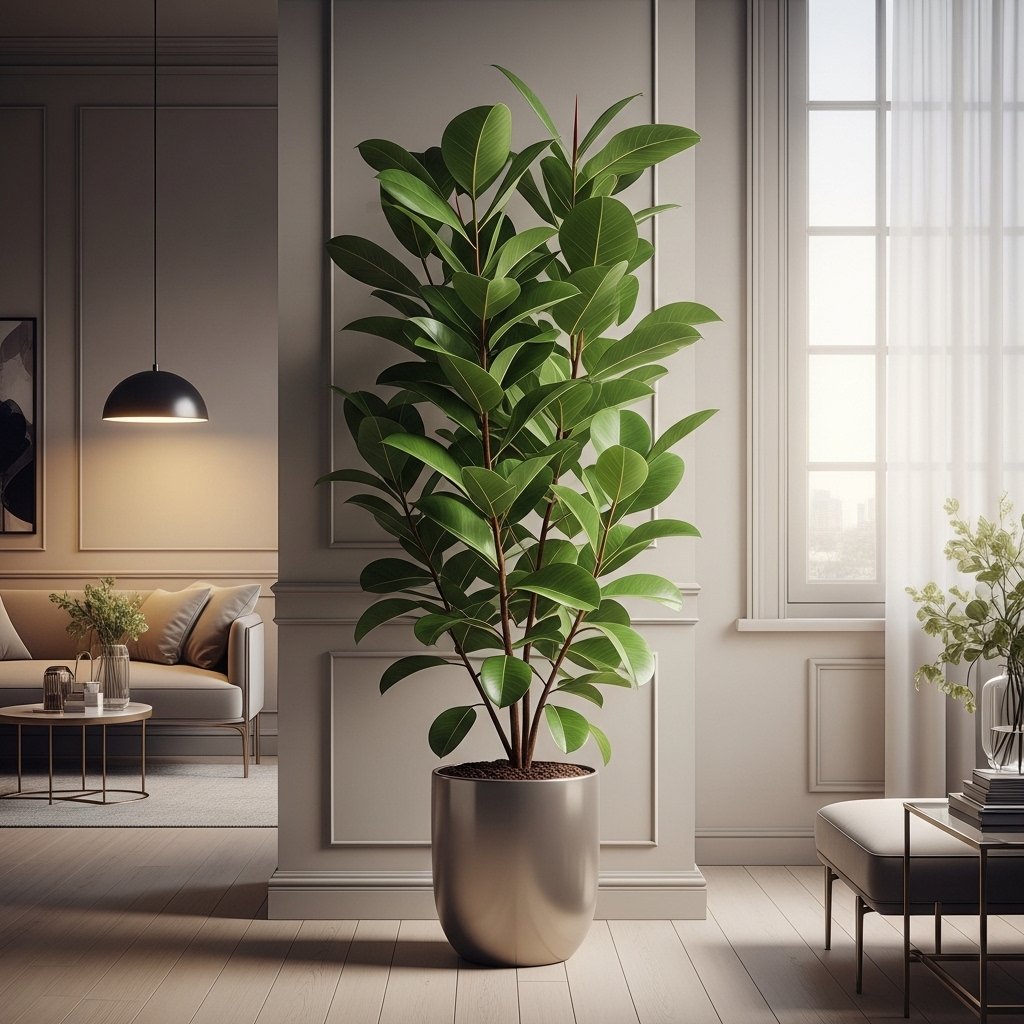
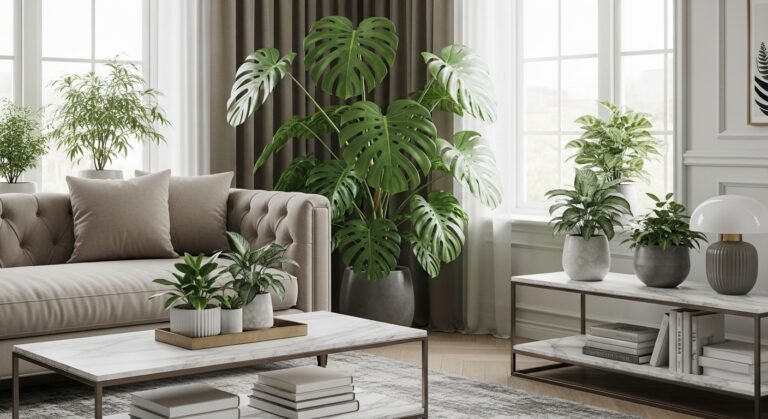
The Rubber Plant is a powerful air-purifying plant that removes toxins like formaldehyde from indoor environments. It has large, glossy leaves that enhance oxygen circulation in the room. This plant grows well in moderate light and requires occasional watering. Its bold appearance makes it a stylish addition to modern home decor. The Rubber Plant is perfect for living rooms and office spaces.
8. Bamboo Palm
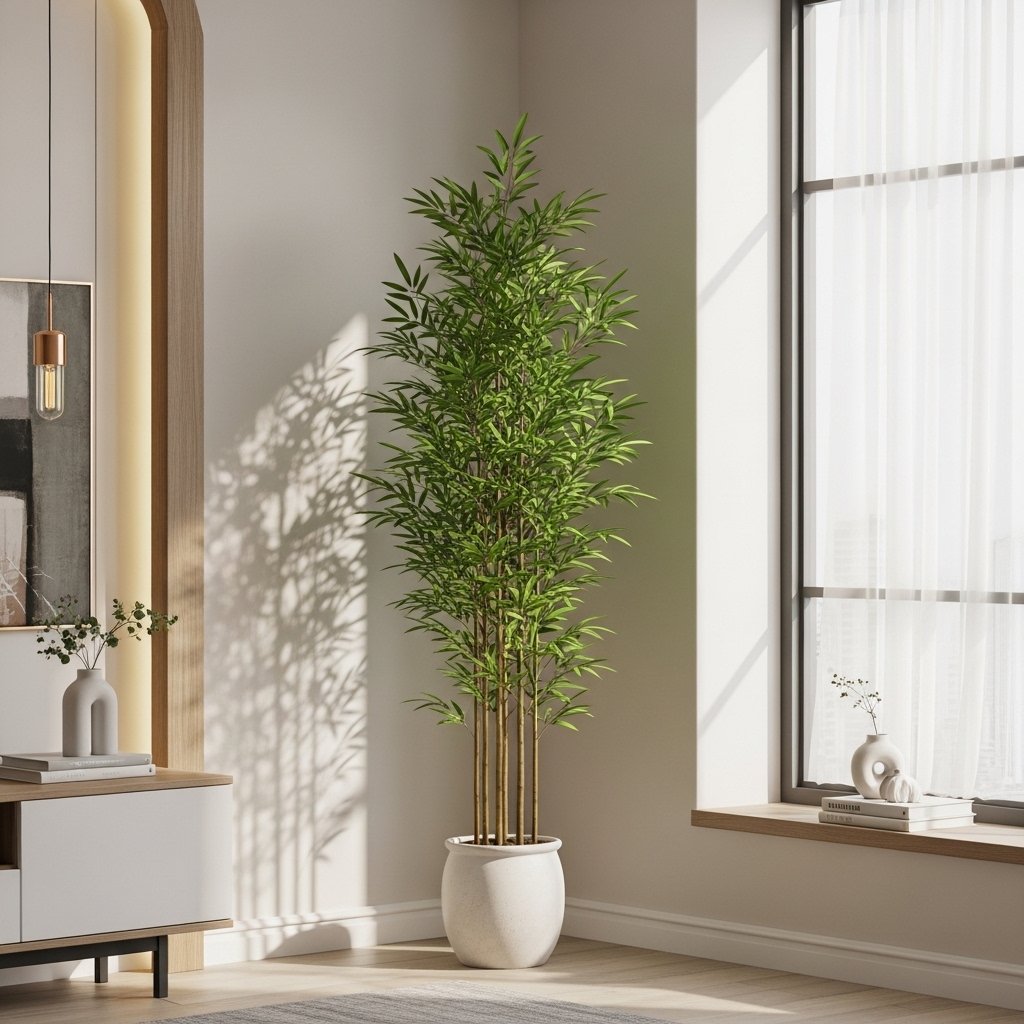
The Bamboo Palm is highly effective at filtering out airborne toxins such as benzene and trichloroethylene. It also acts as a natural humidifier, improving indoor air quality in dry environments. This plant thrives in indirect sunlight and needs regular watering to stay healthy. Its tall, elegant structure makes it ideal for filling empty corners. Bamboo Palm is a great choice for creating a calming indoor atmosphere.
9. English Ivy
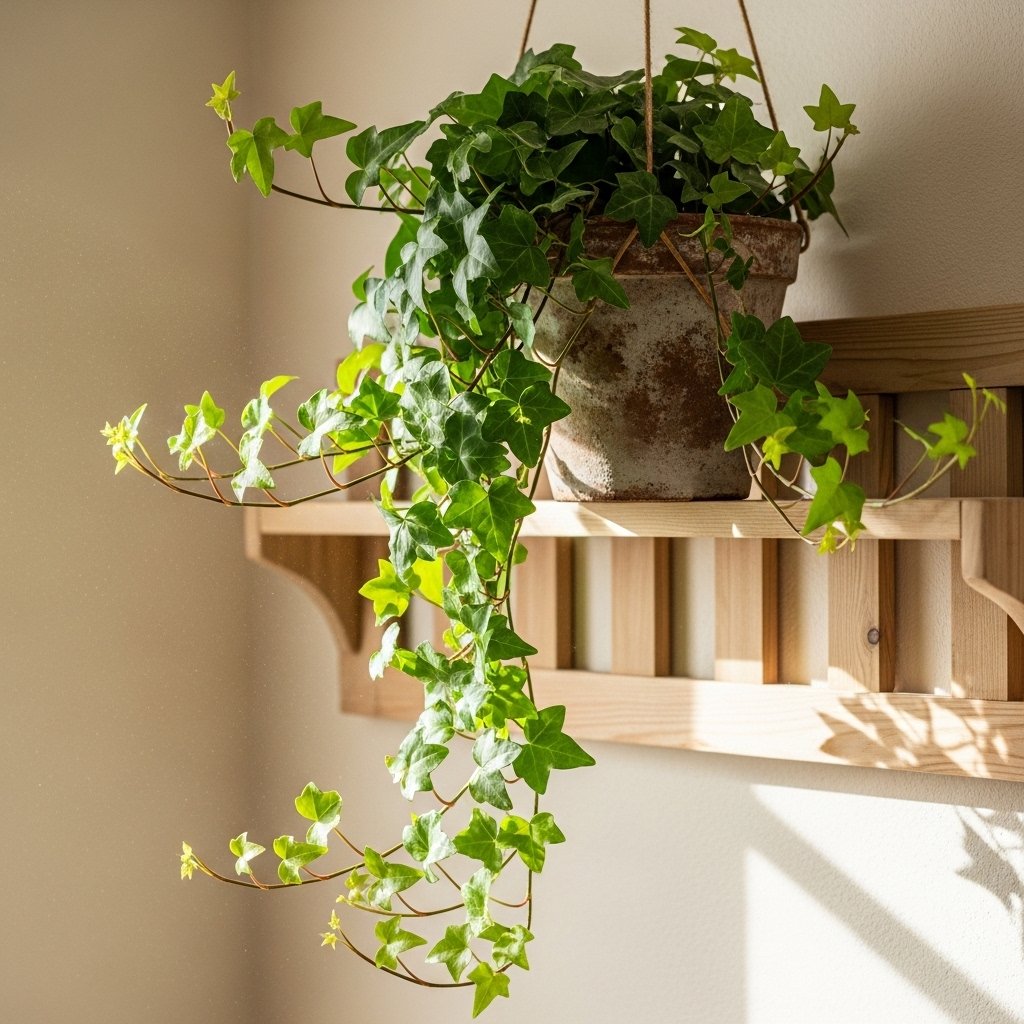
English Ivy is a fast-growing plant known for reducing airborne mold and allergens. It is especially helpful for people with asthma or respiratory sensitivities. This plant can be grown in hanging pots or trained to climb decorative structures. It prefers moderate light and slightly moist soil conditions. English Ivy is a versatile plant that adds both beauty and functionality to indoor spaces.
10. Dracaena
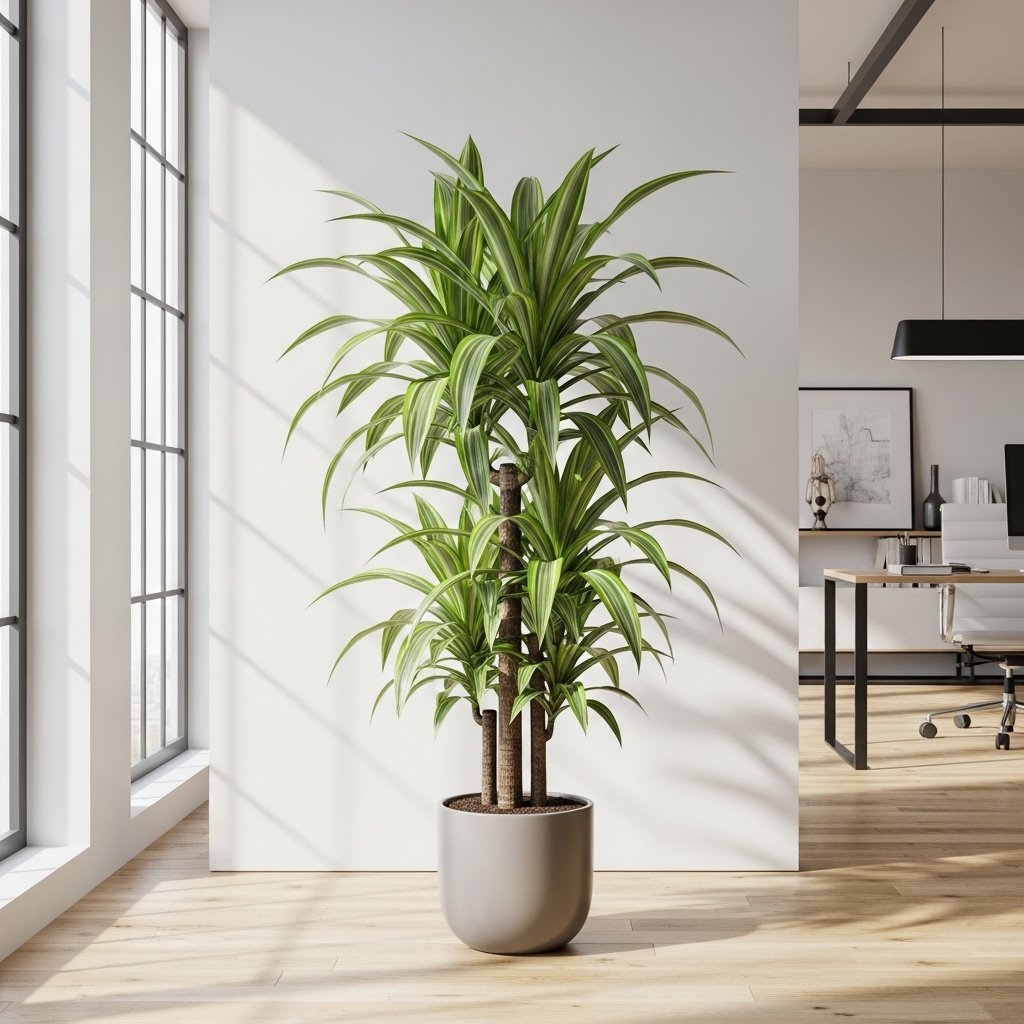
Dracaena is a popular indoor plant that helps remove toxins such as benzene, trichloroethylene, and formaldehyde. It comes in many varieties with striking leaf patterns and colors. This plant requires minimal care and can adapt to low light conditions. Overwatering should be avoided to maintain healthy growth. Dracaena is ideal for offices and modern interior designs.
11. Pothos (Money Plant)
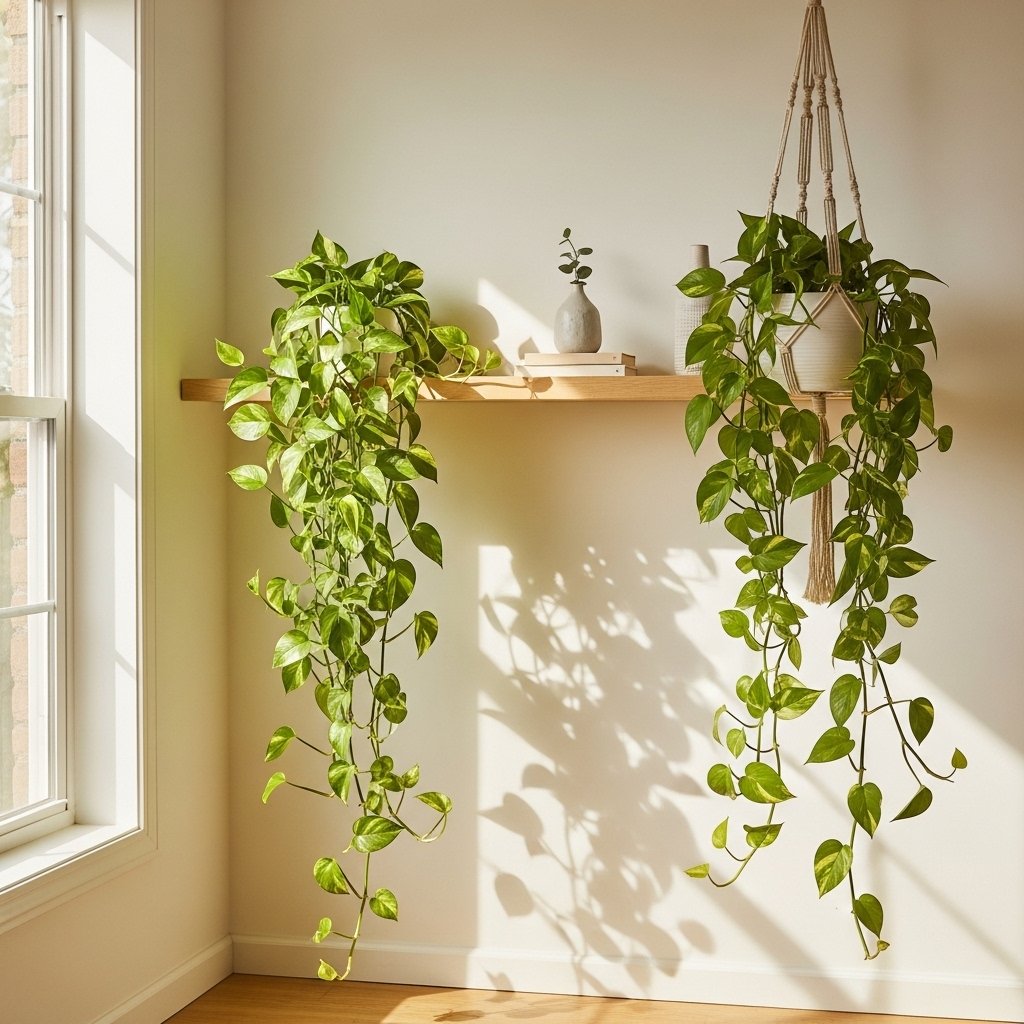
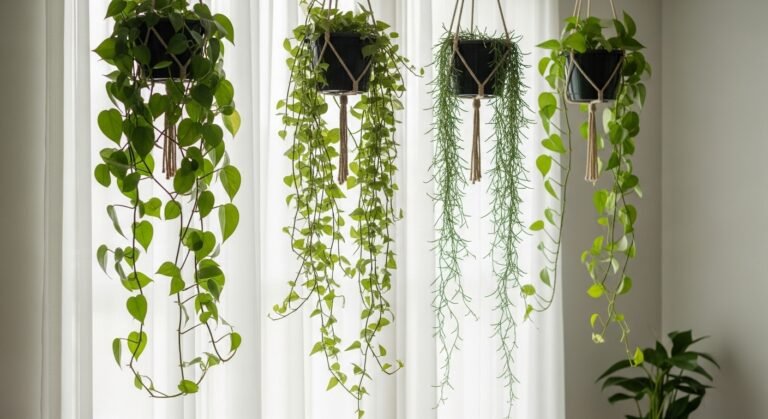
Pothos, also known as Money Plant, is one of the easiest plants to grow indoors. It effectively removes indoor pollutants like formaldehyde and carbon monoxide. This plant can thrive in low light and requires very little maintenance. Its trailing vines make it perfect for hanging baskets or shelves. Pothos is widely used in homes due to its air-purifying and decorative benefits.
12. Chinese Evergreen
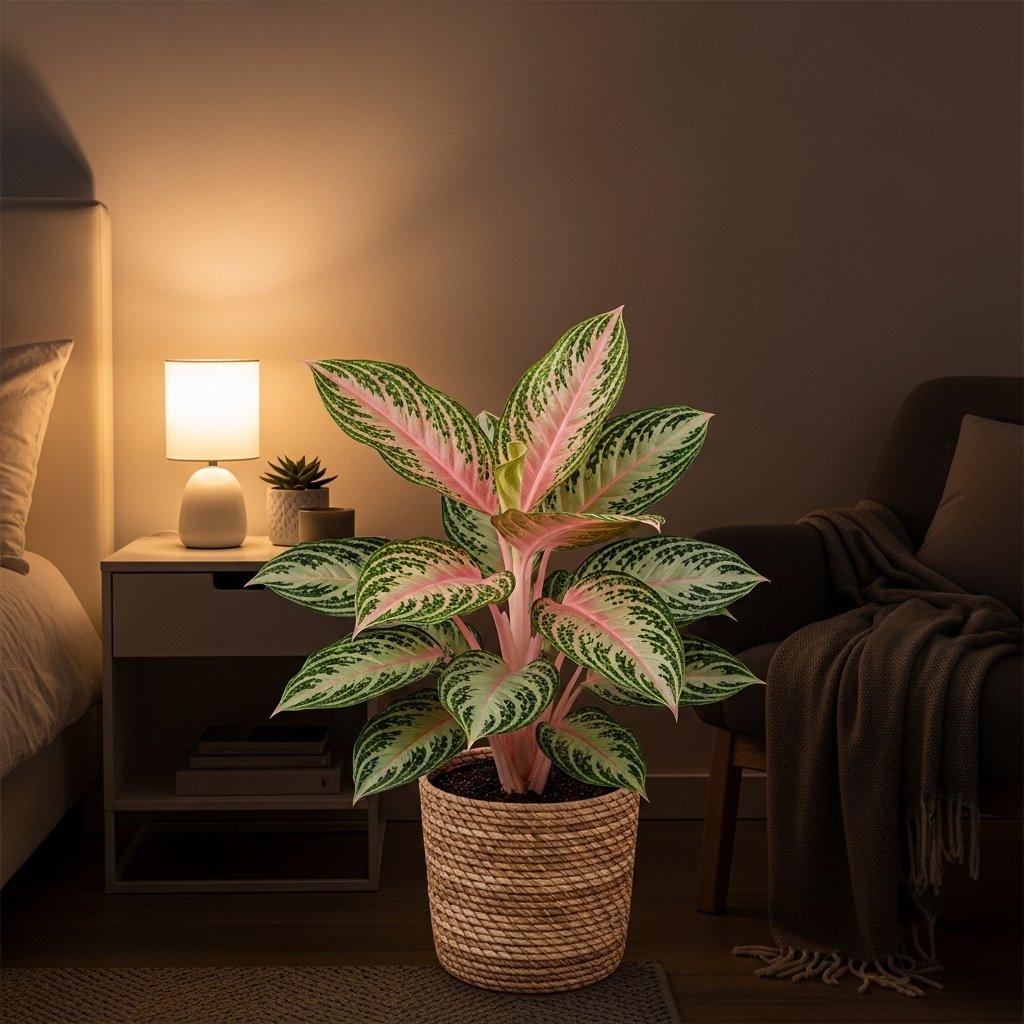
Chinese Evergreen is a highly adaptable plant that improves indoor air quality by filtering toxins. It is known for its beautiful patterned leaves that enhance interior aesthetics. This plant thrives in low light and requires minimal watering, making it perfect for busy households. It is also very durable and long-lasting. Chinese Evergreen is ideal for bedrooms, hallways, and offices.
13. How to Care for Indoor Air-Cleaning Plants
- Water Correctly – Water plants only when the soil feels slightly dry to avoid root rot.
- Give Proper Light – Place them in bright indirect sunlight so they can grow and clean air better.
- Keep Leaves Clean – Wipe leaves regularly to remove dust and help plants absorb more air.
- Use Healthy Soil – Make sure soil is fresh and well-draining for strong root growth.
- Prune Regularly – Remove yellow or dead leaves to keep plants healthy and active.
13.1. FAQ
13.2. What are plants that clean indoor air❓
Plants that clean indoor air are indoor plants that help remove toxins and improve air quality inside homes. These plants absorb harmful substances from the air and release fresh oxygen, making the environment healthier. Common examples include spider plant, peace lily, snake plant, and aloe vera, which are known for their air-purifying qualities.
13.3. How do indoor plants clean the air❓
Indoor plants clean the air by absorbing carbon dioxide and filtering out pollutants through their leaves and roots. They naturally process harmful chemicals found in indoor environments and release oxygen back into the air. This natural process helps improve air freshness and creates a healthier living space.
13.4. Why are air-purifying plants important at home❓
Air-purifying plants are important at home because they help reduce indoor pollution and improve breathing quality. Many homes have dust, smoke, and chemical particles in the air, which can affect health. These plants act as natural filters and also make the room feel more calm and refreshing.
14. Final Thoughts
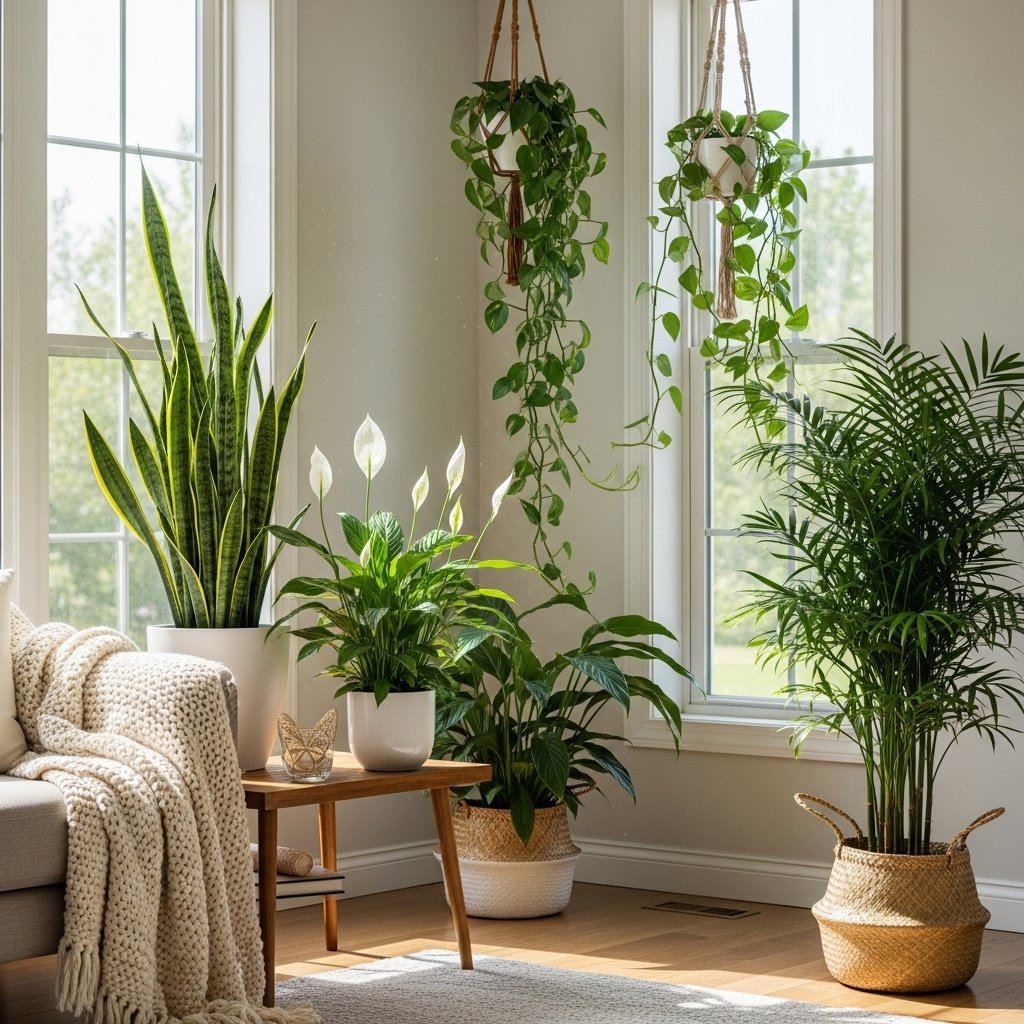
Plants that clean indoor air are a natural and effective way to improve the quality of your home environment. They not only remove harmful toxins but also add beauty, freshness, and a calming atmosphere to any space. From low-maintenance options like Snake Plant and Pothos to decorative choices like Peace Lily and Dracaena, there is a plant for every home and lifestyle. Incorporating these plants into your indoor spaces can significantly enhance your health and comfort. By choosing the right combination of air-purifying plants, you can create a greener, healthier, and more peaceful living environment.