Indoor Plants Bad for Cats: What Every Pet Owner Should Know
Blog > Home > Indoor Plants & Home Decor > Indoor Plants Bad for Cats: What Every Pet Owner Should Know
Indoor plants can make a home feel fresh, calming, and visually appealing, but for cat owners, they can also come with hidden risks. Many popular houseplants are actually toxic to cats and may cause health issues if chewed or ingested. Since cats are naturally curious and often nibble on leaves, even a small exposure can sometimes lead to problems. Understanding which indoor plants are harmful and how to manage them safely is essential for every pet-friendly home. In this article, we will explore why some indoor plants are bad for cats and share 12 important insights every pet owner should know.
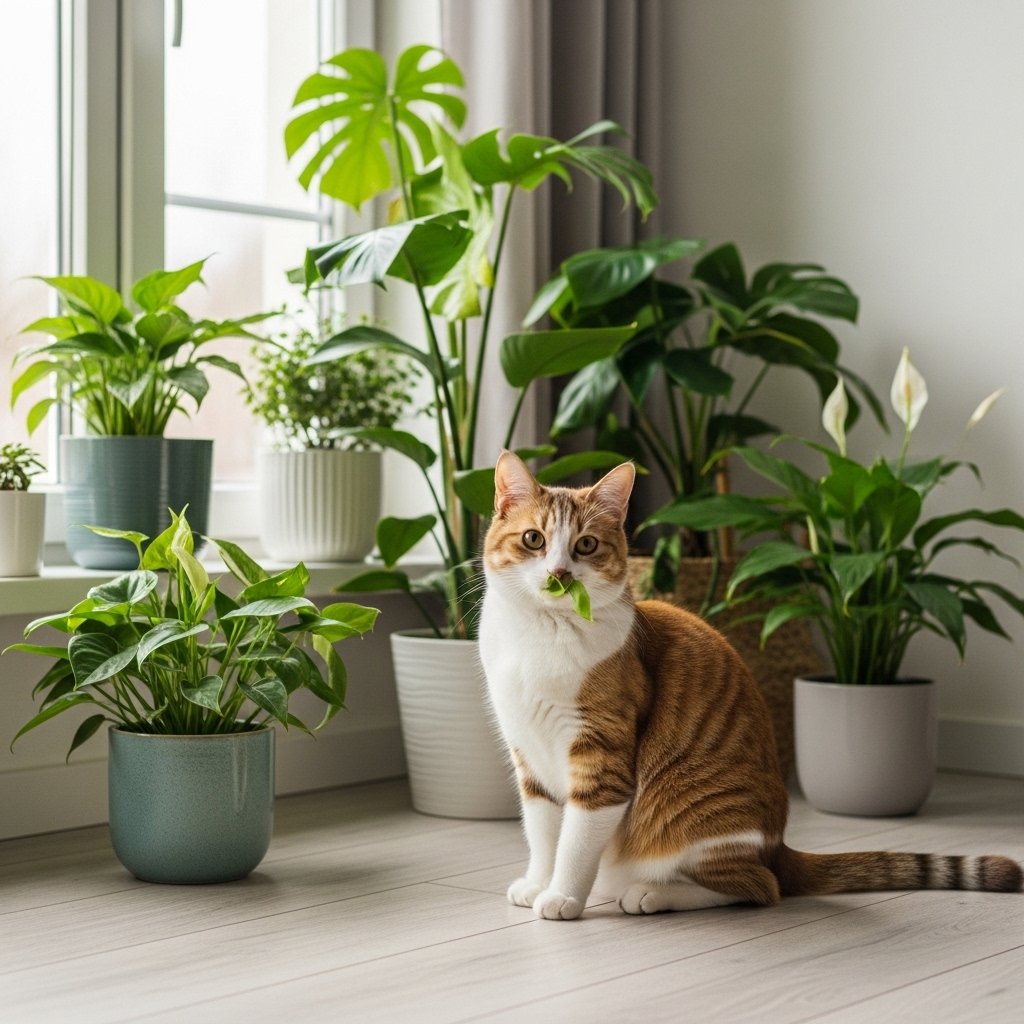
Table Of Content
1. Why Cats Are Attracted to Indoor Plants
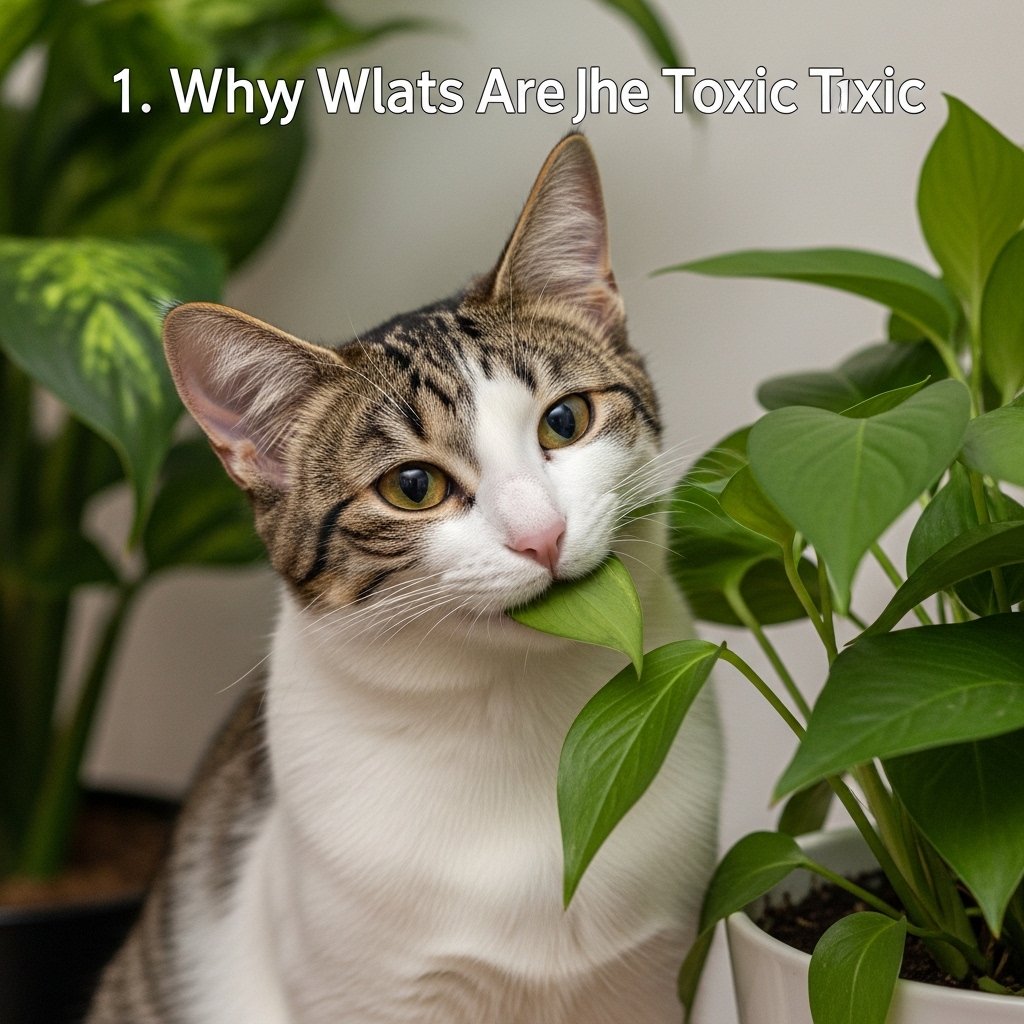
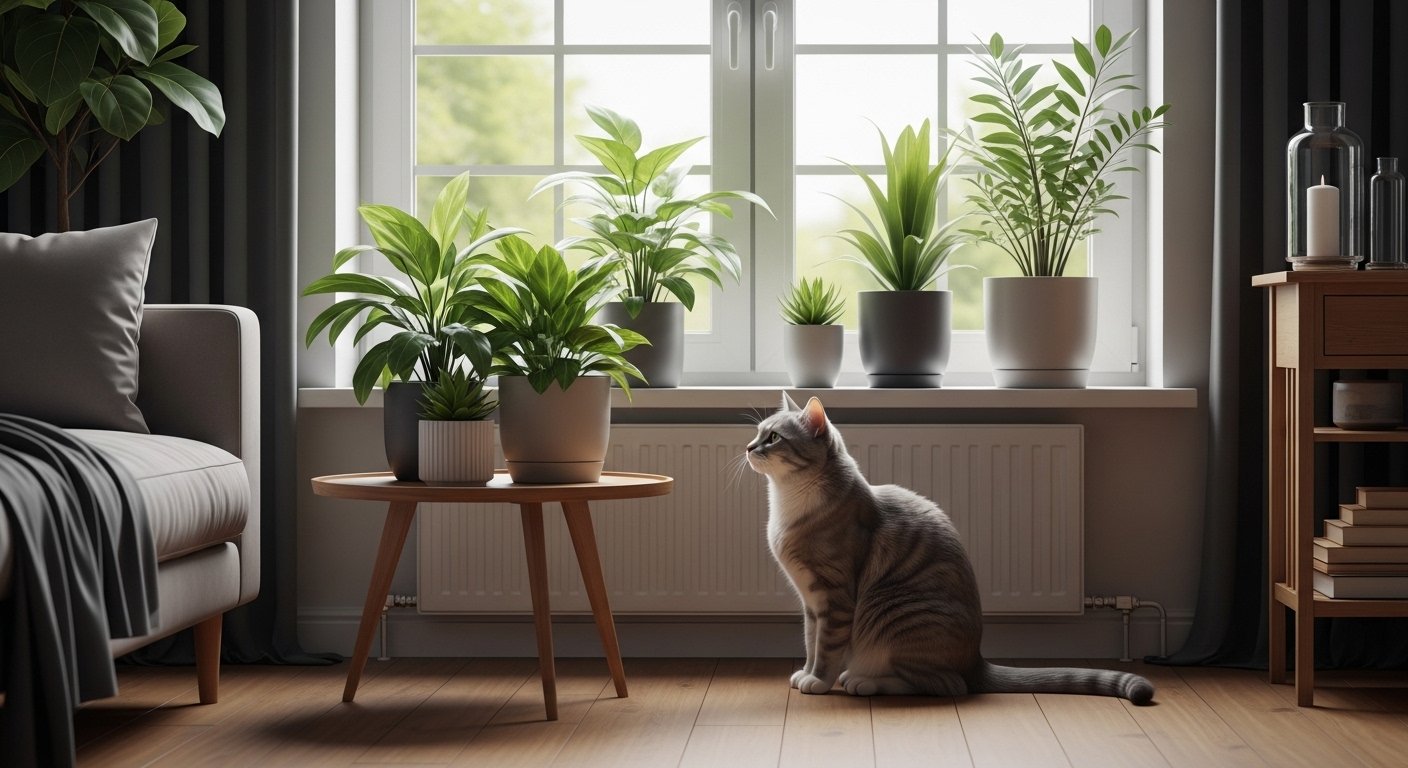
Cats are naturally curious animals, and their instinct often drives them to explore anything new in their environment. Indoor plants can look like toys or grass-like snacks, which makes them especially tempting. Some cats chew leaves out of boredom, while others do it to aid digestion. Unfortunately, this behavior can become dangerous when the plant is toxic. Understanding this attraction is the first step in preventing accidental poisoning.
2. Lilies Are Extremely Toxic to Cats
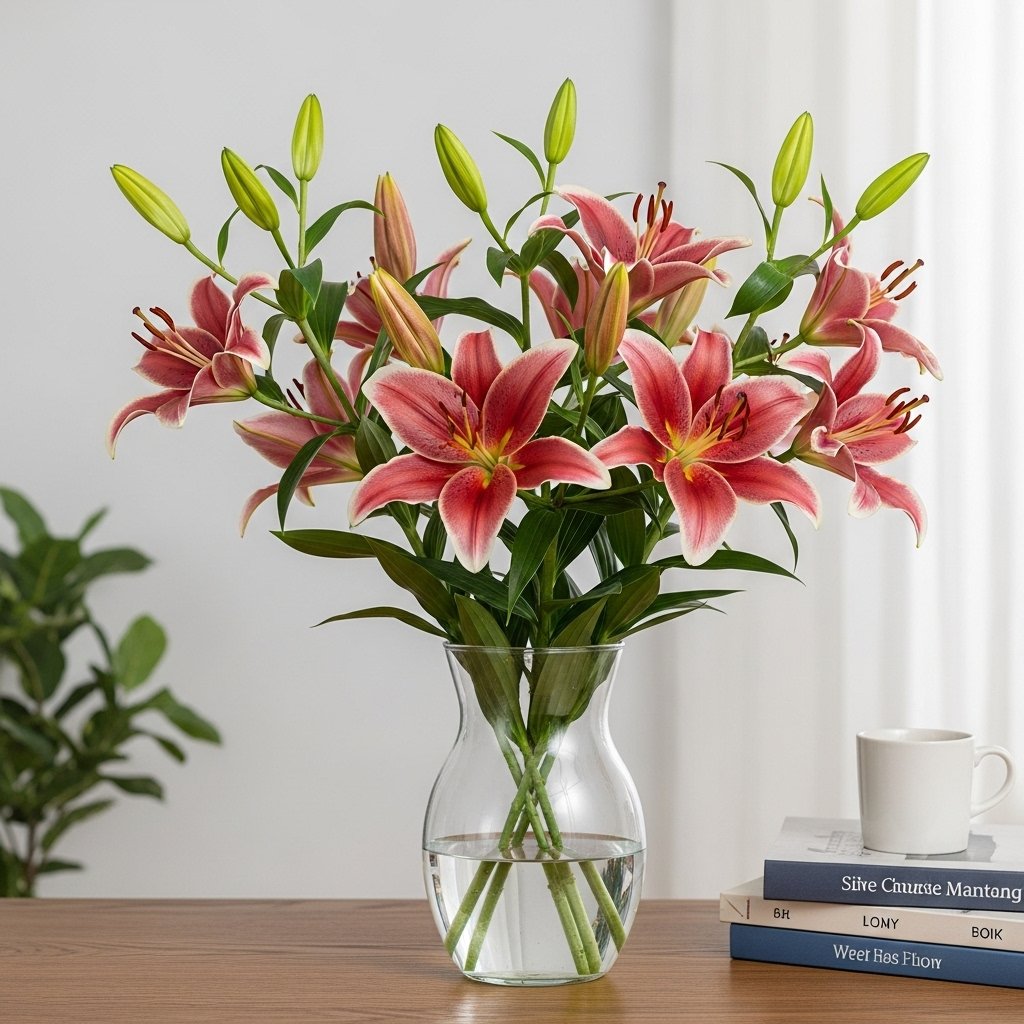
Lilies are one of the most dangerous indoor plants for cats and should be completely avoided. Even small exposure, such as pollen on fur or water from a vase, can cause severe kidney damage. Cats that ingest lilies may show symptoms like vomiting, lethargy, and loss of appetite. In many cases, untreated exposure can become life-threatening. This makes lilies a strict “no” in any cat-friendly home.
3. Aloe Vera Can Cause Digestive Issues
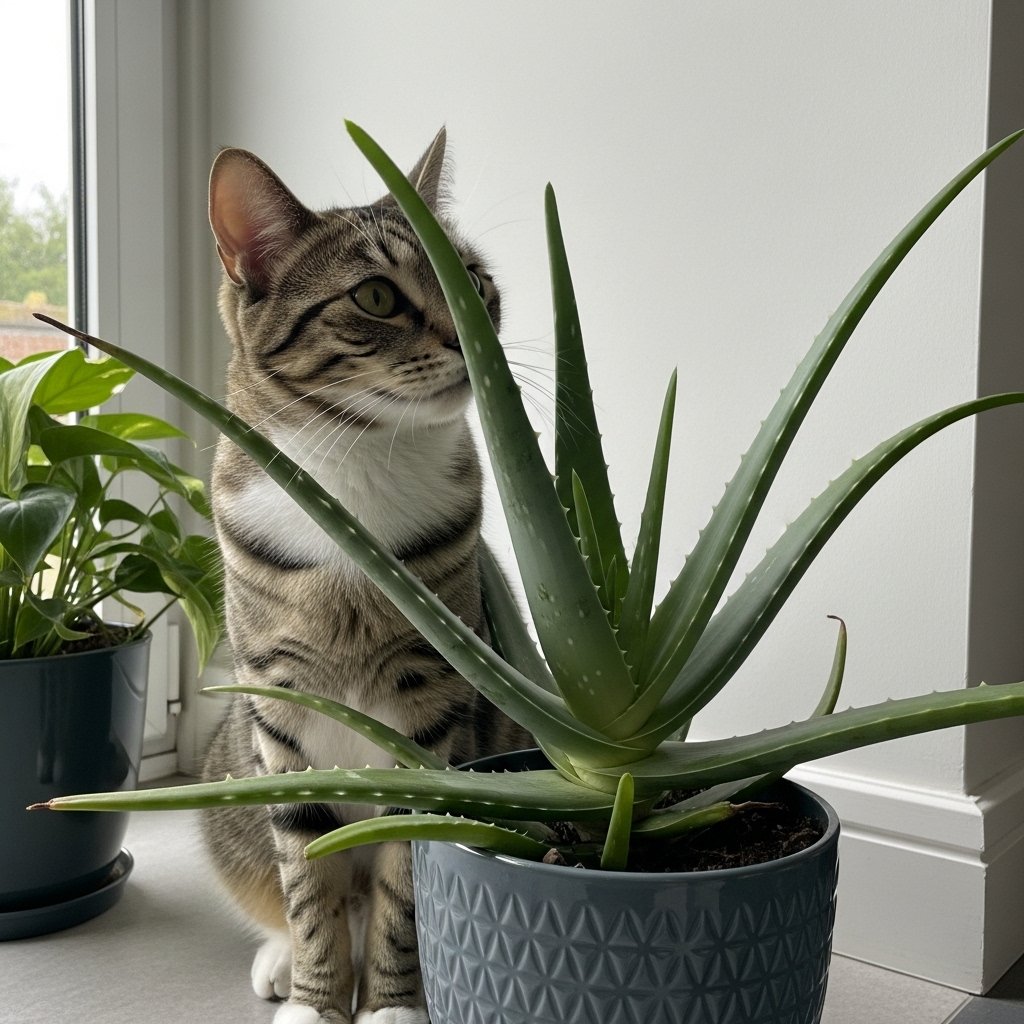
Aloe vera is widely known for its medicinal benefits in humans, but it is not safe for cats. If ingested, it can lead to vomiting, diarrhea, and general discomfort. The plant contains compounds that are irritating to a cat’s digestive system. Even though it is popular as a low-maintenance indoor plant, pet owners should keep it out of reach. Choosing safer alternatives is a better option for homes with cats.
4. Pothos May Lead to Oral Irritation
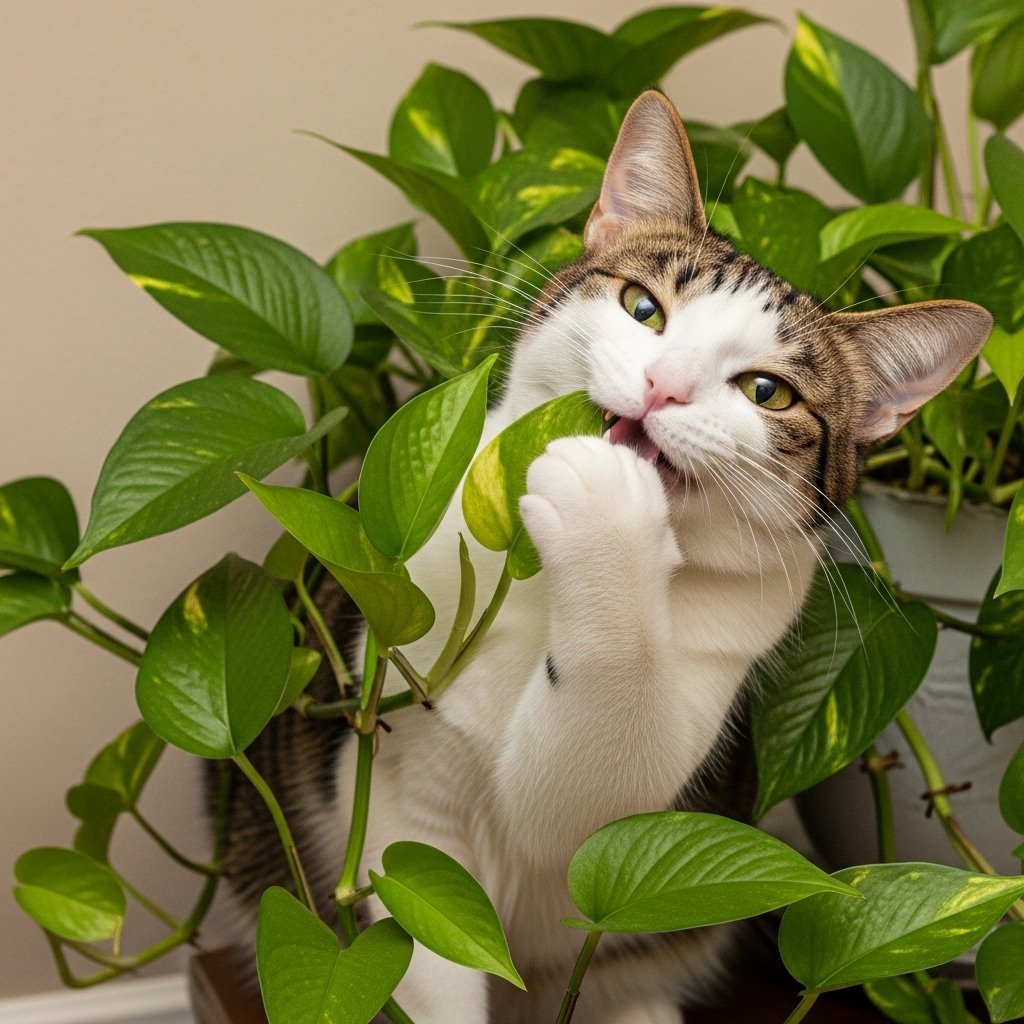
Pothos, also known as devil’s ivy, is a common indoor plant because it grows easily in low light. However, it contains insoluble calcium oxalates that can irritate a cat’s mouth and throat. Cats that chew on pothos may experience drooling, pawing at the mouth, or difficulty swallowing. While it is not usually fatal, it can still cause significant discomfort. It is best to avoid placing pothos within a cat’s reach.
5. Snake Plant Toxicity Risks
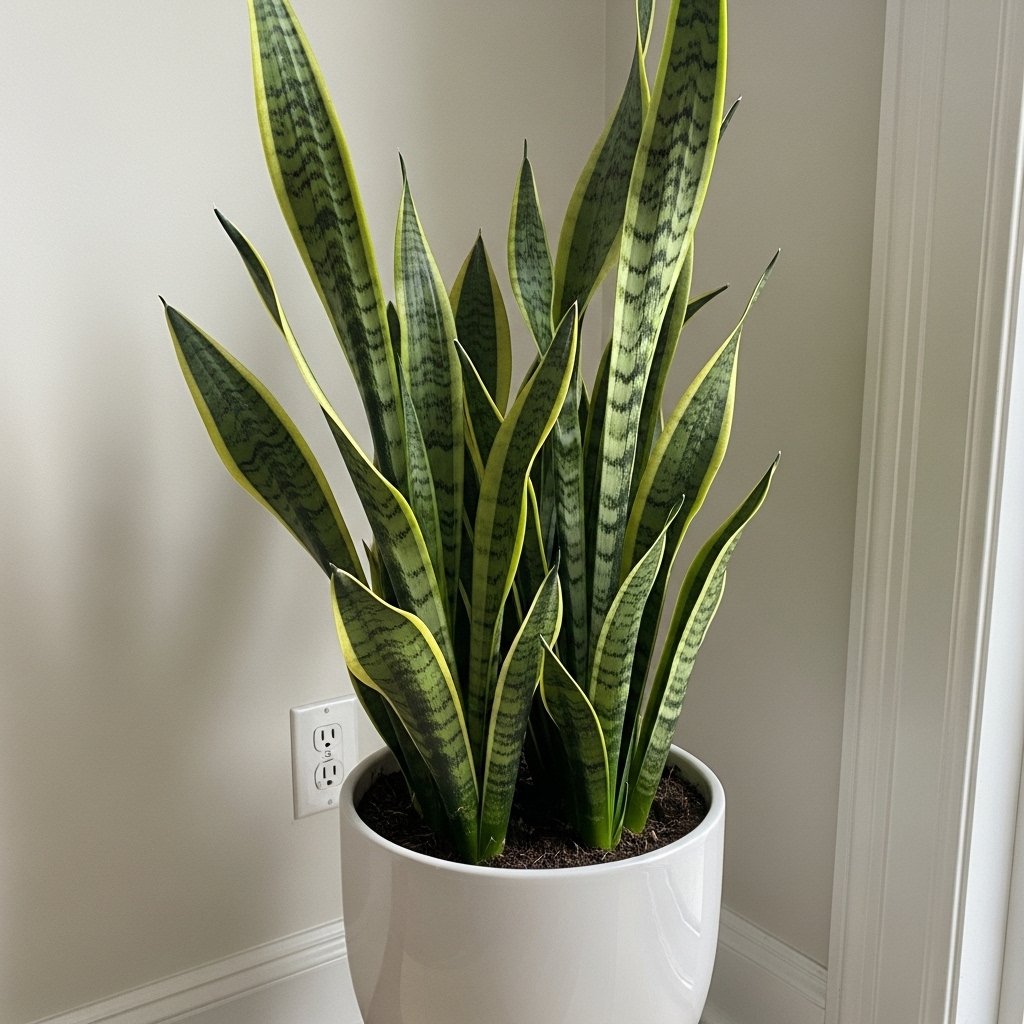
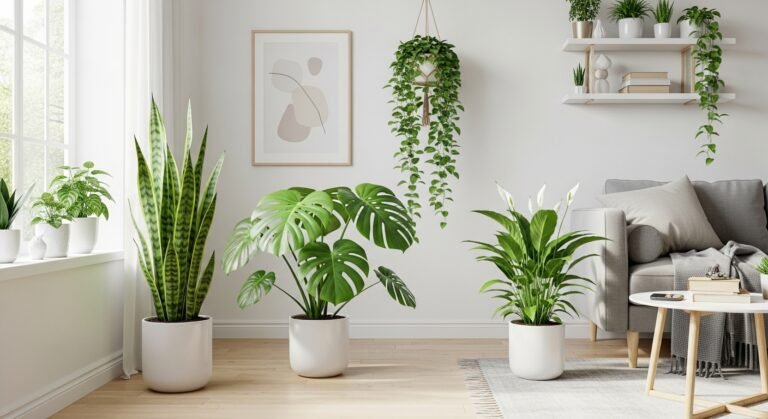
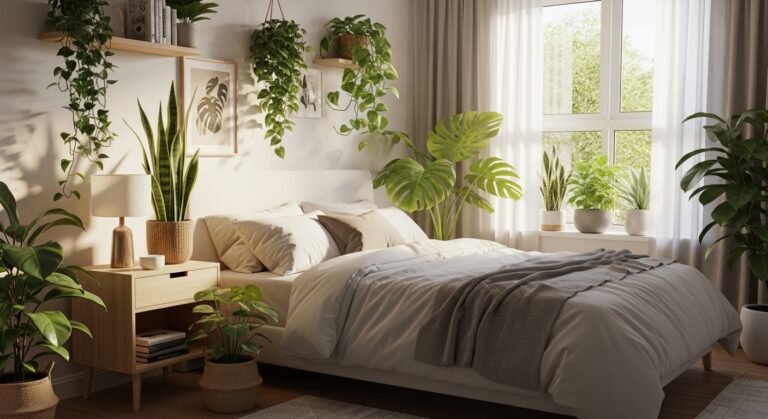
Snake plants are popular for their modern look and air-purifying qualities, but they are mildly toxic to cats. Ingesting parts of the plant can cause nausea, vomiting, and diarrhea. The plant contains saponins, which are responsible for these reactions. While symptoms are usually not severe, they can still make your pet very uncomfortable. Cat owners should be cautious when placing snake plants indoors.
6. Peace Lily Is Not Truly “Peaceful” for Cats
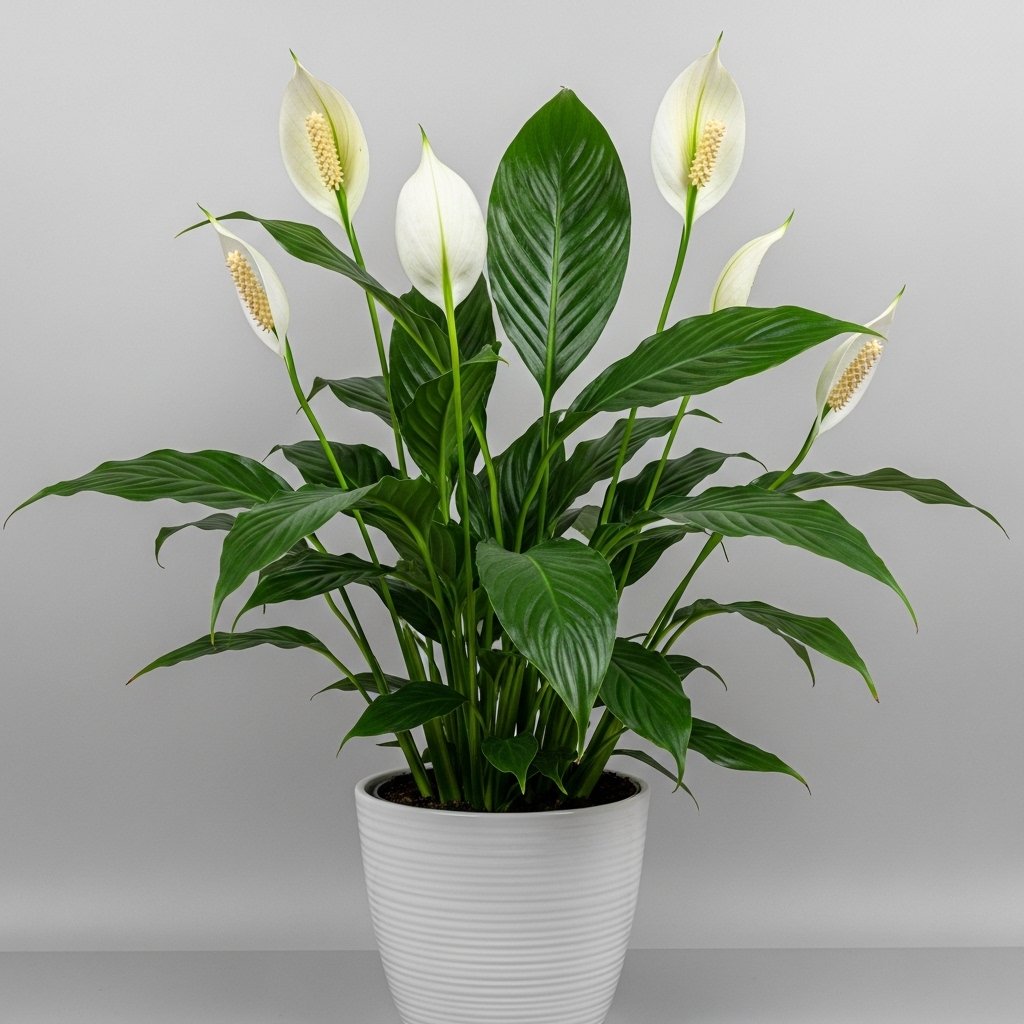
Despite its calming name, the peace lily is harmful to cats if ingested. It can cause oral irritation, excessive drooling, and difficulty eating. The plant contains calcium oxalate crystals that trigger these reactions. While not as deadly as true lilies, it still poses a health risk. Keeping it out of reach or replacing it with pet-safe plants is highly recommended.
7. Philodendron Can Cause Mouth Pain
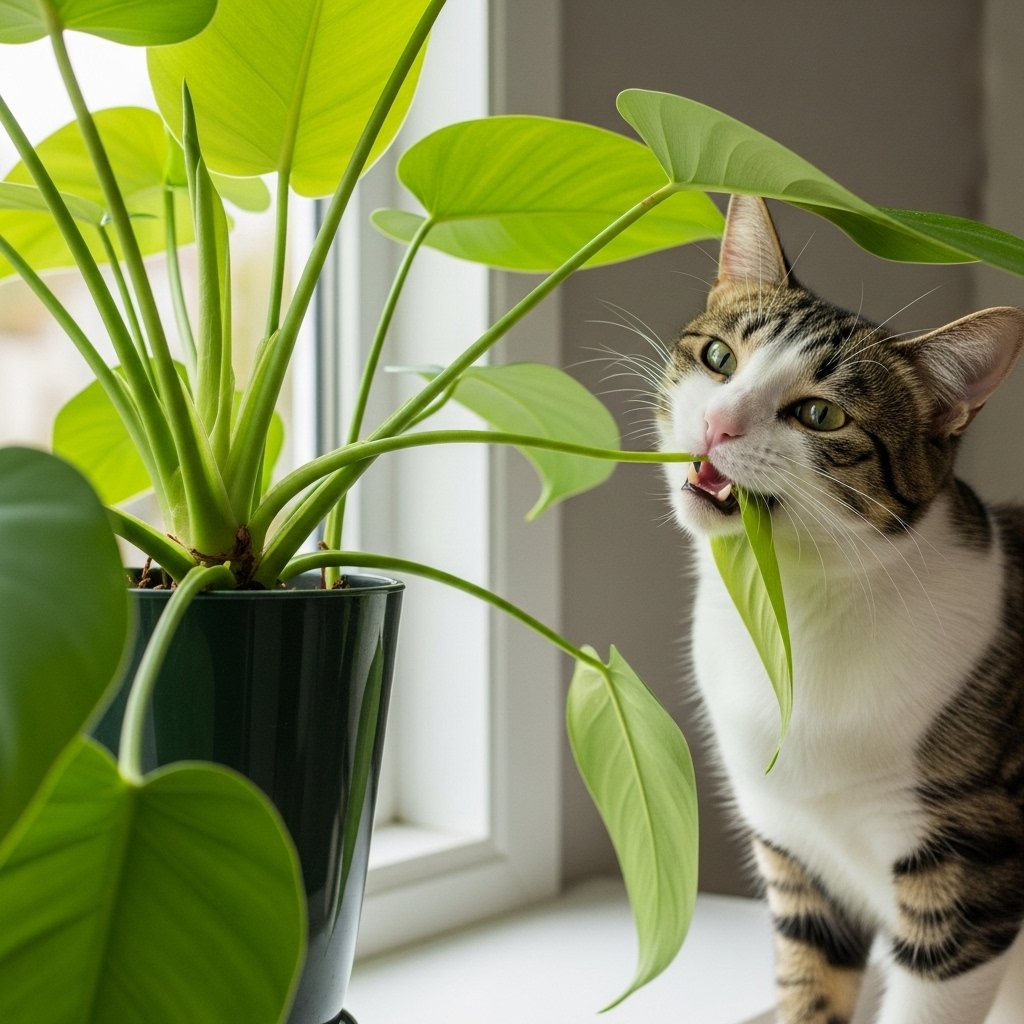
Philodendrons are popular indoor plants due to their lush green appearance and easy care. However, they are toxic to cats because of calcium oxalates. When chewed, they can cause burning sensations in the mouth and swelling. Cats may also show signs of drooling or vomiting. Even though the symptoms are rarely fatal, the discomfort can be significant.
8. ZZ Plant and Its Hidden Toxicity
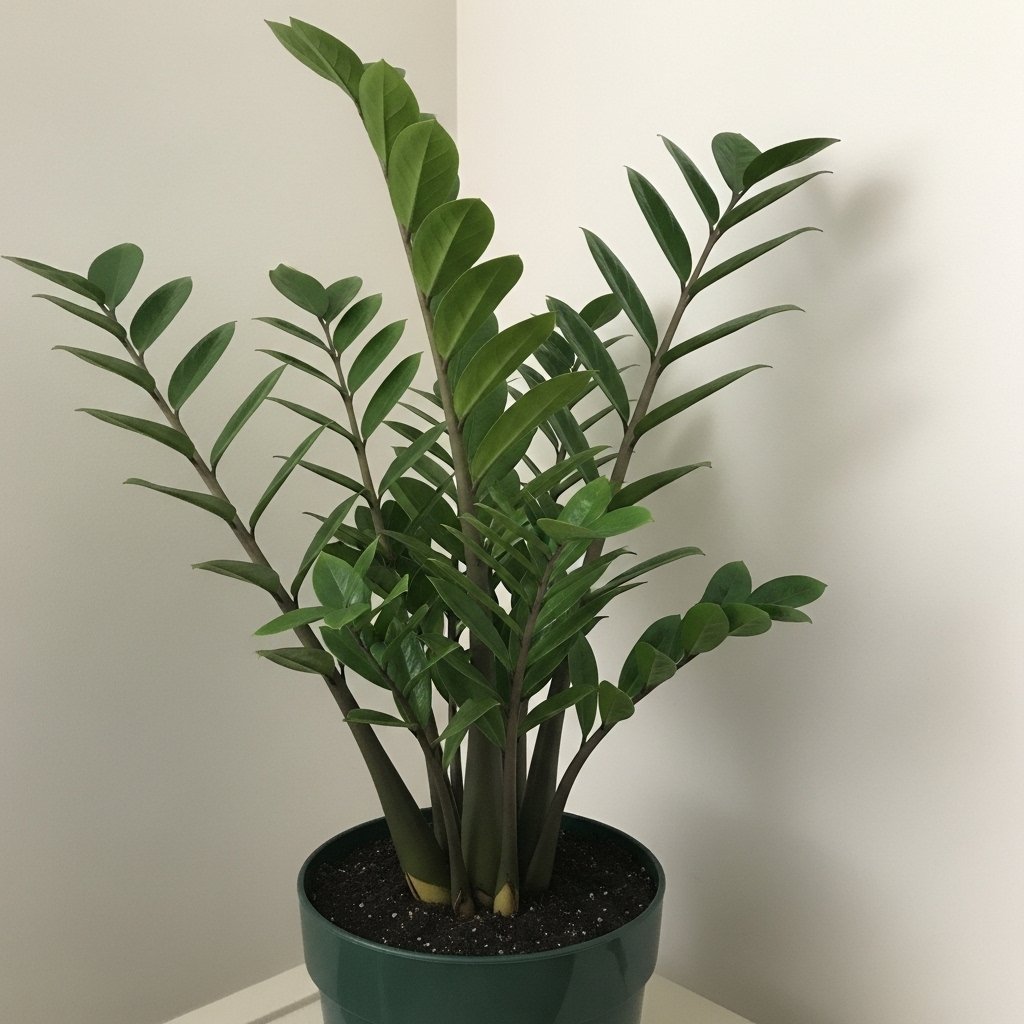
The ZZ plant is another trendy houseplant known for being low-maintenance and drought-resistant. However, it contains toxic compounds that can irritate a cat’s mouth and stomach. If ingested, it may lead to vomiting, diarrhea, and discomfort. Its glossy leaves make it attractive to curious cats. Pet owners should place it in areas completely inaccessible to pets.
9. Sago Palm Is Highly Dangerous
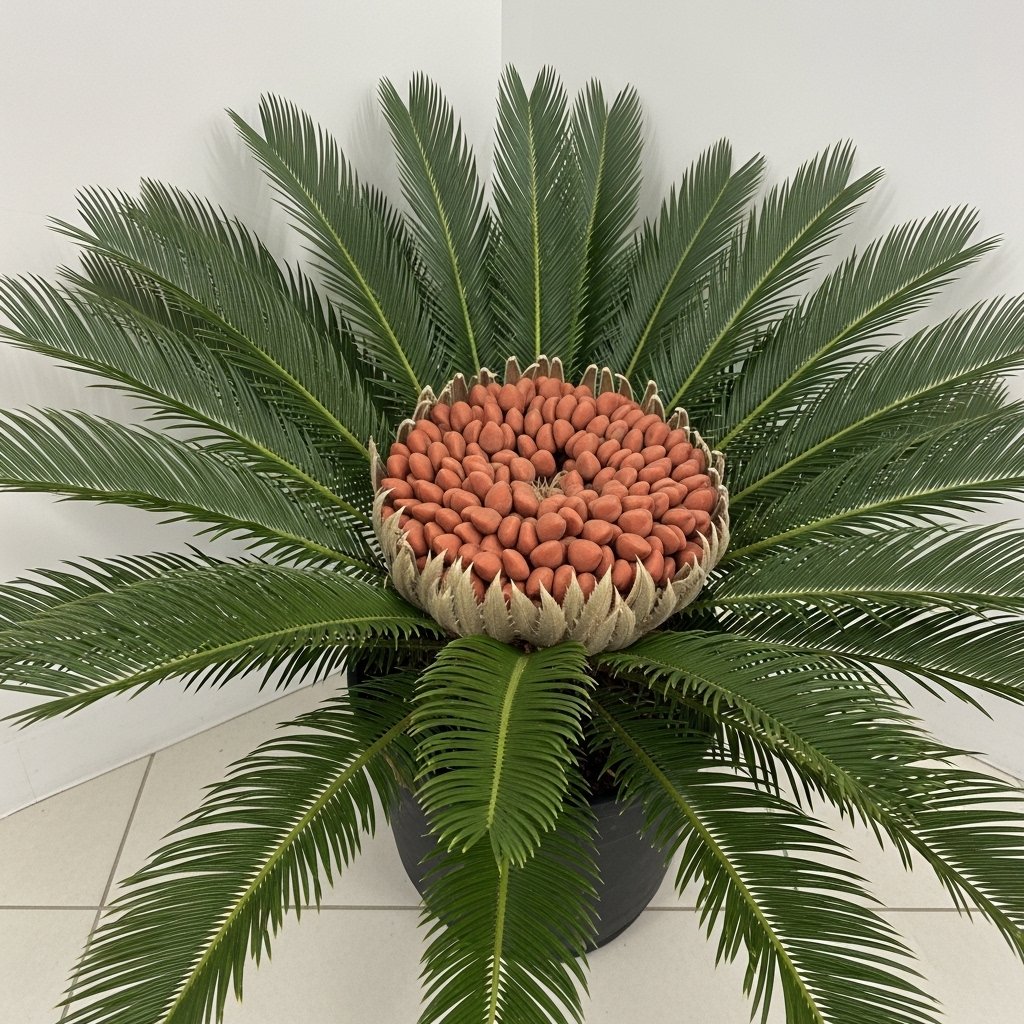
Sago palm is one of the most toxic indoor plants for cats and can be fatal if ingested. Every part of the plant is poisonous, especially the seeds. It can cause severe liver failure within a short time. Symptoms include vomiting, seizures, and loss of appetite. Immediate veterinary attention is required if exposure occurs.
10. Dieffenbachia (Dumb Cane) Risks
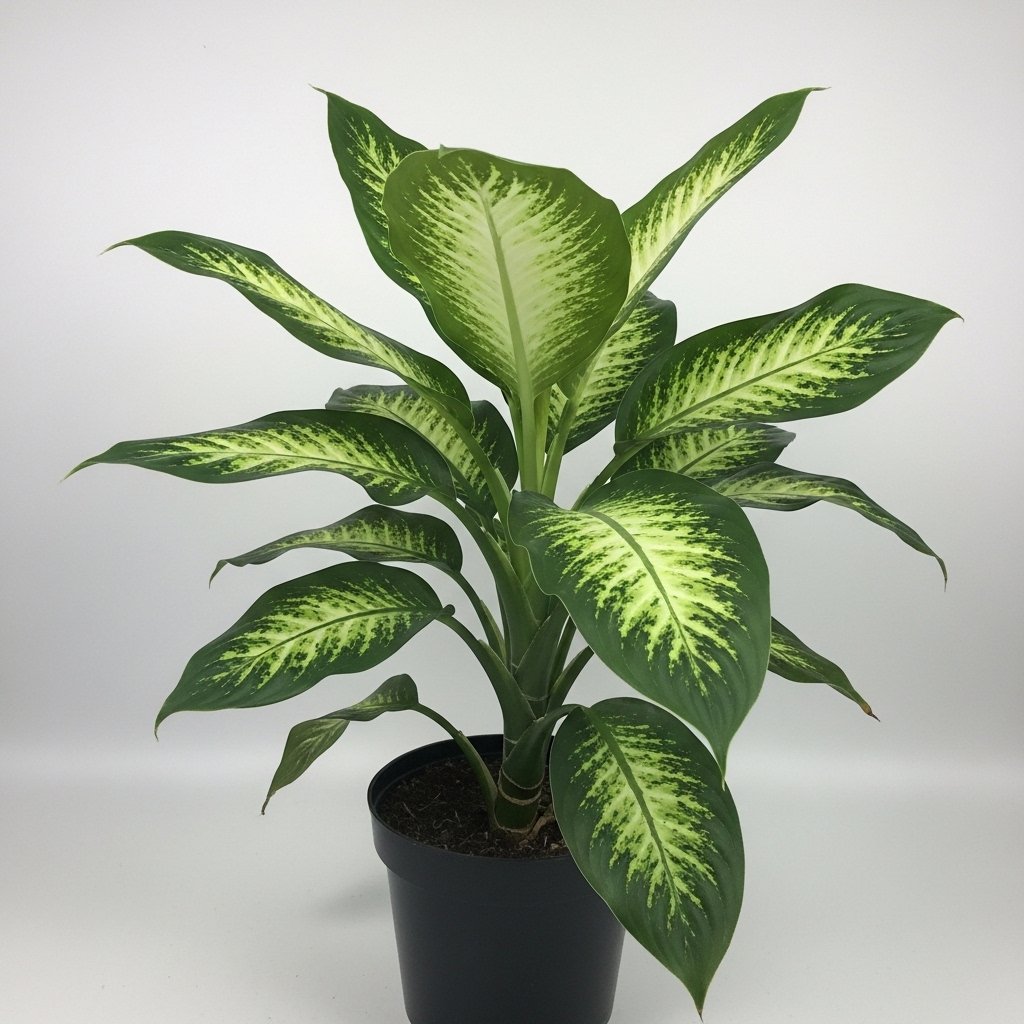
Dieffenbachia, also known as dumb cane, is a common ornamental plant found in homes and offices. It contains sharp calcium oxalate crystals that can cause intense irritation in a cat’s mouth. Symptoms include swelling, drooling, and difficulty speaking or swallowing. While the name “dumb cane” refers to this effect in humans, it can be equally distressing for cats. Keeping it away from pets is essential.
11. Safer Alternatives to Toxic Plants
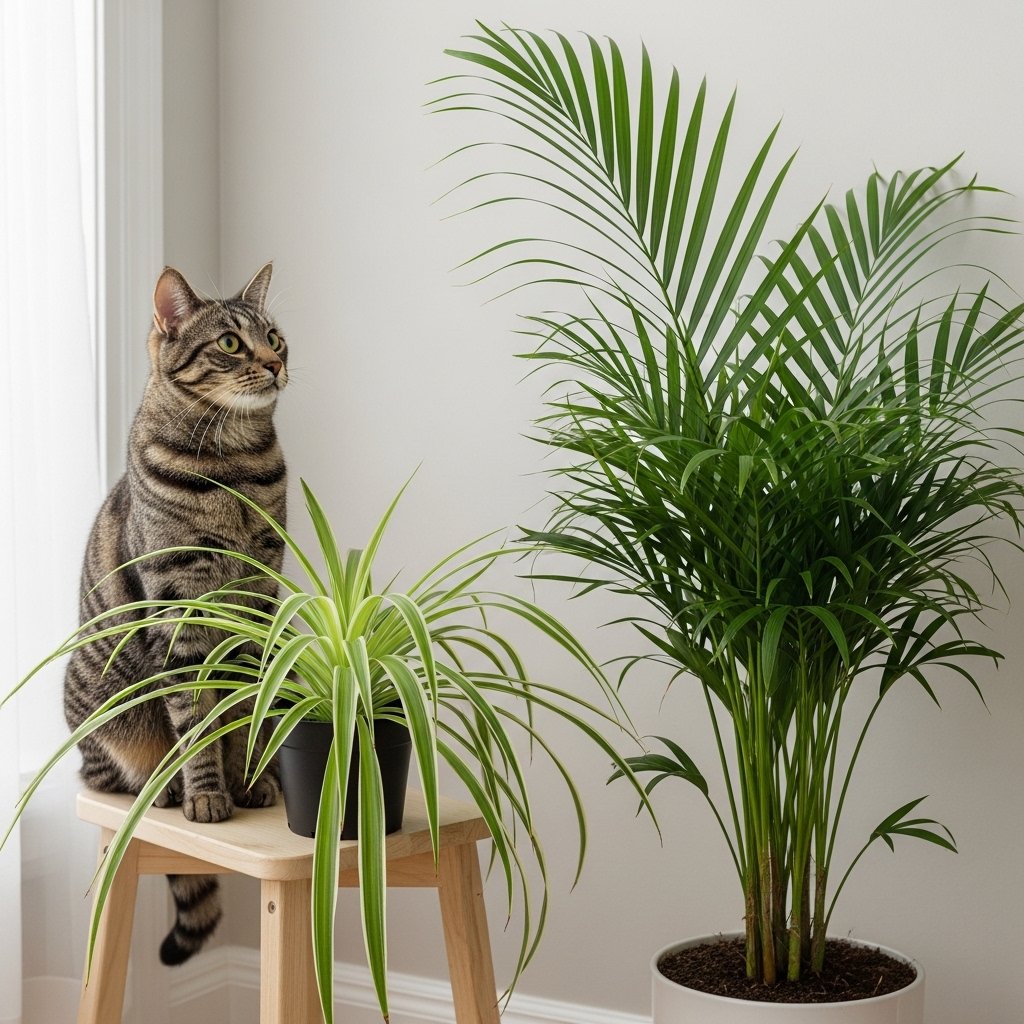
Fortunately, not all indoor plants are harmful to cats, and many safe options exist. Spider plants, Boston ferns, and areca palms are considered pet-friendly choices. These plants can still enhance home aesthetics without posing health risks. Providing safe greenery ensures your cat can explore without danger. Always research before adding new plants to your home.
12. How to Keep Cats Away from Plants
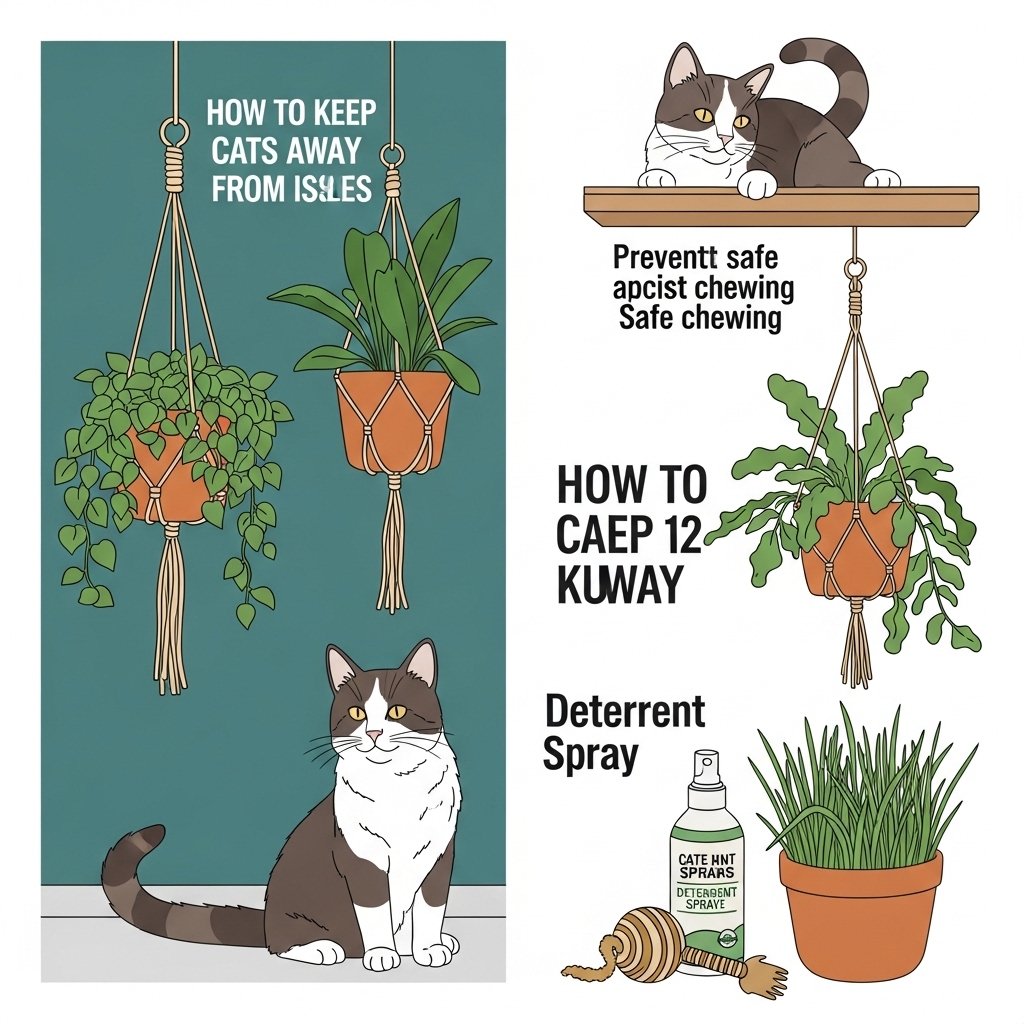
Preventing plant-related issues is often about managing your cat’s environment. Placing plants on high shelves or using hanging planters can reduce access. You can also use deterrent sprays that are safe for pets but discourage chewing. Providing cat grass or toys can redirect their attention. A balanced approach helps keep both your plants and pets safe.
13. How to Care for Indoor Plants Safe for Cats
- Choose Safe Plants – Keep only cat-friendly plants and remove toxic ones from your home.
- Place Out of Reach – Put plants on high shelves or hanging pots so cats cannot chew them.
- Check Plant Safety – Regularly check labels or names to ensure plants are not harmful to cats.
- Clean Dropped Leaves – Remove fallen leaves quickly so cats do not play with or eat them.
- Train Your Cat – Gently teach your cat to avoid plants using safe deterrents or redirection.
13.1. FAQ
13.2. Are indoor plants bad for cats❓
Some indoor plants can be harmful or toxic to cats, while others are completely safe. Cats are naturally curious and may chew on leaves, which can cause health problems if the plant is toxic. It is important to know which plants are safe and which ones should be kept away to protect your pet.
13.3. Which indoor plants are toxic to cats❓
Common indoor plants that are toxic to cats include lilies, aloe vera, pothos, and snake plants. These plants can cause symptoms like vomiting, drooling, or more serious health issues if eaten. Pet owners should avoid keeping these plants in areas where cats can easily reach them.
13.4. What happens if a cat eats a toxic plant❓
If a cat eats a toxic plant, it may show signs such as vomiting, diarrhea, loss of appetite, or unusual behavior. In severe cases, it can affect organs like the kidneys. If you notice these symptoms, it is important to contact a veterinarian as soon as possible for proper treatment.
13.5. Are there safe indoor plants for cats❓
Yes, there are many indoor plants that are safe for cats, such as spider plants, areca palms, and calathea. These plants do not cause harm if a cat chews on them. Choosing pet-safe plants allows you to decorate your home while keeping your cat safe and healthy.
14. Final Thoughts
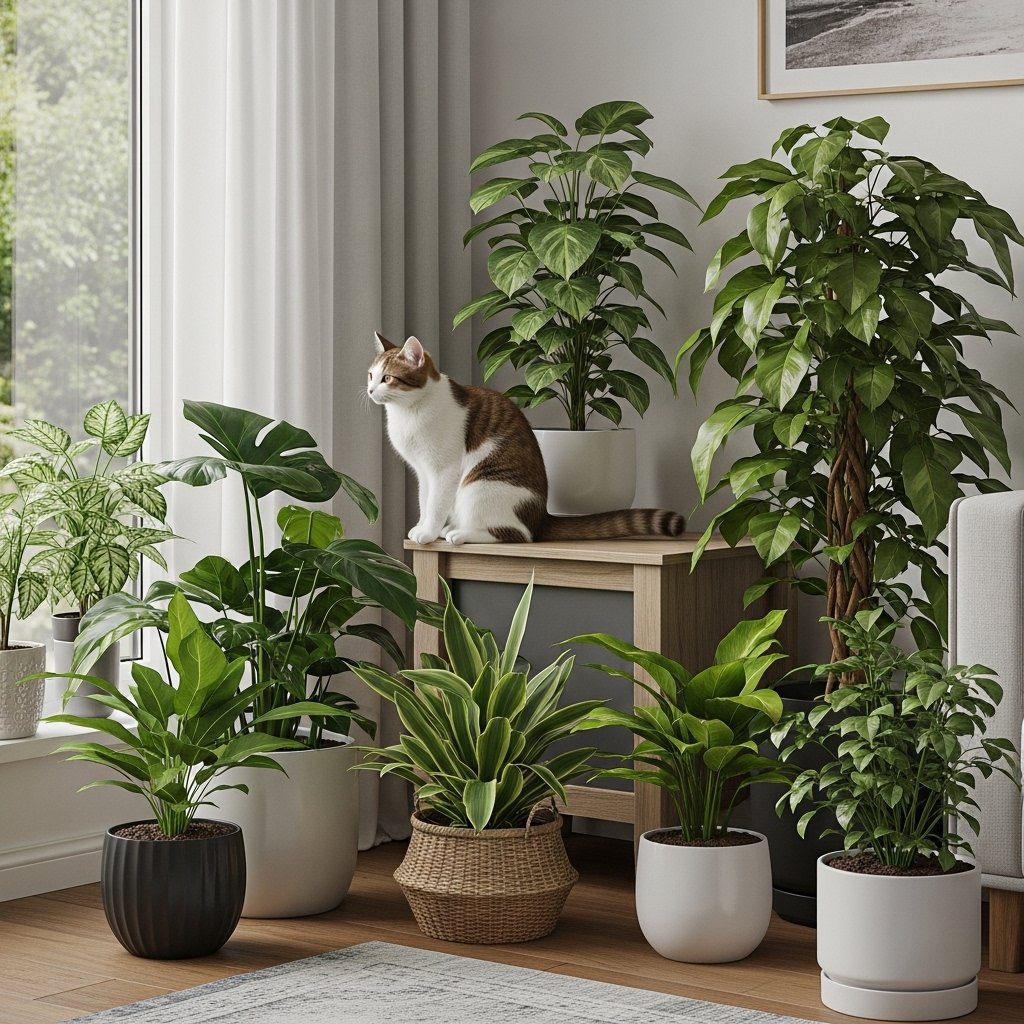
Indoor plants can improve the beauty and atmosphere of your home, but they can also pose serious risks to cats if chosen carelessly. Many popular houseplants contain toxic compounds that can cause anything from mild irritation to severe health issues. As a responsible pet owner, it is important to research each plant before bringing it indoors. Choosing cat-safe plants and managing their placement can significantly reduce risks. With the right balance, you can enjoy a green, peaceful home without compromising your cat’s safety and well-being.