Indoor Gardening Tools and Plants: A Complete Guide for a Thriving Indoor Garden
Blog > Home > Indoor Plants & Home Decor > Indoor Gardening Tools and Plants: A Complete Guide for a Thriving Indoor Garden
Indoor gardening has become increasingly popular as more people look for ways to bring nature into their homes. Whether you live in a small apartment or a spacious house, growing plants indoors can improve air quality, enhance mood, and add aesthetic appeal to your space. With the right indoor gardening tools and plants, anyone can create a lush and low-maintenance indoor garden. Understanding which tools to use and which plants thrive indoors is essential for long-term success. In this guide, you’ll discover the most important tools and the best indoor plants to help you build a healthy and beautiful indoor garden.
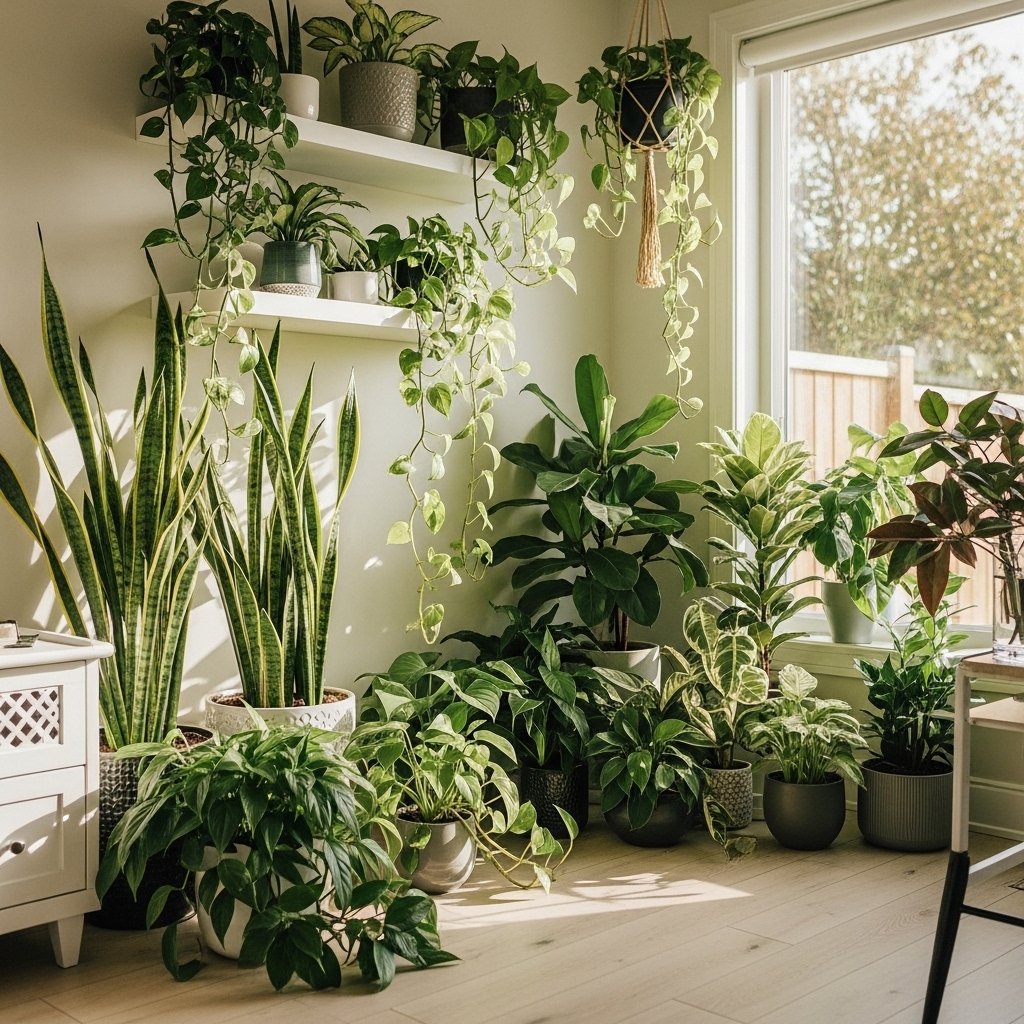
Table Of Content
1. Essential Hand Tools for Indoor Gardening
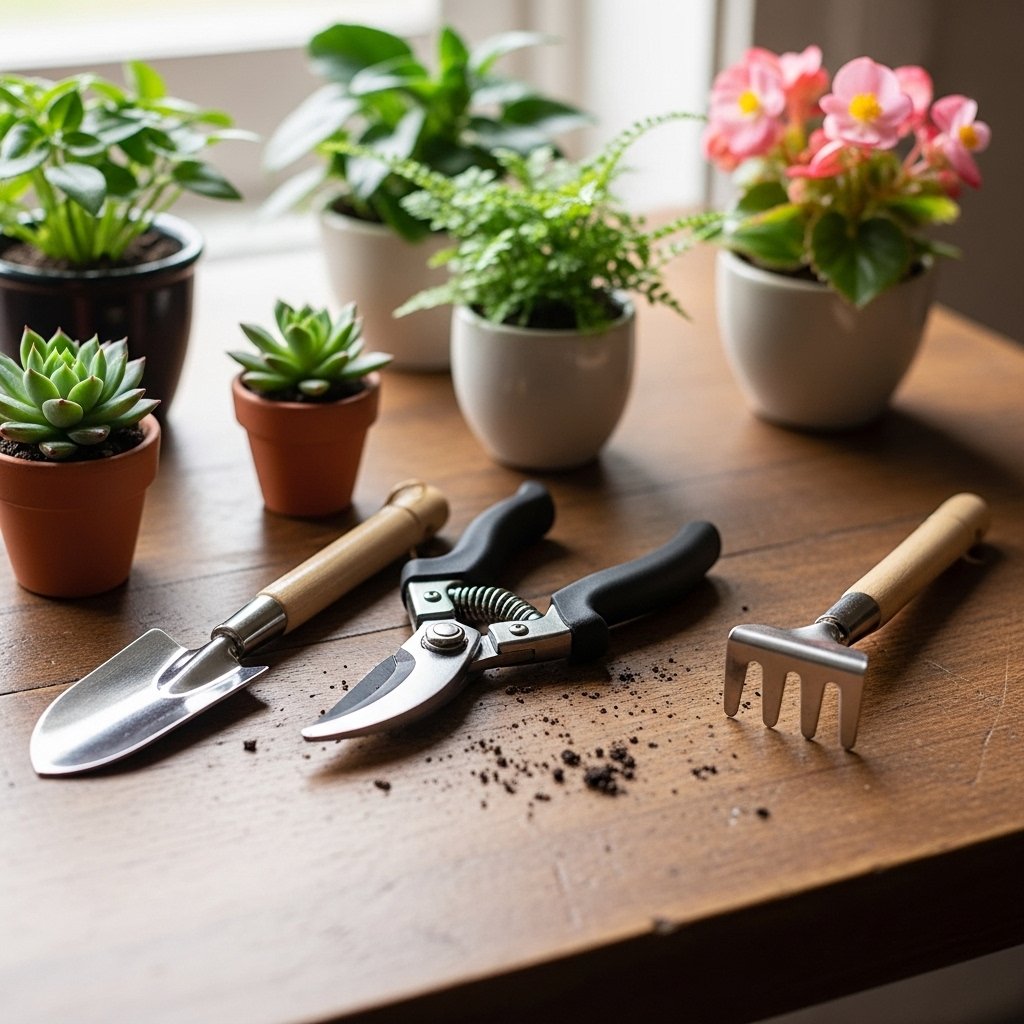
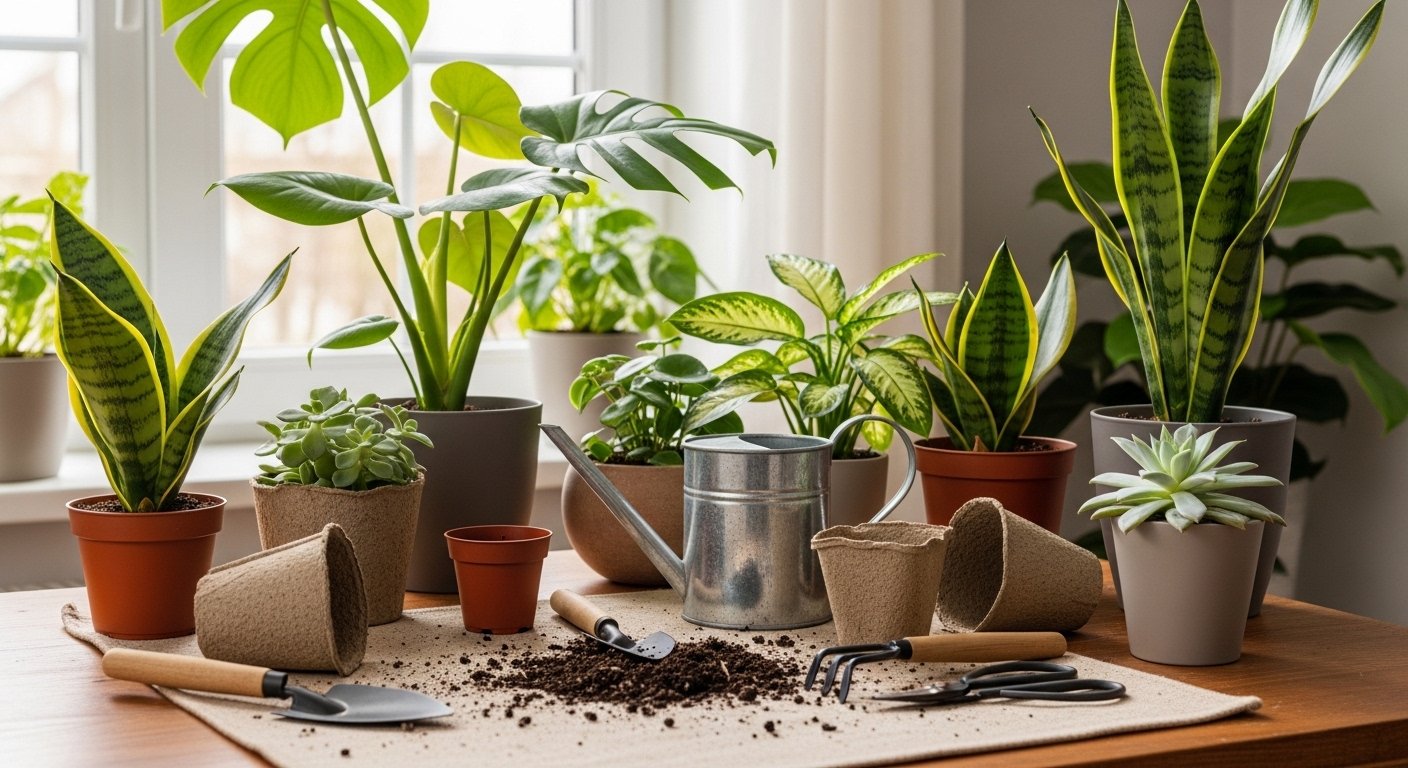
Every indoor gardener needs a basic set of hand tools to manage plants effectively. Small tools like hand trowels, pruners, and mini rakes help with planting, trimming, and soil maintenance. These tools are designed to work in small pots and confined indoor spaces without making a mess. High-quality tools last longer and make gardening tasks easier and more efficient. Investing in a compact tool set ensures you are always prepared for daily plant care.
2. Watering Cans and Spray Bottles
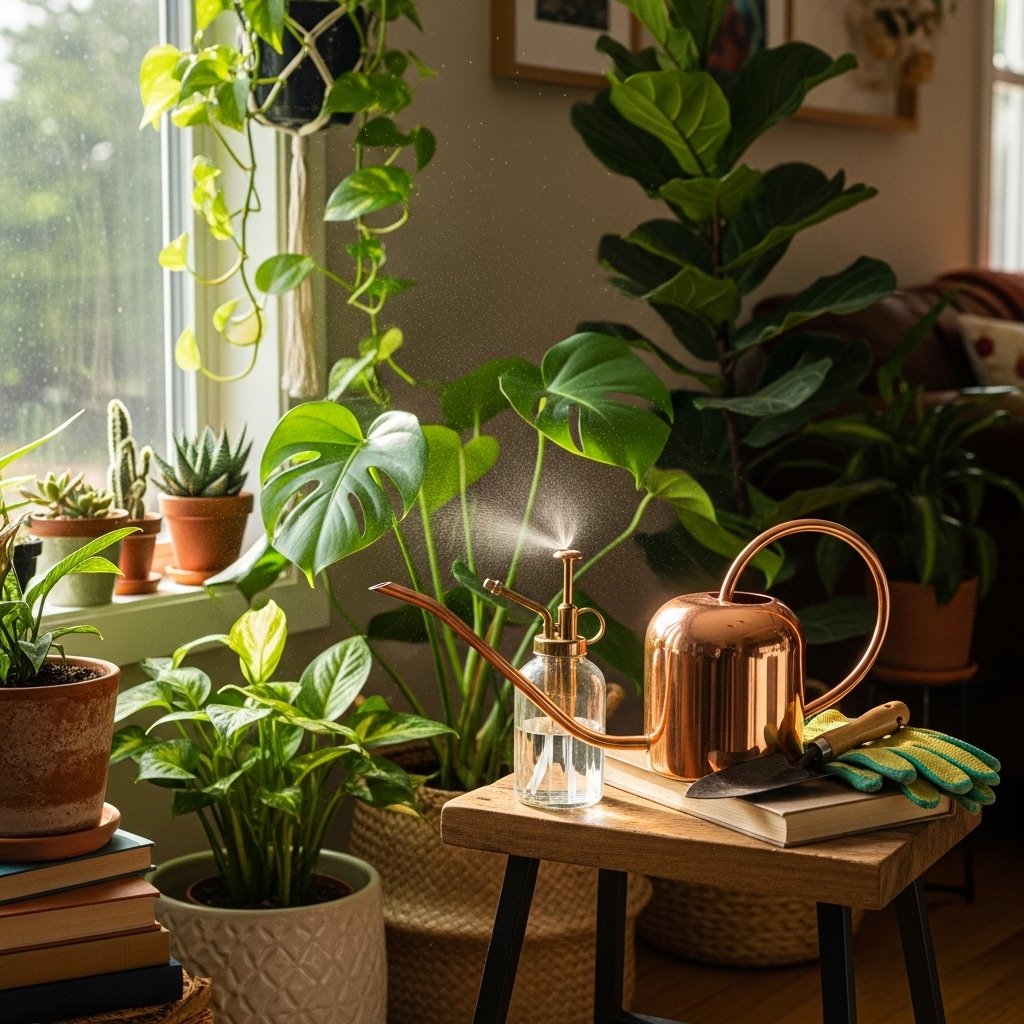
Proper watering is one of the most important aspects of indoor gardening. A watering can with a narrow spout helps control water flow and prevents overwatering. Spray bottles are ideal for misting plants that require higher humidity levels. These tools are especially useful for delicate plants like ferns and orchids. Consistent and controlled watering keeps plants healthy and thriving indoors.
3. Indoor Plant Pots and Containers
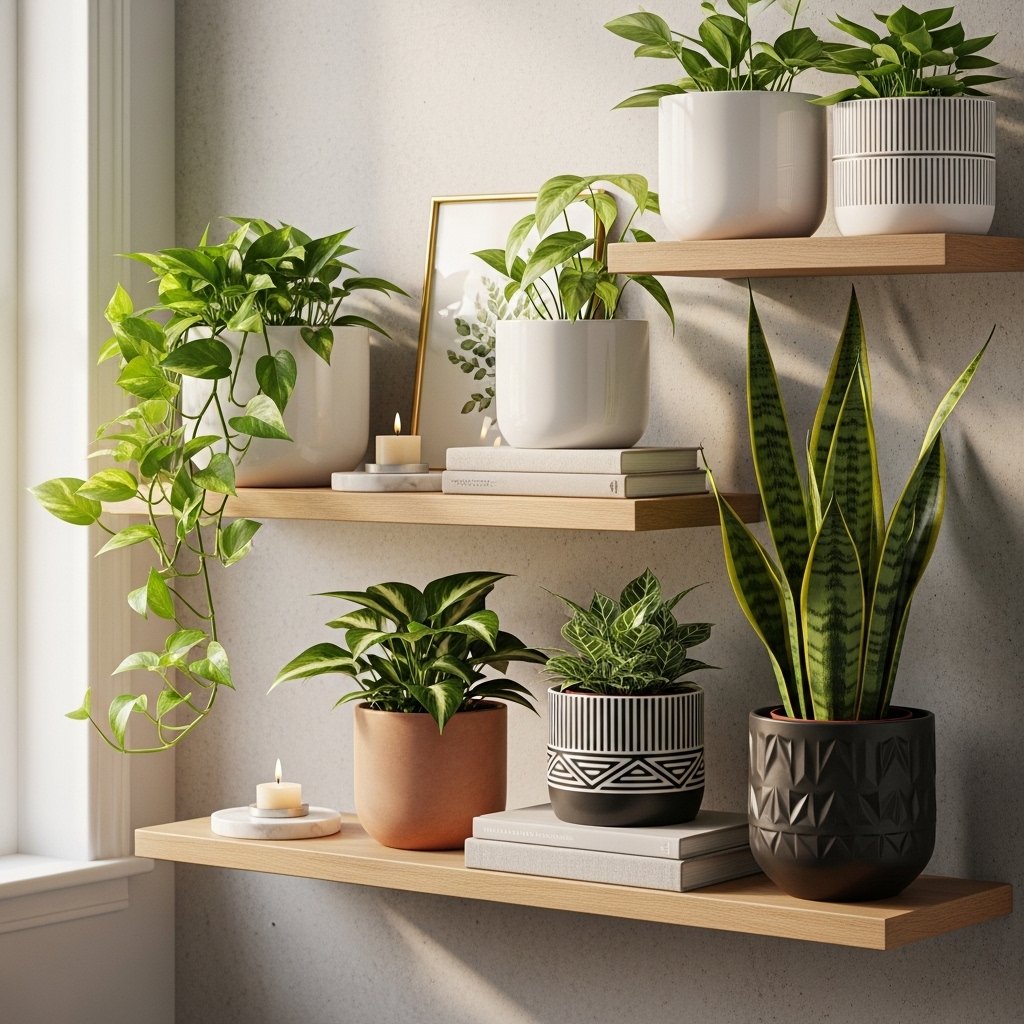
Choosing the right pots and containers is crucial for plant health and growth. Containers with drainage holes prevent water from accumulating and causing root rot. Decorative pots also enhance the visual appeal of your indoor space. Materials like ceramic, plastic, and terracotta each have their own benefits. Selecting the right size pot ensures your plants have enough room to grow comfortably.
4. Potting Soil and Fertilizers
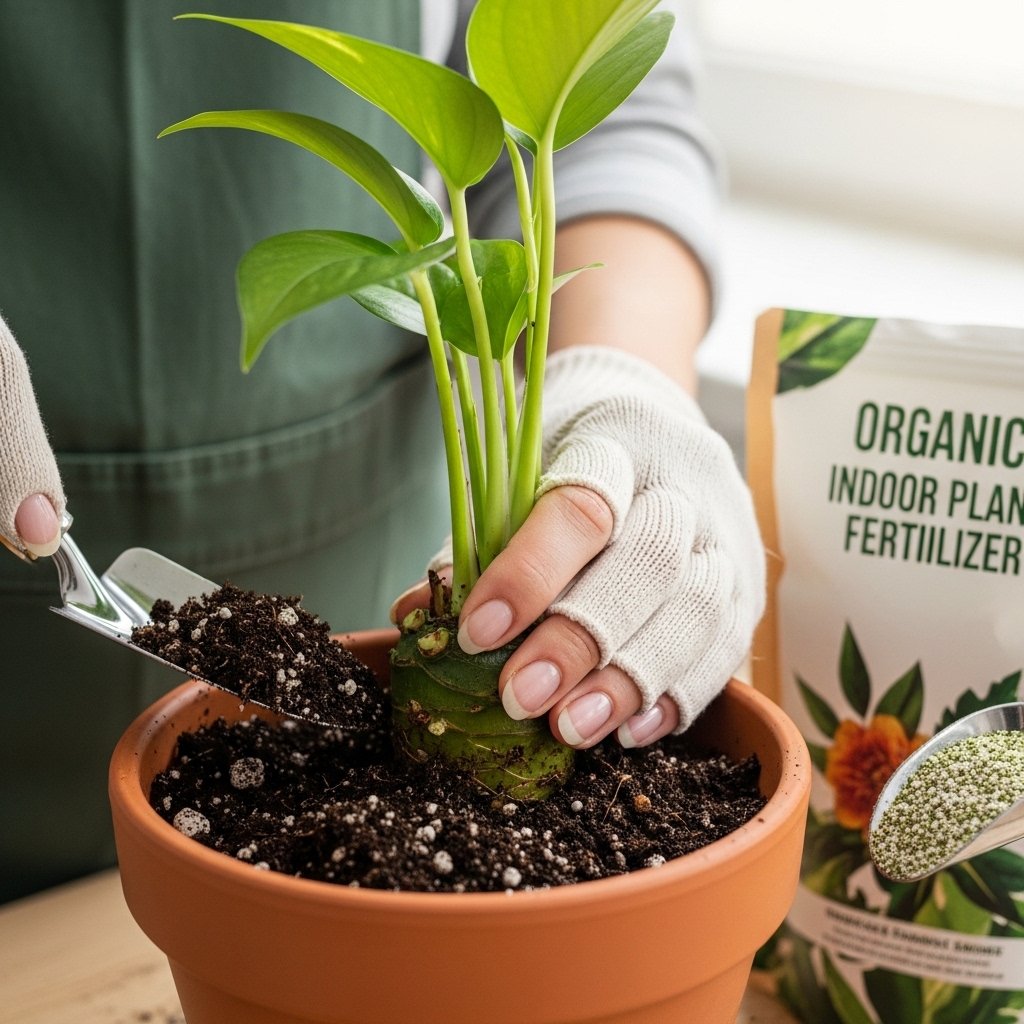
Indoor plants require specific potting soil that provides proper drainage and nutrients. Regular garden soil is not suitable for indoor use due to poor aeration and potential pests. Fertilizers supply essential nutrients that help plants grow stronger and healthier. Organic fertilizers are often preferred for indoor gardening as they are safer and environmentally friendly. Using the right soil and nutrients ensures optimal plant growth.
5. Grow Lights for Indoor Plants
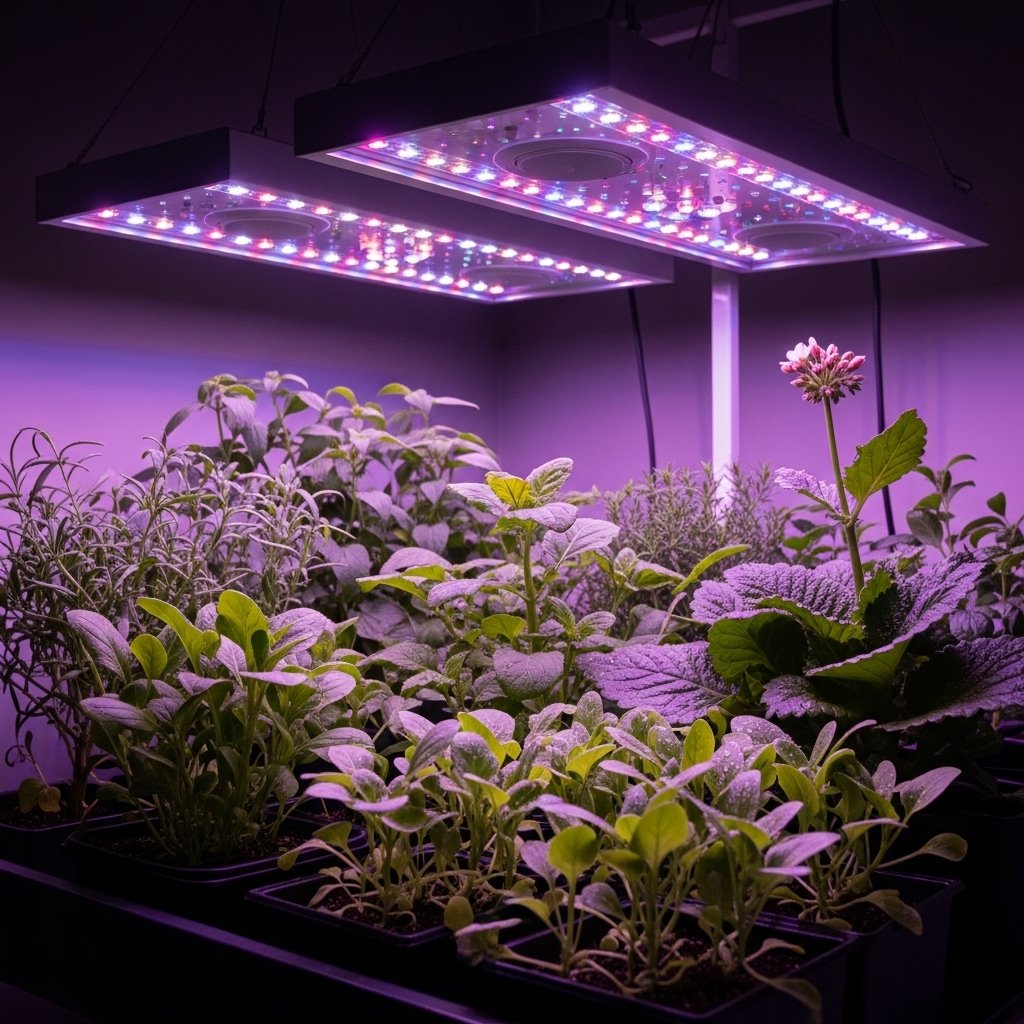
Not all indoor spaces receive enough natural sunlight, making grow lights an essential tool. These lights mimic natural sunlight and help plants perform photosynthesis effectively. LED grow lights are energy-efficient and suitable for most indoor plants. They are especially useful during winter months or in rooms with limited sunlight. Proper lighting ensures your plants remain healthy year-round.
6. Pruning Tools and Scissors
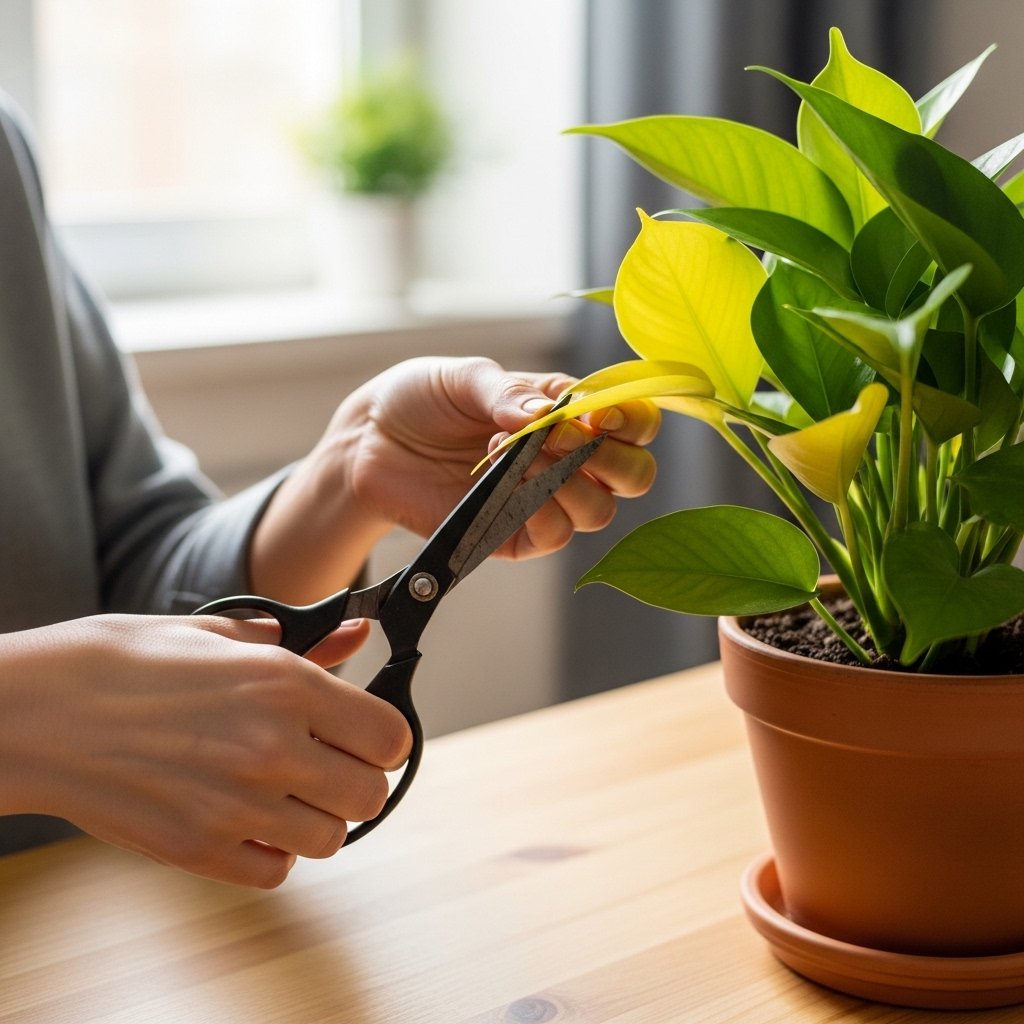
Regular pruning helps maintain plant shape and encourages healthy growth. Sharp scissors or pruning shears are ideal for trimming dead leaves and stems. Clean cuts prevent damage and reduce the risk of disease. Pruning also improves air circulation around the plant. Keeping your plants well-maintained enhances both their health and appearance.
7. Soil Moisture Meters
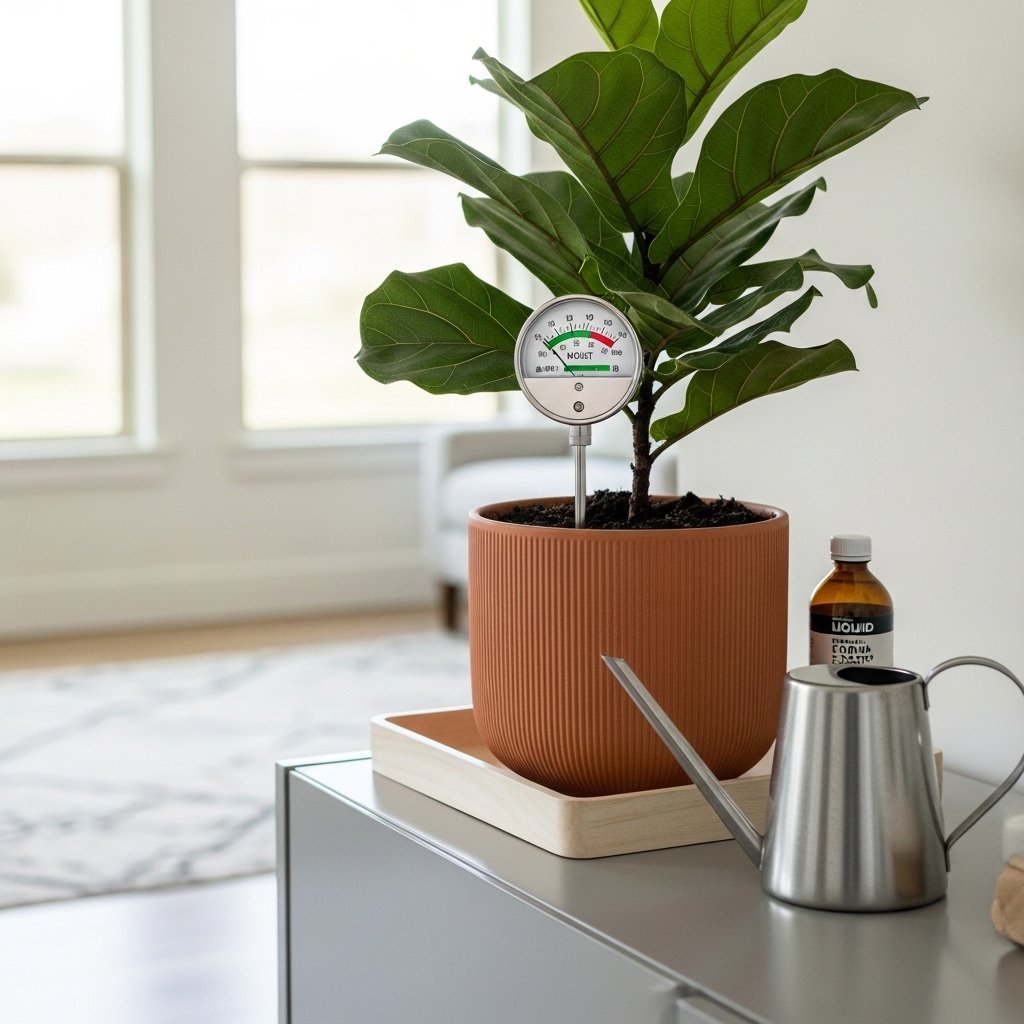
A soil moisture meter is a useful tool for determining when your plants need watering. Overwatering is a common mistake in indoor gardening, and this tool helps prevent it. By measuring moisture levels accurately, you can provide the right amount of water. This ensures your plants stay hydrated without being over-saturated. It’s a simple yet effective way to improve plant care.
8. Best Low-Maintenance Indoor Plants
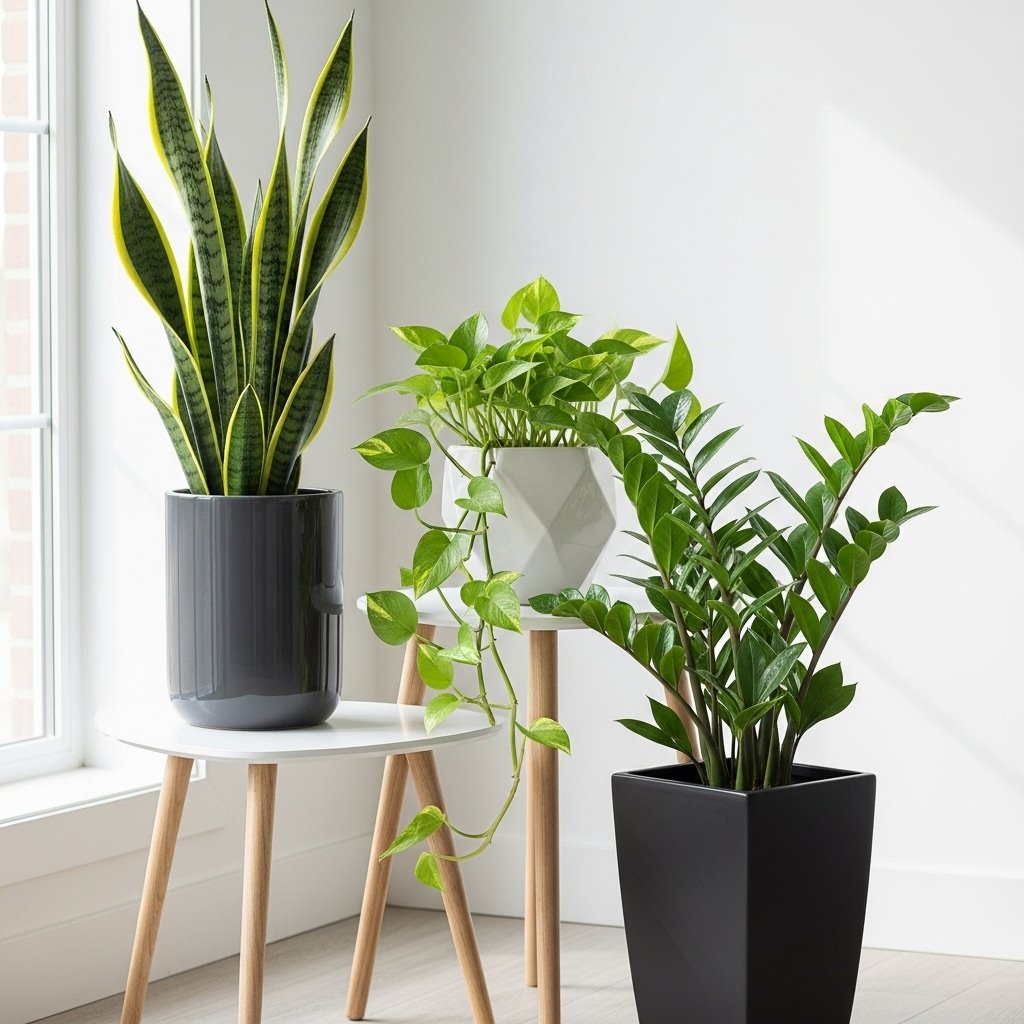
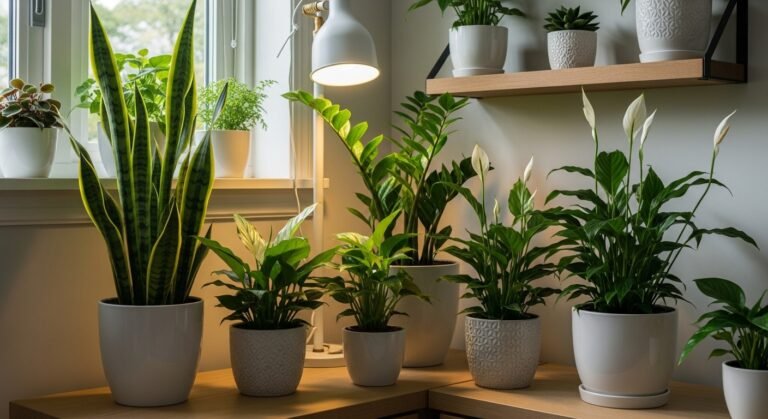
Low-maintenance plants are perfect for beginners or busy individuals. Plants like snake plants, pothos, and ZZ plants require minimal care and adapt well to indoor conditions. They can tolerate low light and irregular watering schedules. These plants are also known for their air-purifying qualities. Choosing easy-to-care-for plants helps build confidence in indoor gardening.
9. Air-Purifying Indoor Plants
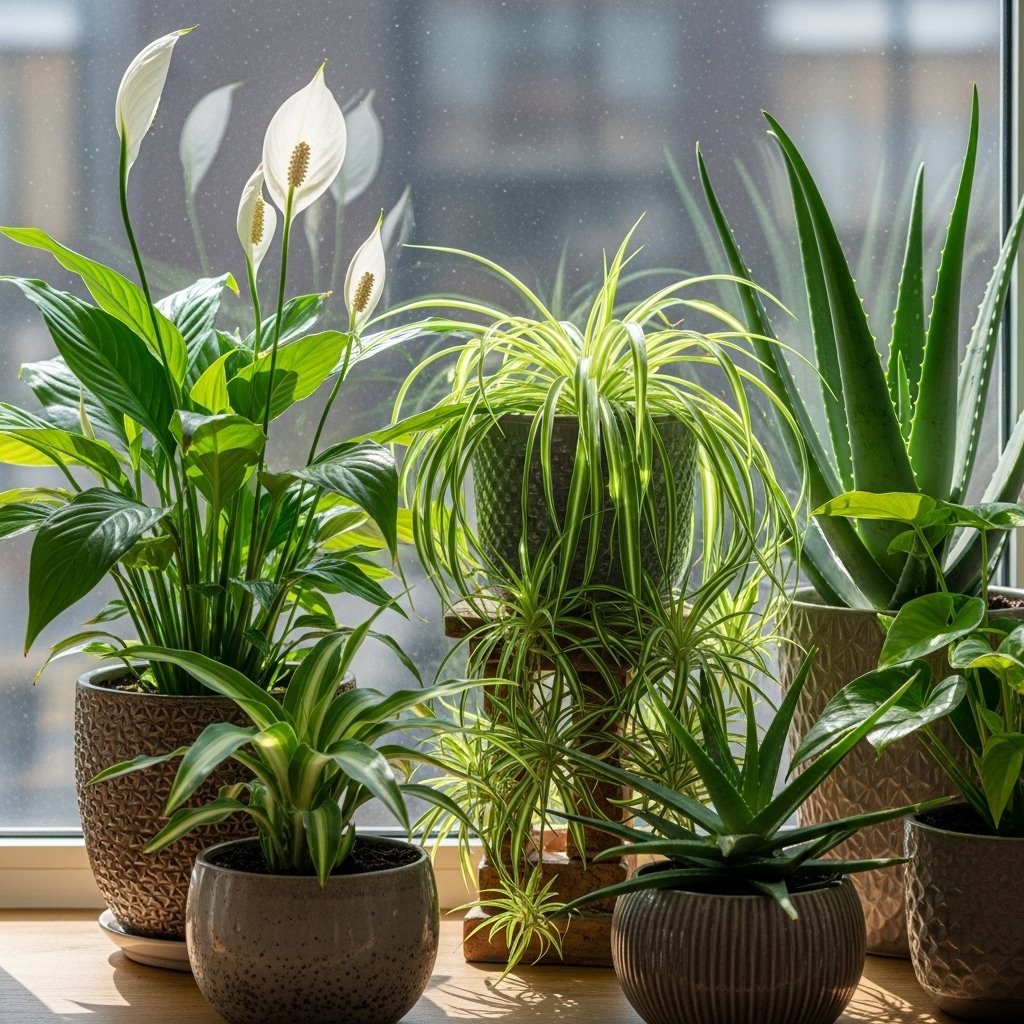
Some indoor plants are known for their ability to purify the air. Plants like peace lilies, spider plants, and aloe vera can remove toxins and improve air quality. These plants are not only functional but also visually appealing. They thrive in typical indoor environments with proper care. Adding air-purifying plants creates a healthier living space.
10. Flowering Indoor Plants
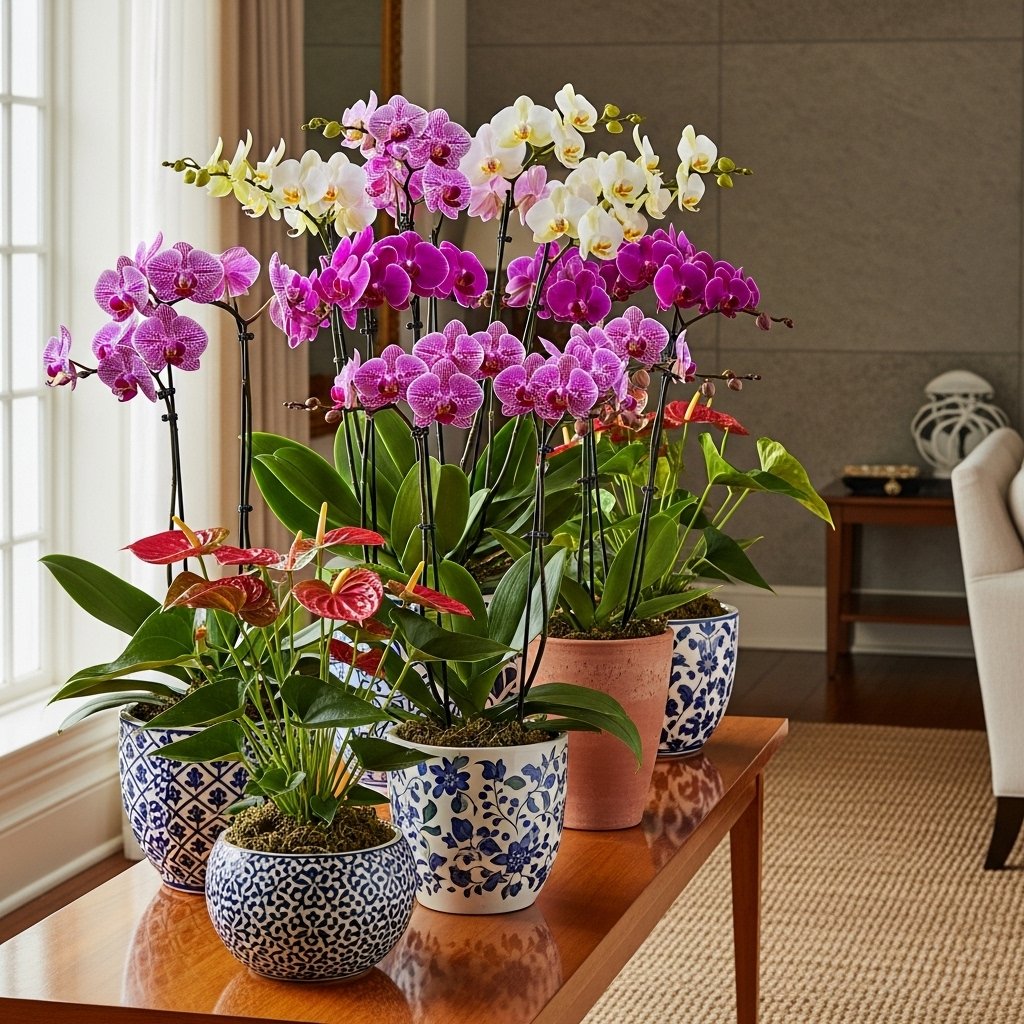
Flowering plants add color and vibrancy to indoor spaces. Options like orchids, African violets, and anthuriums bring beauty and elegance to your home. These plants require a bit more care but are worth the effort. Proper lighting, watering, and fertilization are key to keeping them blooming. They make excellent decorative elements for any room.
11. Herbs for Indoor Gardening
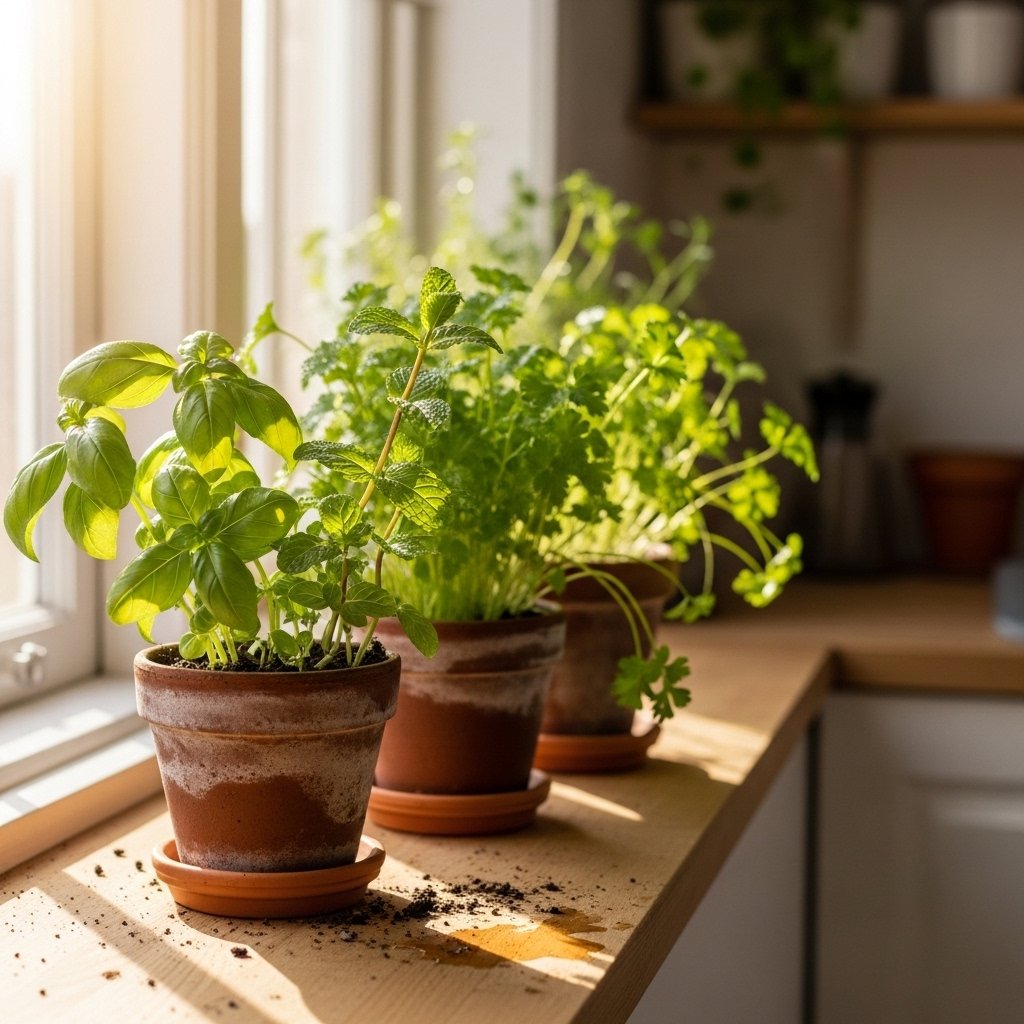
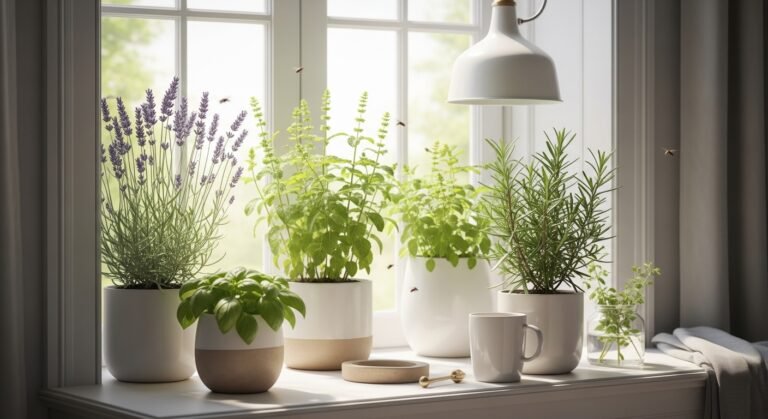
Growing herbs indoors is both practical and rewarding. Herbs like basil, mint, and parsley can thrive on windowsills with adequate sunlight. They provide fresh ingredients for cooking while adding greenery to your space. Regular harvesting encourages new growth and keeps plants healthy. Indoor herb gardening is a great way to combine functionality with aesthetics.
12. Succulents and Cacti for Indoor Spaces
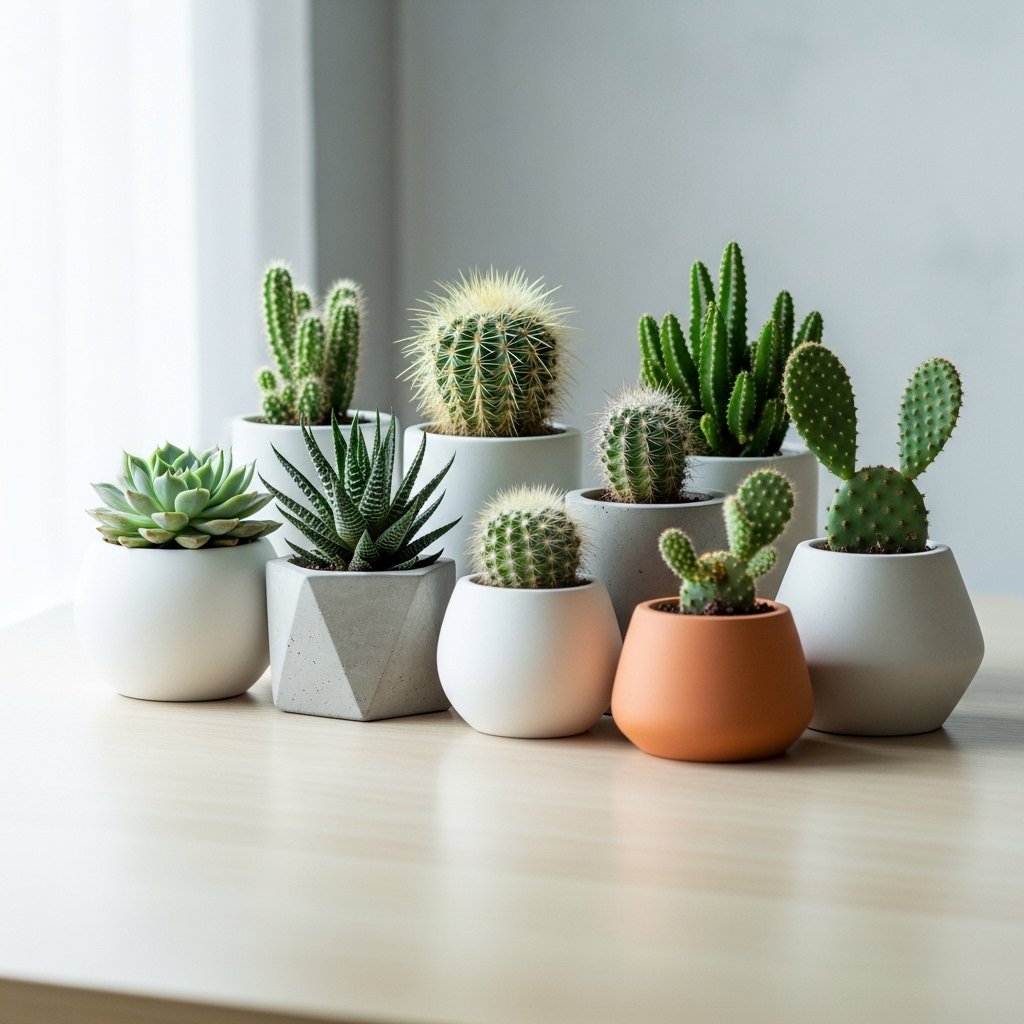
Succulents and cacti are popular choices for indoor gardening due to their unique appearance and low water requirements. These plants store water in their leaves, making them highly drought-resistant. They thrive in bright light and require minimal maintenance. Their compact size makes them ideal for desks and small spaces. Succulents add a modern and stylish touch to any indoor garden.
13. How to Care for Indoor Gardening Tools and Plants
- Clean Tools Regularly – Wipe and wash tools after use to remove dirt and prevent rust.
- Water Plants Properly – Give the right amount of water based on plant needs; avoid overwatering.
- Store Tools Safely – Keep tools in a dry place to protect them from damage.
- Check Plant Health – Look for dry leaves or pests and fix issues early.
- Trim & Maintain – Prune plants and keep tools in good condition for long use.
13.1. FAQ
13.2. What are indoor gardening tools❓
Indoor gardening tools are simple equipment used to take care of plants inside the home. These tools include items like small pots, watering cans, spray bottles, pruners, and soil scoops. They help make planting, watering, and maintaining indoor plants easier and more effective, especially for beginners.
13.3. Which plants are best for indoor gardening❓
Some of the best plants for indoor gardening include snake plant, pothos, peace lily, aloe vera, and spider plant. These plants are easy to care for and can grow well in low light conditions. They also help improve air quality and make your indoor space look fresh and natural.
13.4. Why are indoor plants good for your home❓
Indoor plants are good for your home because they improve air quality and create a calm and relaxing environment. They add natural beauty to your space and can reduce stress. Having plants indoors also makes the room feel more lively and comfortable.
14. Final Thoughts
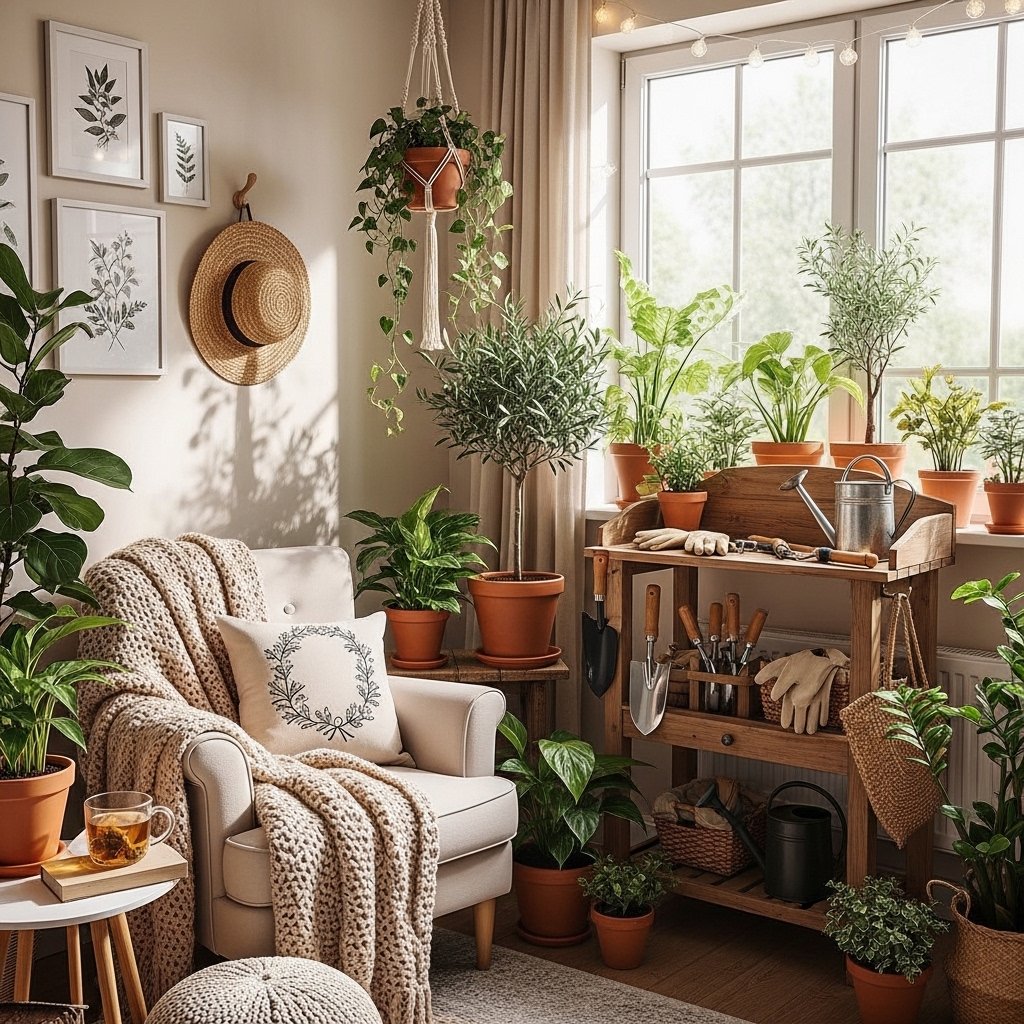
Indoor gardening tools and plants play a crucial role in creating a successful indoor garden. By selecting the right tools, you can simplify plant care and ensure healthy growth. Choosing suitable plants based on your environment and lifestyle increases your chances of success. From low-maintenance greenery to vibrant flowering plants, there are endless possibilities to explore. With the right approach, indoor gardening can become a relaxing and rewarding experience that enhances both your home and well-being.