Indoor Plants Poisonous to Dogs: A Complete Safety Guide for Pet Owners
Blog > Home > Indoor Plants & Home Decor > Indoor Plants Poisonous to Dogs: A Complete Safety Guide for Pet Owners
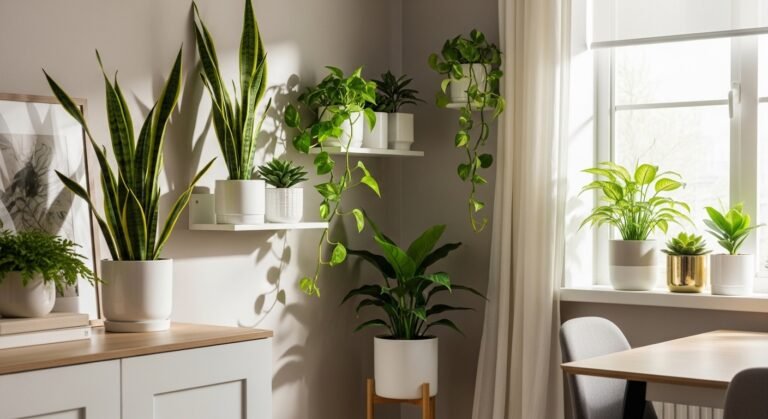
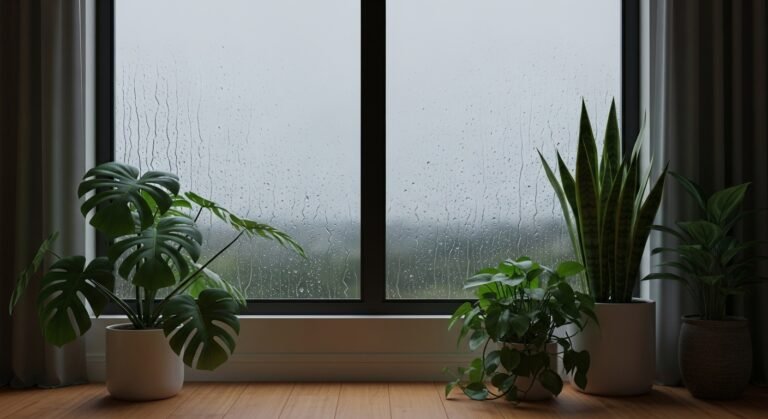
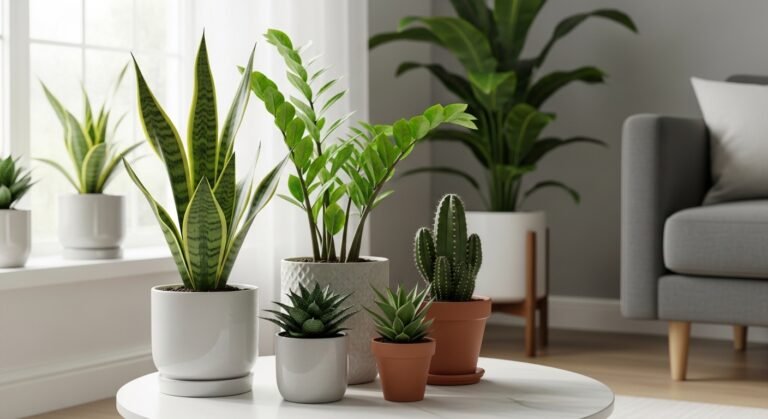
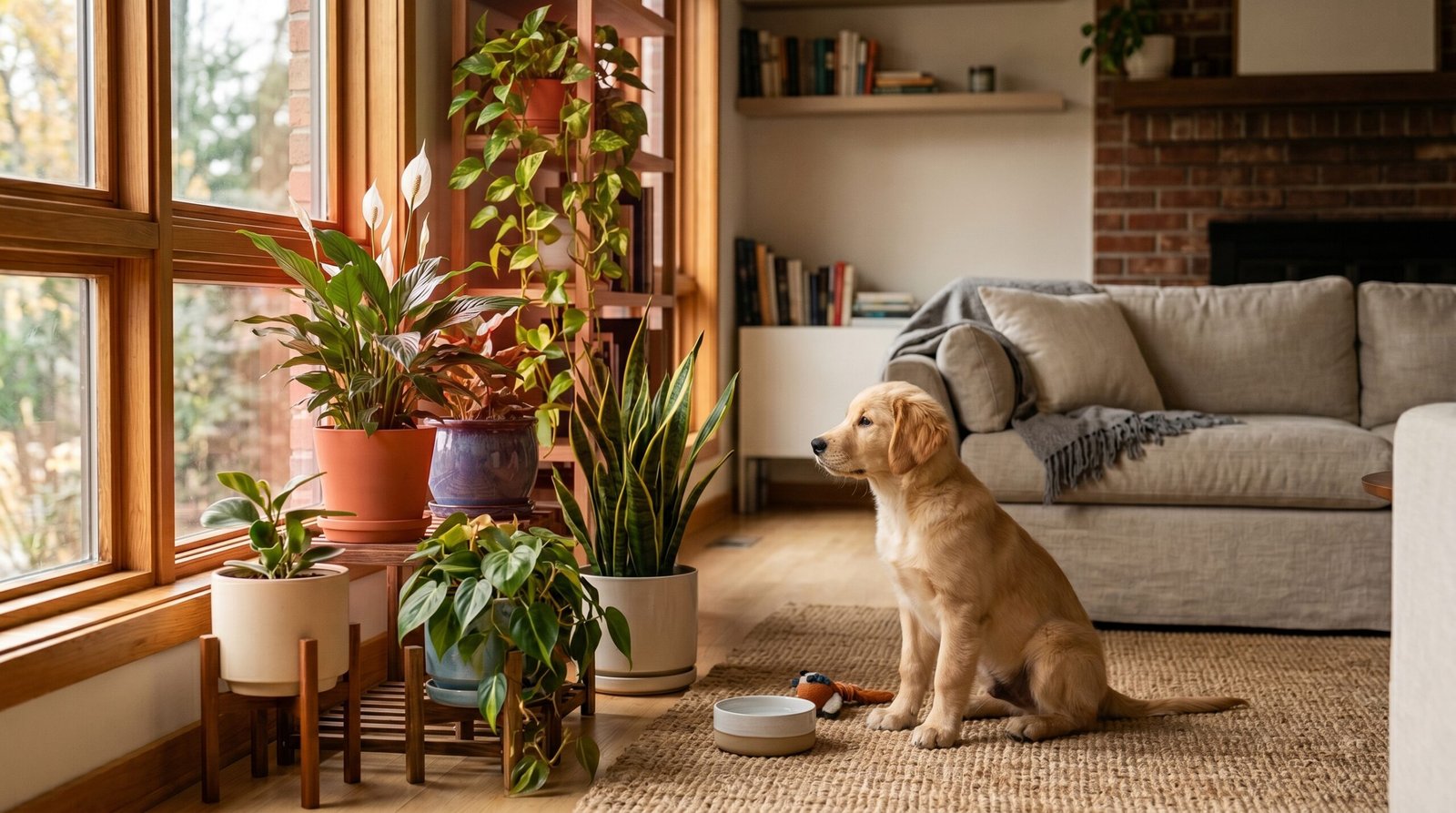
Indoor plants bring beauty, freshness, and a calming atmosphere into your home. However, not all houseplants are safe, especially if you have curious dogs that like to chew leaves or dig in pots. Many popular indoor plants contain toxic compounds that can cause mild to severe health issues in pets. Symptoms may include vomiting, drooling, lethargy, or even more serious complications depending on the plant. In this guide, you will learn about 12 common indoor plants poisonous to dogs so you can create a safer home environment.
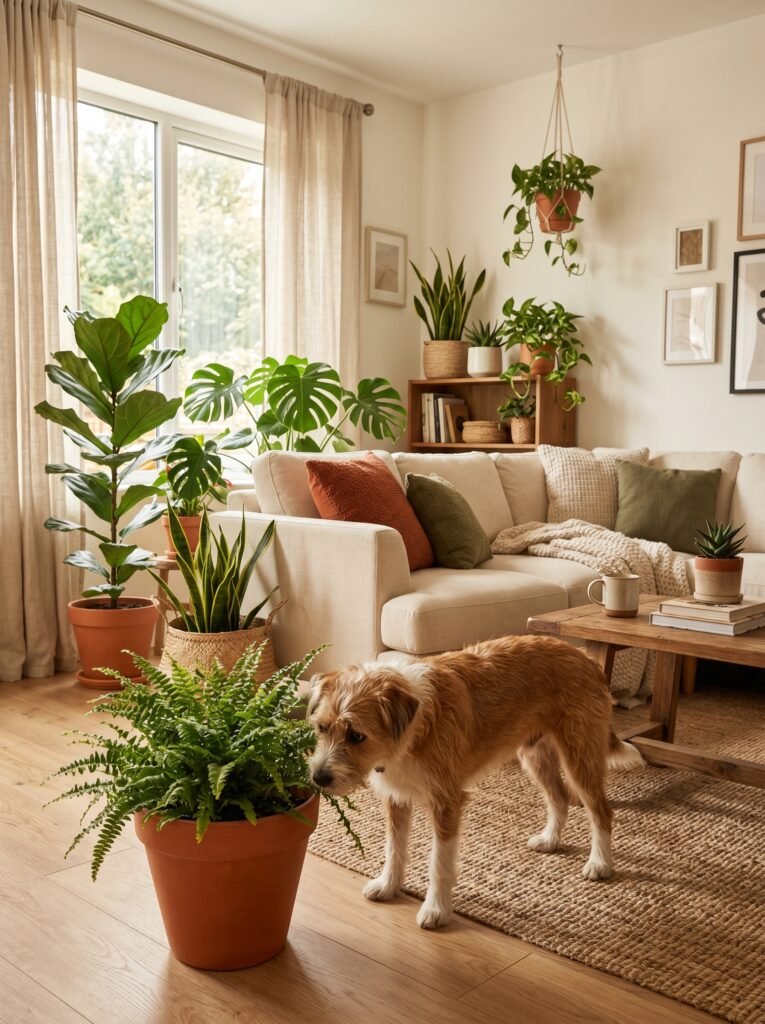
Table Of Content
1. Aloe Vera
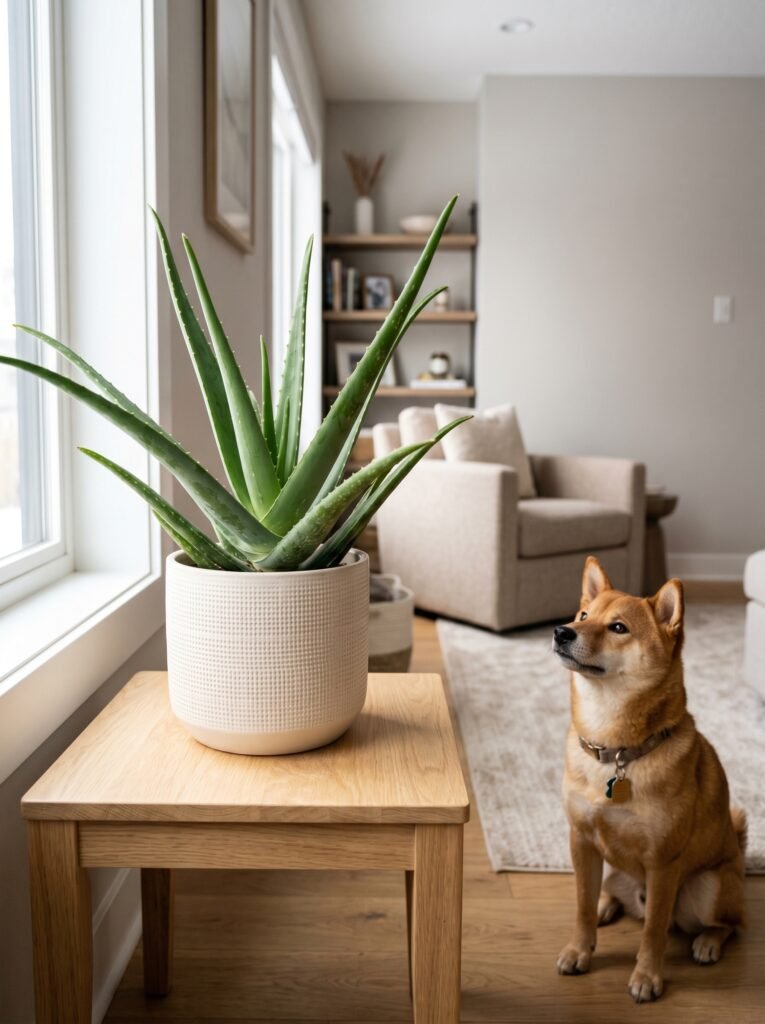
Aloe vera is widely known for its skin-healing properties, but it is toxic to dogs when ingested. The plant contains compounds called saponins that can cause vomiting, diarrhea, and loss of appetite. While the gel inside is often used in human skincare, the outer leaf is especially harmful to pets. Dogs that chew on aloe plants may show signs of stomach discomfort shortly after ingestion. It is best to keep aloe vera out of reach or avoid it entirely in pet-friendly homes.
2. Snake Plant
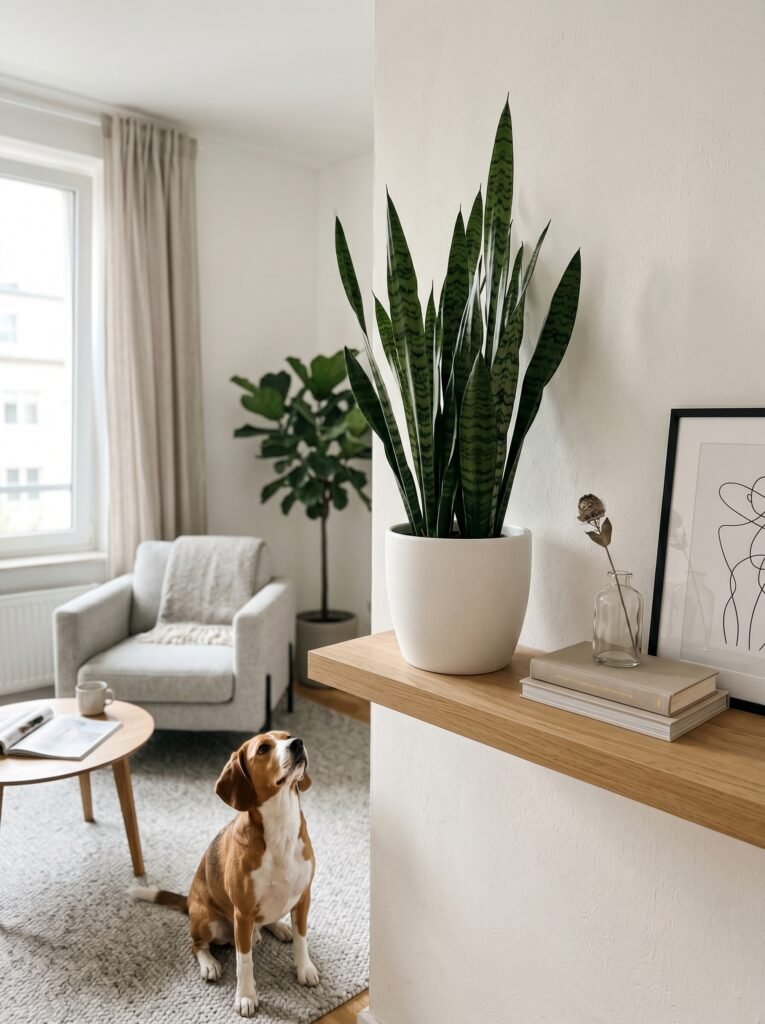
Snake plant, also known as Sansevieria, is a popular low-maintenance indoor plant. However, it contains toxic saponins that can affect dogs if eaten. Symptoms may include nausea, vomiting, and diarrhea, though severe cases are rare. Despite its air-purifying benefits, it is not considered safe for pets. If you have dogs at home, placing this plant in elevated or inaccessible areas is essential.
3. Peace Lily
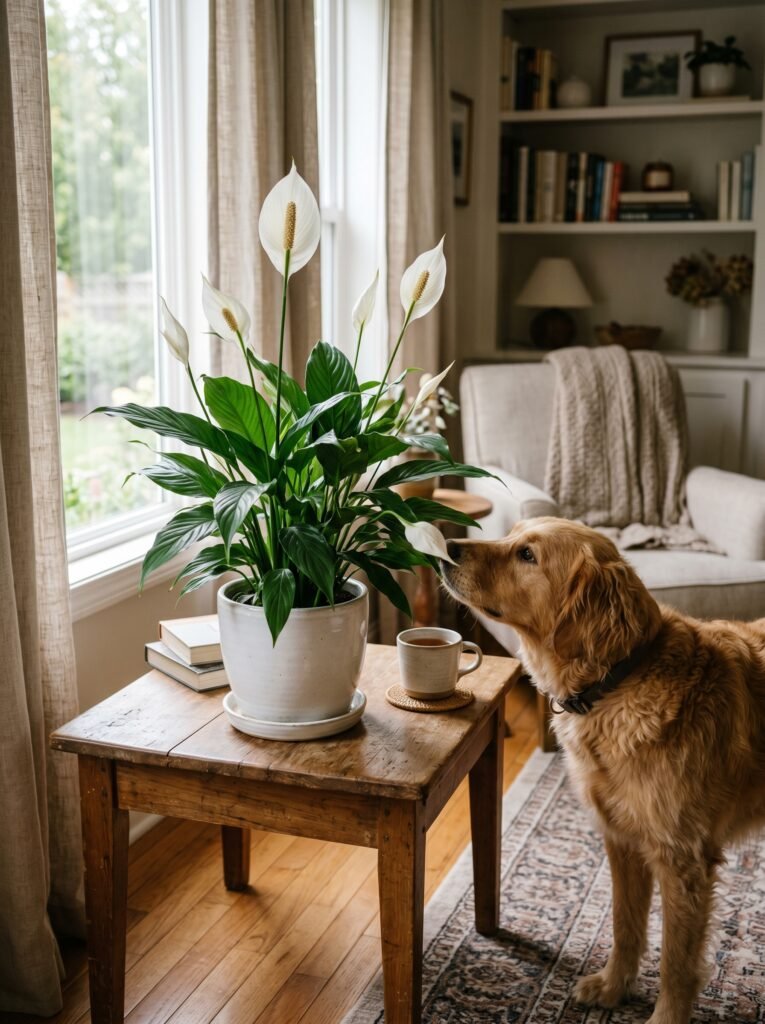
Peace lilies are elegant indoor plants that improve home decor, but they are toxic to dogs. They contain calcium oxalate crystals, which can irritate the mouth, tongue, and throat. Dogs may experience drooling, pawing at the mouth, and difficulty swallowing after chewing the plant. While not usually life-threatening, the discomfort can be significant. Keeping peace lilies away from pets is strongly recommended.
4. Pothos (Devil’s Ivy)
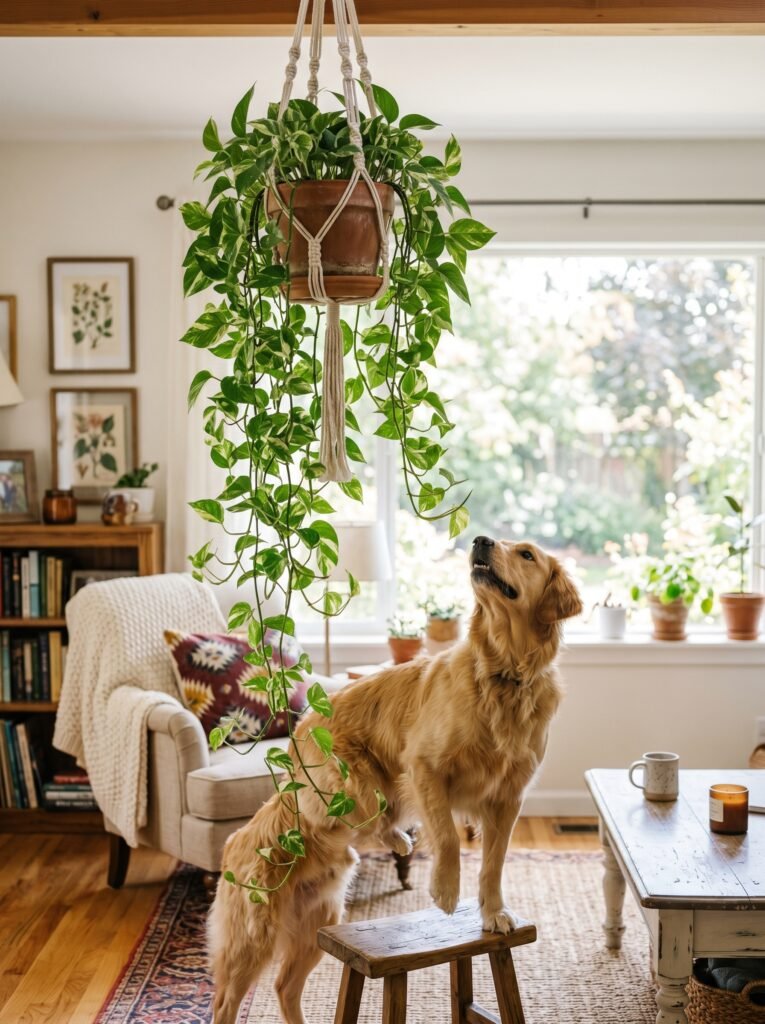
Pothos is a very common trailing houseplant known for its easy care. However, it is poisonous to dogs due to insoluble calcium oxalates. If a dog chews its leaves, it may experience oral irritation, vomiting, and swelling. Even small bites can cause noticeable discomfort. Because of its popularity in homes, pet owners should place pothos in hanging baskets or avoid it altogether.
5. Dieffenbachia (Dumb Cane)
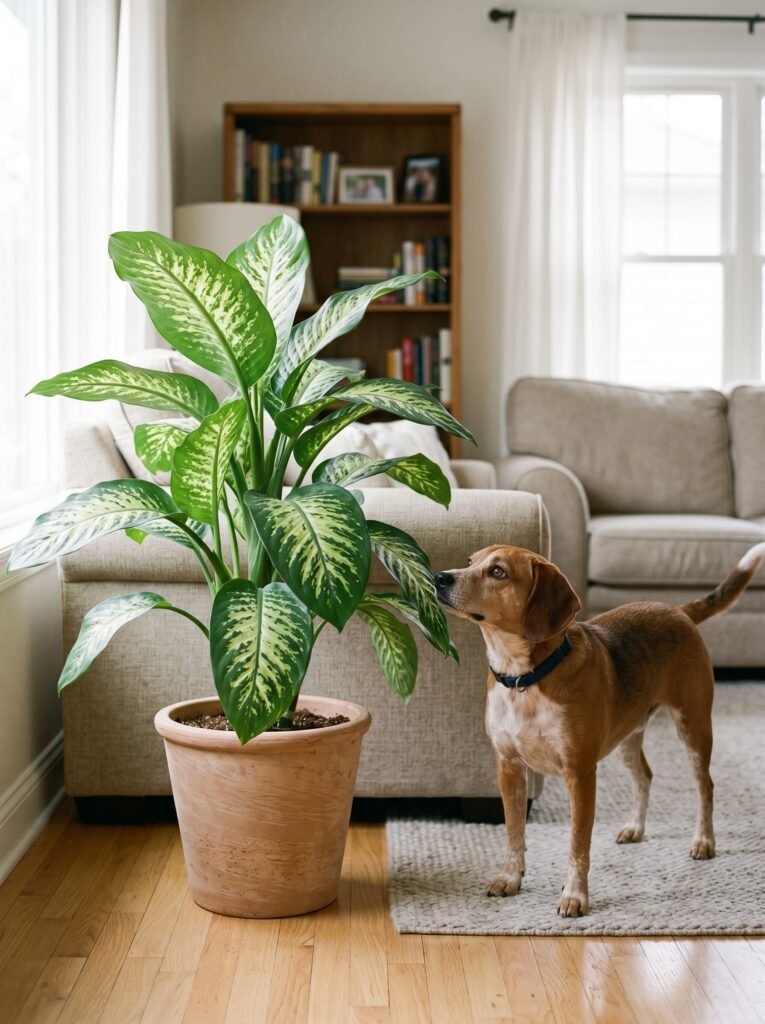
Dieffenbachia, also called dumb cane, is a visually striking plant often used indoors. It contains toxic crystals that can cause severe irritation in dogs. Symptoms include intense burning in the mouth, drooling, and difficulty speaking or swallowing. In more serious cases, swelling can temporarily block airways. This plant should be kept far away from pets due to its strong toxic effects.
6. Philodendron

Philodendrons are attractive leafy plants commonly used for indoor decoration. However, they also contain calcium oxalate crystals that are harmful to dogs. If ingested, they can cause oral pain, swelling, vomiting, and drooling. Even small amounts can trigger noticeable symptoms in sensitive pets. Pet owners should consider safer alternatives or place philodendrons in completely inaccessible areas.
7. Sago Palm
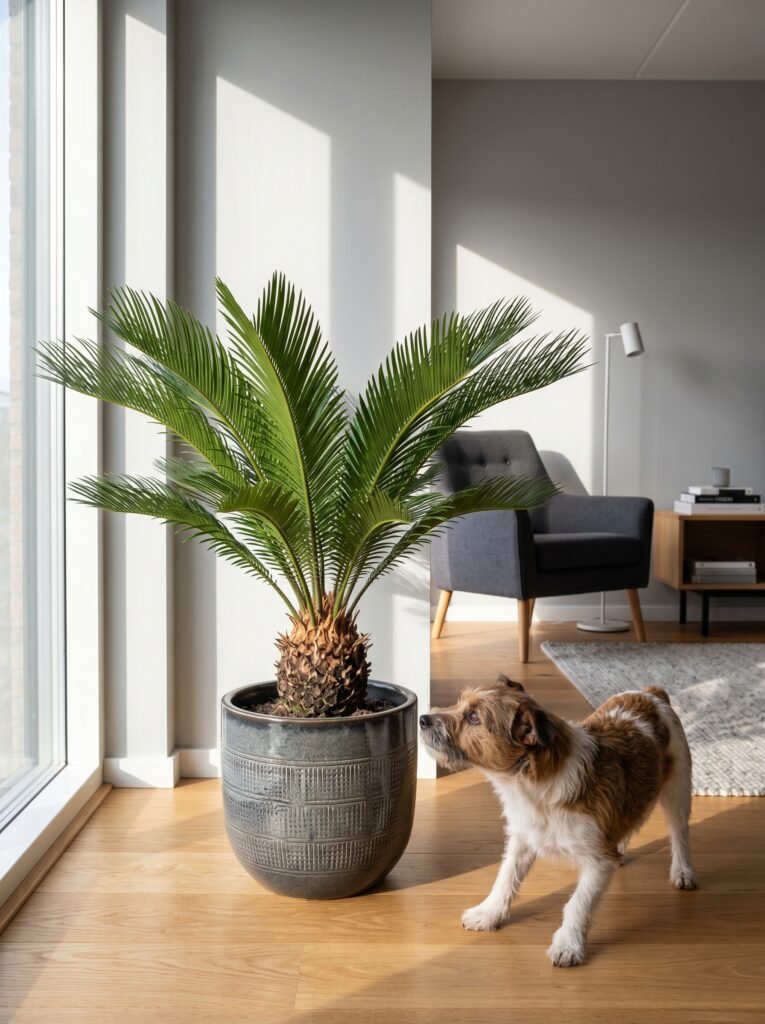
Sago palm is one of the most dangerous indoor and outdoor plants for dogs. All parts of the plant are toxic, especially the seeds, which contain a powerful toxin called cycasin. Ingestion can lead to severe liver failure, vomiting, seizures, and even death. Even a small amount can be life-threatening for pets. This plant is strongly discouraged in homes with dogs.
8. ZZ Plant
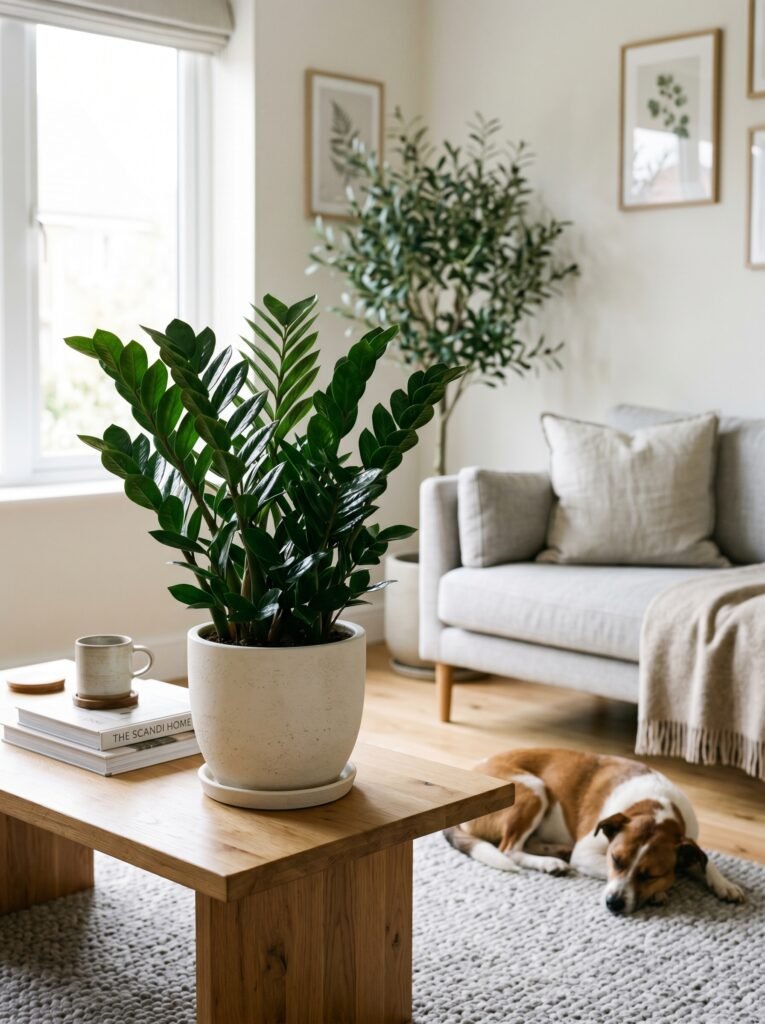
The ZZ plant is popular for its shiny leaves and low maintenance needs. However, it contains calcium oxalates that are toxic to dogs if eaten. Symptoms typically include irritation of the mouth, vomiting, and diarrhea. While it is not usually fatal, it can still cause significant discomfort. Keeping it out of reach or replacing it with pet-safe plants is a wise choice.
9. Jade Plant
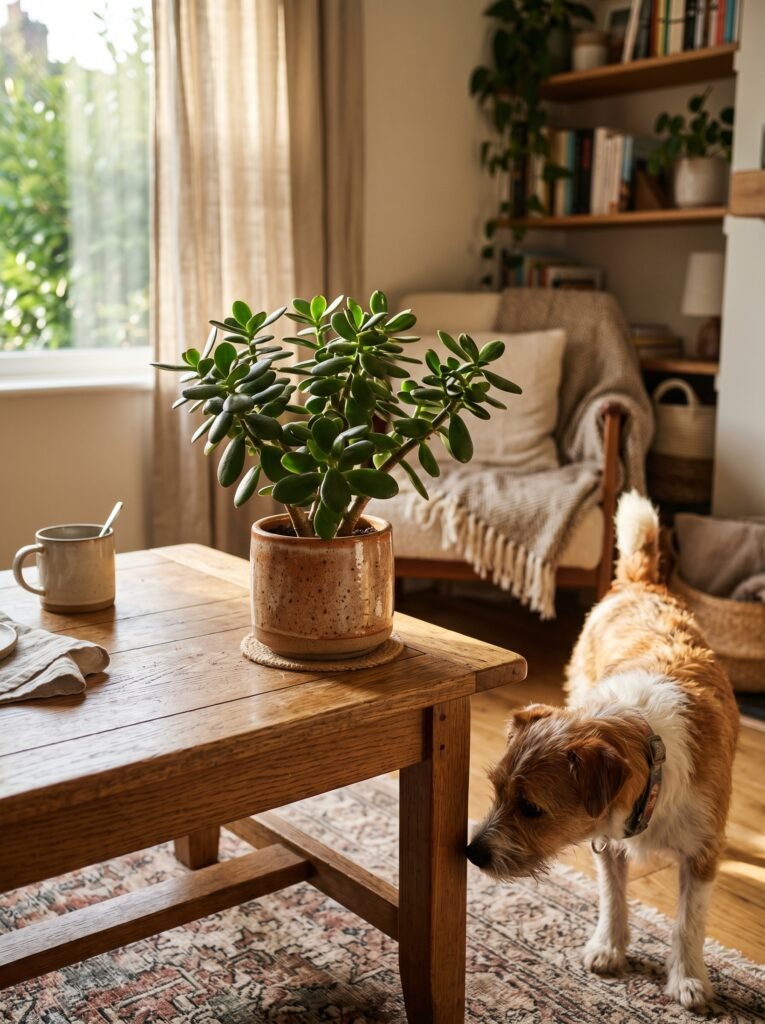
Jade plants are often associated with good luck and prosperity in homes. Unfortunately, they are toxic to dogs and can cause adverse reactions when ingested. Dogs may experience vomiting, lethargy, and loss of coordination. The exact toxic compound is not fully understood, but the effects are well-documented. It is safer to avoid placing jade plants in pet-accessible areas.
10. English Ivy
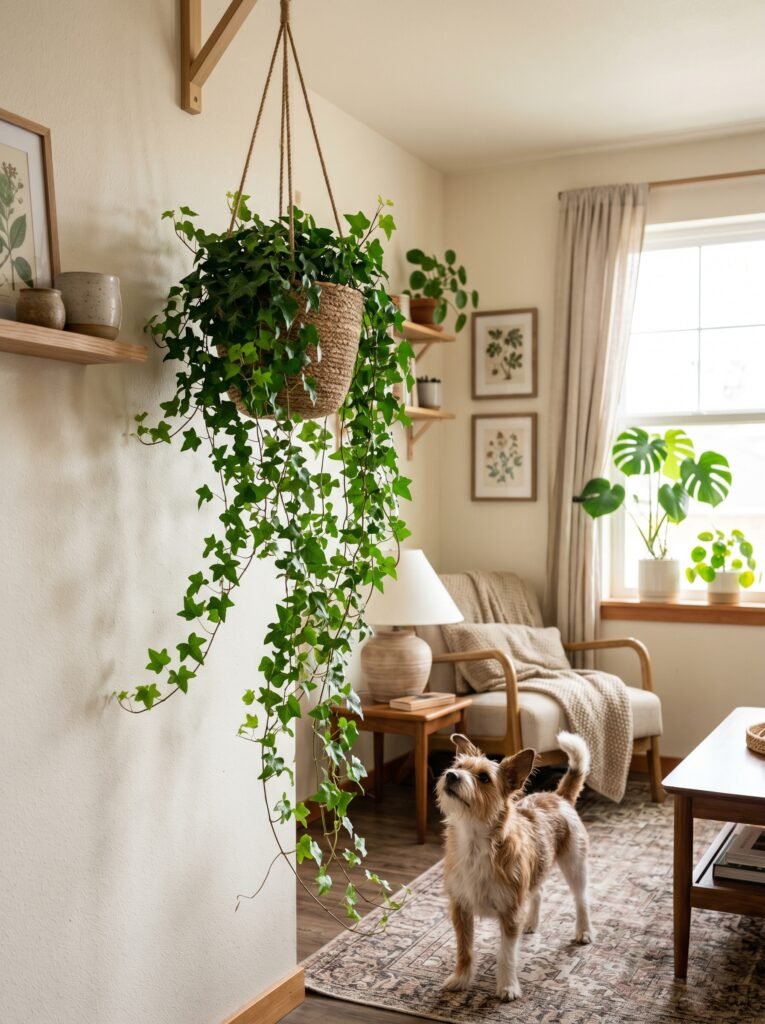
English ivy is a common decorative plant used in hanging pots and walls. However, it contains triterpenoid saponins that are harmful to dogs. If ingested, it can cause vomiting, abdominal pain, and excessive drooling. The plant’s leaves and berries are both toxic. Due to its climbing nature, it can easily become accessible to pets if not carefully managed.
11. Dracaena

Dracaena plants are widely used in indoor spaces due to their attractive appearance. They are, however, toxic to dogs because they contain saponins. Symptoms of ingestion include vomiting, drooling, weakness, and loss of appetite. Cats are even more sensitive, but dogs are also at risk. Keeping dracaena plants elevated or replaced with non-toxic alternatives is recommended.
12. Monstera
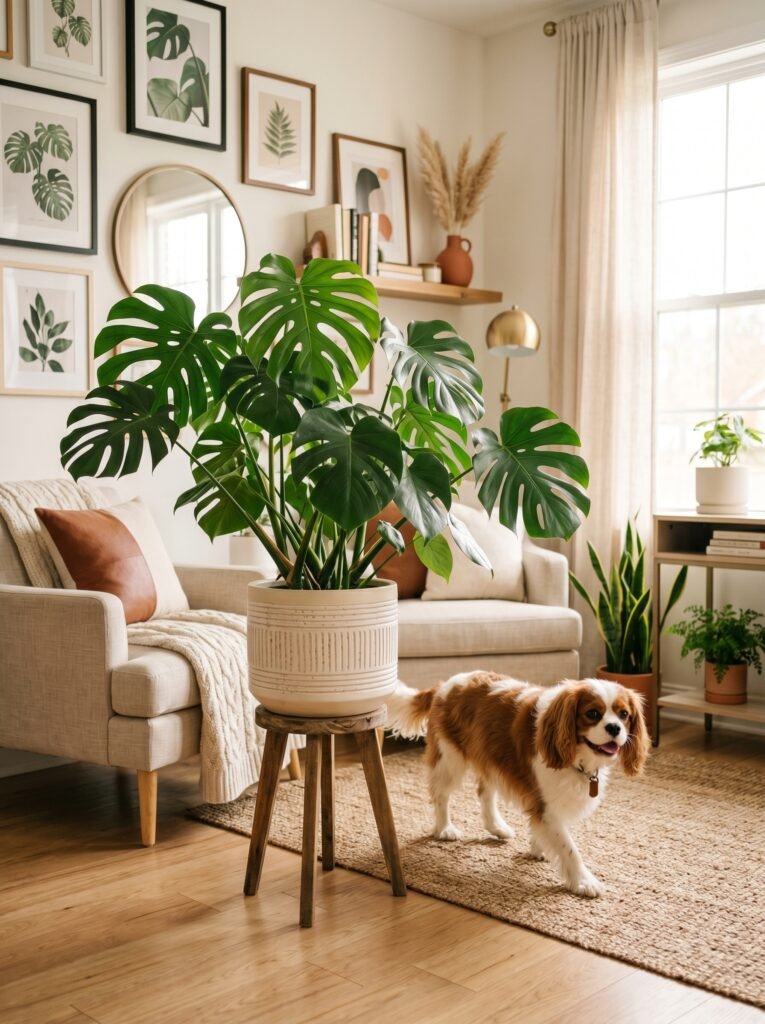
Monstera, also known as Swiss cheese plant, is very trendy in modern home decor. It contains insoluble calcium oxalates that can cause irritation if chewed by dogs. Symptoms include mouth pain, drooling, and swelling of the lips or tongue. While not usually life-threatening, the discomfort can be severe. Pet owners should place monstera plants out of reach or opt for safer greenery.
13. How to Manage Indoor Plants Safe for Dogs
- Identify Toxic Plants – Check which indoor plants are poisonous to dogs and keep their names noted.
- Place Out of Reach – Keep harmful plants on high shelves or in closed rooms where dogs cannot access them.
- Use Safe Barriers – Use plant stands, hanging pots, or fences to block dog access.
- Train Your Dog – Teach your dog not to chew or dig around plants using gentle training methods.
- Replace with Safe Plants – Swap toxic plants with dog-friendly options like spider plants or areca palms.
13.1. FAQ
13.2. What indoor plants are poisonous to dogs❓
Many indoor plants can be harmful to dogs if they are eaten. Common poisonous plants include lilies, aloe vera, pothos, snake plant, and philodendron. These plants may look beautiful in a home, but they can cause health problems for dogs, such as vomiting, drooling, or more serious issues if consumed.
13.3. Why are some indoor plants dangerous for dogs❓
Some indoor plants contain toxic chemicals that can affect a dog’s body when eaten. These toxins can irritate the mouth, stomach, or even affect the heart and kidneys in severe cases. Dogs are naturally curious, so they may chew on plants without knowing the danger, which makes these plants risky to keep at home.
13.4. What happens if a dog eats a poisonous plant❓
If a dog eats a poisonous plant, it may show symptoms like vomiting, diarrhea, weakness, drooling, or loss of appetite. In serious cases, it can cause breathing problems or organ damage. It is important to act quickly and contact a vet if you notice any unusual behavior after your dog eats a plant.
14. Final Thoughts
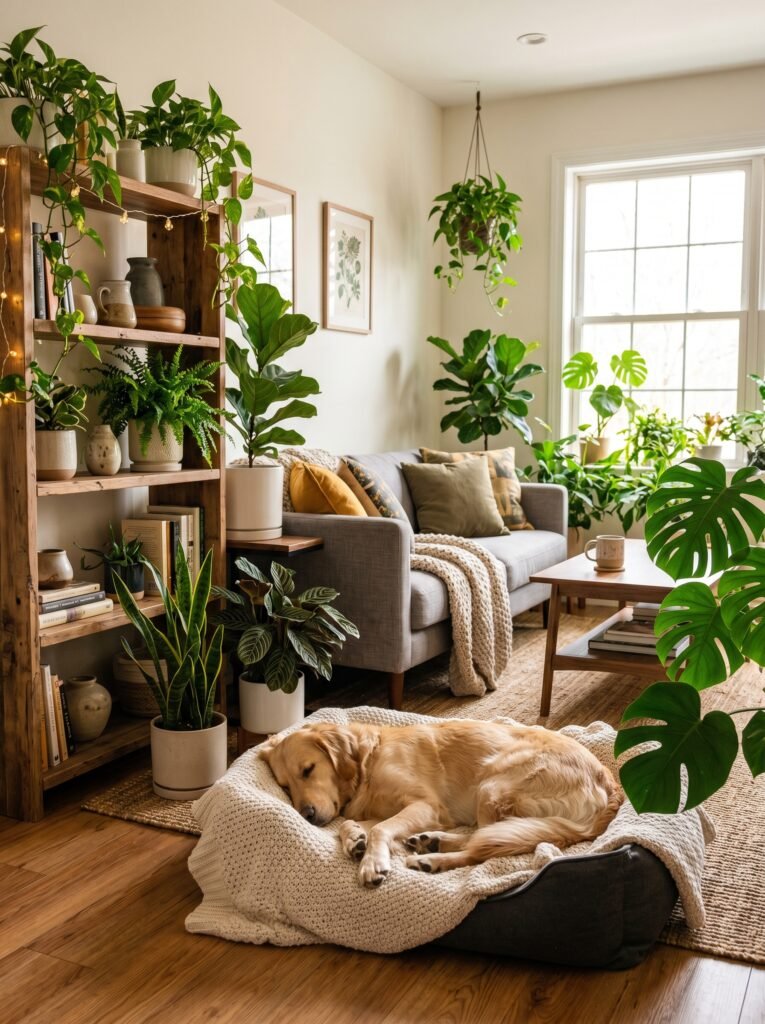
Indoor plants can greatly enhance your living space, but pet safety should always come first. Many common houseplants contain toxic substances that can harm dogs even in small amounts. Understanding which indoor plants are poisonous to dogs helps you make informed choices for your home. If you already own some of these plants, consider relocating them to inaccessible areas or replacing them with pet-friendly alternatives. By creating a safe environment, you can enjoy greenery without putting your furry friend at risk.