What Indoor Plants Can Go Outside? A Complete Guide to Moving Your Houseplants Outdoors
Blog > Home > Indoor Plants & Home Decor > What Indoor Plants Can Go Outside? A Complete Guide to Moving Your Houseplants Outdoors
Indoor plants bring life, freshness, and beauty into your home, but many plant lovers wonder what indoor plants can go outside safely. The truth is that a large number of houseplants can thrive outdoors if the conditions are right and the transition is done properly. Moving plants outside can boost their growth, improve their health, and expose them to natural light and humidity. However, not every indoor plant can handle direct sunlight, temperature changes, or wind. In this guide, you’ll learn exactly which indoor plants can go outside and how to move them safely without damaging them.
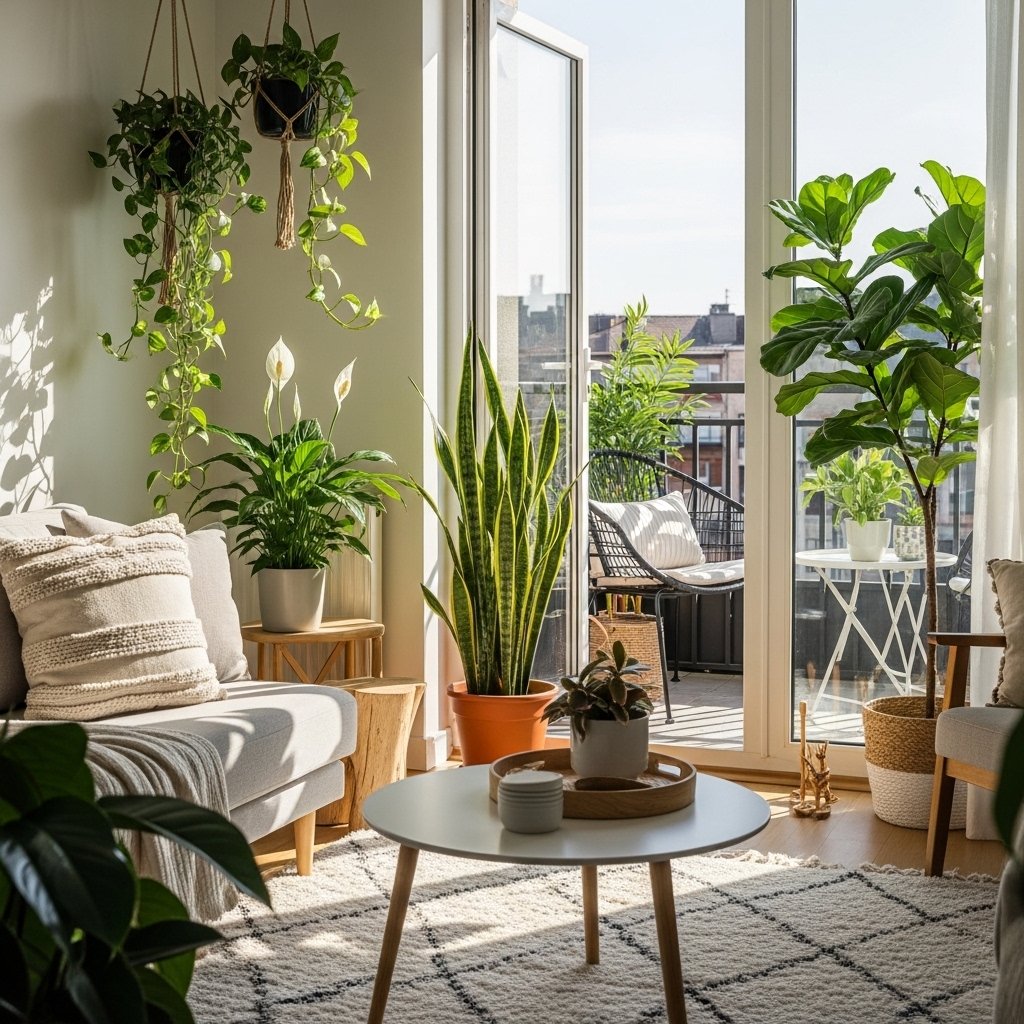
Why Move Indoor Plants Outside?
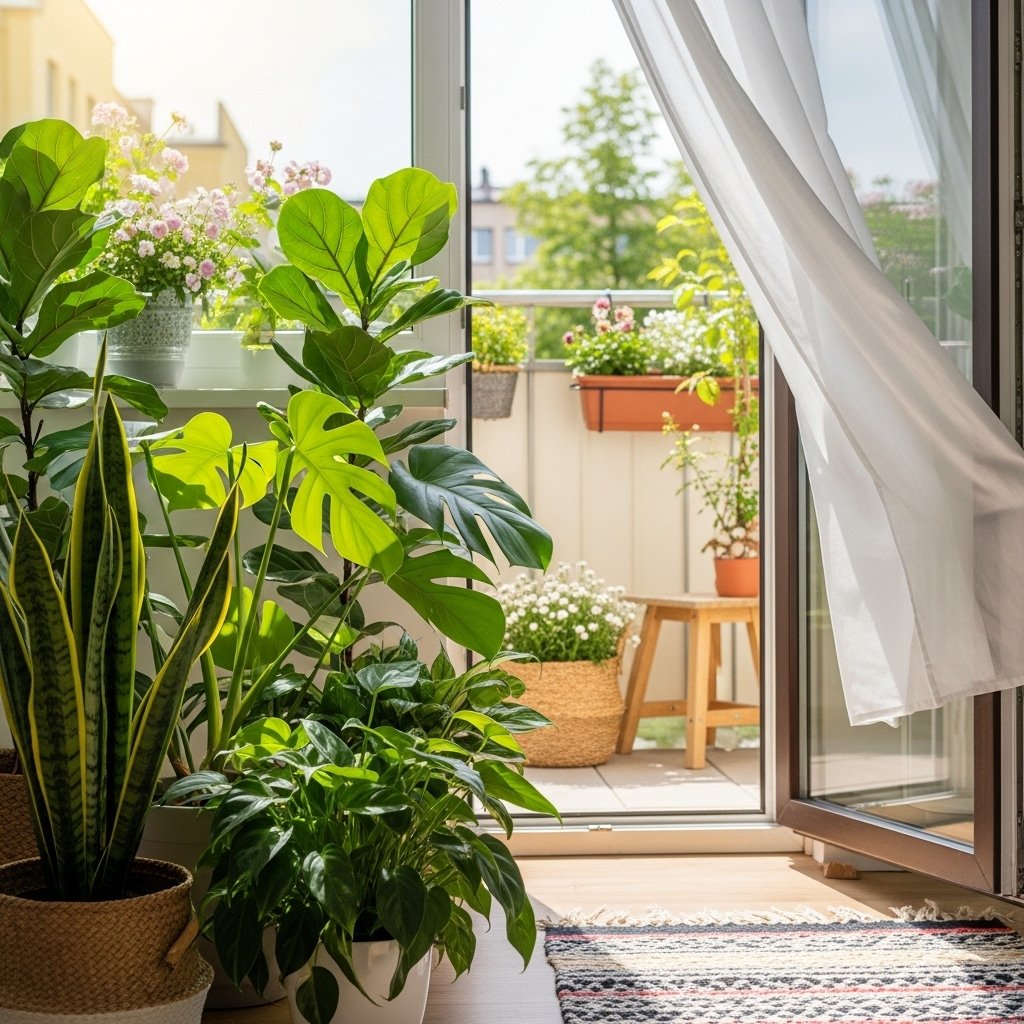
Taking indoor plants outside can offer several benefits when done correctly. Outdoor environments provide natural sunlight, fresh air, and better airflow, all of which encourage healthier growth. Many plants also grow faster and develop stronger foliage during warm seasons. However, sudden exposure can shock plants, so gradual adjustment is essential. Understanding the right timing and plant types is key to success.
Table Of Content
1. Snake Plant (Sansevieria)
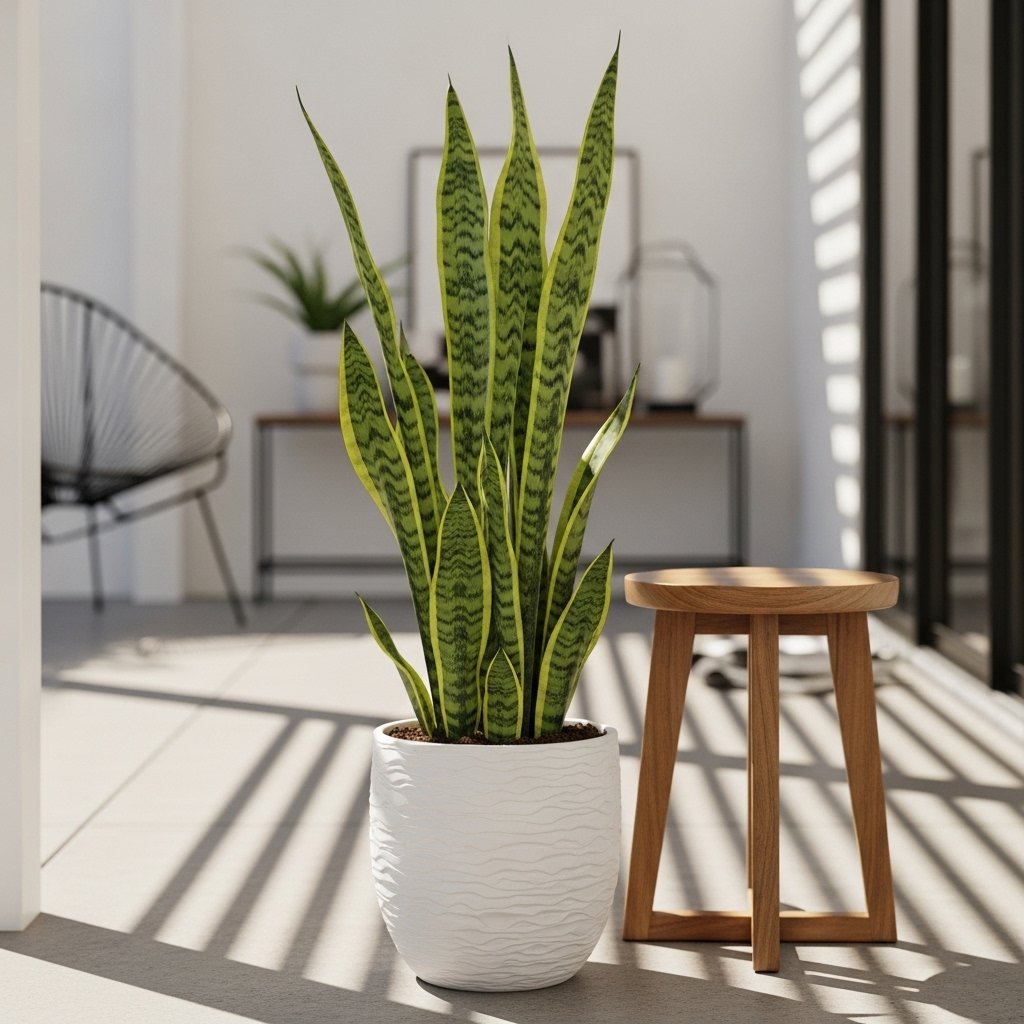
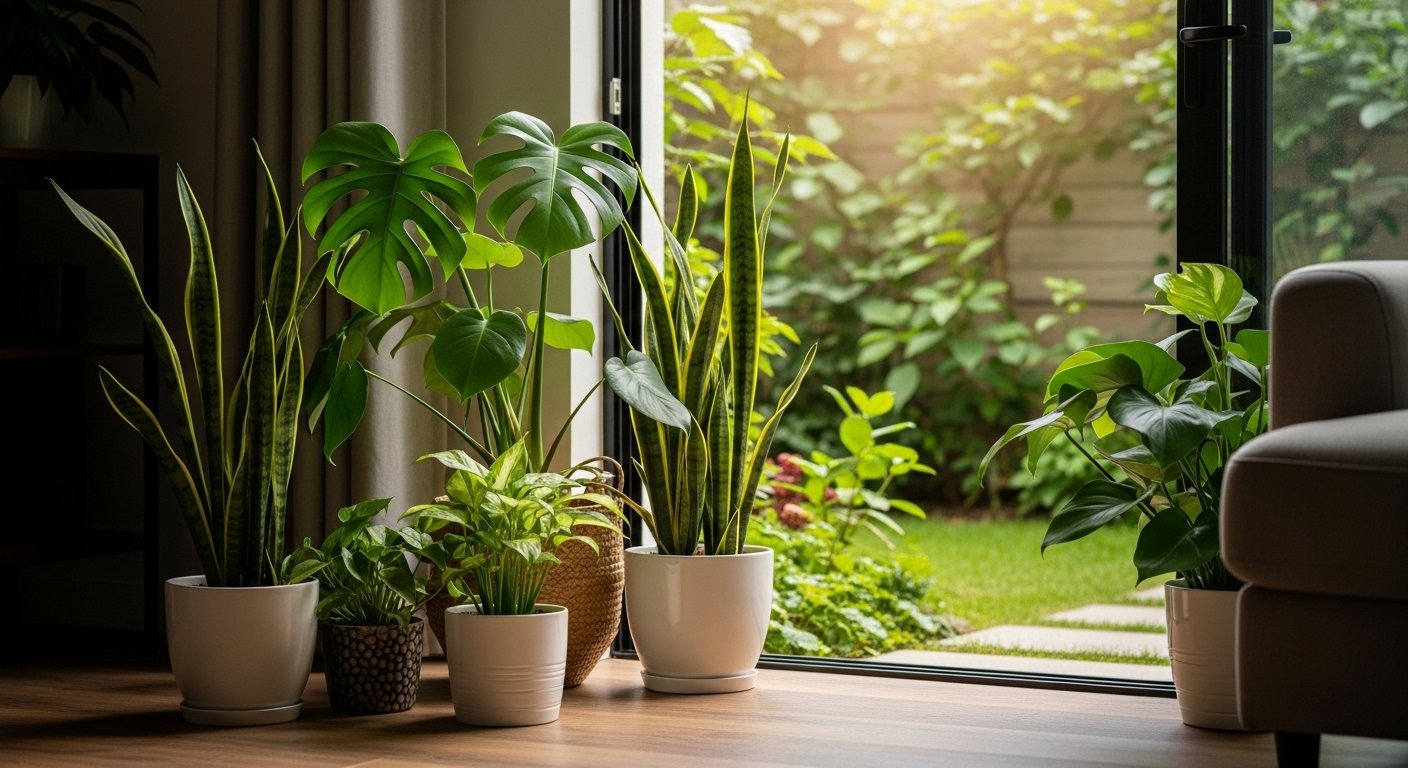
The snake plant is one of the toughest indoor plants that can easily go outside. It tolerates a wide range of conditions, including indirect sunlight and partial shade. When placed outdoors, it should be kept in a sheltered spot to avoid harsh afternoon sun. Snake plants are drought-resistant, making them low-maintenance even outside. Just ensure temperatures stay above 10°C to prevent damage.
2. Spider Plant
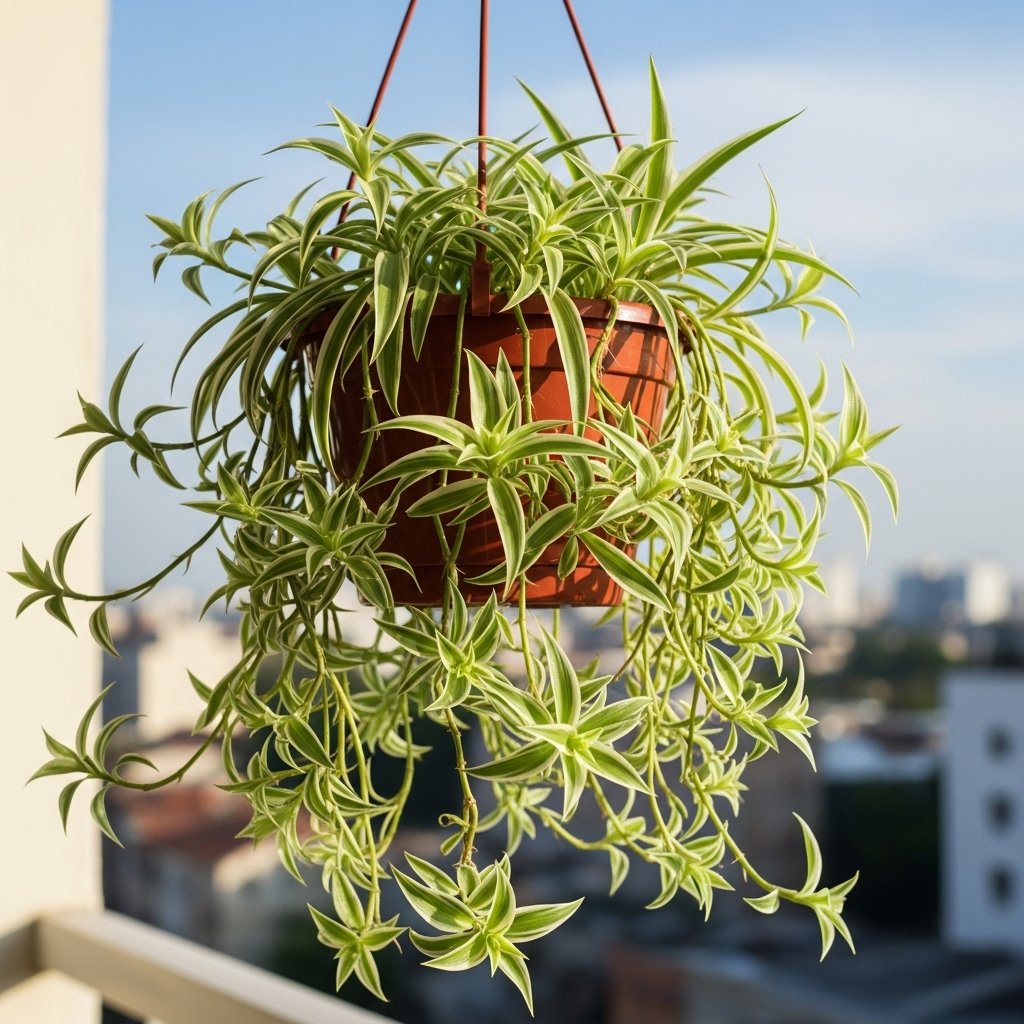
Spider plants adapt very well to outdoor environments during warm months. They prefer bright but indirect light, making them ideal for shaded balconies or patios. Outdoor air helps them produce more baby “spiderettes,” which makes them even more attractive. However, direct sun can scorch their leaves, so partial shade is best. Regular watering is important, especially in hot weather.
3. Peace Lily
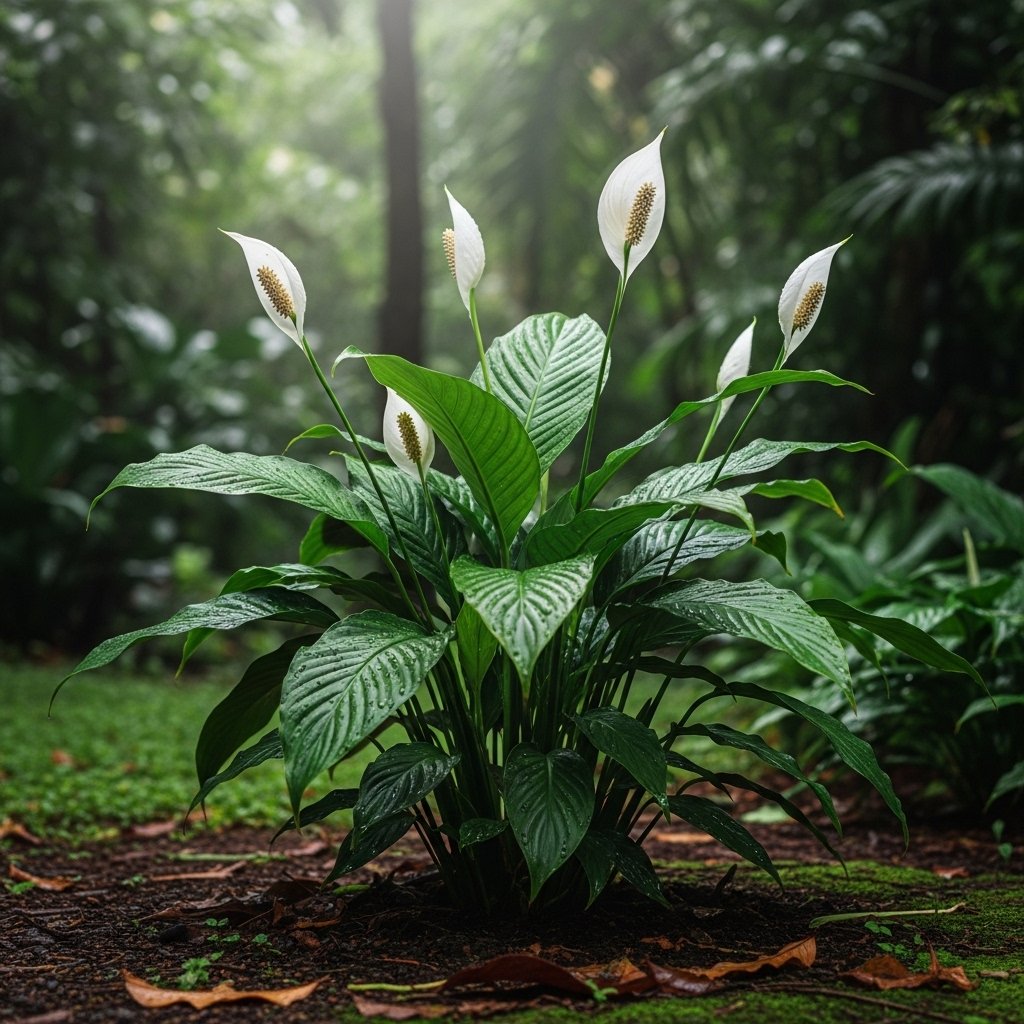
Peace lilies can go outside, but only in shaded or semi-shaded areas. They enjoy warm, humid environments similar to tropical climates. Outdoors, they often grow larger leaves and produce more flowers. However, they are sensitive to direct sunlight, which can cause leaf burn. Keep the soil consistently moist for best results.
4. Aloe Vera
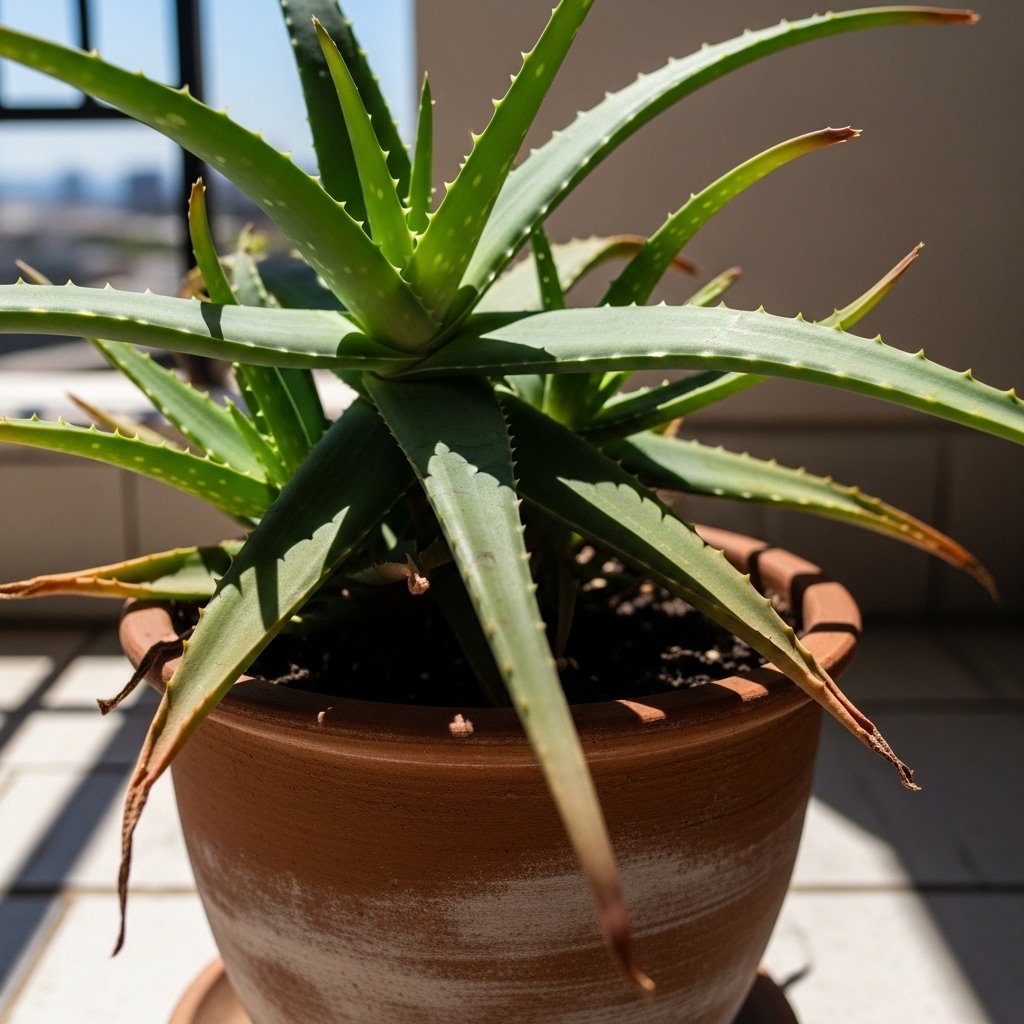
Aloe vera is one of the easiest succulents to move outdoors. It thrives in bright sunlight and warm temperatures. Outdoor conditions help aloe grow thicker, healthier leaves filled with gel. However, it should be protected from heavy rain, as excess water can cause root rot. A sunny balcony or garden corner is perfect for this plant.
5. Pothos (Money Plant)
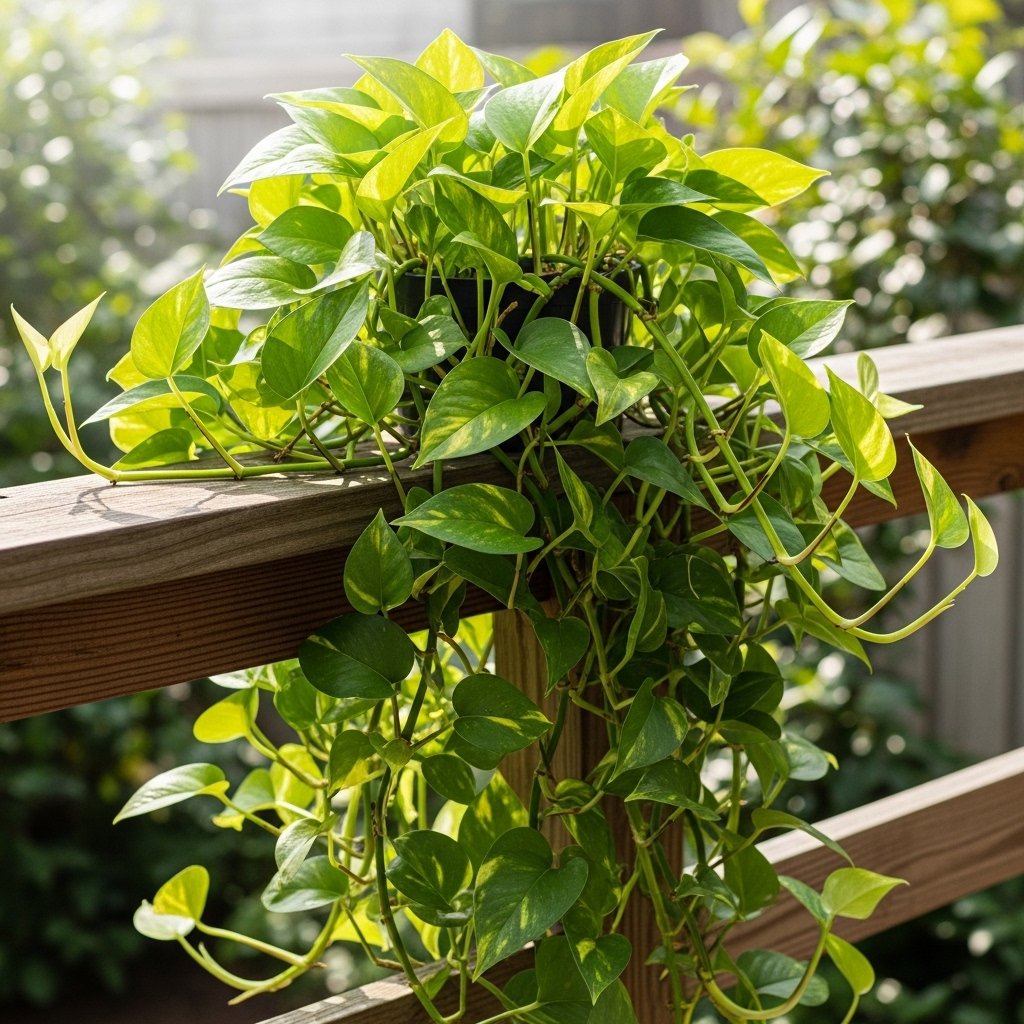
Pothos is extremely adaptable and can transition smoothly outdoors. It grows well in both low light and bright indirect light, making it very versatile. When placed outside, it tends to grow faster and develop larger leaves. Avoid direct harsh sunlight, as it may cause yellowing or burning. Regular pruning helps maintain its shape.
6. Rubber Plant
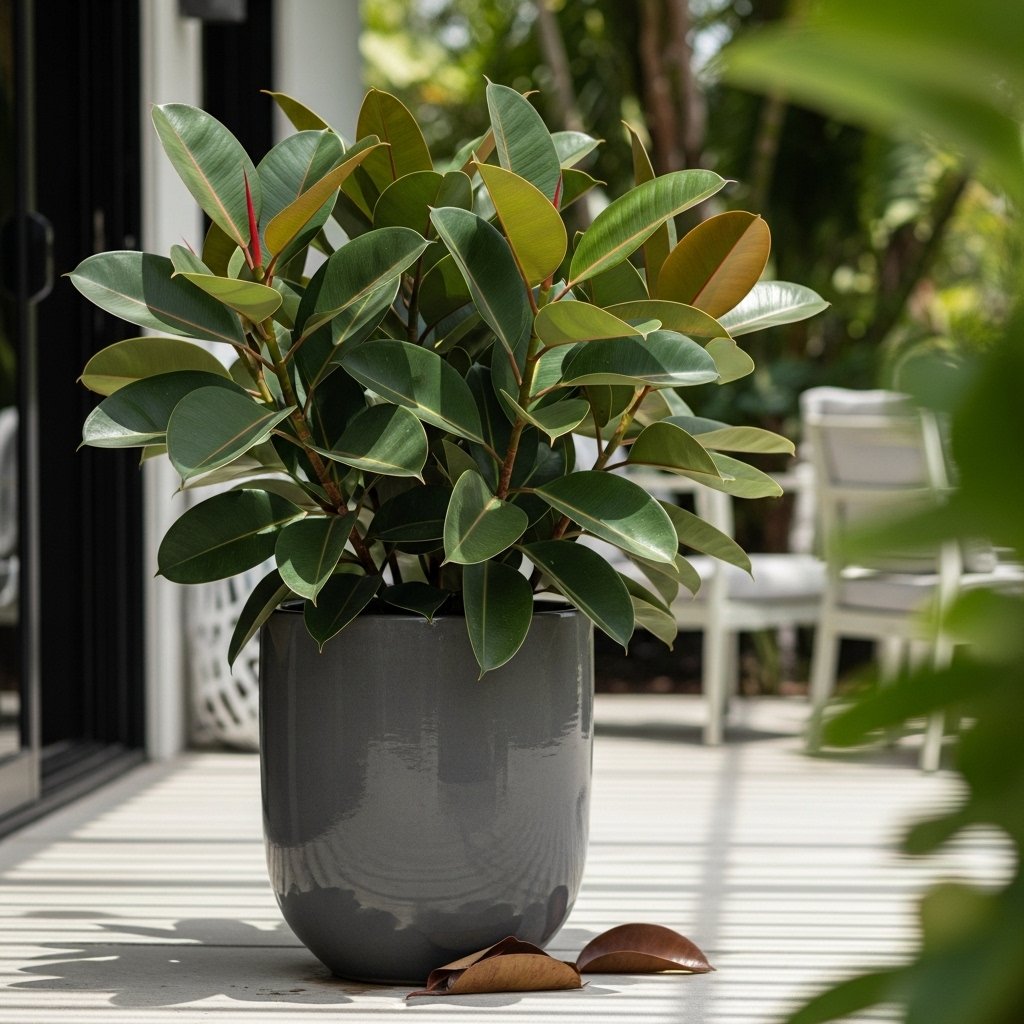
Rubber plants can be moved outdoors during warm seasons for better growth. They prefer bright, indirect light and stable temperatures. Outdoors, they develop stronger stems and larger, shinier leaves. However, sudden temperature drops can harm them, so they should be brought inside when it gets cold. Wind protection is also important to prevent leaf damage.
7. Jade Plant
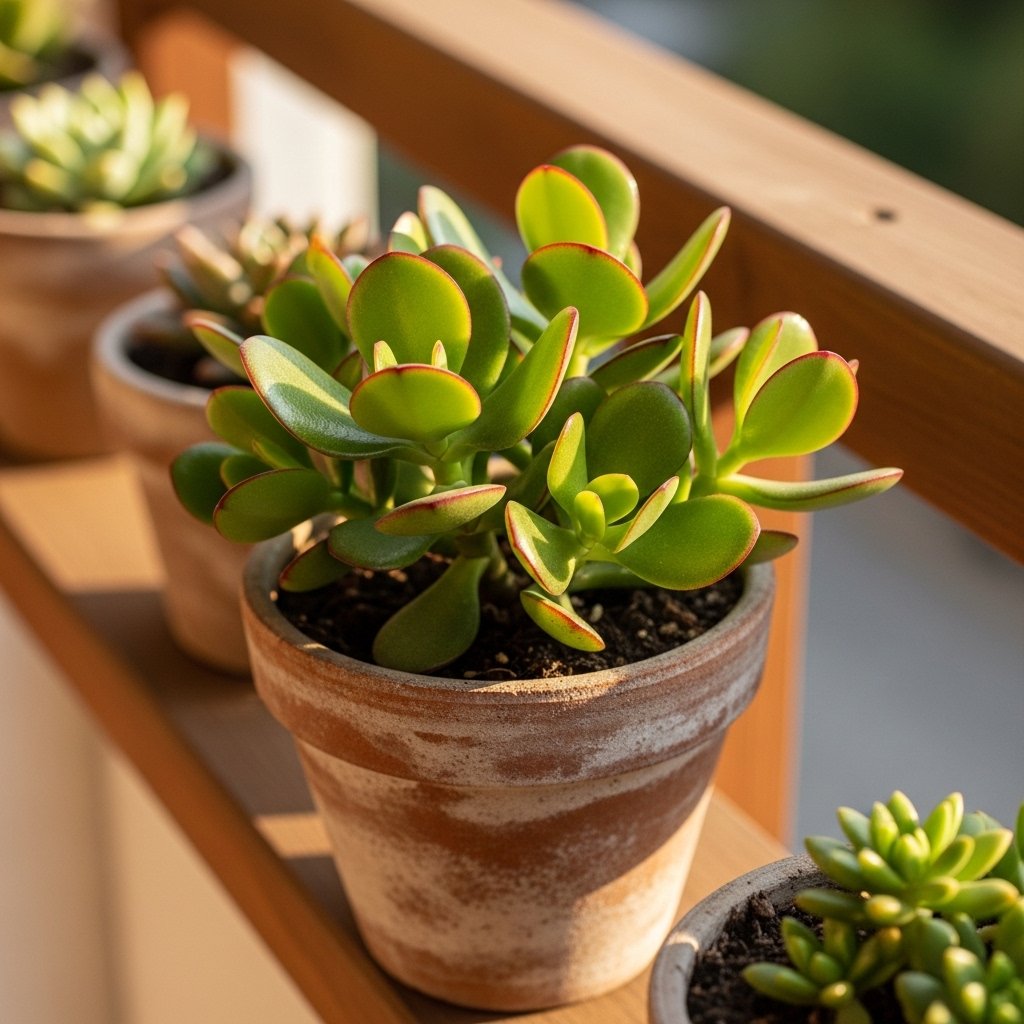
Jade plants are succulents that love outdoor conditions. They thrive in bright sunlight and dry environments, making them perfect for patios or balconies. Outdoor exposure helps them grow thicker stems and vibrant green leaves. However, they must be protected from excessive rain. Overwatering is the biggest risk when moving jade plants outside.
8. Fiddle Leaf Fig
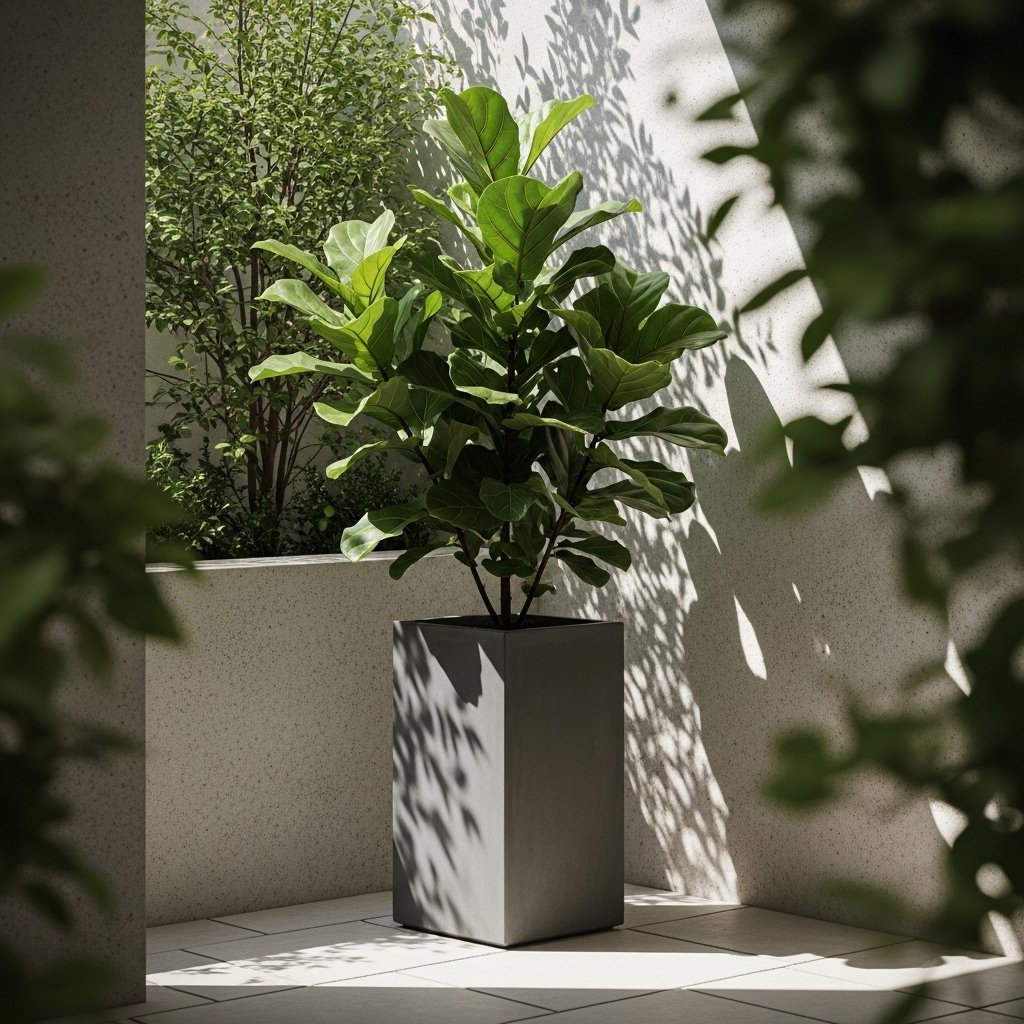
Fiddle leaf figs can go outside, but they require careful placement. They prefer bright, filtered light and dislike direct harsh sun. Outdoor humidity and airflow can improve their leaf health significantly. However, wind and sudden temperature changes can stress the plant. A protected outdoor spot works best.
9. Ferns (Boston Fern)
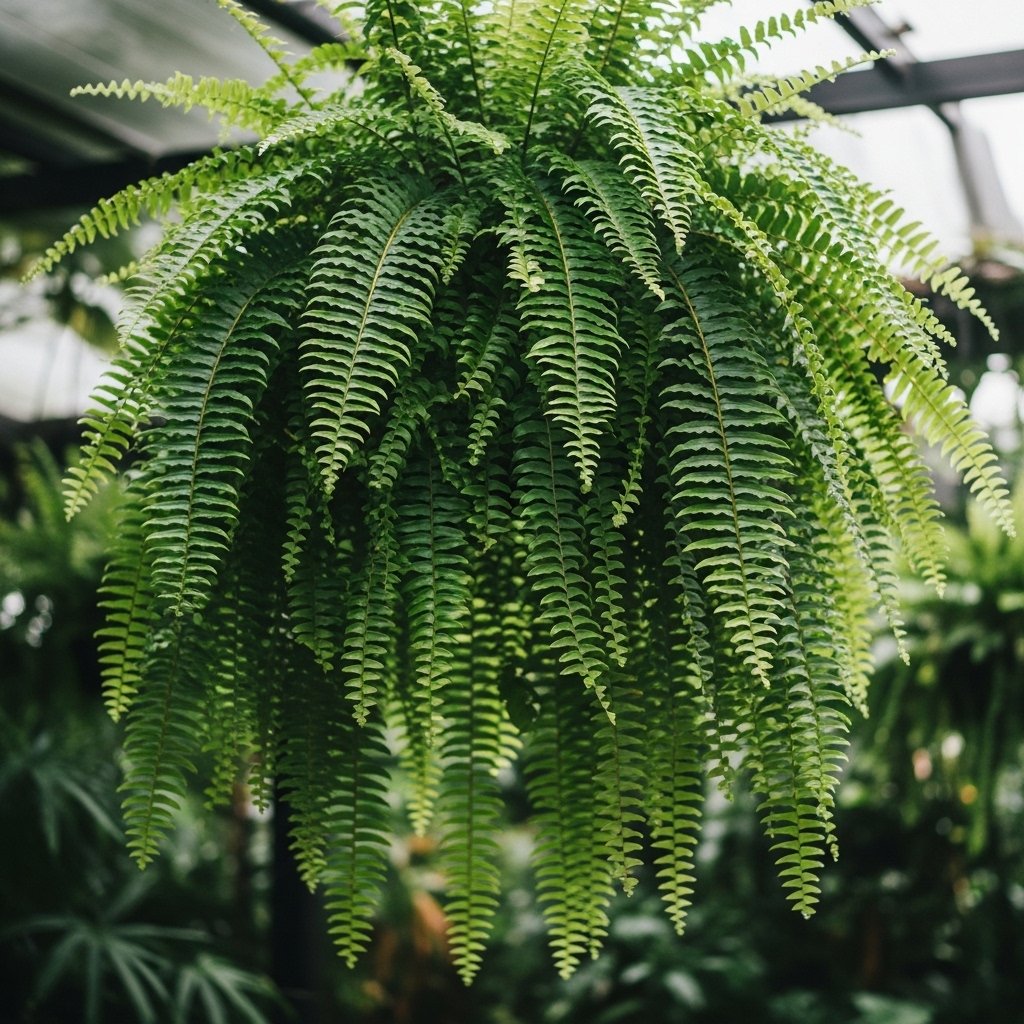
Ferns are excellent candidates for outdoor placement in shaded, humid environments. They thrive in indirect light and high moisture levels. Outdoor conditions often help ferns become fuller and greener. However, they dry out quickly, so frequent watering is necessary. Avoid placing them in direct sunlight, which can cause browning.
10. Philodendron
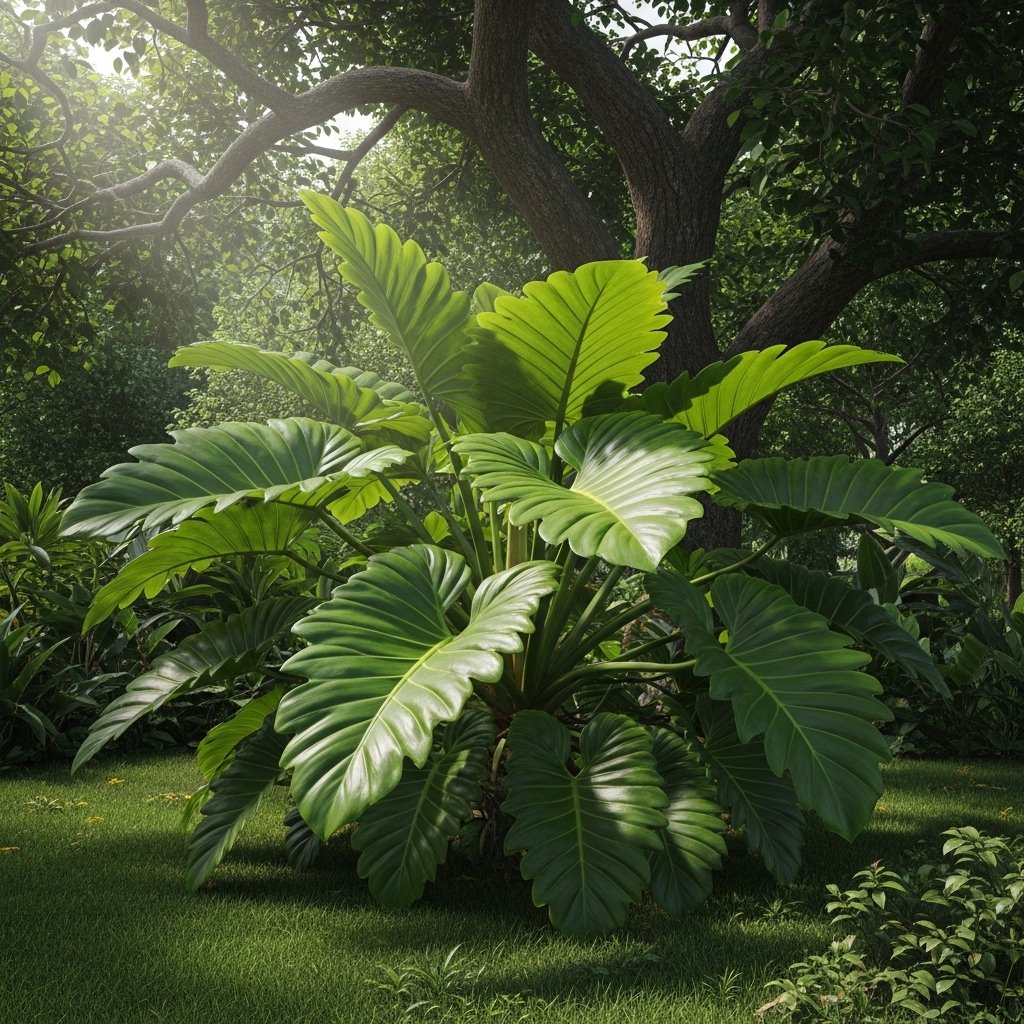
Philodendrons adapt well to outdoor environments when placed in the right conditions. They prefer filtered light and warm temperatures. Outdoors, they often grow larger and more vibrant leaves. However, direct sun exposure can damage their foliage. They are best suited for shaded patios or under trees.
11. Areca Palm
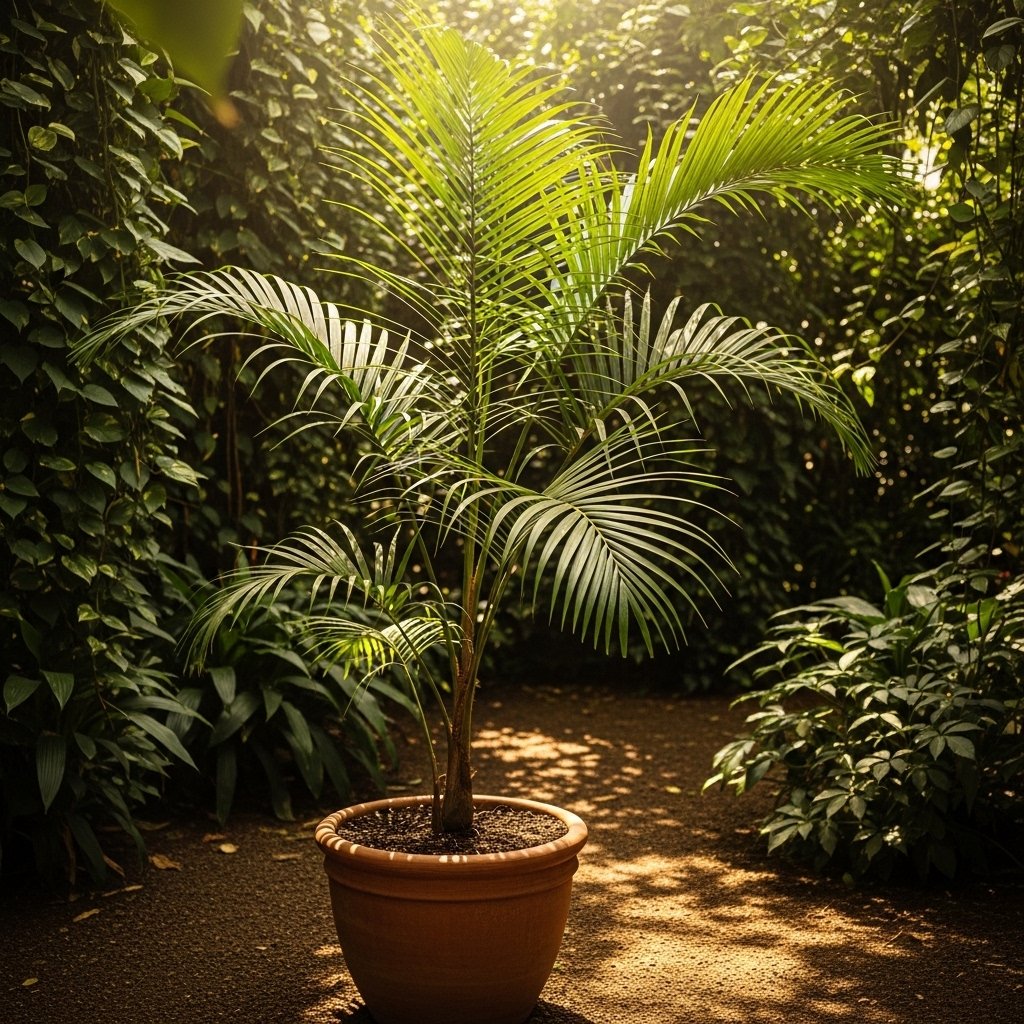
Areca palms are tropical plants that enjoy outdoor living in warm climates. They thrive in indirect sunlight and high humidity. Outdoor placement encourages faster growth and fuller fronds. However, they must be protected from cold temperatures and strong winds. Regular watering keeps them healthy and lush.
12. ZZ Plant (Zamioculcas zamiifolia)
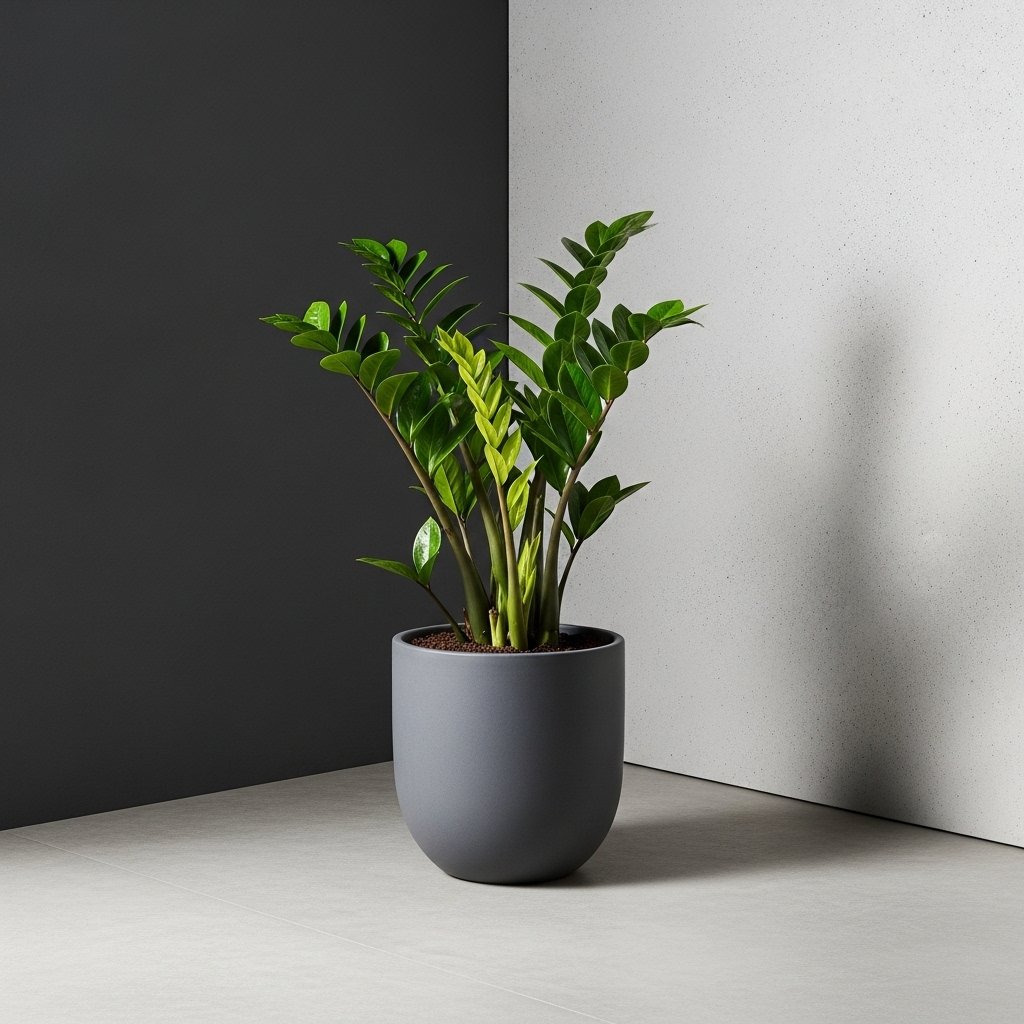
ZZ plants are highly resilient and can tolerate outdoor conditions with care. They prefer low to moderate light and can survive in shaded outdoor areas. Their thick stems store water, making them drought-tolerant. However, they should never be exposed to intense direct sunlight. Overwatering should also be avoided.
13. How to Care for Indoor Plants That Go Outside
- Adjust Slowly – Move plants outside for a few hours daily to help them adapt to outdoor conditions.
- Choose Right Spot – Place them in a shaded or semi-shaded area to avoid harsh sun and wind.
- Water Carefully – Check soil regularly because outdoor heat and air can dry it faster.
- Protect from Weather – Bring plants inside during heavy rain, strong wind, or extreme temperatures.
- Check for Pests – Inspect leaves often and remove insects or damaged parts to keep plants healthy.
13.1. FAQ
13.2. What indoor plants can go outside❓
Many indoor plants can be placed outside for a short time or in the right conditions, especially during warm weather. Plants like snake plant, pothos, spider plant, peace lily, and aloe vera can adapt well outdoors if they are kept in shade or indirect sunlight. However, sudden exposure to strong sun, wind, or rain can stress them, so they should be slowly adjusted to outdoor conditions.
13.3. Why should indoor plants be moved outside sometimes❓
Indoor plants can benefit from being outside because they get fresh air, natural light, and better humidity levels. This can help improve their growth and overall health. However, it is important to place them in a safe spot where they are not exposed to harsh sunlight or extreme weather conditions that can damage their leaves.
14. How to Safely Move Indoor Plants Outside
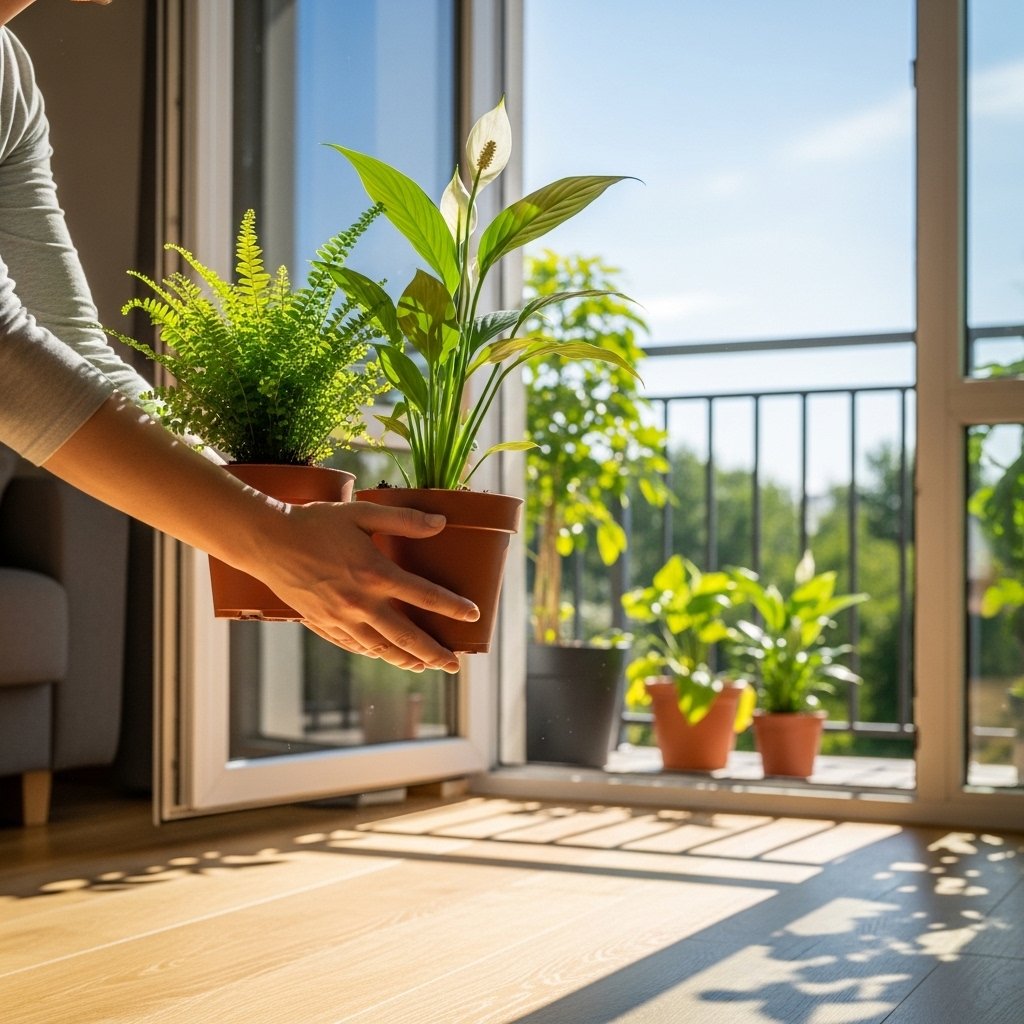
Transitioning indoor plants outside should always be done gradually. Start by placing them outdoors for a few hours a day in a shaded area. Slowly increase their exposure over one to two weeks. This process helps plants adjust to sunlight, wind, and temperature changes. Sudden movement can cause shock, leaf burn, or wilting.
15. Best Conditions for Outdoor Placement
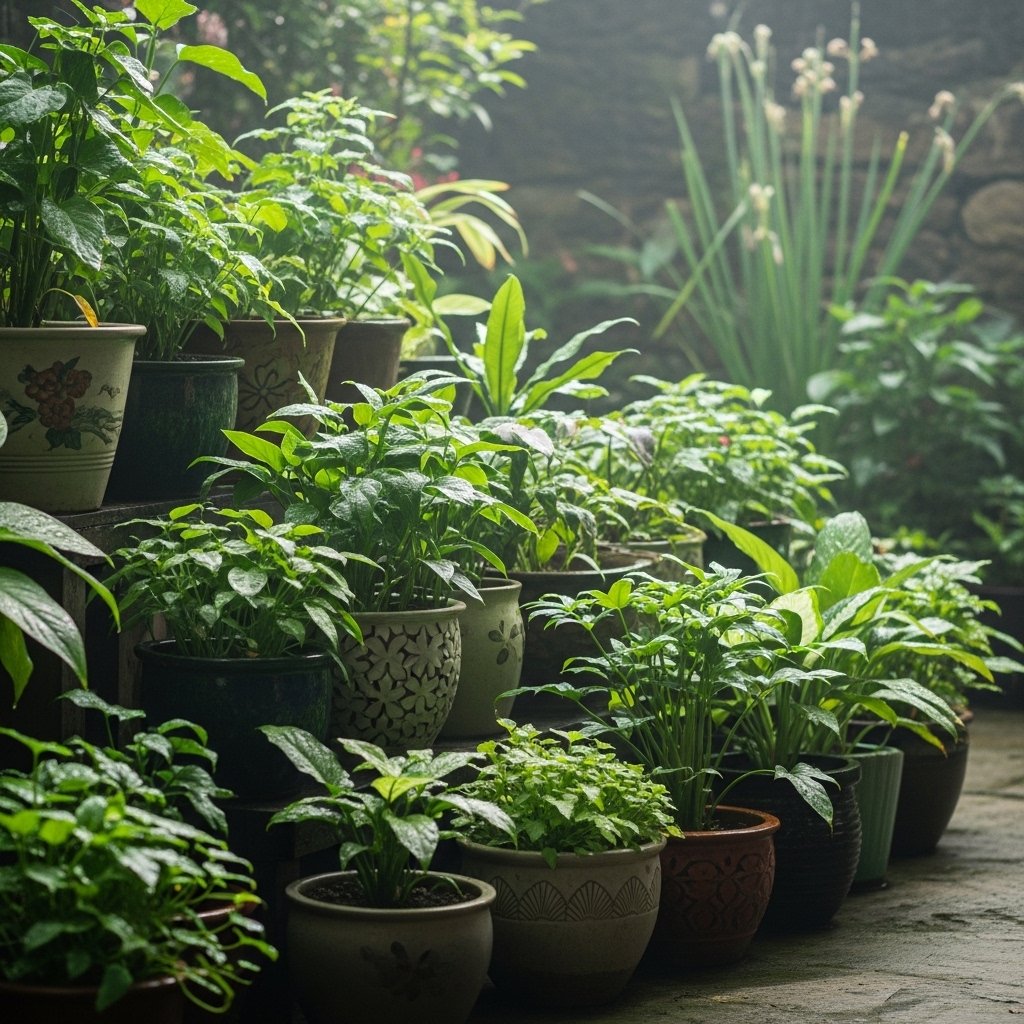
Not all outdoor spaces are suitable for indoor plants. Most houseplants prefer indirect sunlight, stable temperatures, and protection from strong winds. Morning sunlight is usually safer than harsh afternoon sun. Also, avoid placing plants in areas where heavy rain can oversaturate the soil. Proper placement ensures long-term plant health.
16. Final Thoughts
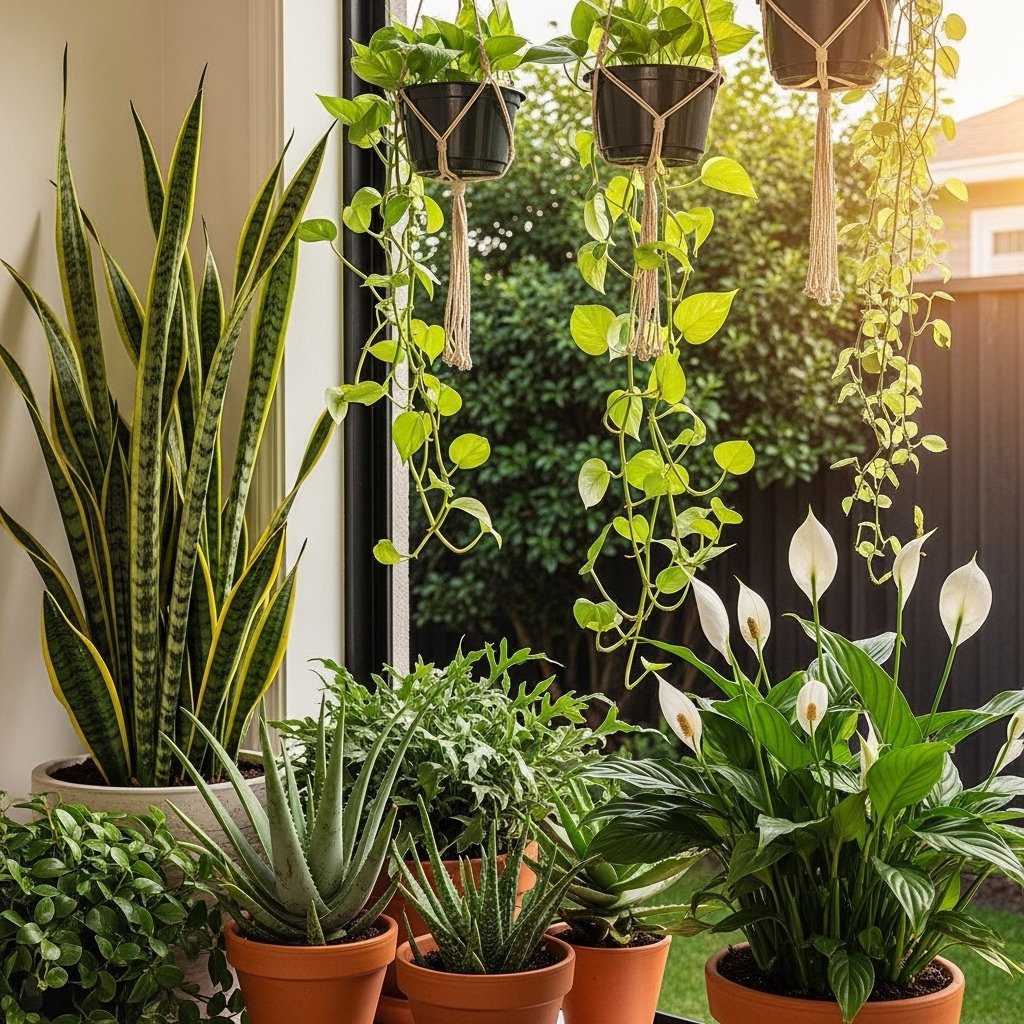
Knowing what indoor plants can go outside helps you make better decisions for their growth and health. Many popular houseplants like snake plants, pothos, spider plants, and aloe vera actually thrive when given outdoor exposure under the right conditions. The key is understanding each plant’s light, water, and temperature needs before moving it outside. Gradual acclimation is essential to avoid stress and damage. With proper care, your indoor plants can flourish beautifully in outdoor spaces and become even more vibrant than before.