How to Start a Cut Flower Garden Bed: A Complete Beginner’s Guide
Blog > Home > cut flower garden > How to Start a Cut Flower Garden Bed: A Complete Beginner’s Guide
Starting a cut flower garden bed is a rewarding way to bring beauty, color, and fragrance into your home. Fresh flowers from your own garden not only enhance your living space but also allow for creative floral arrangements for events, gifts, or everyday enjoyment. Unlike ornamental gardens, cut flower beds focus on blooms that are easy to harvest, long-lasting, and visually appealing. With proper planning, soil preparation, and plant selection, even beginners can cultivate a flourishing flower garden. This guide will walk you through twelve essential steps to start your very own cut flower garden bed successfully.
Table Of Content
1. Choose the Right Location
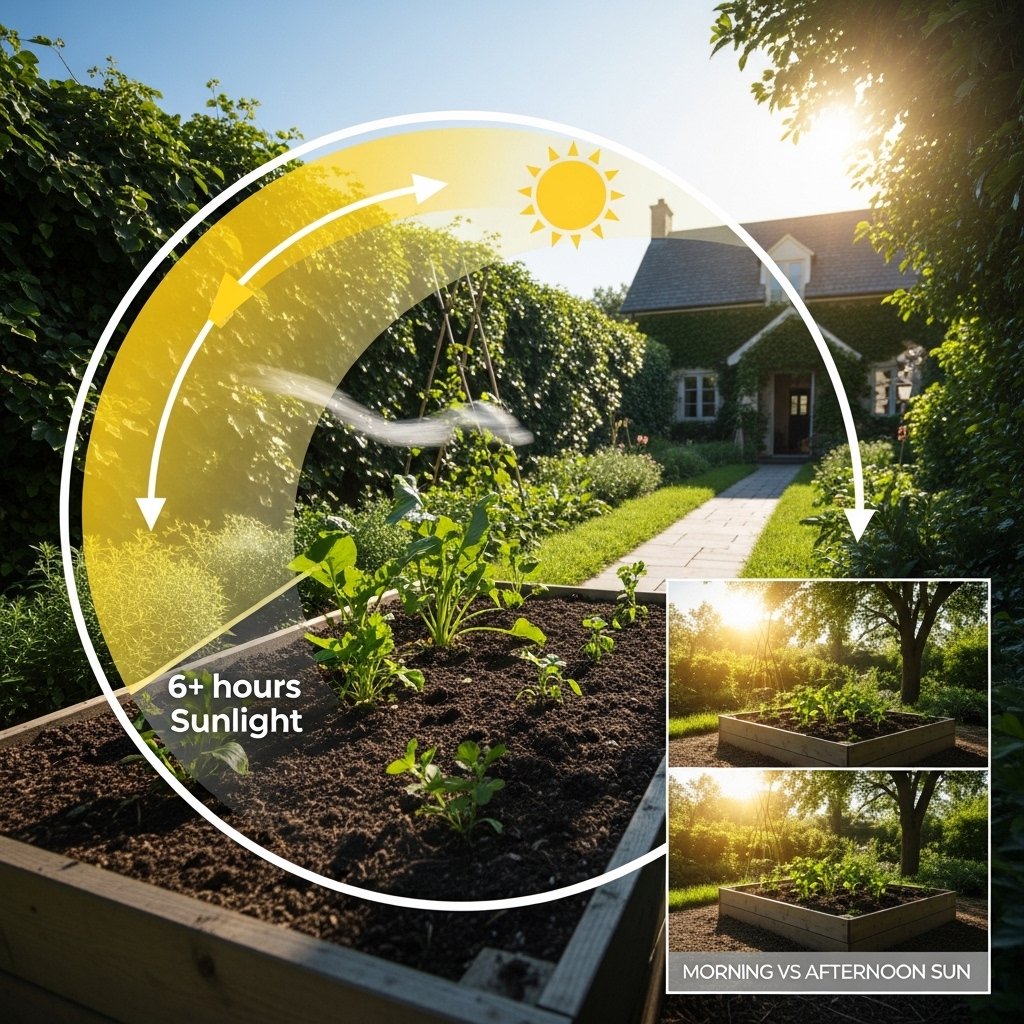
The first step in starting a cut flower garden bed is selecting the ideal location. Most cut flowers require at least six hours of sunlight daily, so choose a spot that receives plenty of sun. Additionally, ensure the location has good air circulation to reduce the risk of disease and mildew. Consider proximity to your home for easy harvesting and maintenance. A well-chosen location lays the foundation for a healthy, productive flower garden.
2. Decide the Garden Bed Size and Shape
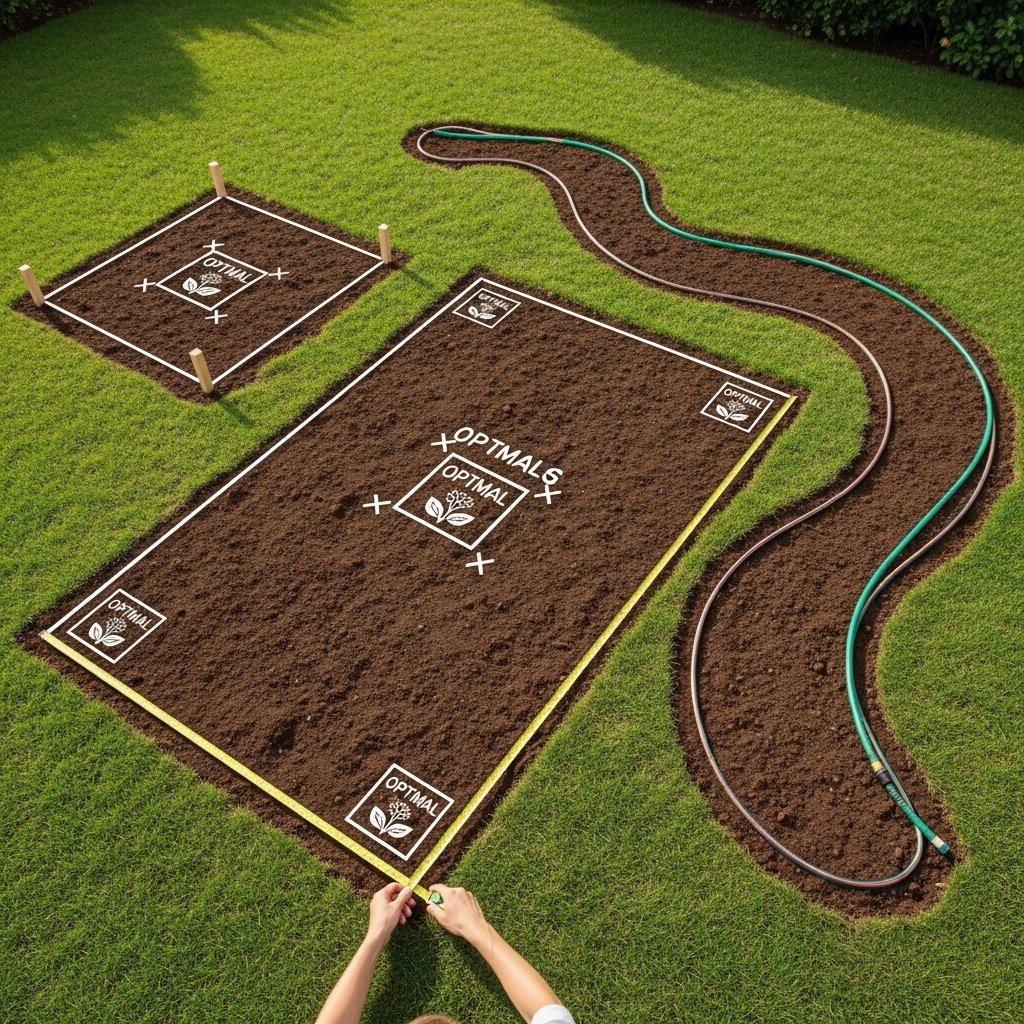
Determining the size and shape of your flower bed is crucial for both aesthetics and functionality. Small rectangular or square beds are easy to manage, while curved or irregular shapes can create visual interest. Keep in mind the spacing requirements for different plants to avoid overcrowding. A manageable size also allows for routine care, including watering, weeding, and harvesting. Properly planned dimensions ensure a beautiful and productive garden year after year.
3. Prepare the Soil Properly
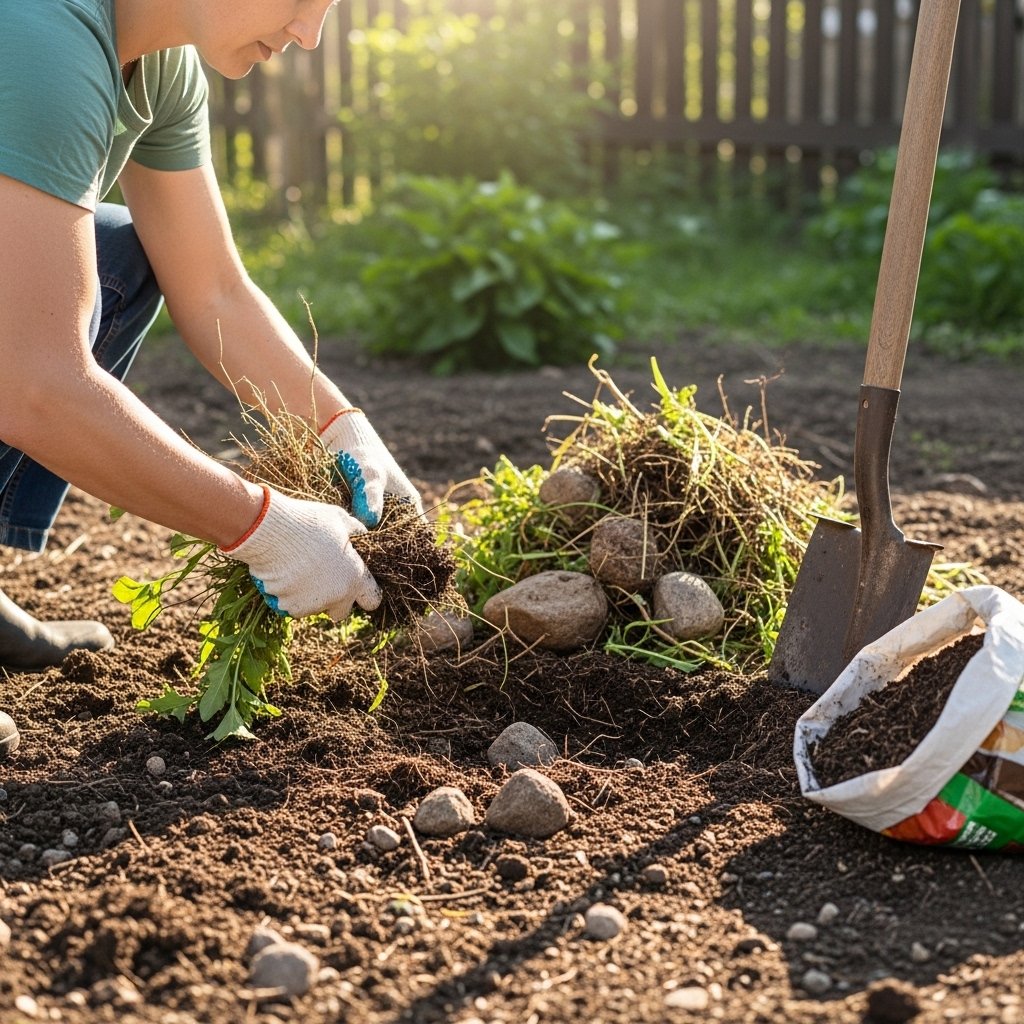
Healthy soil is the backbone of a thriving cut flower garden. Start by removing weeds, rocks, and debris from your chosen area. Loosen the soil to a depth of at least 12 inches to encourage strong root development. Adding compost or well-rotted organic matter enriches the soil, improves drainage, and supplies essential nutrients. Testing the soil pH and adjusting it to the optimal range for your chosen flowers will enhance growth and bloom quality.
4. Choose the Right Flowers
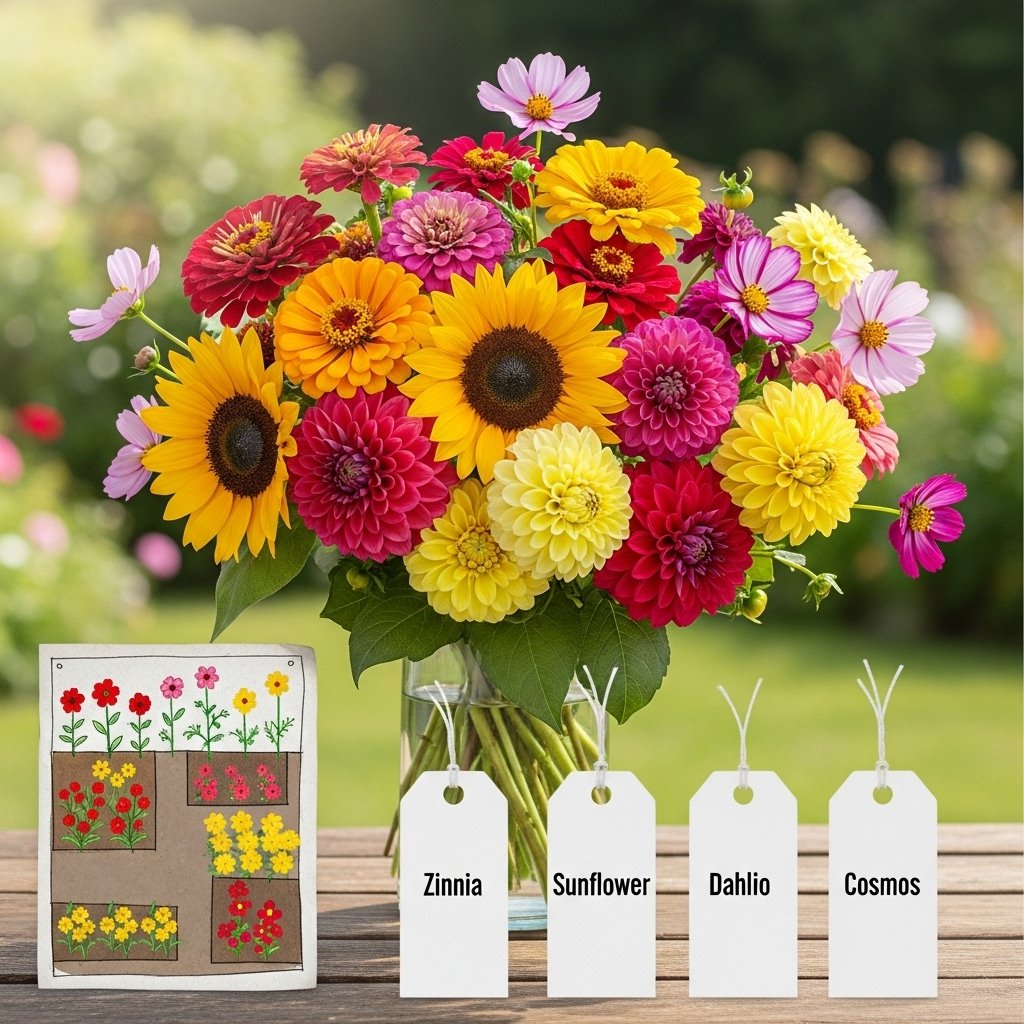
Selecting the right flowers is essential for a cut flower garden that blooms continuously. Popular choices include zinnias, sunflowers, dahlias, snapdragons, and cosmos, which are known for their durability and long vase life. Consider bloom time to ensure you have flowers from spring through fall. Opt for a mix of heights, colors, and textures to create dynamic arrangements. Choosing varieties suited to your climate and growing conditions increases your garden’s success rate.
5. Plan for Continuous Blooms
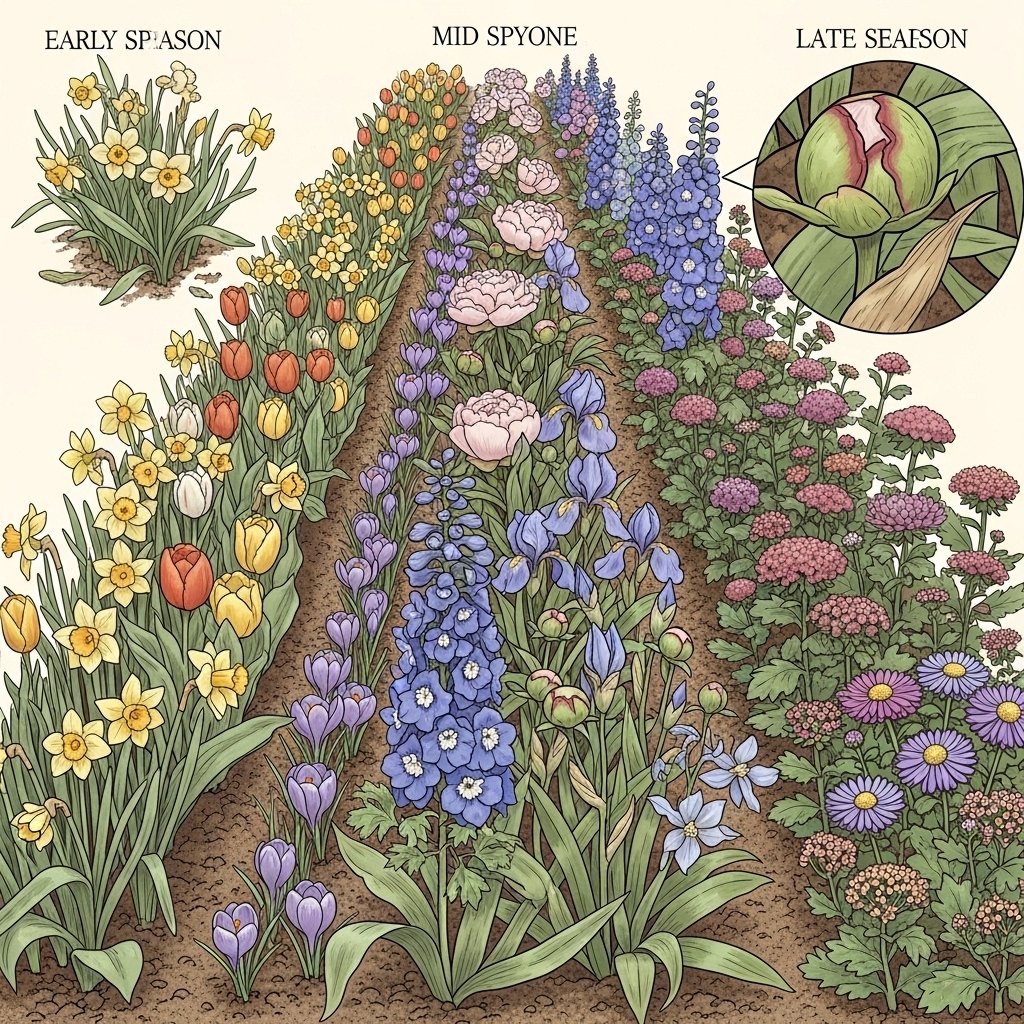
One key to a successful cut flower garden bed is planning for continuous blooms throughout the season. Plant early, mid-season, and late-blooming varieties in succession. Succession planting ensures you never run out of flowers to cut for arrangements. Incorporate both annuals and perennials to extend the flowering period. A well-planned bloom schedule keeps your garden vibrant and productive from early spring to late fall.
6. Proper Plant Spacing
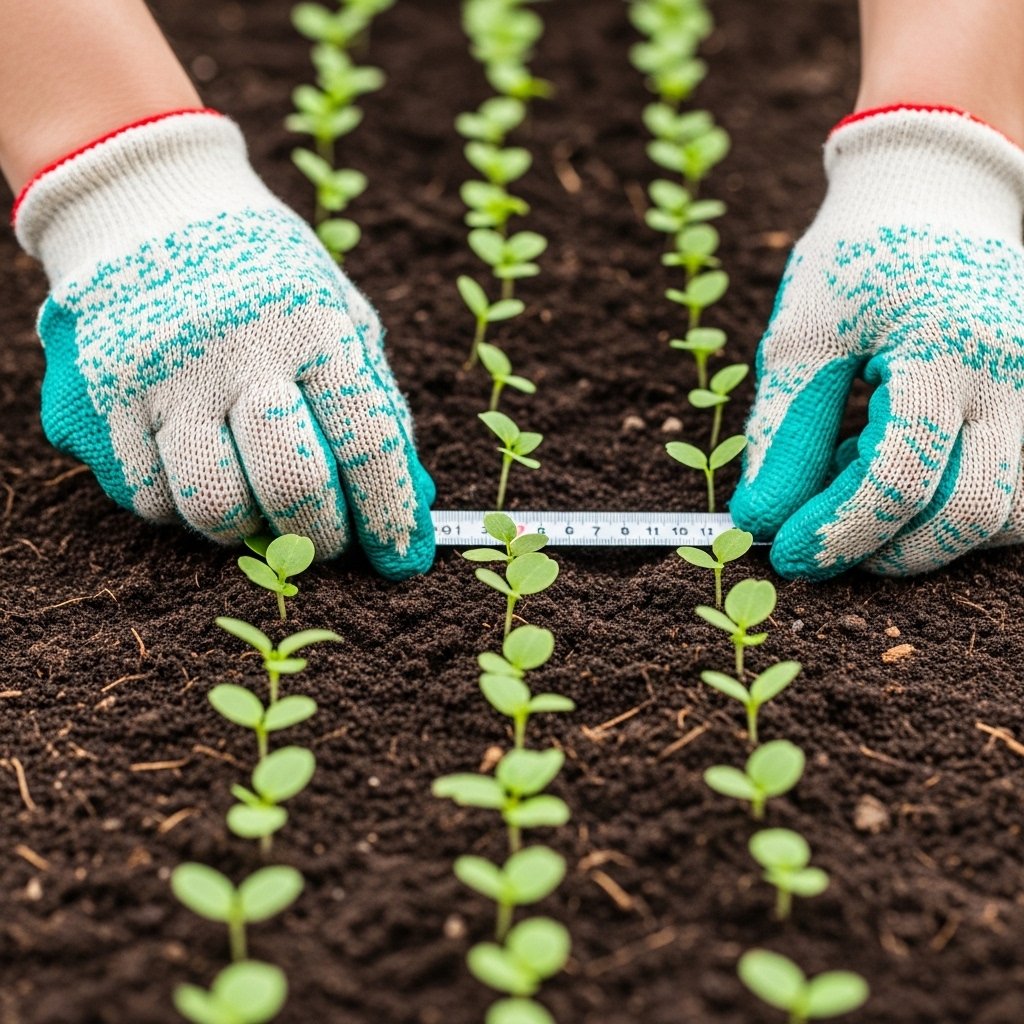
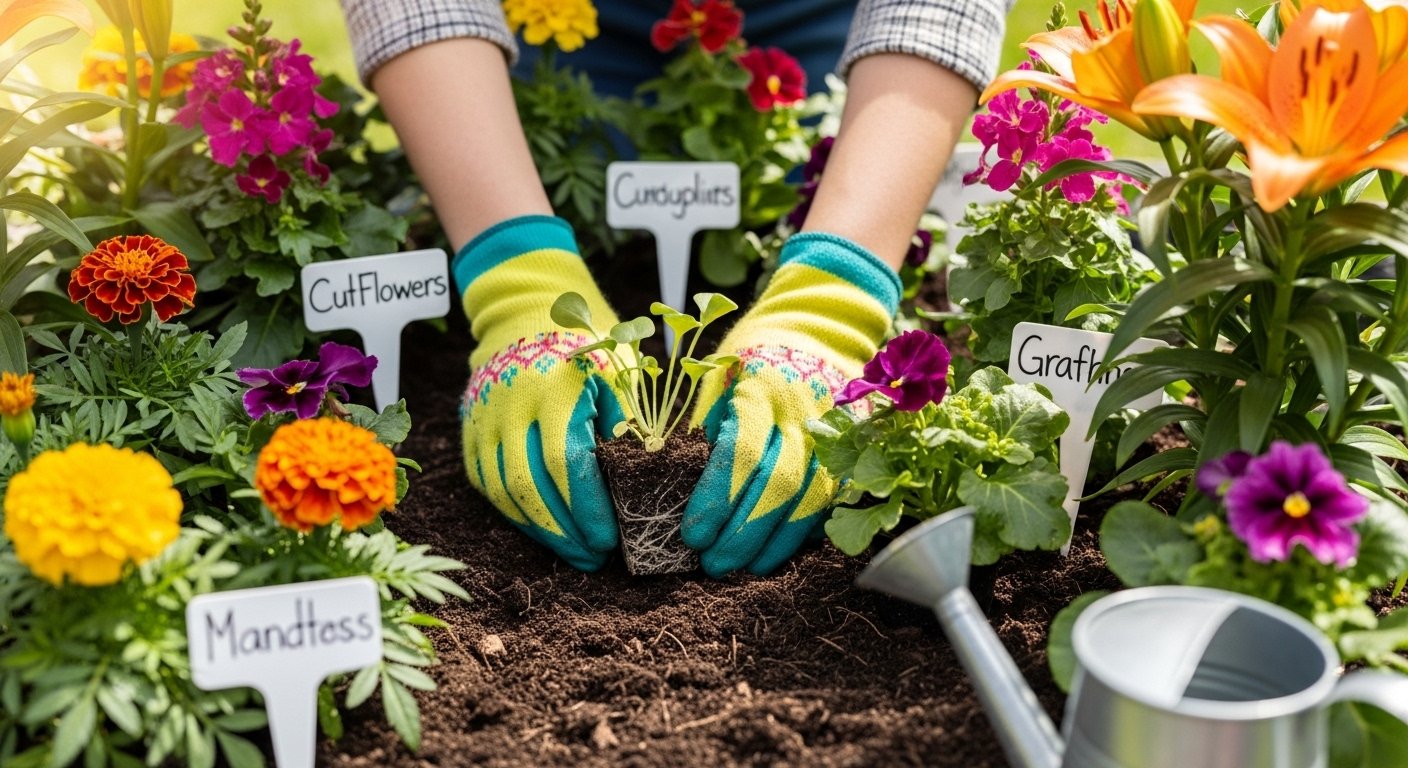
Correct spacing between plants promotes healthy growth and reduces disease. Crowded plants compete for nutrients, water, and sunlight, which can result in smaller blooms. Follow the spacing recommendations on seed packets or plant labels. For taller flowers, provide additional support to prevent bending or breaking. Adequate spacing also makes harvesting easier without damaging neighboring plants.
7. Watering and Irrigation Tips
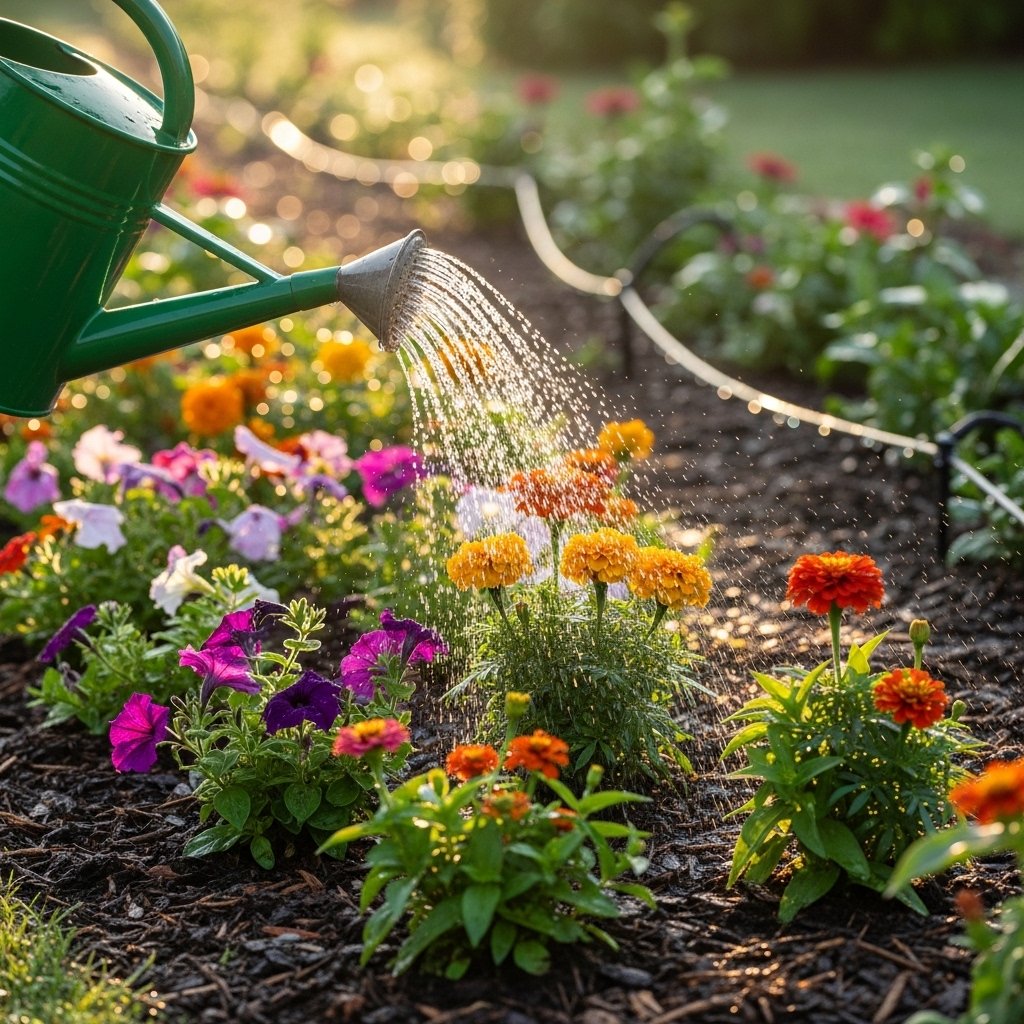
Consistent and proper watering is essential for cut flower production. Most flowers need about 1 inch of water per week, either through rainfall or irrigation. Water at the base of the plants to prevent wetting the foliage, which can encourage fungal diseases. Mulching helps retain soil moisture and keeps weeds at bay. Proper watering ensures strong stems and vibrant blooms for cutting.
8. Fertilizing Your Flower Bed
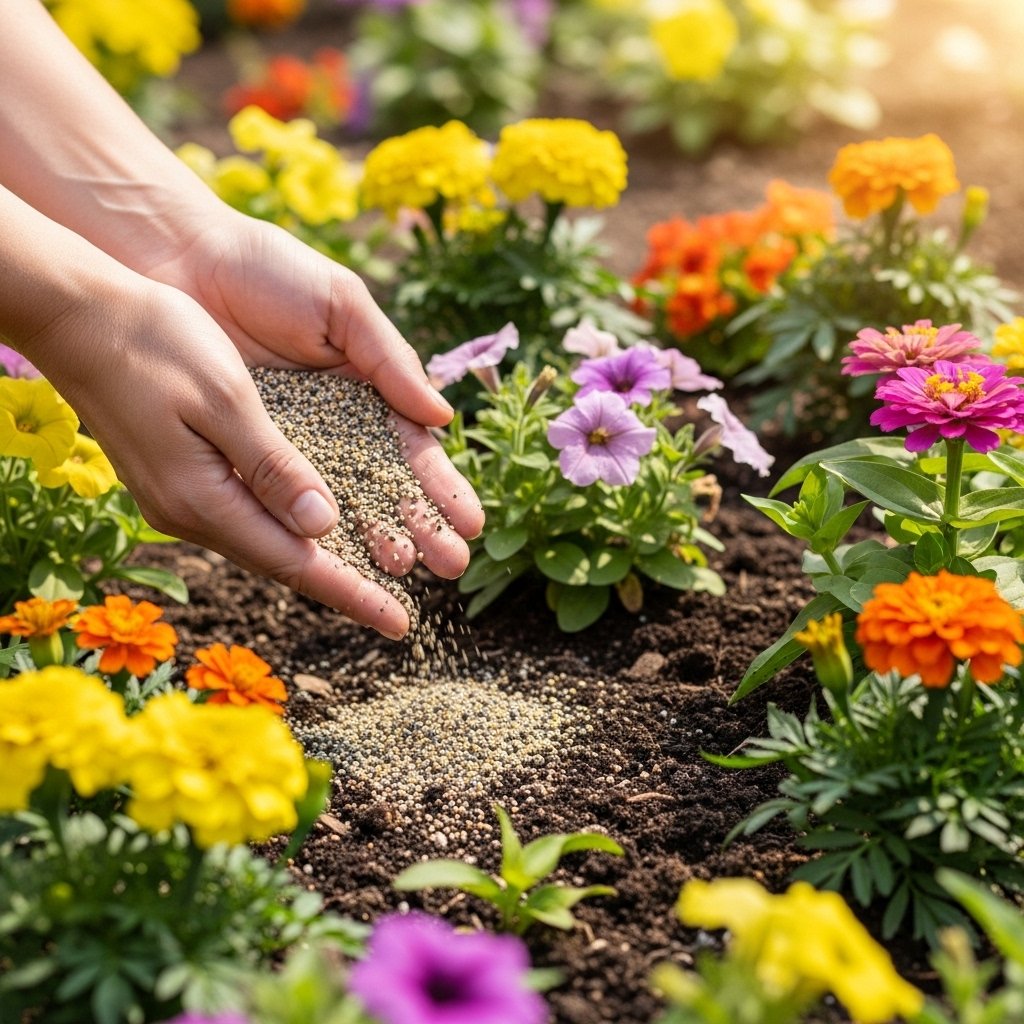
Fertilizing promotes vigorous growth and abundant blooms in a cut flower garden. Use a balanced, slow-release fertilizer or organic options like compost tea. Apply fertilizer according to plant needs and soil test results to avoid overfeeding, which can lead to excessive foliage at the expense of flowers. Reapply periodically during the growing season to maintain nutrient levels. Healthy, well-fed plants produce long-lasting flowers ideal for cutting.
9. Pest and Disease Management
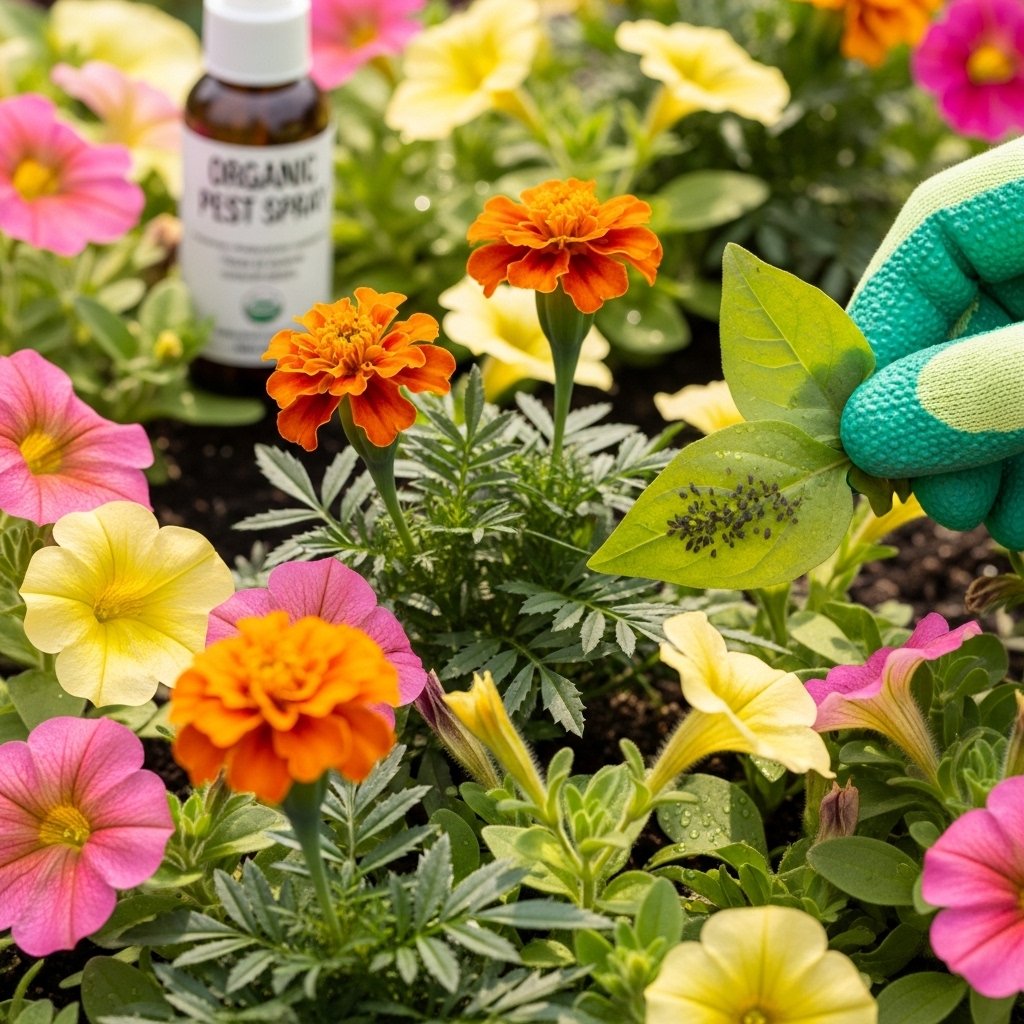
Protecting your cut flower garden from pests and diseases is crucial for successful harvesting. Inspect plants regularly for signs of insects or fungal infections. Use organic or chemical treatments as needed, but always follow safety guidelines. Companion planting with herbs or marigolds can help naturally deter pests. A proactive approach keeps your garden flourishing and your flowers healthy.
10. Harvesting Your Flowers
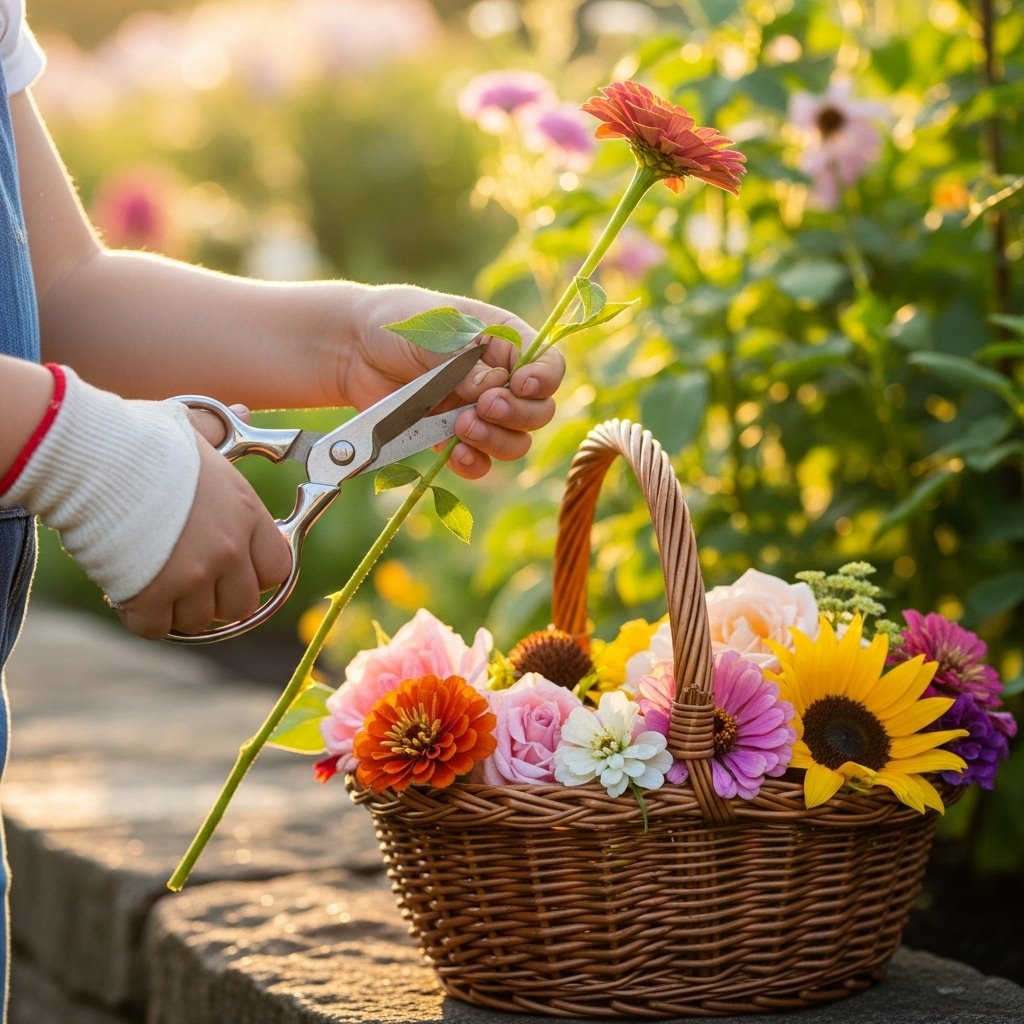
Knowing when and how to harvest your flowers is essential for a cut flower garden. Most flowers are best cut early in the morning when stems are hydrated. Use clean, sharp tools to make cuts at a 45-degree angle to promote further growth. Leave enough foliage on the plant to continue photosynthesis and support additional blooms. Regular harvesting encourages the plants to produce more flowers throughout the season.
11. Arranging and Using Your Cut Flowers
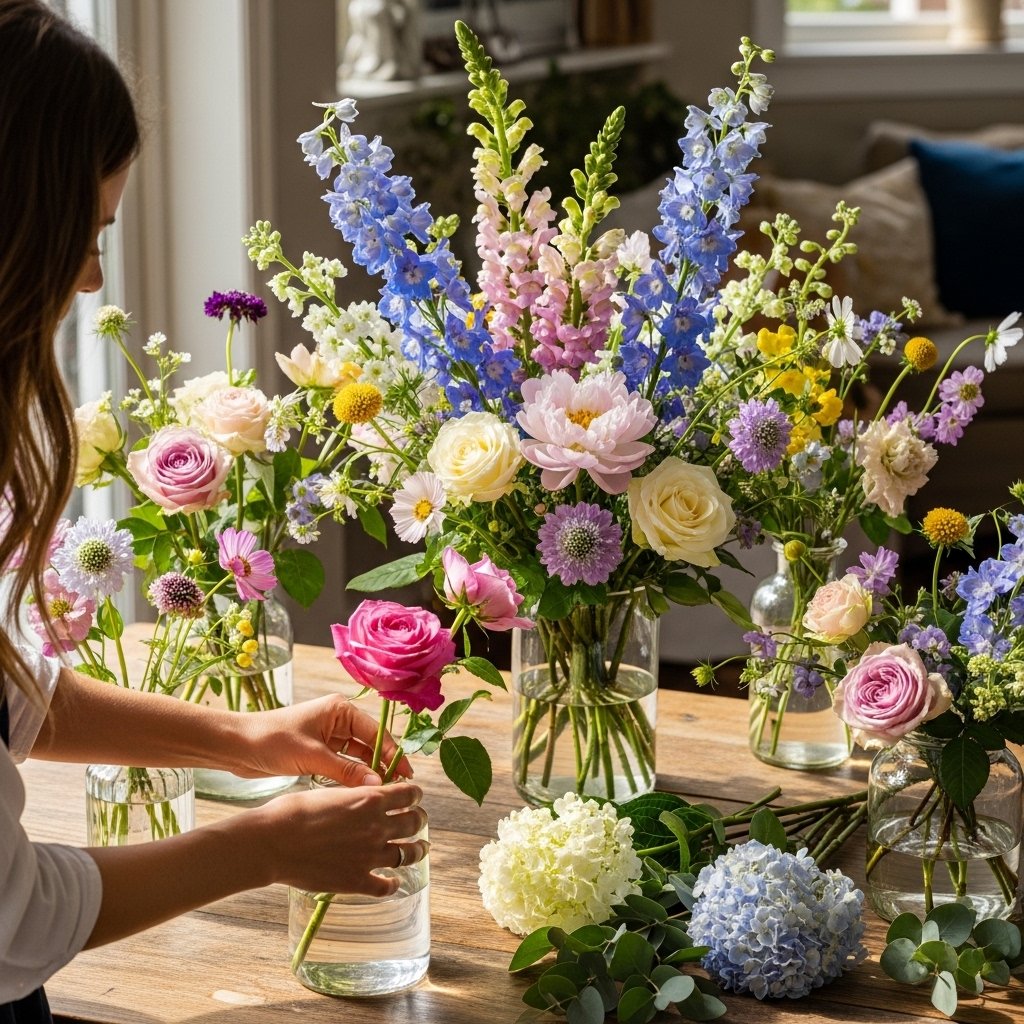
A key part of growing a cut flower garden is putting your blooms to good use. Arrange flowers in vases for your home, gifts, or special events. Mix heights, colors, and textures to create visually appealing displays. Store extra blooms in water immediately to extend their freshness. Using your flowers regularly ensures the garden remains productive and rewarding.
12. Winter Care and Preparing for Next Season
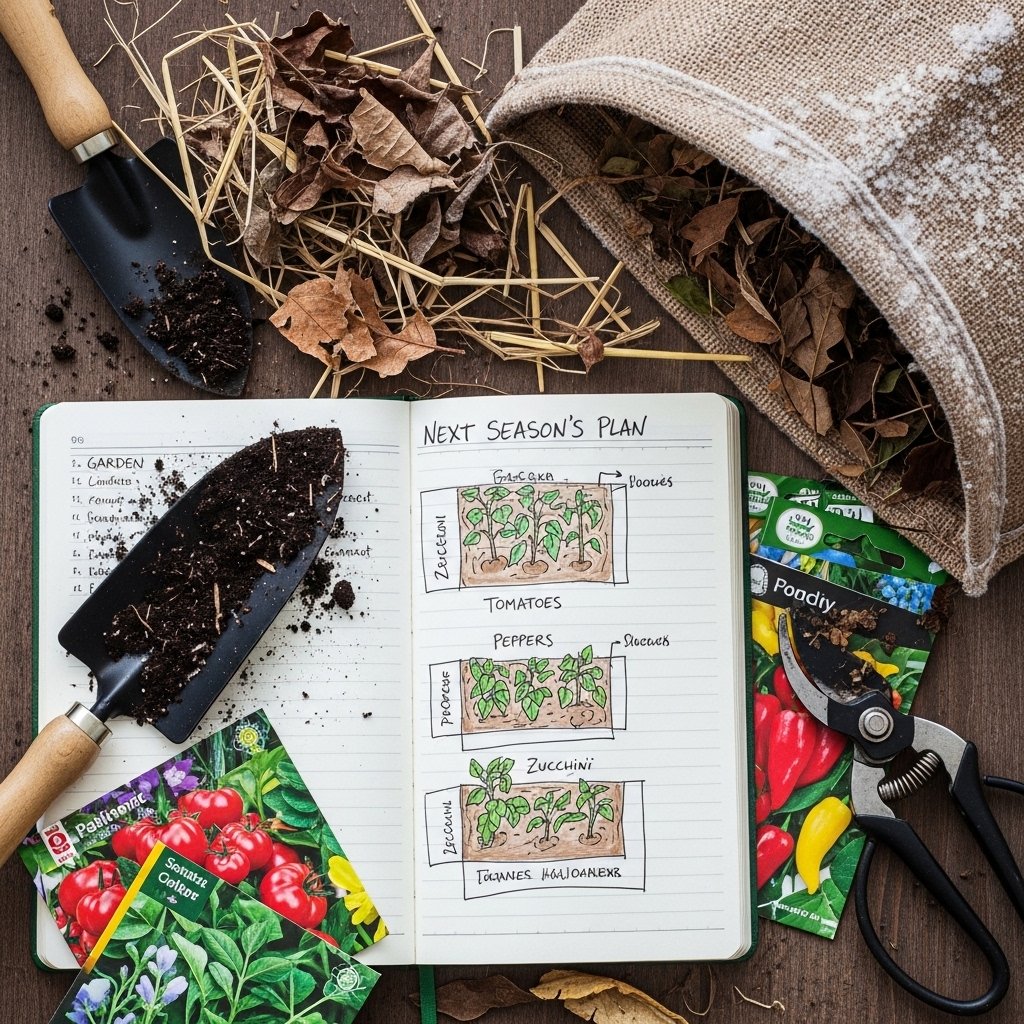
Preparing your cut flower garden for winter ensures long-term success. Remove spent plants and add compost or mulch to protect the soil. Some perennials may need to be cut back or dug up for storage. Plan your next season by noting which flowers performed best and which need replacing. Proper winter care sets the stage for a flourishing garden in the following year.
13. How to Care for a Cut Flower Garden Bed
- Water Regularly – Keep the soil consistently moist, especially for young plants. Avoid overwatering to prevent root rot.
- Remove Weeds – Pull out weeds frequently so they don’t compete with your flowers for nutrients.
- Prune and Deadhead – Trim dead or faded flowers to encourage new blooms and healthy growth.
- Fertilize Properly – Use balanced fertilizer every few weeks to keep flowers strong and vibrant.
- Protect from Pests – Check plants regularly for insects or diseases and treat them early to prevent damage.
13.1. FAQ
13.2. How to start a cut flower garden bed❓
To start a cut flower garden bed, first choose a sunny location that receives at least six hours of direct sunlight daily. Prepare the soil by removing weeds and mixing in compost to improve fertility and drainage. Plan your layout by selecting flowers that grow well in your climate. After preparing the bed, sow seeds or plant seedlings carefully and water them regularly to support healthy growth.
13.3. What is the best location for a cut flower garden bed❓
The best location for a cut flower garden bed is an area with full sunlight and well-drained soil. Flowers grown for cutting need strong sunlight to produce healthy stems and bright blooms. Avoid areas with too much shade or poor drainage, as this can lead to weak plants and fewer flowers.
13.4. Which flowers are best for a cut flower garden❓
Some of the best flowers for a cut flower garden include zinnias, sunflowers, marigolds, cosmos, and dahlias. These flowers produce long stems and bloom continuously during the growing season. Choosing a mix of early, mid, and late-season flowers will ensure you have fresh blooms available for a longer period.
14. Final Thoughts
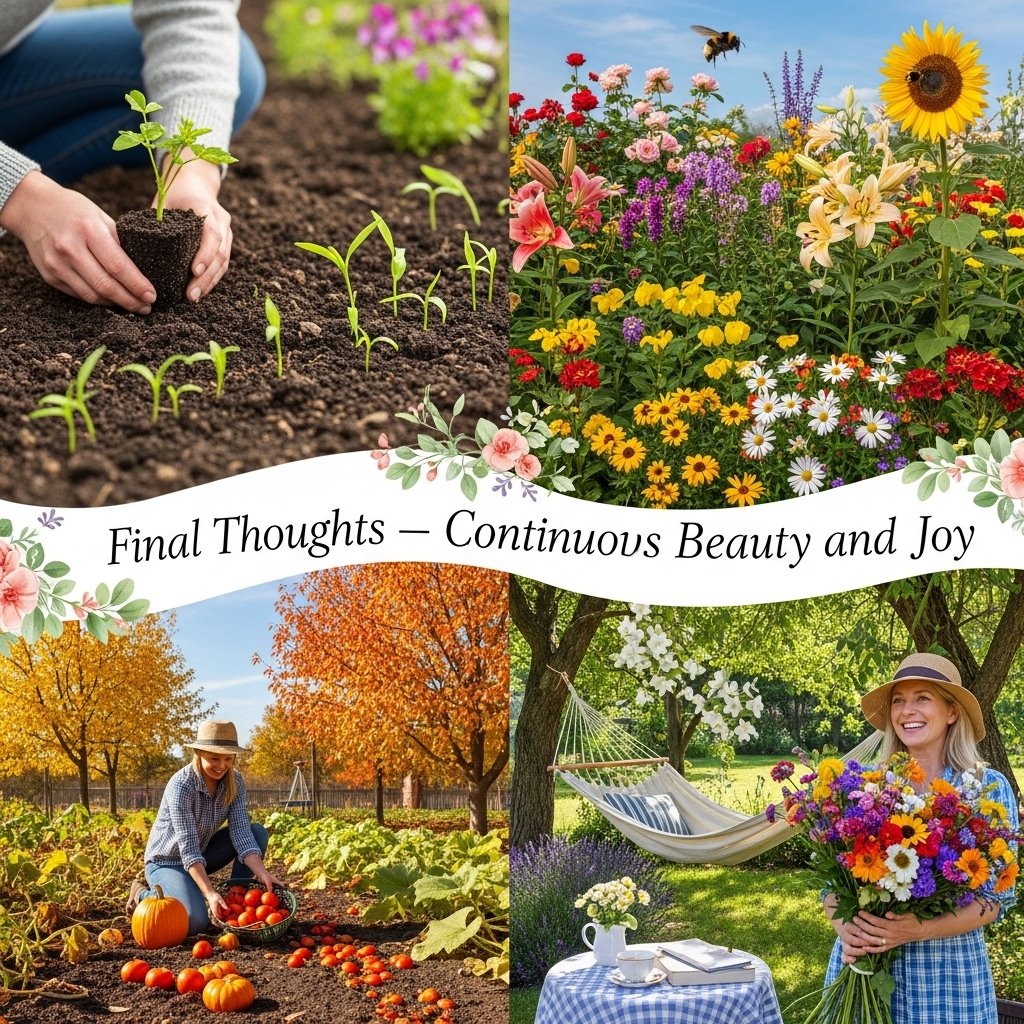
Starting a cut flower garden bed is a fulfilling project that combines creativity, planning, and patience. By choosing the right location, preparing the soil, and selecting suitable flowers, you can enjoy fresh blooms throughout the season. Proper care, including watering, fertilizing, and pest management, ensures strong, healthy plants. With regular harvesting and thoughtful planning, your cut flower garden can become a continuous source of beauty and joy. Whether for personal enjoyment or sharing with others, a cut flower garden adds color, fragrance, and life to any home or garden space.