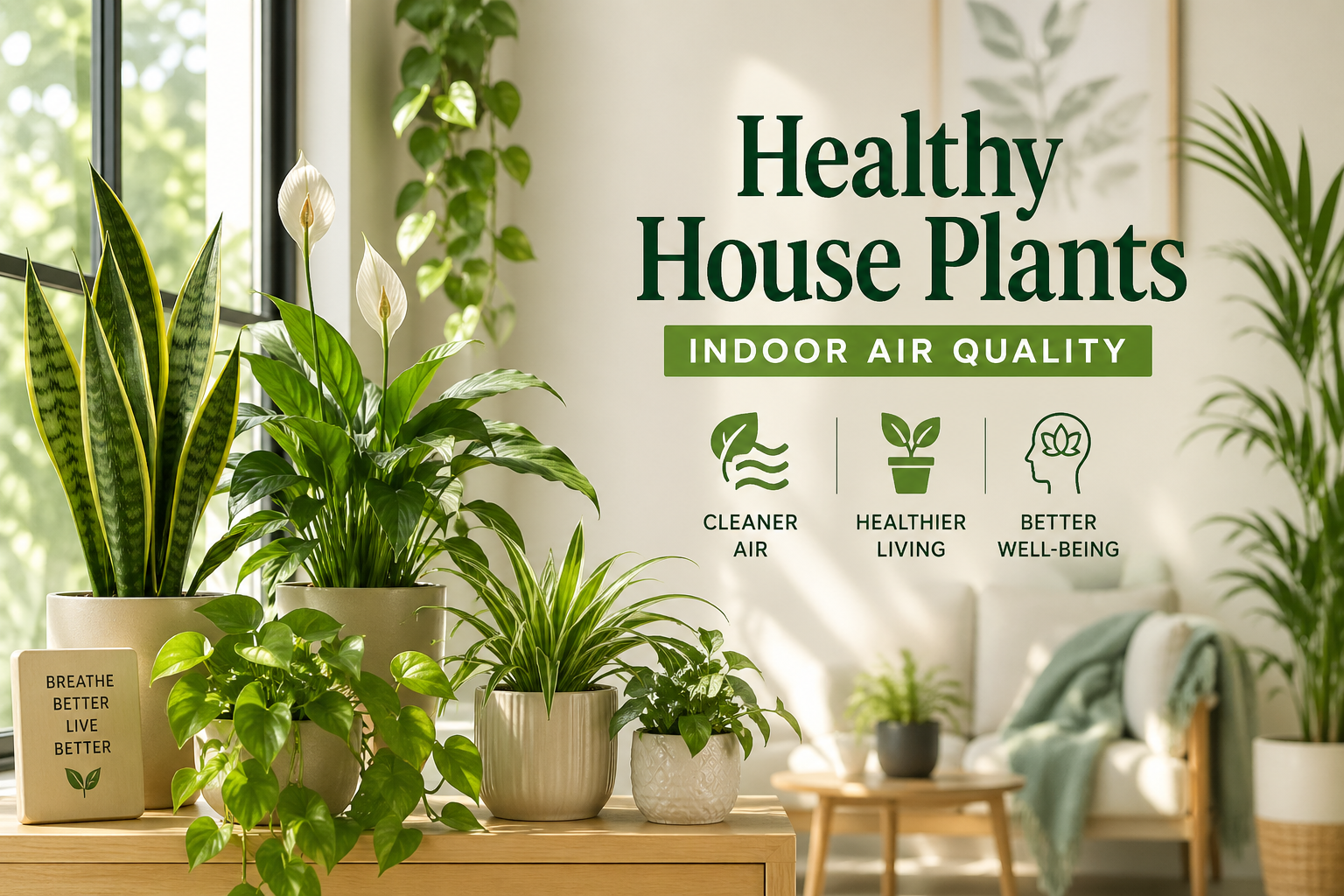
Healthy House Plants for Indoor Air Quality: Natural Ways to Breathe Cleaner Air at Home
Blog > Home > Indoor Plants & Home Decor > Healthy House Plants for Indoor Air Quality: Natural Ways to Breathe Cleaner Air at Home
Indoor air quality plays a major role in overall health, comfort, and wellbeing, especially since most people spend a large portion of their time indoors. One of the most natural and visually pleasing ways to improve air quality is by introducing house plants into your living space. Many indoor plants help filter toxins, increase oxygen levels, and regulate humidity, creating a fresher and healthier environment. Beyond their air-purifying benefits, they also enhance mood, reduce stress, and add a calming aesthetic to any room. In this guide, you’ll explore 12 powerful healthy house plants that are known to support better indoor air quality while making your home more beautiful.
Table Of Content
1. Snake Plant (Sansevieria)
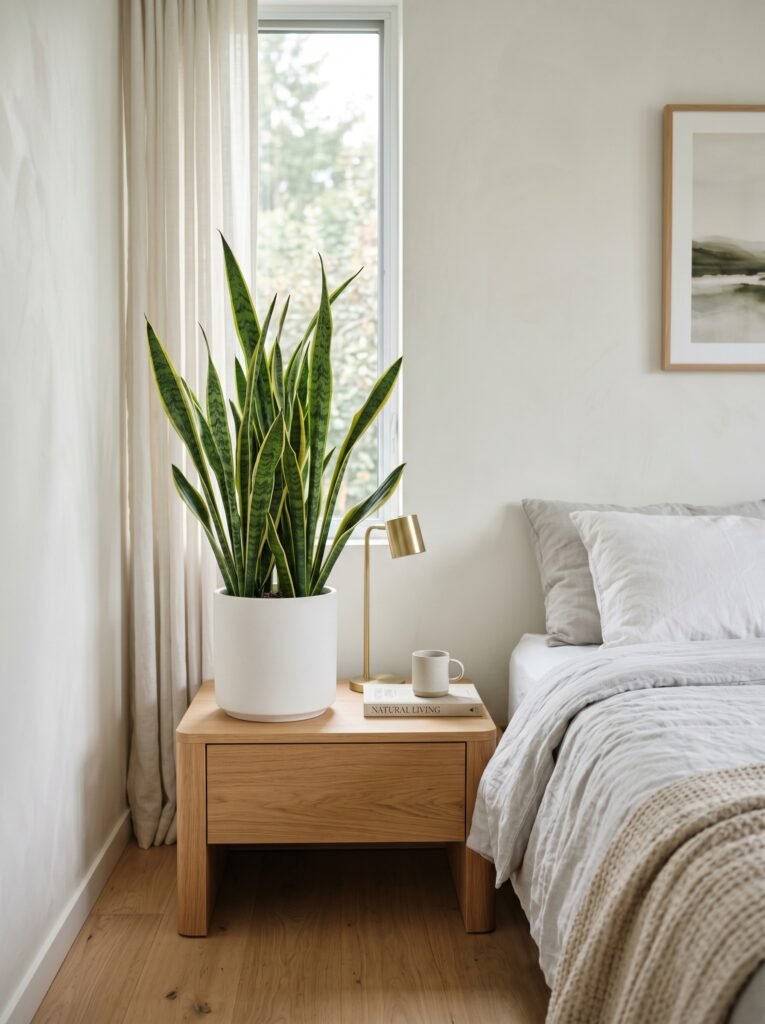
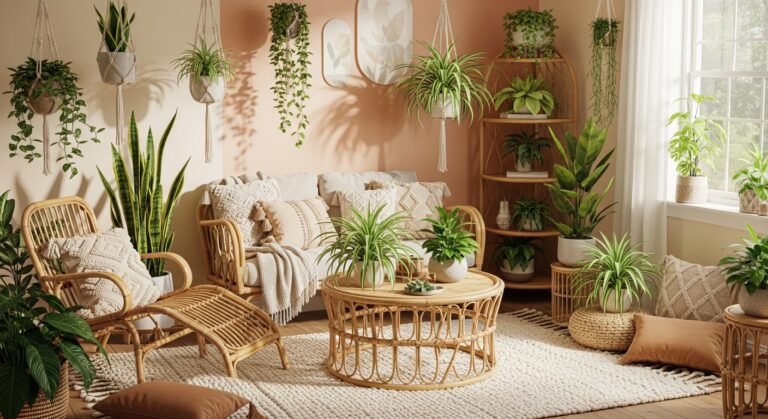
The snake plant is one of the most popular choices for improving indoor air quality due to its ability to absorb toxins like formaldehyde and benzene. It is extremely low-maintenance and can survive in low light conditions, making it ideal for bedrooms and offices. Unlike many plants, it continues to release oxygen at night, which helps improve sleep quality. Its upright, architectural leaves also make it a stylish addition to modern interiors. This plant is perfect for beginners who want both beauty and functionality.
2. Spider Plant (Chlorophytum comosum)
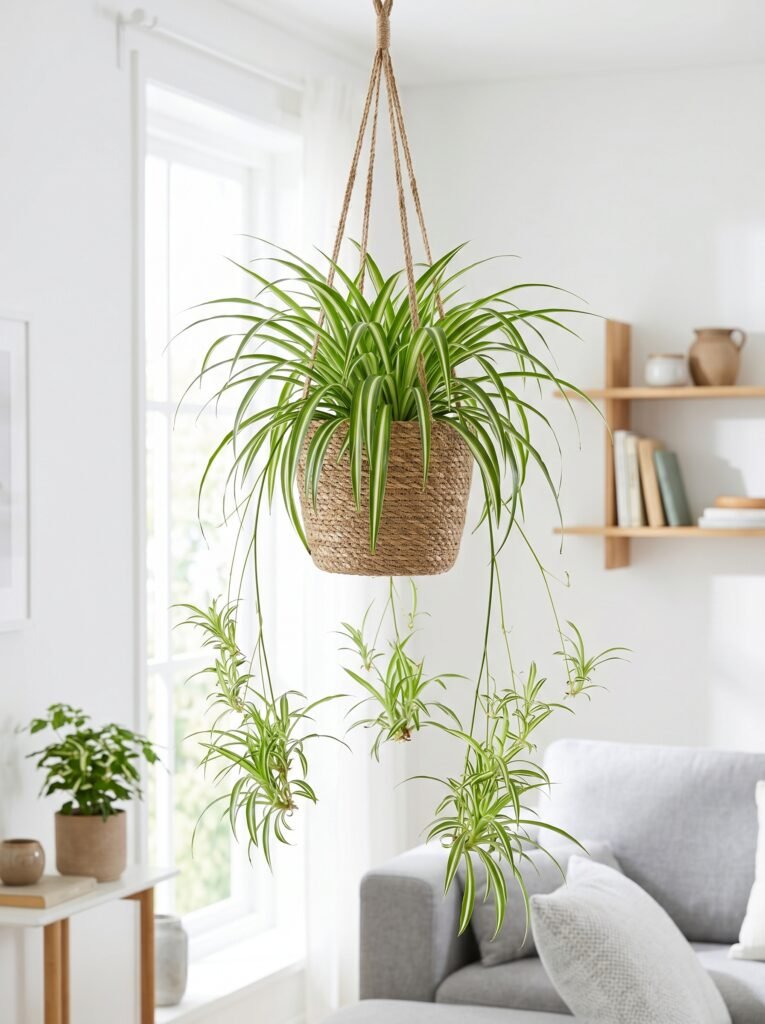
The spider plant is known for its ability to remove carbon monoxide and other harmful pollutants from the air. It is safe for pets and grows quickly, producing small “baby” plants that hang from the mother plant. This makes it both decorative and interactive for plant lovers. Spider plants thrive in indirect sunlight and require minimal care, making them perfect for busy households. Their long, arching leaves add a fresh and lively touch to any room.
3. Peace Lily (Spathiphyllum)
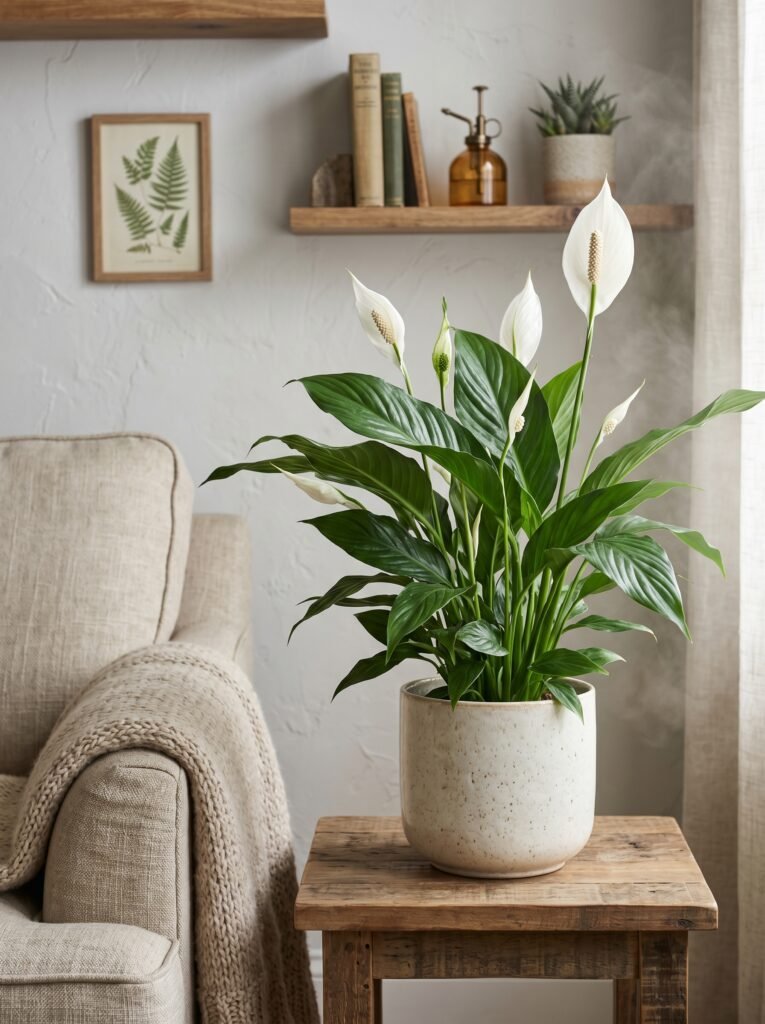
The peace lily is highly effective at filtering airborne toxins such as ammonia, formaldehyde, and benzene. It also increases humidity levels, which can benefit people with dry skin or respiratory issues. Its elegant white flowers make it one of the most visually appealing indoor plants. Peace lilies prefer shaded areas and require regular watering to stay healthy. This plant is ideal for bedrooms, living rooms, and office spaces.
4. Aloe Vera
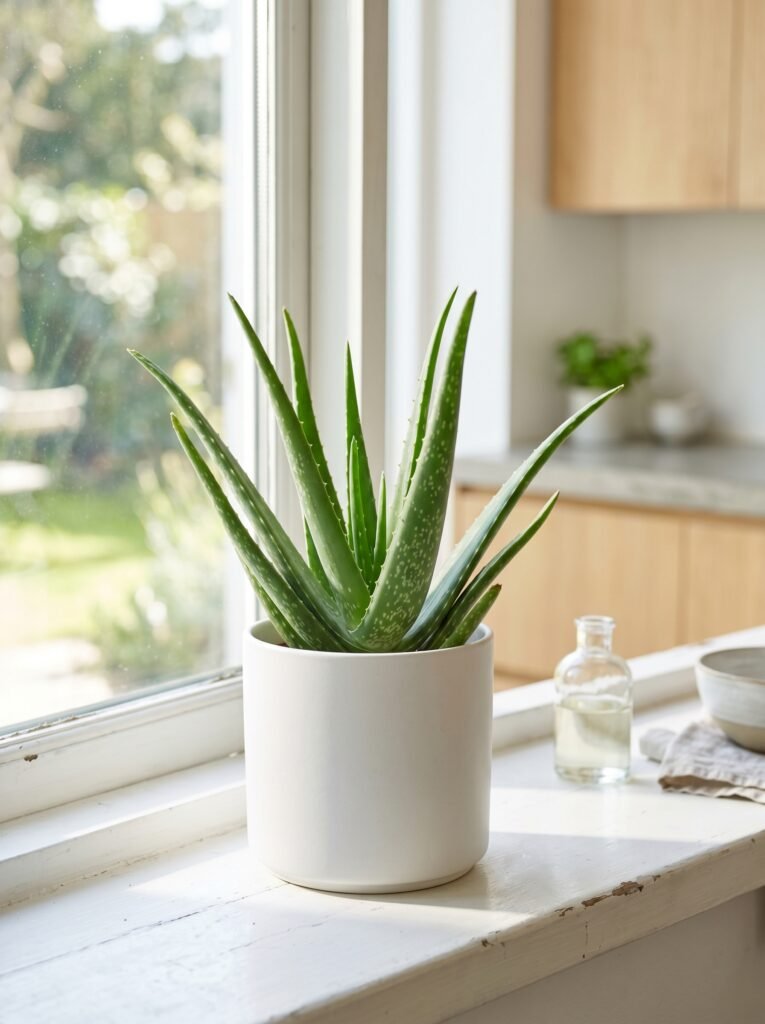
Aloe vera is widely known for its medicinal properties, but it also helps purify indoor air by removing formaldehyde and benzene. It releases oxygen at night, making it a great addition to bedrooms. The gel inside its leaves can be used for treating minor burns and skin irritations, adding practical value beyond air purification. Aloe vera thrives in bright, indirect sunlight and requires minimal watering. Its compact size makes it perfect for small spaces like kitchen windowsills.
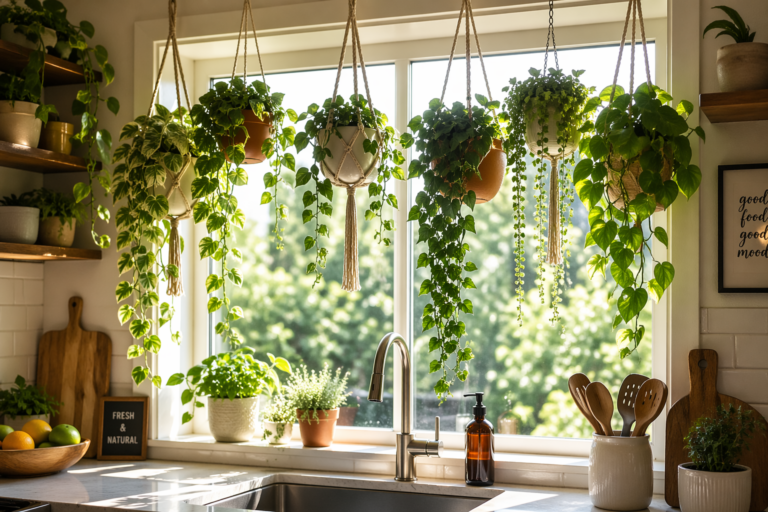
5. Pothos (Epipremnum aureum)
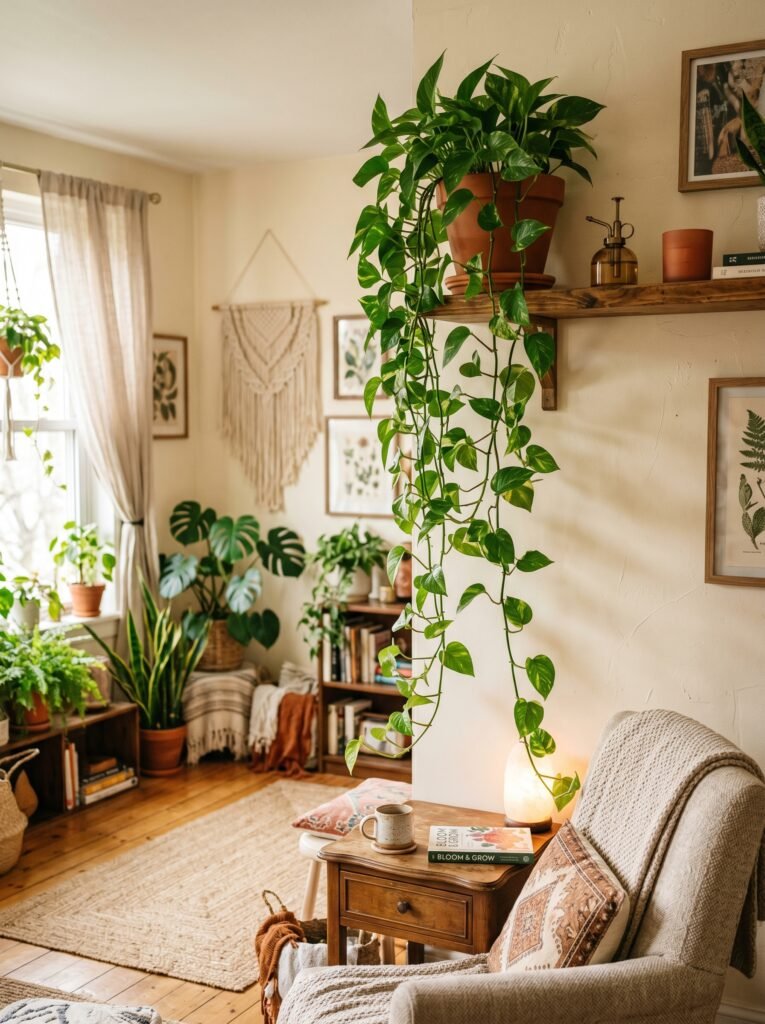
Pothos is one of the easiest house plants to grow and is highly effective at removing toxins from indoor air. It is known for its trailing vines, which make it perfect for hanging baskets or shelves. Pothos can survive in low light and irregular watering, making it very forgiving for beginners. Its fast-growing nature helps quickly improve indoor greenery and air freshness. This plant adds a lush, tropical feel to any home.
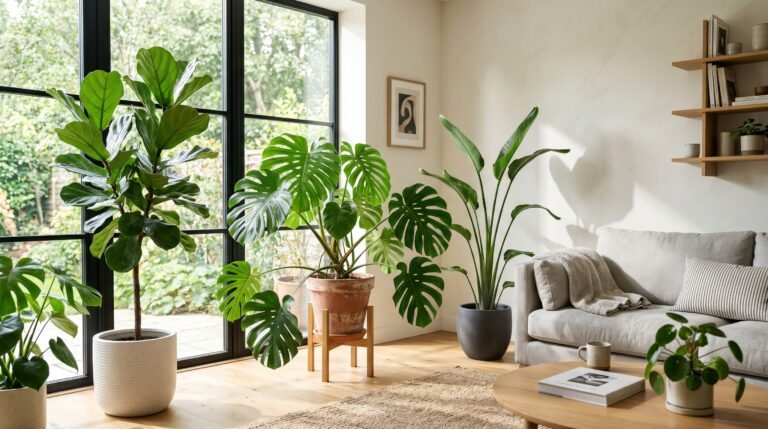
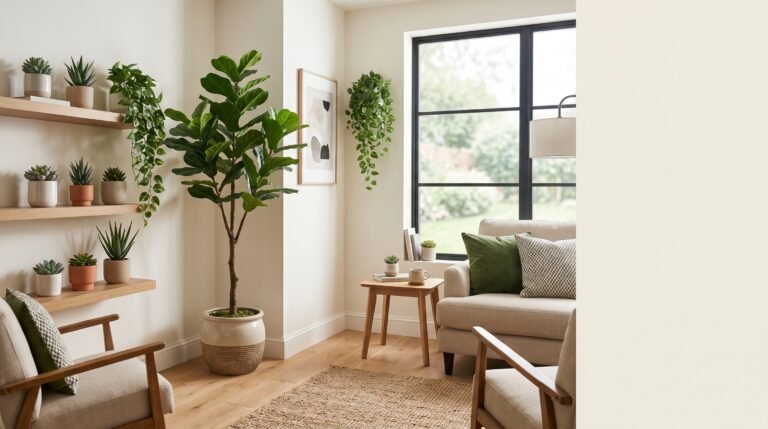
6. Rubber Plant (Ficus elastica)
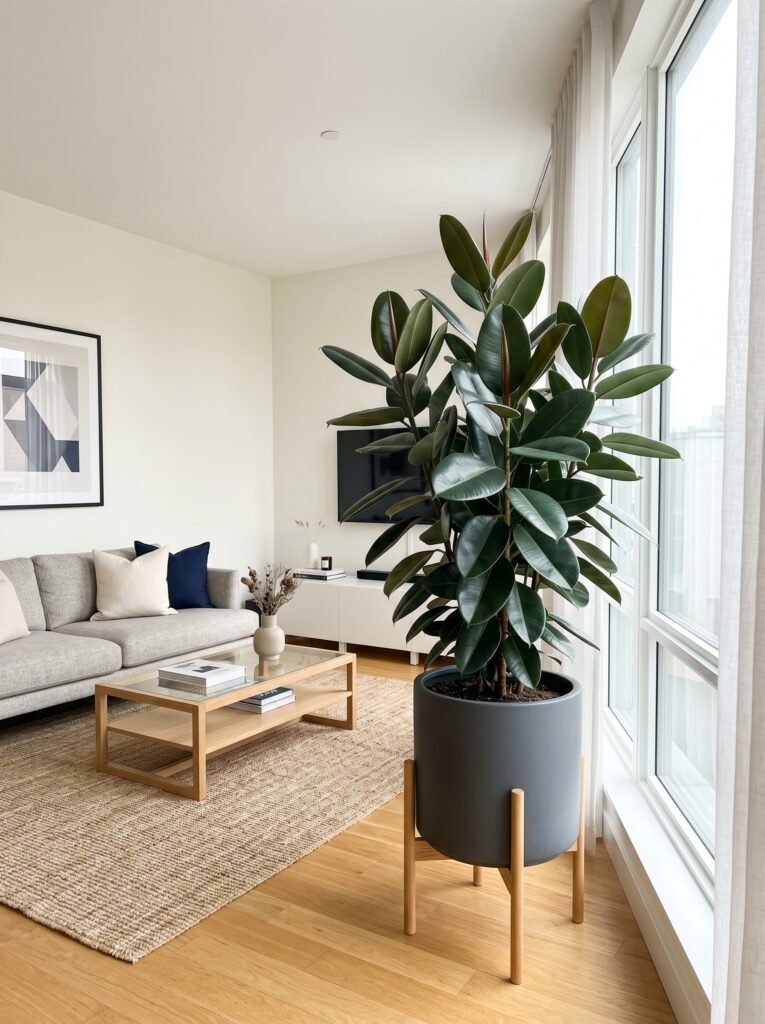
The rubber plant is a powerful air purifier that helps remove toxins like formaldehyde from indoor environments. Its large, glossy leaves not only look attractive but also absorb airborne chemicals effectively. It prefers bright, indirect light and moderate watering to thrive. This plant can grow quite tall, making it a striking statement piece in living rooms or hallways. Its bold appearance adds a modern and elegant touch to interior design.
7. Areca Palm (Dypsis lutescens)
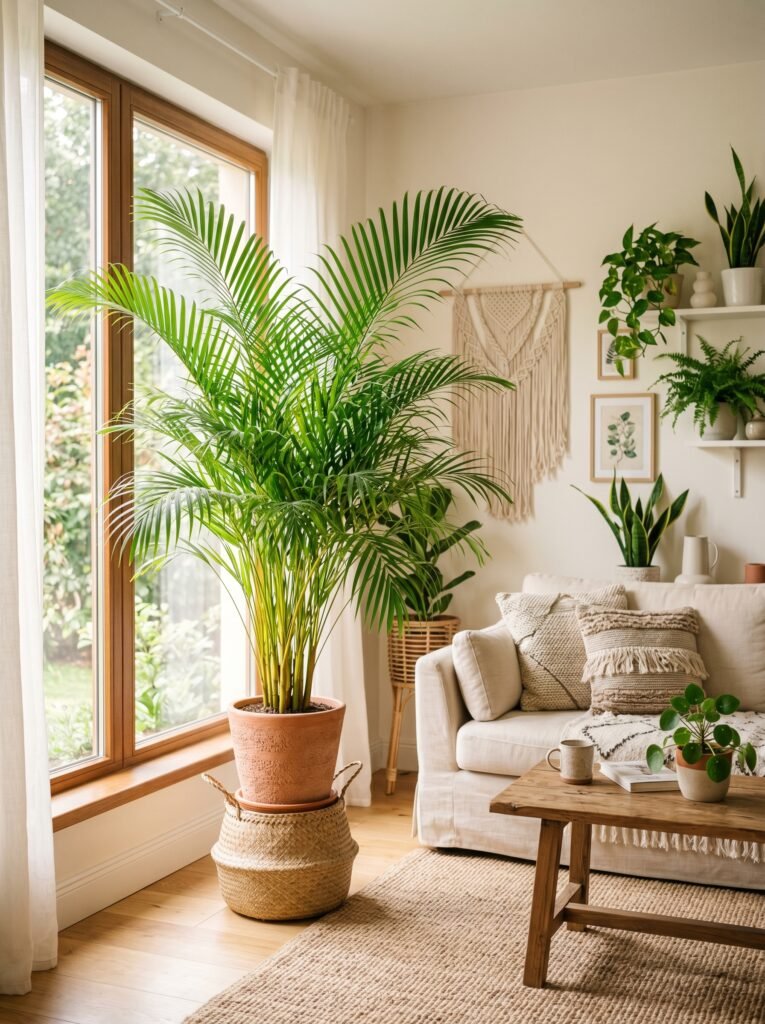
The areca palm is one of the best natural humidifiers among indoor plants, making it excellent for improving air quality. It helps filter toxins while also increasing moisture in dry indoor environments. Its feathery, arching fronds create a relaxing tropical atmosphere. Areca palms thrive in bright, indirect sunlight and require regular watering to stay healthy. This plant is perfect for large living spaces or open-plan homes.
8. Bamboo Palm (Chamaedorea seifrizii)
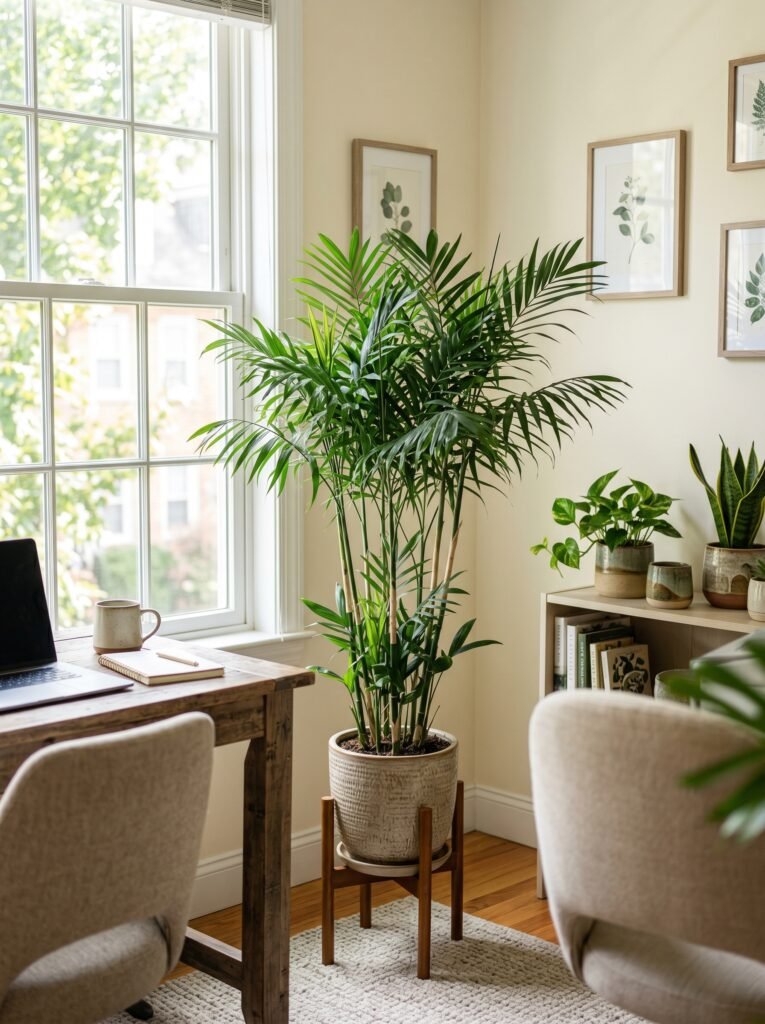
The bamboo palm is highly effective at filtering airborne toxins such as benzene and trichloroethylene. It also acts as a natural humidifier, improving overall air moisture levels. This plant prefers indirect light and consistent watering, making it moderately easy to care for. Its elegant, bamboo-like stems make it a popular decorative choice for indoor spaces. It works well in offices, bedrooms, and living rooms.
9. English Ivy (Hedera helix)
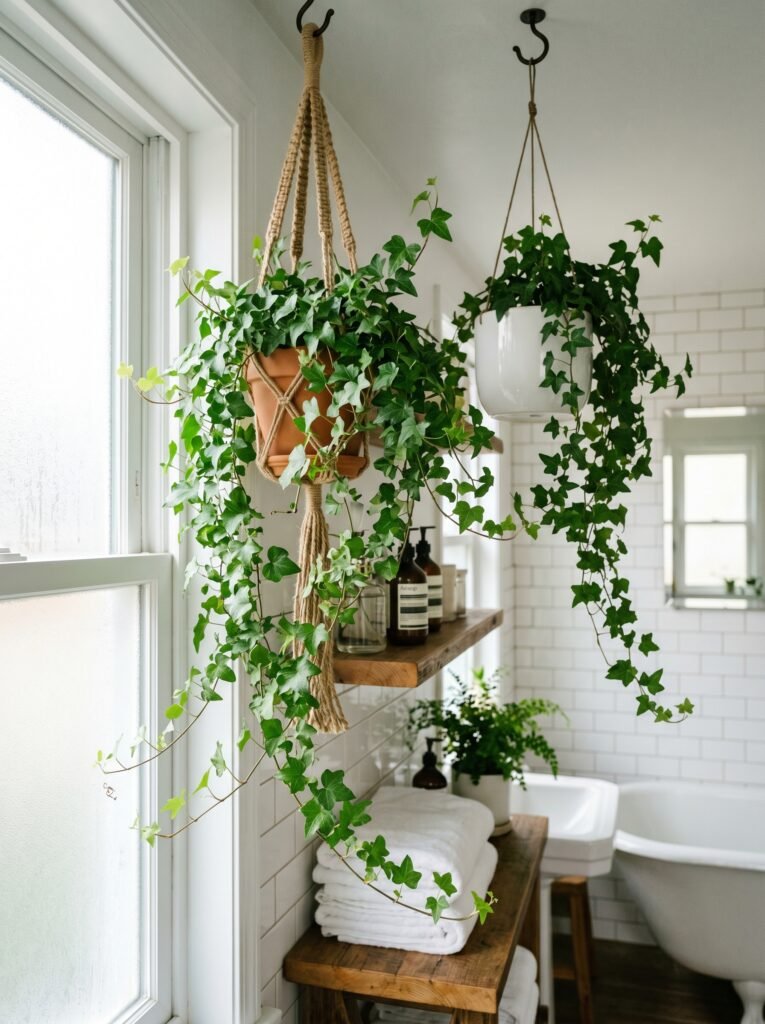
English ivy is known for its ability to reduce airborne mold particles and improve overall air cleanliness. It is particularly useful in bathrooms and kitchens where humidity levels are higher. This plant grows as a trailing vine, making it ideal for hanging pots or decorative shelves. English ivy prefers cool, shaded environments and regular watering. Its classic green leaves add a timeless charm to indoor décor.
10. Boston Fern (Nephrolepis exaltata)
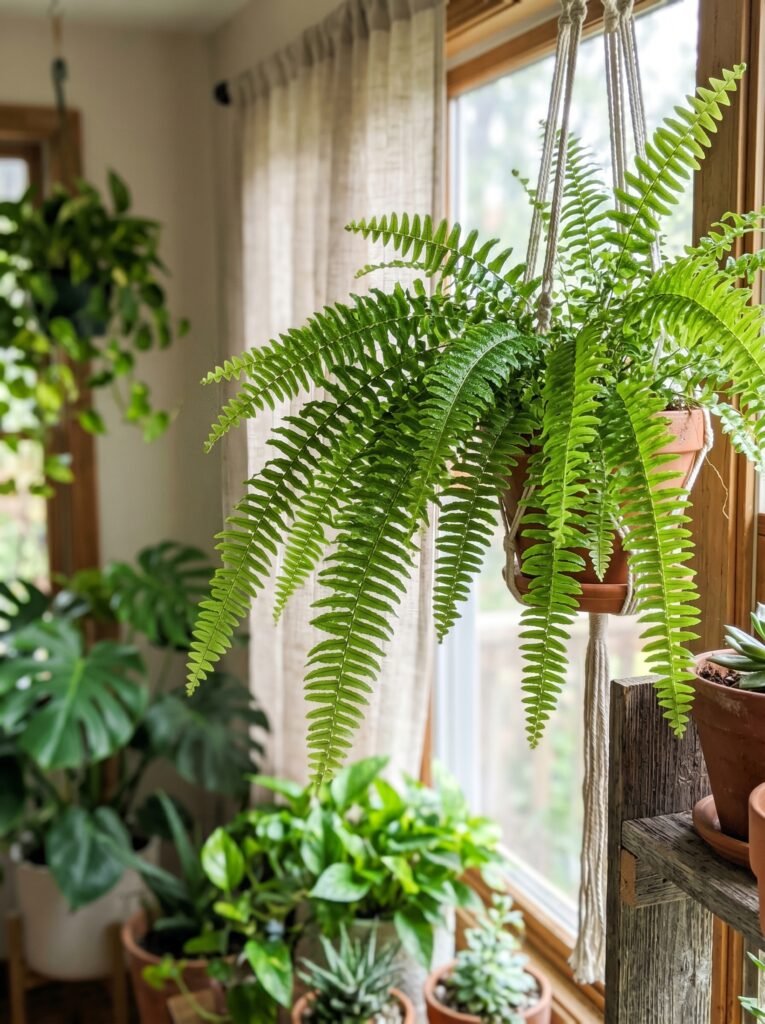
The Boston fern is an excellent natural air purifier that also helps maintain humidity levels indoors. It is especially effective in removing formaldehyde and other indoor pollutants. This plant thrives in cool, humid environments with indirect sunlight. It requires regular misting and watering to stay healthy and lush. Its soft, feathery fronds create a fresh and calming atmosphere in any room.
11. Dracaena
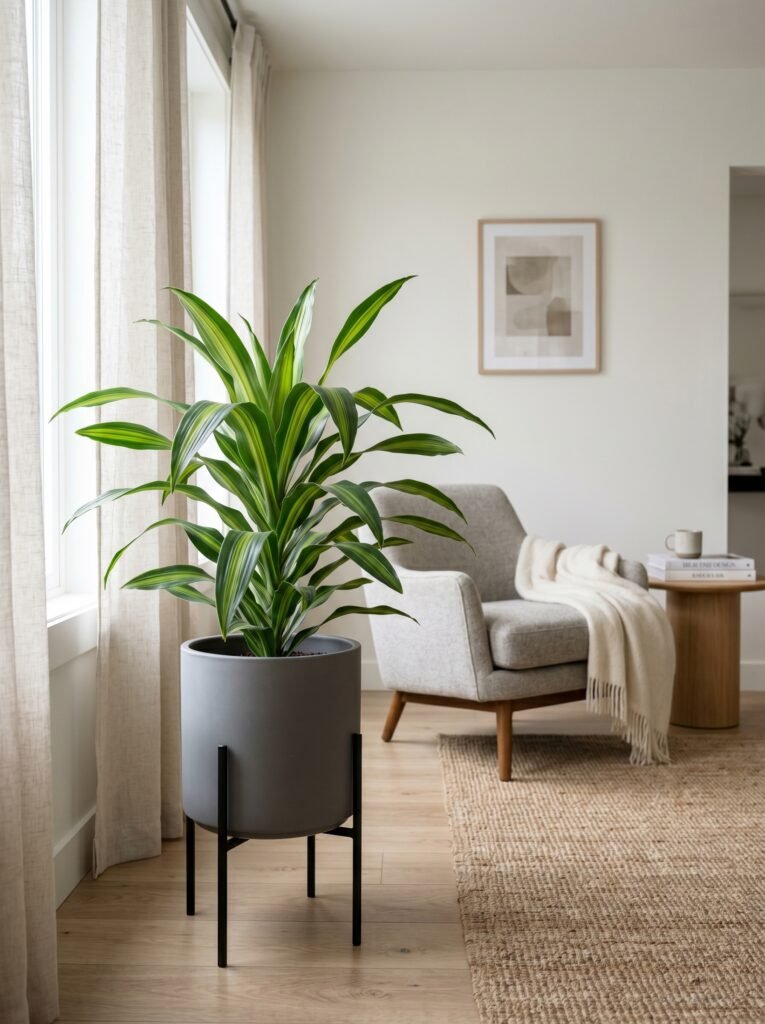
Dracaena plants come in many varieties and are well-known for their ability to remove toxins like xylene and trichloroethylene. They are low-maintenance and can adapt to different lighting conditions, making them versatile for indoor use. Their long, striped leaves add a dramatic and modern look to interiors. Dracaena plants require moderate watering and well-drained soil. They are ideal for improving both air quality and visual appeal in homes.
12. ZZ Plant (Zamioculcas zamiifolia)
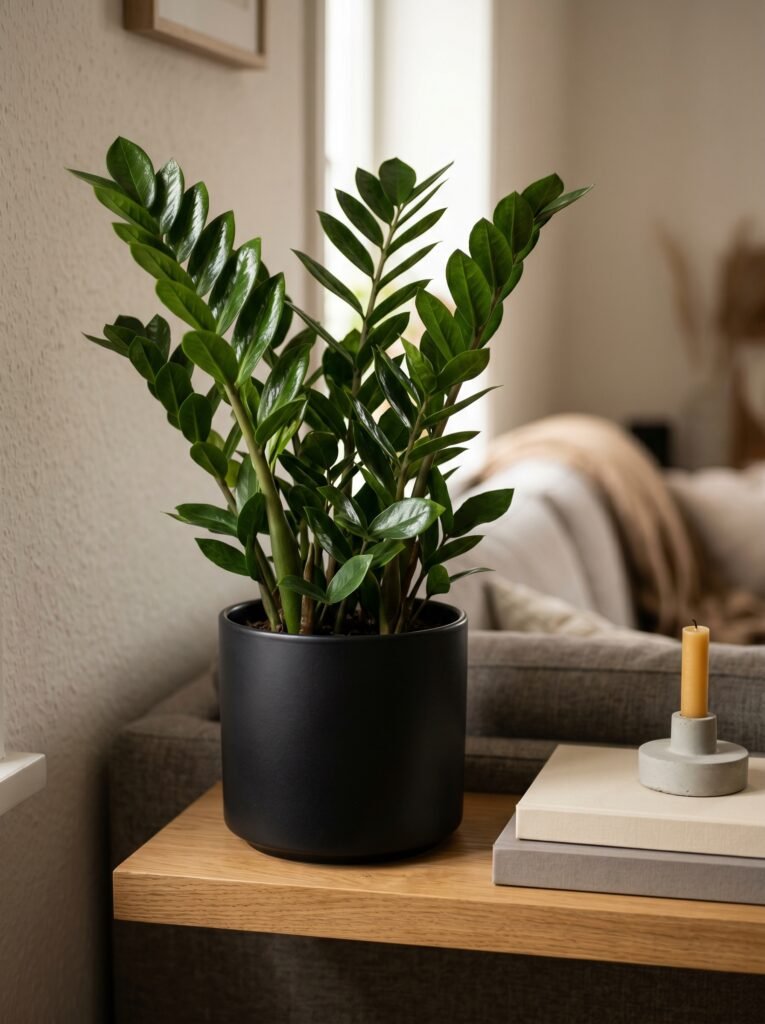
The ZZ plant is one of the toughest indoor plants, capable of surviving low light and infrequent watering. It helps improve air quality by filtering toxins and releasing oxygen. Its shiny, deep green leaves make it a stylish addition to any room. This plant is perfect for beginners or people with a busy lifestyle who still want greenery indoors. Its resilience and beauty make it a favorite for modern home décor.
13. How to Care for Healthy House Plants Indoor Air Quality
- Water Correctly – Give plants water only when soil feels dry to avoid root rot and keep them healthy.
- Give Proper Light – Place plants in a spot with good indirect sunlight for better growth and air cleaning.
- Clean Leaves Regularly – Wipe leaves to remove dust so plants can absorb more light and improve air quality.
- Use Well-Drained Soil – Good soil with drainage helps roots breathe and prevents overwatering problems.
- Prune and Maintain – Trim dead leaves and branches to keep plants fresh, strong, and more effective at purifying air.
13.1. FAQ
13.2. What are healthy house plants for indoor air quality❓
Healthy house plants that improve indoor air quality are plants that naturally filter toxins and increase oxygen levels inside the home. Common examples include snake plant, peace lily, spider plant, and aloe vera. These plants help remove harmful pollutants from the air and make the indoor environment fresher and more breathable.
13.4. How do indoor plants improve air quality❓
Indoor plants improve air quality by absorbing carbon dioxide and releasing oxygen through the process of photosynthesis. Some plants also filter out harmful chemicals like formaldehyde and benzene from the air. This helps create a cleaner and healthier living space, especially in closed rooms with limited ventilation.
14. Final Thoughts
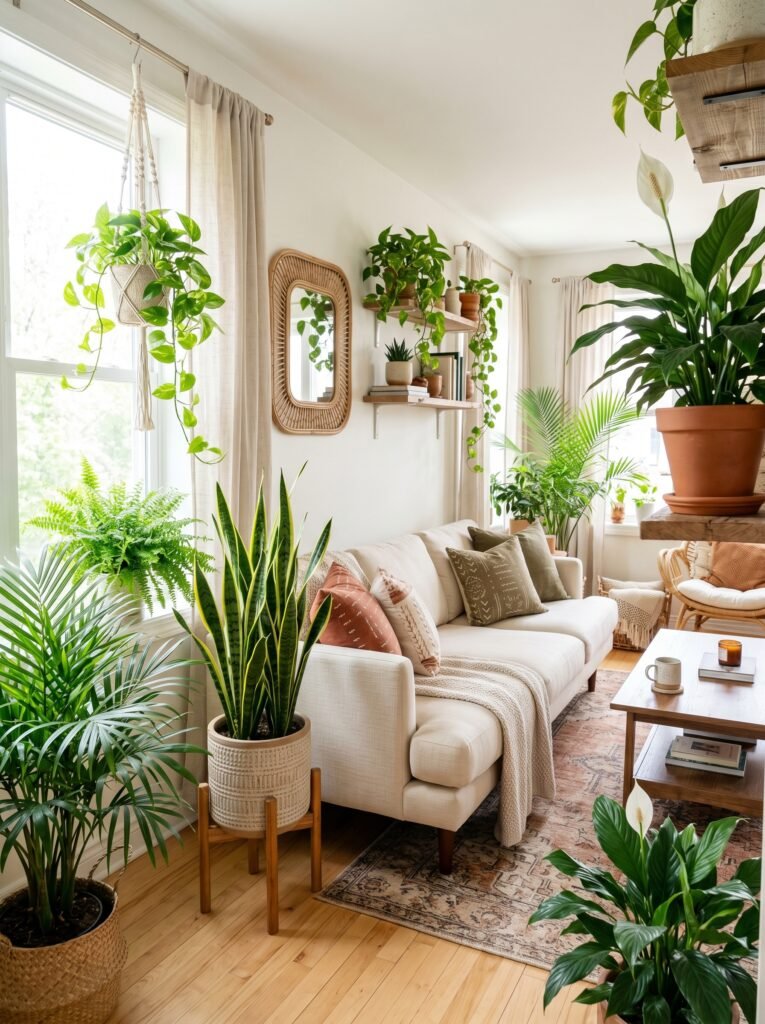
Healthy house plants are a simple yet powerful way to improve indoor air quality while enhancing the beauty of your living space. Each plant offers unique benefits, from filtering toxins and increasing oxygen to boosting humidity and reducing stress. Whether you choose low-maintenance options like snake plants and ZZ plants or more decorative choices like peace lilies and palms, every plant contributes to a healthier home environment. Incorporating these natural air purifiers into your space not only supports physical wellbeing but also creates a more peaceful and refreshing atmosphere. With the right selection of indoor plants, you can transform your home into a cleaner, greener, and more vibrant sanctuary.