Cut Flower Garden Layout Plan Ideas: Smart Designs for a Bloom-Filled Backyard
Blog > Home > cut flower garden layout > Cut Flower Garden Layout Plan Ideas: Smart Designs for a Bloom-Filled Backyard
Cut flower garden layout plan ideas help gardeners grow beautiful, healthy blooms in an organized and productive way. A well-planned cut flower garden layout ensures maximum sunlight, proper spacing, and easy harvesting throughout the growing season. Whether you’re a beginner gardener or expanding your backyard flower beds, having a structured plan increases flower production and reduces maintenance stress. From raised beds to row-style planting, thoughtful layouts make every square foot count. In this guide, you’ll discover twelve practical and creative cut flower garden layout plan ideas to design a thriving and visually stunning flower garden.
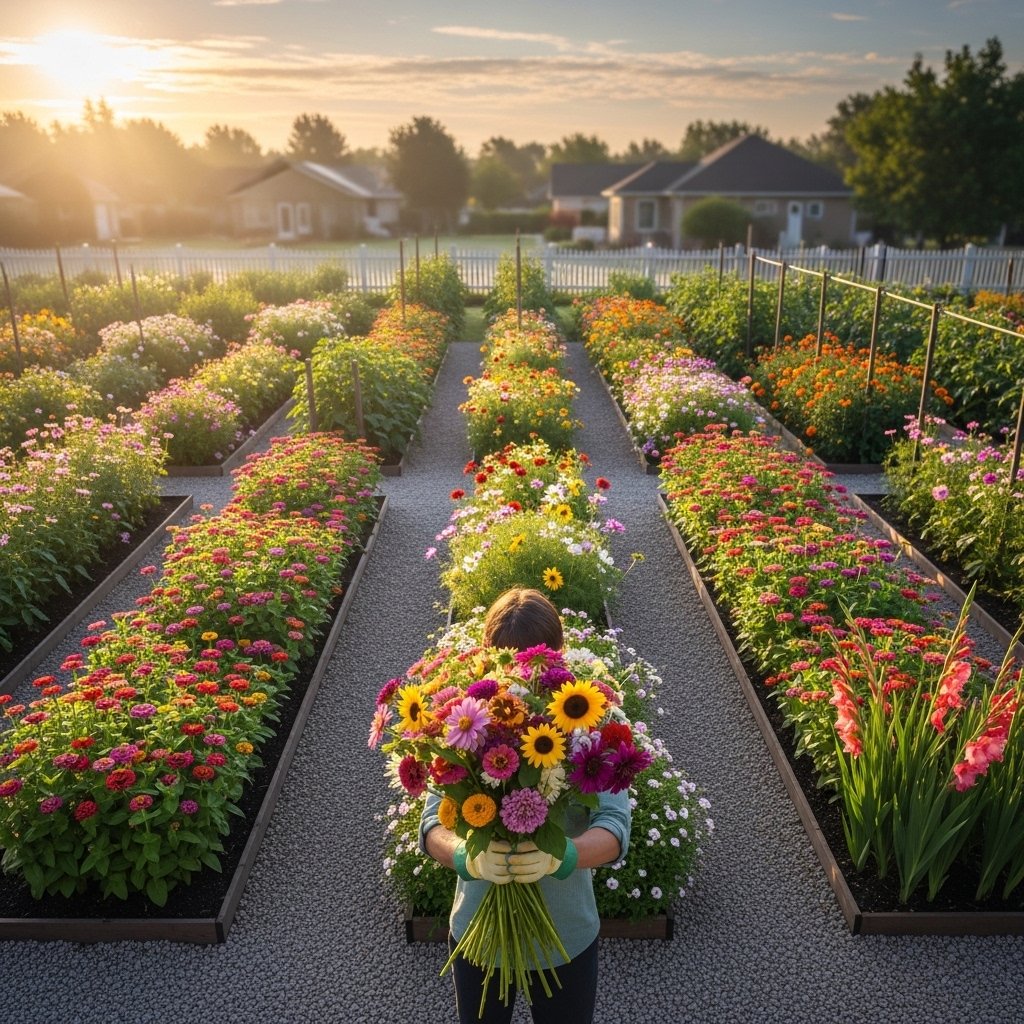
Table Of Content
1. Raised Bed Cut Flower Garden Layout
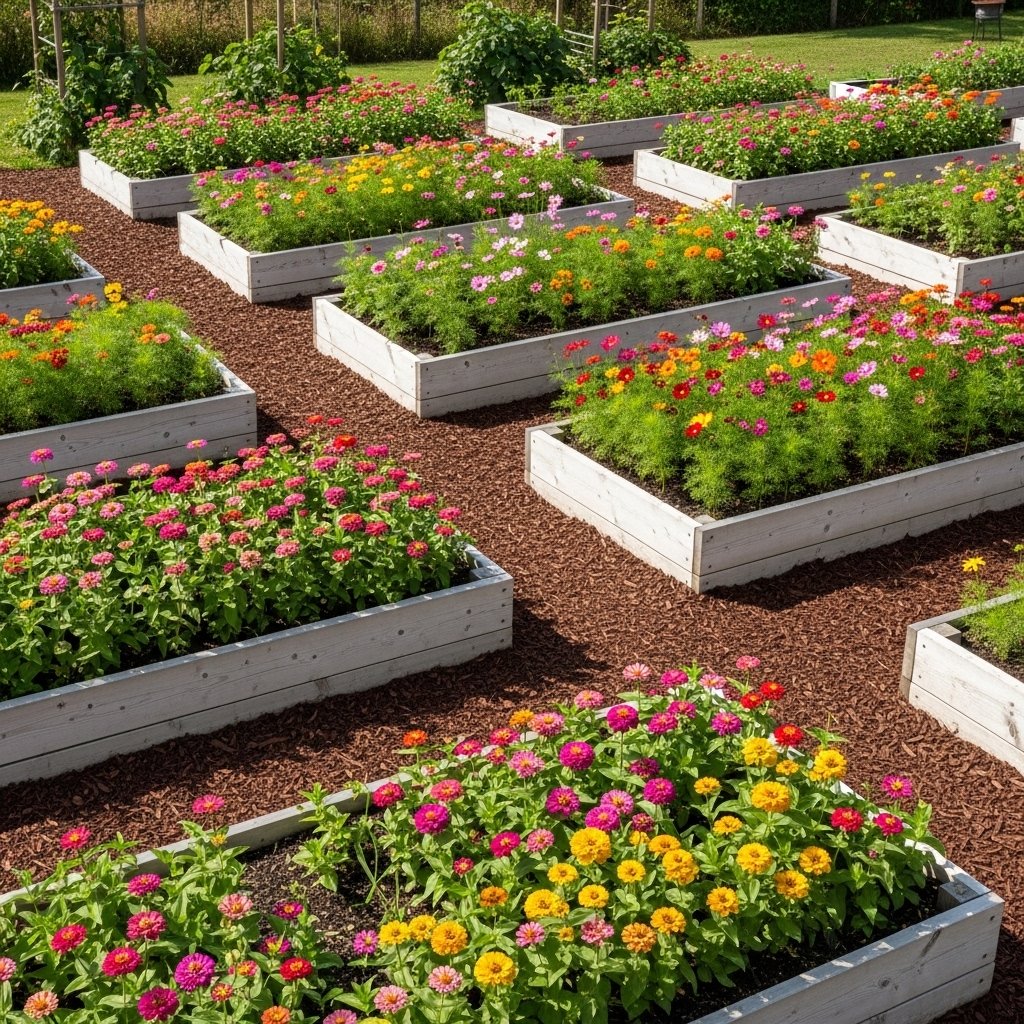
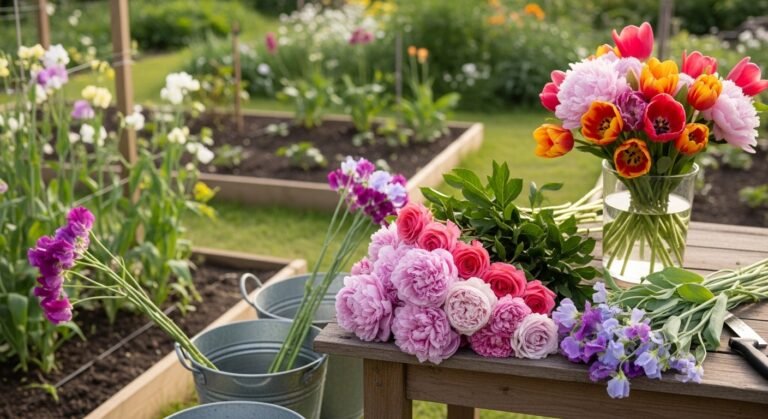
A raised bed cut flower garden layout is one of the most beginner-friendly design options. Raised beds improve drainage, warm up faster in spring, and create defined planting spaces that are easy to manage. Rectangular beds arranged in parallel rows allow efficient harvesting and simple maintenance. This layout works especially well for growing popular cut flowers like zinnias, cosmos, and snapdragons. Adding mulch between beds keeps weeds under control and makes the garden look neat and professional.
2. Traditional Row Planting Layout
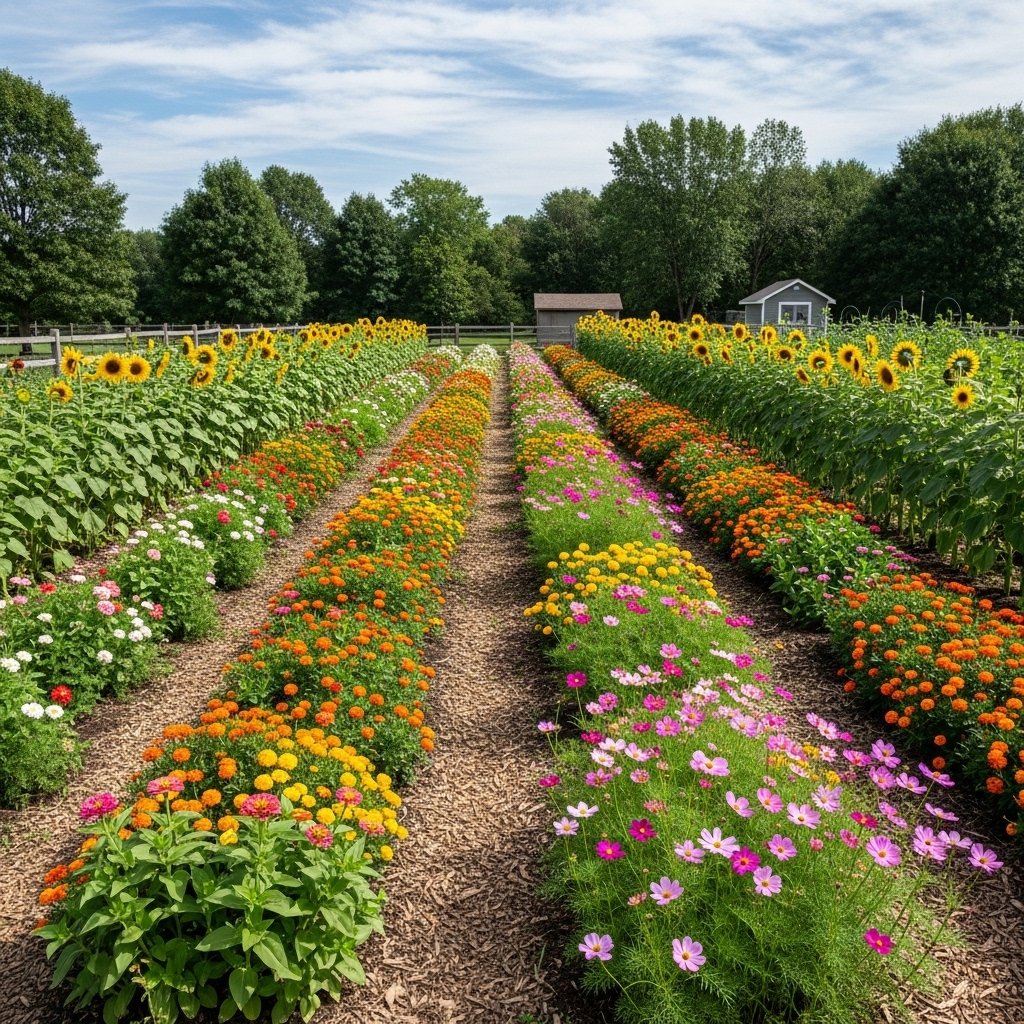
The traditional row planting layout is perfect for gardeners who want a farm-style cut flower garden. Flowers are planted in straight rows with walking paths in between for easy access and harvesting. This layout maximizes airflow between plants, reducing the risk of disease and overcrowding. It works well for large spaces and allows you to grow flowers in bulk for bouquets. Row planting is especially useful if you plan to sell cut flowers or create weekly arrangements.
3. Grid Pattern Garden Layout
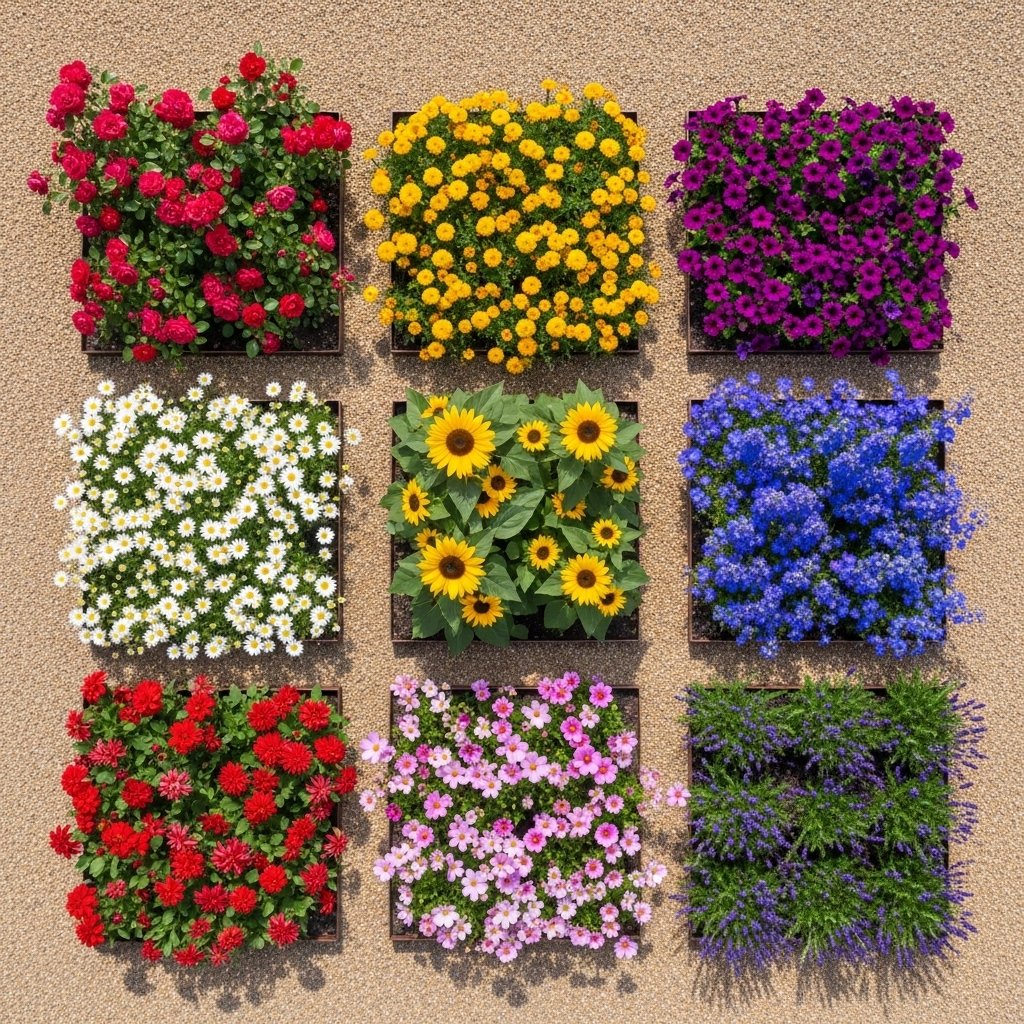
A grid pattern cut flower garden layout divides the garden into evenly spaced squares. Each square can contain a different flower variety, making crop rotation and organization simple. This layout helps maintain consistent spacing and encourages healthy plant growth. Gardeners love the grid method because it keeps the garden visually balanced and easy to manage. It’s an excellent option for medium-sized backyards where organization is key.
4. Cottage-Style Cut Flower Layout
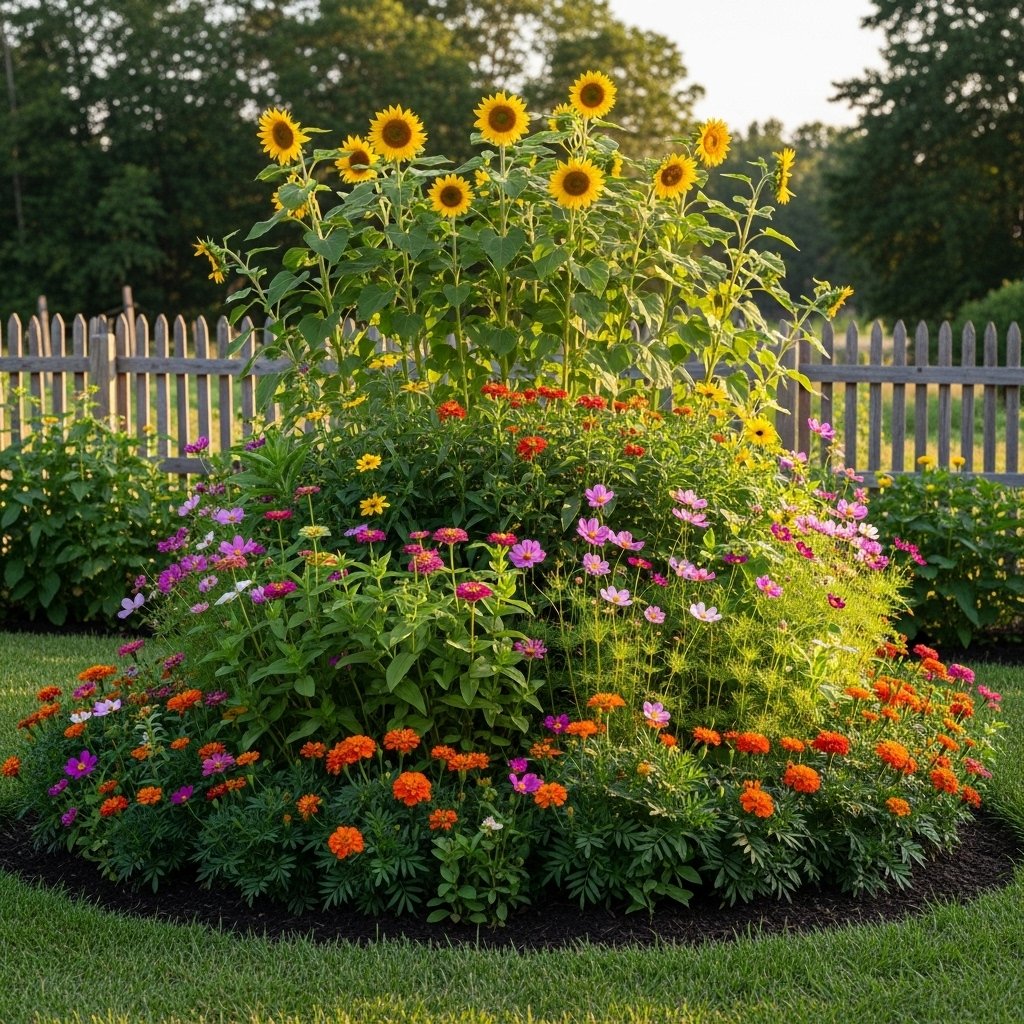
A cottage-style cut flower garden layout focuses on layered planting and soft, flowing designs. Taller flowers like sunflowers and hollyhocks are planted in the back, with medium and shorter blooms placed in front. This layered effect creates depth and a romantic, natural look. While it appears informal, the layout still requires planning to maintain accessibility for cutting flowers. Cottage-style layouts are ideal for homeowners who want beauty and functionality combined.
5. Circular Flower Bed Layout
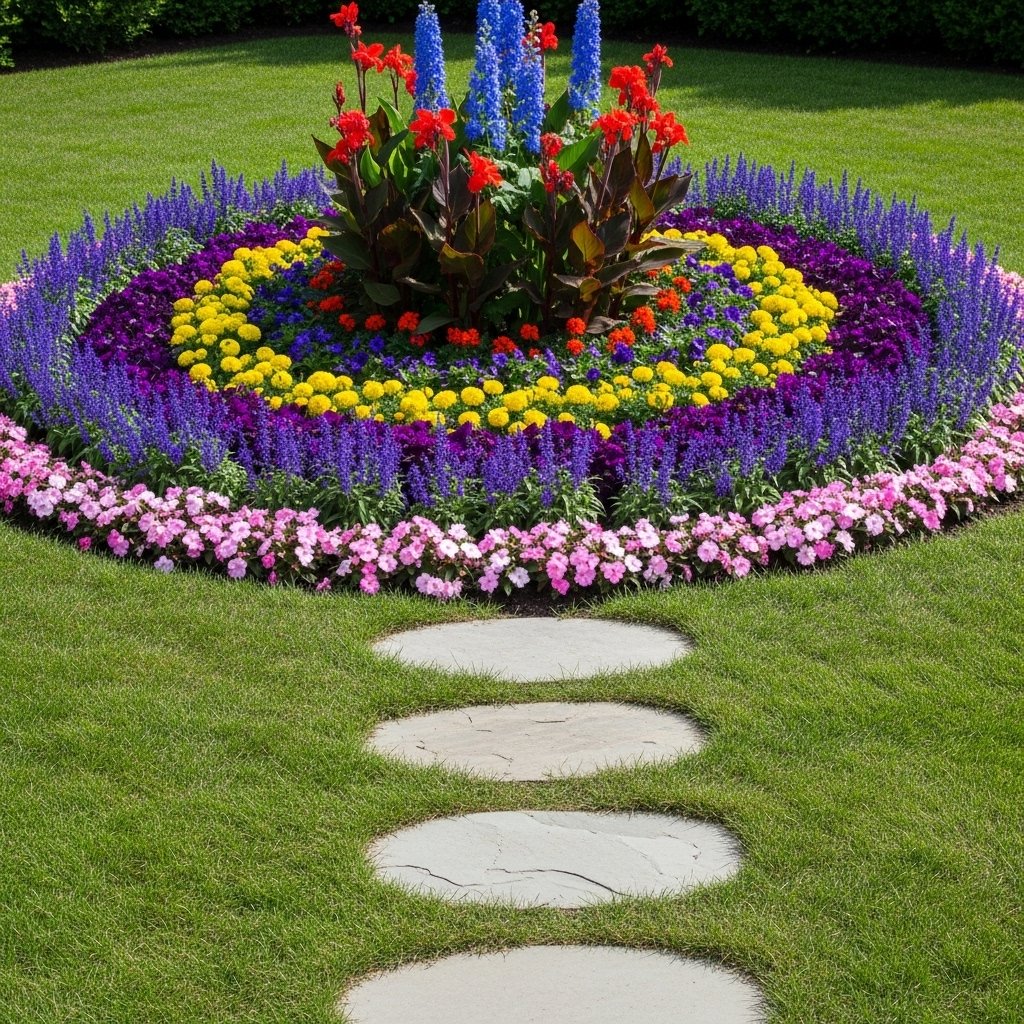
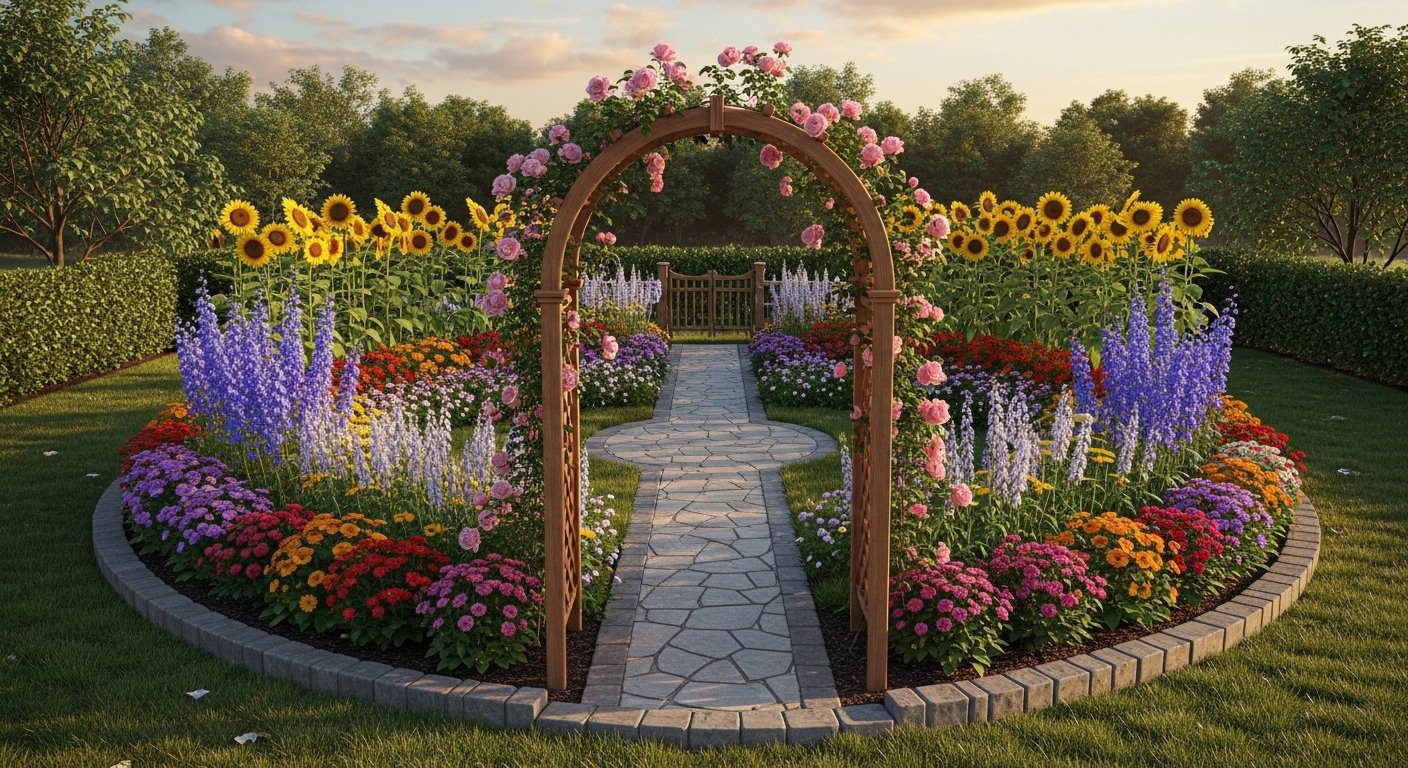
A circular cut flower garden layout adds a decorative focal point to your yard. Flowers are planted in concentric rings, often with taller blooms in the center and shorter varieties along the edges. This layout is visually appealing and works well in small to medium gardens. A stepping-stone path can be added for easy access to the center plants. Circular designs bring symmetry while still allowing efficient flower harvesting.
6. U-Shaped Garden Layout Plan
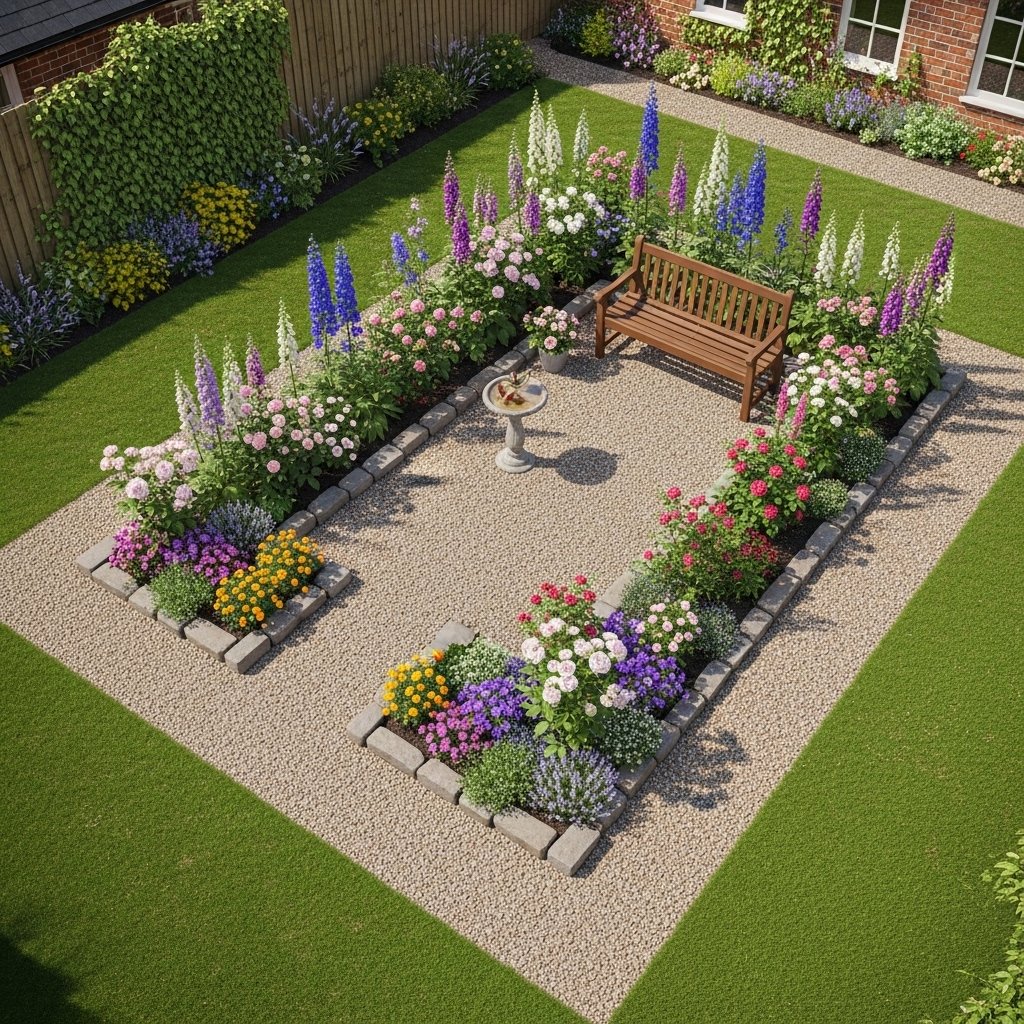
A U-shaped cut flower garden layout wraps around a central walking area, creating easy access to all plants. This design maximizes space in smaller yards by utilizing corner areas efficiently. Gardeners can plant taller varieties along the back and shorter ones along the front edges. The central space can be used for seating or decorative elements. This layout blends productivity with a cozy backyard atmosphere.
7. Raised Row with Pathways Layout
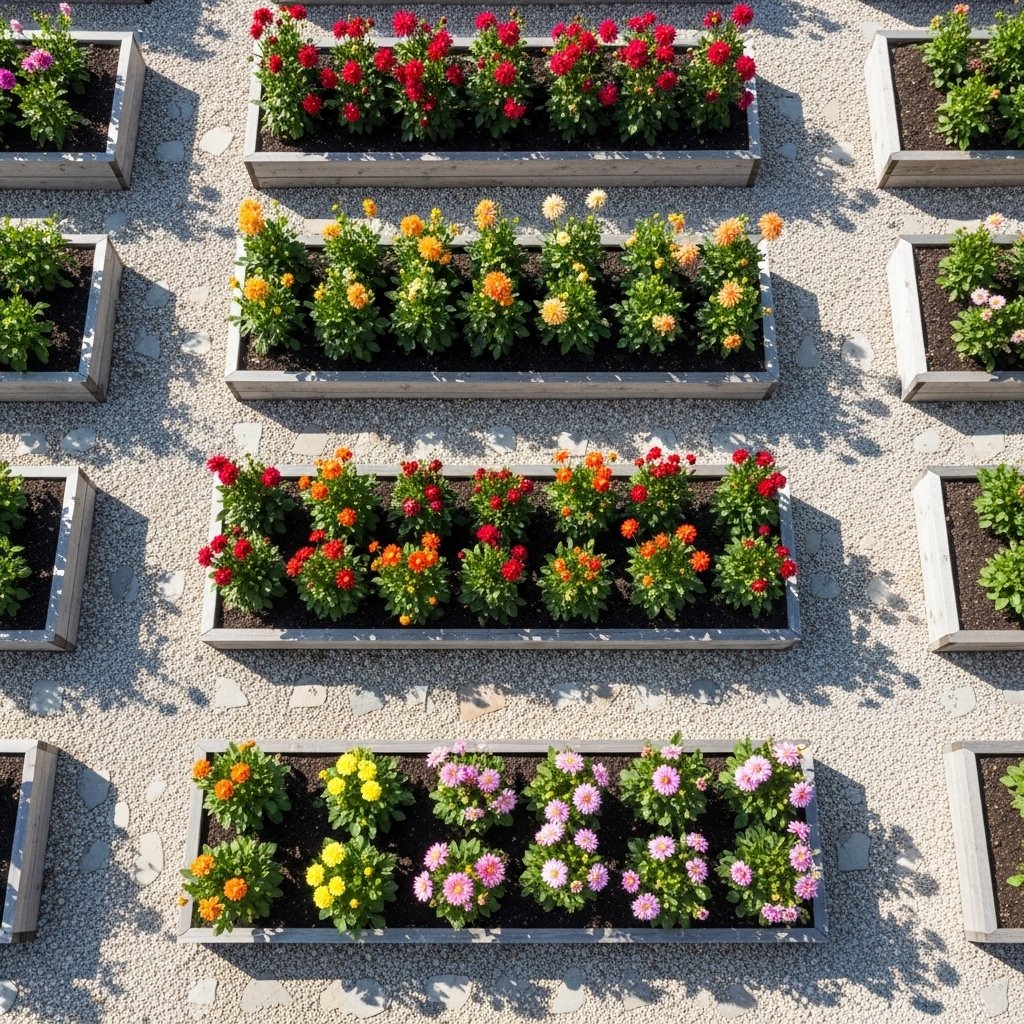
This layout combines raised rows with clearly defined pathways for optimal organization. Gravel, mulch, or stepping stones can separate planting areas for clean lines and weed control. Raised rows allow better soil management and reduce bending while harvesting. This design is highly efficient for growing high-yield flowers like dahlias and lisianthus. It’s a practical choice for serious gardeners focused on flower production.
8. Small Backyard Cut Flower Layout
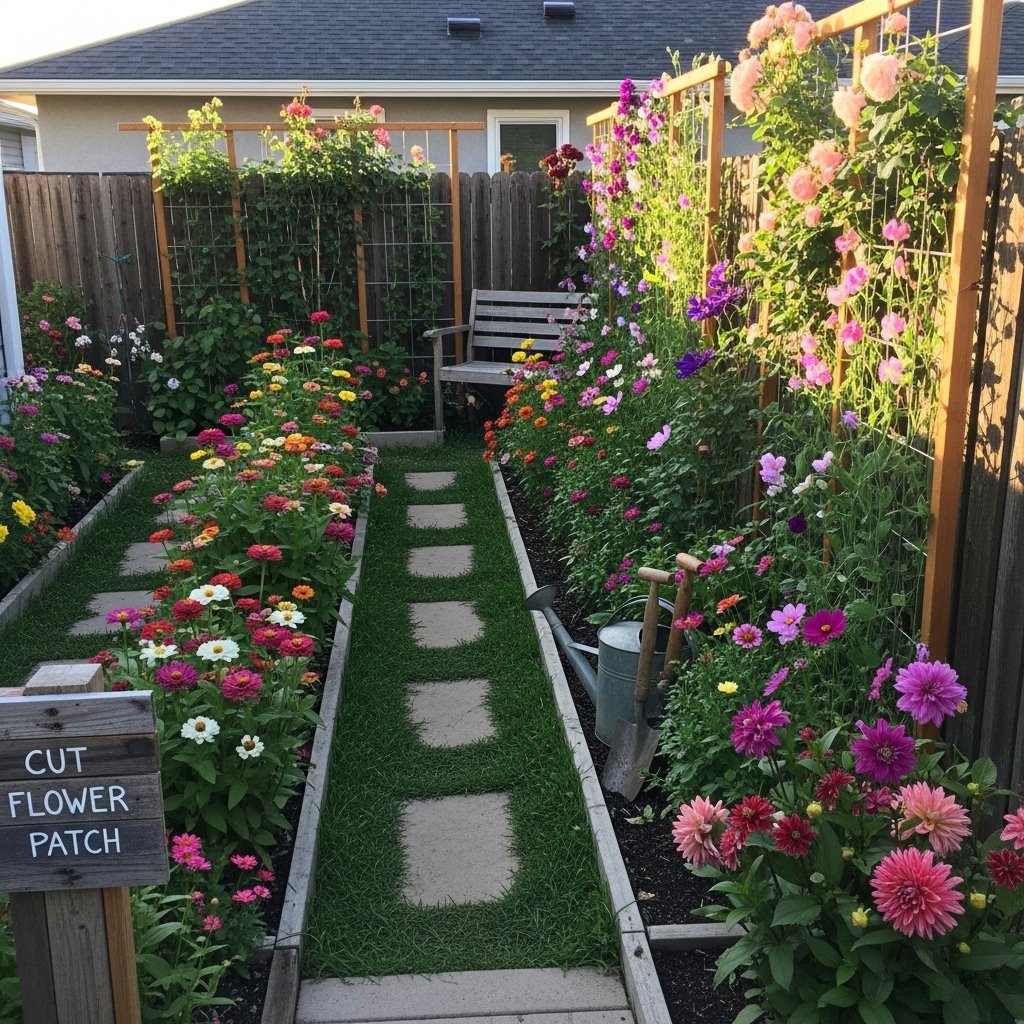
A small backyard cut flower garden layout focuses on maximizing limited space. Vertical supports, compact flower varieties, and narrow beds make the most of every inch. Arranging plants based on height ensures sunlight reaches all blooms evenly. This layout works well in suburban homes where space is limited but creativity is unlimited. With careful planning, even a small garden can produce abundant cut flowers.
9. Companion Planting Layout Plan
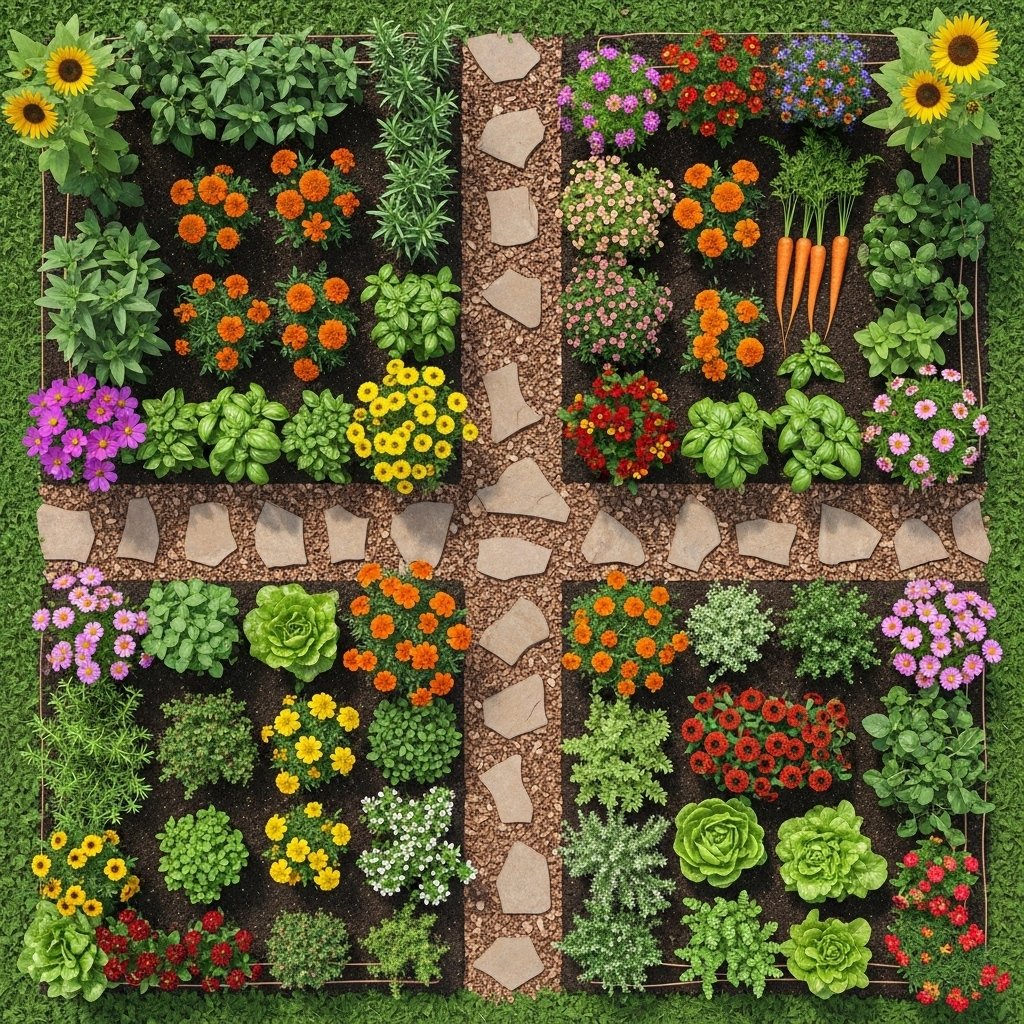
Companion planting layouts incorporate flowers that benefit one another when grown together. For example, marigolds can help deter pests while supporting nearby blooms. Grouping compatible flowers improves soil health and overall plant strength. This layout encourages biodiversity while keeping the garden balanced and thriving. It’s an excellent strategy for organic gardeners who want natural pest control.
10. Seasonal Rotation Layout
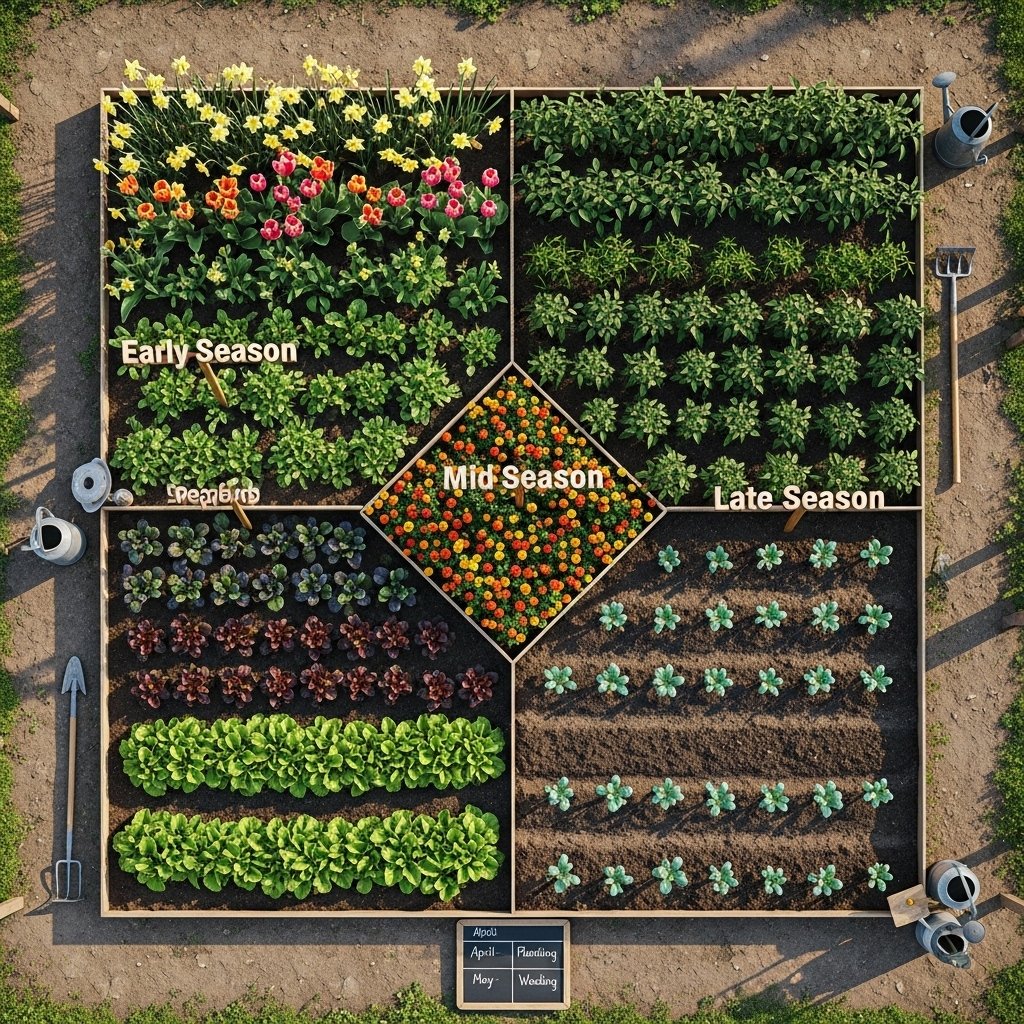
A seasonal rotation cut flower garden layout ensures continuous blooms throughout spring, summer, and fall. Early-season flowers are planted in one section, followed by mid- and late-season varieties in others. This staggered planning keeps your garden productive for months. Rotating crops also improves soil health and prevents nutrient depletion. It’s a smart long-term layout for gardeners who want consistent bouquets all year.
11. Color-Coordinated Garden Layout
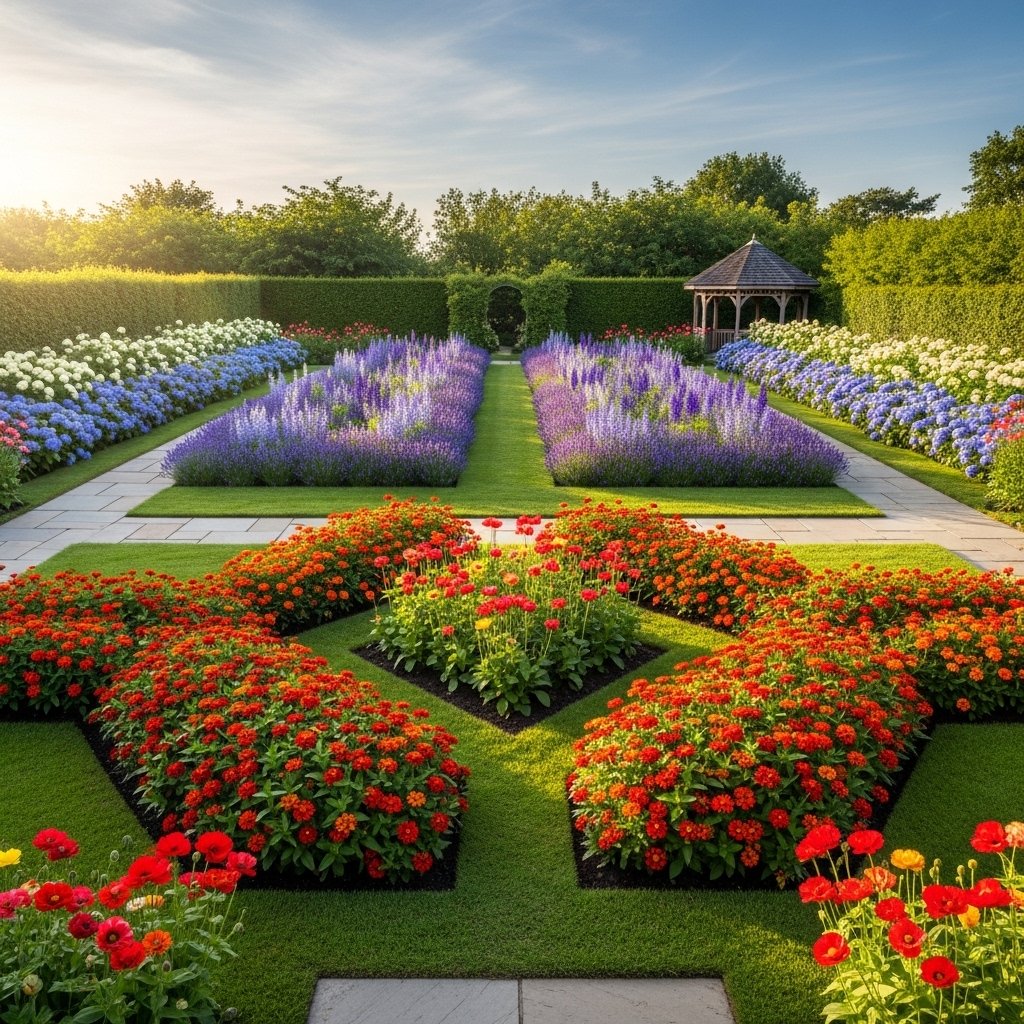
A color-coordinated cut flower garden layout groups flowers based on color themes. Sections may feature warm tones like red and orange or cool tones like purple and blue. This design makes harvesting for specific bouquet palettes simple and efficient. It also creates a visually stunning garden that looks organized and intentional. Color-based layouts are perfect for photographers and floral designers.
12. Market-Style Intensive Planting Layout
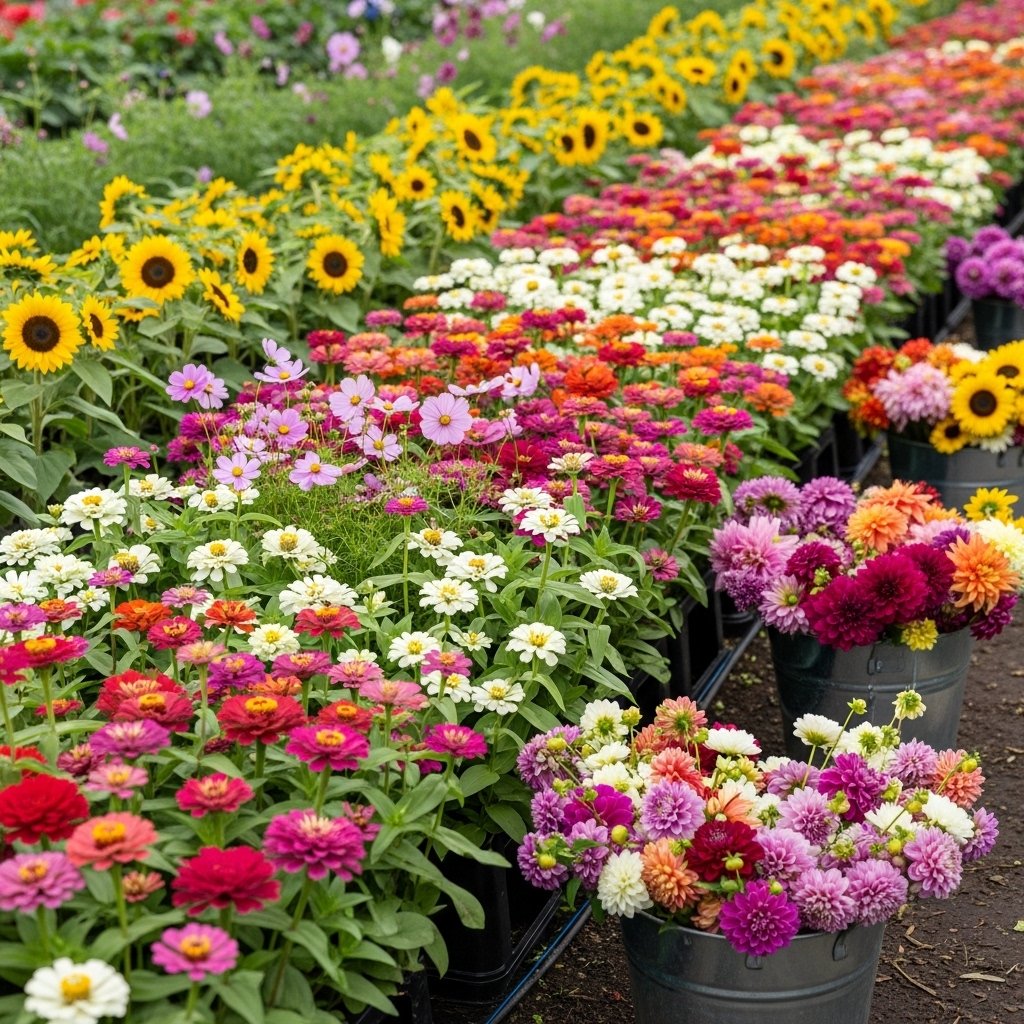
A market-style cut flower garden layout focuses on high-density planting for maximum yield. Flowers are spaced efficiently while maintaining airflow and sunlight access. This layout is ideal for gardeners selling bouquets at local markets. Organized planting beds allow easy succession planting and quick harvesting. It’s a productive and professional approach for serious cut flower growers.
13. How to Care for a Cut Flower Garden Plan
- Water Properly – Give flowers deep watering 2–3 times a week, depending on weather, to keep roots strong and healthy.
- Remove Dead Flowers – Cut faded or dead blooms regularly to help new flowers grow faster.
- Add Nutrients – Use compost or balanced fertilizer to keep the soil rich and support continuous blooming.
- Control Weeds & Pests – Remove weeds often and check plants for insects to prevent damage.
- Prune and Harvest Correctly – Trim plants carefully and harvest flowers at the right time to encourage more growth.
13.1. FAQ
13.2. What is a cut flower garden layout plan❓
A cut flower garden layout plan is a structured design that shows how and where different flowers will be planted for harvesting. It helps organize the garden in neat rows or sections so flowers can grow properly and be easily cut when they bloom. A well-planned layout ensures good spacing, sunlight exposure, and smooth walking paths, making the garden both productive and visually appealing.
13.3. How do you design a simple cut flower garden layout❓
To design a simple cut flower garden layout, start by choosing a sunny location with good soil drainage. Divide the space into rows or rectangular beds so flowers can be planted in an organized way. Group flowers according to their height, placing taller varieties at the back and shorter ones at the front. Leave enough space between rows for walking and harvesting comfortably.
13.4. Which flowers are best for a cut flower garden plan❓
The best flowers for a cut flower garden plan are those that produce long stems and bloom repeatedly. Popular choices include sunflowers, zinnias, dahlias, cosmos, and marigolds. These flowers are easy to grow and provide colorful blooms throughout the season. Selecting a mix of early, mid, and late-season flowers ensures a continuous supply of fresh cut flowers.
14. Final Thoughts
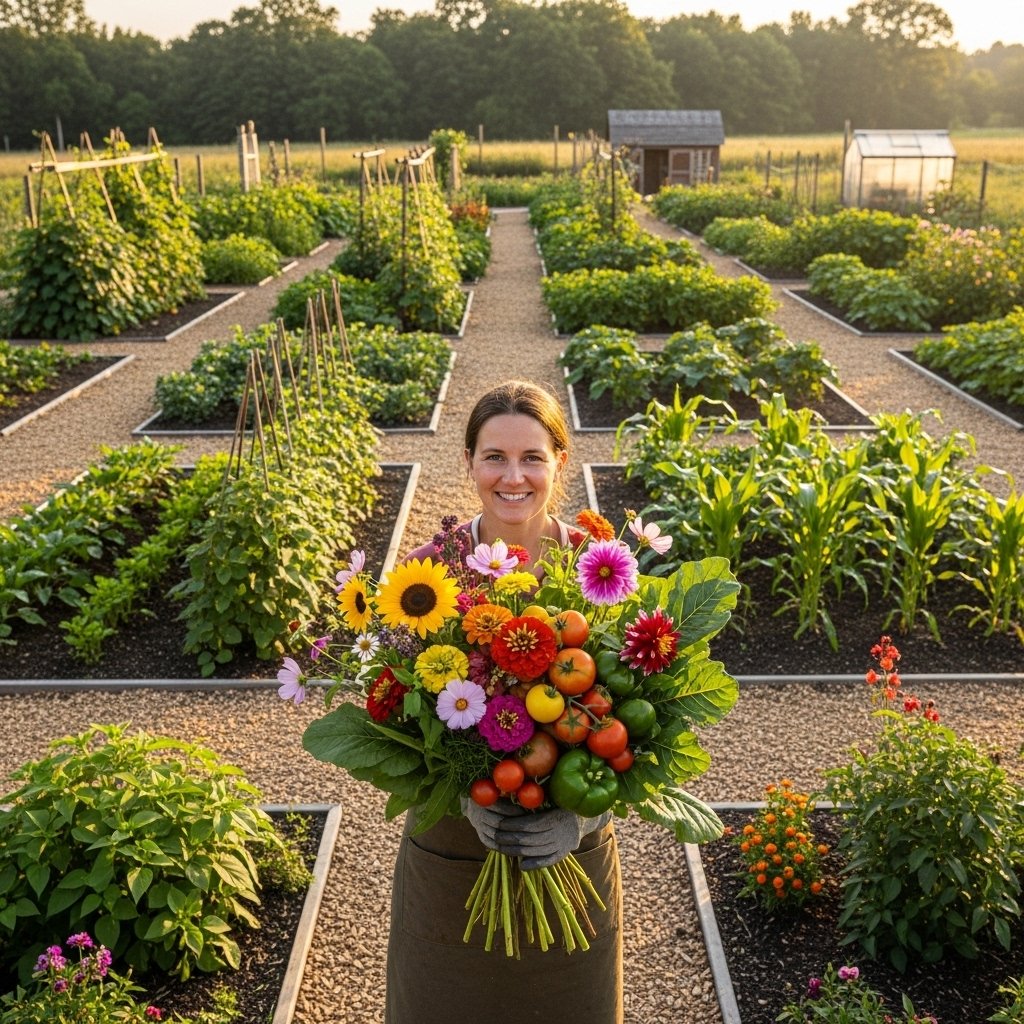
Cut flower garden layout plan ideas are essential for creating a productive, organized, and beautiful flower-growing space. Whether you choose raised beds, row planting, or decorative circular designs, proper planning makes harvesting easier and more enjoyable. Thoughtful layouts improve airflow, sunlight exposure, and overall plant health throughout the season. With the right structure, even small gardens can produce stunning blooms for bouquets and home décor. Start planning your cut flower garden layout today and enjoy fresh, homegrown flowers all season long.