Beginner Cut Flower Garden Layout: A Simple Guide to Growing Beautiful Blooms at Home
Blog > Home > cut flower garden layout > Beginner Cut Flower Garden Layout: A Simple Guide to Growing Beautiful Blooms at Home
A beginner cut flower garden layout is the perfect way to grow fresh, beautiful blooms right in your backyard. Whether you want flowers for home décor, bouquets, or gifting, a well-planned layout makes gardening easier and more productive. Many beginners feel overwhelmed when starting a cut flower garden, but with the right structure and plant choices, success becomes simple and rewarding. A thoughtful garden design helps maximize space, improve plant health, and increase flower production throughout the season. In this guide, you’ll discover twelve practical and easy ideas to help you design the perfect beginner cut flower garden layout.
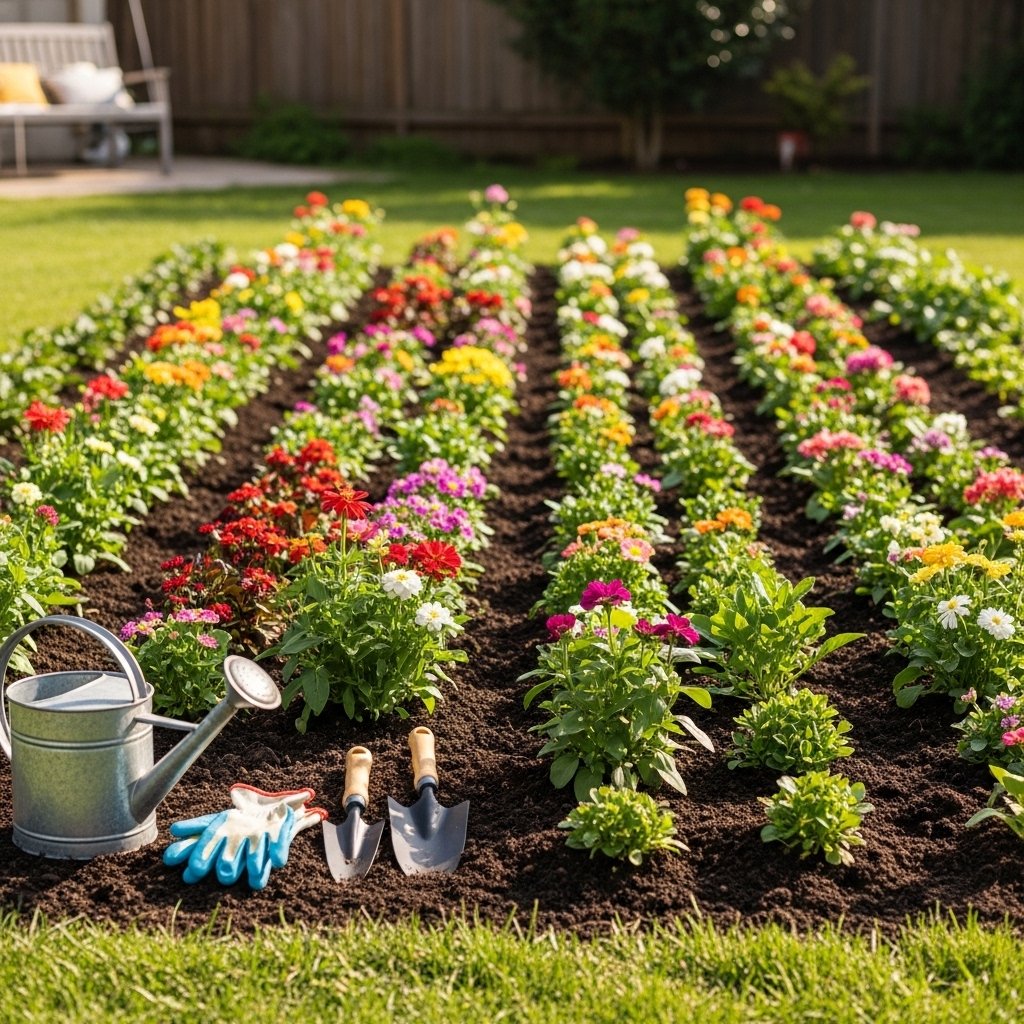
Table Of Content
1. Choose the Right Location for Maximum Sunlight
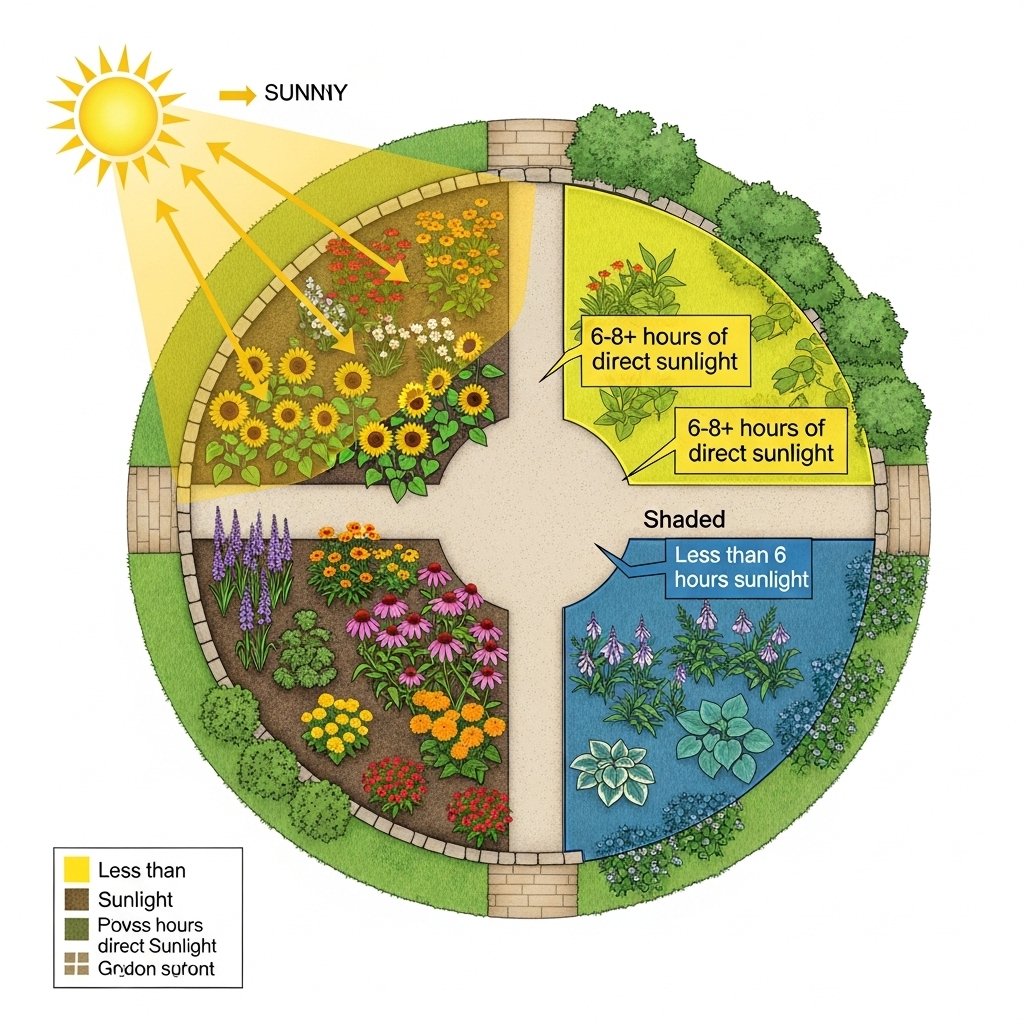
The first step in designing a beginner cut flower garden layout is selecting a location with full sunlight. Most cut flowers need at least six to eight hours of direct sunlight daily to produce strong stems and vibrant blooms. Avoid areas with heavy shade or large tree roots that compete for nutrients. Good sunlight exposure improves plant growth, reduces disease risk, and increases bloom production. A sunny, open space ensures your garden thrives from early spring through late summer.
2. Start with a Simple Rectangular Bed Design
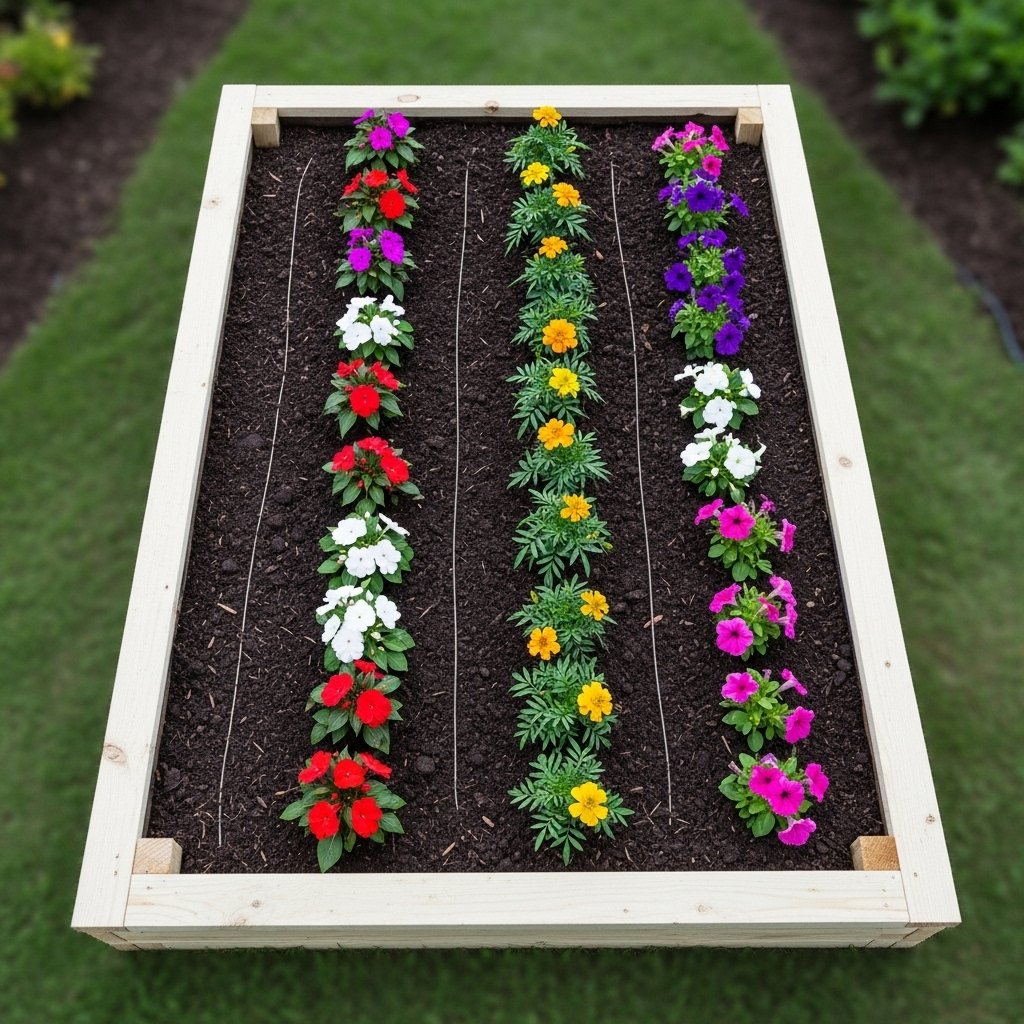
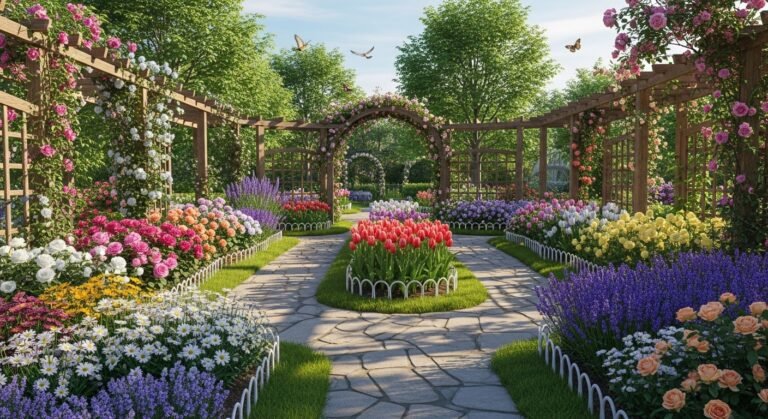
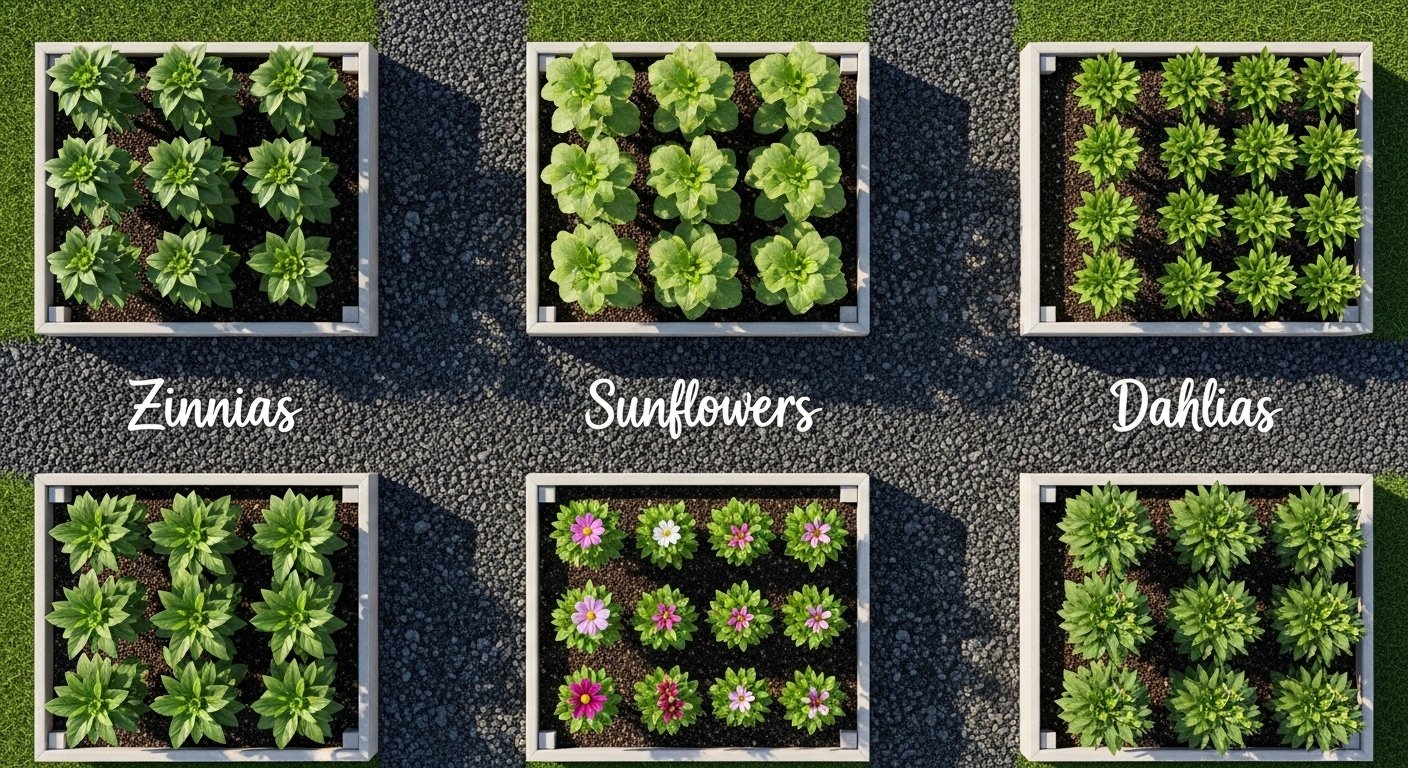
For beginners, a rectangular or square bed layout is the easiest and most manageable option. Straight rows make planting, watering, and harvesting flowers much more efficient. Raised beds can also improve drainage and soil quality, especially in areas with heavy clay soil. Keeping the layout simple reduces confusion and allows better organization of different flower varieties. A clean, structured bed design creates a professional-looking cut flower garden without complicated planning.
3. Plan for Easy Walking Paths
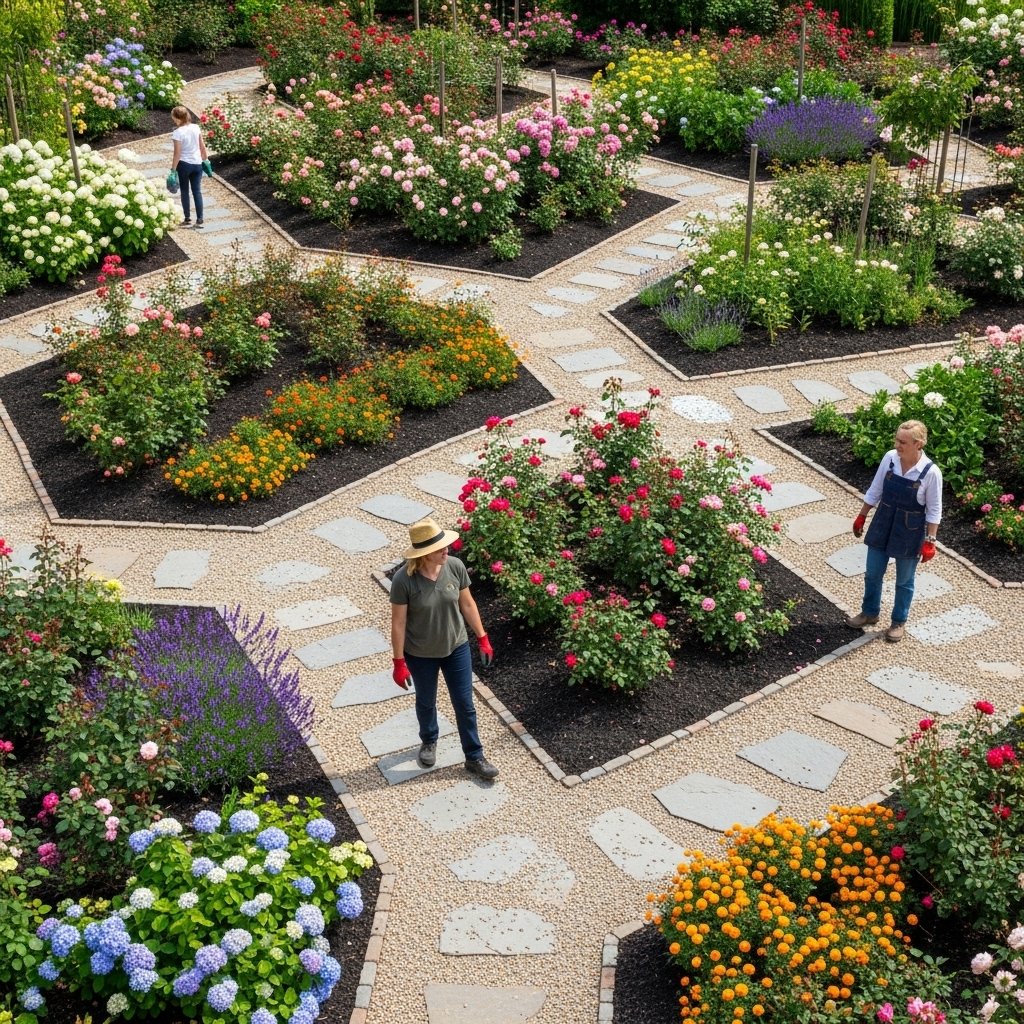
A successful beginner cut flower garden layout should always include walking paths between rows. Paths prevent soil compaction around plant roots and allow easy access for harvesting blooms. Gravel, mulch, or stepping stones can define pathways while keeping weeds under control. Wide enough paths make watering, pruning, and maintaining plants more comfortable. Thoughtful path placement keeps your garden organized and accessible throughout the growing season.
4. Group Flowers by Height
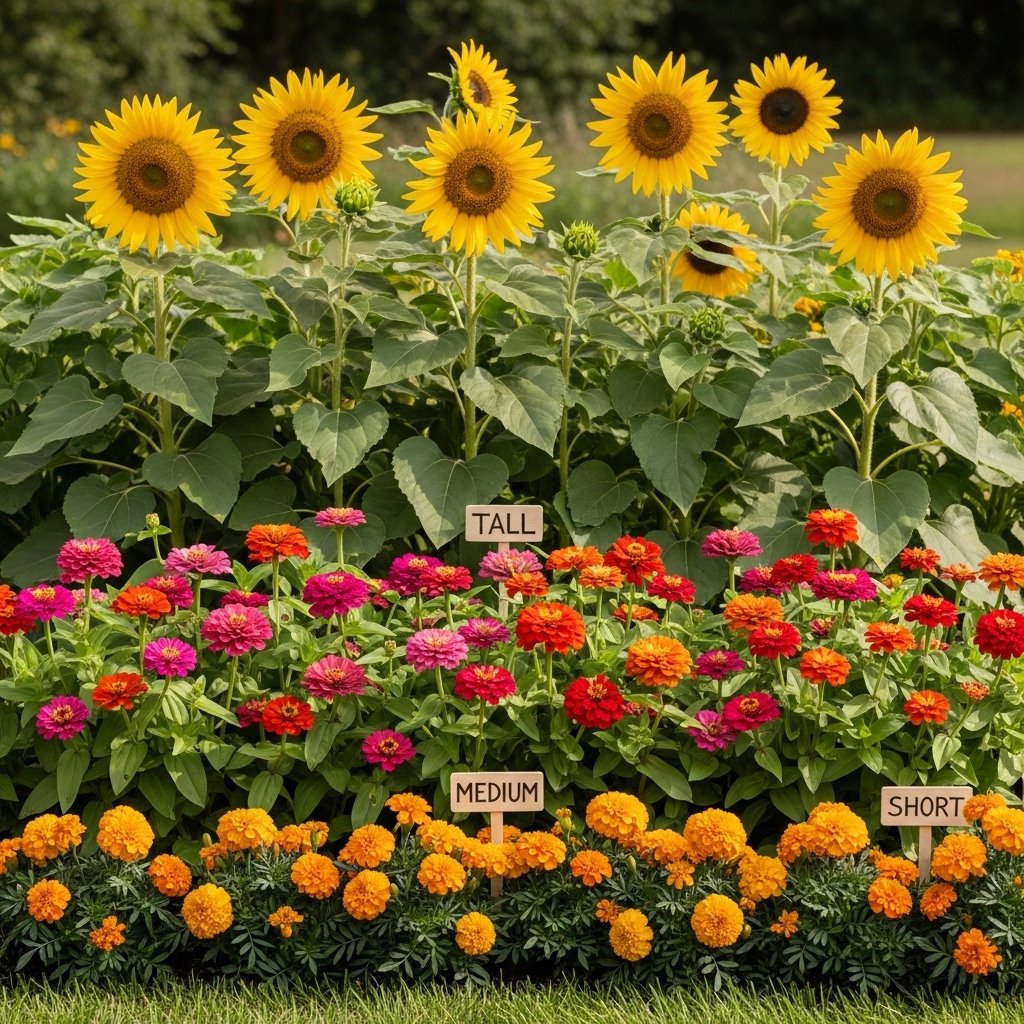
When designing your layout, arrange flowers according to their mature height. Taller varieties should be planted at the back of the bed or in the center if accessible from all sides. Medium-height flowers belong in the middle rows, while shorter blooms should be placed in the front. This layered design ensures every plant receives enough sunlight without being overshadowed. Grouping by height also creates a visually appealing and balanced garden display.
5. Choose Easy-to-Grow Flower Varieties
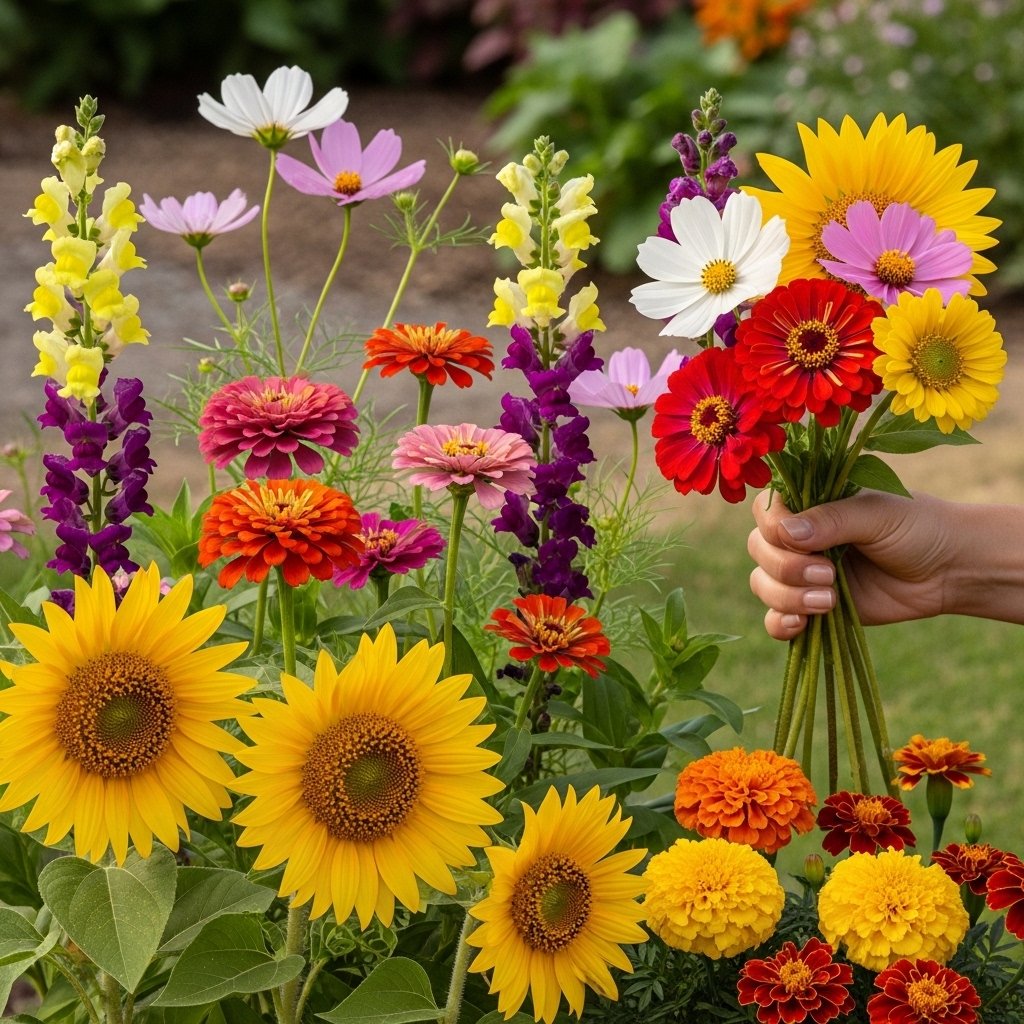
A beginner cut flower garden layout works best when filled with reliable, low-maintenance flowers. Easy growers such as sunflowers, zinnias, cosmos, snapdragons, and marigolds are perfect for beginners. These flowers produce multiple blooms and continue flowering when cut regularly. Selecting hardy varieties reduces frustration and increases confidence for new gardeners. Reliable flowers ensure you have fresh bouquets all season long.
6. Use Succession Planting for Continuous Blooms
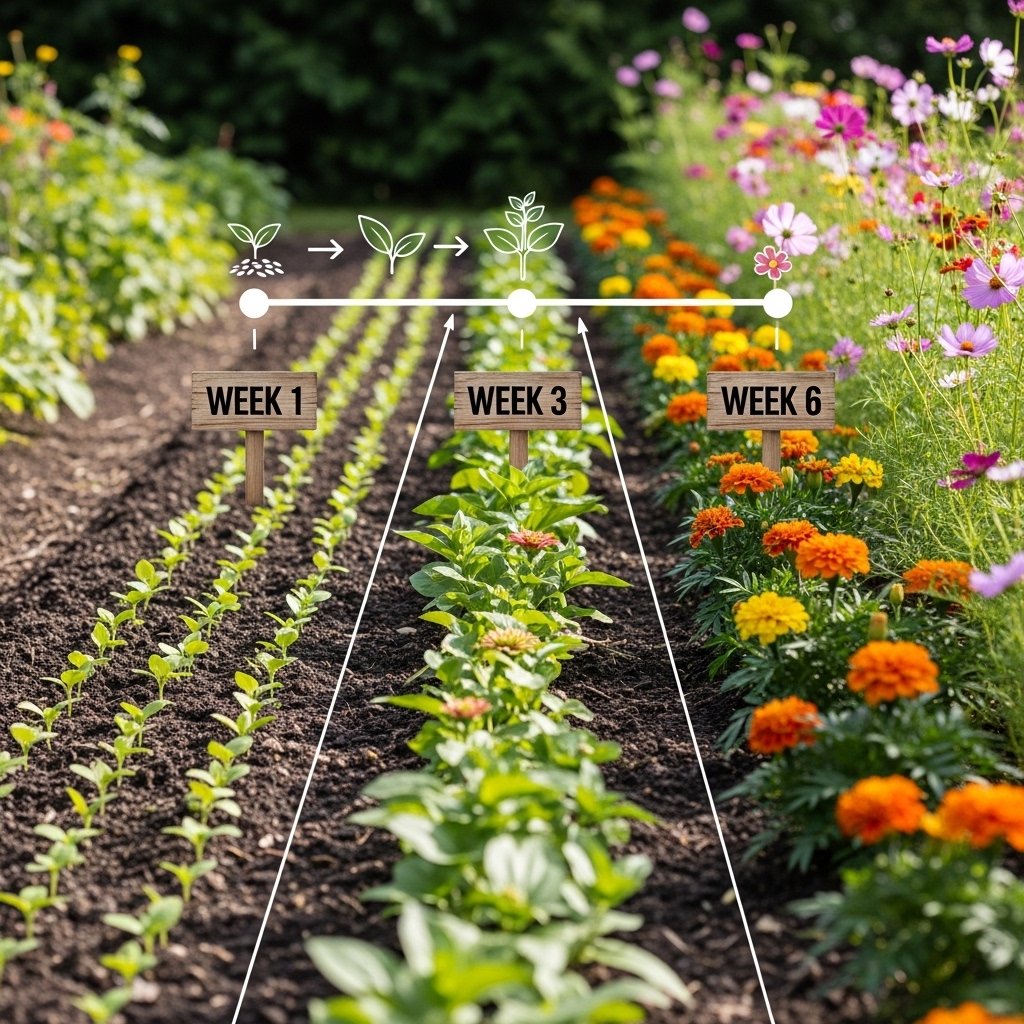
Succession planting is a smart technique for extending your flower harvest. Instead of planting all seeds at once, sow small batches every two to three weeks. This layout strategy ensures continuous blooming rather than a single large harvest. It also helps maintain a steady supply of fresh cut flowers for arrangements. Planning your garden in timed sections maximizes productivity throughout the growing season.
7. Include Focal Flowers, Fillers, and Foliage
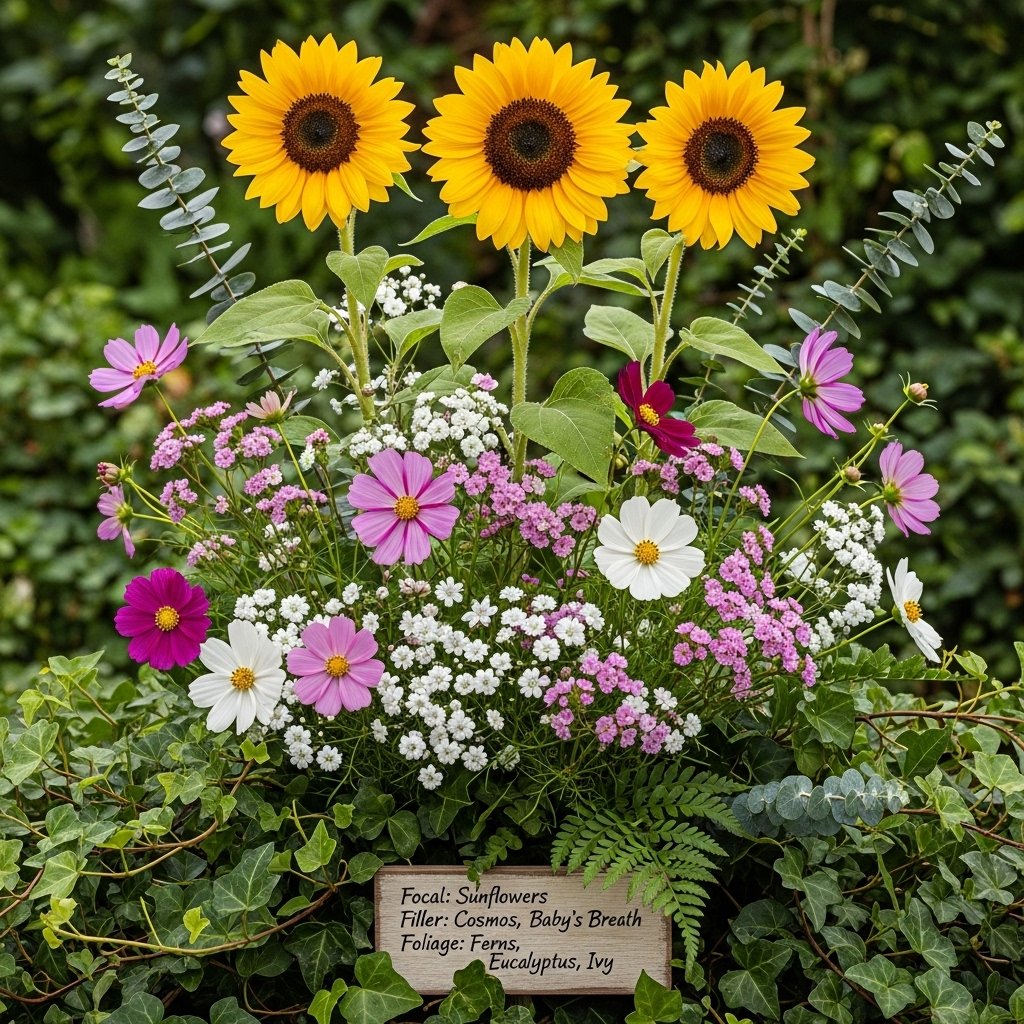
A balanced cut flower garden layout should include three main categories: focal flowers, filler flowers, and greenery. Focal flowers like large blooms create the main attraction in bouquets. Filler flowers add texture and depth, while foliage provides structure and contrast. Designing your layout with these categories in mind simplifies bouquet creation later. A well-rounded selection gives your arrangements a professional and polished look.
8. Install Simple Irrigation or Watering Access
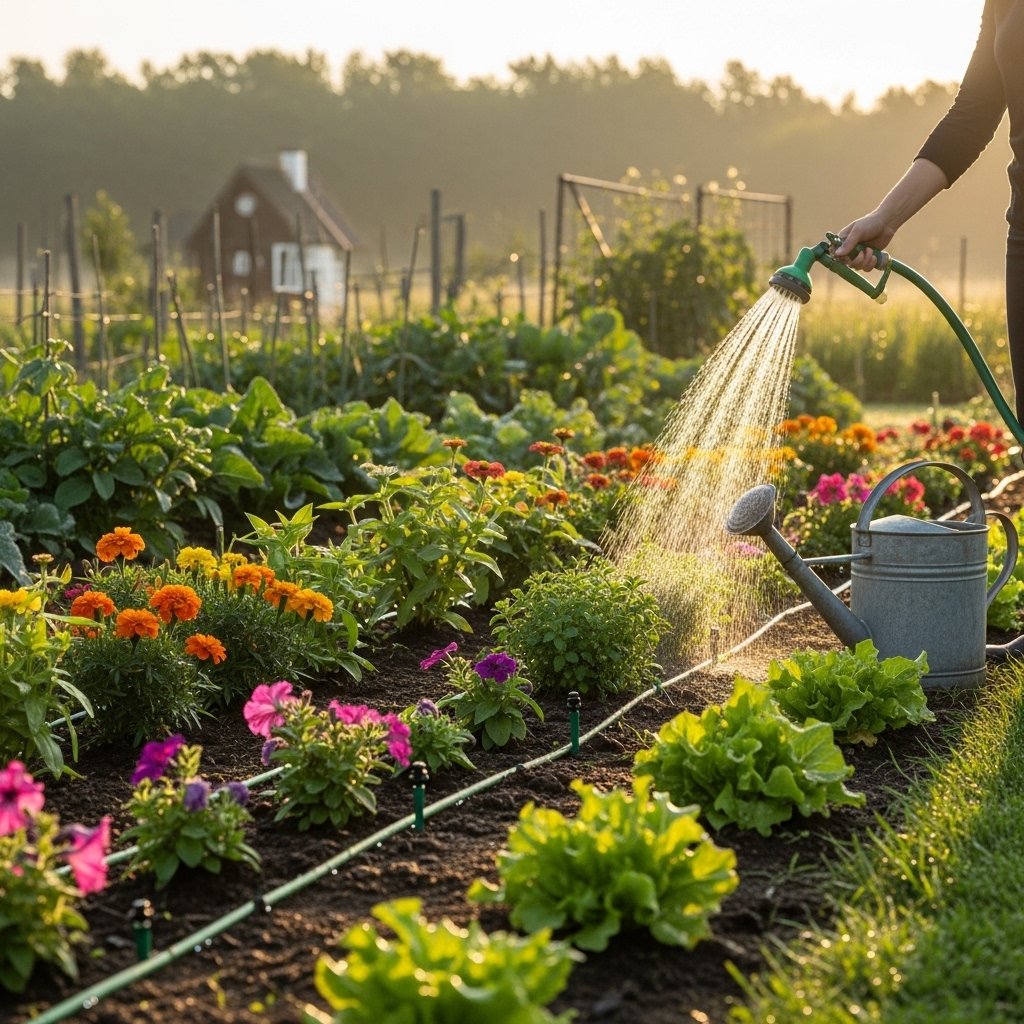
Watering is crucial for a thriving cut flower garden. Position your layout near a water source to simplify maintenance. Drip irrigation systems are beginner-friendly and deliver water directly to plant roots, reducing waste. Consistent watering promotes strong stem development and larger blooms. Planning for irrigation early prevents stress during hot summer months.
9. Prepare Healthy, Nutrient-Rich Soil
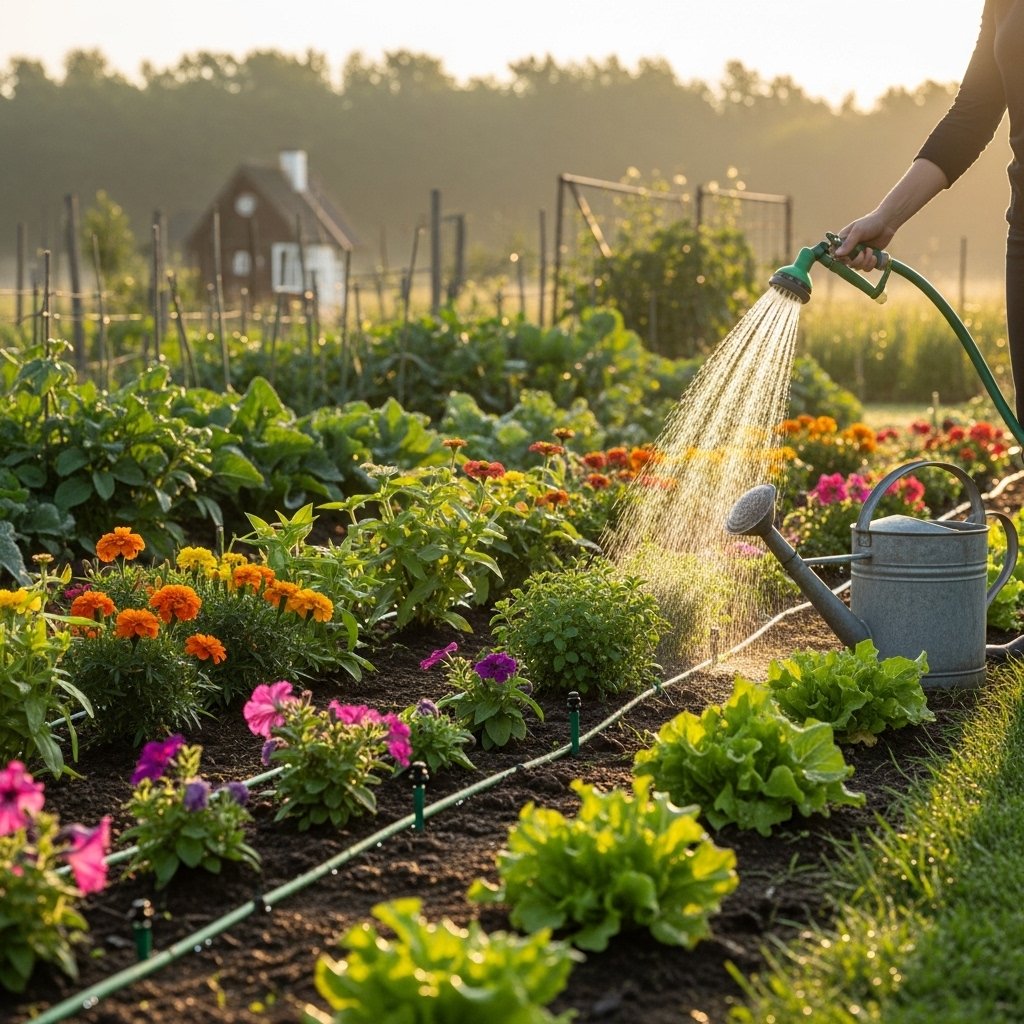
Soil preparation is the foundation of any beginner cut flower garden layout. Before planting, enrich the soil with compost or organic matter to improve drainage and fertility. Healthy soil supports root development and increases bloom production. Testing soil pH can also help determine if adjustments are needed. Well-prepared soil ensures long-lasting, vibrant flowers throughout the season.
10. Add Support Structures for Tall Flowers
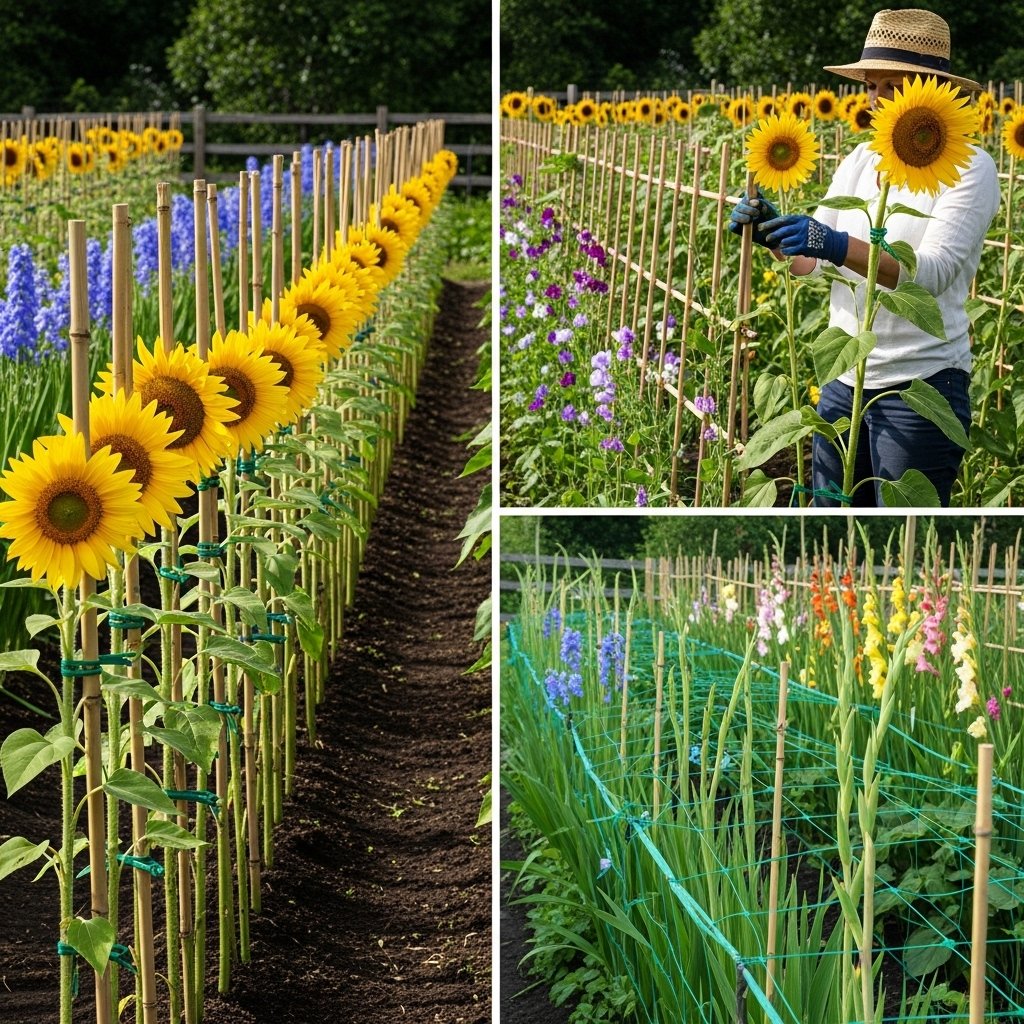
Certain flowers require support to prevent bending or breaking. Incorporate stakes, netting, or trellises into your layout for taller varieties. Installing supports early prevents damage later as plants grow heavier with blooms. Organized support systems keep rows tidy and accessible for cutting. This small addition greatly improves the quality of harvested flowers.
11. Design with Seasonal Planning in Mind
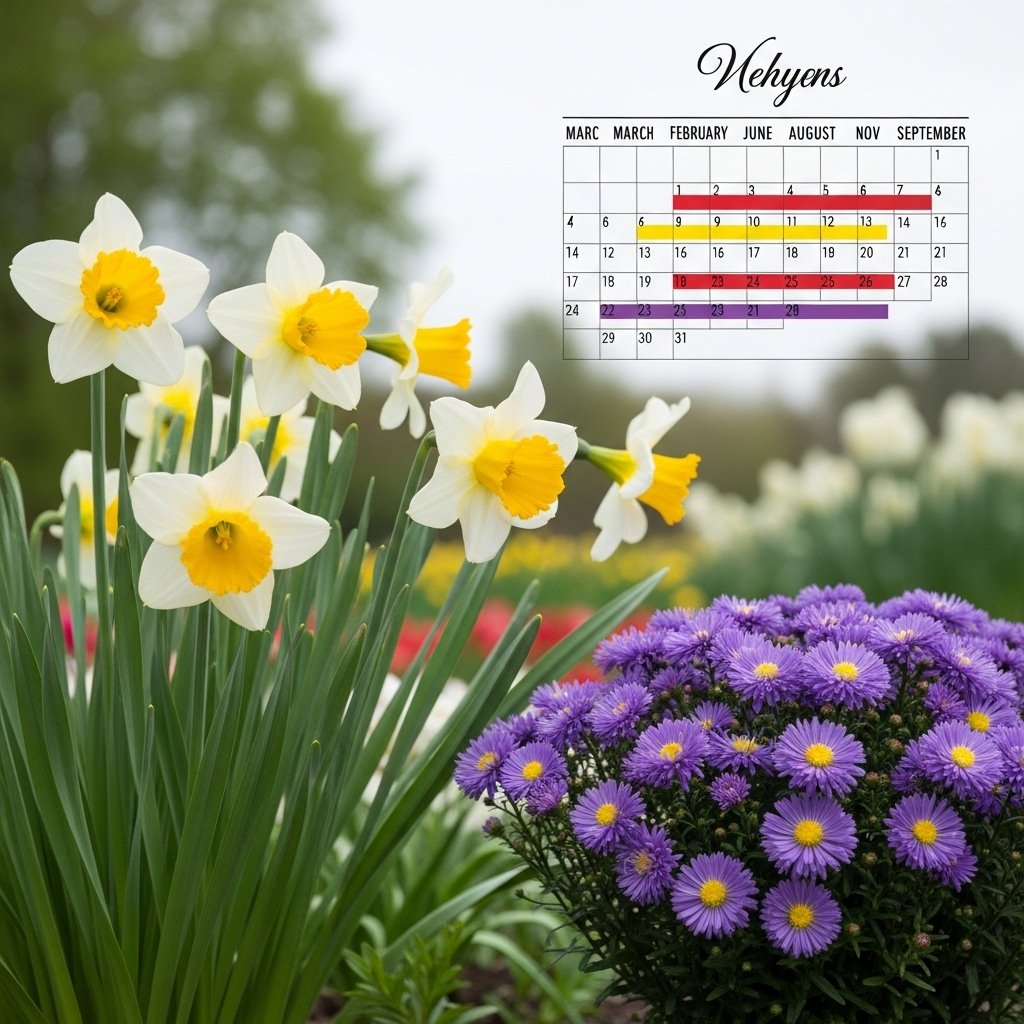
A thoughtful beginner cut flower garden layout includes flowers that bloom in different seasons. Combine early spring bloomers with summer and early fall varieties. This staggered blooming schedule keeps your garden colorful and productive for months. Seasonal planning also helps you manage planting times effectively. A year-round vision ensures consistent beauty and harvest opportunities.
12. Keep Maintenance Simple and Manageable
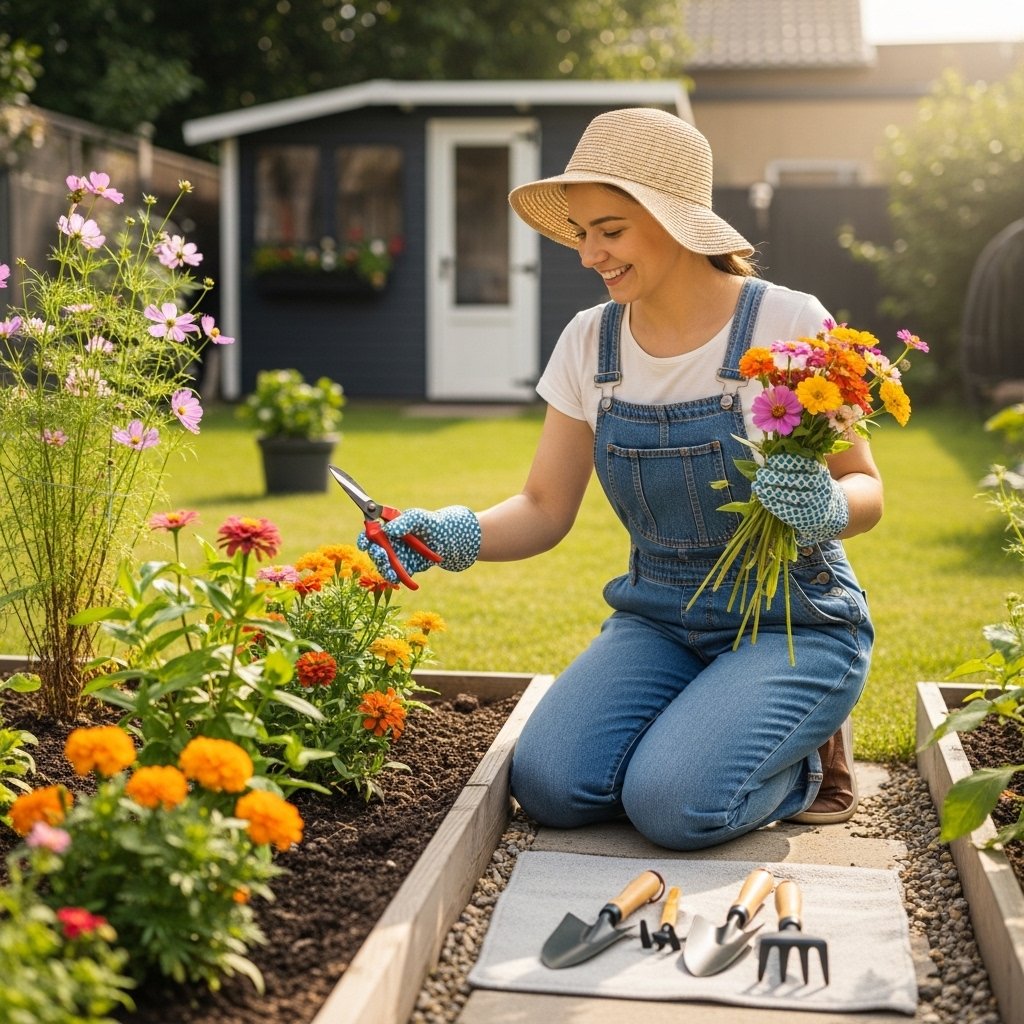
For beginners, simplicity is key to long-term success. Avoid overcrowding your layout with too many varieties in the first year. Focus on easy maintenance tasks like regular weeding, watering, and deadheading spent blooms. A manageable garden size prevents burnout and builds confidence. As your experience grows, you can expand your layout gradually.
13. How to Care for a Beginner Cut Flower Garden Layout
- Water Properly – Water your flowers deeply 2–3 times a week, especially in hot weather, to keep roots strong and healthy.
- Provide Sunlight – Make sure your garden gets at least 6 hours of sunlight daily for better growth and more blooms.
- Use Good Soil & Fertilizer – Plant flowers in well-drained soil and add compost or balanced fertilizer to support healthy plants.
- Remove Weeds & Dead Flowers – Pull out weeds regularly and cut faded blooms to encourage new flowers to grow.
- Check for Pests & Diseases – Inspect plants often and treat insects or leaf problems early to protect your garden.
13.1. FAQ
13.2. What is a beginner cut flower garden layout❓
A beginner cut flower garden layout is a simple plan designed to grow flowers specifically for cutting and arranging in bouquets. It focuses on organizing flower beds in neat rows or small sections so they are easy to manage and harvest. This type of layout helps new gardeners grow beautiful flowers while keeping the garden structured and easy to maintain.
13.3. How do I plan a simple cut flower garden❓
To plan a simple cut flower garden, start by choosing a sunny location with good soil drainage. Divide the space into rows or small beds and group flowers according to their height and growth type. Keeping taller flowers at the back and shorter ones in the front makes harvesting easier and keeps the garden looking neat and organized.
13.4. Which flowers are best for beginners❓
The best flowers for beginners include easy-to-grow varieties like sunflowers, zinnias, cosmos, and marigolds. These flowers grow quickly, require minimal care, and produce many blooms for cutting. Choosing hardy and low-maintenance flowers helps beginners gain confidence while enjoying colorful results.
14. Final Thoughts
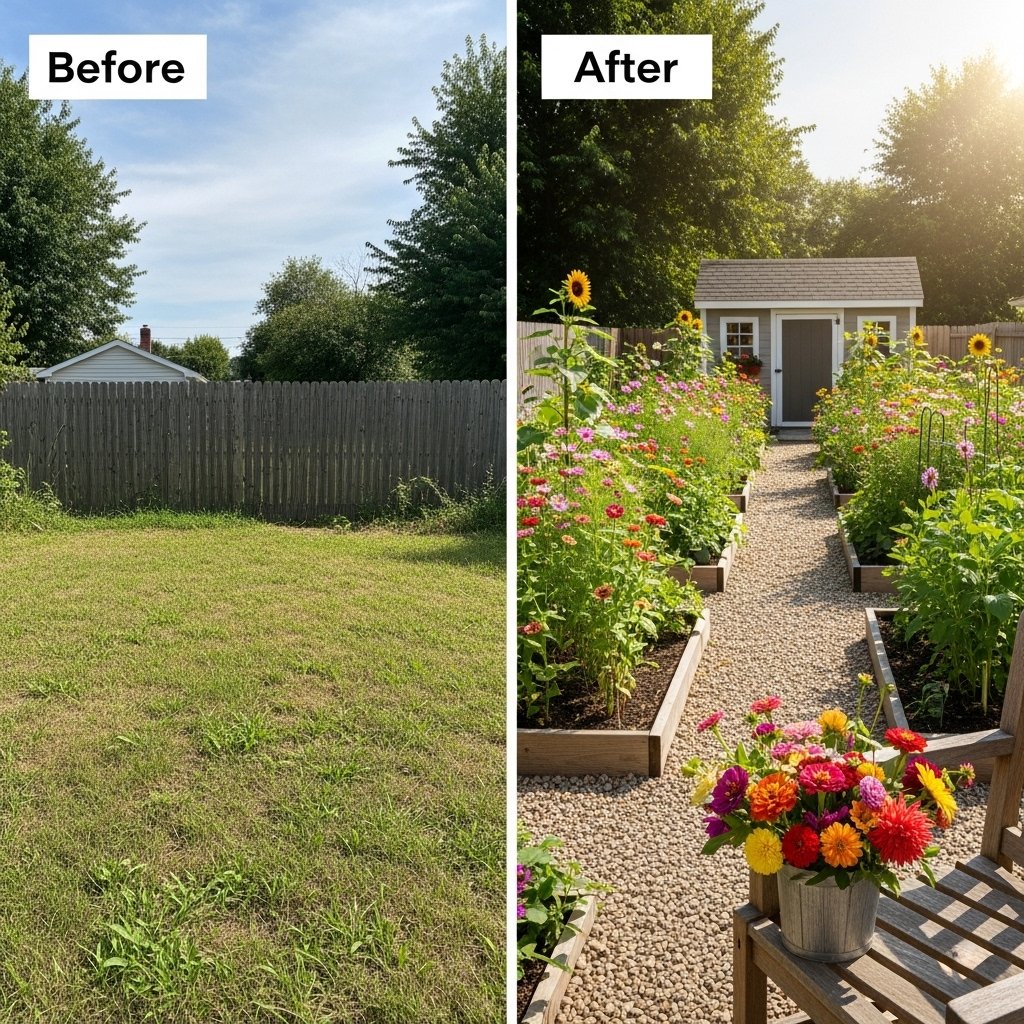
A beginner cut flower garden layout doesn’t need to be complicated to be beautiful and productive. By choosing a sunny location, organizing plants by height, and selecting easy-to-grow varieties, you set yourself up for gardening success. Incorporating pathways, irrigation, and succession planting ensures a steady supply of fresh blooms throughout the season. With thoughtful planning and simple maintenance, even new gardeners can enjoy stunning bouquets from their own backyard. Starting small, staying consistent, and enjoying the process will transform your beginner flower garden into a thriving and rewarding space.