Best Low Light Indoor Plants in Australia: Beautify Your Home Without Sunlight Worries
Blog > Home > Low light indoor plants > Best Low Light Indoor Plants in Australia: Beautify Your Home Without Sunlight Worries
Choosing the best low light indoor plants in Australia is a smart way to bring greenery into your home without relying on direct sunlight. Many indoor spaces, apartments, and offices have limited natural light, making it challenging to grow most plants. Fortunately, there are hardy plants that thrive in low light while purifying the air and enhancing home decor. These plants not only survive in dim conditions but also add texture, color, and a touch of nature to your living spaces. In this guide, we’ve rounded up twelve of the most reliable low light indoor plants perfect for Australian homes.
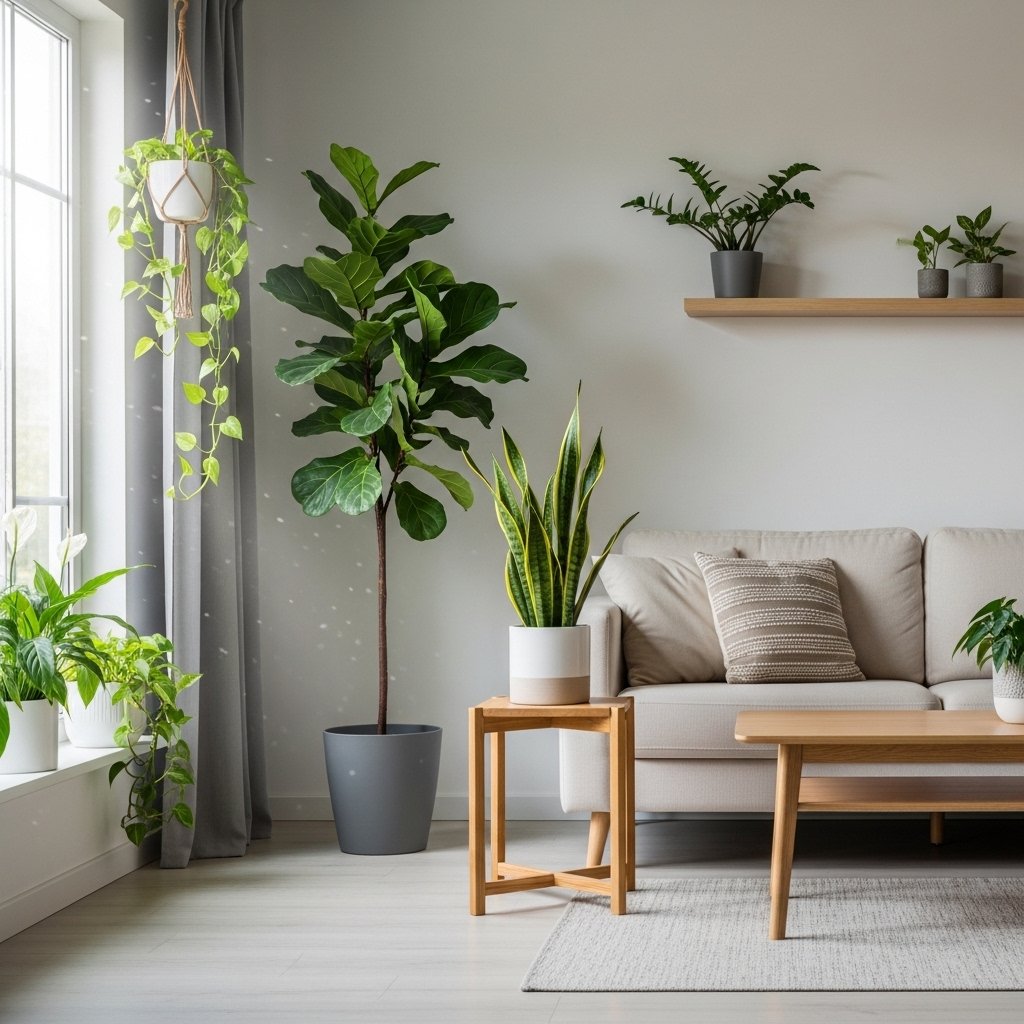
Table Of Content
1. Snake Plant (Sansevieria)
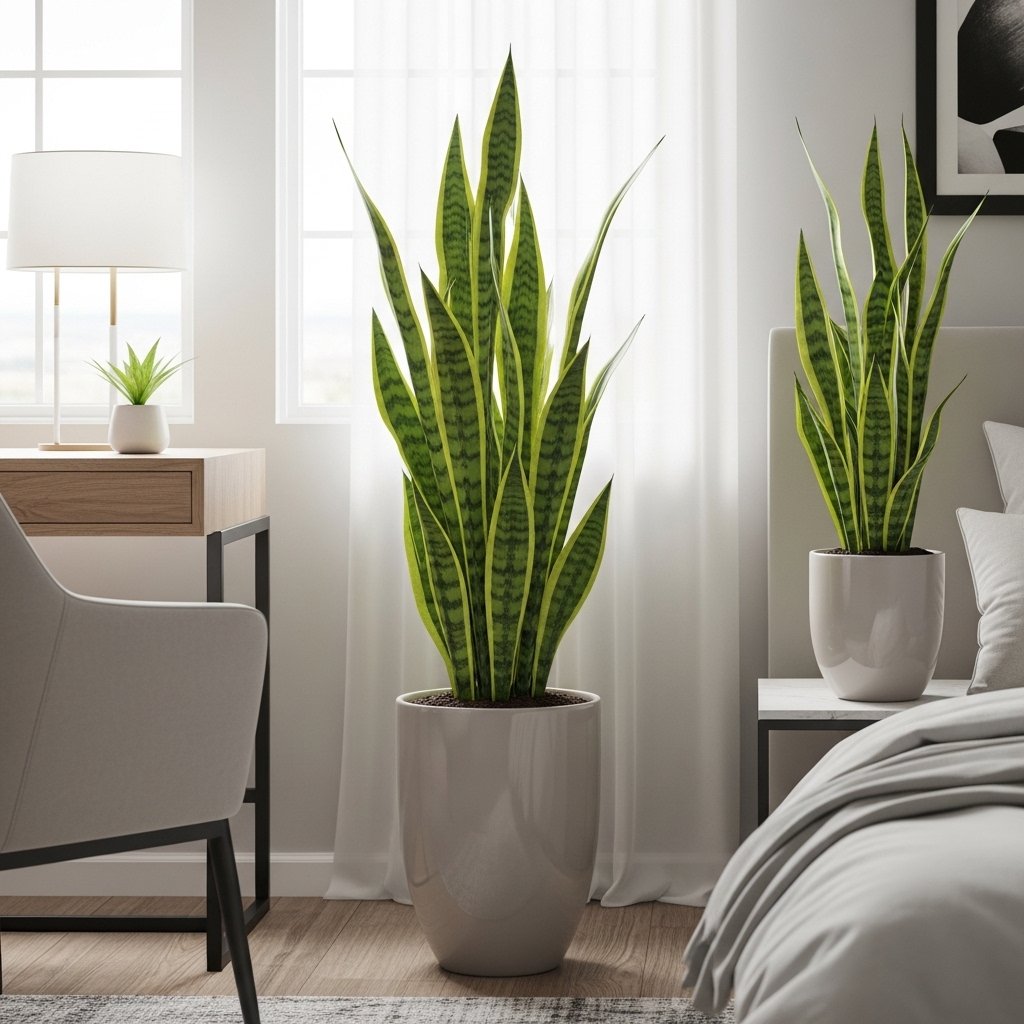
The Snake Plant, also known as Sansevieria, is one of the most popular low light indoor plants in Australia. Its upright, sword-like leaves can survive even in shaded corners, making it ideal for bedrooms, offices, or hallways. This plant is incredibly low maintenance and requires minimal watering, thriving on neglect. Additionally, it helps purify the air by removing toxins and improving indoor air quality. Its sleek, modern appearance also complements a variety of interior styles, from contemporary to rustic.
2. ZZ Plant (Zamioculcas Zamiifolia)
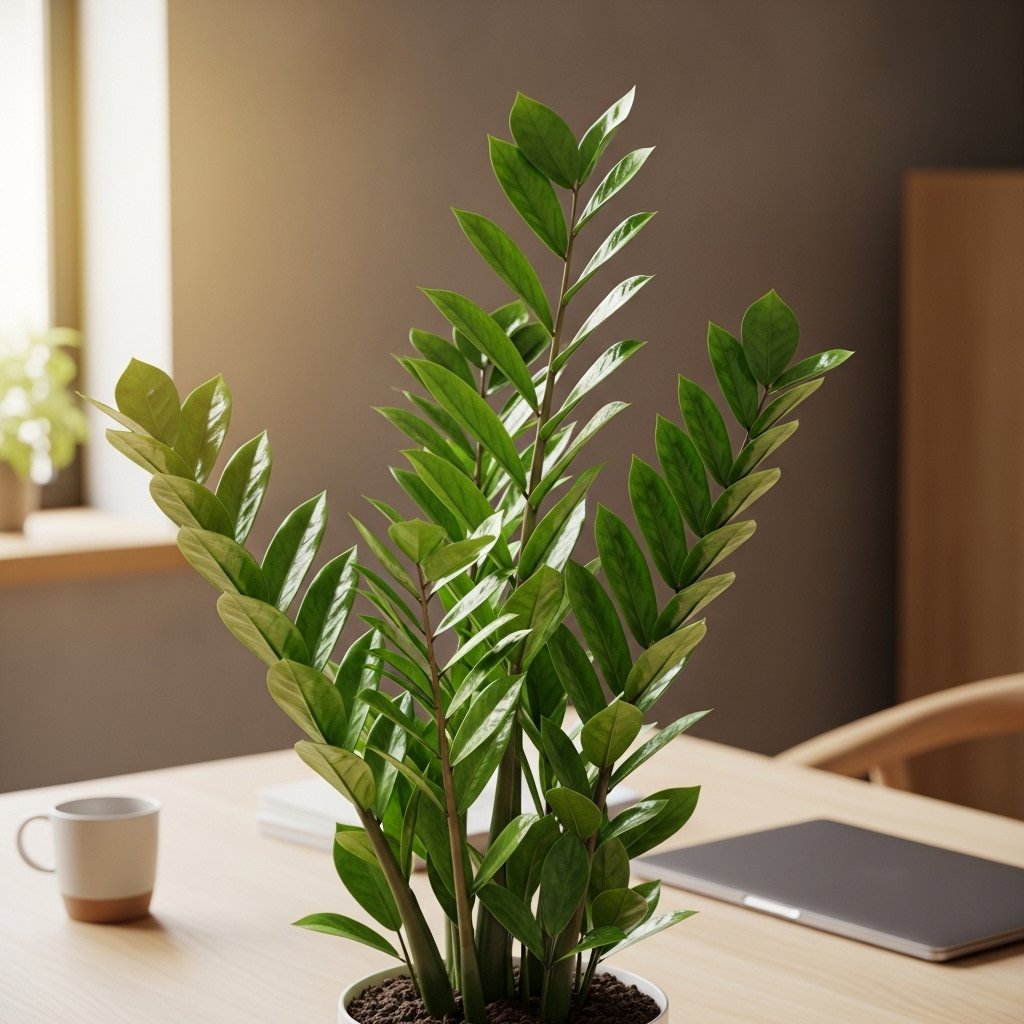
The ZZ Plant is known for its glossy, dark green leaves and incredible tolerance for low light. It can survive weeks without water and adapts well to Australian indoor environments with indirect sunlight. Its hardy nature makes it perfect for beginners or busy homeowners who want greenery without fuss. Placing it on shelves, desks, or corners adds an elegant touch to any room. The ZZ Plant also contributes to air purification, enhancing both aesthetics and health indoors.
3. Pothos (Epipremnum Aureum)
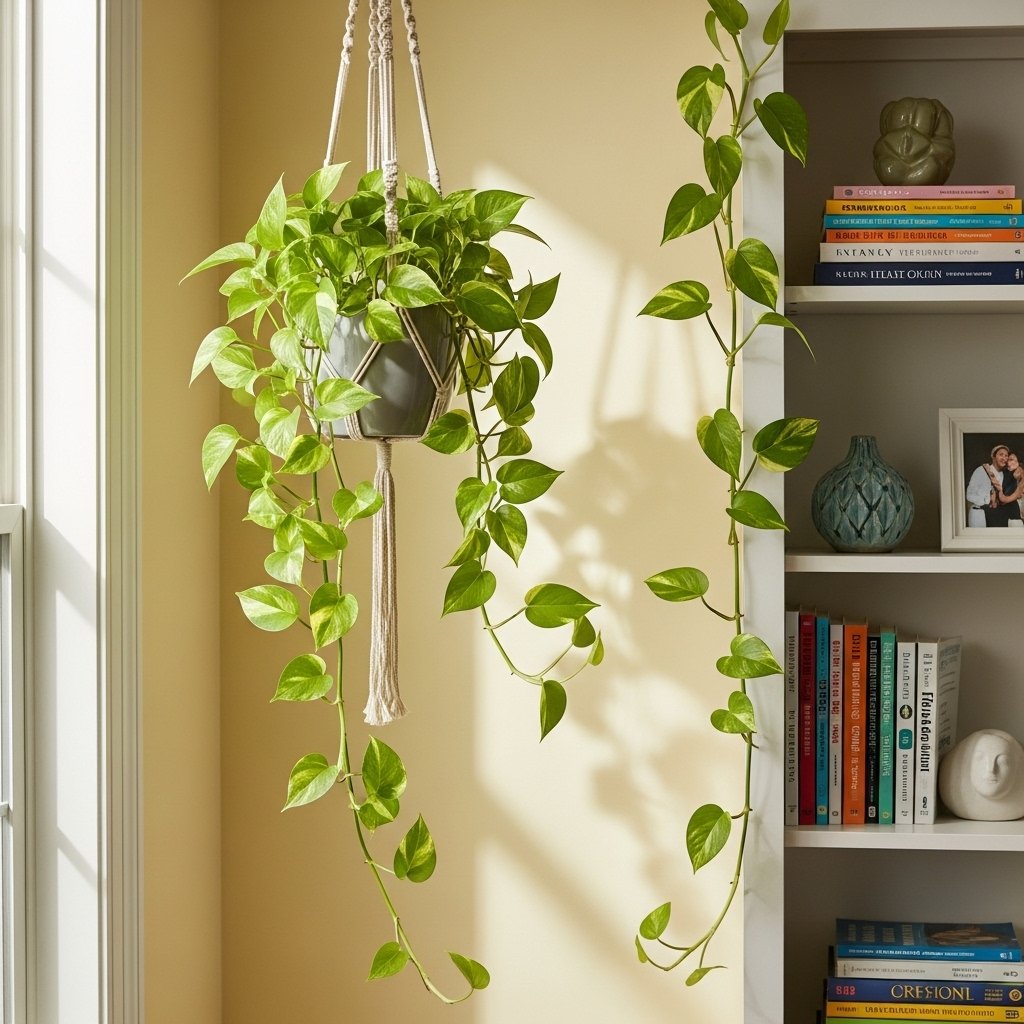
Pothos, or Devil’s Ivy, is a trailing vine that thrives in low light conditions and grows rapidly. Its heart-shaped leaves come in variegated shades of green, yellow, or white, creating a lively focal point for any space. It can be grown in hanging baskets, pots, or trained along shelves for vertical interest. This plant tolerates neglect and infrequent watering, making it highly adaptable for Australian homes. Its air-purifying properties make it a functional as well as decorative plant.
4. Peace Lily (Spathiphyllum)
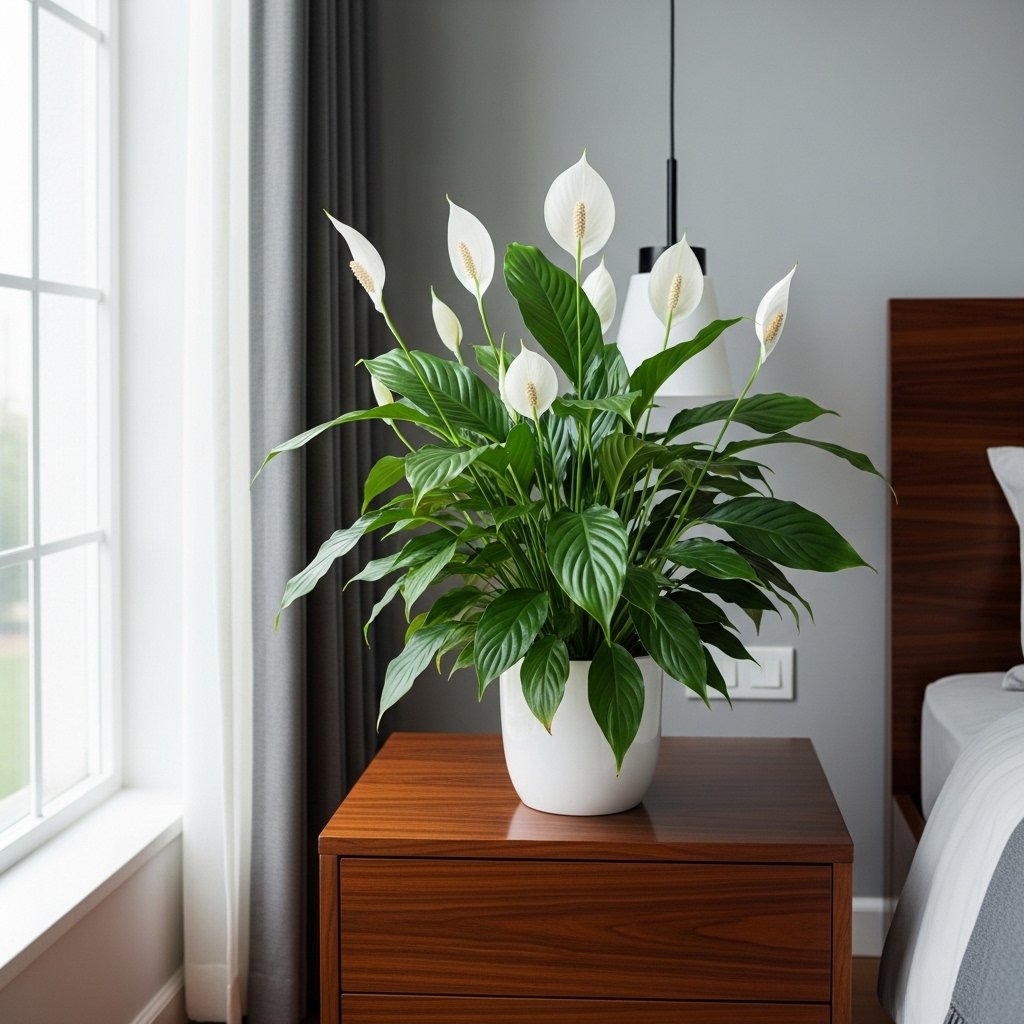
The Peace Lily is both elegant and resilient, thriving in low to medium light conditions. Its glossy leaves and delicate white blooms make it a favorite for adding sophistication to living rooms or offices. This plant also improves indoor air quality by removing common toxins like formaldehyde and benzene. Peace Lilies prefer moderate watering, and their blooms often appear even in low light, offering a touch of natural beauty. They are ideal for homeowners seeking both style and functionality.
5. Cast Iron Plant (Aspidistra Elatior)
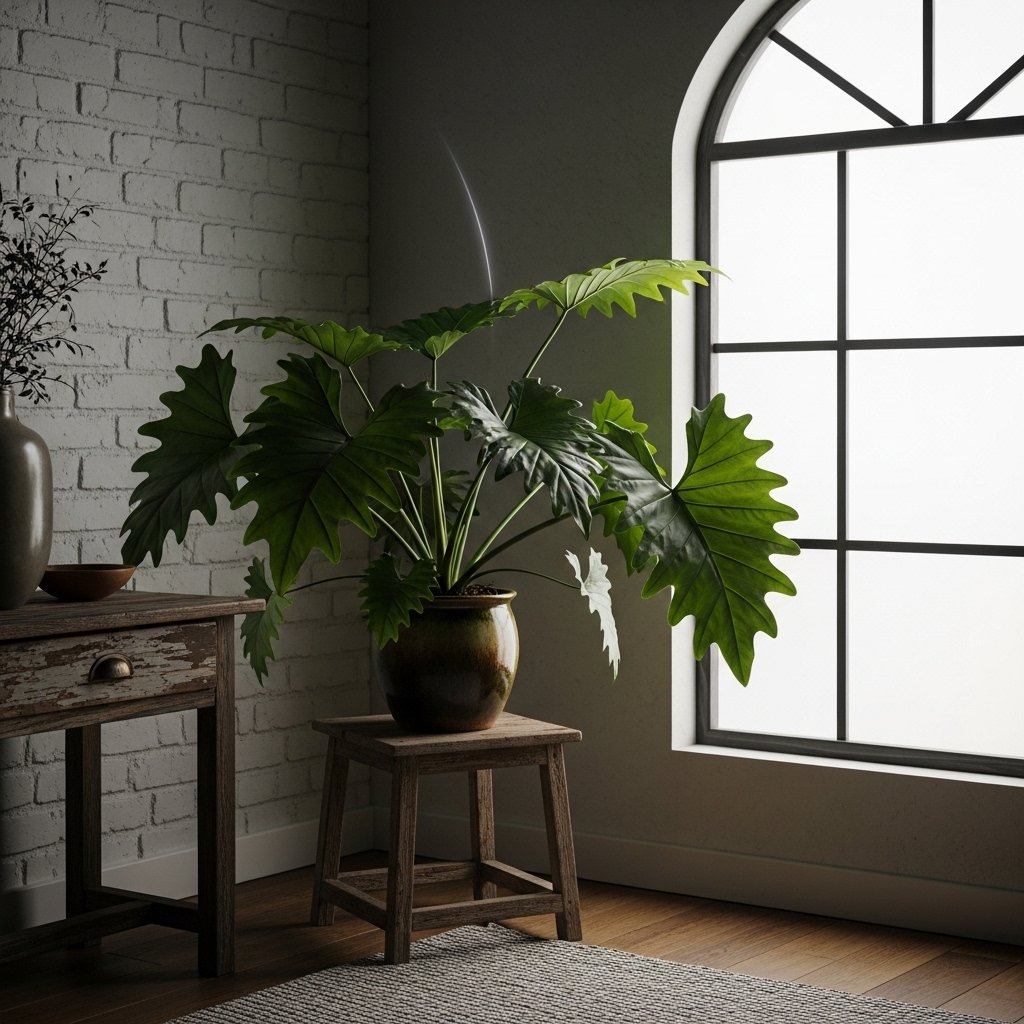
As its name suggests, the Cast Iron Plant is virtually indestructible and thrives in low light conditions. Its deep green leaves add a lush, tropical feel to shaded corners or hallways. This plant grows slowly but steadily, making it perfect for long-term indoor display without constant attention. Watering is minimal, and it tolerates temperature fluctuations common in Australian homes. Its ability to survive in difficult conditions makes it one of the most reliable indoor plants for beginners.
6. Spider Plant (Chlorophytum Comosum)
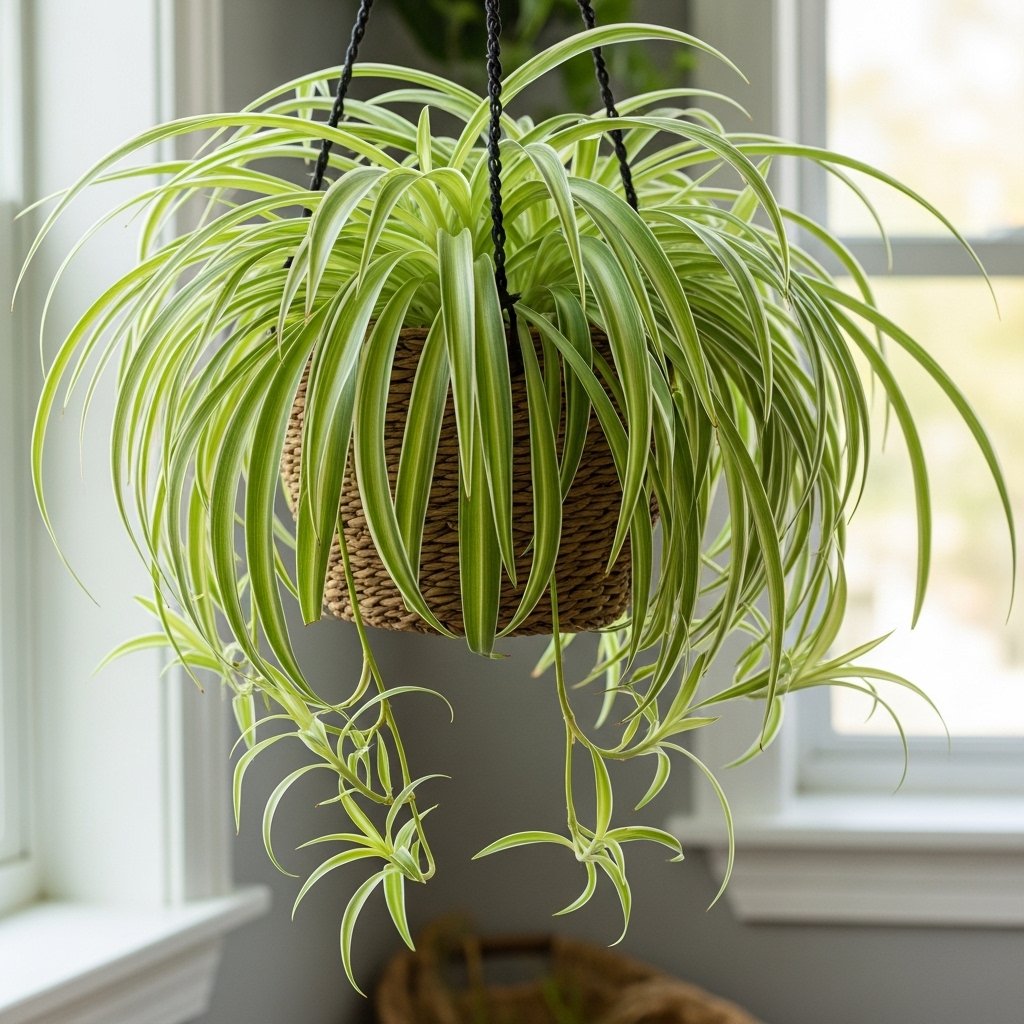
Spider Plants are adaptable and resilient, making them perfect low light indoor plants for Australian homes. Their arching leaves with green and white stripes add a dynamic, airy texture to interiors. Spider Plants are easy to propagate, allowing you to grow multiple plants from offshoots for free. They also improve air quality and are safe for pets, adding both beauty and functionality to your space. Ideal for hanging baskets, desktops, or shelves, Spider Plants thrive even in indirect sunlight.
7. Dracaena
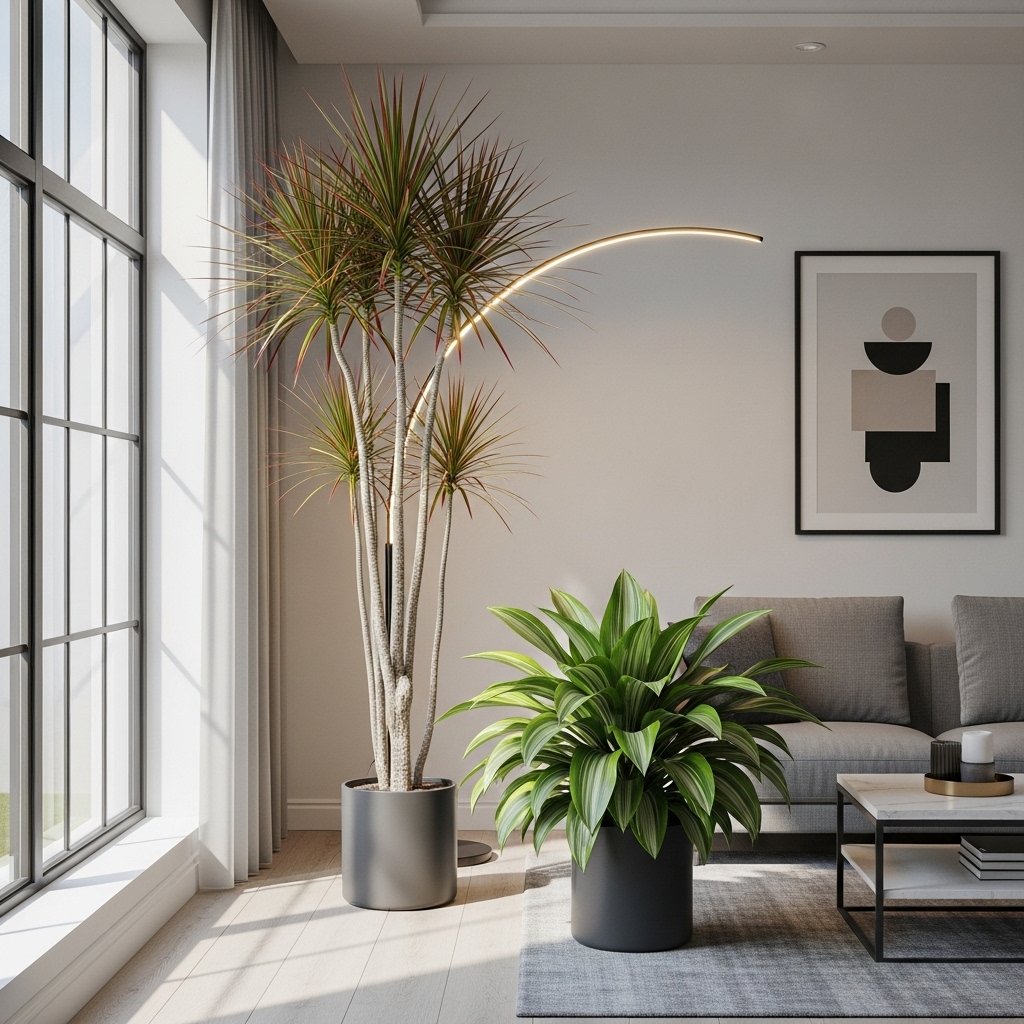
Dracaena plants are known for their striking foliage and tolerance for low light conditions. They come in several varieties, including Dracaena Marginata with spiky leaves and Dracaena Fragrans with broad, glossy leaves. These plants are easy to care for and require only occasional watering. Dracaenas can grow tall, making them perfect as statement pieces in living rooms or offices. They also contribute to healthier indoor air by filtering toxins, combining aesthetics with practicality.
8. Chinese Evergreen (Aglaonema)
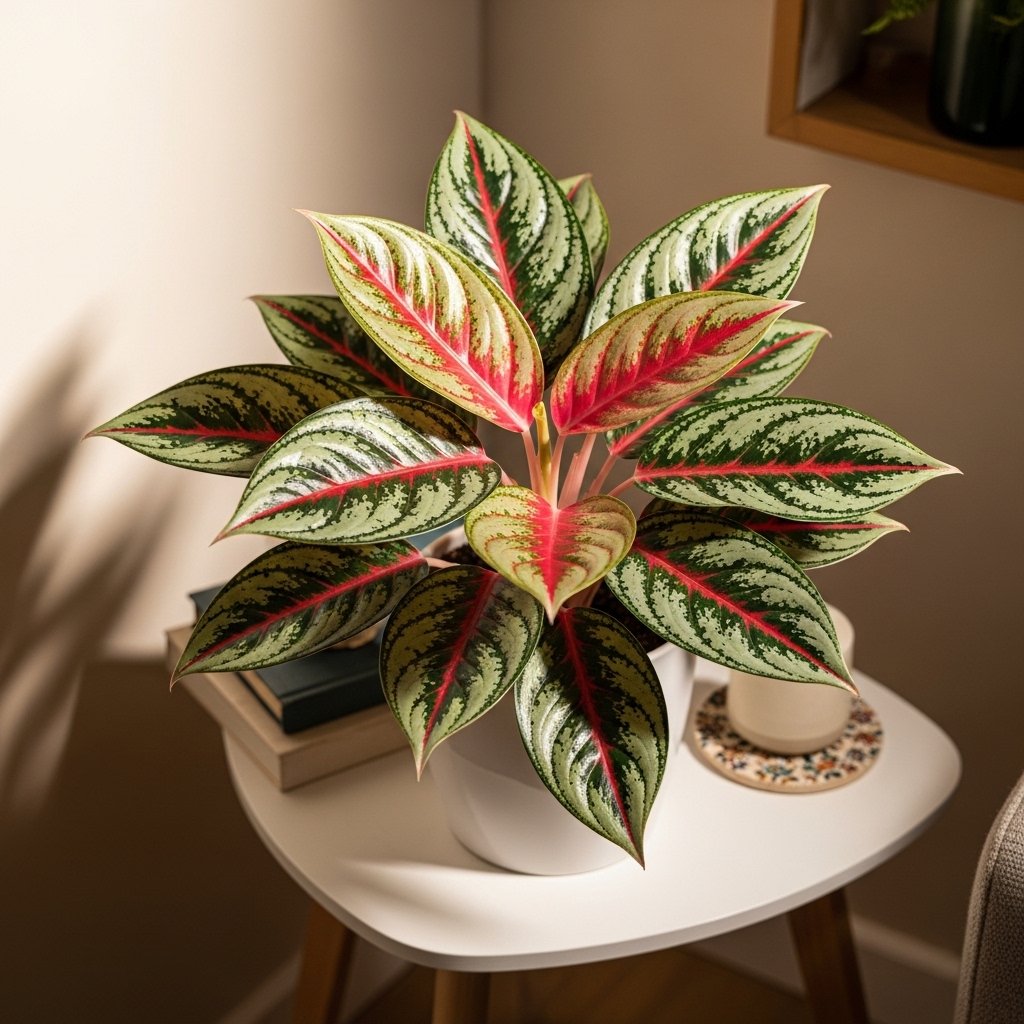
Chinese Evergreen is a low-maintenance plant that thrives in dimly lit areas of Australian homes. Its colorful leaves, ranging from green to silver and red, add vibrancy to any corner. Aglaonema prefers indirect light and tolerates irregular watering, making it perfect for beginners. This plant is highly resilient to pests and environmental changes. Its attractive foliage makes it a go-to option for interior design and indoor gardening enthusiasts alike.
9. Philodendron
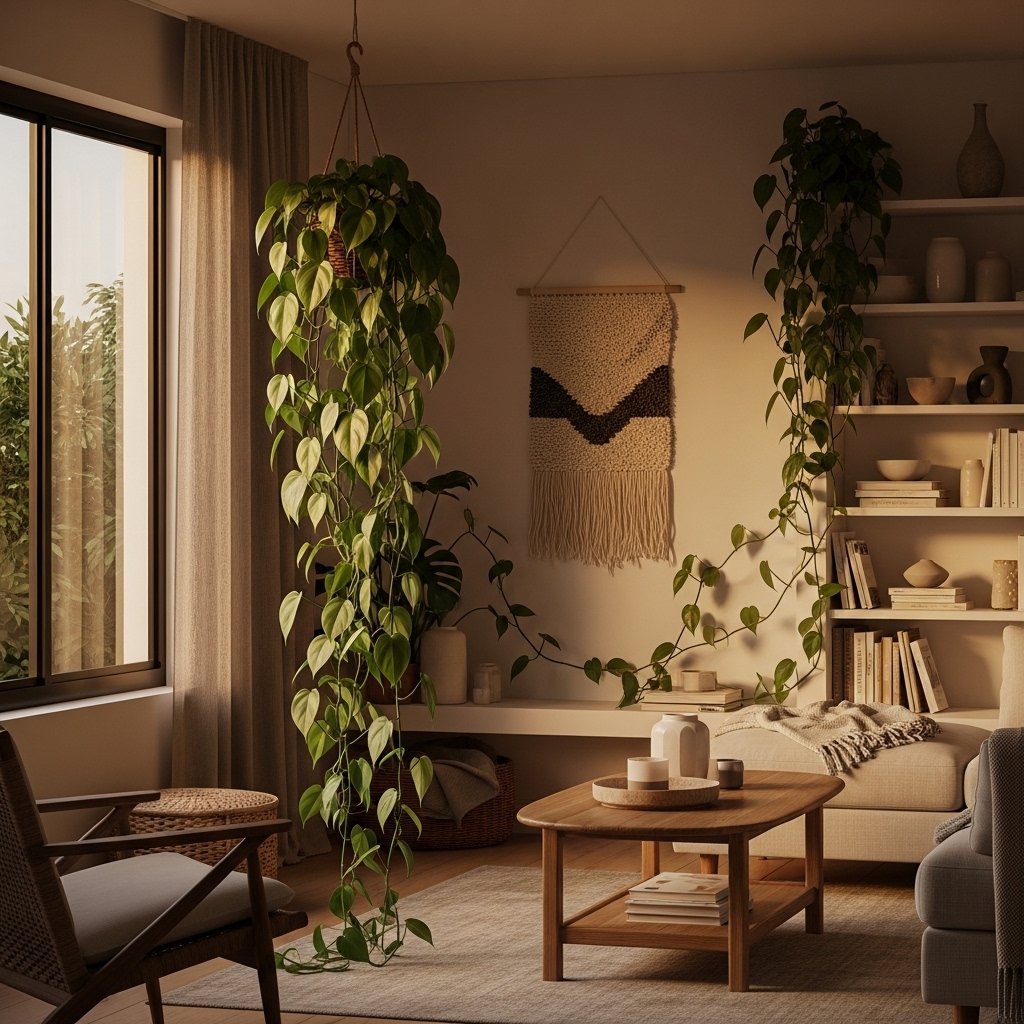
Philodendrons are versatile, easy-to-care-for plants that adapt well to low light conditions. Their heart-shaped leaves and trailing growth pattern make them ideal for shelves, hanging pots, or tabletops. They require minimal watering and can tolerate dim corners without losing their lush appearance. Philodendrons are also excellent air purifiers, creating a healthier indoor environment. Their elegant and tropical look fits seamlessly with modern Australian interior decor.
10. Maidenhair Fern (Adiantum)
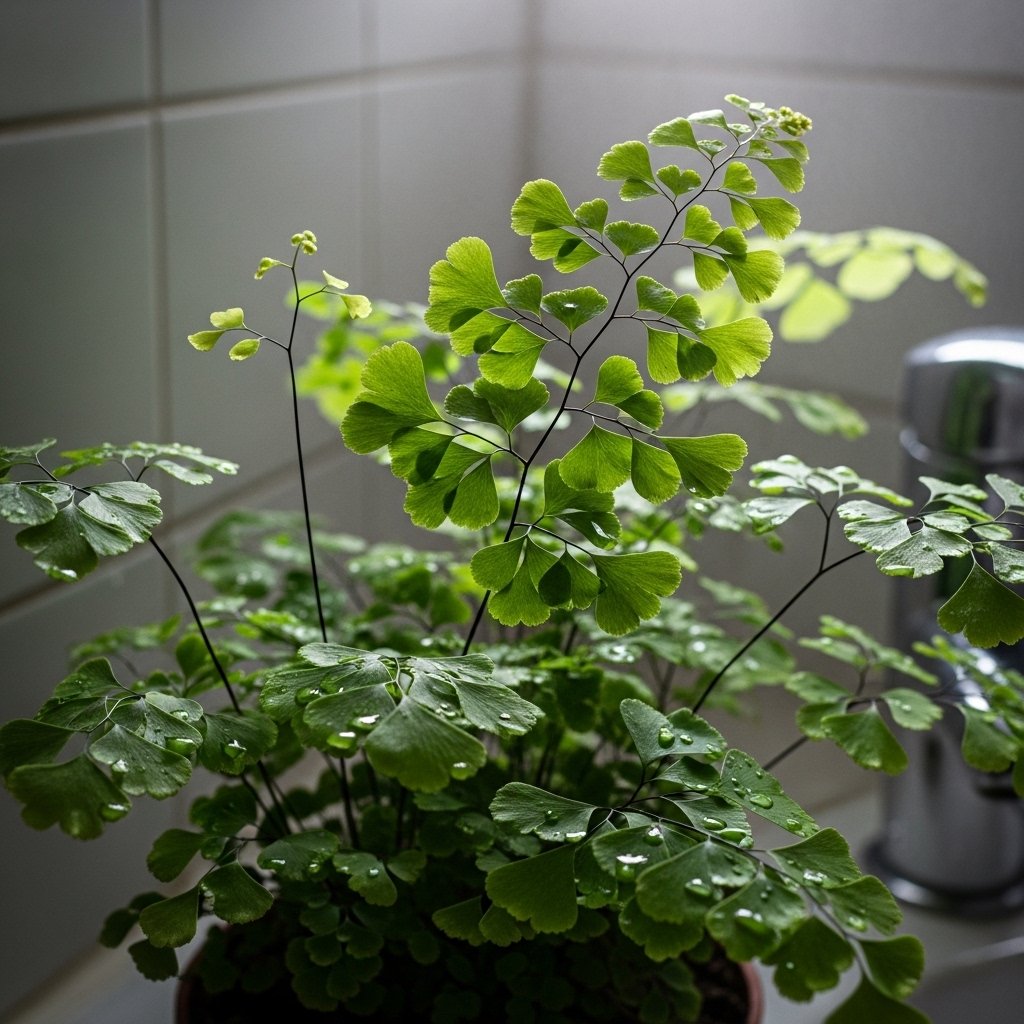
Maidenhair Ferns are delicate, airy plants that thrive in low light and high humidity. While they require slightly more attention than some other low light plants, their feathery foliage is worth the effort. They are perfect for bathrooms, kitchens, or shaded indoor spaces where moisture levels are higher. Regular misting and well-drained soil keep these ferns vibrant and healthy. Their soft, intricate leaves add a touch of elegance and freshness to any interior.
11. Heartleaf Philodendron (Philodendron Hederaceum)
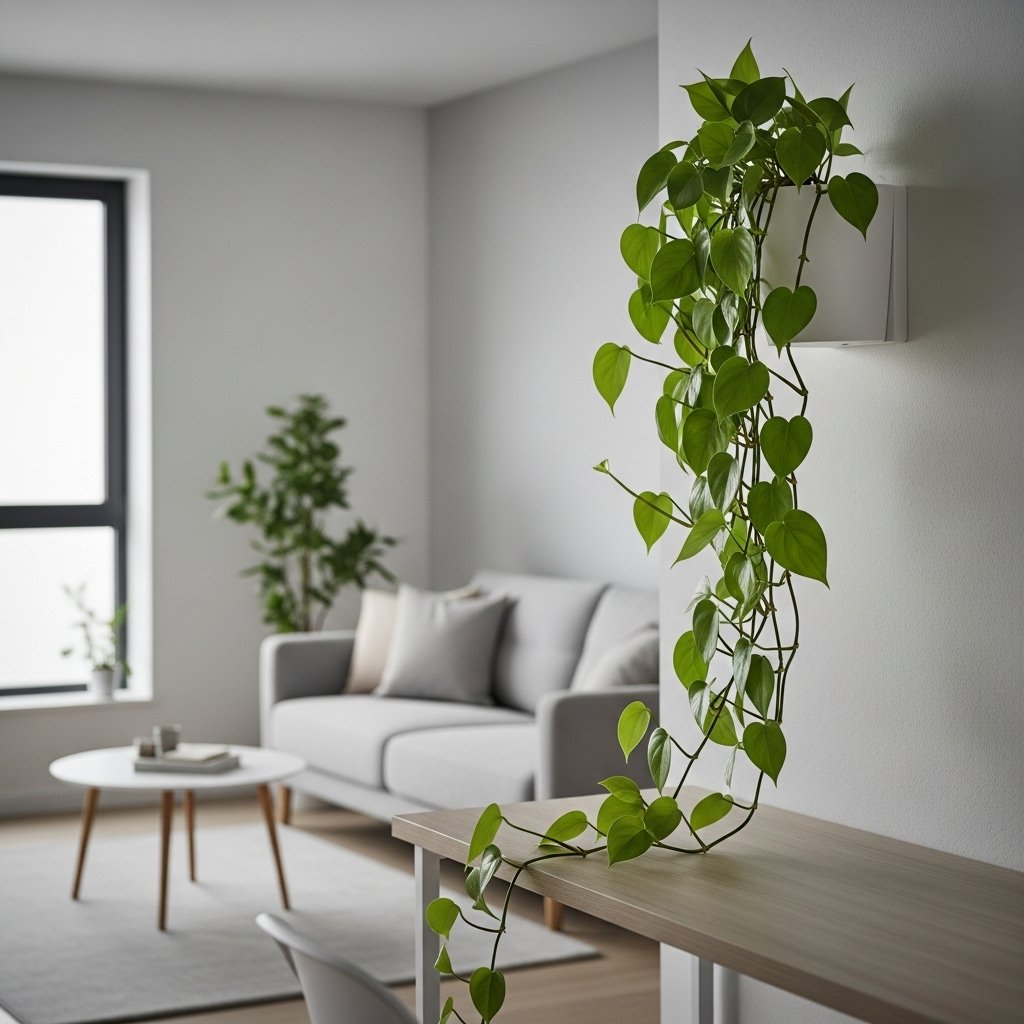
The Heartleaf Philodendron is a trailing vine with lush green, heart-shaped leaves that thrive in low light. Its climbing or cascading nature makes it ideal for shelves, bookcases, or hanging baskets. This plant grows quickly and tolerates occasional neglect, making it suitable for busy lifestyles. Its low-maintenance care routine and air-purifying qualities make it a favorite among Australian plant enthusiasts. With proper pruning, it can create a stunning vertical green display indoors.
12. Ponytail Palm (Beaucarnea Recurvata)
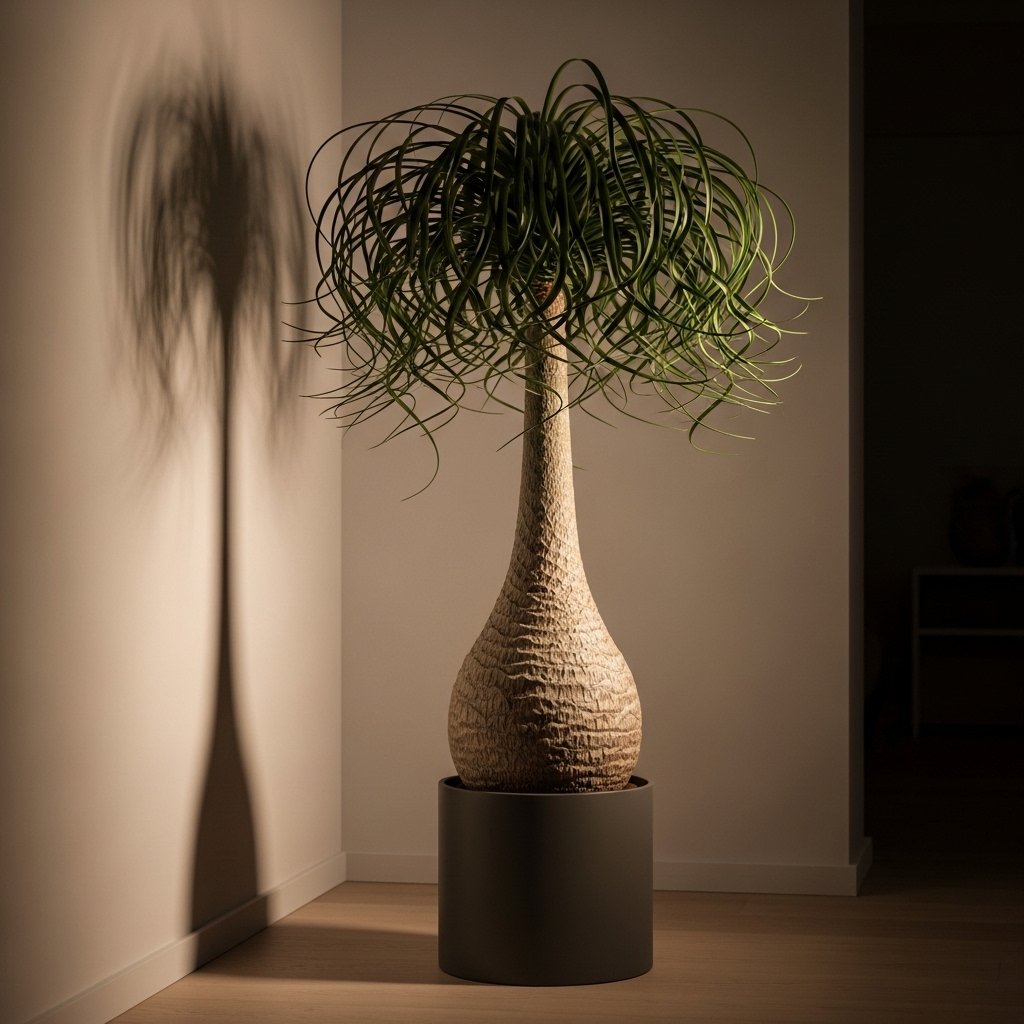
The Ponytail Palm is a unique low light indoor plant that doubles as a statement piece. Its long, curly leaves and bulbous trunk add sculptural interest to any room. This drought-tolerant plant requires minimal watering and thrives even in indirect light conditions. Perfect for living rooms, offices, or entryways, it provides visual appeal with almost no maintenance. Its slow growth makes it ideal for long-term indoor decoration while maintaining a tropical vibe.
13. How to Care for Low Light Indoor Plants in Australia
- Place in Indirect Light – Keep plants near windows with soft, indirect sunlight. Avoid dark corners and strong direct sun.
- Water Properly – Do not overwater. Let the top soil dry before watering again, as most low light plants need less water.
- Use Good Drainage – Make sure pots have drainage holes to prevent root rot, especially in humid Australian climates.
- Clean the Leaves – Wipe leaves gently with a damp cloth to remove dust and help the plant breathe better.
- Check Temperature & Air – Keep plants in stable indoor temperatures and away from strong air conditioners or heaters.
13.1. FAQ
13.2. What are the best low light indoor plants in Australia❓
Some of the best low light indoor plants in Australia include the Devil’s Ivy, Peace Lily, Snake Plant, ZZ Plant, and Cast Iron Plant. These plants are well-known for surviving in low light conditions and require minimal care. They are perfect for homes, apartments, and offices where natural sunlight is limited.
13.3. Why are low light plants popular in Australian homes❓
Low light plants are popular in Australian homes because many apartments and indoor spaces do not receive strong direct sunlight. These plants are easy to maintain and adapt well to indoor climates. They also improve air quality and add a fresh, natural look to living rooms, bedrooms, and workspaces without needing constant attention.
13.4. How do you care for low light indoor plants❓
Caring for low light indoor plants is simple if you avoid overwatering and place them in indirect light. Most of these plants prefer slightly dry soil between watering sessions. It is also helpful to wipe the leaves occasionally to remove dust and ensure healthy growth. With basic care, low light plants can thrive for many years indoors.
14. Final Thoughts
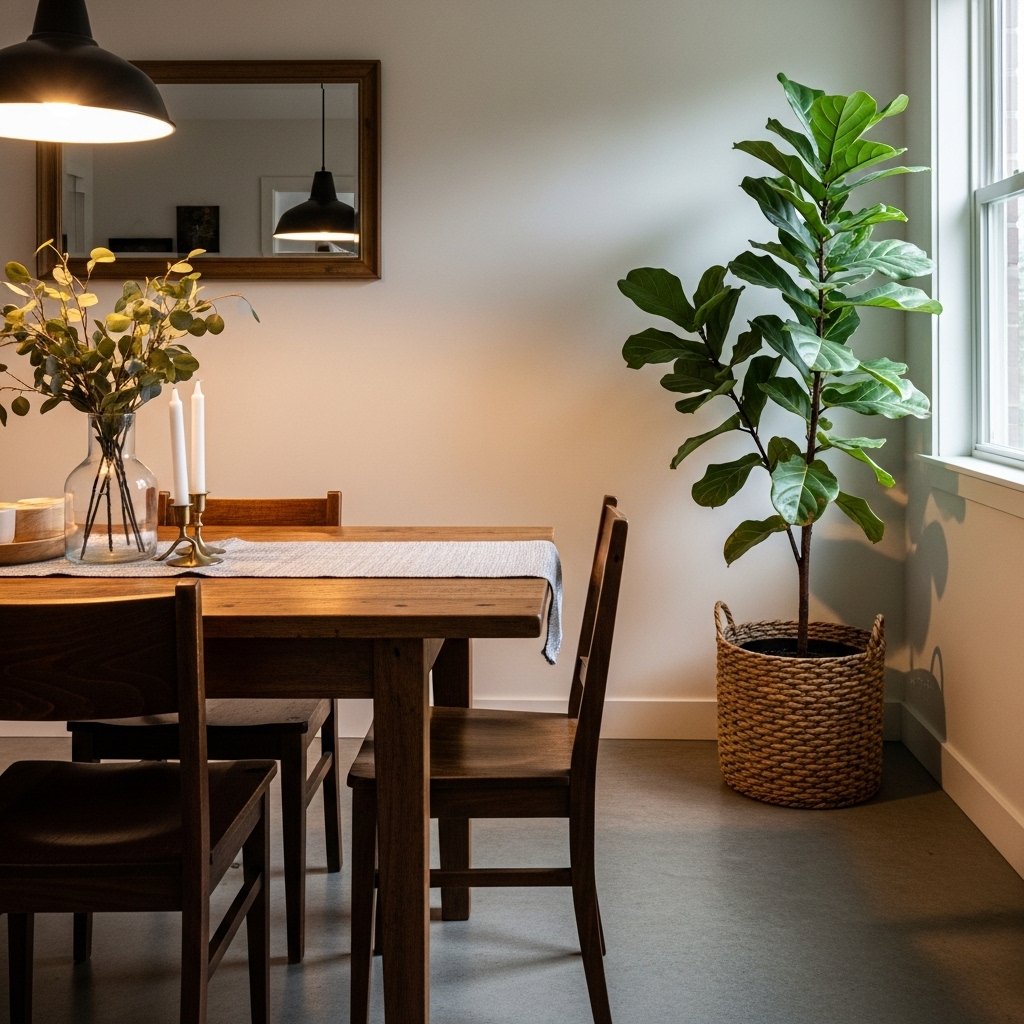
Choosing the best low light indoor plants in Australia allows you to enjoy greenery in every corner of your home without worrying about sunlight. From hardy options like the Snake Plant and ZZ Plant to elegant choices like Peace Lily and Maidenhair Fern, there’s a perfect plant for every style and space. Low light plants not only enhance aesthetics but also improve air quality and promote a sense of calm. With minimal care, these plants bring life, color, and natural charm to Australian homes year-round. Whether you are a beginner or an experienced plant parent, these twelve options ensure that indoor gardening is both beautiful and effortless.