Best Potting Soil for Indoor Plants: Complete Guide for Healthy Growth
Blog > Home > Indoor Plants & Home Decor > Best Potting Soil for Indoor Plants: Complete Guide for Healthy Growth
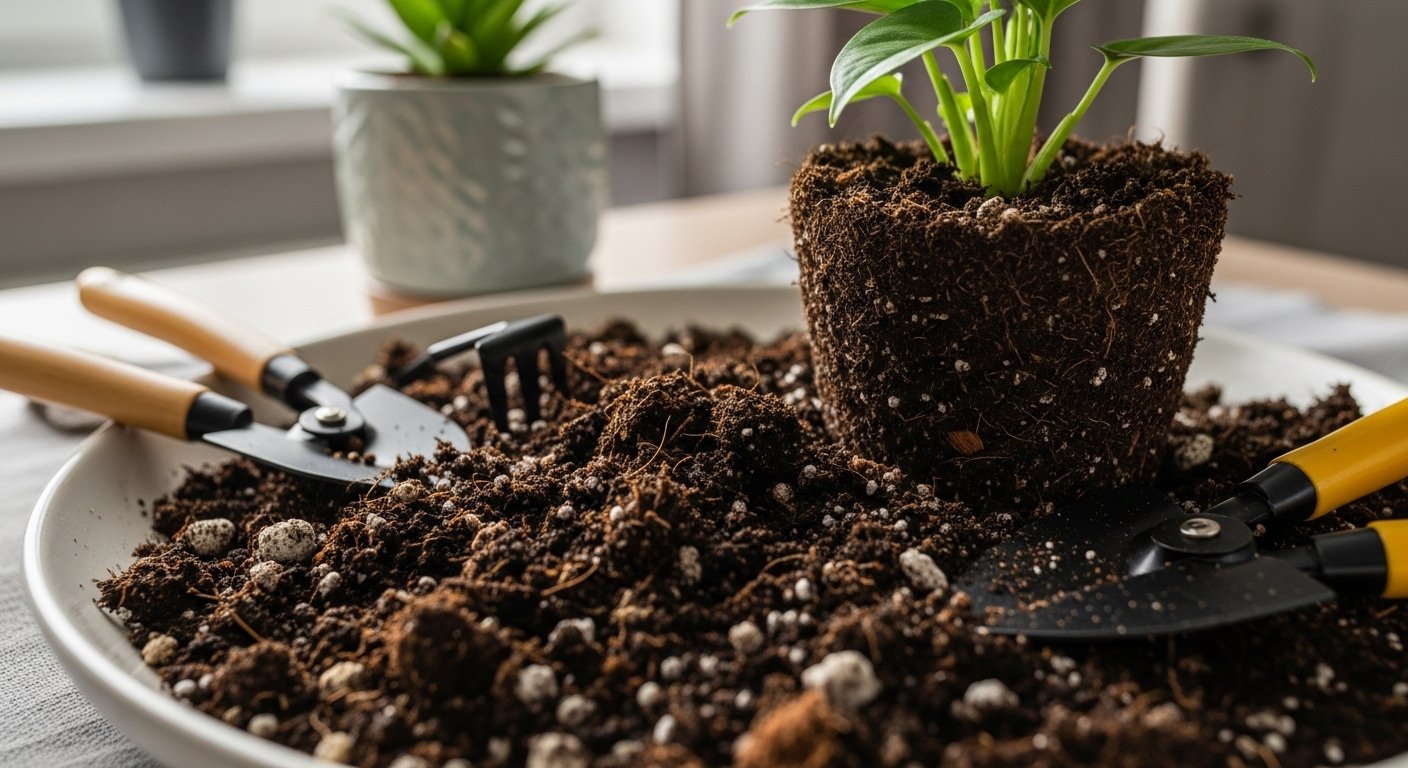
Choosing the best potting soil for indoor plants is one of the most important steps in ensuring your plants thrive. Unlike outdoor soil, indoor potting mixes are specially designed to provide the right balance of drainage, aeration, and nutrients. The right soil not only supports root growth but also helps prevent common problems like root rot, pests, and poor plant health. Whether you are a beginner or an experienced plant lover, understanding different soil types can make a huge difference. In this guide, you’ll discover 12 well-structured and optimized potting soil ideas to keep your indoor plants healthy and vibrant.
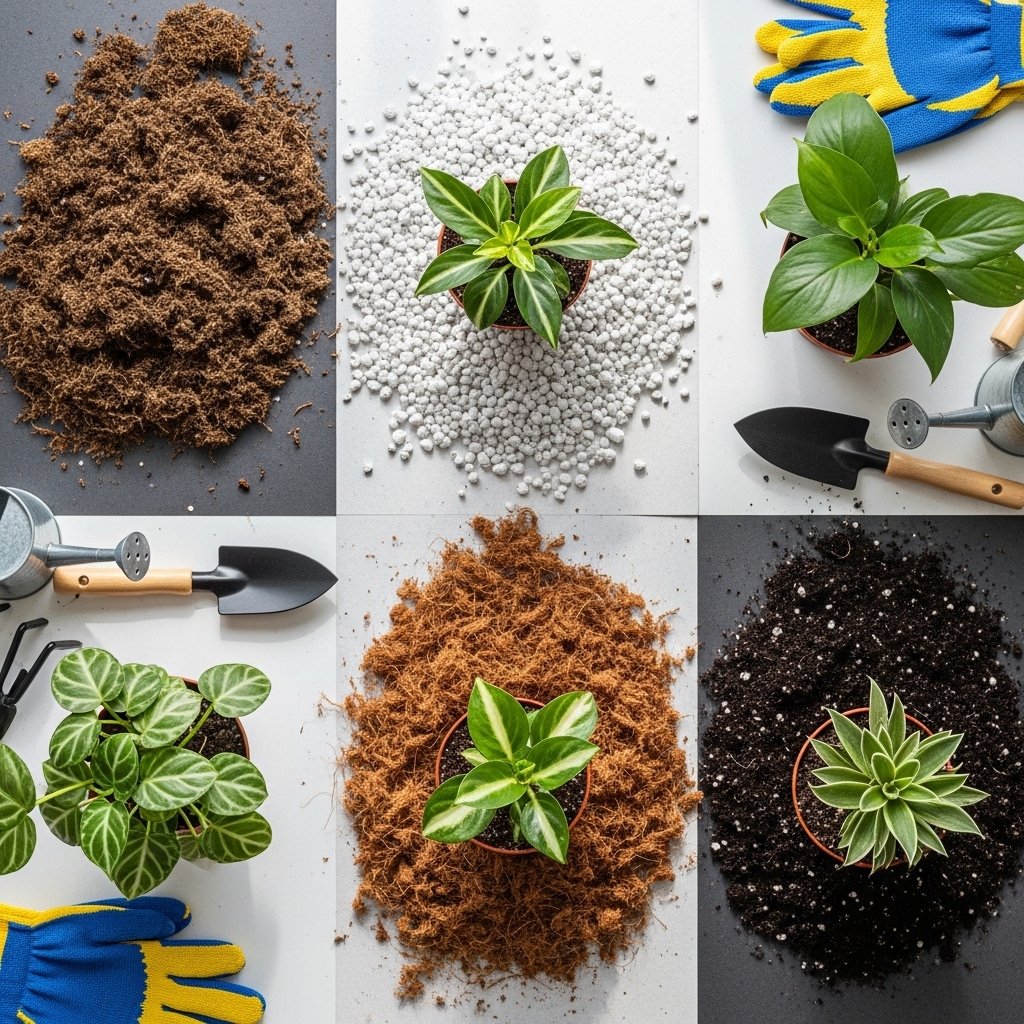
Table Of Content
1. All-Purpose Potting Mix
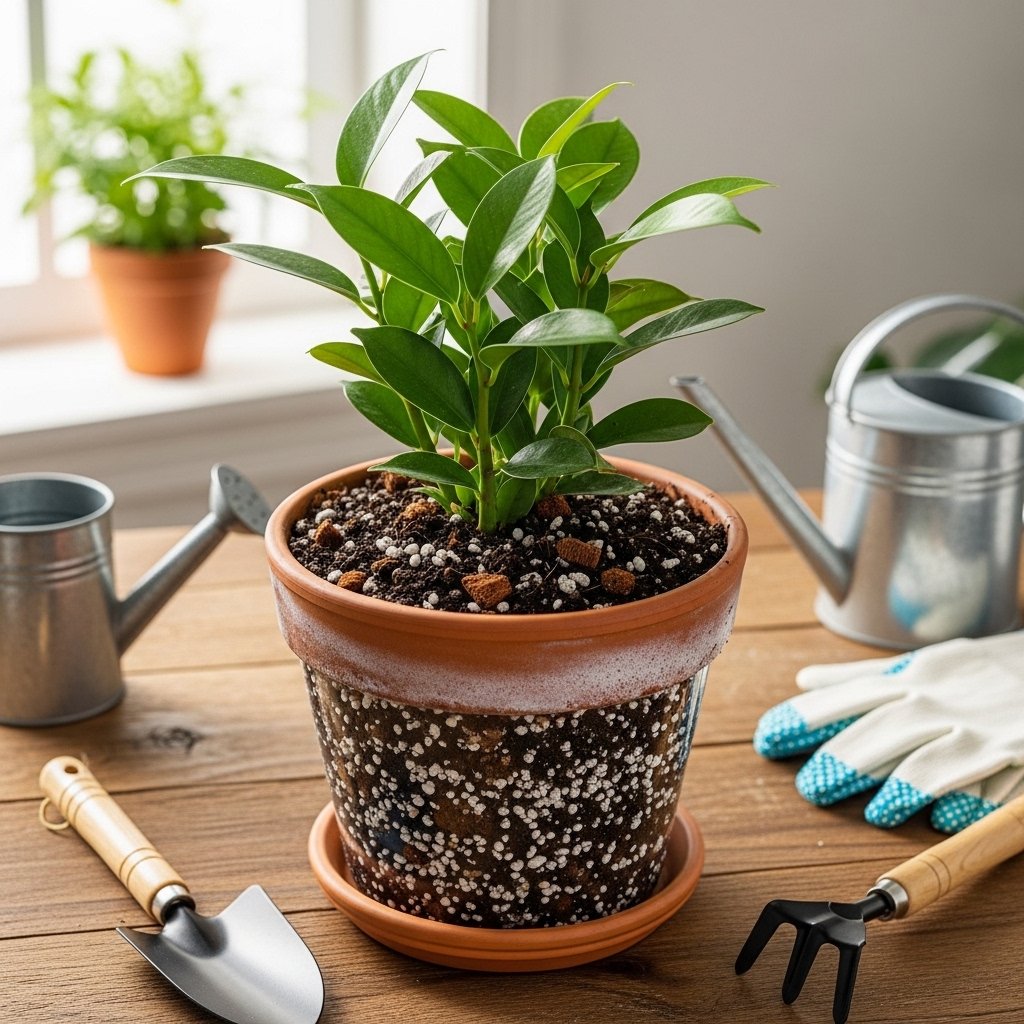
An all-purpose potting mix is the most common and versatile option for indoor plants. It typically contains a blend of peat moss, perlite, and compost to provide balanced drainage and moisture retention. This type of soil works well for a wide variety of houseplants, making it ideal for beginners. It is lightweight and easy to use, allowing roots to grow freely. If you’re unsure where to start, an all-purpose mix is always a safe choice.
2. Peat Moss-Based Soil Mix
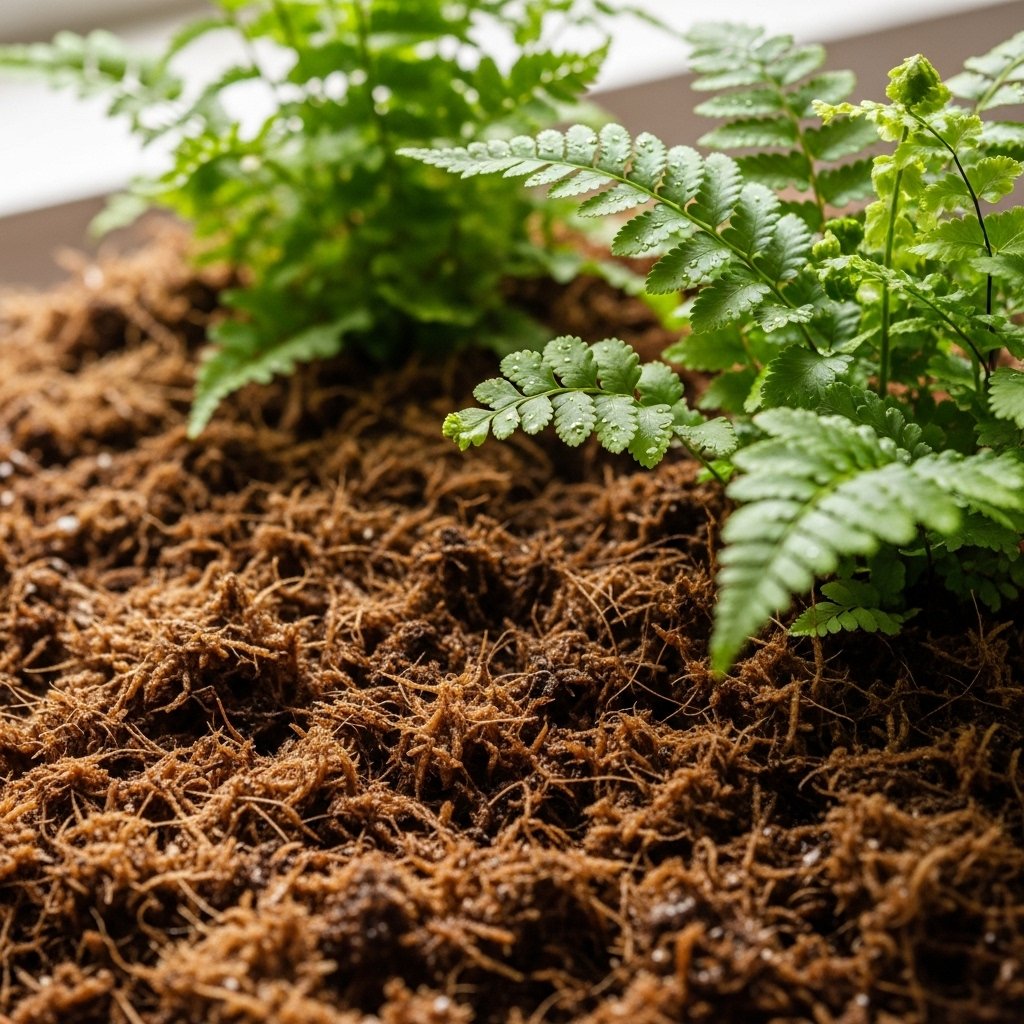
Peat moss-based soil is excellent for retaining moisture while still allowing proper aeration. It is commonly used as a base ingredient in many commercial potting mixes. This type of soil is slightly acidic, which benefits many indoor plants like ferns and tropical species. However, it should be combined with materials like perlite to improve drainage. Regular watering management is important when using peat-based mixes.
3. Coco Coir Potting Mix
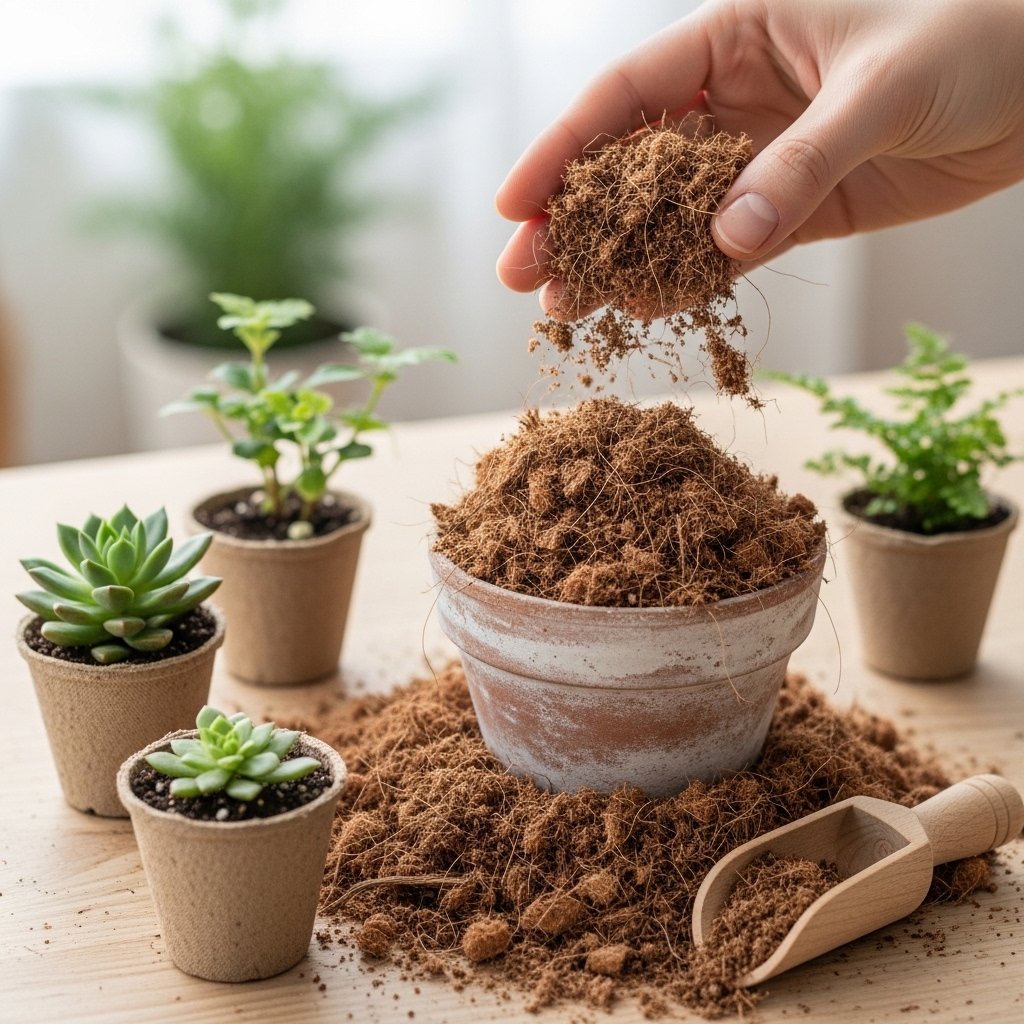
Coco coir is an eco-friendly alternative to peat moss and is made from coconut husks. It offers excellent water retention while maintaining good airflow around plant roots. This type of soil is sustainable and reusable, making it a popular choice among environmentally conscious gardeners. It also resists compaction better than peat moss over time. Coco coir works well for most indoor plants when mixed with other components.
4. Perlite-Enriched Soil
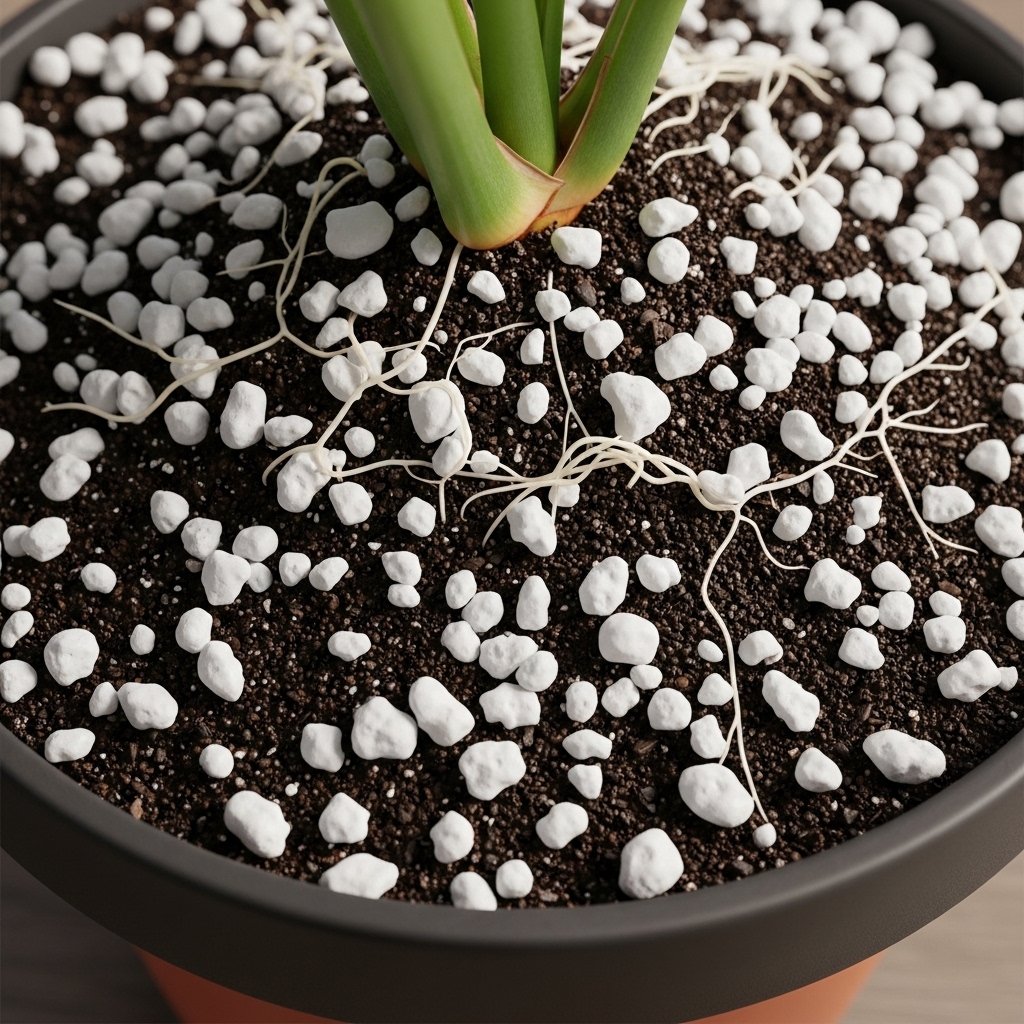
Perlite is a lightweight volcanic material that improves soil aeration and drainage. A perlite-enriched potting mix is perfect for plants that are sensitive to overwatering. It helps prevent soil from becoming compacted, allowing roots to breathe properly. This type of mix is especially useful for beginners who may accidentally overwater their plants. Adding perlite to your soil can significantly improve plant health.
5. Vermiculite Potting Mix
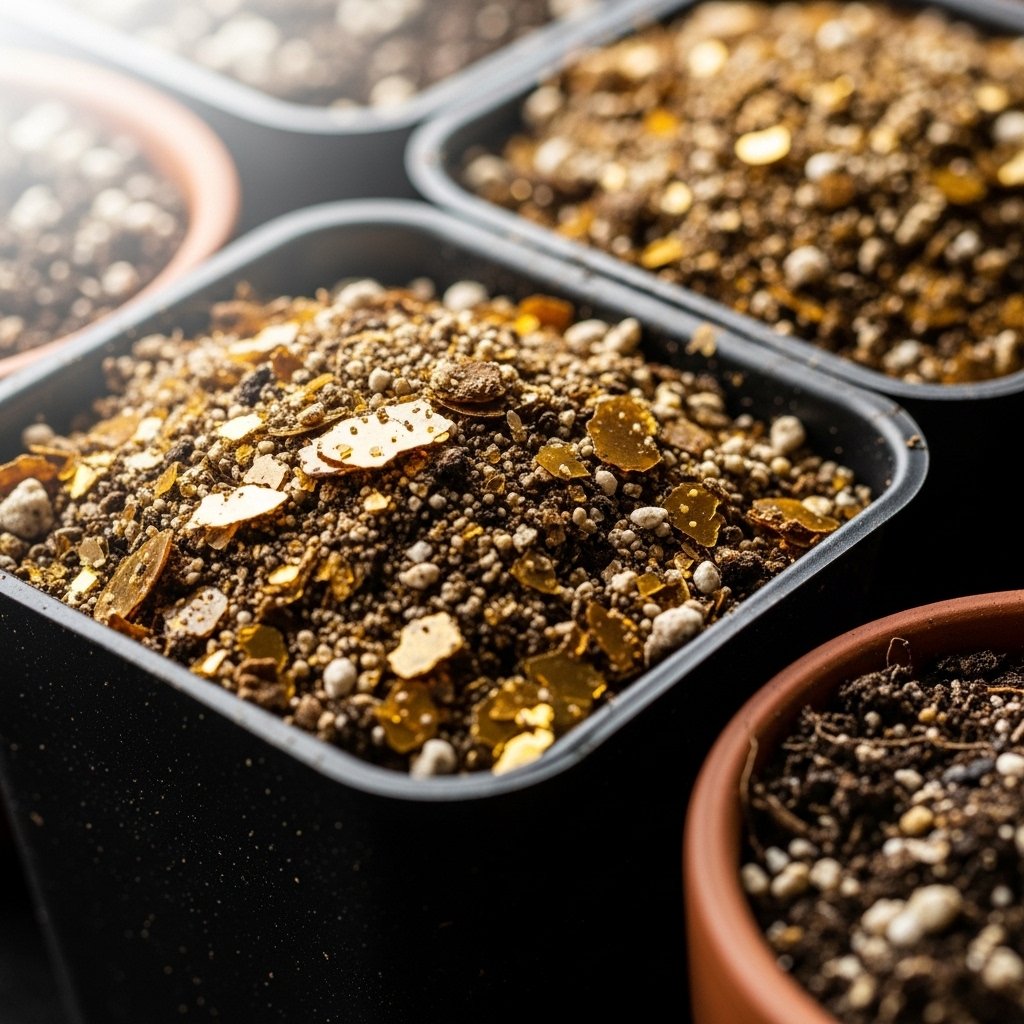
Vermiculite is another soil additive that enhances moisture retention and nutrient availability. Unlike perlite, it holds more water, making it suitable for plants that require consistently moist soil. It also helps retain essential nutrients, ensuring plants get what they need to grow. Vermiculite is often used in seed-starting mixes as well. Combining it with other materials creates a well-balanced potting medium.
6. Succulent and Cactus Soil Mix
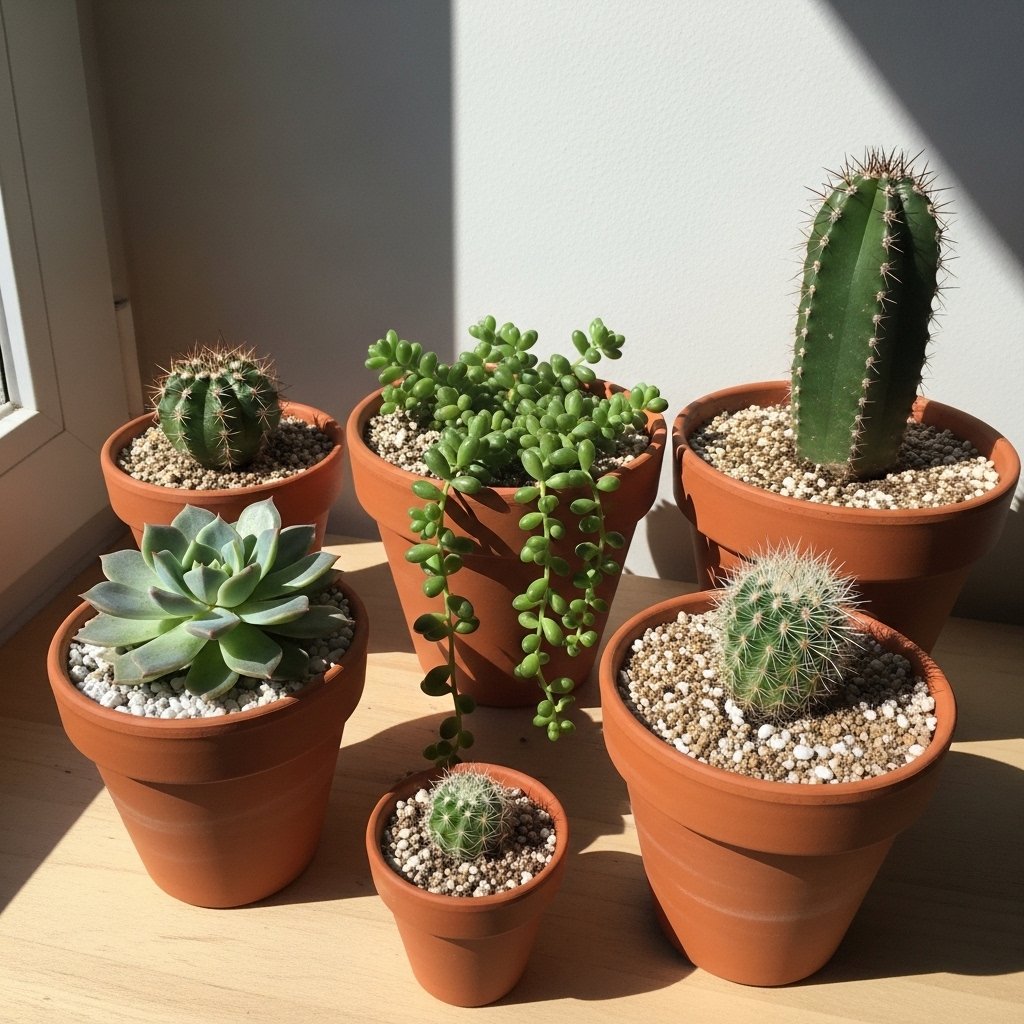
Succulents and cacti require fast-draining soil to prevent root rot. A specialized mix typically includes sand, perlite, and a small amount of organic matter. This type of soil allows water to pass through quickly, reducing the risk of overwatering. It mimics the natural desert environment where these plants thrive. Using the right mix is essential for keeping succulents healthy indoors.
7. Orchid Potting Mix
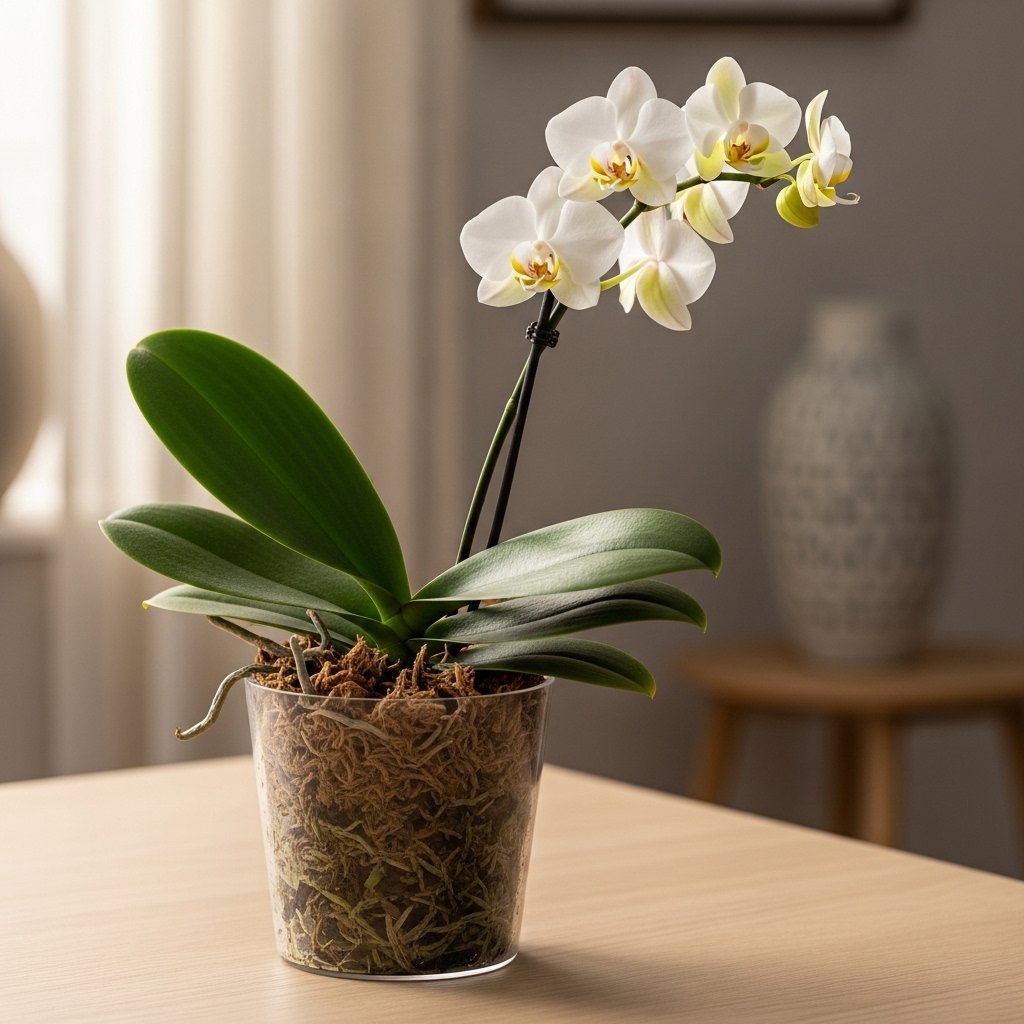
Orchids need a unique soil mix that provides excellent airflow and drainage. Instead of traditional soil, orchid mixes often include bark, charcoal, and moss. These materials allow roots to breathe and prevent excess moisture buildup. Orchid potting mixes are specifically designed for epiphytic plants. Choosing the correct mix is crucial for successful orchid care.
8. Organic Potting Soil
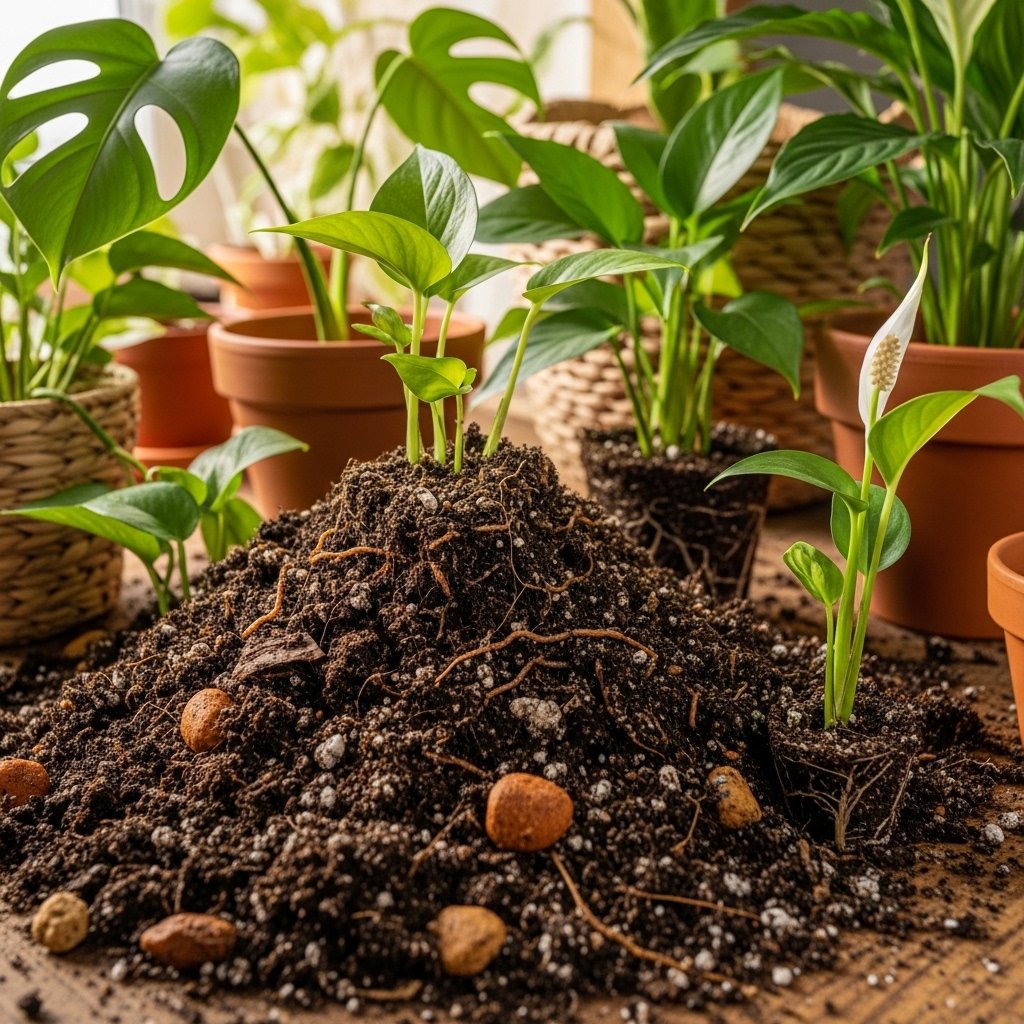
Organic potting soil is made from natural materials without synthetic chemicals or fertilizers. It often includes compost, worm castings, and natural fibers. This type of soil is ideal for those who prefer eco-friendly gardening practices. It improves soil fertility and supports beneficial microorganisms. Organic soil is a great choice for growing healthy and chemical-free indoor plants.
9. DIY Potting Soil Mix
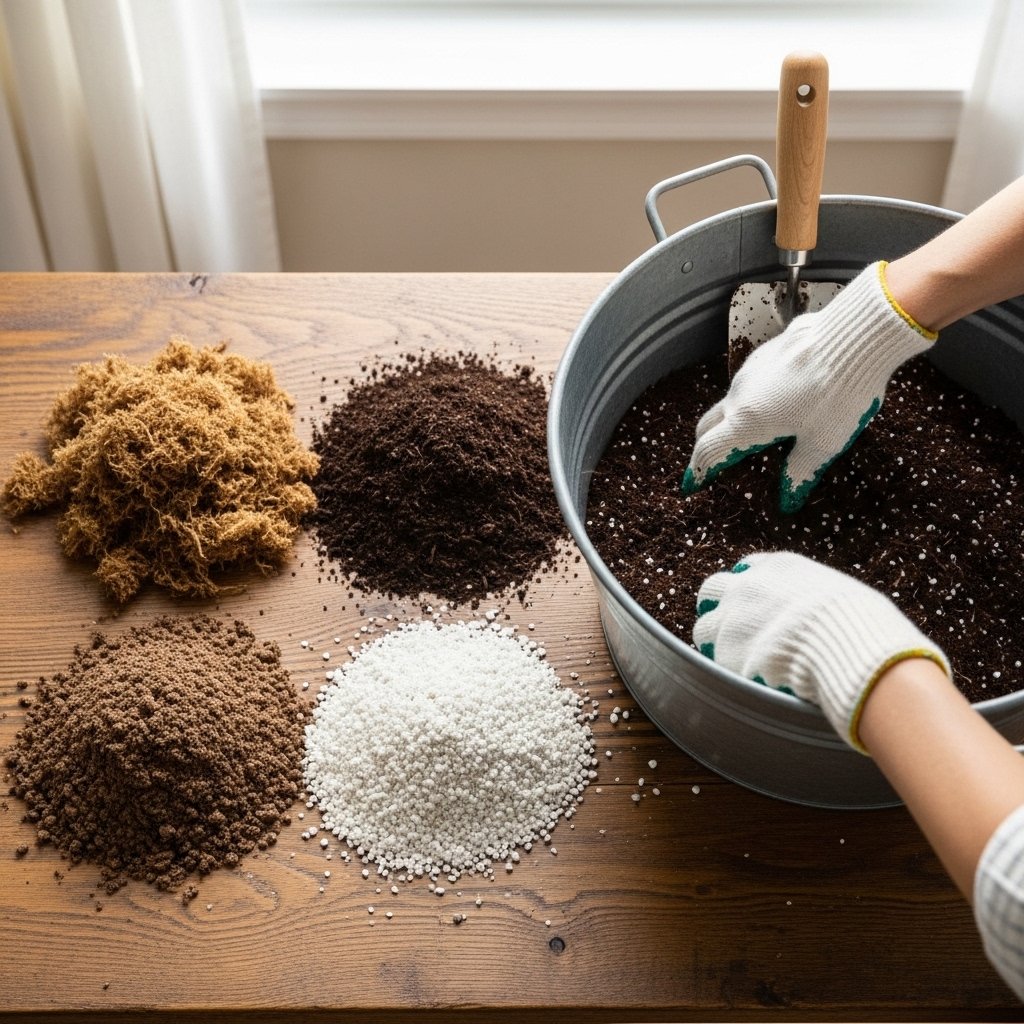
Creating your own potting soil allows you to customize it according to your plant’s needs. A basic DIY mix can include peat moss or coco coir, perlite, and compost. Adjusting the ratios helps you control moisture and drainage levels. This option is cost-effective and flexible for different plant types. It’s perfect for plant enthusiasts who enjoy hands-on gardening.
10. Fast-Draining Soil for Tropical Plants
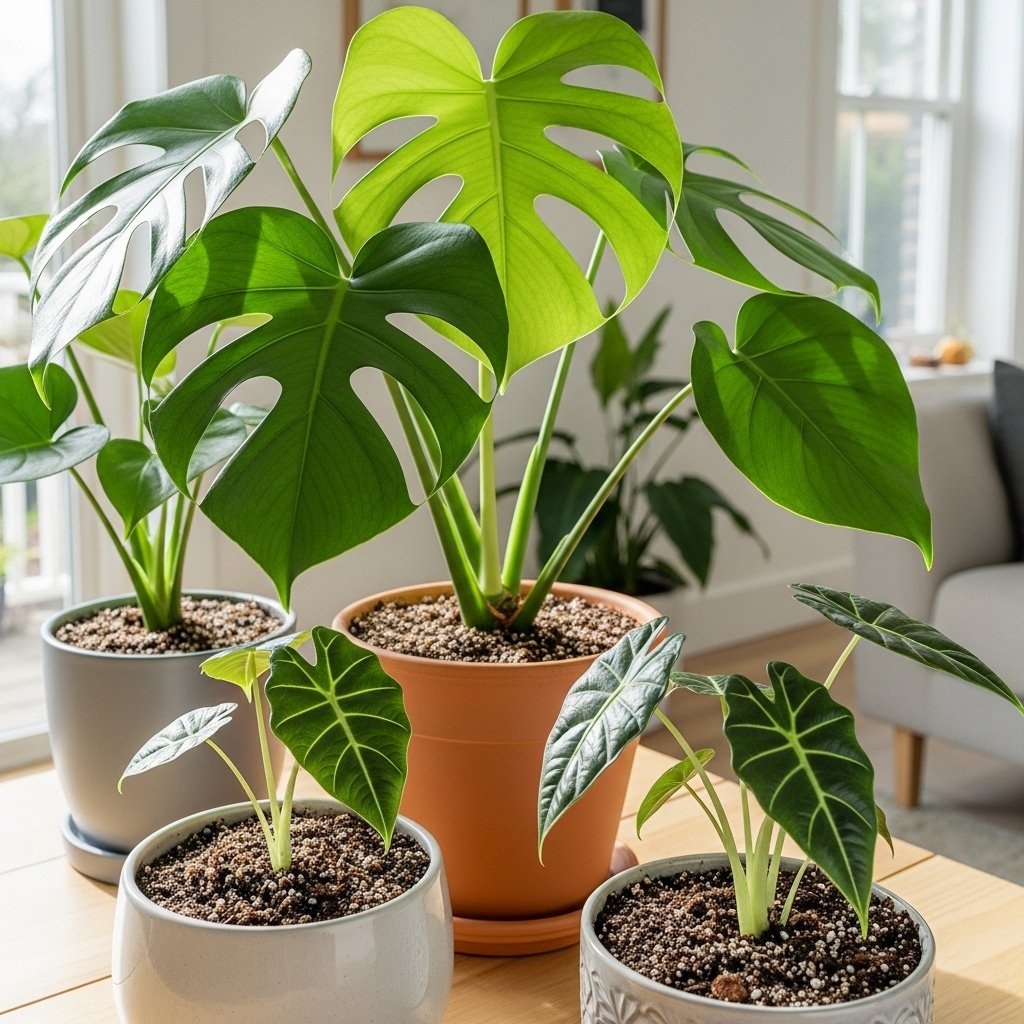
Tropical indoor plants require soil that retains moisture but also drains well. A mix of peat, bark, and perlite provides the ideal balance. This type of soil supports healthy root systems and prevents waterlogging. It is especially beneficial for plants like monstera and philodendron. Maintaining proper soil conditions helps tropical plants flourish indoors.
11. Nutrient-Rich Potting Soil
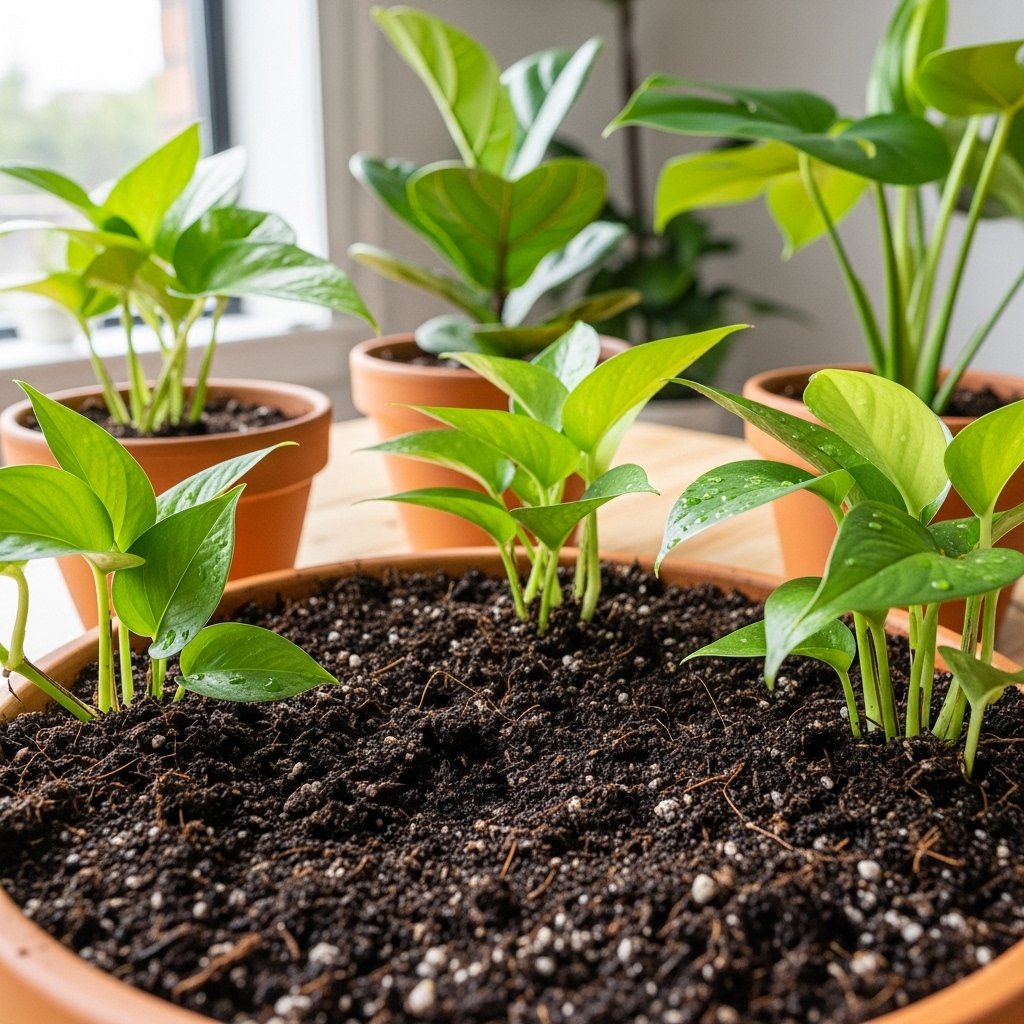
Nutrient-rich potting soil is enriched with fertilizers or organic matter to support plant growth. It provides essential nutrients like nitrogen, phosphorus, and potassium. This type of soil reduces the need for frequent fertilization. It is especially useful for flowering or fast-growing indoor plants. Healthy soil leads to stronger and more vibrant plants.
12. Lightweight Indoor Potting Mix
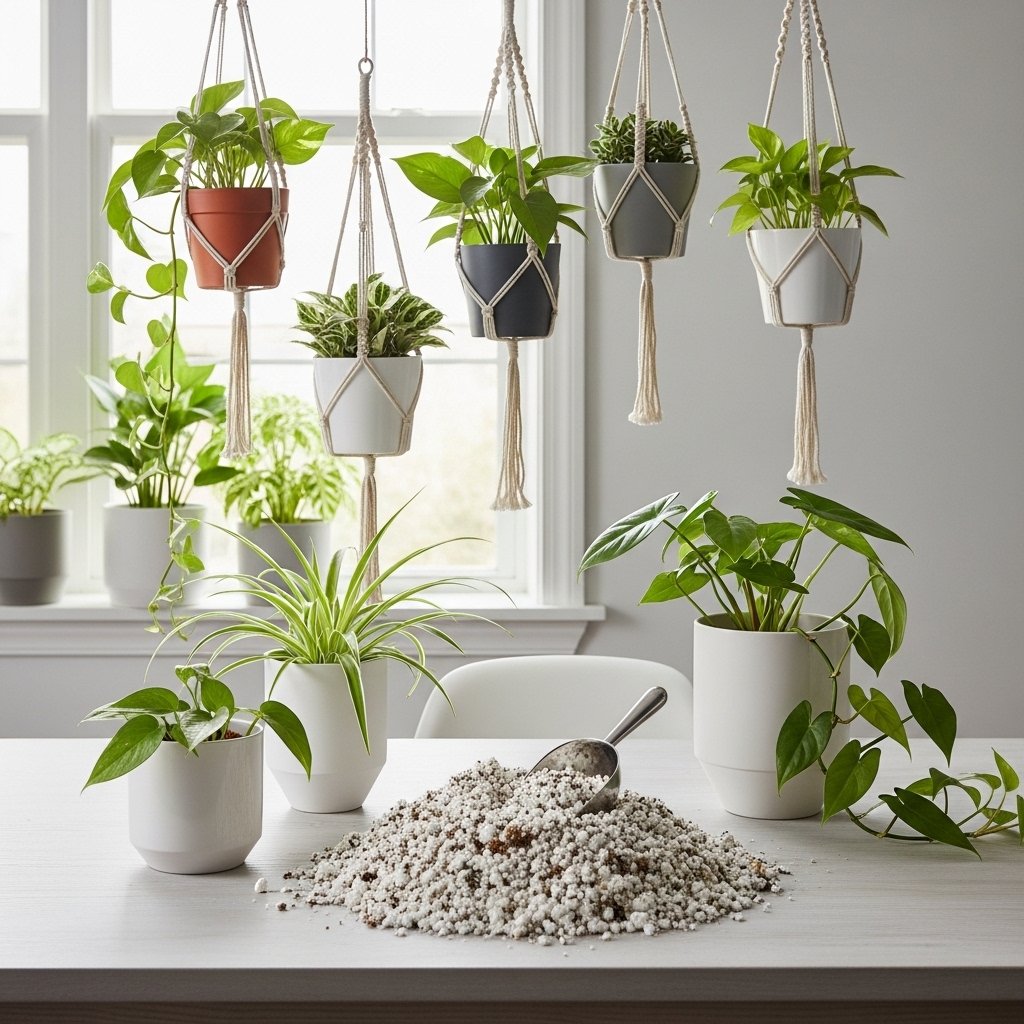
A lightweight potting mix is designed for easy handling and improved root development. It often contains materials like perlite, coco coir, and peat moss. This type of soil prevents compaction and ensures proper airflow. It is ideal for hanging plants or containers that need to be moved frequently. Lightweight soil makes indoor gardening more convenient and effective.
13. How to Care for Potting Soil for Indoor Plants
- Water Properly – Keep the soil moist, not too wet or too dry, to protect plant roots.
- Ensure Drainage – Use pots with holes so excess water can flow out easily.
- Loosen Soil – Gently mix the top layer to keep it fresh and improve airflow.
- Avoid Overuse – Replace old soil after some time to maintain nutrients.
- Store Correctly – Keep extra soil in a dry, covered place to avoid moisture and pests.
13.1. FAQ
13.2. What is the best potting soil for indoor plants❓
The best potting soil for indoor plants is a light, well-draining mix that holds some moisture but does not stay soggy. Most experts recommend a soilless potting mix made with ingredients like peat moss or coco coir, perlite, and bark. This type of soil keeps roots healthy by allowing air circulation and preventing root rot.
13.3. Why is potting mix better than garden soil for indoor plants❓
Potting mix is better than garden soil because it is specially designed for containers. Garden soil becomes heavy and compact in pots, which blocks air and traps too much water. This can damage roots and cause plant diseases. A proper potting mix stays loose and airy, helping plants grow strong indoors.
13.4. What ingredients should good indoor potting soil have❓
Good indoor potting soil usually contains materials like coco coir or peat moss for moisture, perlite or pumice for drainage, and bark or compost for structure. Some mixes also include slow-release fertilizer for plant growth. These ingredients work together to provide the right balance of water, air, and nutrients.
14. Final Thoughts
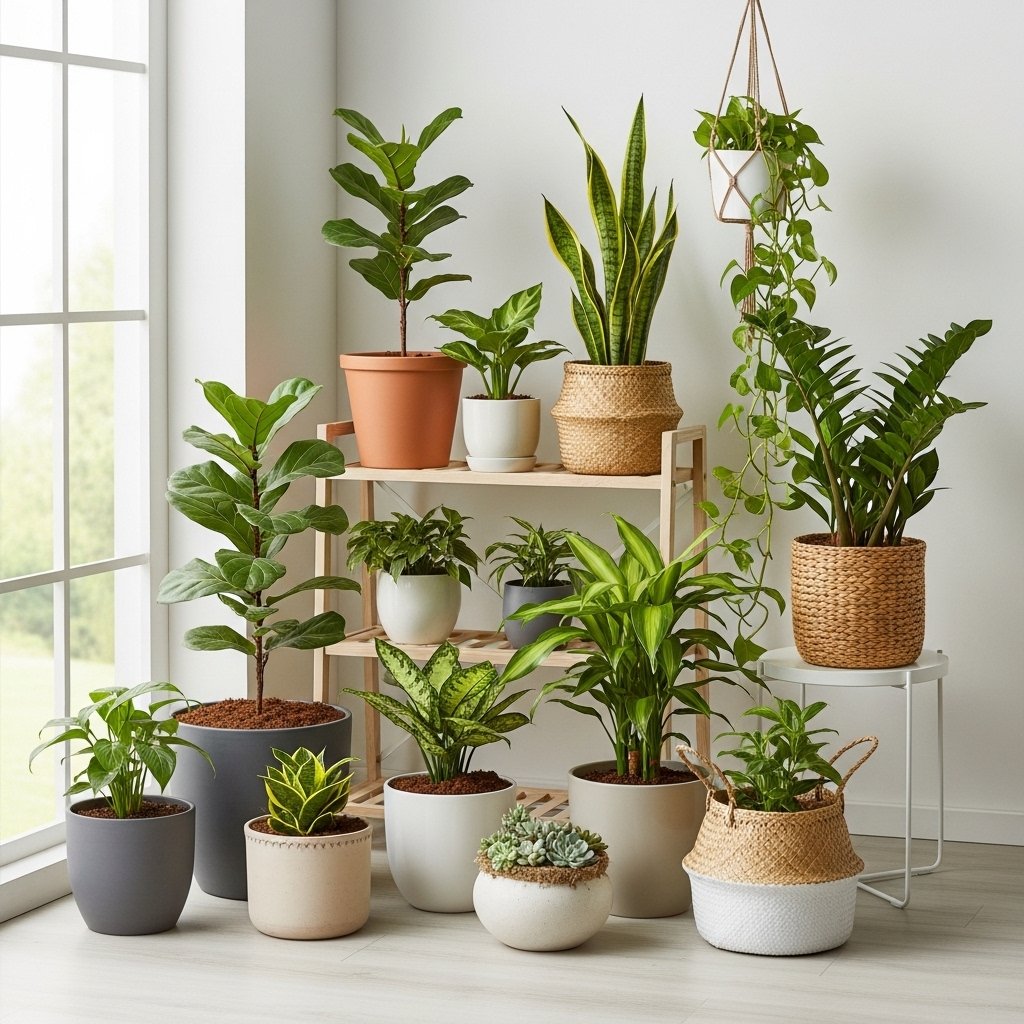
Selecting the best potting soil for indoor plants is essential for maintaining healthy and thriving greenery in your home. Each type of soil offers unique benefits, from improved drainage to enhanced nutrient retention. Understanding your plant’s specific needs will help you choose the most suitable mix. Whether you opt for a ready-made blend or create your own, the right soil can make all the difference. With proper care and the right potting mix, your indoor plants will grow beautifully and bring life to your space.