Cut Flower Garden Design Ideas: Creative Ways to Grow Stunning Blooms
Blog > Home > cut flower garden > Cut Flower Garden Design Ideas: Creative Ways to Grow Stunning Blooms
Creating a cut flower garden is a rewarding way to enjoy fresh blooms throughout the season. Unlike traditional flower beds, cut flower gardens are designed specifically for harvesting flowers while encouraging plants to continue producing more. With thoughtful planning, you can mix colors, textures, and heights to achieve a beautiful yet practical garden. Whether you have a small backyard, raised beds, or containers, cut flower gardens can be adapted to any space. In this article, we’ll explore twelve inspiring cut flower garden design ideas to help you grow a vibrant and photogenic floral oasis.
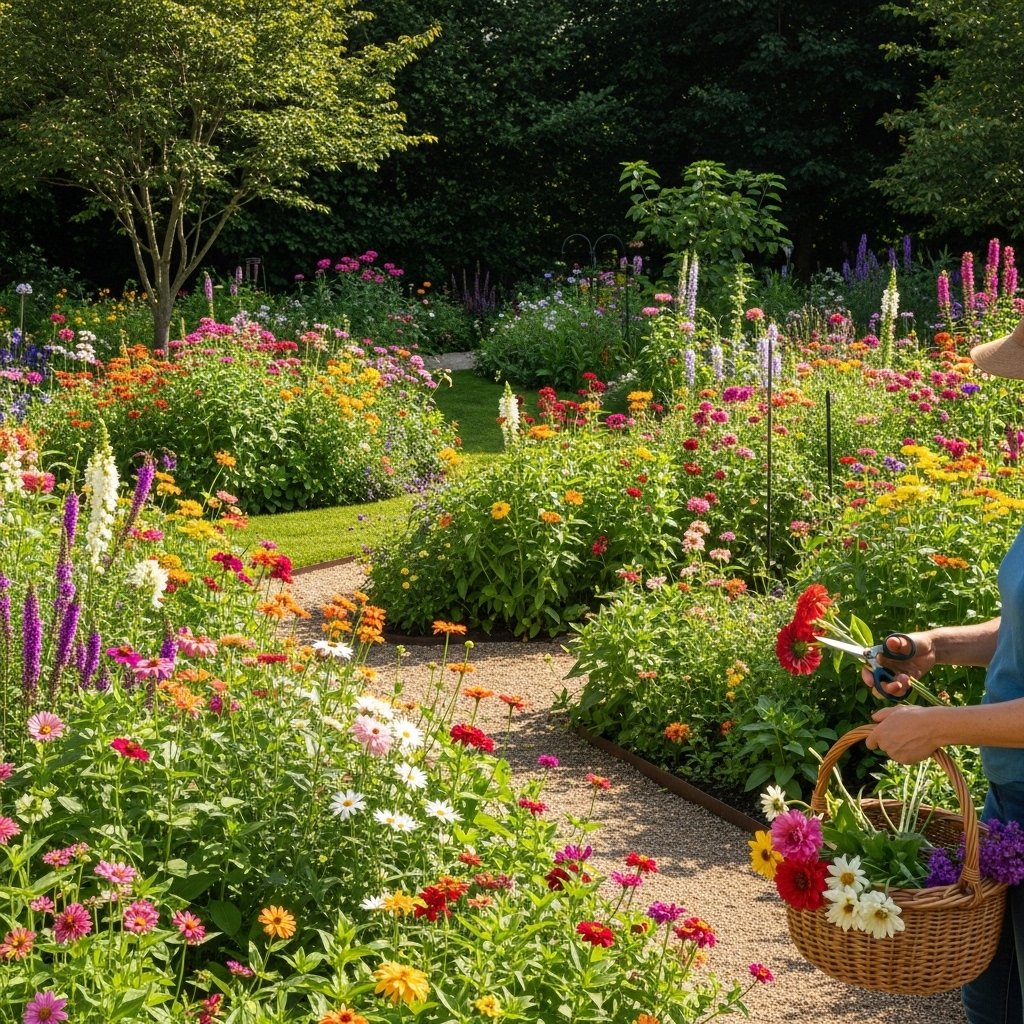
Table Of Content
1. Cottage-Style Cut Flower Garden
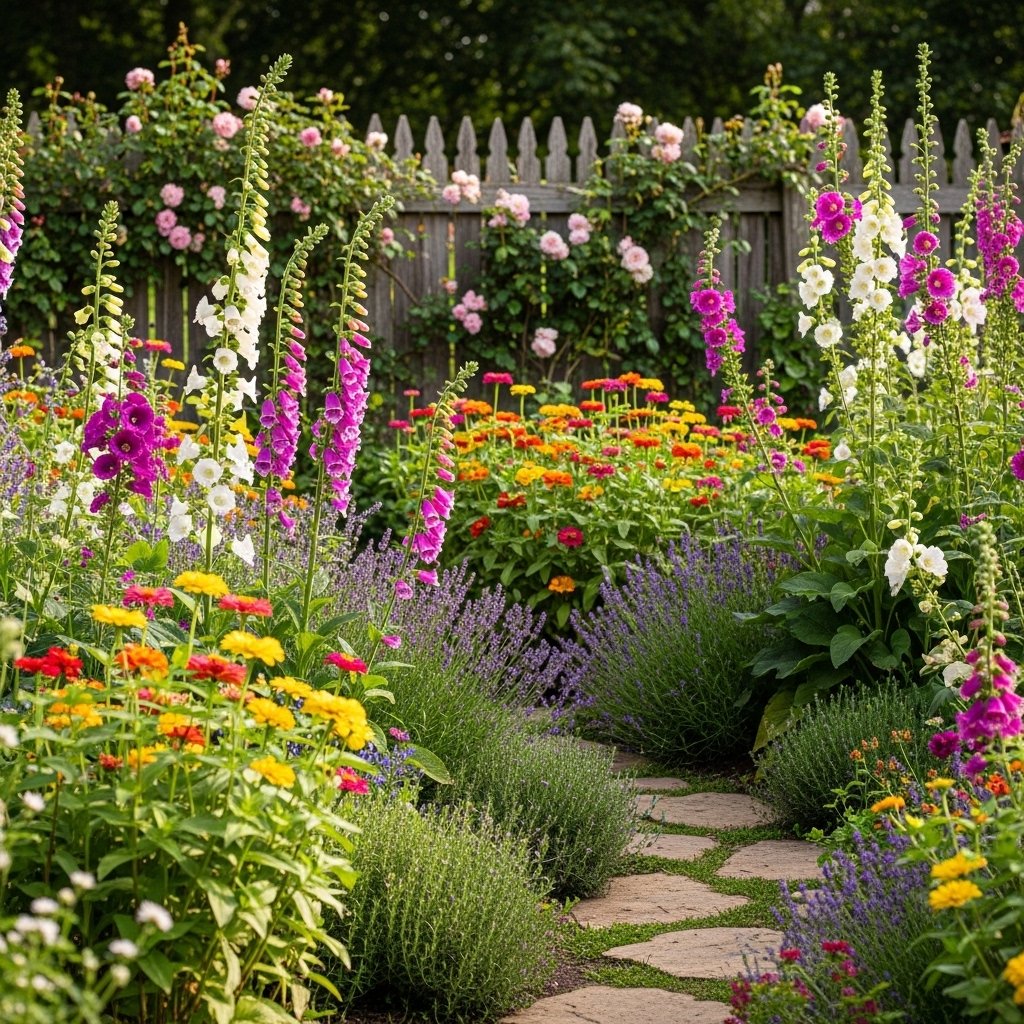
A cottage-style cut flower garden brings a relaxed and charming look to your yard. This design features a mix of tall and short flowers, layered to create an informal, whimsical feel. Flowers like foxgloves, hollyhocks, and zinnias add height and color variety. Interplanting with fragrant herbs like lavender or thyme enhances both beauty and scent. This design is perfect for gardeners who love a natural, overflowing look while still providing abundant blooms for cutting.
2. Raised Bed Cut Flower Garden
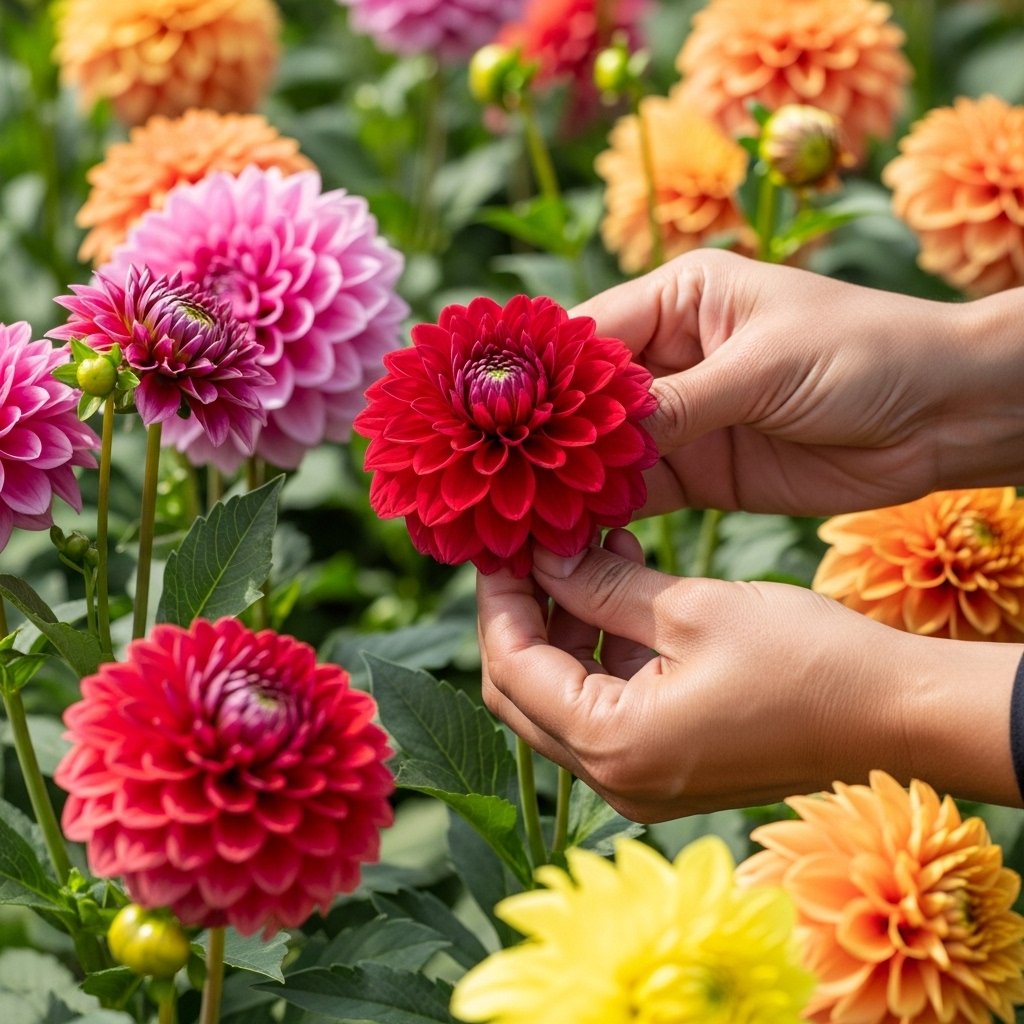
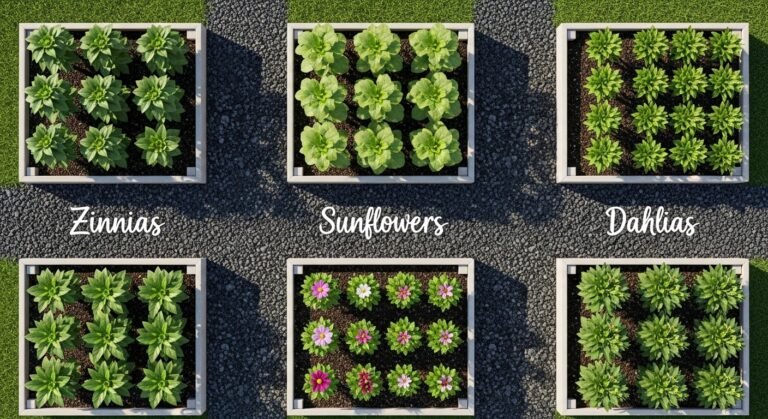
Raised beds are a practical solution for a neat and organized cut flower garden. They improve soil drainage, make maintenance easier, and help keep flowers protected from pests. Planting in defined rows or blocks allows for easy harvesting without damaging other plants. Consider planting dahlias, sunflowers, or snapdragons in raised beds for a striking display. This design is ideal for gardeners with limited space who want maximum control over soil quality and plant placement.
3. Vertical Cut Flower Garden
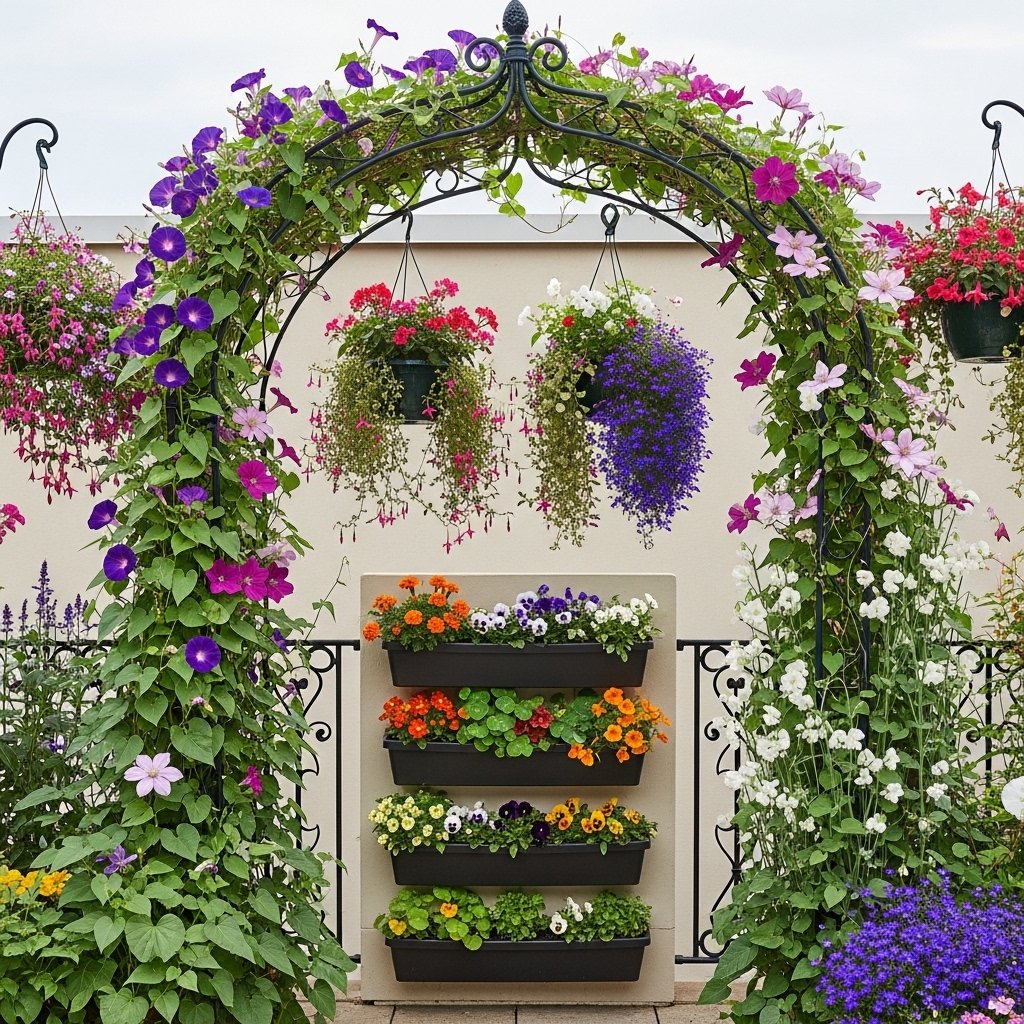
Vertical gardening adds a creative twist to traditional flower beds, especially for small spaces. Use trellises, arches, or hanging baskets to grow climbing or trailing flowers. Morning glories, sweet peas, and clematis are excellent options for vertical displays. This design not only saves space but also creates a visually dynamic garden perfect for photos and cut flower arrangements. Layering plants vertically can make even a compact garden look lush and full of life.
4. Mixed-Height Flower Borders
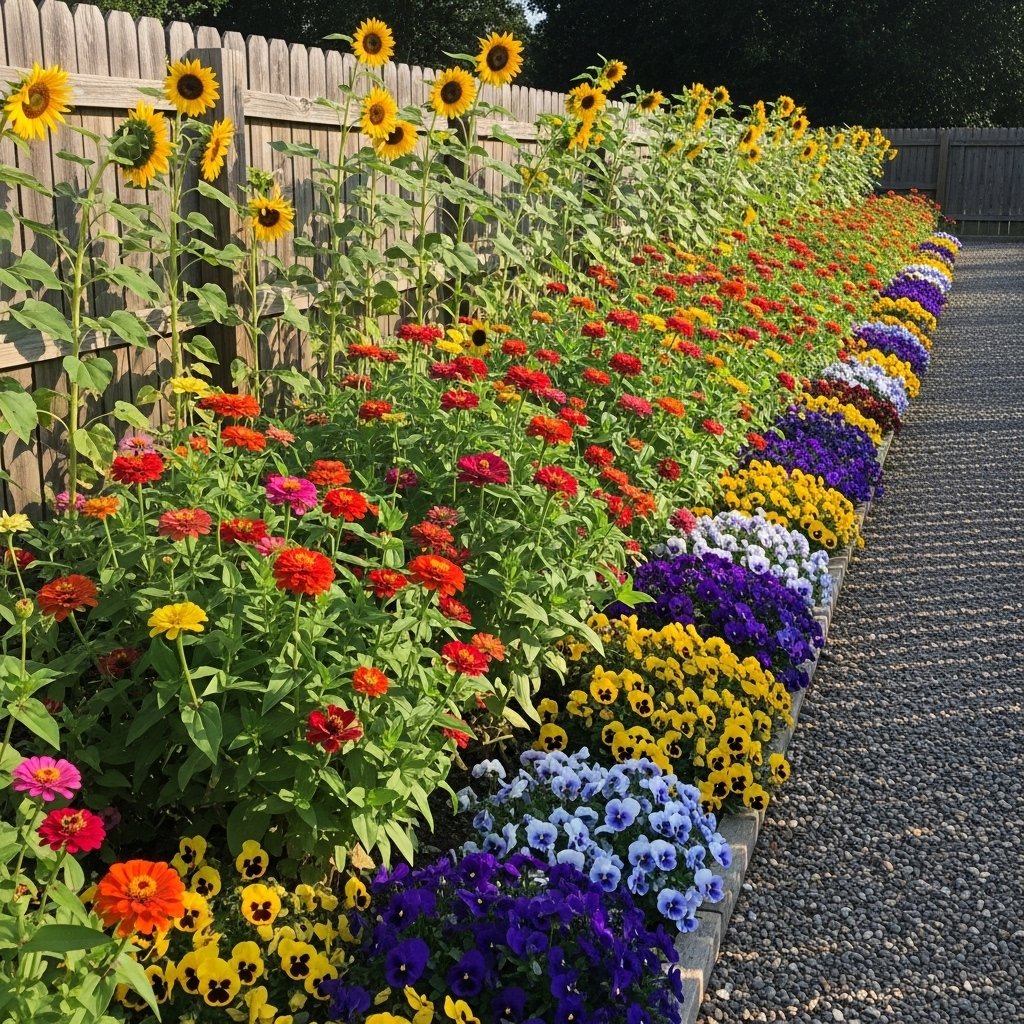
Mixed-height flower borders are ideal for creating depth and visual interest in a cut flower garden. Plant taller flowers like sunflowers or hollyhocks at the back, medium-height blooms like zinnias in the middle, and low-growing flowers like pansies at the front. This technique ensures that all flowers are visible while allowing easy access for harvesting. Combining colors and textures enhances the aesthetic appeal. Borders like these work well along fences, pathways, or garden edges.
5. Seasonal Color Block Garden
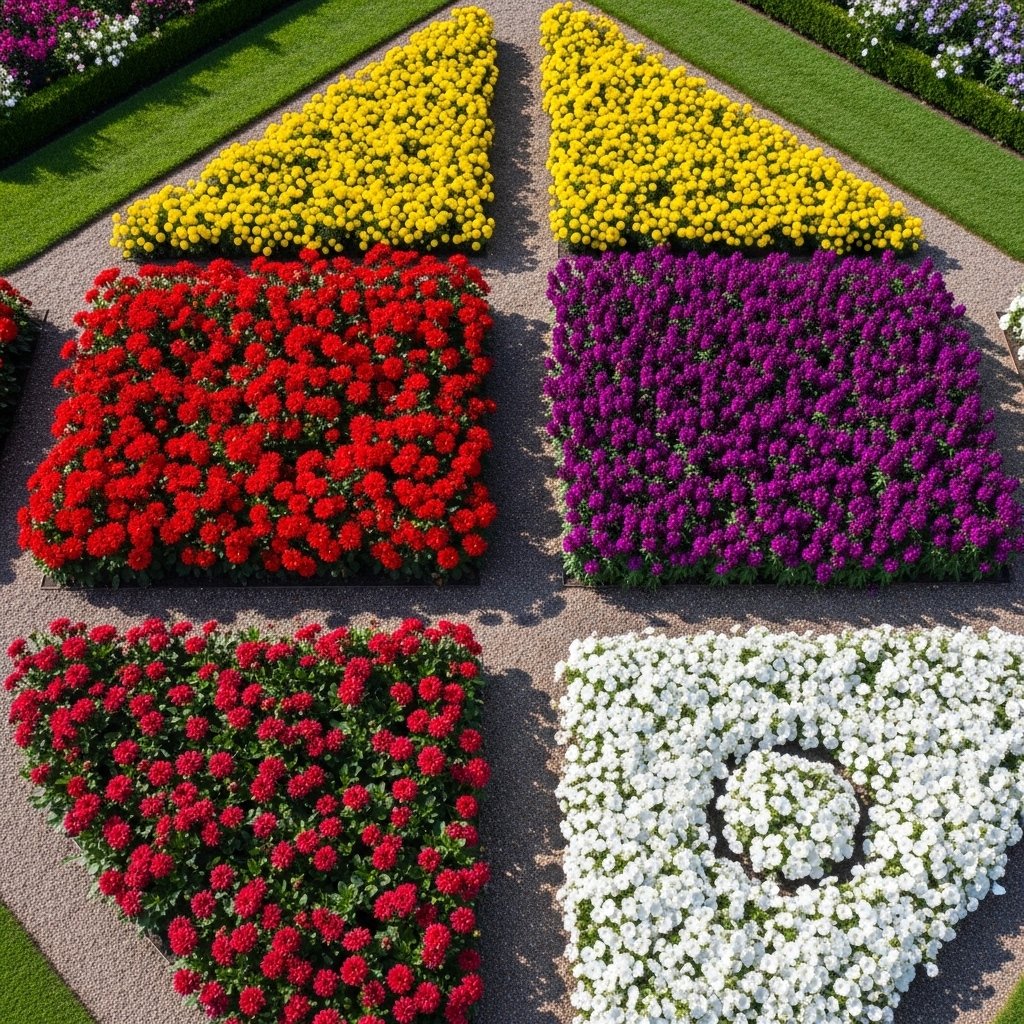
A seasonal color block garden focuses on grouping flowers by color to create a stunning visual impact. You can plant blocks of reds, yellows, purples, and whites to produce vibrant bouquets right from the garden. Flowers such as dahlias, marigolds, and snapdragons are great for color blocks because they bloom abundantly. Changing blocks each season keeps the garden fresh and exciting. This design makes selecting flowers for arrangements quick and effortless.
6. Pollinator-Friendly Cut Flower Garden
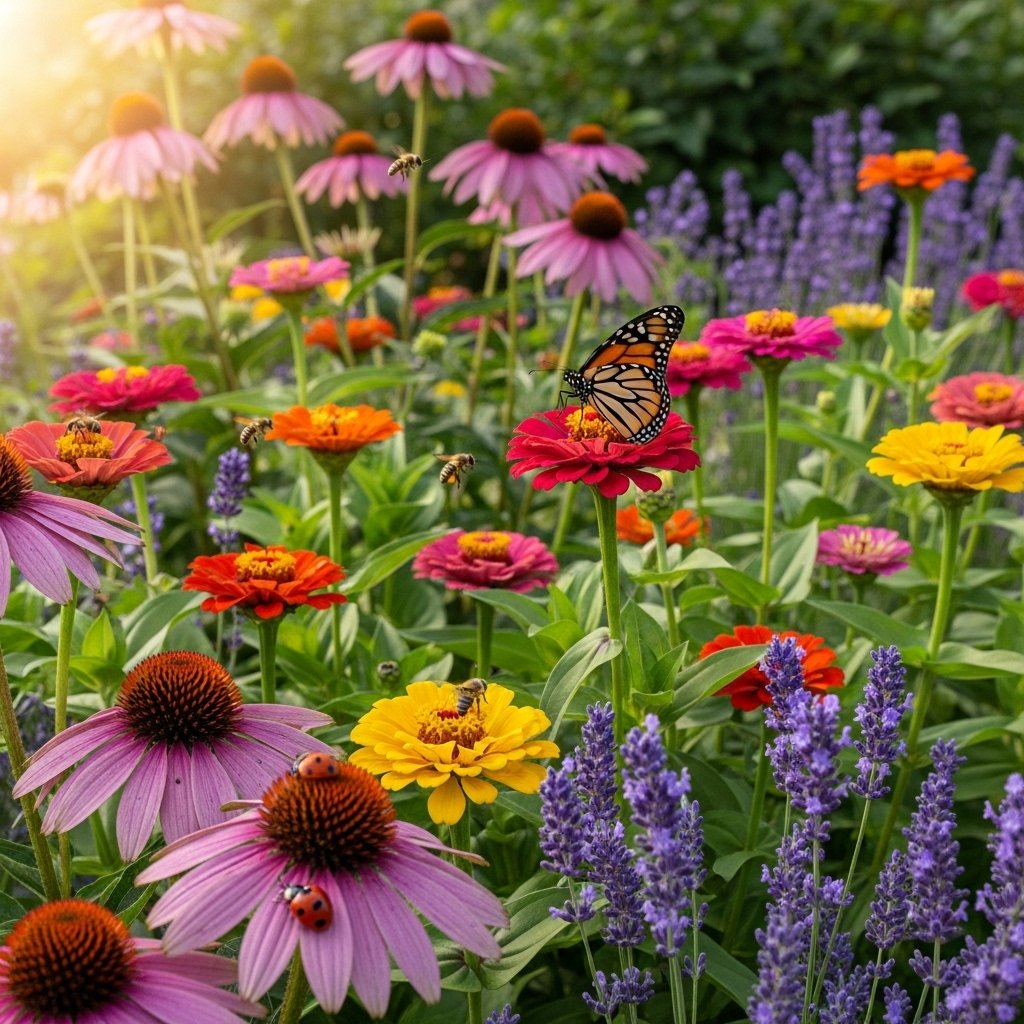
Incorporating pollinator-friendly plants not only beautifies your garden but also supports bees, butterflies, and other beneficial insects. Flowers like coneflowers, lavender, and zinnias attract pollinators while producing long-lasting blooms for cutting. Planting a variety of colors and flower shapes ensures continuous blooms throughout the season. This design is especially rewarding because it enhances biodiversity while providing abundant cut flowers. Pollinator-friendly gardens are both sustainable and practical.
7. Formal Geometric Flower Garden
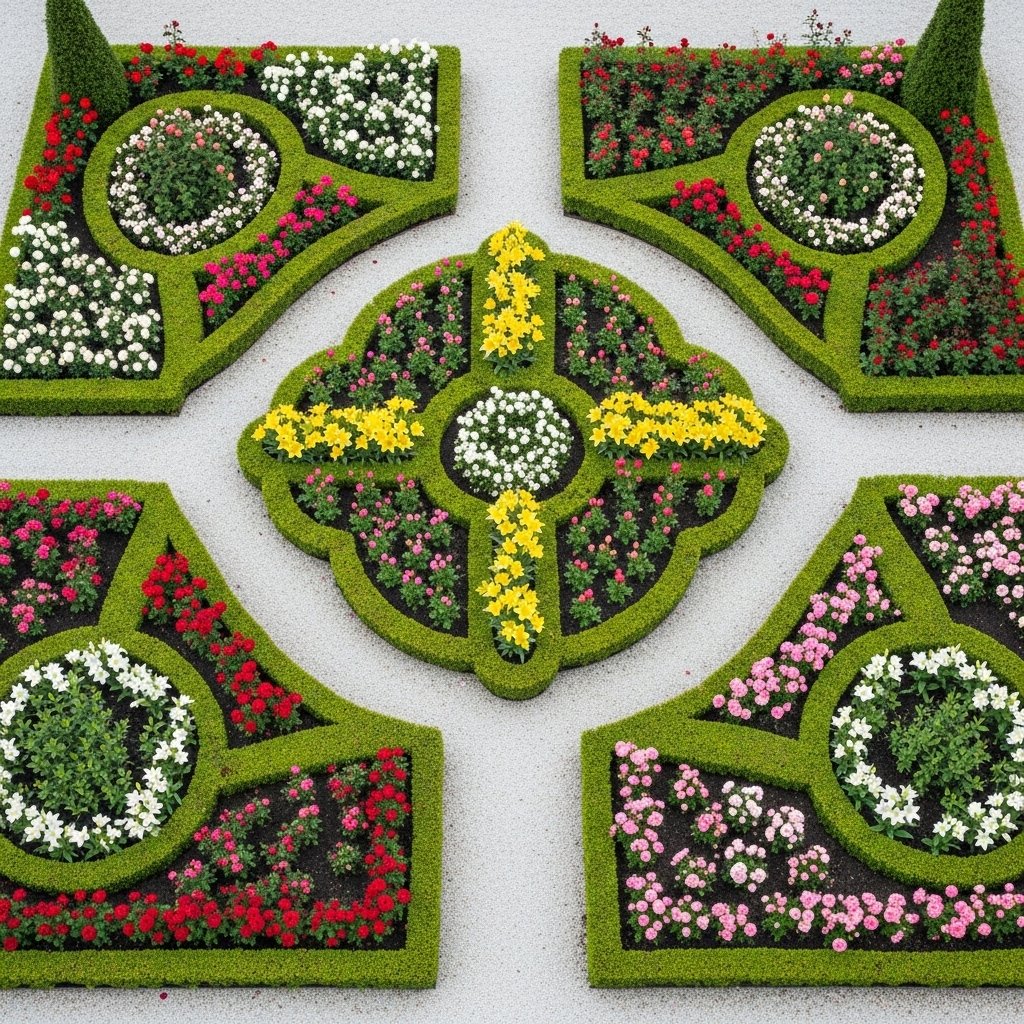
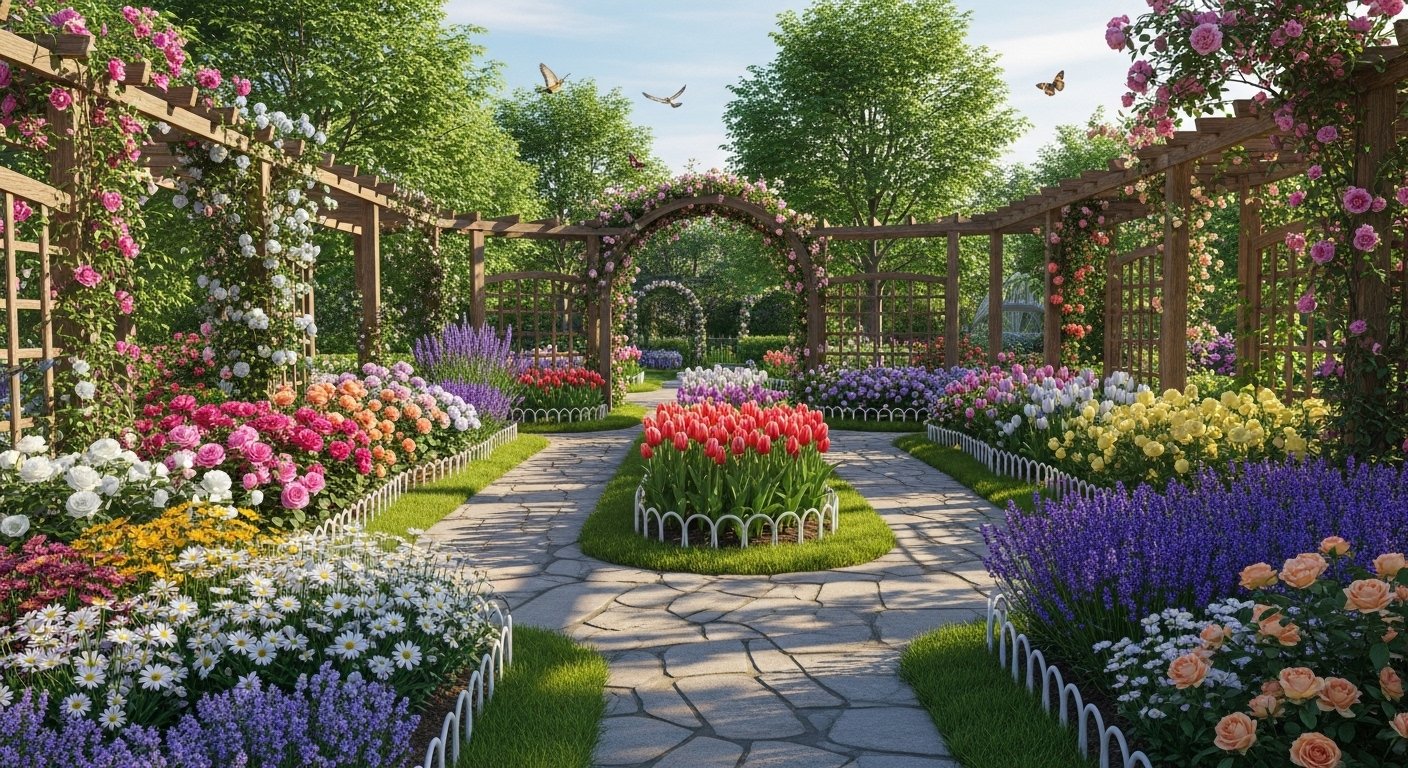
A formal geometric cut flower garden uses symmetry and structured layouts for a polished appearance. Square or rectangular beds, neatly edged paths, and evenly spaced plantings create a clean and sophisticated look. Flowers like roses, tulips, and lilies work well for structured designs due to their uniform growth habits. This approach is perfect for gardeners who enjoy order and elegance while still harvesting beautiful blooms. It’s ideal for front yards or formal garden settings.
8. Container-Based Cut Flower Garden
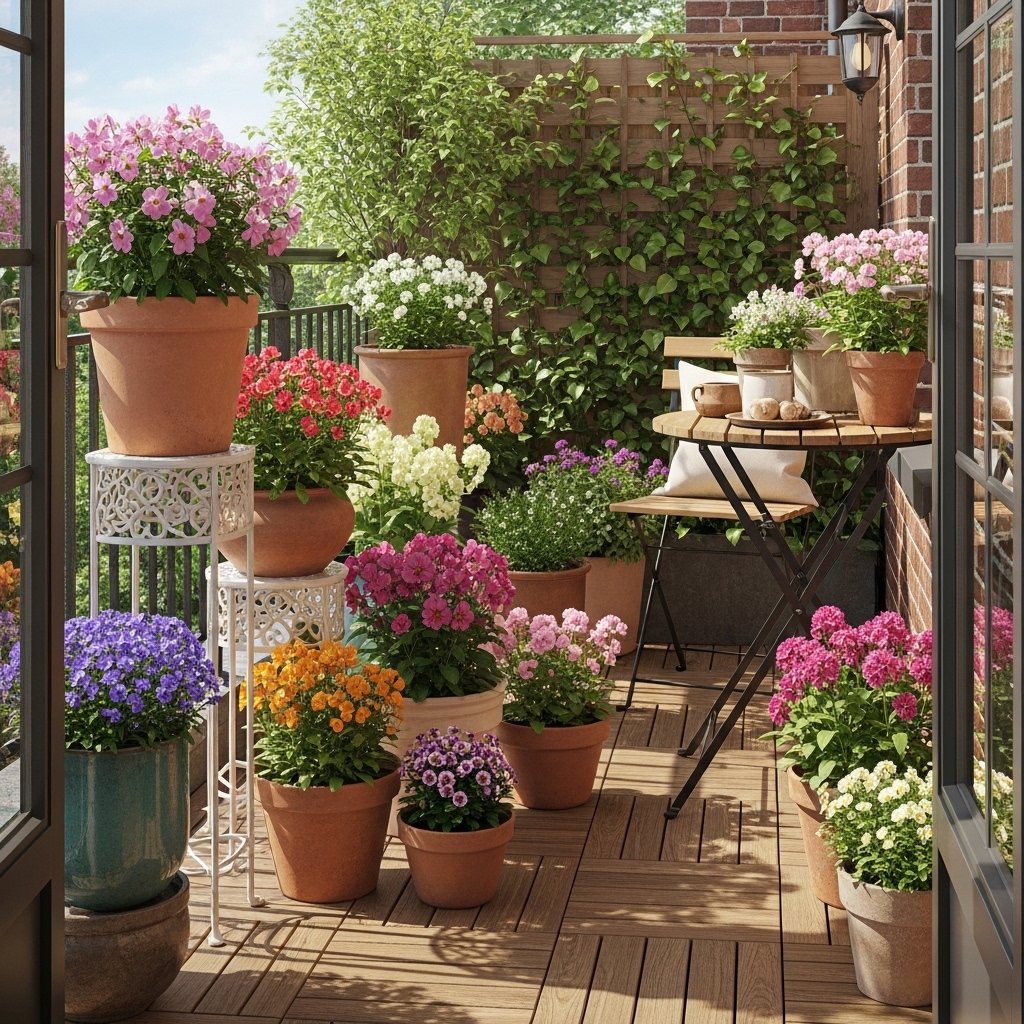
Container gardening is perfect for small patios, balconies, or urban spaces. Use pots, planters, or window boxes to grow flowers specifically for cutting. Flowers like cosmos, geraniums, and sweet alyssum thrive in containers while providing vibrant blooms. This design allows for easy rotation of seasonal plants and ensures optimal soil control. Container cut flower gardens are low-maintenance, versatile, and highly decorative.
9. Wildflower Cut Flower Garden
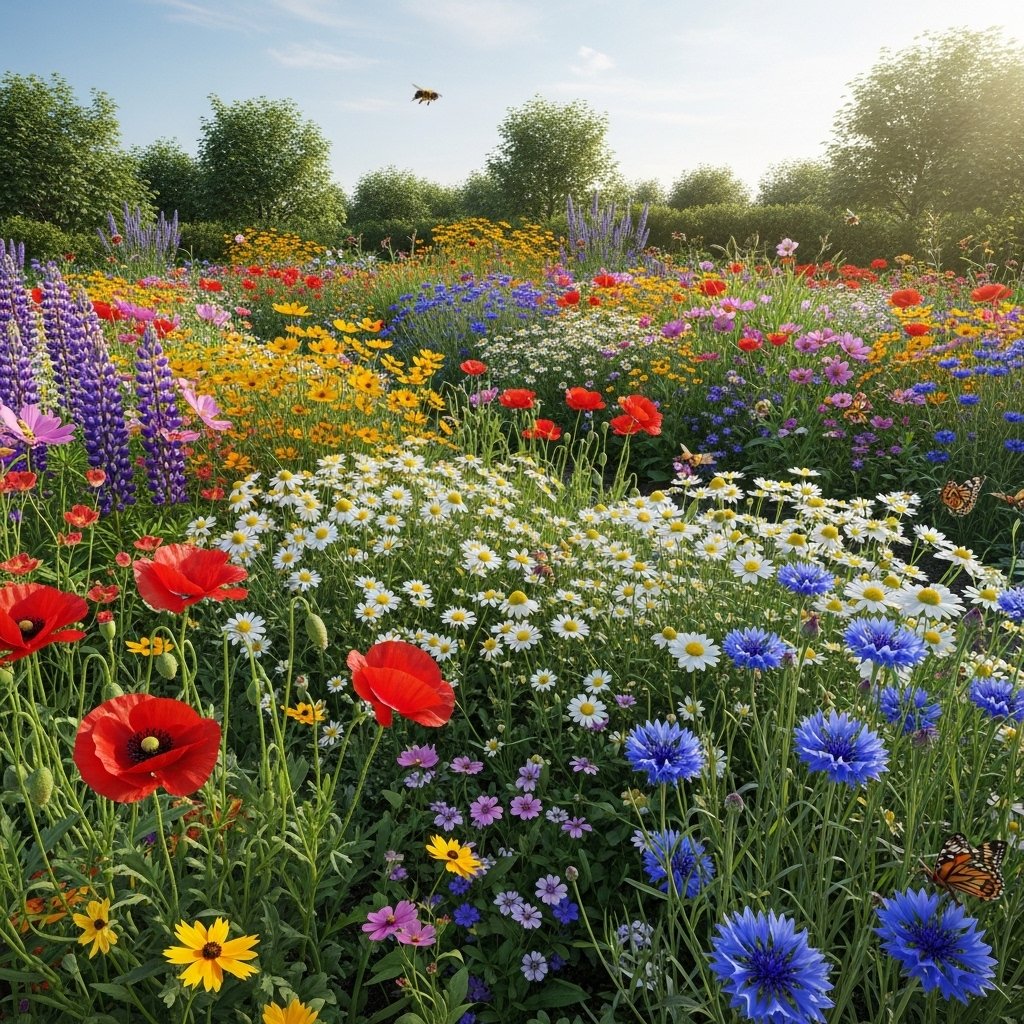
Wildflower gardens are perfect for a natural, effortless look that requires minimal maintenance. Mixing native wildflowers like poppies, daisies, and cornflowers produces a colorful and textured garden. These flowers are hardy, attract pollinators, and produce long stems ideal for bouquets. A wildflower garden often blooms in waves, creating dynamic, ever-changing floral arrangements. This design is ideal for gardeners who love a low-fuss, picturesque garden with a relaxed vibe.
10. Edible and Cut Flower Combination Garden
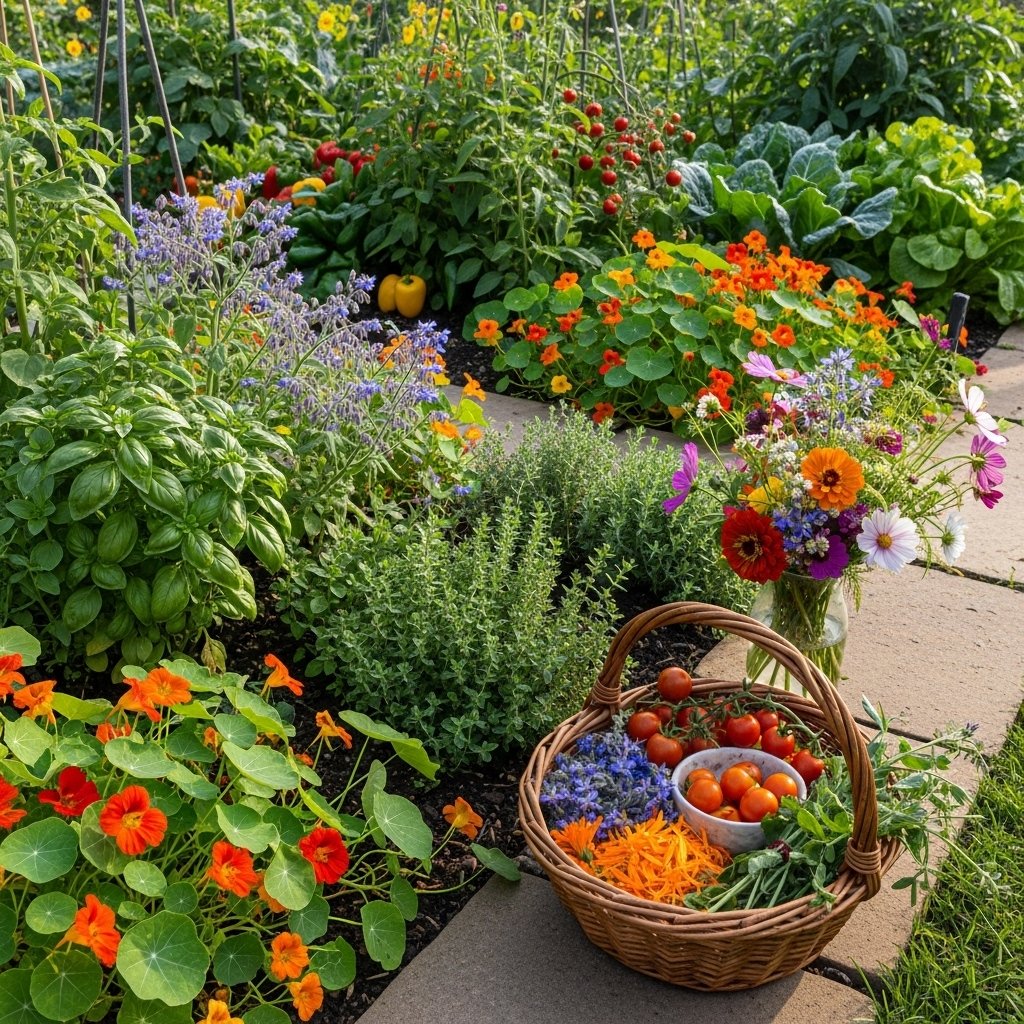
Combining edible plants with cut flowers maximizes both beauty and utility in your garden. Flowers like nasturtiums, calendula, and borage pair well with herbs and vegetables. This design allows you to harvest flowers for bouquets and garnishes, while also producing fresh produce. It’s a smart, multi-purpose approach that’s practical for smaller gardens. The mix of edible and decorative plants creates a colorful, functional, and fragrant space.
11. Perennial Cut Flower Garden
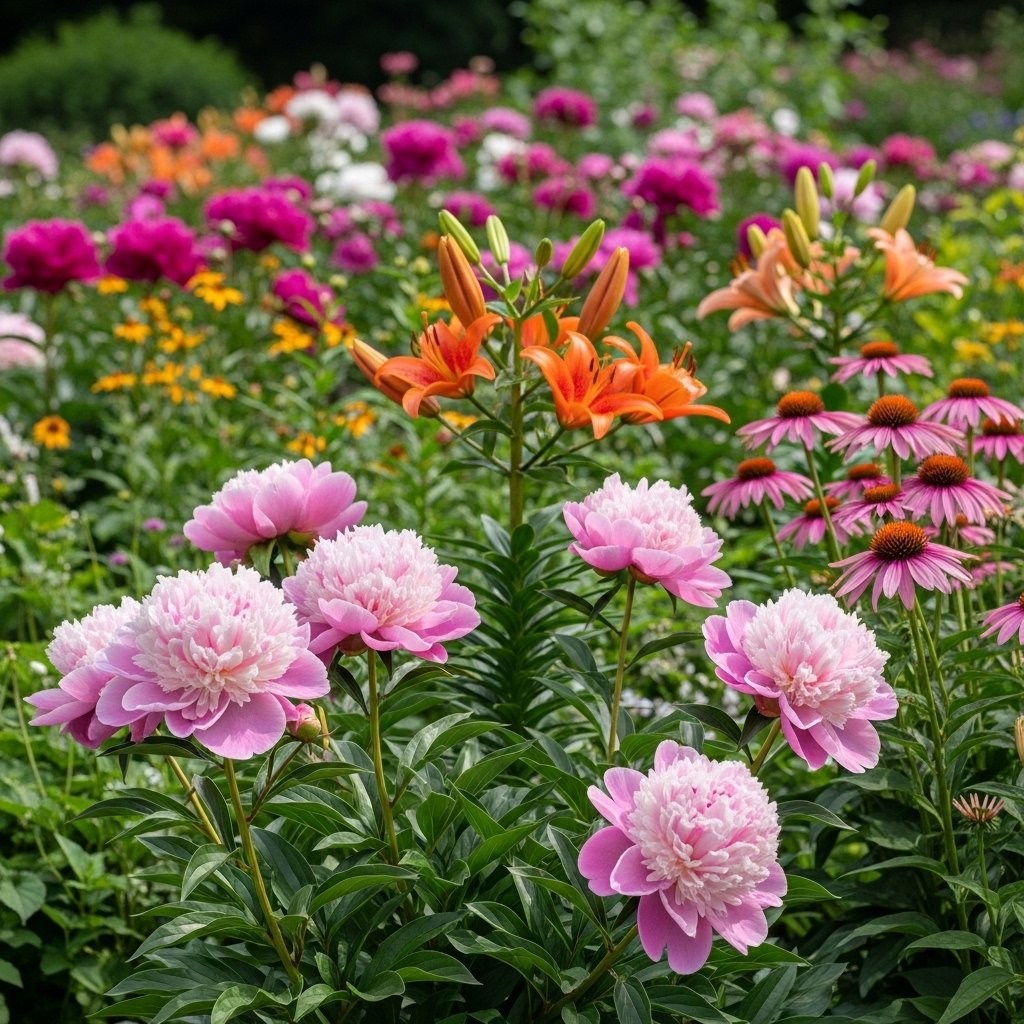
Perennials are a long-term investment for any cut flower garden because they return year after year. Flowers like peonies, lilies, and coneflowers provide reliable blooms season after season. Planting perennials reduces the need for yearly replanting while still producing abundant stems for cutting. They can be mixed with annuals for continuous color throughout the year. A perennial cut flower garden ensures sustainable beauty with minimal effort over time.
12. Layered Texture Cut Flower Garden
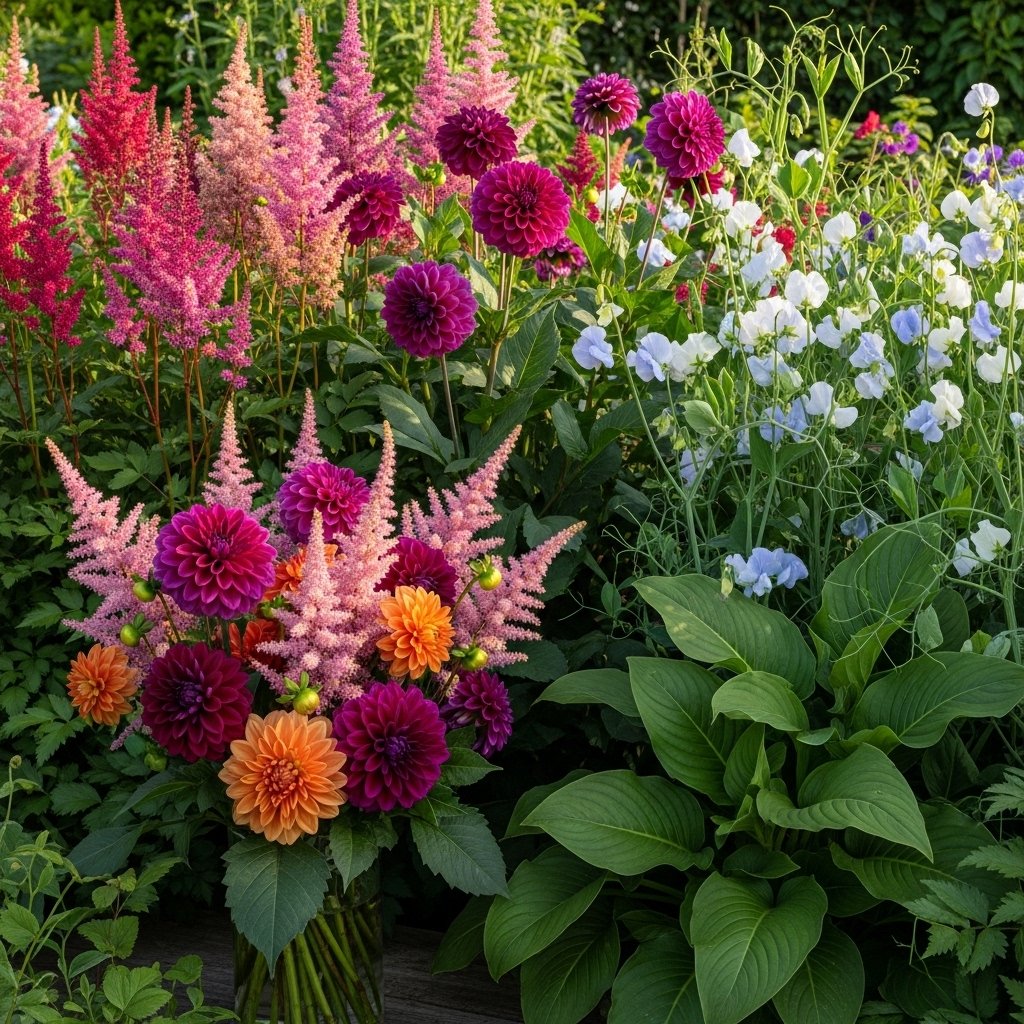
Layering flowers by texture adds dimension and interest to your cut flower garden. Combine feathery flowers like astilbes with bold blooms like dahlias and delicate blooms like sweet peas. Varying leaf shapes, colors, and plant heights creates a lush, dynamic effect. This approach makes bouquets more visually interesting straight from the garden. A layered texture garden enhances both the aesthetic and functional appeal of your cut flower harvest.
13. How to Care for a Cut Flower Garden
- Water Properly – Water your flowers deeply and regularly, especially in hot weather, to keep them healthy and blooming.
- Trim and Deadhead – Remove dry leaves and cut faded flowers often to encourage new blooms and maintain plant strength.
- Use Good Soil and Fertilizer – Make sure the soil is rich and well-drained. Add compost or balanced fertilizer to support strong growth.
- Control Pests and Weeds – Check plants regularly for insects and remove weeds to prevent competition for nutrients.
- Cut Flowers Correctly – Harvest flowers early in the morning with clean scissors and place them in water immediately to keep them fresh longer.
13.1. FAQ
13.2. What are cut flower garden design ideas❓
Cut flower garden design ideas focus on planning and arranging flowers in a way that makes them easy to grow, maintain, and harvest. These gardens are designed specifically for growing flowers that can be cut and used in bouquets or indoor arrangements. A good design includes organized rows, proper spacing, and a mix of seasonal flowers to ensure continuous blooming throughout the year.
13.3. How do you plan a cut flower garden layout❓
Planning a cut flower garden layout starts with choosing a sunny location with good soil drainage. Flowers should be arranged in neat rows or grouped by height, with taller plants placed at the back and shorter ones at the front. Leaving enough space between plants allows healthy growth and makes it easier to cut flowers without damaging other plants.
13.4. Which flowers are best for a cut flower garden❓
Popular flowers for a cut flower garden include sunflowers, roses, zinnias, dahlias, and marigolds. These flowers are known for their long stems, bright colors, and ability to last longer in vases. Choosing a mix of annuals and perennials ensures that your garden provides fresh blooms throughout different seasons.
14. Final Thoughts
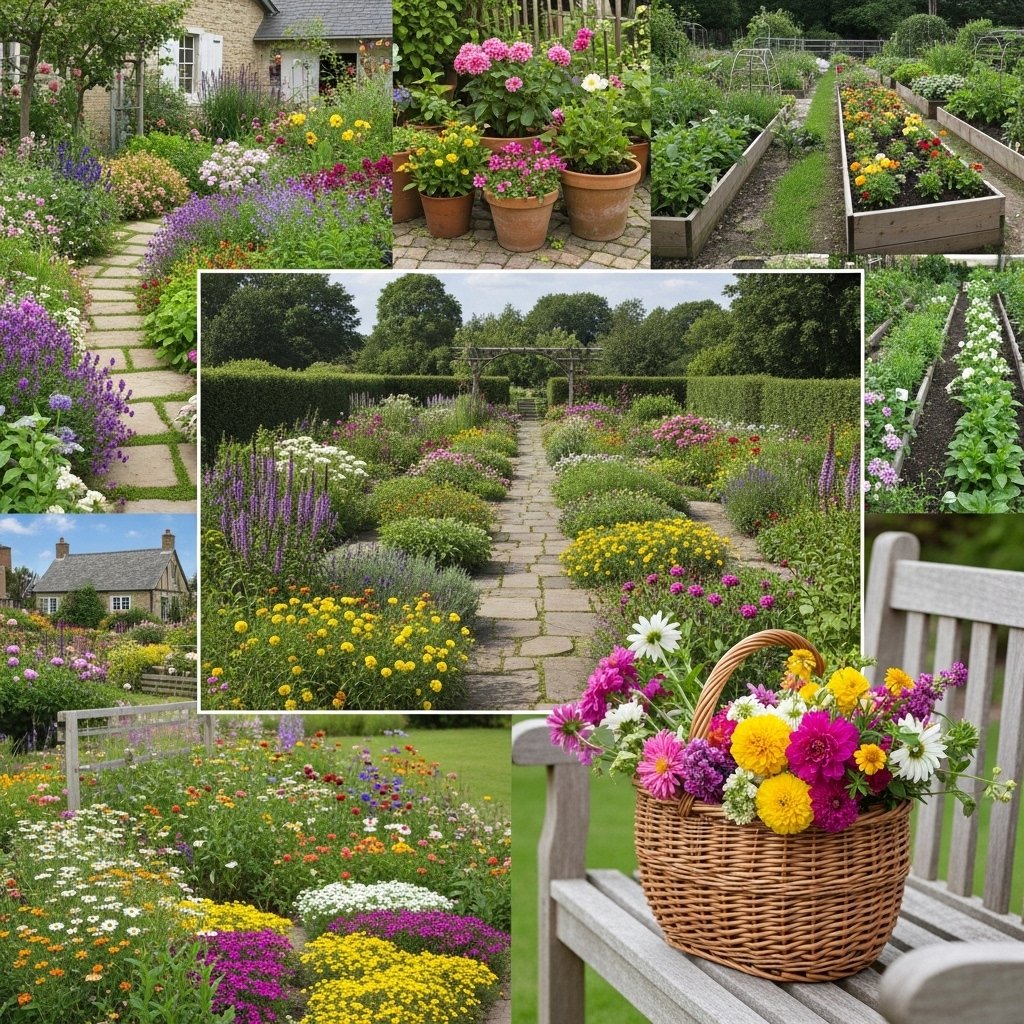
Cut flower garden design ideas are as versatile as they are rewarding, allowing gardeners to combine beauty, function, and creativity. From classic cottage styles to wildflower mixes, raised beds, and container gardens, there’s a design suitable for every space and skill level. Thoughtful planning ensures you have blooms available for cutting while keeping your garden visually stunning. Whether you prefer structured layouts or relaxed, natural designs, these ideas make harvesting fresh flowers easy and enjoyable. With these twelve cut flower garden ideas, you can transform your outdoor space into a colorful, fragrant haven all season long.