Cut Flower Garden Layout for Zone 6b: A Complete Planning Guide for Continuous Blooms
Blog > Home > cut flower garden layout > Cut Flower Garden Layout for Zone 6b: A Complete Planning Guide for Continuous Blooms
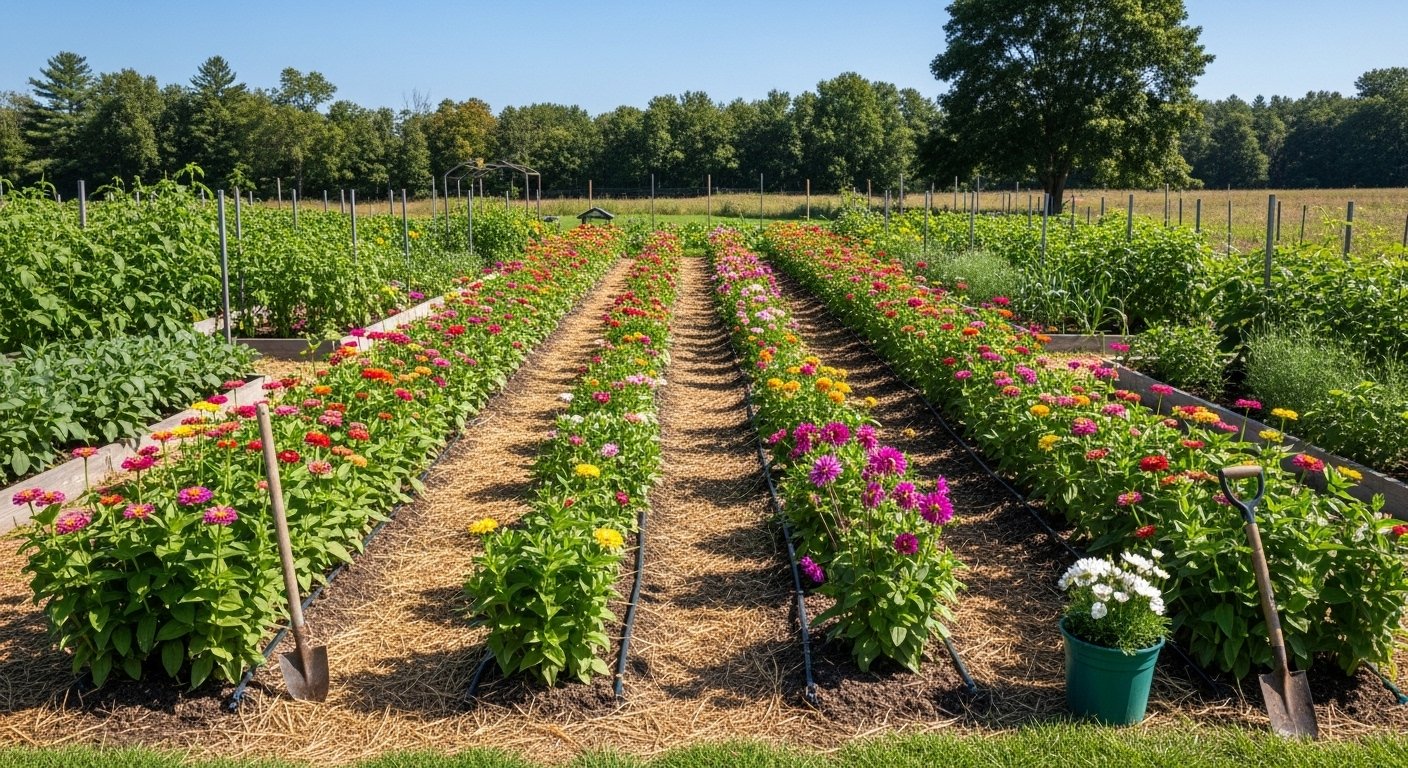
A cut flower garden layout for zone 6b requires thoughtful planning to ensure continuous blooms throughout the growing season. Zone 6b gardeners typically experience cold winters with average minimum temperatures between -5°F and 0°F, which means selecting hardy flowers and designing an efficient layout is essential. With proper spacing, succession planting, and strategic bed placement, you can enjoy fresh bouquets from late spring through early fall. A well-designed cut flower garden not only produces beautiful stems for arrangements but also maximizes productivity in limited space. In this guide, you will discover twelve practical and structured layout ideas tailored specifically for zone 6b conditions.
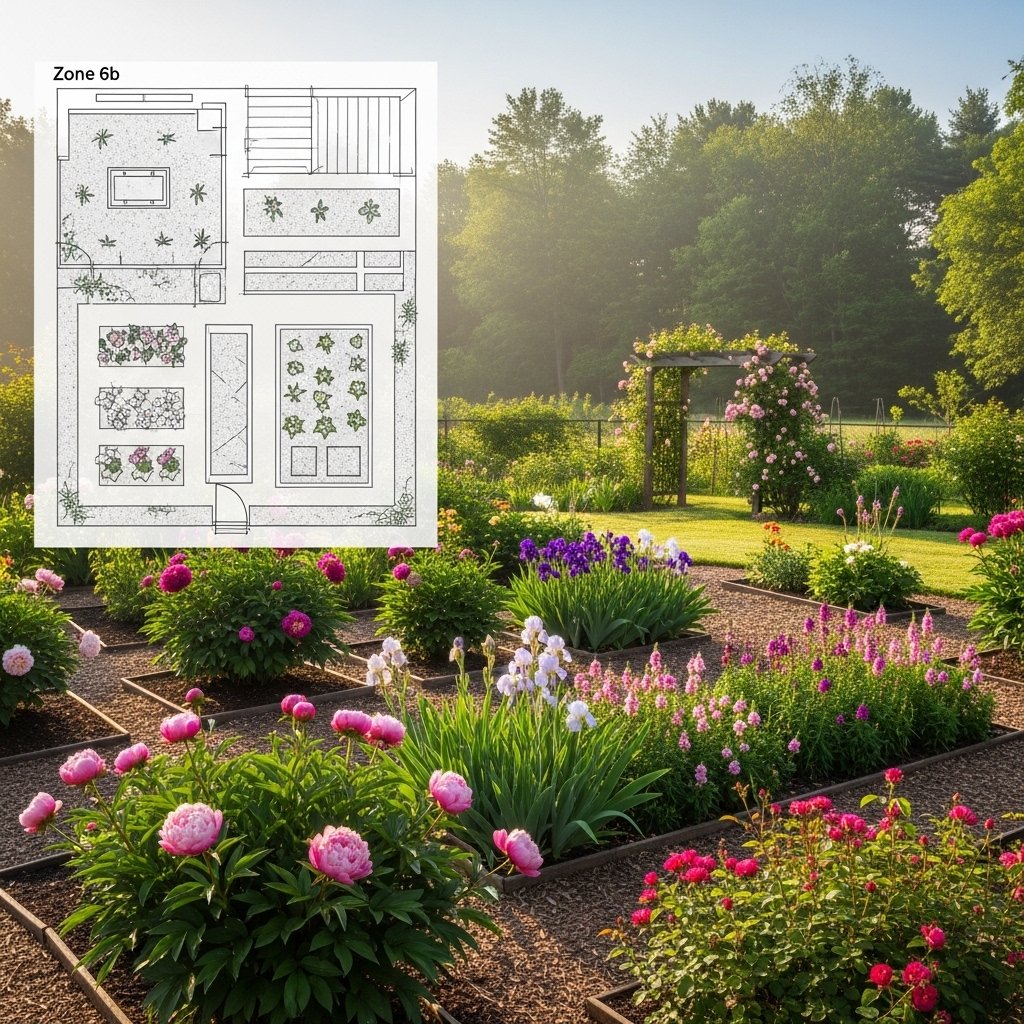
Table Of Content
1. Raised Bed Cut Flower Garden Layout
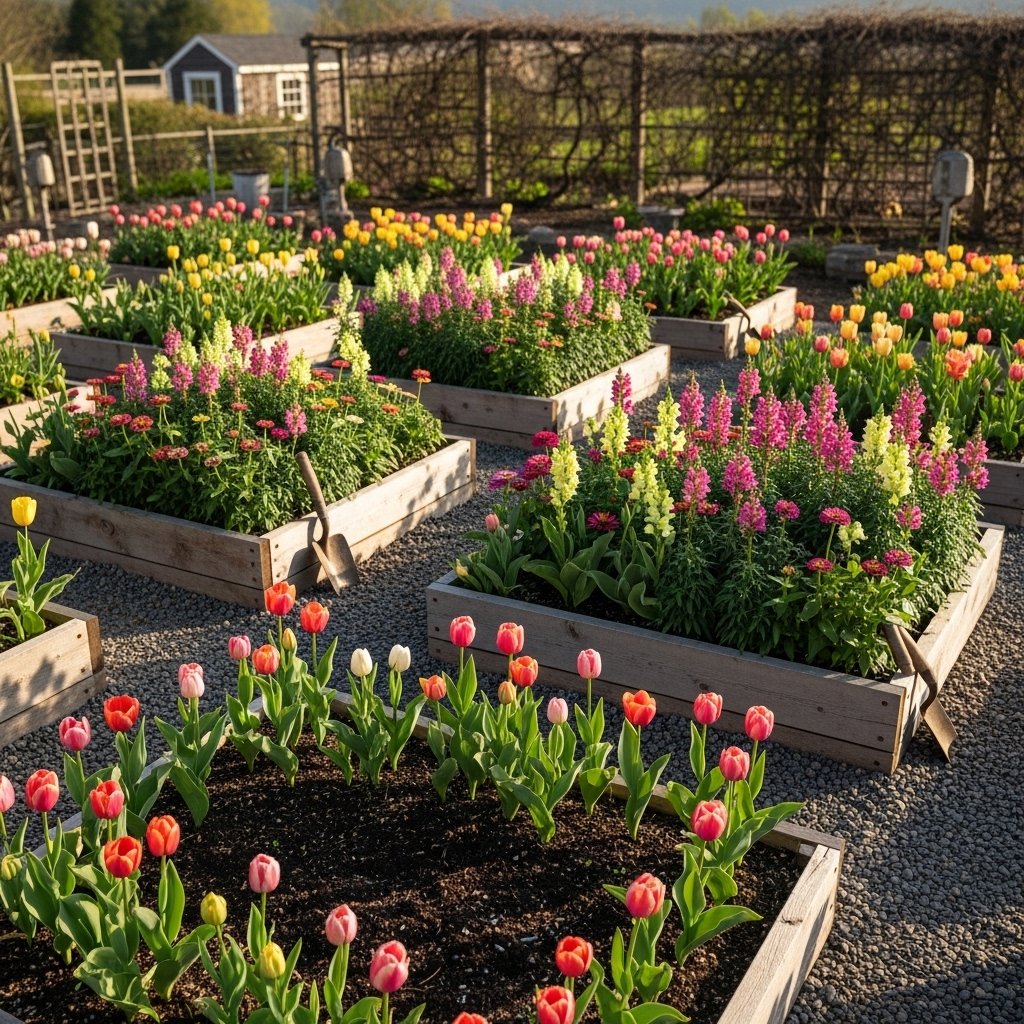
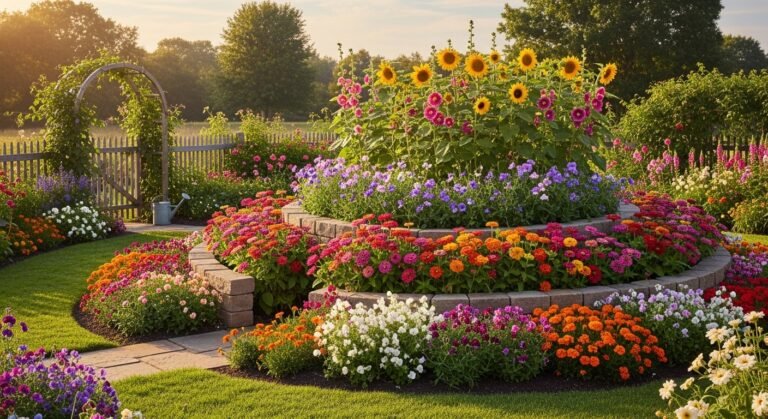
Raised beds are one of the most efficient layout options for a cut flower garden in zone 6b. They warm up faster in spring, allowing you to plant hardy annuals earlier than in-ground beds. Standard 4×8-foot raised beds make it easy to reach flowers without stepping on soil, preserving structure and drainage. Organizing flowers by height—tall in the back, medium in the middle, and short in the front—keeps harvesting simple and visually pleasing. This layout works especially well for tulips, zinnias, snapdragons, and cosmos.
2. Straight Row Market Garden Layout
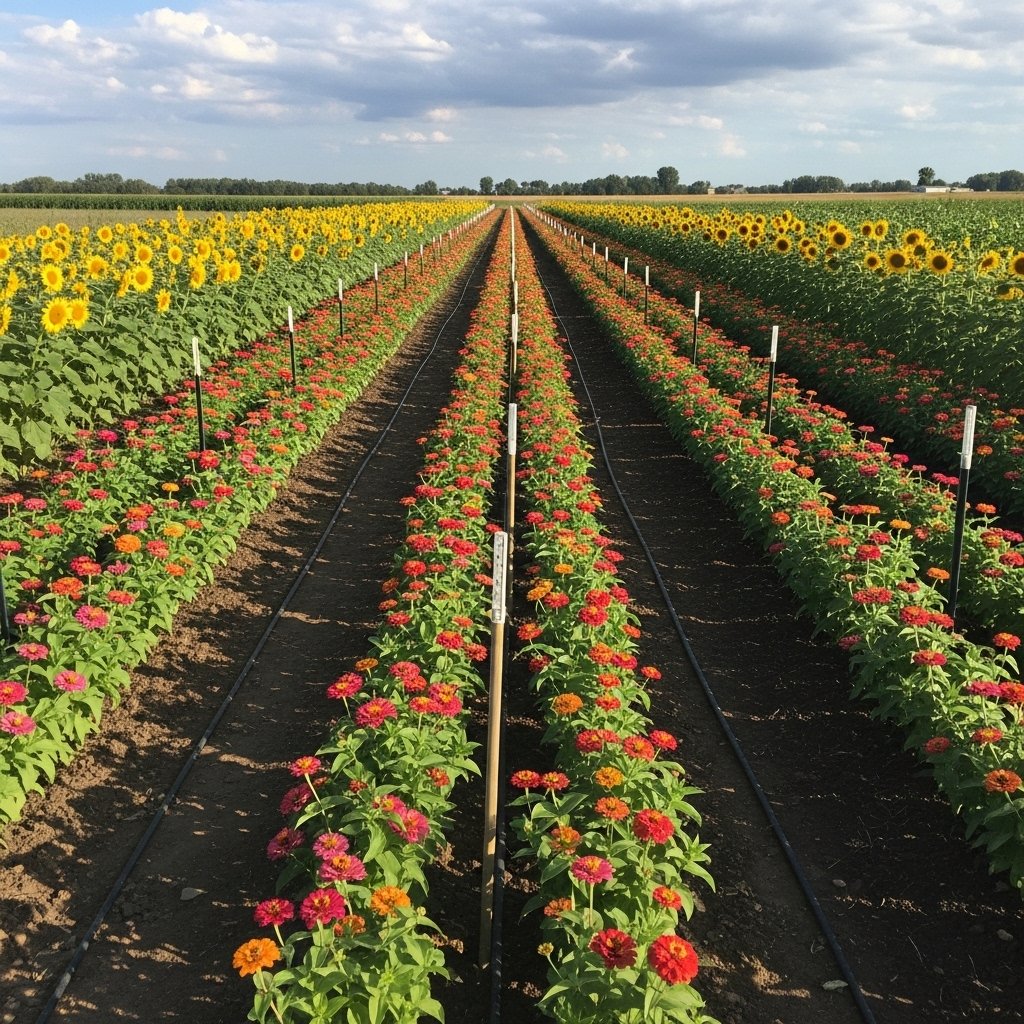
A straight row layout is ideal for gardeners focused on maximizing stem production. Inspired by small-scale flower farms, this method uses long rows with consistent spacing for easy harvesting and maintenance. In zone 6b, rows should run north to south to ensure even sunlight exposure. This layout simplifies succession planting, especially for quick growers like sunflowers and zinnias. Drip irrigation lines can be installed along each row for efficient watering during hot summers.
3. Block Planting Layout for Bold Color
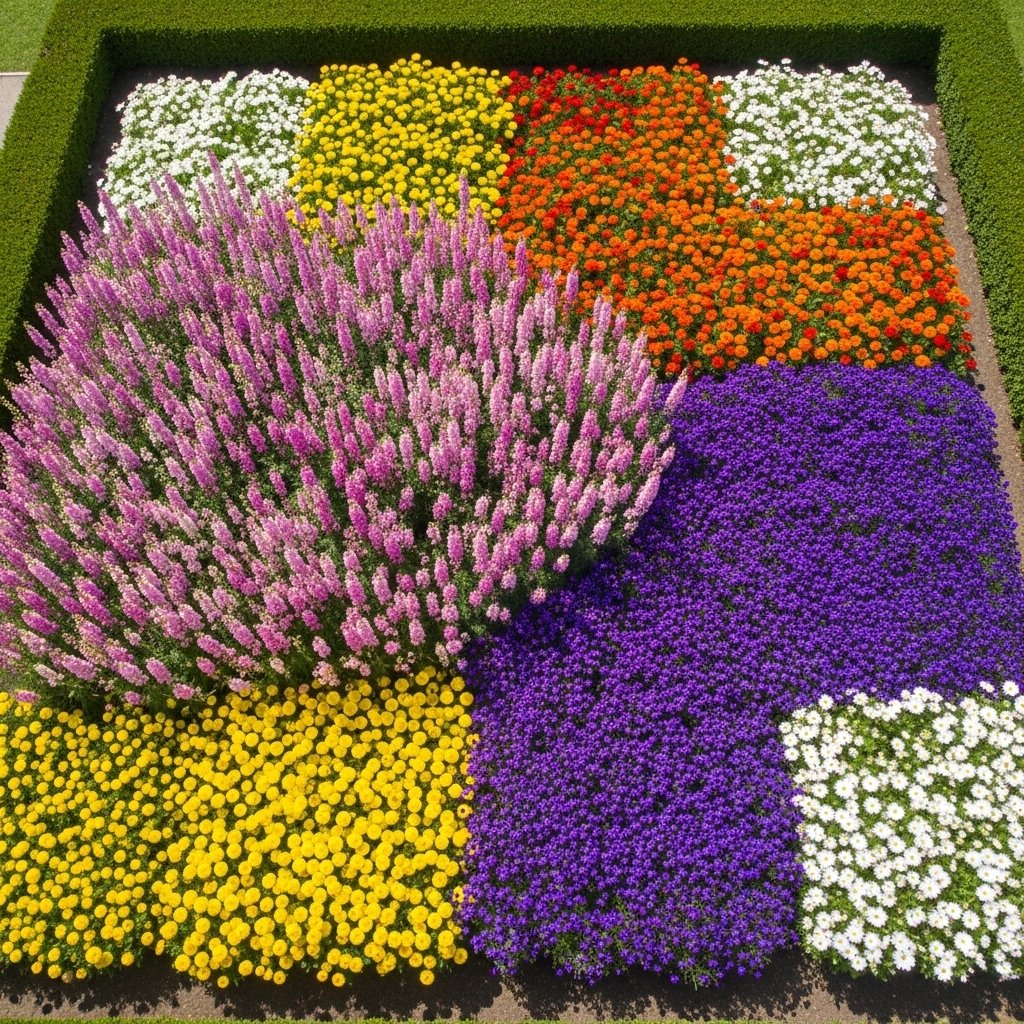
Block planting groups the same flower variety in clusters rather than mixing them randomly. This layout makes harvesting easier and creates visually stunning waves of color in your garden. In zone 6b, grouping cold-hardy flowers like larkspur, bachelor’s buttons, and sweet peas ensures strong early-season displays. Planting in blocks also improves pollination and simplifies deadheading routines. This structured method helps maintain order while delivering dramatic floral impact.
4. Succession Planting Layout Plan
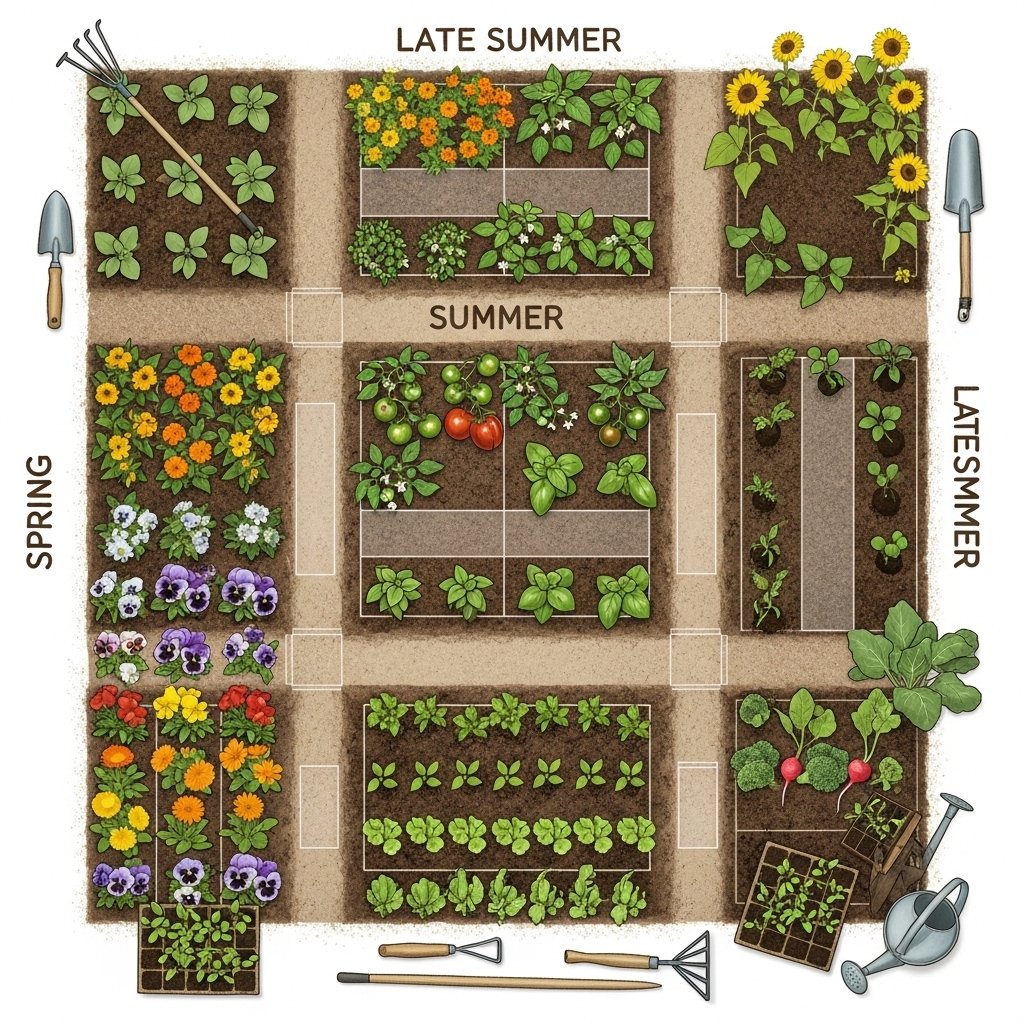
A succession planting layout ensures you always have flowers blooming for cutting. In zone 6b, start with cool-season crops in early spring and follow with heat-loving annuals after the last frost date. Dividing your garden into sections allows you to replant beds as soon as one crop finishes. This strategy keeps your cut flower garden productive from May through September. Careful planning prevents gaps in bloom time and maintains a steady supply of fresh stems.
5. Perennial Border Cut Flower Layout
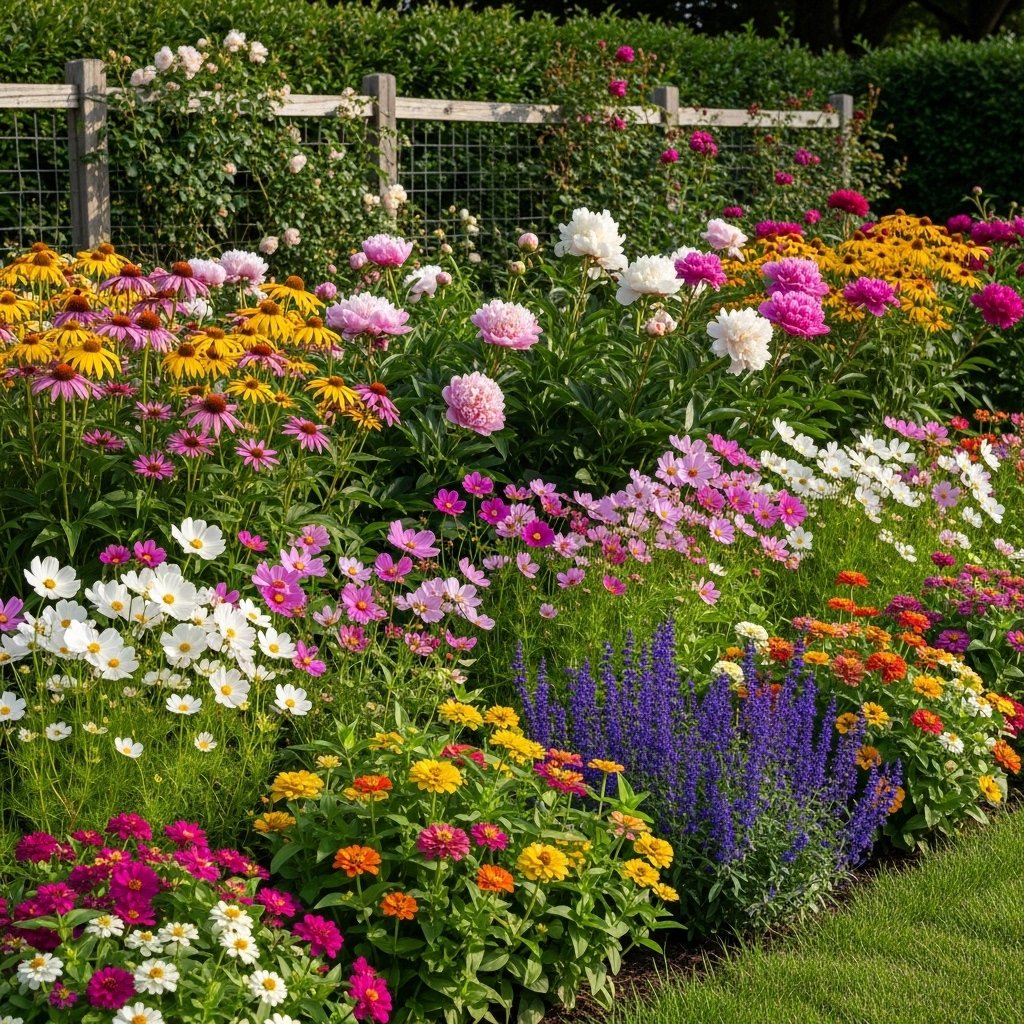
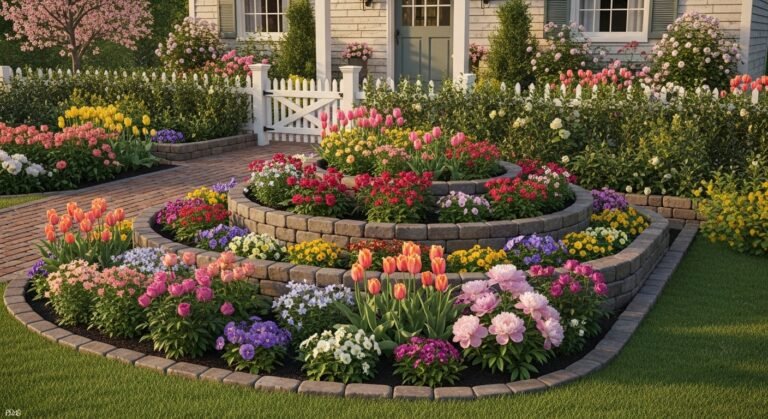
A perennial border layout combines long-lasting plants with seasonal annual fillers. Hardy perennials such as peonies, coneflowers, and black-eyed Susans thrive in zone 6b winters. Plant taller perennials at the back of borders and shorter varieties toward the front for easy cutting access. Adding annuals between perennials fills empty spaces during peak bloom times. This layout offers structure, longevity, and lower maintenance over time.
6. Cottage-Style Cut Flower Layout
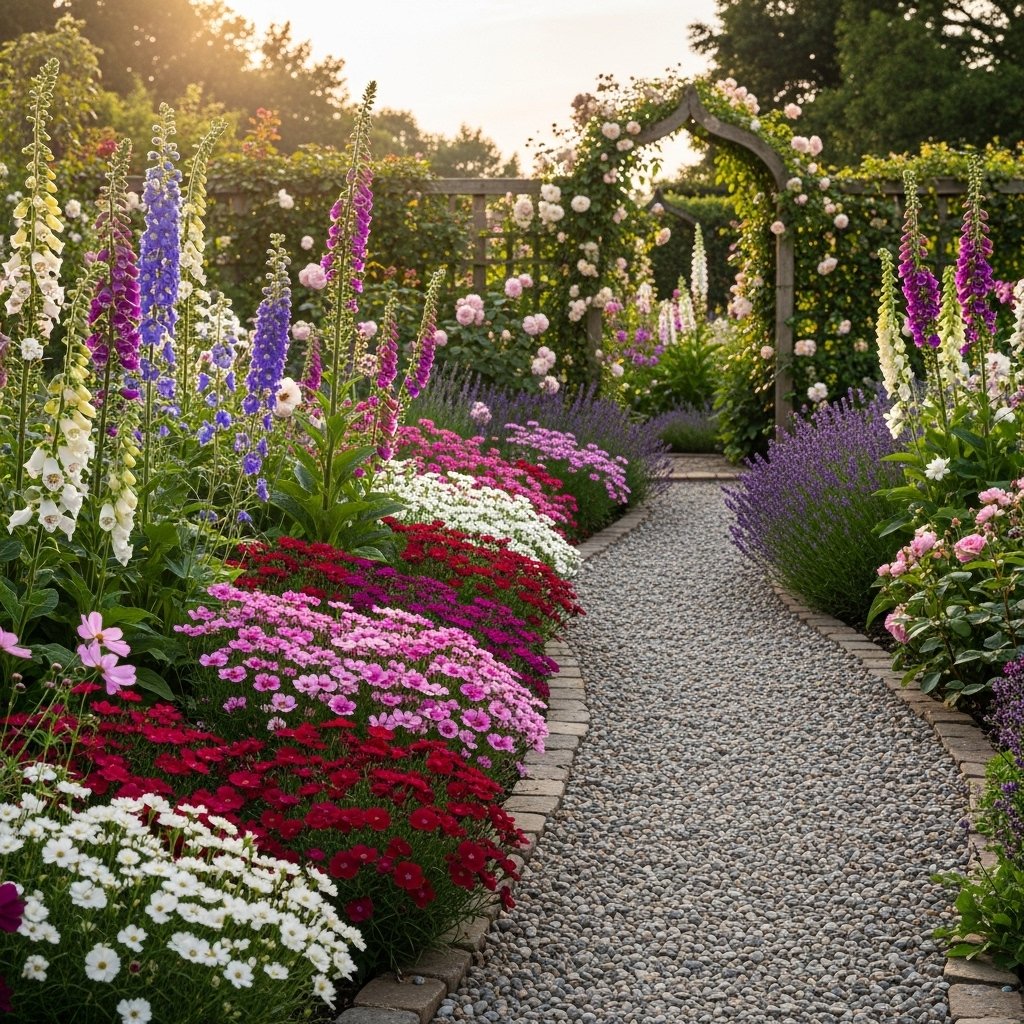
A cottage-style layout creates a romantic and slightly informal cut flower garden design. Flowers are planted densely but organized by height to prevent shading. In zone 6b, cold-tolerant blooms like foxglove, delphinium, and dianthus perform beautifully in this setting. Winding paths between beds allow easy harvesting while maintaining charm. This layout blends productivity with aesthetic appeal for home gardeners.
7. Grid Layout for Small Spaces
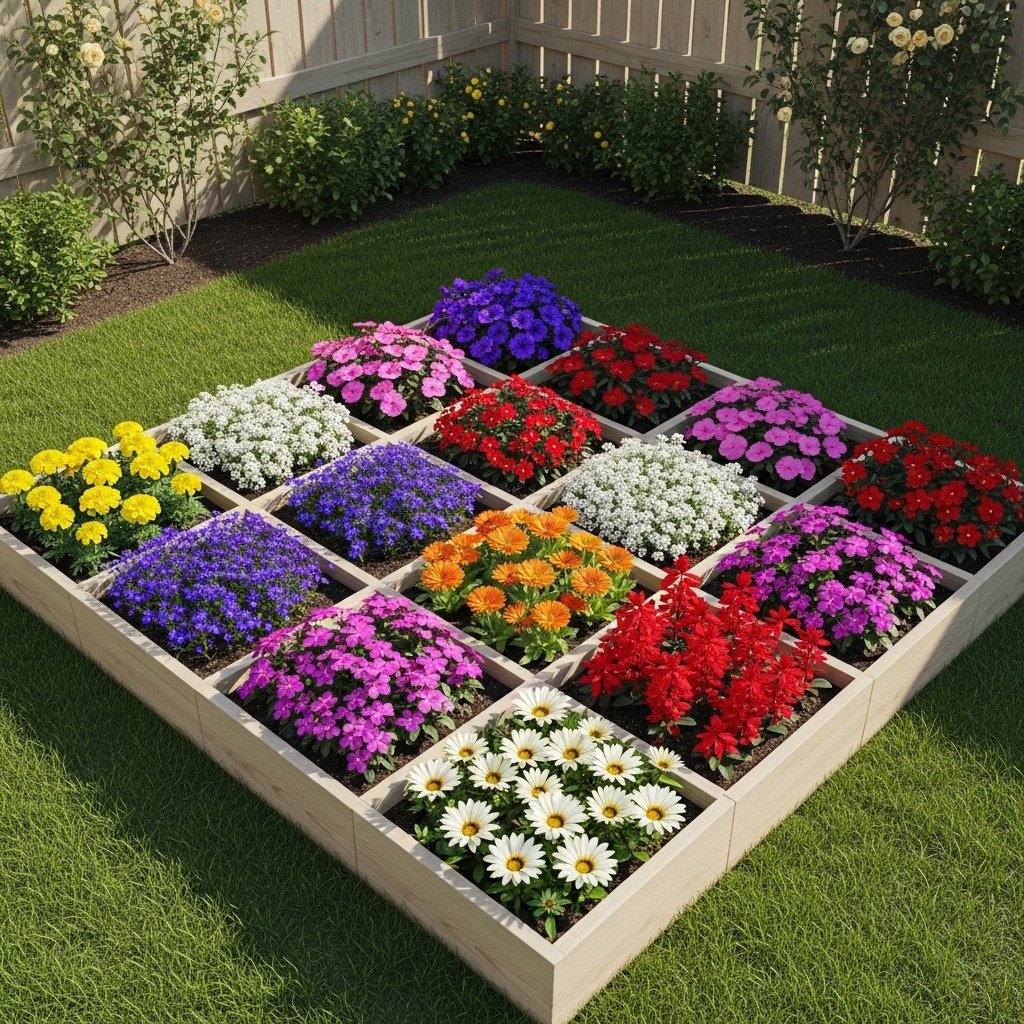
A grid layout is perfect for small backyard gardens or suburban spaces. Dividing your garden into square-foot sections helps maximize planting density and organization. Each grid can hold a specific flower type, making crop rotation simple in future seasons. In zone 6b, this method helps manage soil health and reduces overcrowding. A grid system also improves airflow, lowering the risk of fungal diseases in humid summers.
8. Hoop House or Low Tunnel Layout
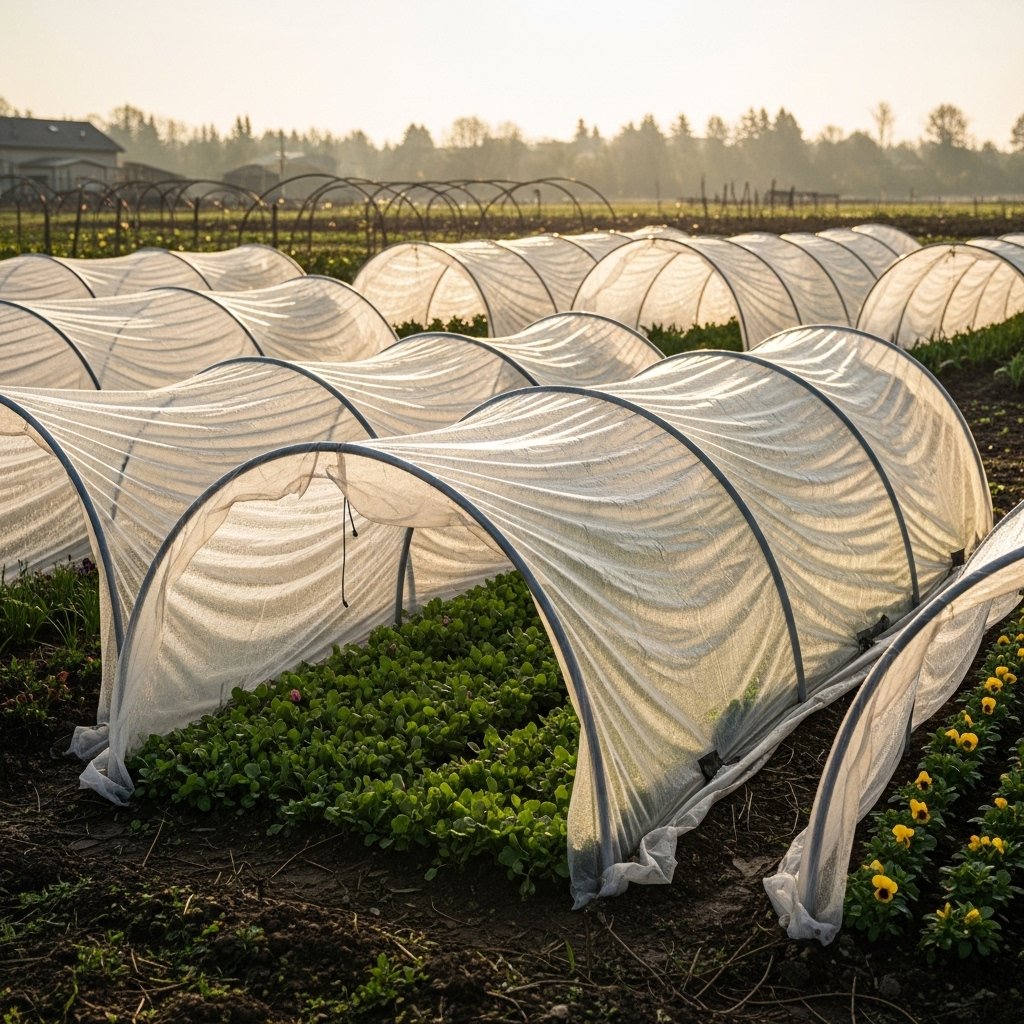
Zone 6b gardeners can extend their growing season by incorporating low tunnels or a small hoop house. Positioning covered beds on the south side of your garden increases warmth and light exposure. This layout allows early planting of hardy annuals weeks before the last frost. It also protects late-season blooms from early autumn frosts. Adding protected growing areas significantly boosts overall flower production.
9. Color-Themed Section Layout
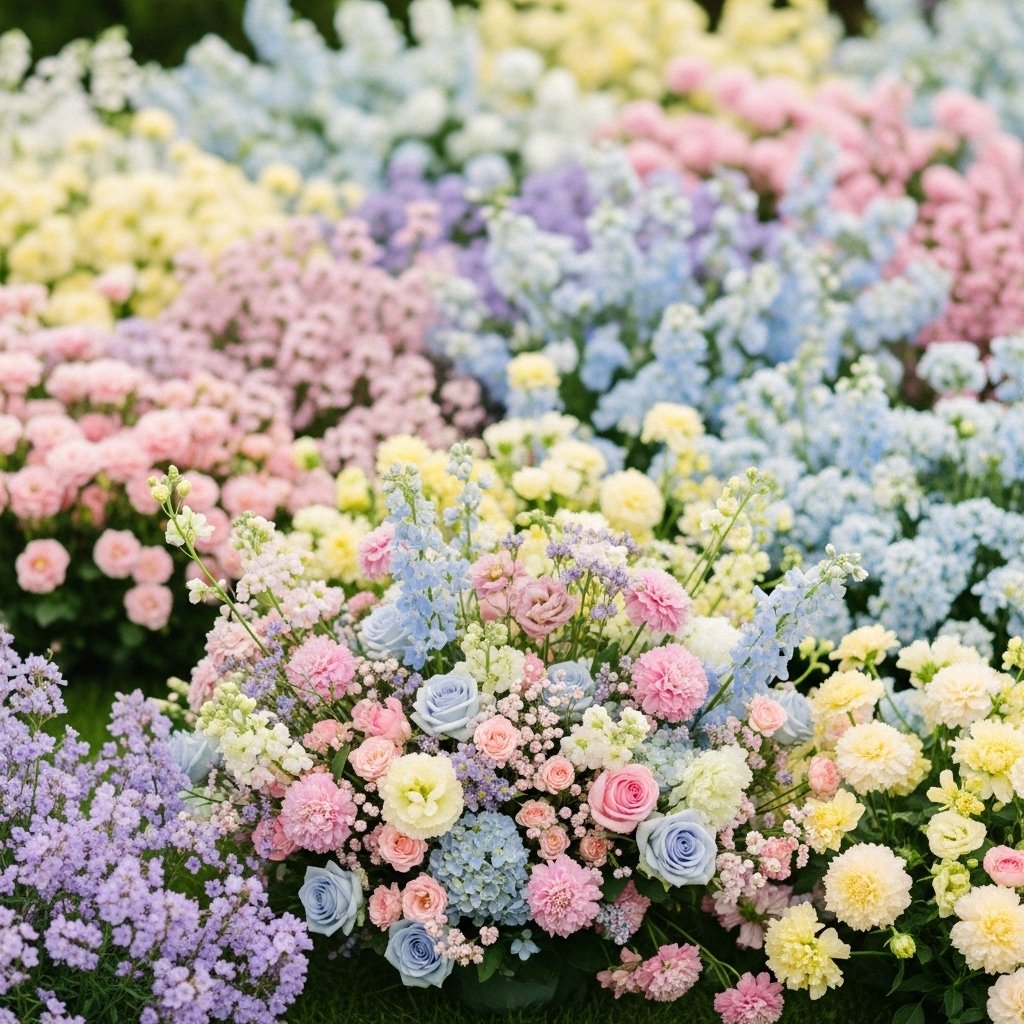
Designing your cut flower garden layout by color sections simplifies bouquet creation. Separate beds for pastels, bright tones, and neutral fillers keep arrangements cohesive. In zone 6b, plan cool-season colors like purples and blues for spring, followed by vibrant summer shades. This method enhances organization while creating an Instagram-worthy garden aesthetic. Harvesting becomes easier when stems are grouped by palette.
10. Pollinator-Friendly Companion Layout
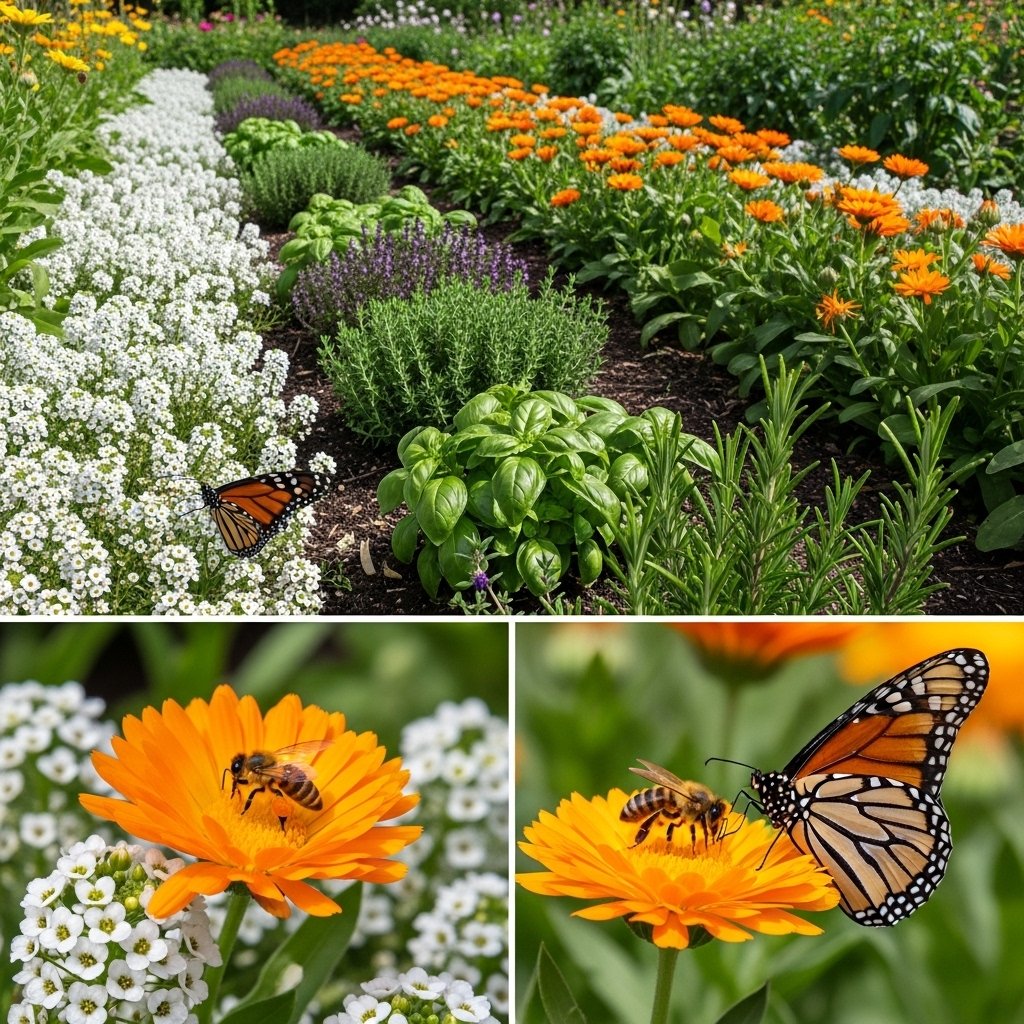
Incorporating pollinator-friendly plants strengthens your cut flower garden’s productivity. Planting companion flowers like alyssum, calendula, and herbs attracts bees and butterflies. In zone 6b, strong pollination improves bloom size and stem quality during the peak growing season. Designating a section specifically for pollinator support enhances ecological balance. This layout combines beauty with environmental responsibility.
11. Pathway-Centered Layout Design
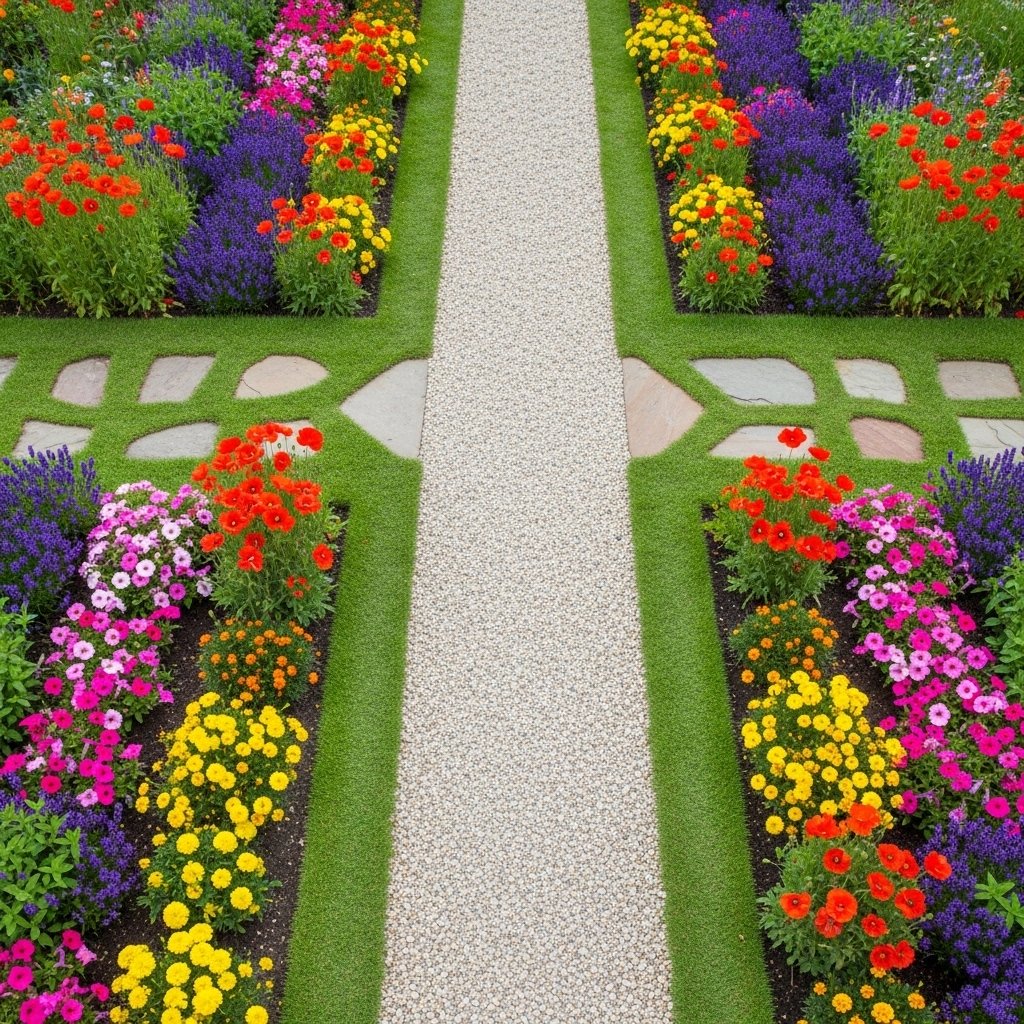
A pathway-centered layout ensures easy access to every bed without stepping on soil. Gravel, mulch, or stepping stones create clean walkways between flower rows. In zone 6b, proper spacing improves airflow and reduces moisture-related plant diseases. Central pathways also make harvesting faster during peak bloom times. This practical design keeps your garden organized and functional.
12. Four-Season Planning Layout
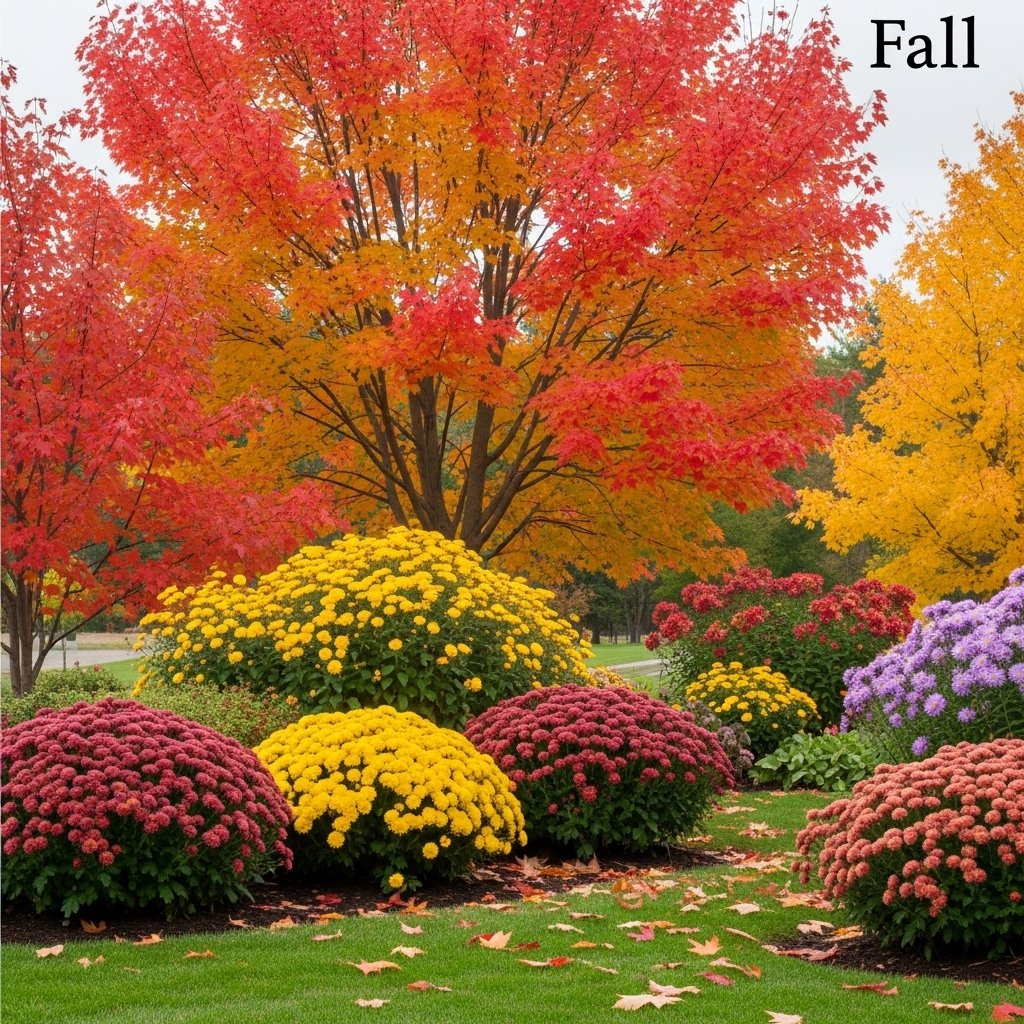
A four-season layout focuses on year-round structure even in colder climates like zone 6b. Start with spring bulbs, transition to summer annuals, and incorporate fall-blooming flowers for extended harvest. Leaving space for overwintering hardy plants ensures strong regrowth the following year. Planning with seasonal transitions in mind prevents empty beds and wasted space. This layout supports continuous beauty and efficient garden management.
13. How to Care for a Cut Flower Garden in Zone 6B
- Choose Seasonal Flowers – Pick flowers that grow well in Zone 6B climate and plant them at the right time for strong growth.
- Water Properly – Give deep watering 2–3 times a week, especially during dry or hot days, but avoid overwatering.
- Feed the Soil – Use compost or balanced fertilizer regularly to keep the soil rich and support healthy blooms.
- Prune and Deadhead – Remove faded flowers and trim plants often to encourage more blooms and longer flowering.
- Protect from Frost – In early spring and late fall, cover plants during frost to protect them from cold damage.
13.1. FAQ
13.2. What is the best cut flower garden layout for zone 6b❓
The best cut flower garden layout for zone 6b includes organizing flowers in rows or raised beds to make planting, watering, and harvesting easier. Since zone 6b has cold winters and warm summers, it is important to plan the layout based on seasonal blooms. Group flowers by height, placing taller varieties at the back and shorter ones in the front, so each plant gets enough sunlight and the garden looks neat and balanced.
13.3. Which flowers grow well in zone 6b for cutting❓
Many flowers grow successfully in zone 6b, including zinnias, sunflowers, cosmos, dahlias, snapdragons, and peonies. These flowers can handle the temperature range of this zone and produce strong stems suitable for cutting. Choosing a mix of annuals and perennials ensures continuous blooms throughout the growing season, giving you fresh flowers from late spring to early fall.
13.4. How should I arrange flowers in a cut flower garden❓
Flowers should be arranged according to height, bloom time, and color coordination. Tall flowers like sunflowers can be planted at the back, medium-height flowers in the middle, and shorter blooms at the front. It is also helpful to plant in blocks rather than single scattered plants, as this makes harvesting easier and gives the garden a more organized and productive look.
14. Final Thoughts
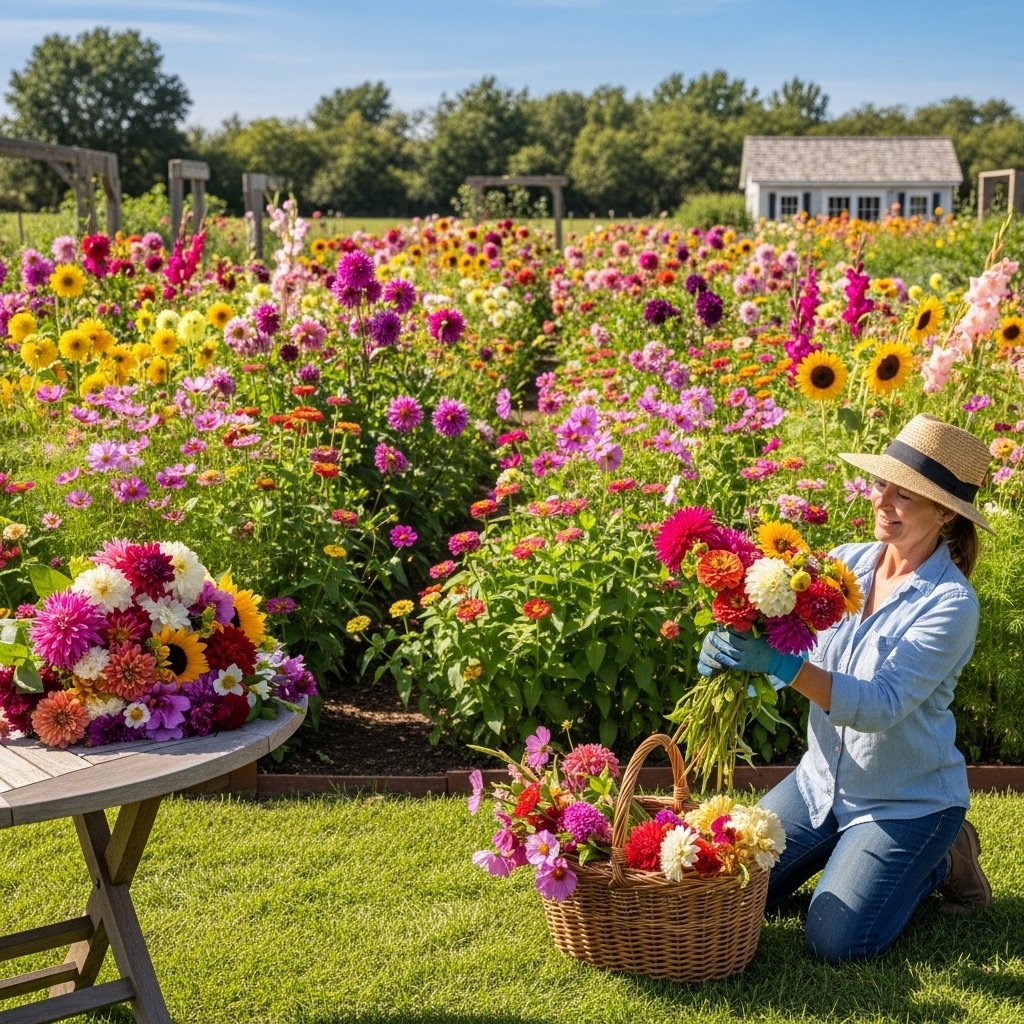
Designing a cut flower garden layout for zone 6b requires careful planning, climate awareness, and thoughtful organization. By choosing structured layouts such as raised beds, succession planting zones, and pathway-centered designs, gardeners can maximize both beauty and productivity. Incorporating perennials, pollinator-friendly plants, and season-extending techniques ensures a steady supply of blooms. With the right layout strategy, your zone 6b cut flower garden can provide fresh, vibrant bouquets from spring through fall. A well-planned garden transforms your outdoor space into a reliable and rewarding floral haven.