Cut Flower Garden Layout Ideas: 12 Beautiful & Practical Designs for a Bloom-Filled Garden
Blog > Home > cut flower garden > Cut Flower Garden Layout Ideas: 12 Beautiful & Practical Designs for a Bloom-Filled Garden
Cut flower garden layout ideas help you design a space that is both productive and visually stunning throughout the growing season. A well-planned layout ensures continuous blooms, easy harvesting, and efficient use of garden space. Whether you have a large backyard or a small suburban plot, thoughtful arrangement can maximize color, fragrance, and yield. From raised beds to cottage-style rows, the right layout transforms your garden into a bouquet-producing paradise. In this guide, you’ll discover twelve practical and creative cut flower garden layout ideas to inspire your next planting plan.
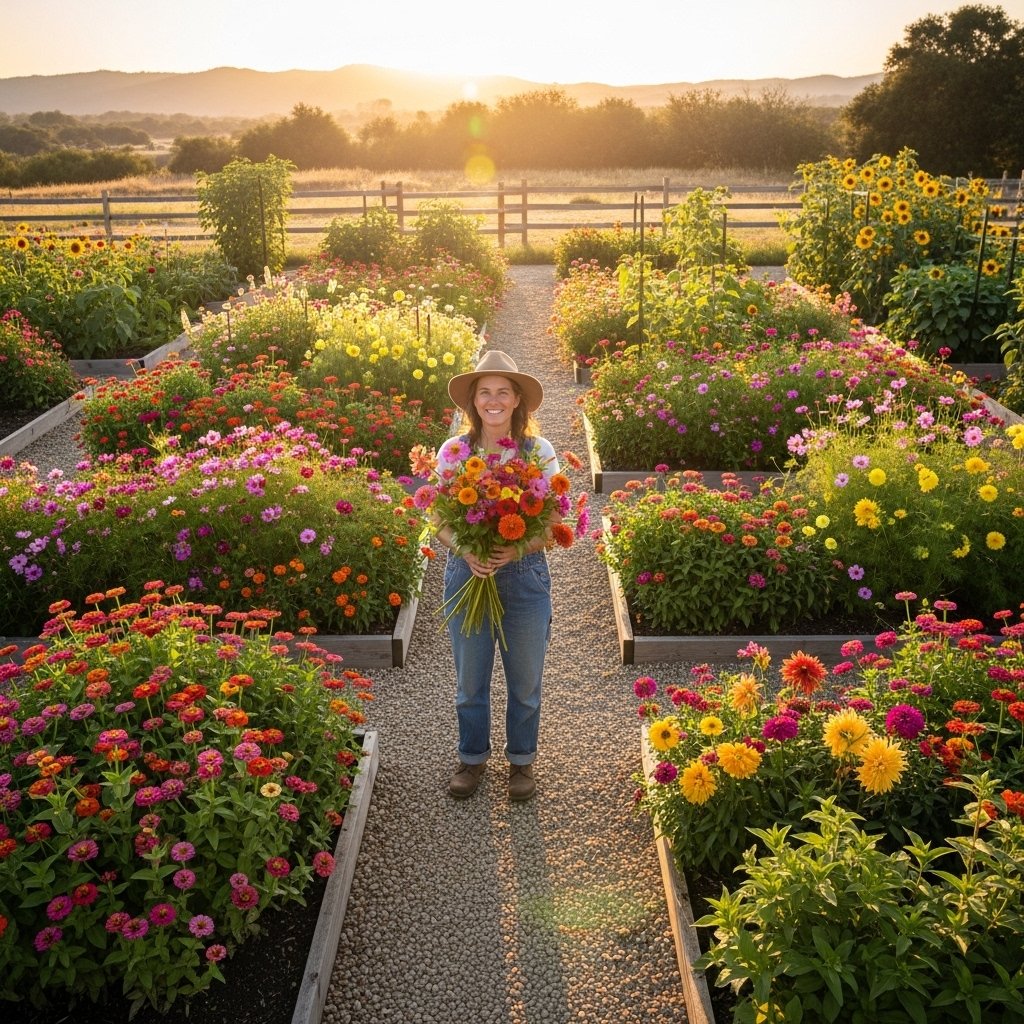
Table Of Content
1. Traditional Row Layout for Maximum Harvest
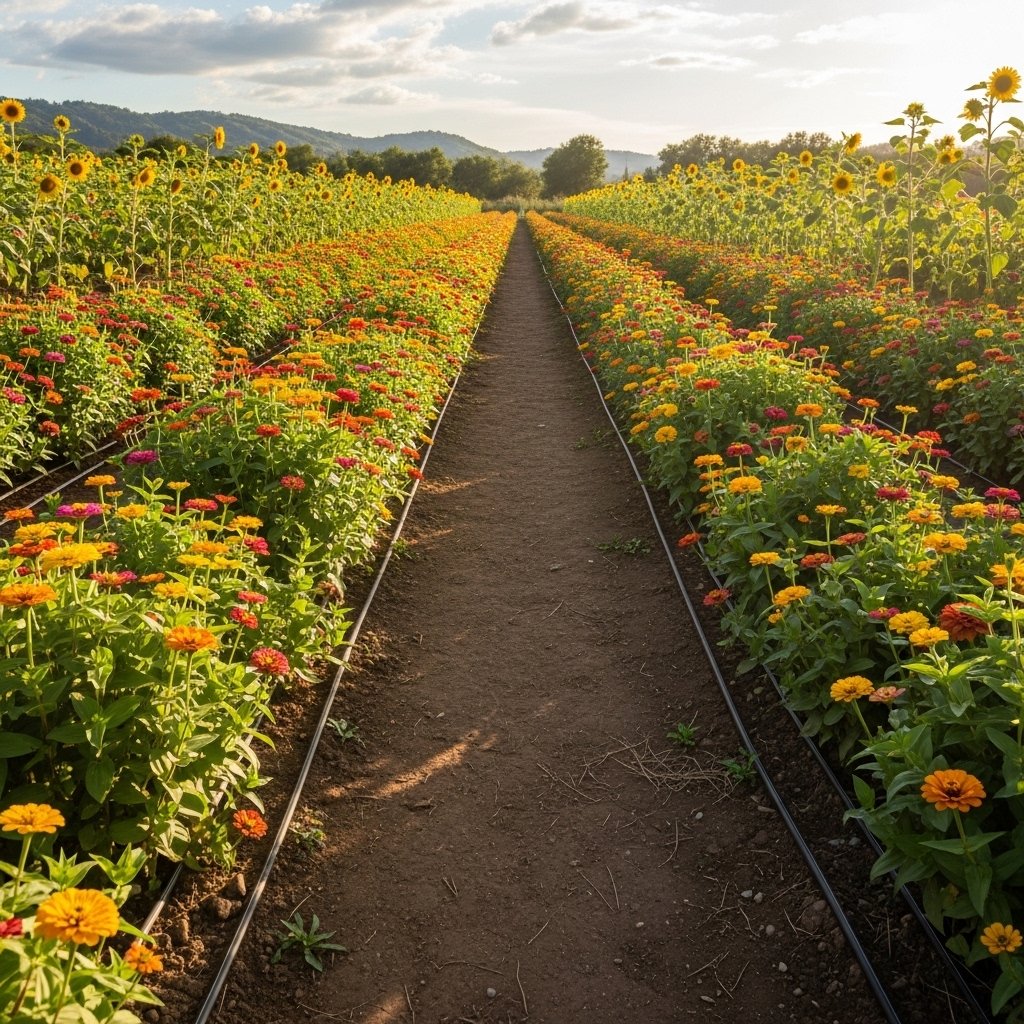
A traditional row layout is one of the most efficient cut flower garden designs for beginners and experienced gardeners alike. Straight rows allow easy access for planting, watering, and harvesting without stepping on delicate plants. This layout works especially well for annual flowers that need frequent cutting to encourage more blooms. Organized rows also simplify irrigation systems and mulch application. If productivity is your main goal, this layout provides both structure and high flower yield.
2. Raised Bed Cut Flower Garden Layout
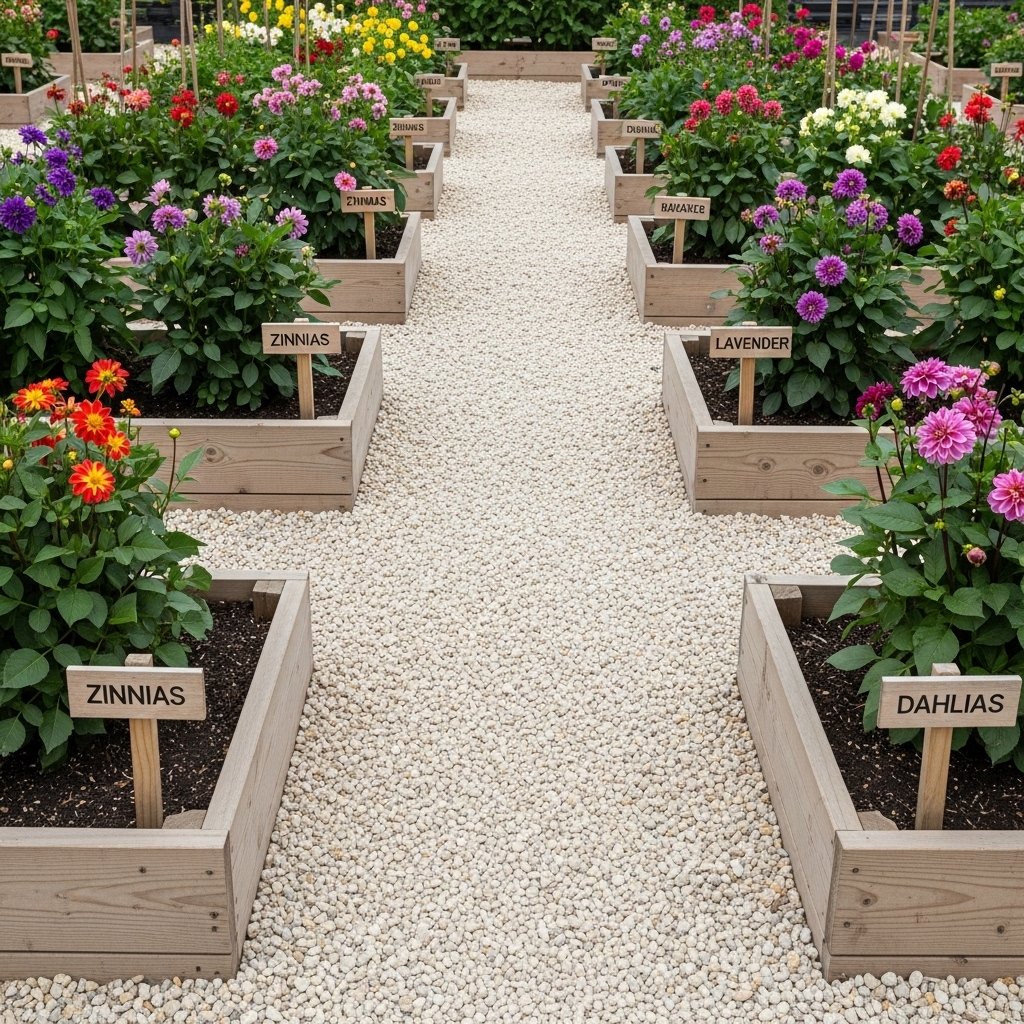
Raised beds are ideal for improving soil drainage and controlling weed growth in a cut flower garden. This layout allows gardeners to create clearly defined planting zones with optimal soil conditions. Raised beds warm up faster in spring, giving flowers an early start and extending the blooming season. They also reduce bending, making harvesting easier and more comfortable. For small spaces, raised beds maximize production while maintaining a neat and attractive design.
3. Grid Pattern Layout for Organized Planting
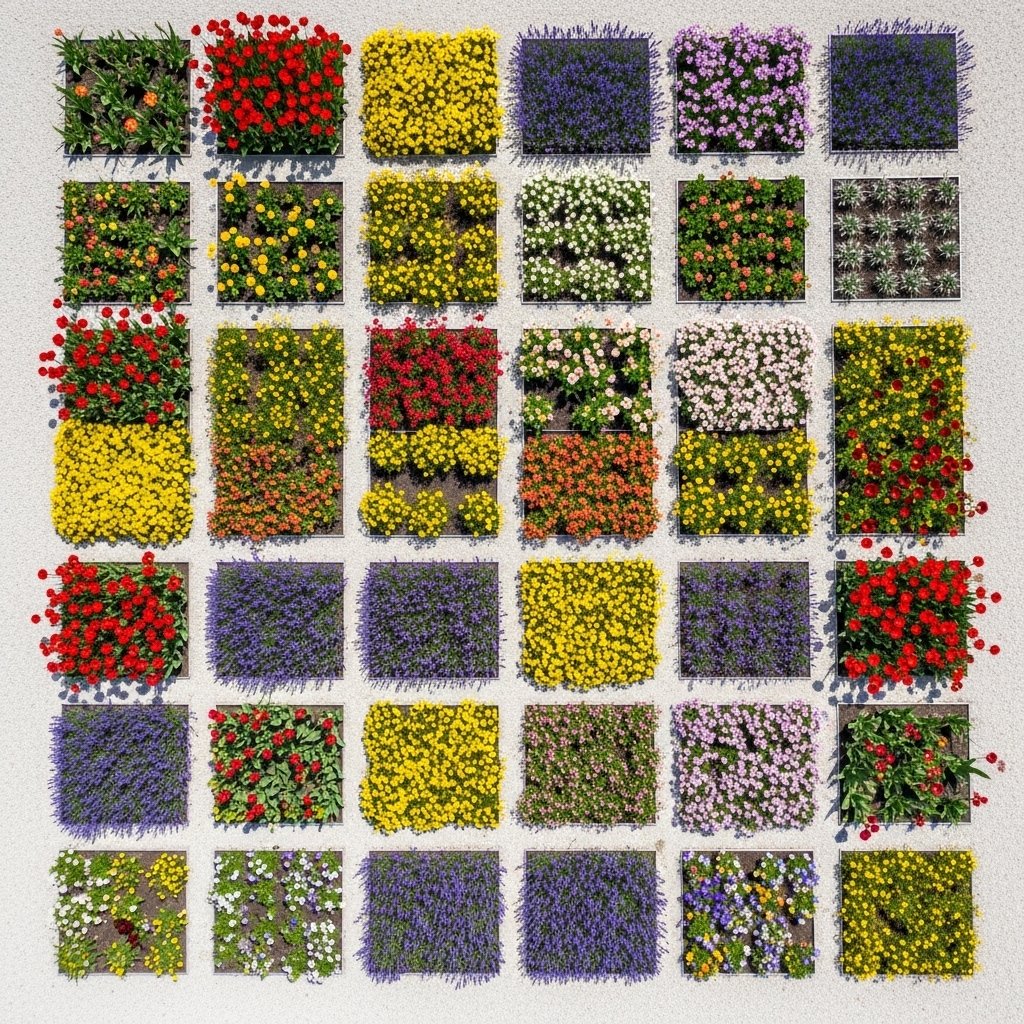
A grid pattern layout divides the garden into equal square sections for strategic planting. Each square can be dedicated to a specific flower type or color theme, helping with crop rotation and seasonal succession. This structured approach improves airflow between plants and reduces disease risk. Gardeners can easily track bloom times and replant sections as needed. A grid layout is perfect for those who appreciate clean lines and organized garden aesthetics.
4. Cottage-Style Mixed Flower Layout
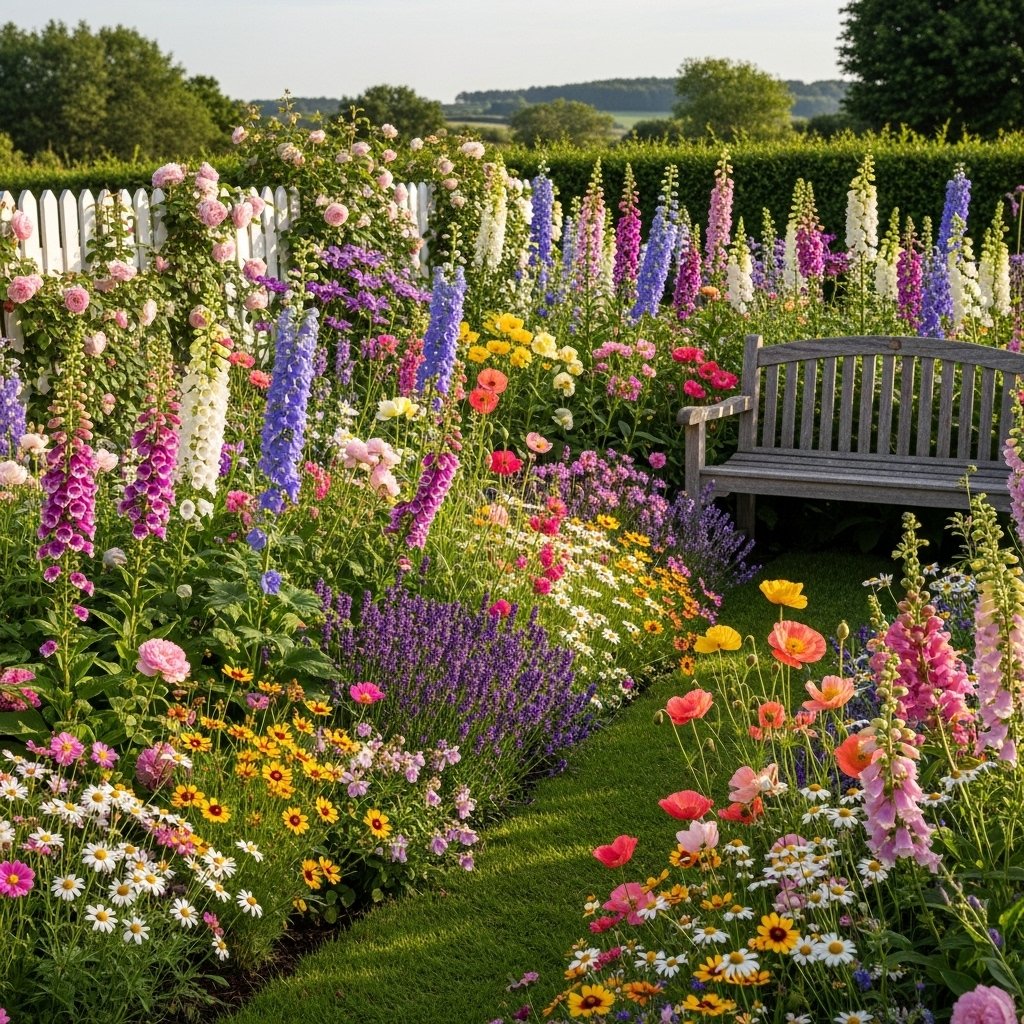
A cottage-style cut flower garden layout embraces a more natural and romantic arrangement. Instead of straight rows, flowers are planted in clusters and mixed heights for a soft, flowing look. This layout encourages biodiversity and attracts pollinators like bees and butterflies. It also creates a visually stunning garden that feels full and abundant throughout the season. While slightly less structured, it still allows for easy harvesting with thoughtful spacing.
5. Color-Coordinated Flower Layout
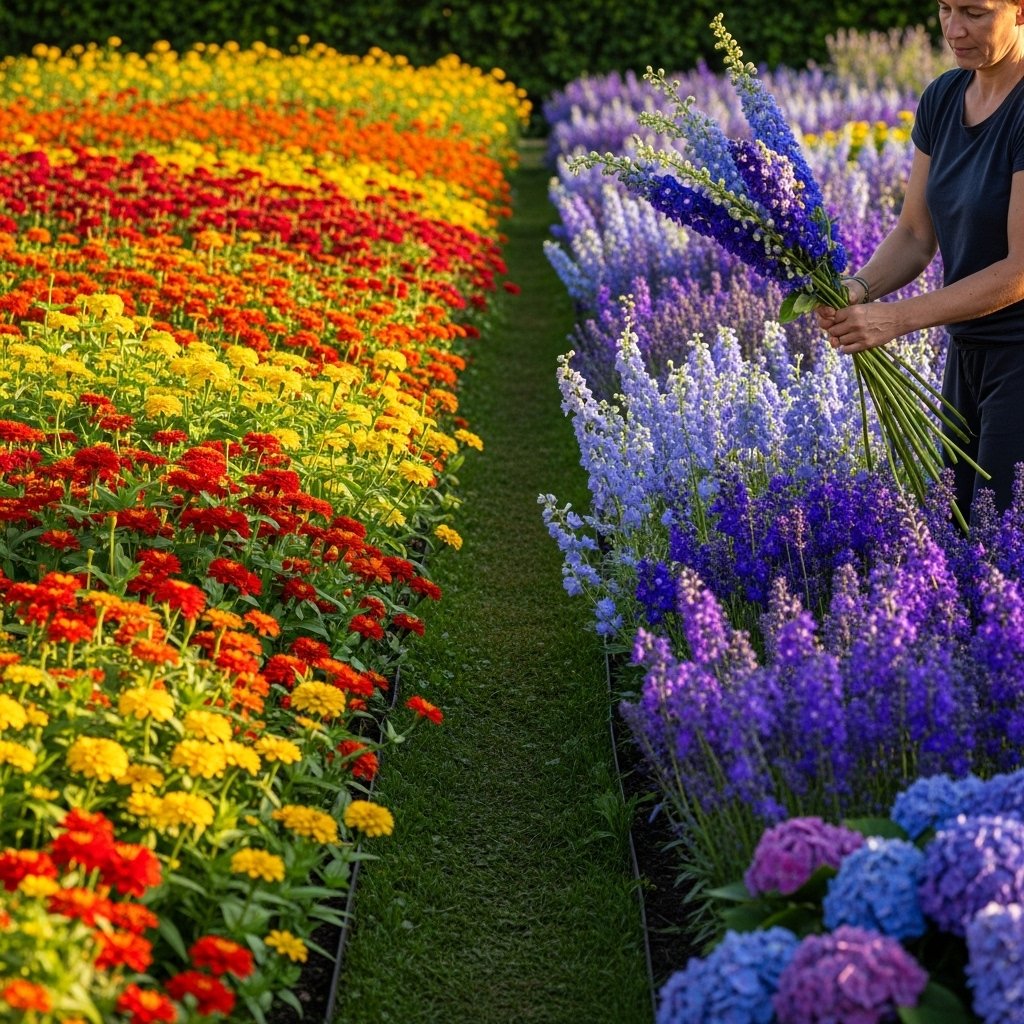
Designing a cut flower garden layout based on color themes adds visual harmony and bouquet planning convenience. You can dedicate sections to warm tones like reds and oranges or cool tones like blues and purples. This layout simplifies harvesting when creating specific color-coordinated arrangements. It also enhances the garden’s overall aesthetic appeal during peak bloom season. Planning by color ensures your garden looks as beautiful outside as it does inside your vases.
6. Succession Planting Layout for Continuous Blooms
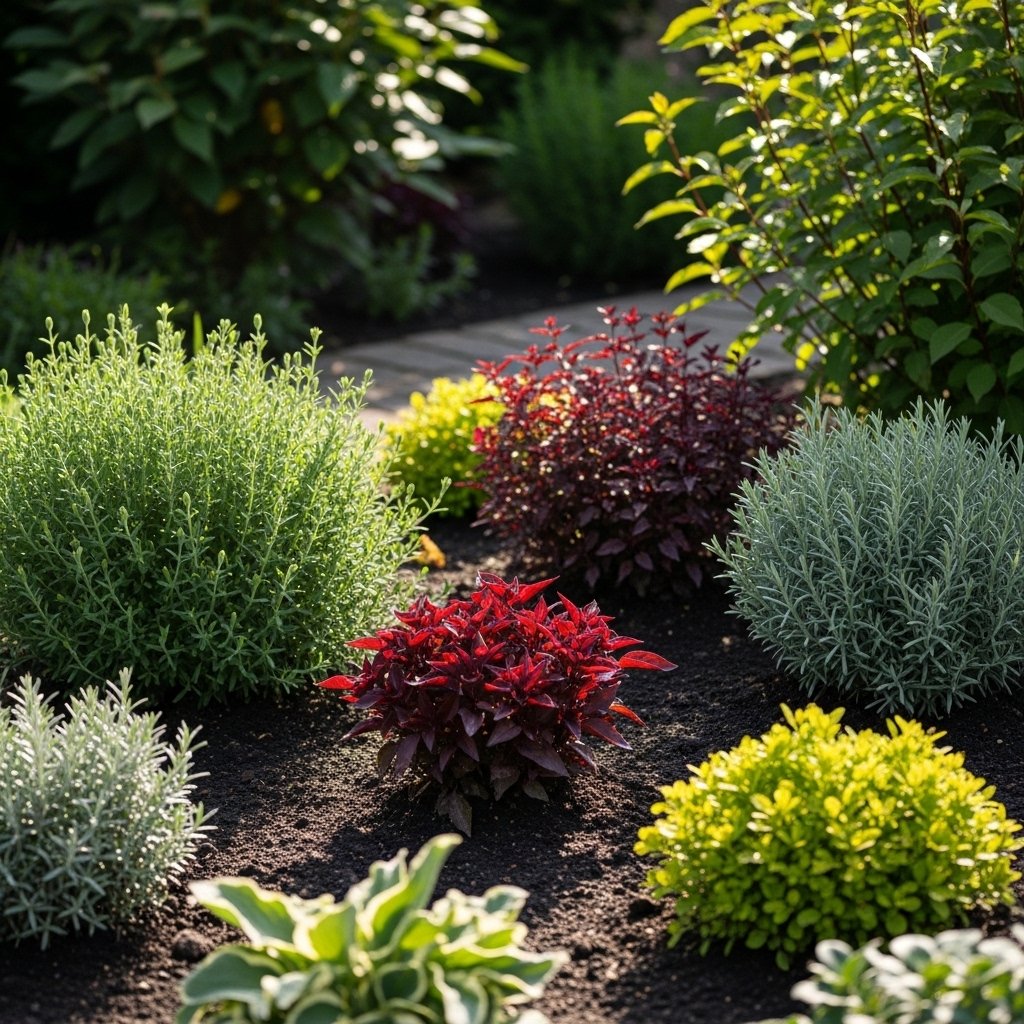
Succession planting is a smart layout strategy that ensures flowers bloom throughout the entire growing season. Gardeners plant batches of the same flower type at staggered intervals for ongoing harvests. This layout prevents overwhelming blooms at once and avoids long gaps without flowers. Proper labeling and spacing are essential to keep track of planting schedules. With succession planning, your cut flower garden stays productive from spring to fall.
7. Perennial Border Layout
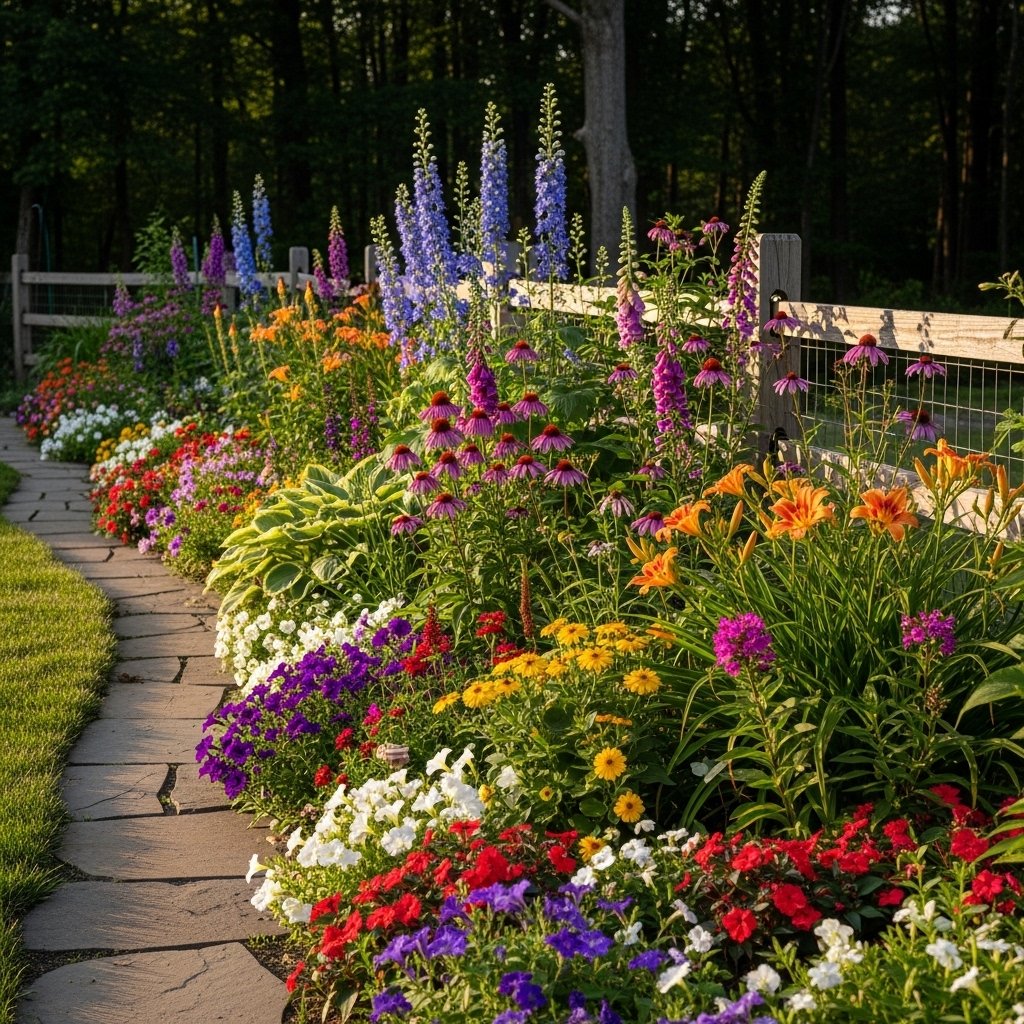
A perennial border layout incorporates long-lasting flowering plants along fences or pathways. Perennials provide a reliable foundation that returns year after year with minimal replanting. Annual flowers can then be added in front or between them for seasonal variety. This layout blends structure with flexibility while reducing yearly planting workload. It’s perfect for gardeners seeking both beauty and sustainability in their cut flower garden.
8. U-Shaped Layout for Easy Access
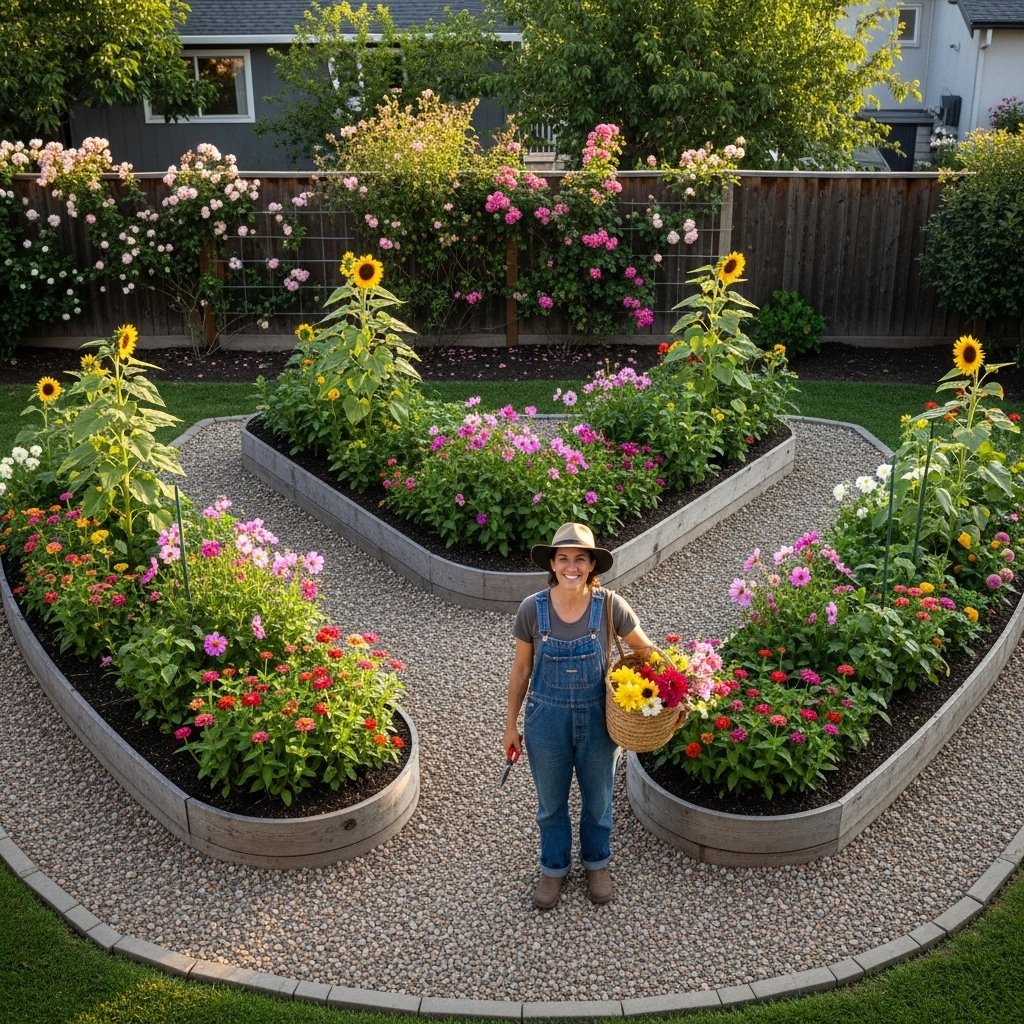
A U-shaped cut flower garden layout creates a central working area surrounded by planting beds. This design allows easy access to every section without stepping into the garden beds. It’s particularly useful for small to medium-sized gardens where space efficiency is important. The U-shape also creates a cozy, immersive gardening experience. Harvesting becomes quick and convenient with everything within arm’s reach.
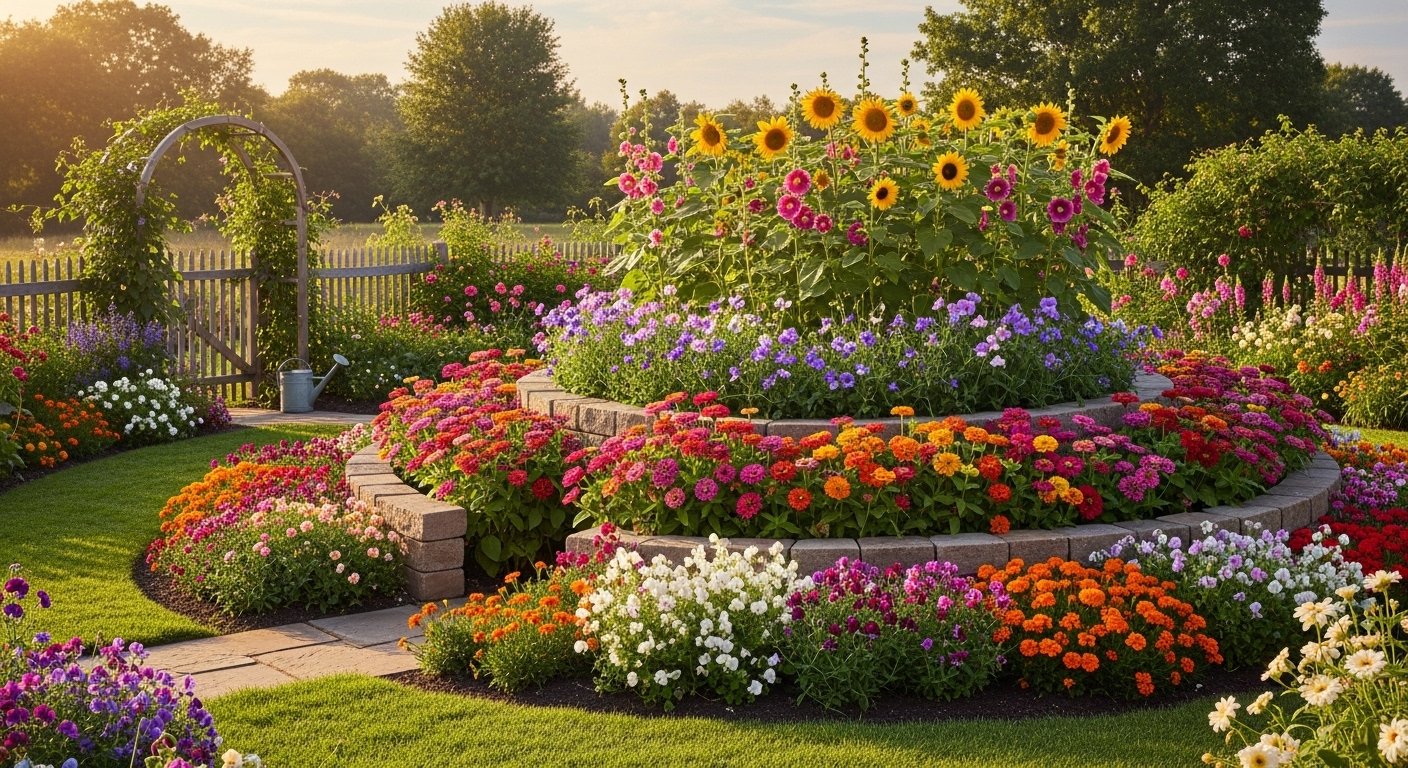
9. Spiral Garden Layout
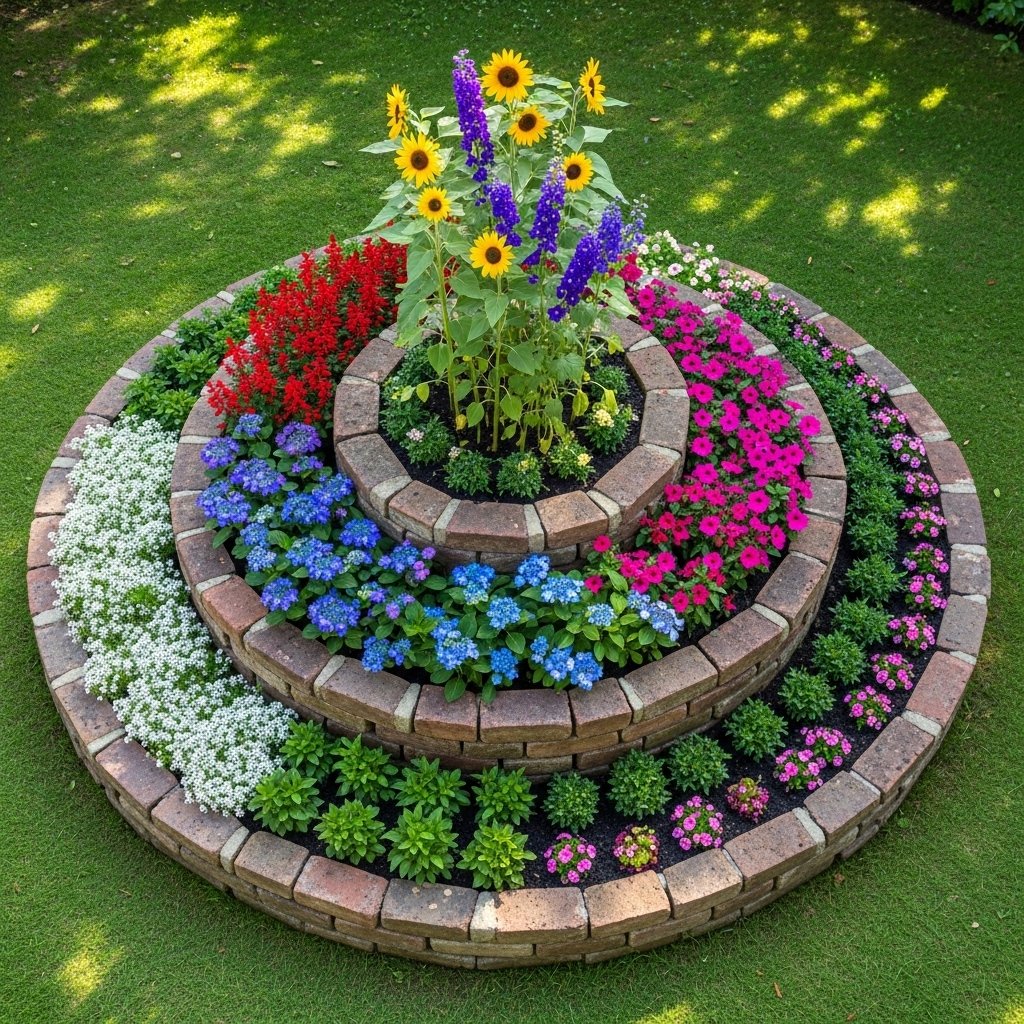
A spiral layout offers a creative and visually striking way to grow cut flowers. The spiral design naturally creates microclimates, with taller plants placed in the center and shorter ones along the outer edges. This layout maximizes vertical space while adding artistic appeal to your garden. It works well in compact areas where space must be used creatively. The spiral layout combines functionality with eye-catching design.
10. Companion Planting Layout
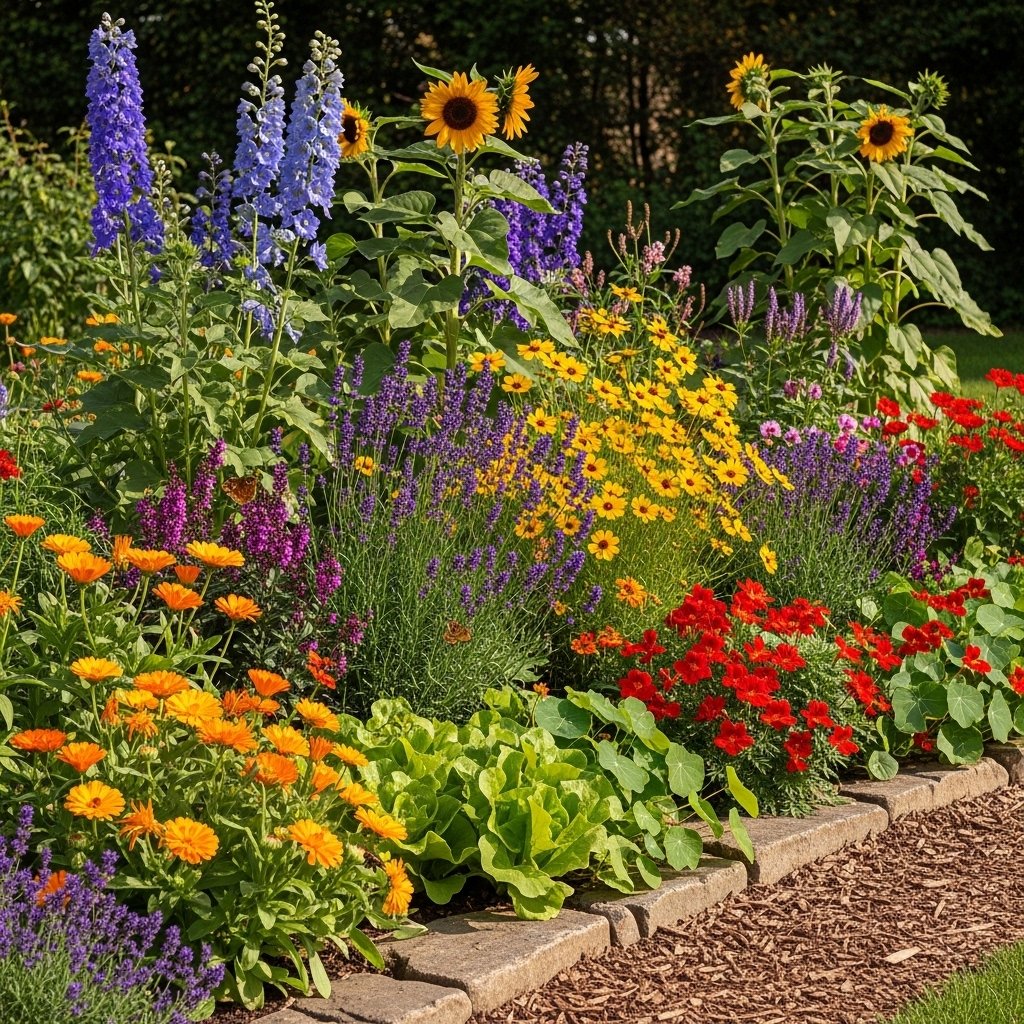
Companion planting improves plant health and productivity by pairing flowers that benefit each other. In this layout, taller blooms provide shade for delicate varieties while certain plants deter pests naturally. This reduces the need for chemical interventions and supports a healthier ecosystem. Companion layouts often lead to stronger stems and more vibrant flowers. Strategic pairing ensures a thriving and balanced cut flower garden.
11. Small Backyard Layout with Pathways
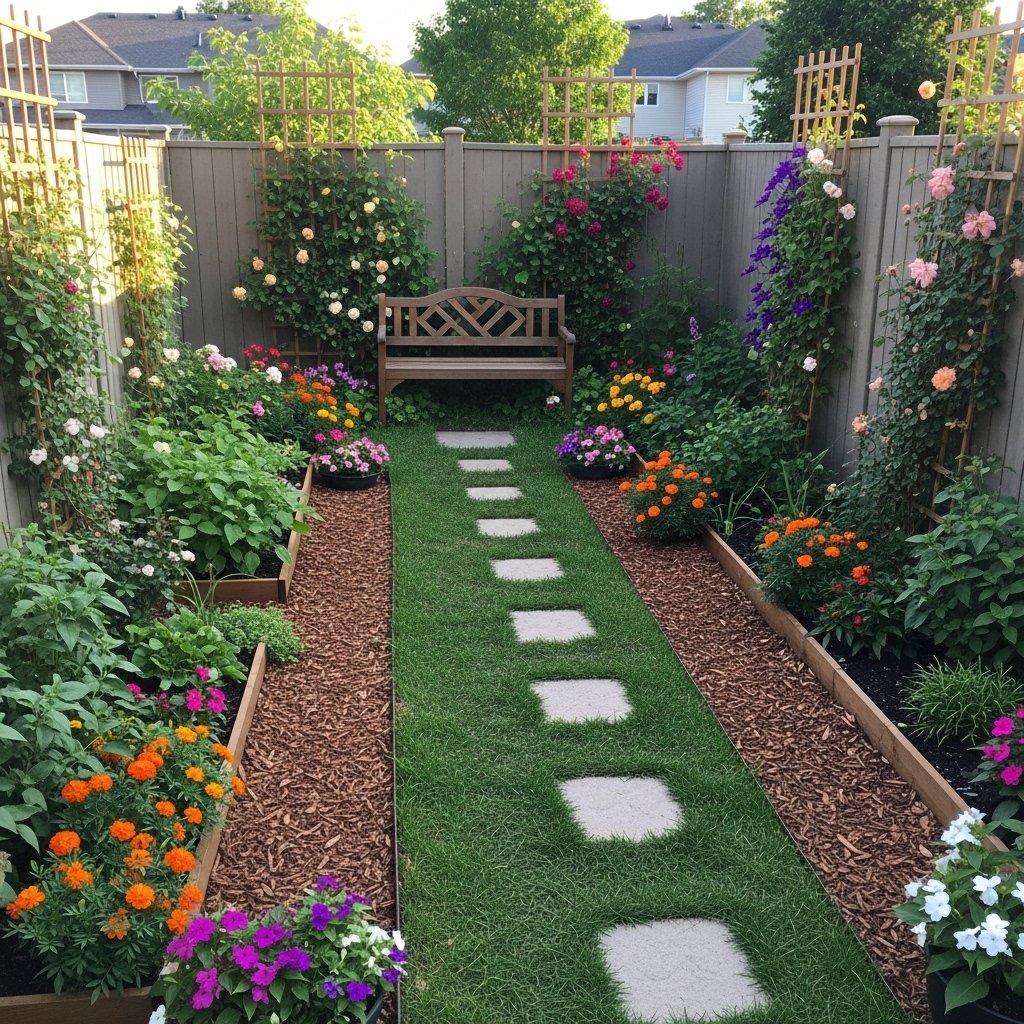
For limited spaces, a compact backyard layout with narrow pathways ensures easy movement and accessibility. Beds can be arranged in rectangular sections with mulch paths in between. This prevents soil compaction and keeps the garden organized. Vertical supports like trellises add height without taking up extra ground space. Even a small backyard can produce abundant bouquets with a well-planned layout.
12. Dedicated Cutting Garden Layout Separate from Display Beds
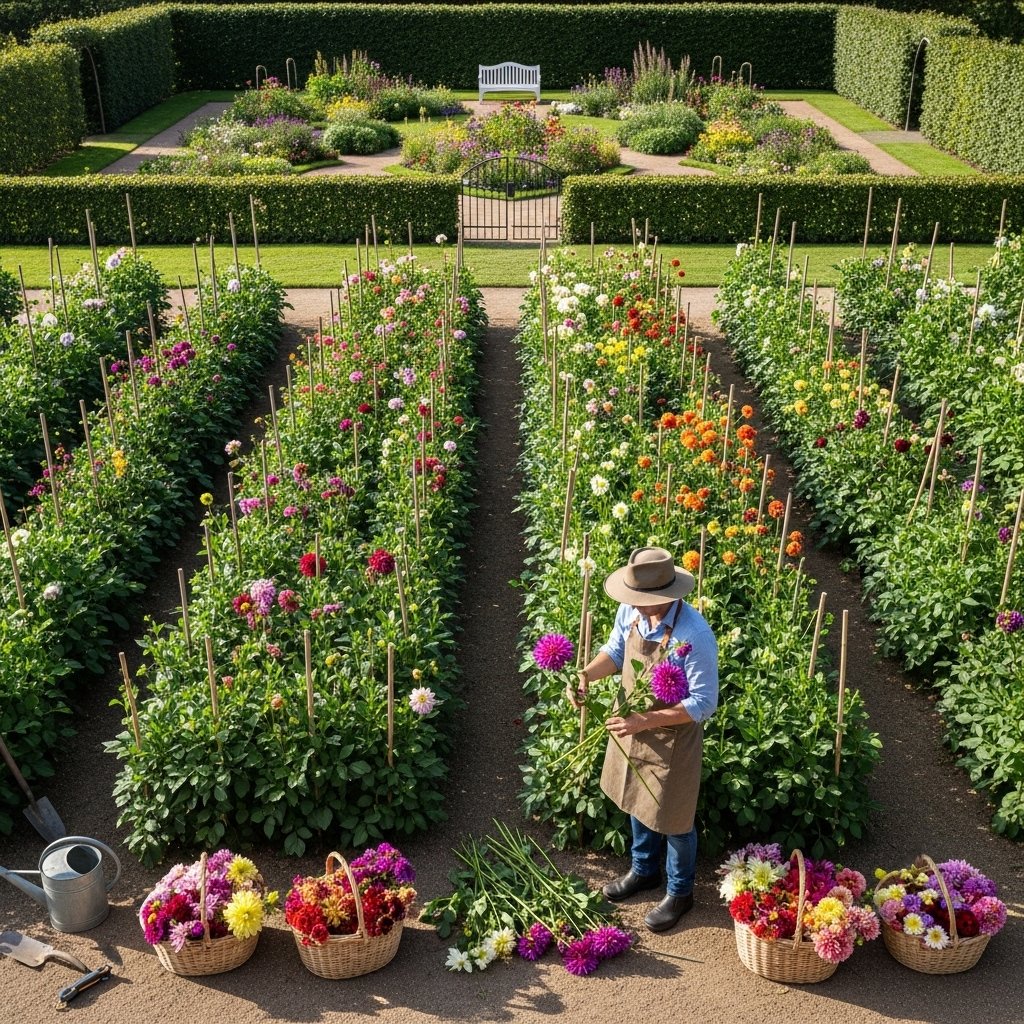
A dedicated cutting garden layout focuses purely on production rather than decorative design. Flowers are planted densely to maximize yield, and aesthetics are secondary to functionality. This layout allows you to harvest freely without worrying about disturbing ornamental displays. It works especially well for gardeners who frequently create floral arrangements. Separating production beds from display areas keeps your garden both beautiful and practical.
How to Care for a Cut Flower Garden Layout
- Water Properly – Give your flowers deep watering regularly, especially in hot weather, to keep roots healthy and blooms fresh.
- Feed the Soil – Use compost or balanced fertilizer to provide nutrients and help flowers grow strong and colorful.
- Prune and Deadhead – Remove dry leaves and faded flowers to encourage new blooms and keep the garden neat.
- Control Weeds and Pests – Pull out weeds and check plants for insects to protect your flowers from damage.
- Harvest Correctly – Cut flowers in the early morning using clean scissors to promote more growth and longer-lasting blooms.
13.1. FAQ
13.2. What is a cut flower garden layout❓
A cut flower garden layout is the planned arrangement of flowers that are grown specifically for cutting and indoor display. It focuses on organizing flower beds in a way that makes planting, maintenance, and harvesting easier. A well-designed layout ensures continuous blooming throughout the season and allows you to enjoy fresh flowers regularly without disturbing the overall beauty of the garden.
13.3. How do you design a cut flower garden layout❓
To design a cut flower garden layout, start by selecting a sunny location with good soil drainage. Arrange flowers in rows or blocks based on their height, with taller plants at the back and shorter ones in the front. Grouping flowers by type and bloom time helps create a steady supply of fresh flowers. Proper spacing between plants also improves airflow and makes harvesting more convenient.
13.4. Which flowers are best for a cut flower garden❓
Popular flowers for a cut flower garden include sunflowers, roses, zinnias, marigolds, and dahlias. These flowers are known for their long stems, bright colors, and good vase life. Choosing a mix of seasonal flowers ensures variety and continuous blooms, allowing you to enjoy fresh arrangements throughout the growing season.
14. Final Thoughts
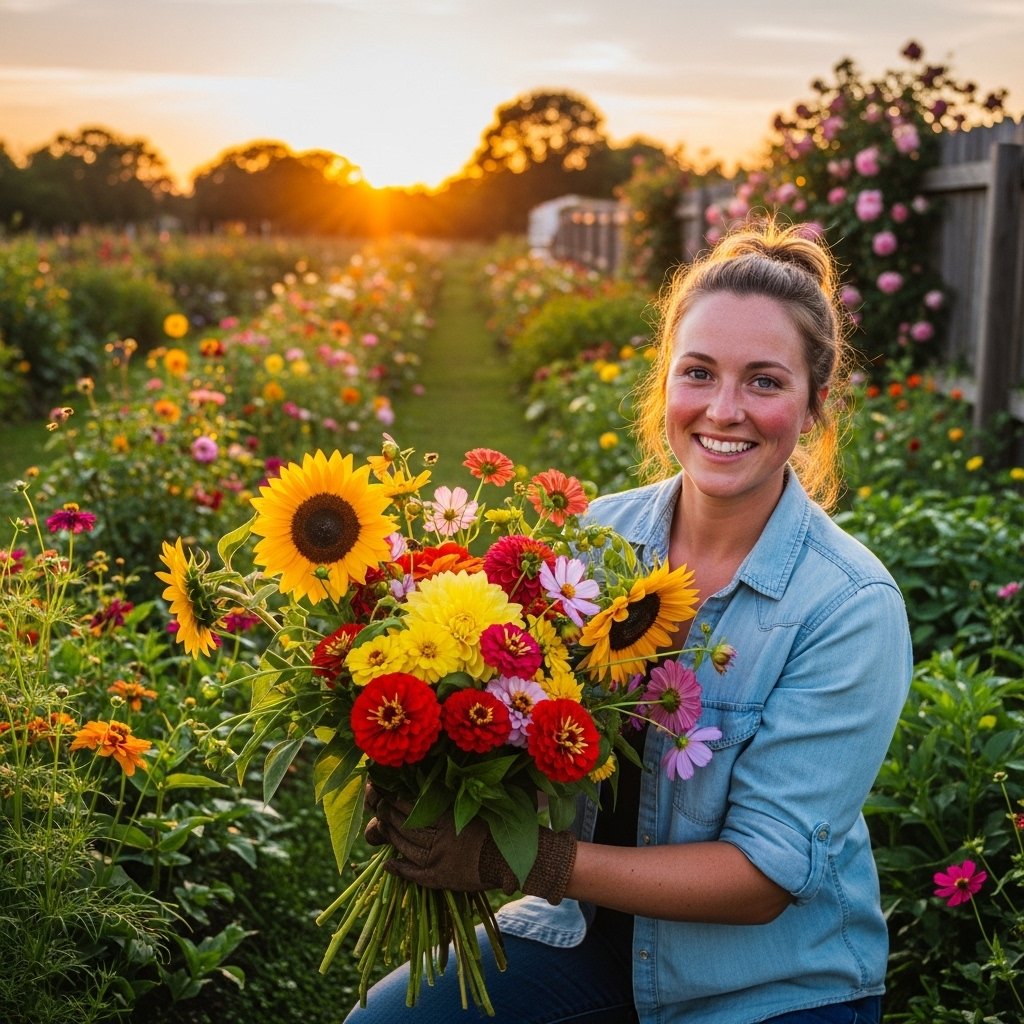
Choosing the right cut flower garden layout ideas can transform your outdoor space into a thriving, bloom-filled haven. Whether you prefer structured rows, raised beds, or artistic spiral designs, thoughtful planning ensures continuous flowers and easy harvesting. A productive layout balances accessibility, soil health, and seasonal succession for long-term success. With careful design, even small gardens can produce stunning bouquets all season long. Start planning your layout today and enjoy the beauty, fragrance, and joy of fresh-cut flowers straight from your own garden.