Cut Flower Garden Row Layout: Smart & Productive Design Ideas for Maximum Blooms
Blog > Home > cut flower garden layout > Cut Flower Garden Row Layout: Smart & Productive Design Ideas for Maximum Blooms
A cut flower garden row layout is one of the most efficient and productive ways to grow flowers for bouquets, market sales, or home arrangements. Organizing flowers in straight, structured rows improves airflow, simplifies maintenance, and makes harvesting faster and easier. Whether you have a backyard garden or a larger growing space, row planting helps maximize every square foot. This method is especially popular among beginner gardeners and small-scale flower farmers who want high yields with less confusion. In this guide, you’ll discover twelve practical and creative cut flower garden row layout ideas to help you design a thriving, beautiful flower-growing space.
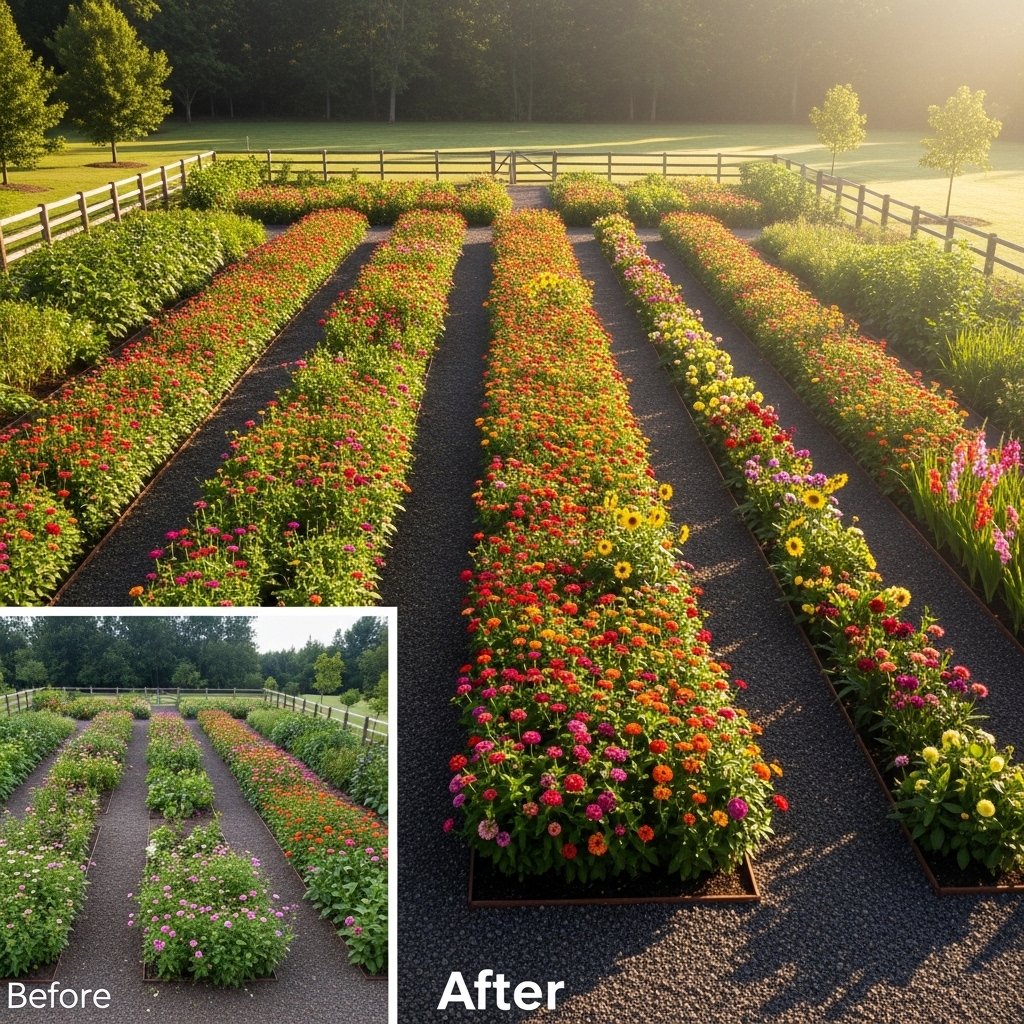
Table Of Content
1. Traditional Straight Row Layout

The traditional straight row layout is the most common and beginner-friendly design for a cut flower garden. Flowers are planted in long, evenly spaced rows with walking paths between them for easy access. This structure improves sunlight exposure and ensures each plant receives adequate nutrients and airflow. Straight rows also make irrigation systems and drip lines easier to install. This layout works especially well for growing popular cut flowers like zinnias, sunflowers, and cosmos.
2. Raised Bed Row Layout
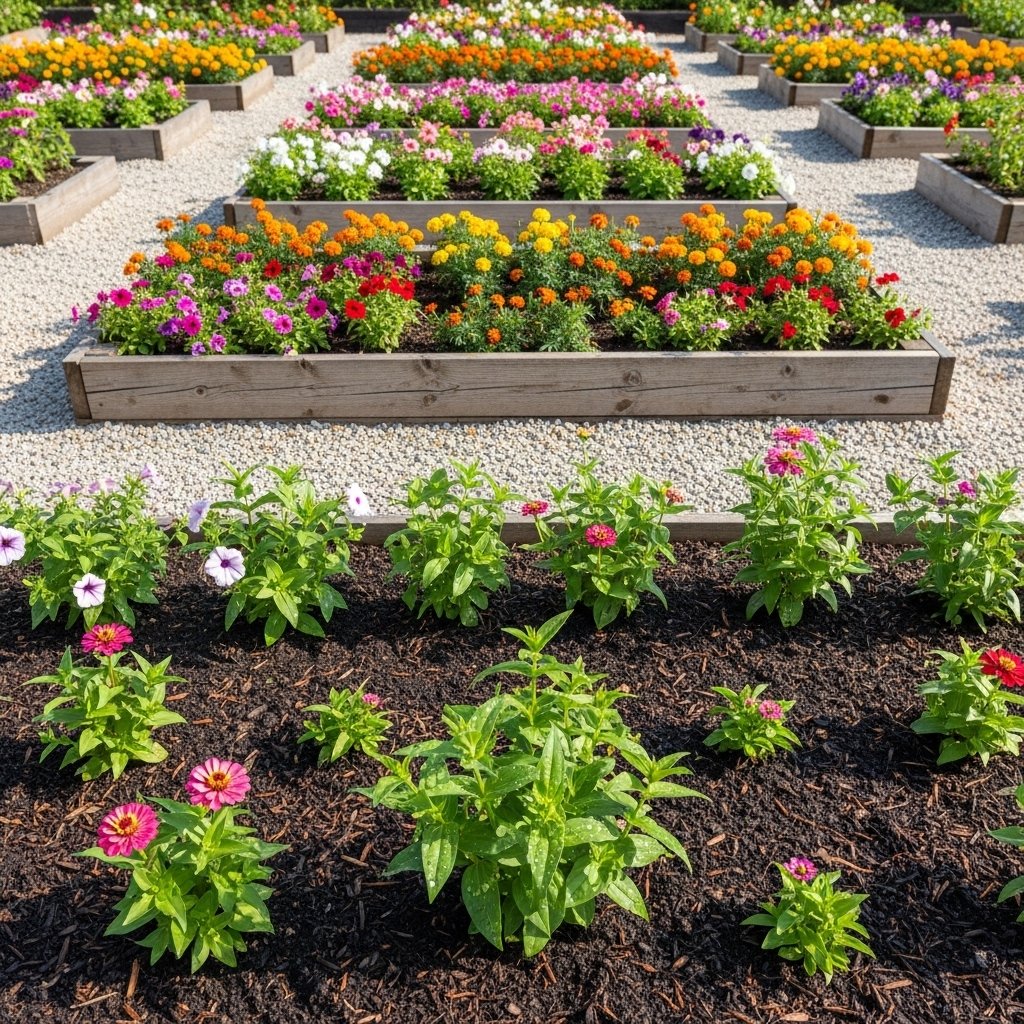
A raised bed row layout elevates the soil, creating better drainage and improved soil quality. Each raised bed acts as a structured row, allowing you to organize flower varieties separately. This design reduces soil compaction and makes weeding and harvesting more comfortable. Raised beds also warm up faster in spring, extending your growing season. Gardeners who want neat, defined spaces often prefer this visually organized layout.
3. Wide Row Block Planting
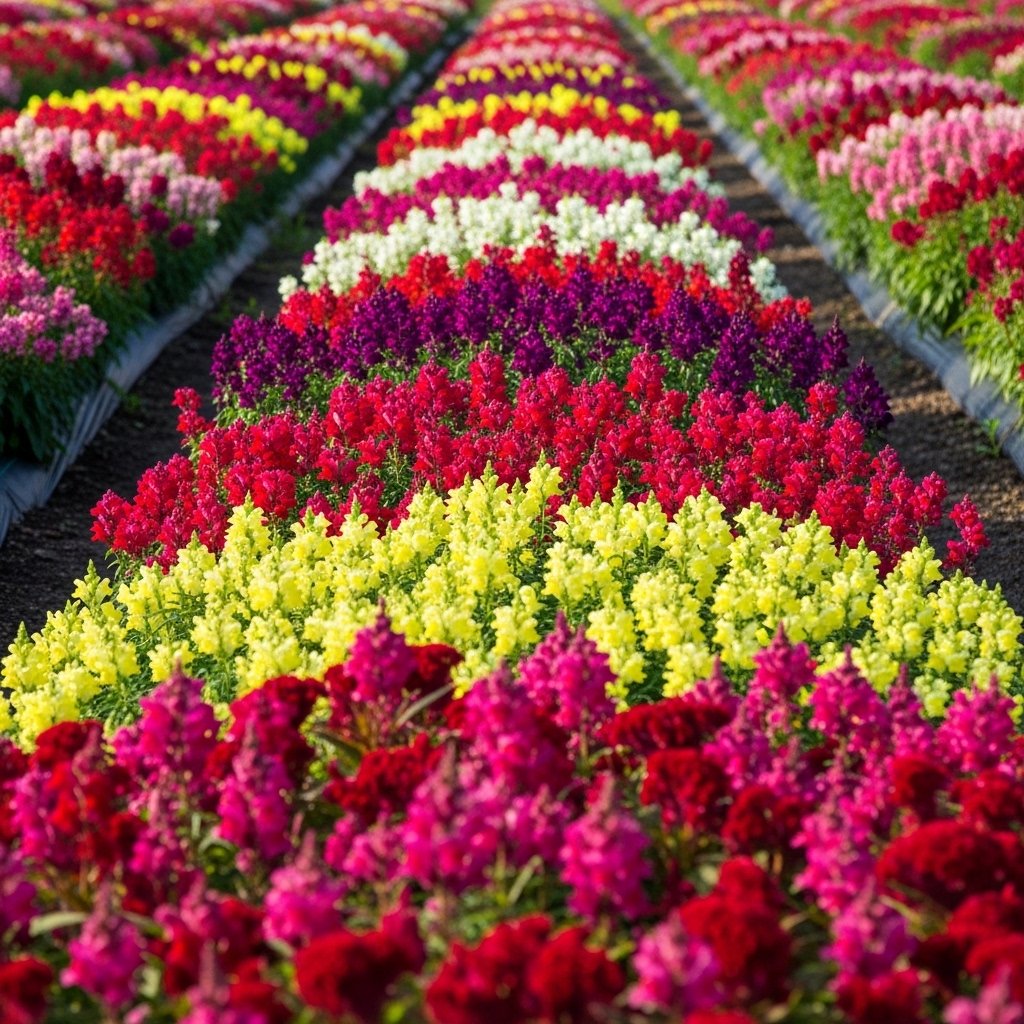
Wide row block planting combines the structure of rows with the fullness of block planting. Instead of single narrow rows, flowers are planted in wider grouped rows for higher production. This layout increases flower yield per square foot while maintaining accessible pathways. It’s especially useful for mass-producing bouquet fillers like snapdragons and celosia. The fuller appearance also makes the garden look lush and abundant throughout the growing season.
4. Crop Rotation Row Layout
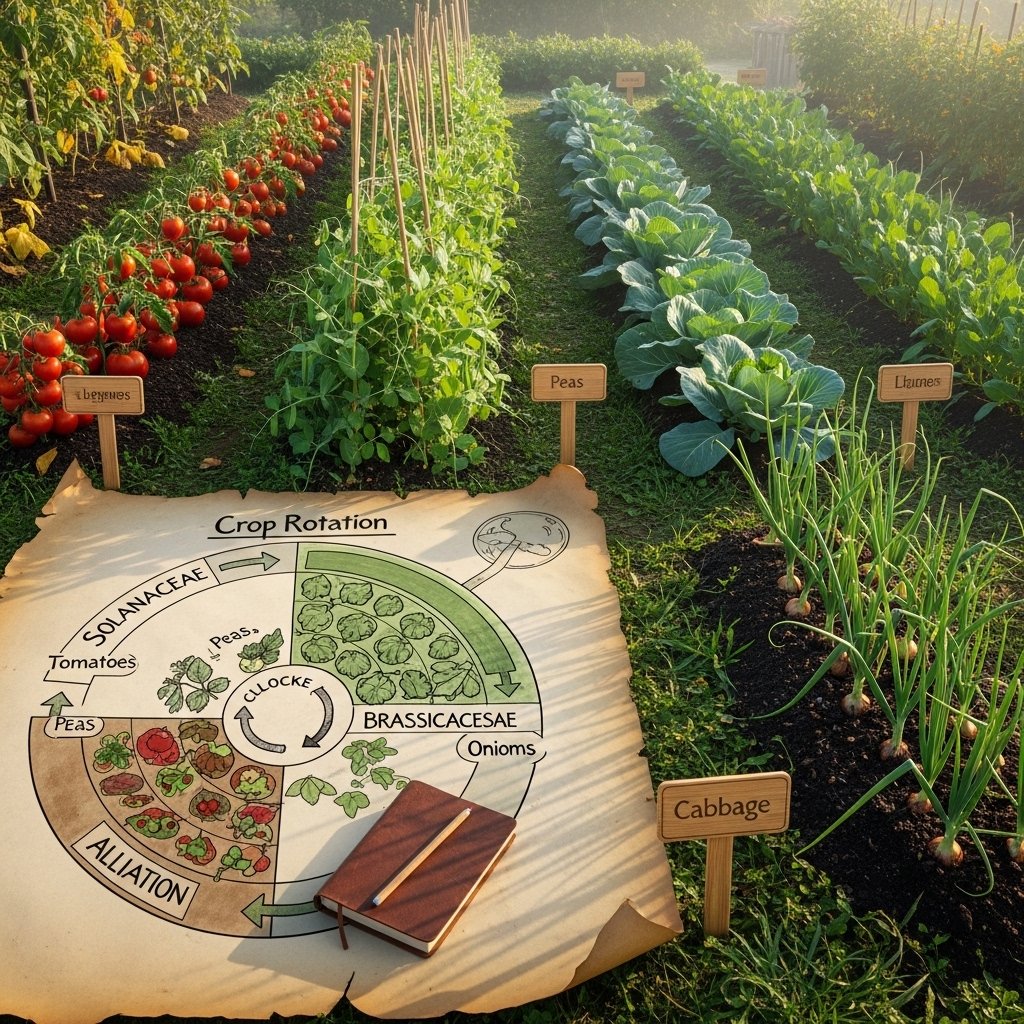
A crop rotation row layout helps maintain soil health and prevent disease buildup over time. Each year, you rotate flower types into different rows to reduce pest pressure and nutrient depletion. This method is commonly used by experienced growers who want sustainable, long-term productivity. Planning your layout in advance ensures proper spacing and seasonal transitions. Crop rotation keeps your cut flower garden healthy and consistently productive.
5. Color-Coordinated Row Layout
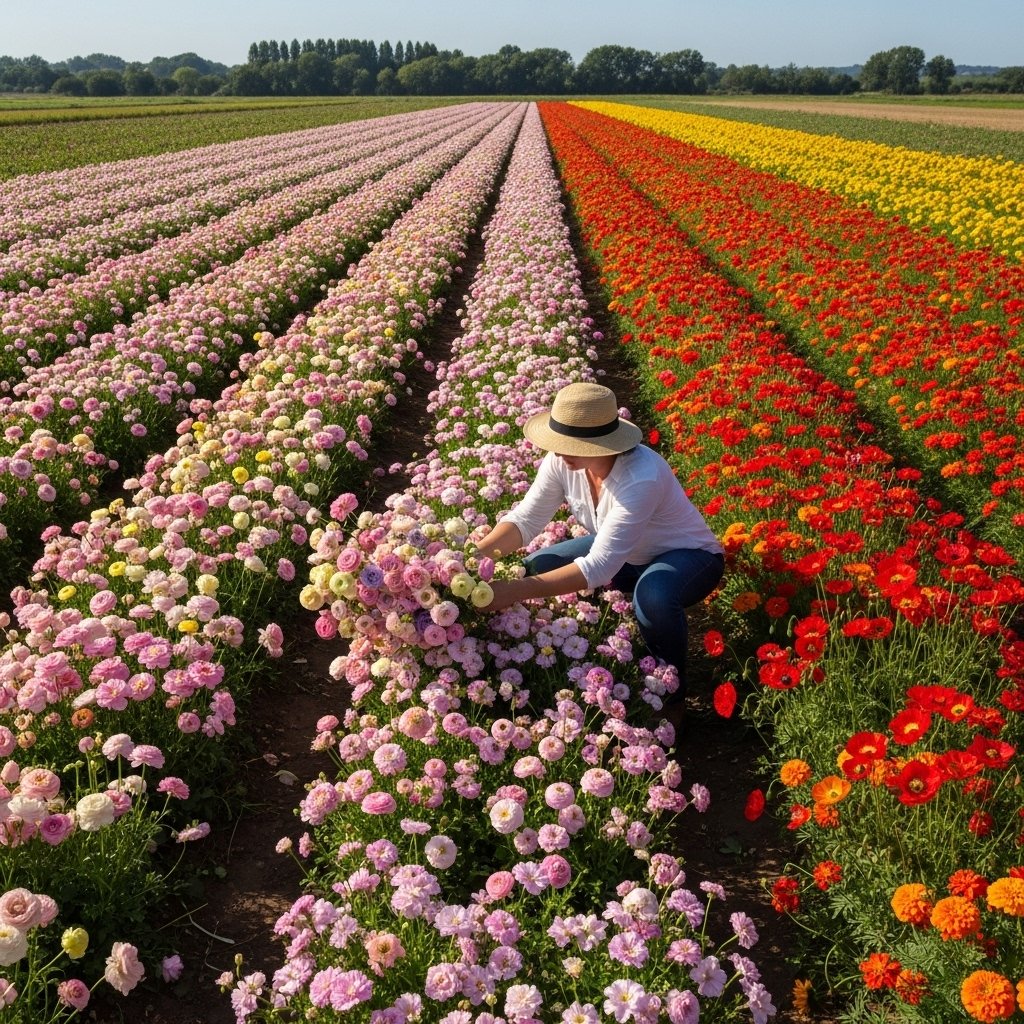
A color-coordinated row layout organizes flowers by bloom color for easier harvesting and bouquet design. Grouping similar shades together simplifies floral arranging and enhances visual appeal. For example, you might dedicate one row to pastel tones and another to bold, vibrant hues. This layout is particularly helpful for market gardeners creating themed bouquets. It adds both beauty and functionality to your growing space.
6. Succession Planting Row Layout
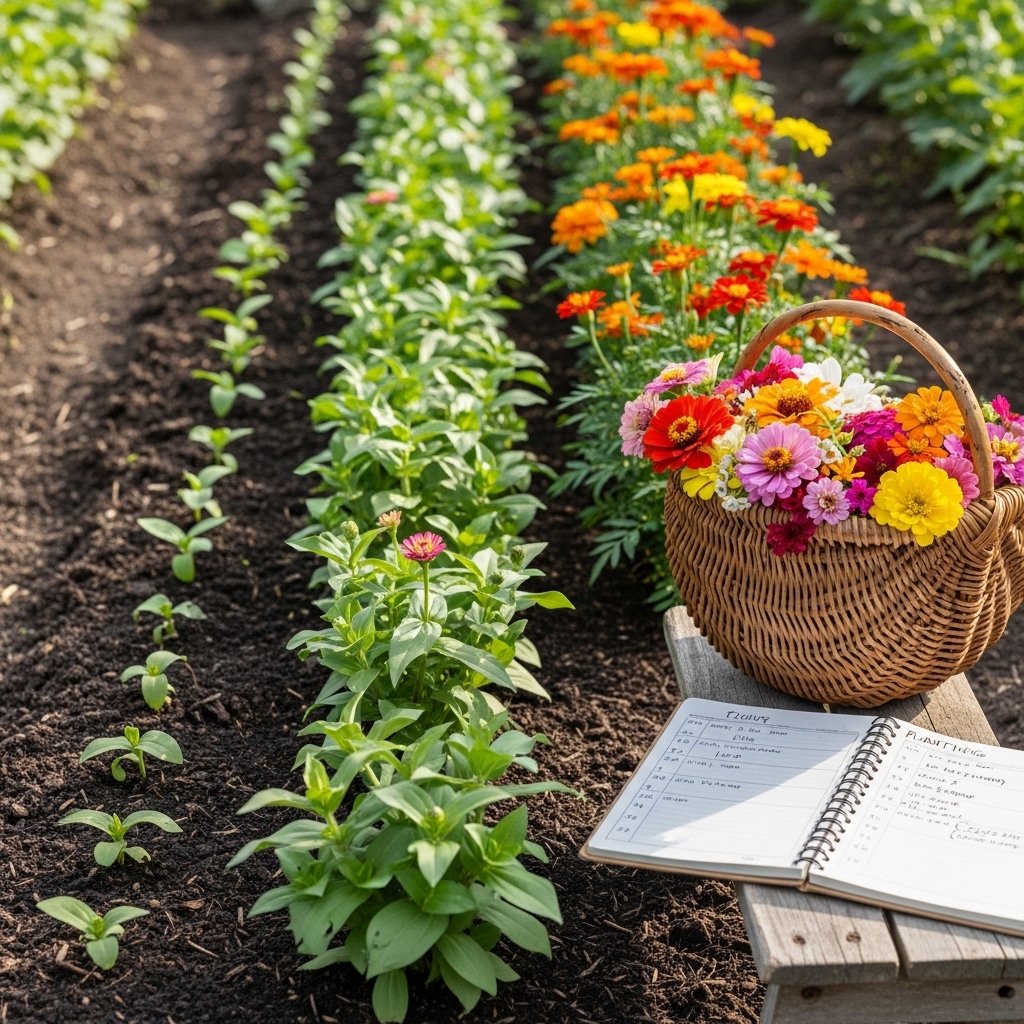
Succession planting rows are designed to provide continuous blooms throughout the season. Instead of planting all seeds at once, you stagger planting dates within each row. This method ensures fresh flowers are ready for cutting week after week. Succession rows are ideal for fast-growing annuals such as zinnias and sunflowers. With proper planning, your cut flower garden can produce steady harvests from spring through fall.
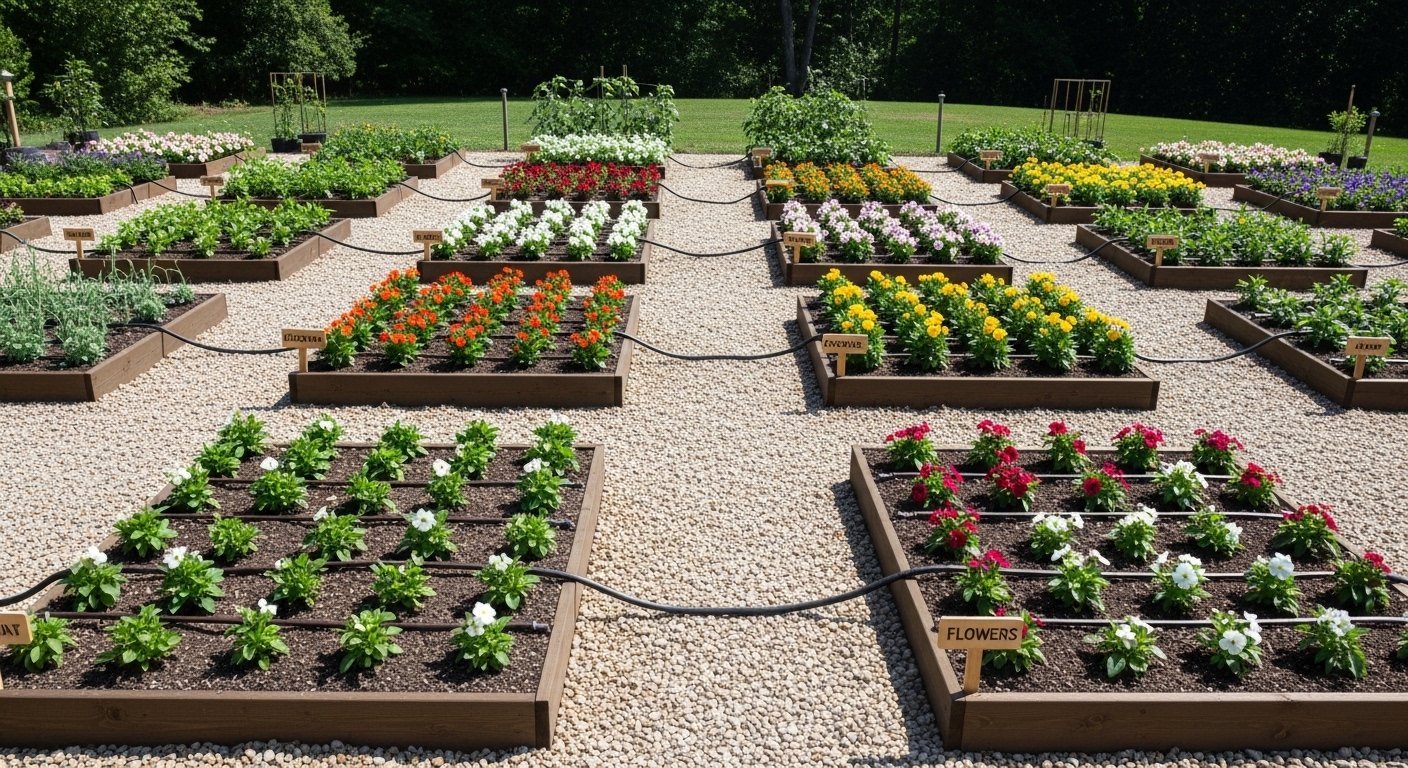
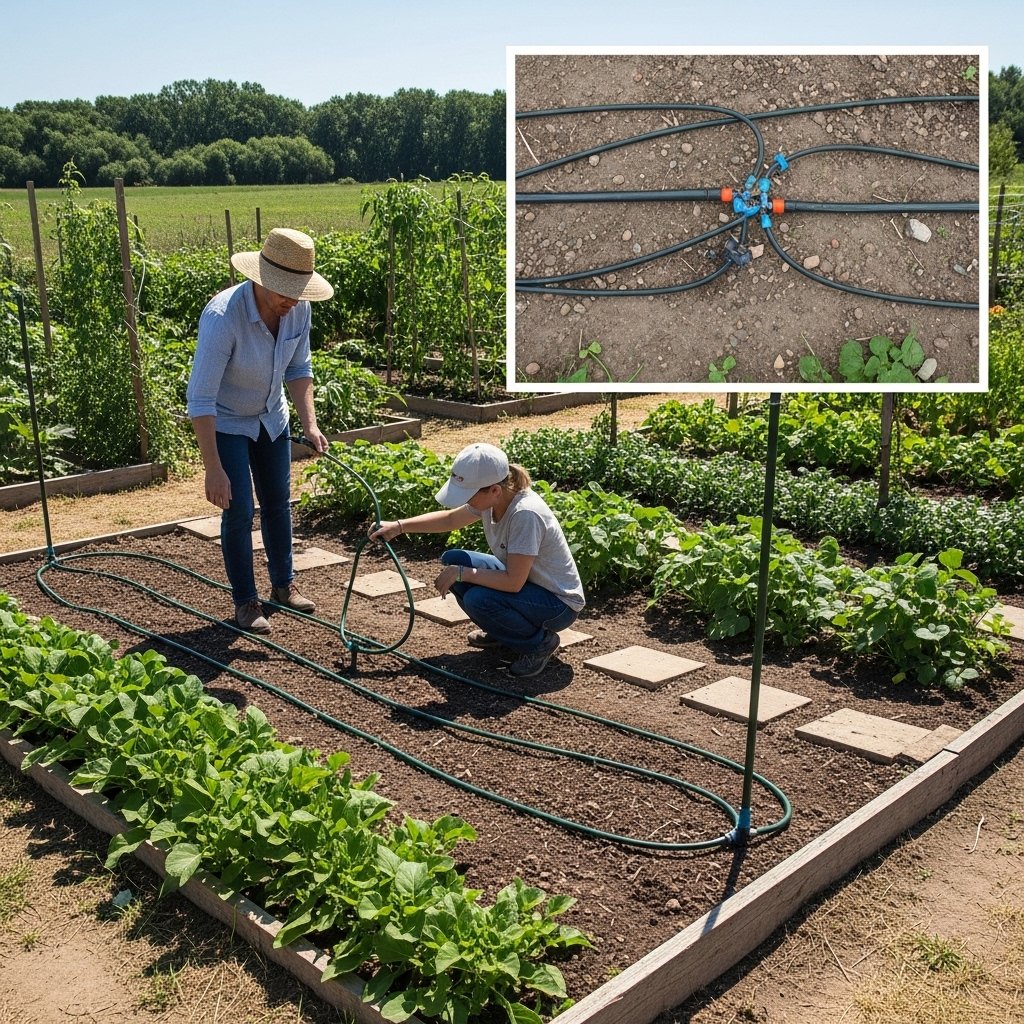
7. Drip Irrigation Row Layout
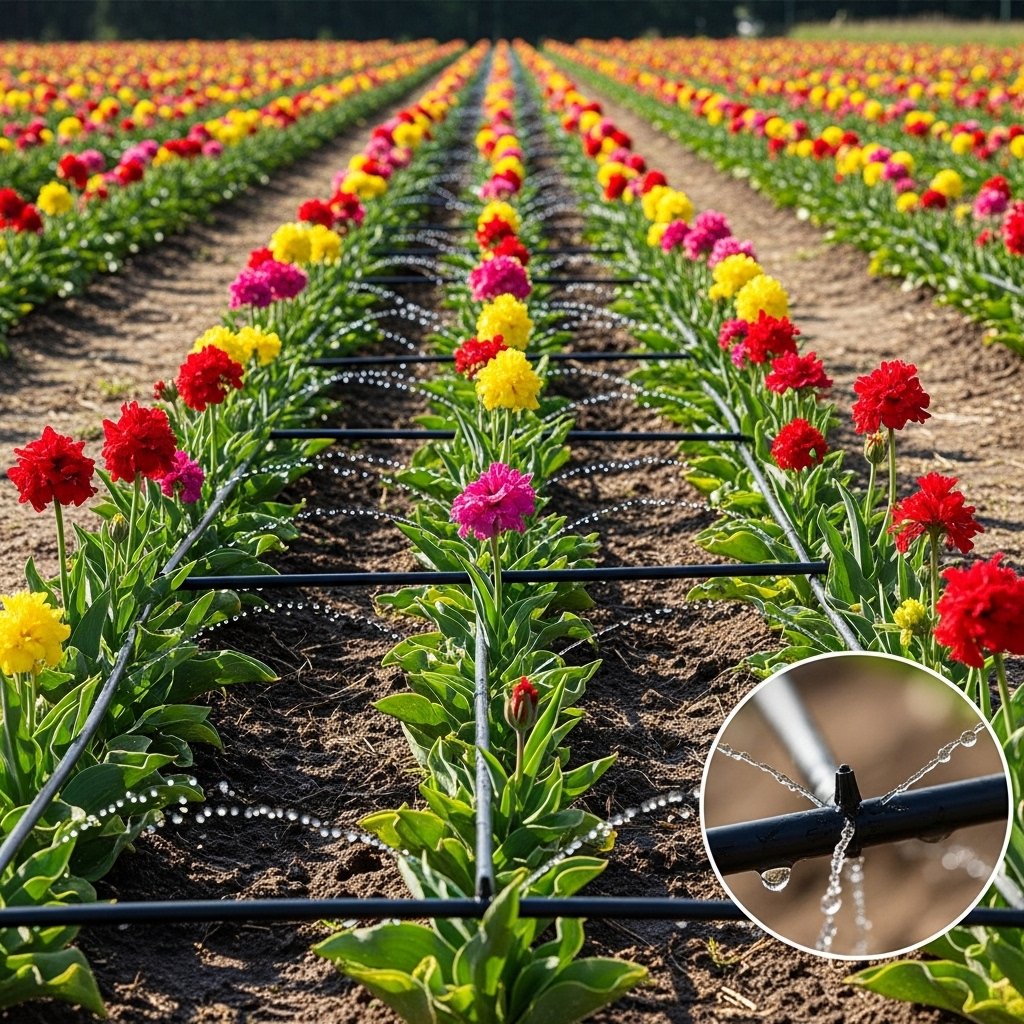
A drip irrigation row layout integrates watering systems directly along each flower row. Drip lines run parallel to plant rows, delivering water efficiently to the root zone. This design conserves water while reducing leaf moisture and disease risk. It also saves time compared to hand watering large flower beds. Gardeners aiming for efficiency and professional results often choose this layout.
8. Companion Planting Row Layout
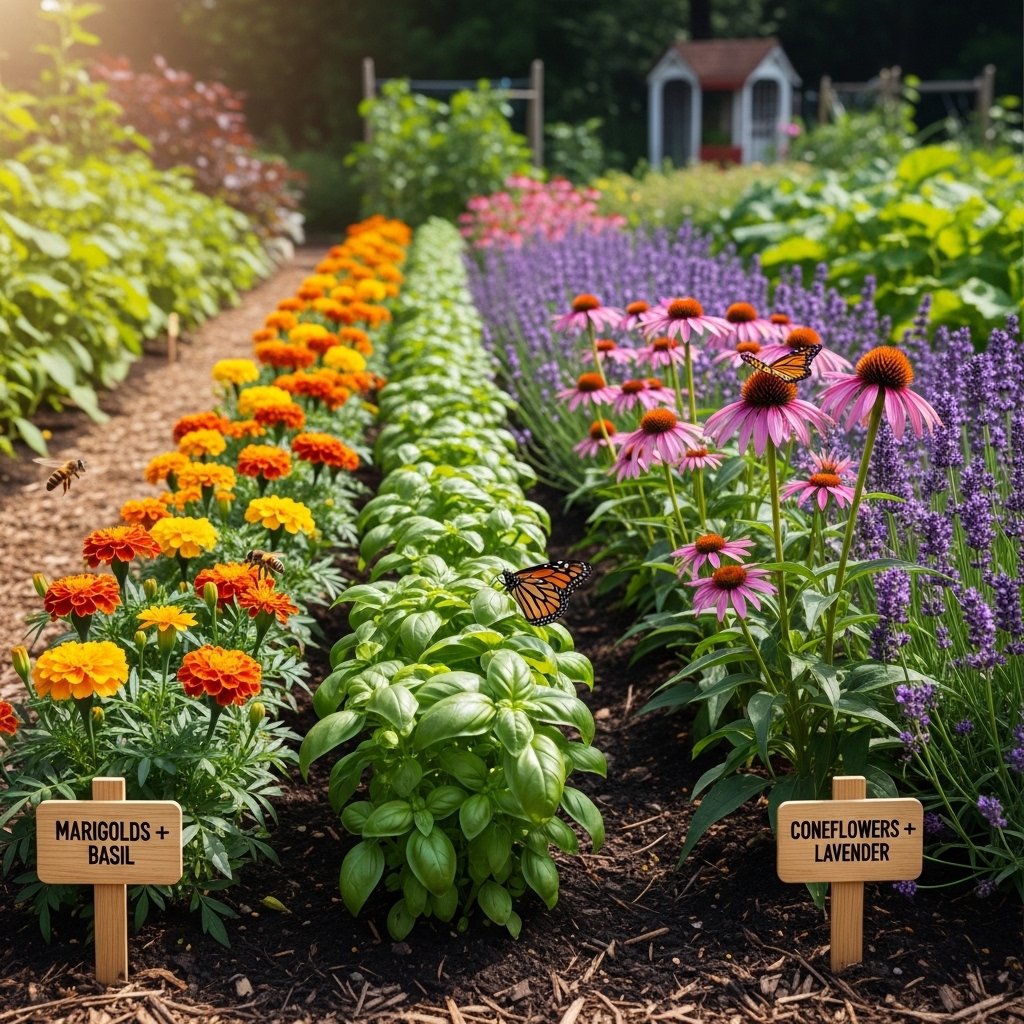
Companion planting rows combine different flower varieties that benefit one another. Certain plants repel pests, attract pollinators, or improve soil conditions for neighboring flowers. For example, adding herbs or beneficial blooms within specific rows can support overall plant health. This layout promotes biodiversity and natural pest control. It’s a thoughtful design that balances beauty with ecological benefits.
9. Market Garden Row Layout
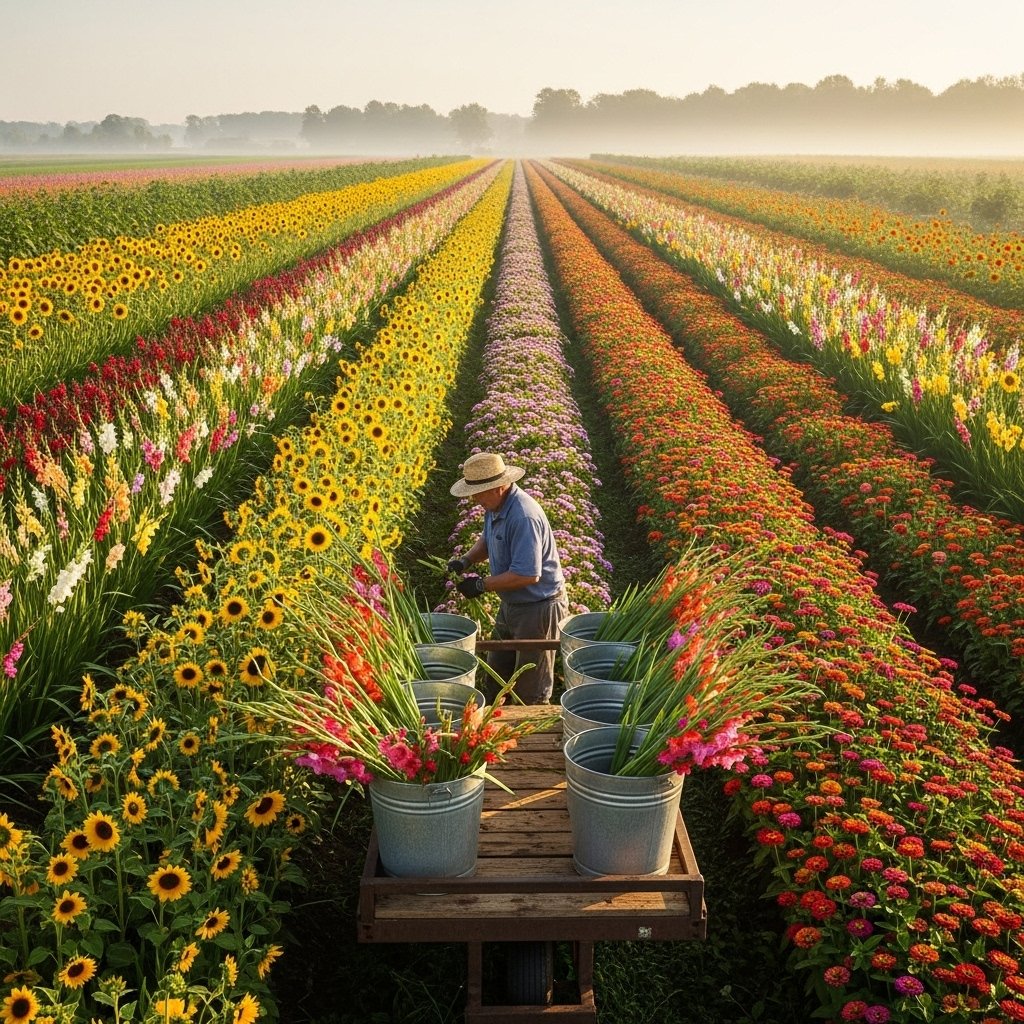
A market garden row layout focuses on maximizing yield for selling cut flowers. Rows are spaced precisely to allow quick harvesting and efficient workflow. Flower varieties are often grouped by stem length and harvest time. This professional setup reduces wasted space and increases profitability. Small flower farmers rely on structured rows to keep production organized and scalable.
10. Narrow Intensive Row Layout
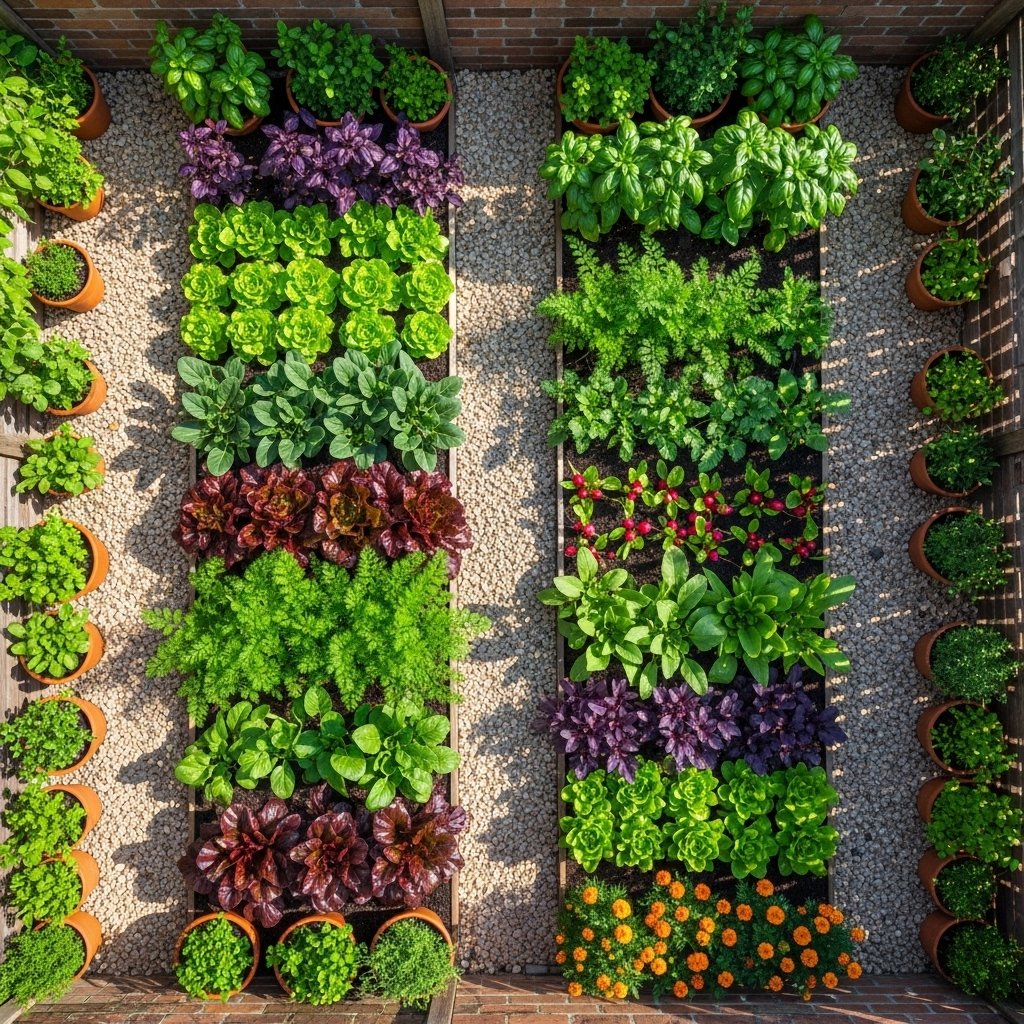
Narrow intensive rows allow gardeners to grow more flowers in limited space. Plants are spaced closer together while maintaining proper airflow. This method works well in urban gardens or small backyards. Careful soil management and fertilization are important to support dense planting. When done correctly, narrow rows can dramatically increase bloom production per square foot.
11. Perennial and Annual Mixed Row Layout
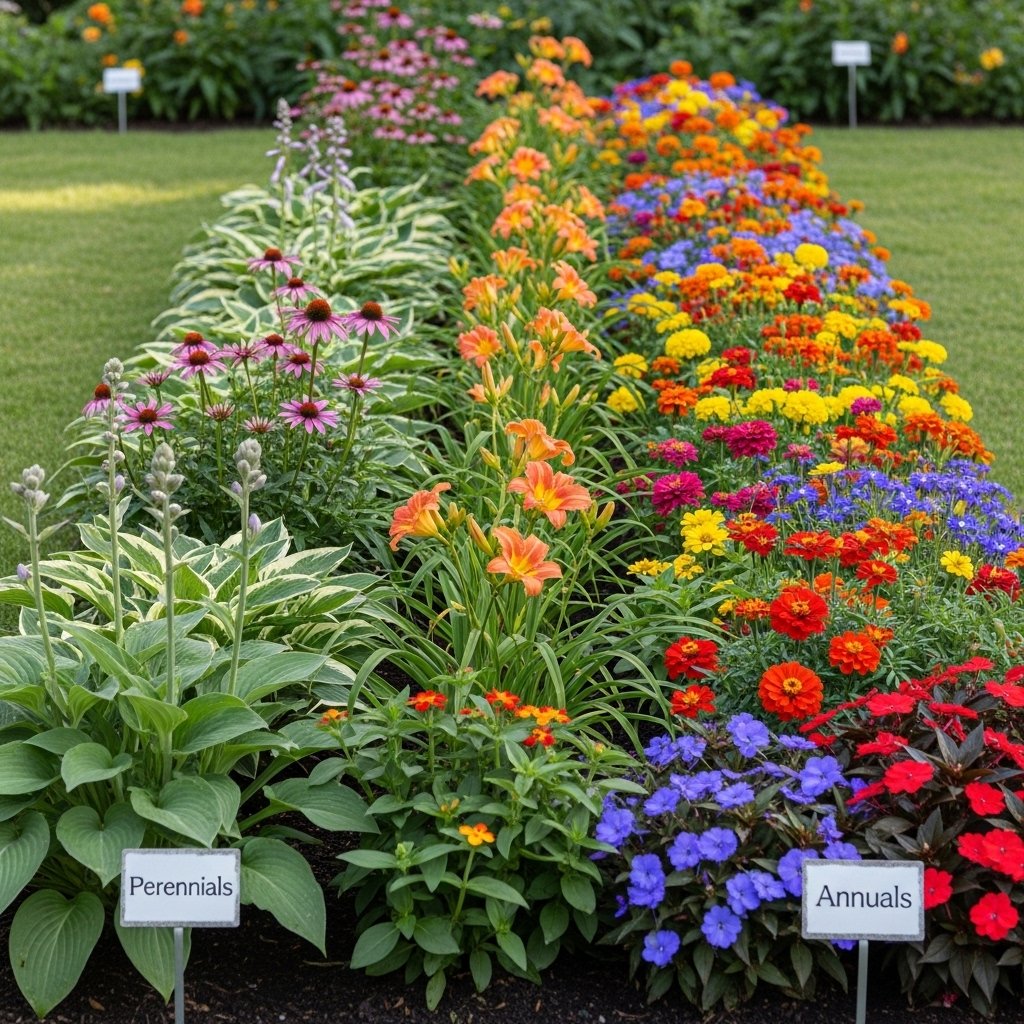
Mixing perennial and annual flowers in designated rows creates long-term structure and seasonal flexibility. Perennials provide reliable blooms year after year, while annuals fill gaps with vibrant seasonal color. This layout balances stability with creativity. Gardeners can redesign annual rows each season without disturbing established plants. It’s a practical and visually dynamic approach to cut flower gardening.
12. Pathway-Focused Row Layout
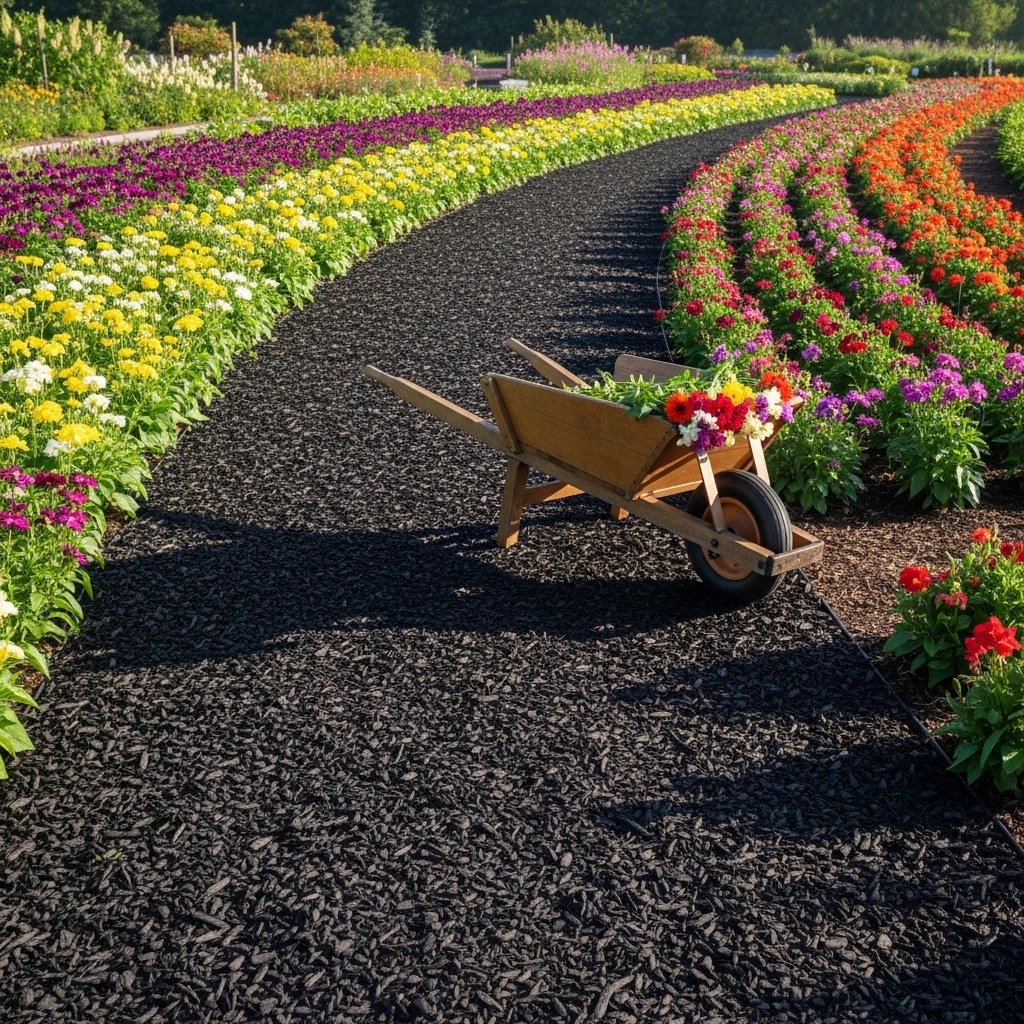
A pathway-focused row layout emphasizes comfortable access between flower rows. Wider paths allow wheelbarrows, carts, and harvesting tools to move easily. This design reduces plant damage and improves efficiency during peak harvest time. Mulched or gravel pathways also help control weeds and mud. Organized pathways make maintaining and enjoying your cut flower garden far more convenient.
13. How to Care for Cut Flower Garden Rows
- Water Properly – Water your flower rows deeply and regularly, especially in hot weather, so roots grow strong and healthy.
- Remove Weeds – Keep the rows clean by pulling out weeds often. Weeds take nutrients and water away from your flowers.
- Add Fertilizer – Feed your flowers with compost or balanced fertilizer to help them grow faster and produce more blooms.
- Prune and Deadhead – Cut off dry leaves and faded flowers to encourage new growth and keep plants looking fresh.
- Check for Pests – Inspect plants regularly for insects or disease and treat problems early to protect your garden.
13.1. FAQ
13.2. What is a cut flower garden row layout❓
A cut flower garden row layout is a planting method where flowers are arranged in straight, organized rows instead of random clusters. This layout makes it easier to plant, maintain, and harvest flowers for bouquets. It also improves airflow between plants and allows better access for watering, weeding, and cutting blooms regularly.
13.3. Why use rows in a cut flower garden❓
Using rows in a cut flower garden helps keep the space neat and manageable. Rows make it easier to walk between plants without damaging them, and they allow proper spacing for healthy growth. This method is especially useful for gardeners who grow flowers specifically for cutting and arranging in bouquets.
13.4. How far apart should rows be in a cut flower garden❓
Rows in a cut flower garden should generally be spaced far enough apart to allow comfortable walking and plant growth. Most gardeners leave about 12 to 24 inches between rows, depending on the flower type. Proper spacing ensures good air circulation, reduces disease risk, and makes harvesting flowers more convenient.
13.5. Which flowers grow best in a row layout❓
Many popular cut flowers grow well in rows, including sunflowers, zinnias, cosmos, marigolds, and snapdragons. These flowers benefit from organized spacing and are easy to harvest when planted in straight lines. Choosing flowers with similar height and growth needs in the same row can improve overall garden appearance and productivity.
14. Final Thoughts
A well-planned cut flower garden row layout transforms any growing space into a productive and organized flower haven. From simple straight rows to intensive planting systems, each layout style offers unique advantages depending on your goals and space. Structured rows improve airflow, simplify maintenance, and maximize flower production throughout the season. Whether you’re growing for personal bouquets or small-scale sales, thoughtful row planning ensures healthier plants and bigger harvests. With the right layout, your cut flower garden can become both a beautiful retreat and a highly efficient growing system.