DIY Watering System for Indoor Plants: Smart, Simple & Budget-Friendly Solutions
Blog > Home > Indoor Plants & Home Decor > DIY Watering System for Indoor Plants: Smart, Simple & Budget-Friendly Solutions
Keeping indoor plants properly watered can be a challenge, especially if you have a busy schedule or travel frequently. A DIY watering system is the perfect solution to ensure your plants stay healthy and hydrated without constant attention. These systems are not only cost-effective but also customizable based on your plant types and home setup. From simple bottle hacks to more advanced drip systems, there are plenty of creative ways to automate watering at home. Below are 12 fully optimized DIY watering system ideas that are easy to build and perfect for indoor plant care.
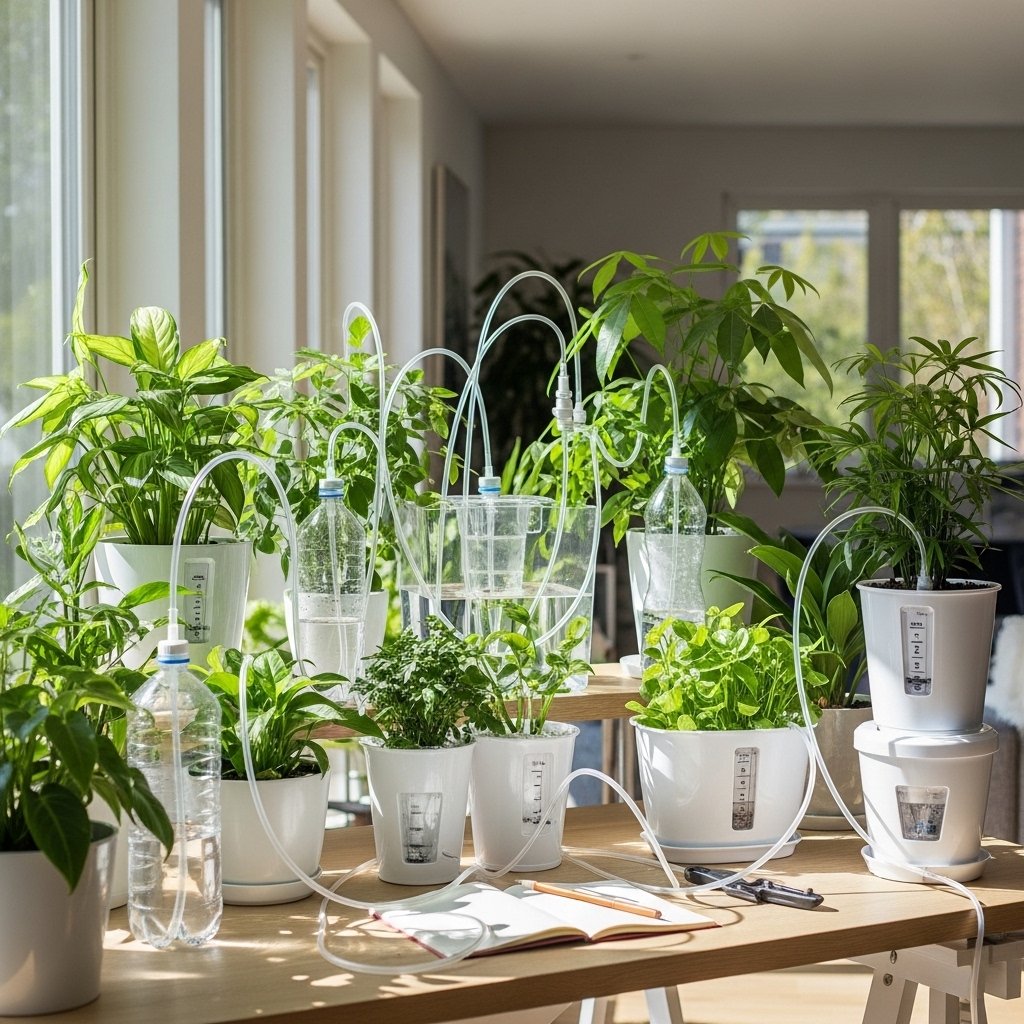
Table Of Content
1. Plastic Bottle Drip System
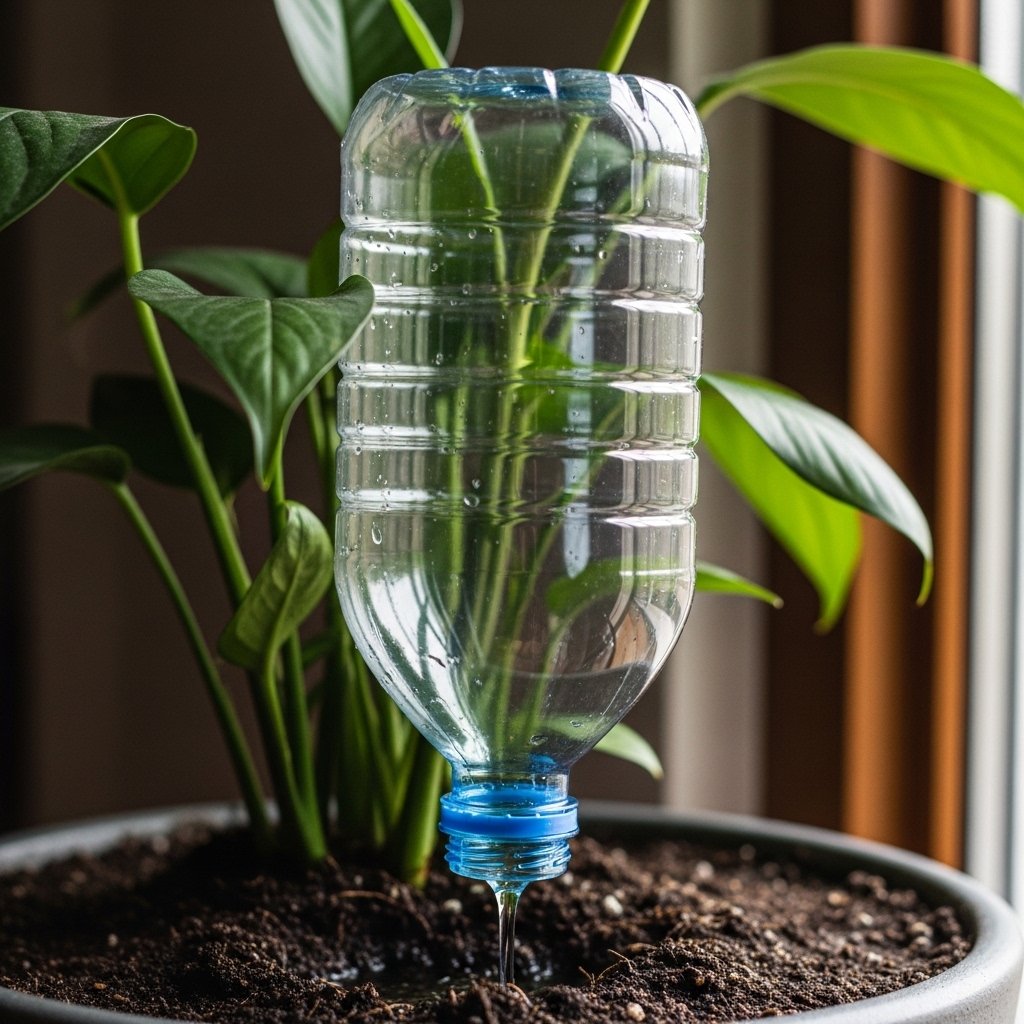
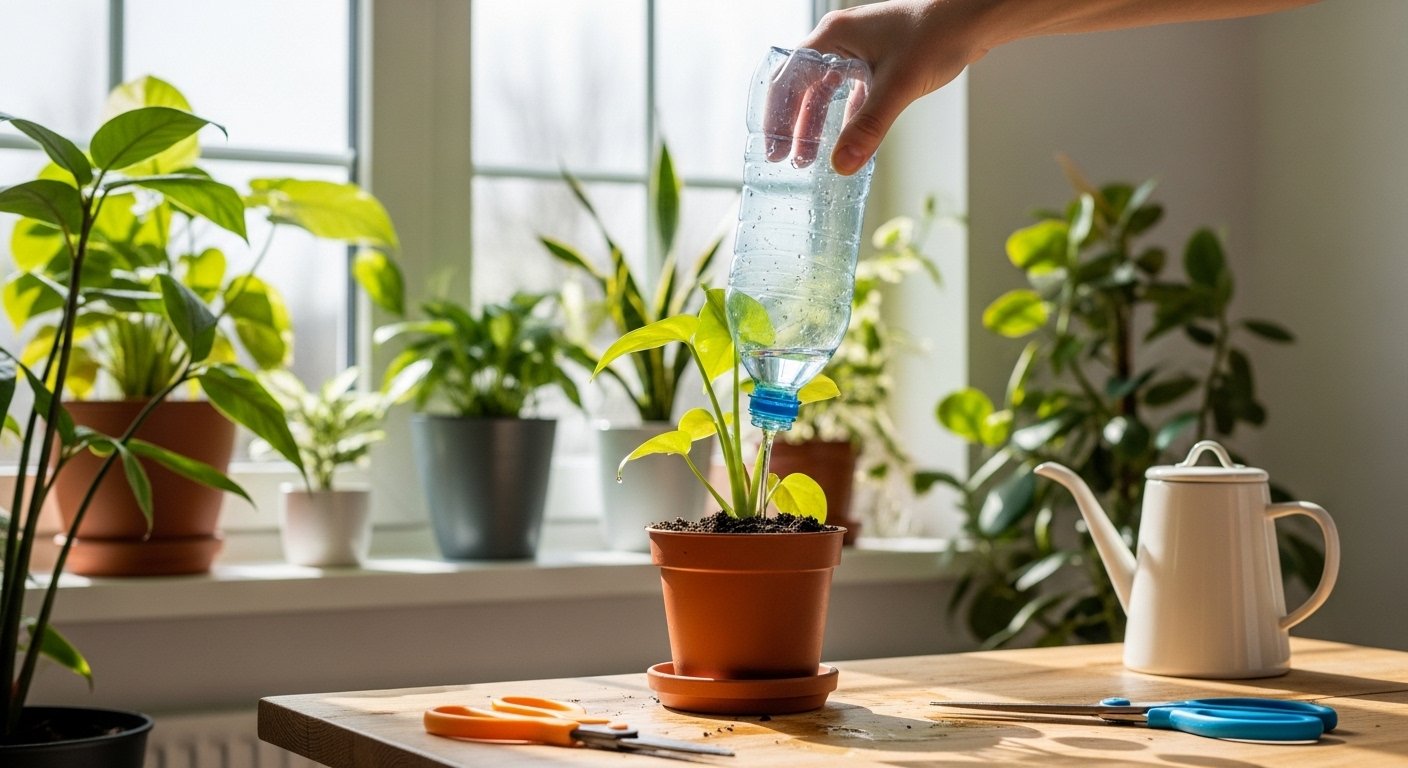
One of the easiest DIY watering systems involves using a recycled plastic bottle. Simply fill the bottle with water, poke small holes in the cap, and insert it upside down into the soil. This allows water to slowly drip into the plant over time. It’s a great solution for small to medium-sized pots and requires minimal effort. This method is both eco-friendly and highly effective for consistent moisture.
2. Wick Watering System
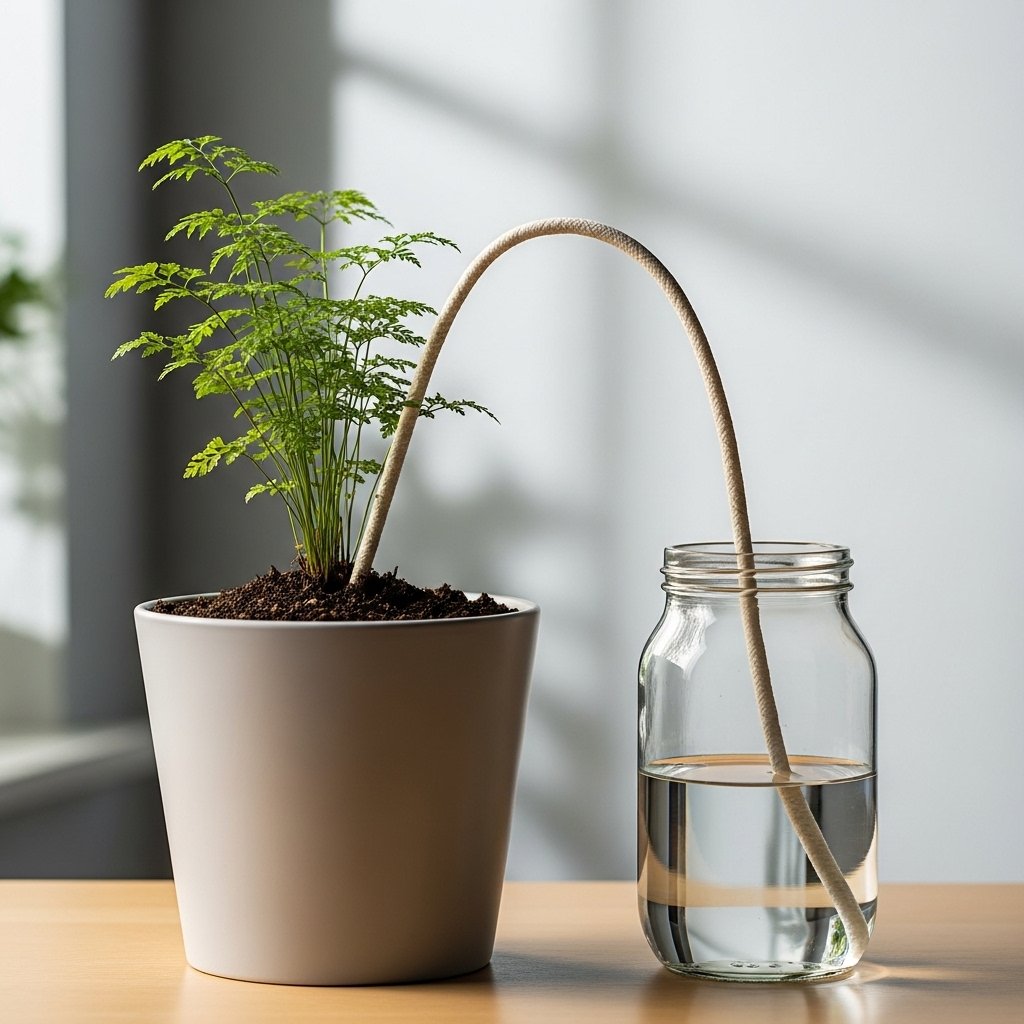
A wick watering system uses a piece of string or cotton rope to transfer water from a container to the plant soil. Place one end of the wick in a water-filled jar and bury the other end in the soil. The plant will absorb water as needed through capillary action. This method works especially well for indoor plants that prefer consistent moisture. It’s simple, affordable, and ideal for beginners.
3. Self-Watering Pot Setup
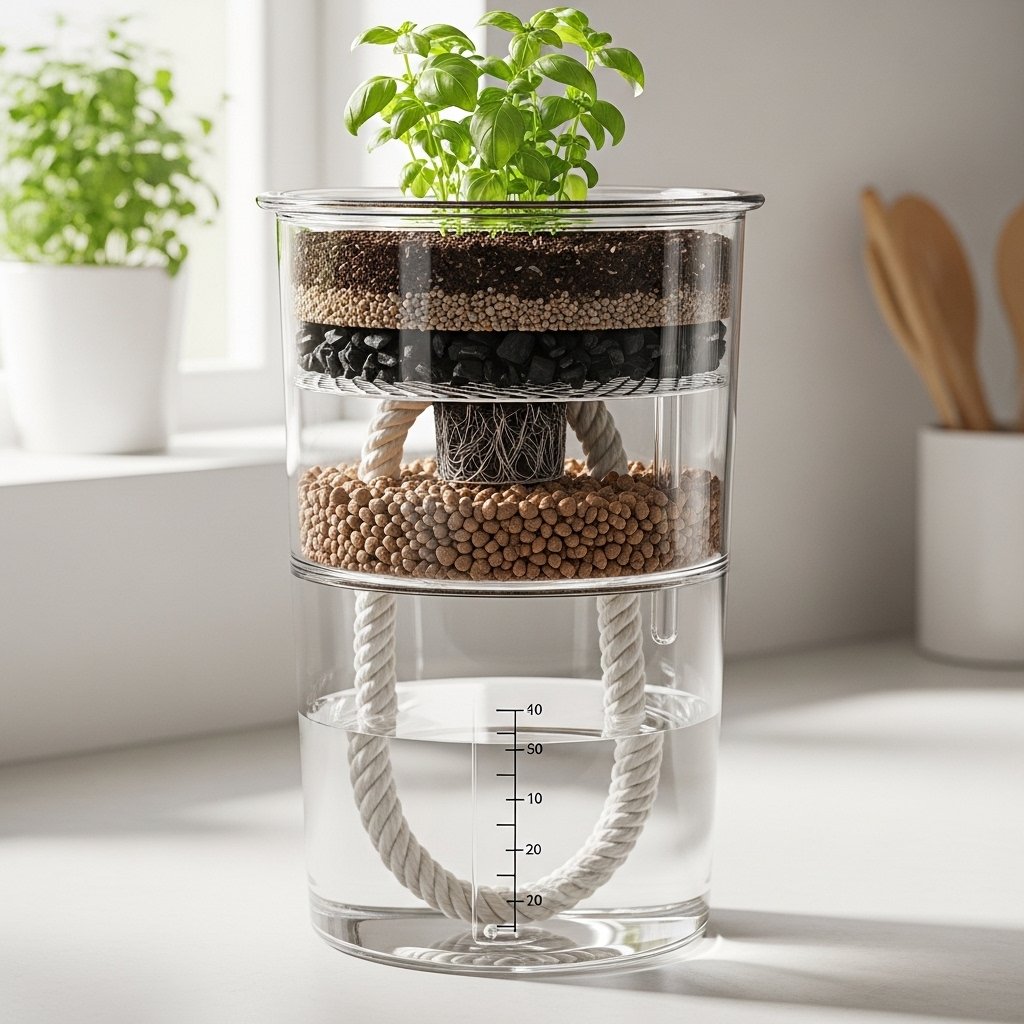
Transform any regular pot into a self-watering container with a few modifications. Create a reservoir at the bottom of the pot using a plastic container or bottle. Add a wick or small holes to allow water to travel upward into the soil. This system reduces the need for frequent watering and helps prevent overwatering. It’s perfect for people who often forget to water their plants.
4. Wine Bottle Watering Hack
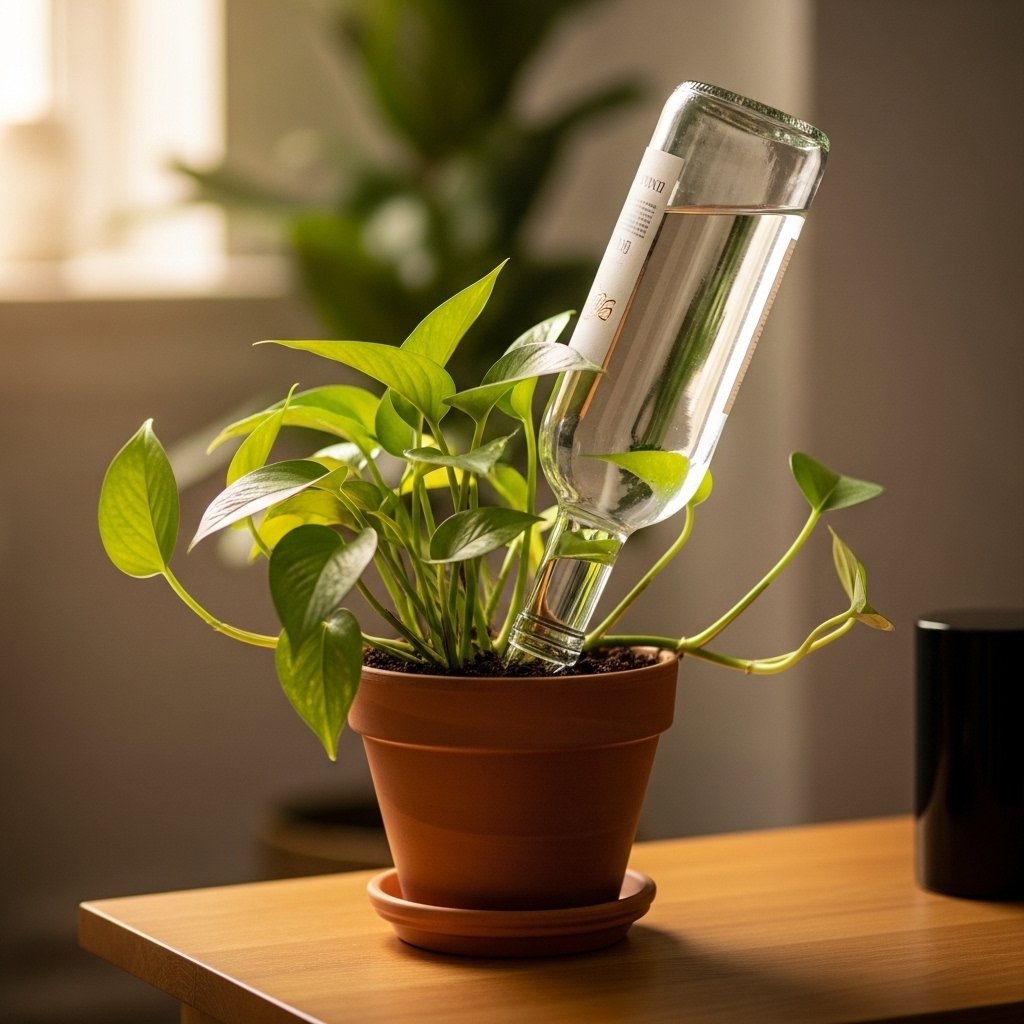
Repurpose an empty wine bottle as a stylish watering system. Fill the bottle with water and insert it upside down into the soil, similar to the plastic bottle method. The narrow neck controls the water flow, making it slow and steady. This method works well for decorative indoor setups. It adds both functionality and aesthetic appeal to your plant display.
5. Drip Irrigation with Tubing
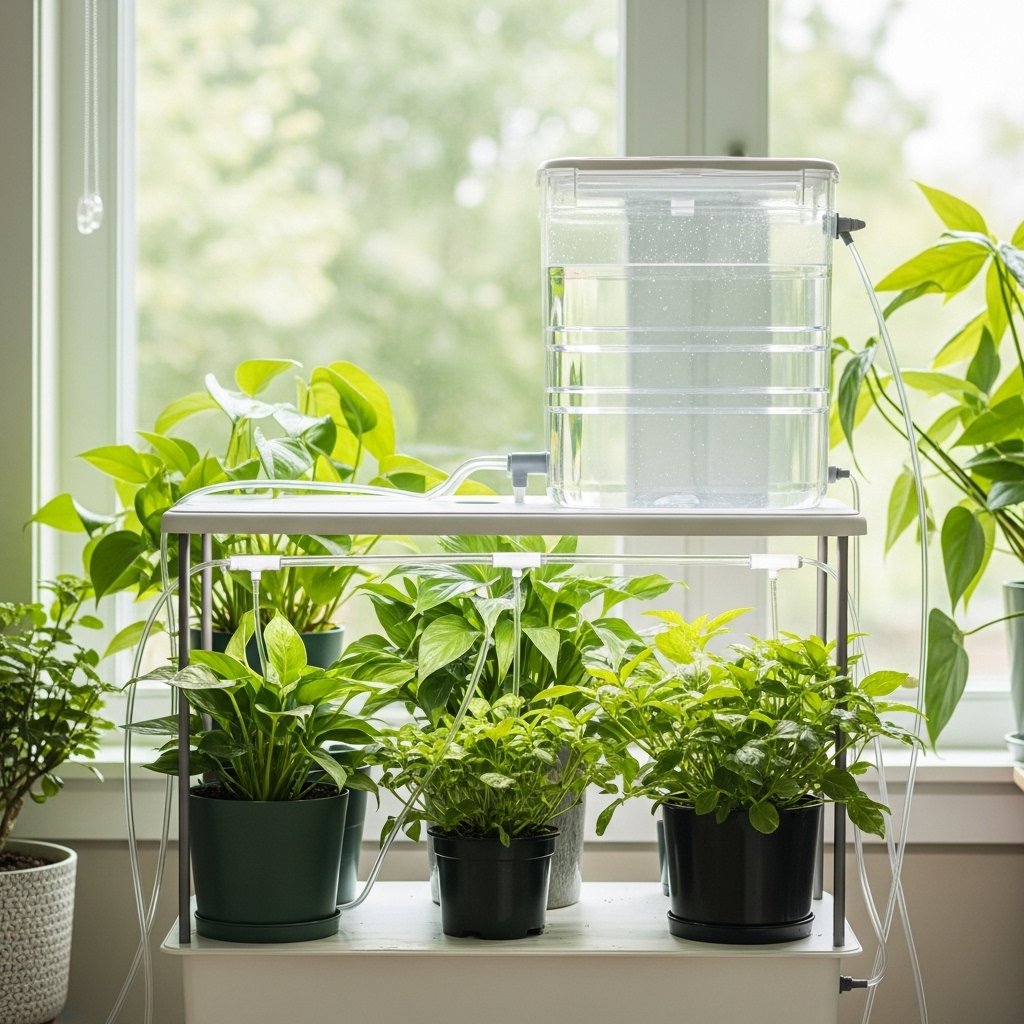
For a more advanced setup, use thin plastic tubing to create a drip irrigation system. Connect the tubing to a water container and use small holes or emitters to control the flow. This system can water multiple plants at once. It’s ideal for indoor plant collections or mini indoor gardens. Although it requires a bit more setup, it offers excellent efficiency.
6. Sponge-Based Watering System
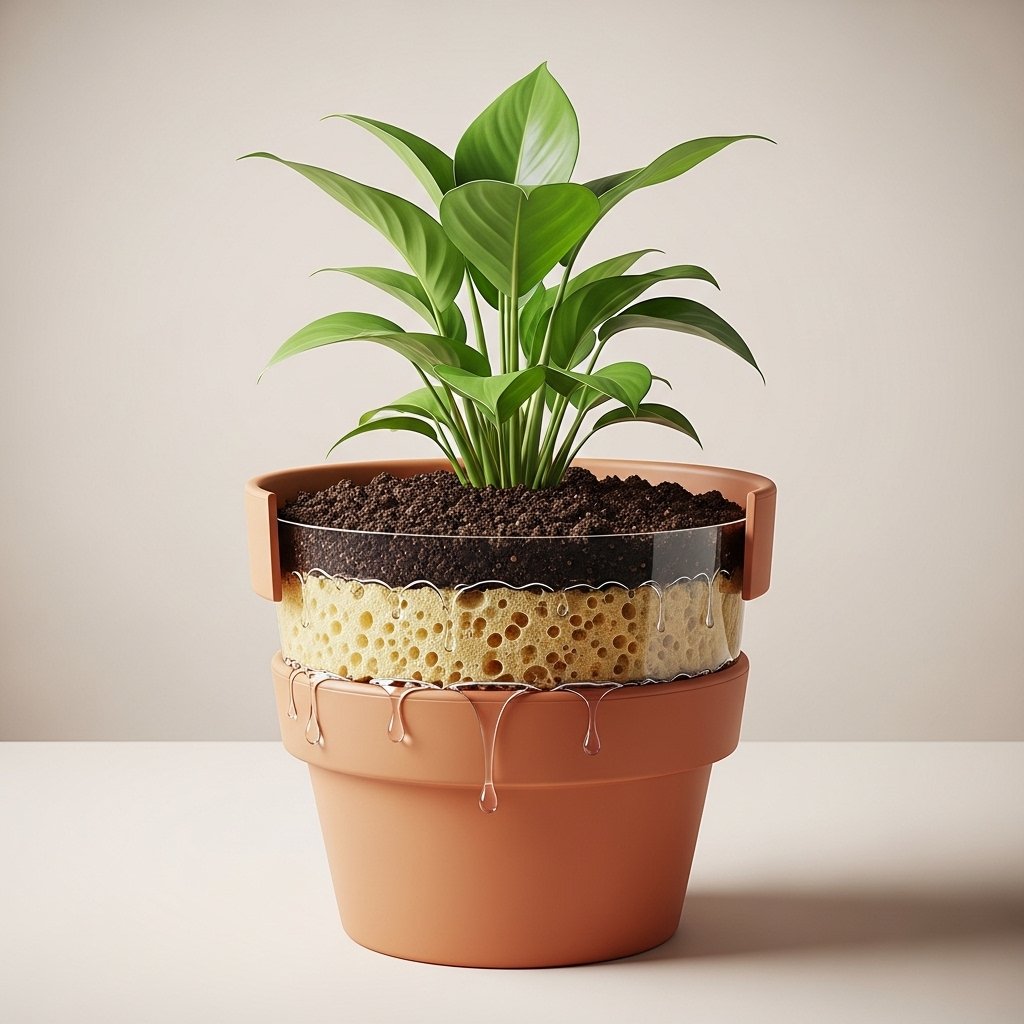
A sponge can be used to retain and slowly release water into the soil. Place a damp sponge at the bottom of your plant pot before adding soil. The sponge holds moisture and releases it gradually as the soil dries out. This helps maintain consistent hydration levels. It’s a great option for plants that don’t like sudden changes in moisture.
7. Capillary Mat System
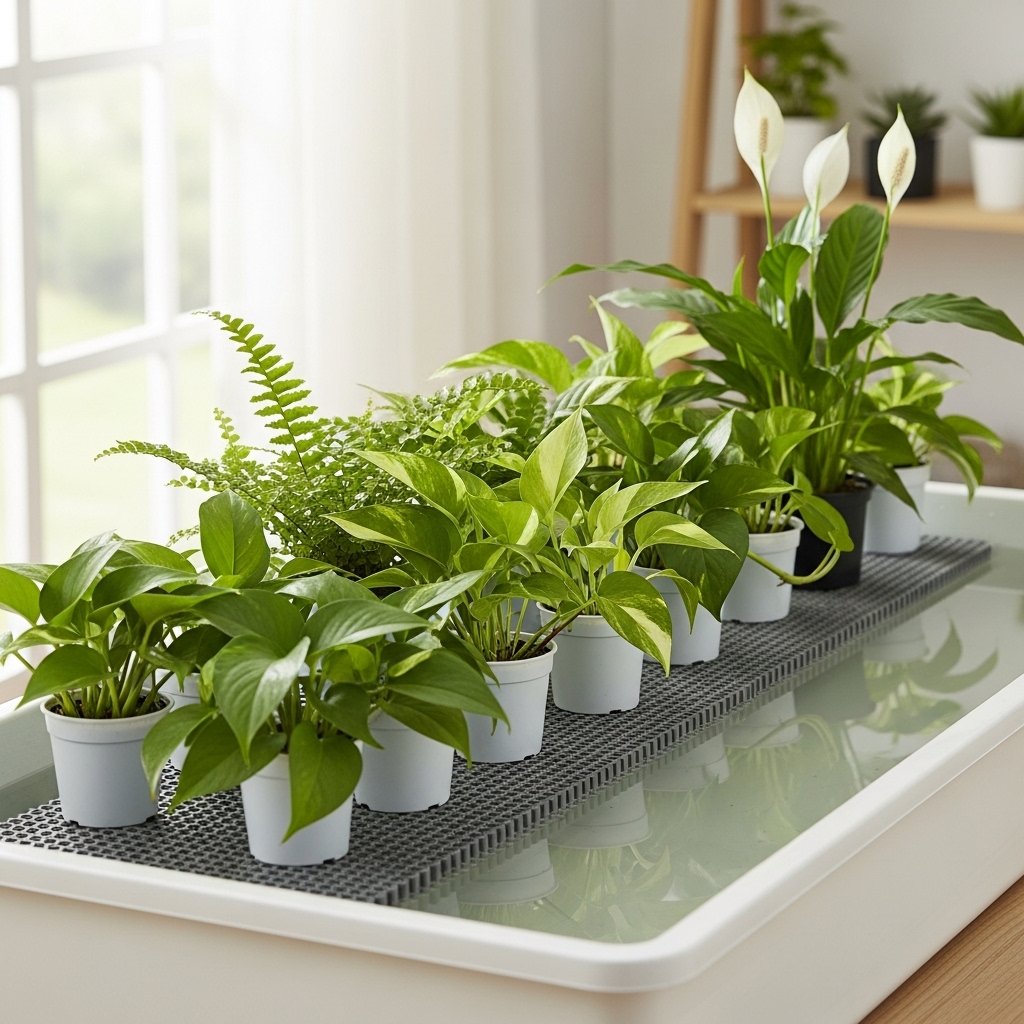
A capillary mat system involves placing your pots on a water-absorbing mat that sits in a tray of water. The mat draws water upward and delivers it to the plant roots. This method works well for multiple plants placed together. It ensures even watering without direct pouring. It’s especially useful for plant shelves or indoor gardening setups.
8. DIY Clay Pot Irrigation (Olla System)
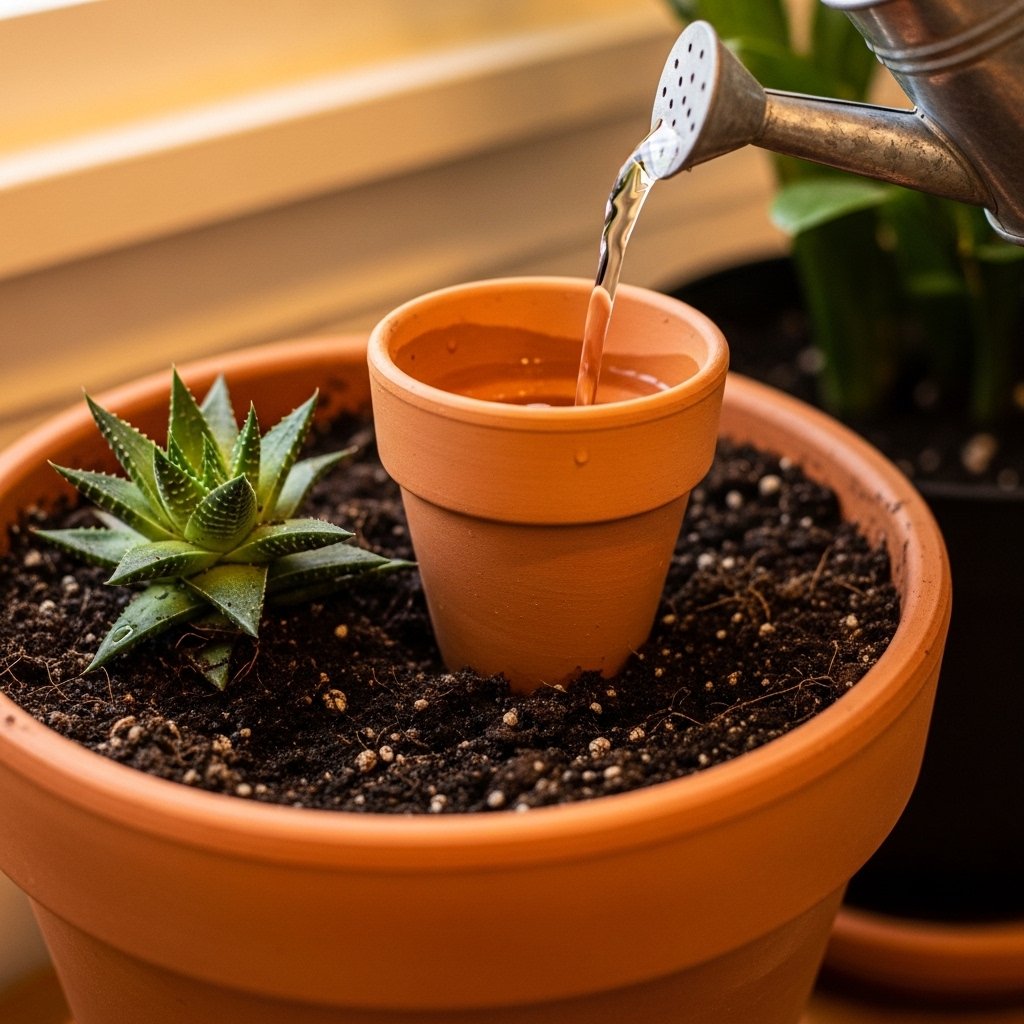
Use a small unglazed clay pot as a natural watering system. Bury the pot in the soil and fill it with water. The porous clay slowly releases moisture into the surrounding soil. This ancient method is highly efficient and reduces water waste. It’s perfect for maintaining consistent soil moisture over time.
9. Gravity-Fed Bucket System
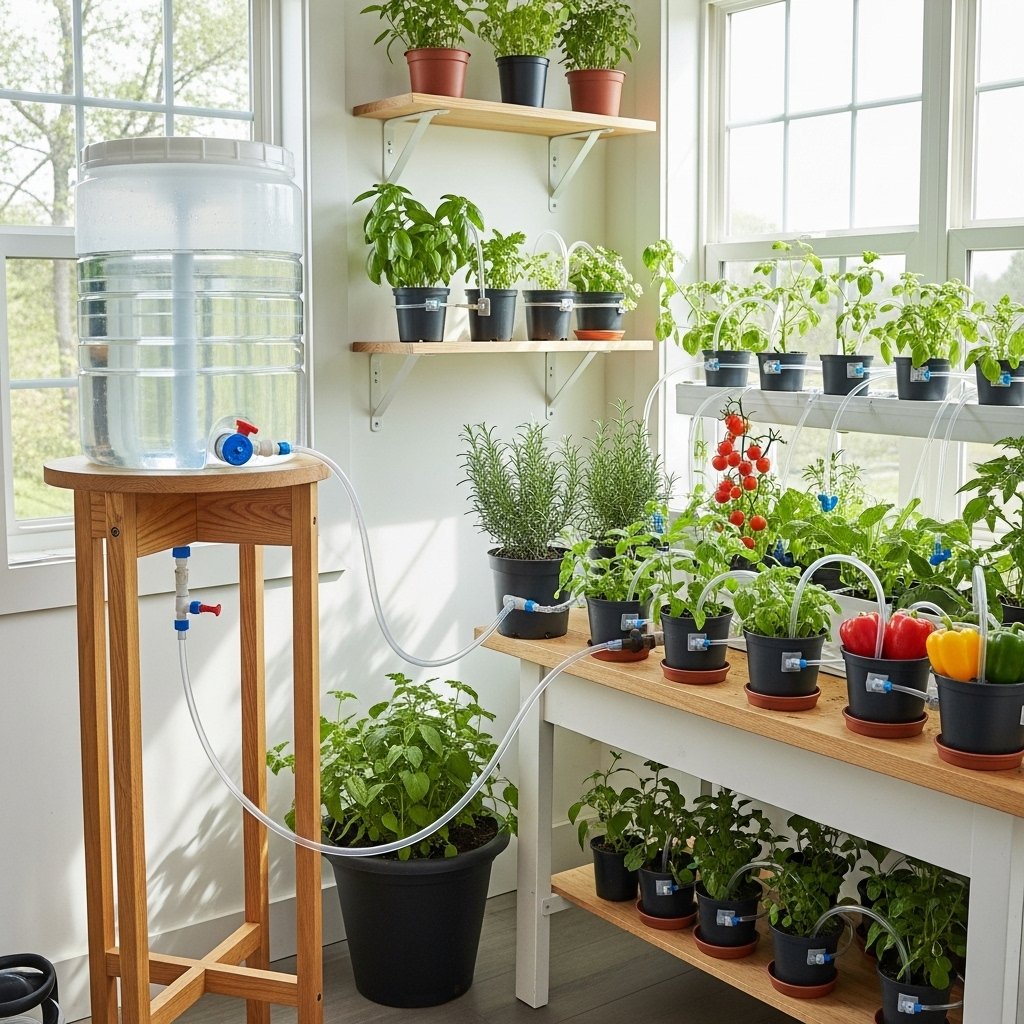
A gravity-fed system uses a raised water container to supply water through tubes to your plants. The elevated position allows water to flow naturally without electricity. You can control the flow using clamps or valves. This setup is ideal for watering multiple plants simultaneously. It’s a great solution for larger indoor plant setups.
10. Syringe or IV Drip Method
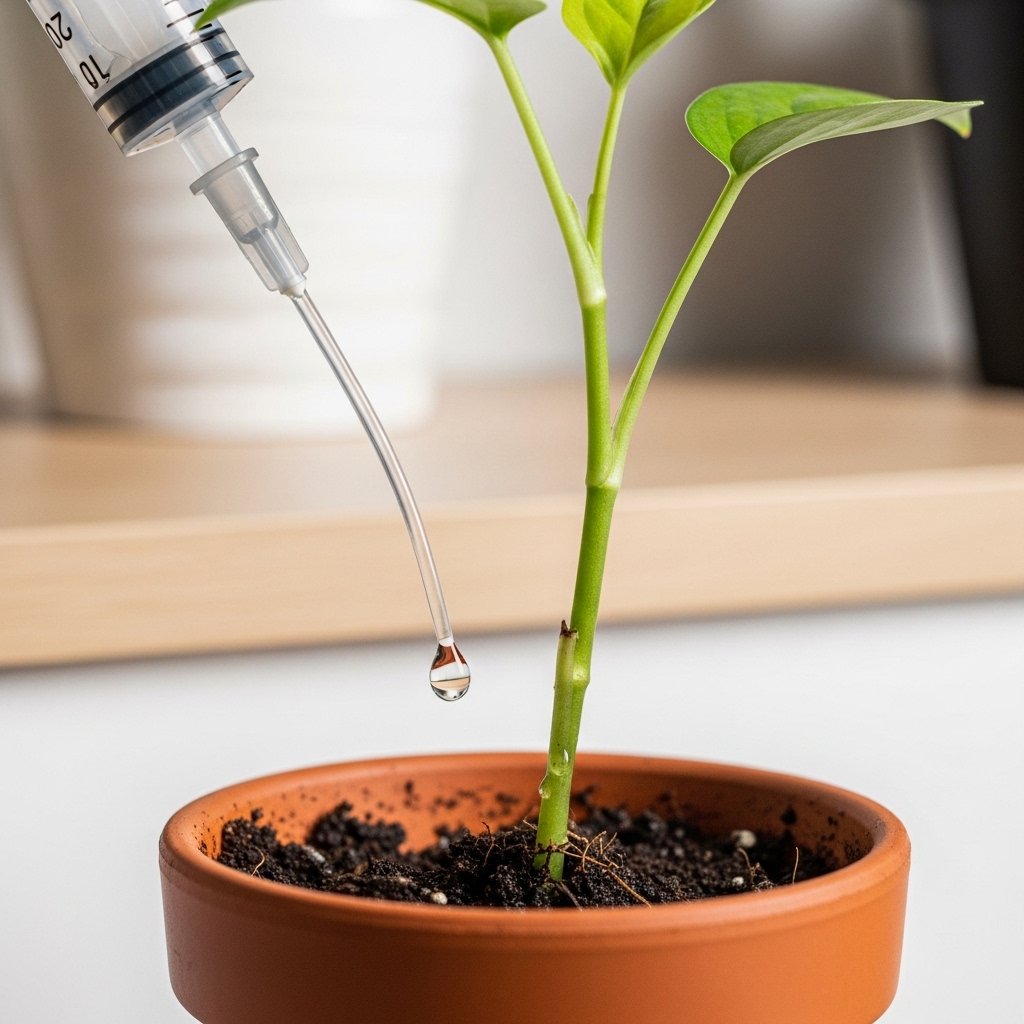
For precise watering, you can use a syringe or IV drip setup. This allows you to control the exact amount and speed of water delivery. It’s especially useful for delicate or sensitive plants. The slow drip ensures that the soil absorbs water evenly. This method may look technical but is surprisingly easy to set up.
11. Hydrogel Water Beads System
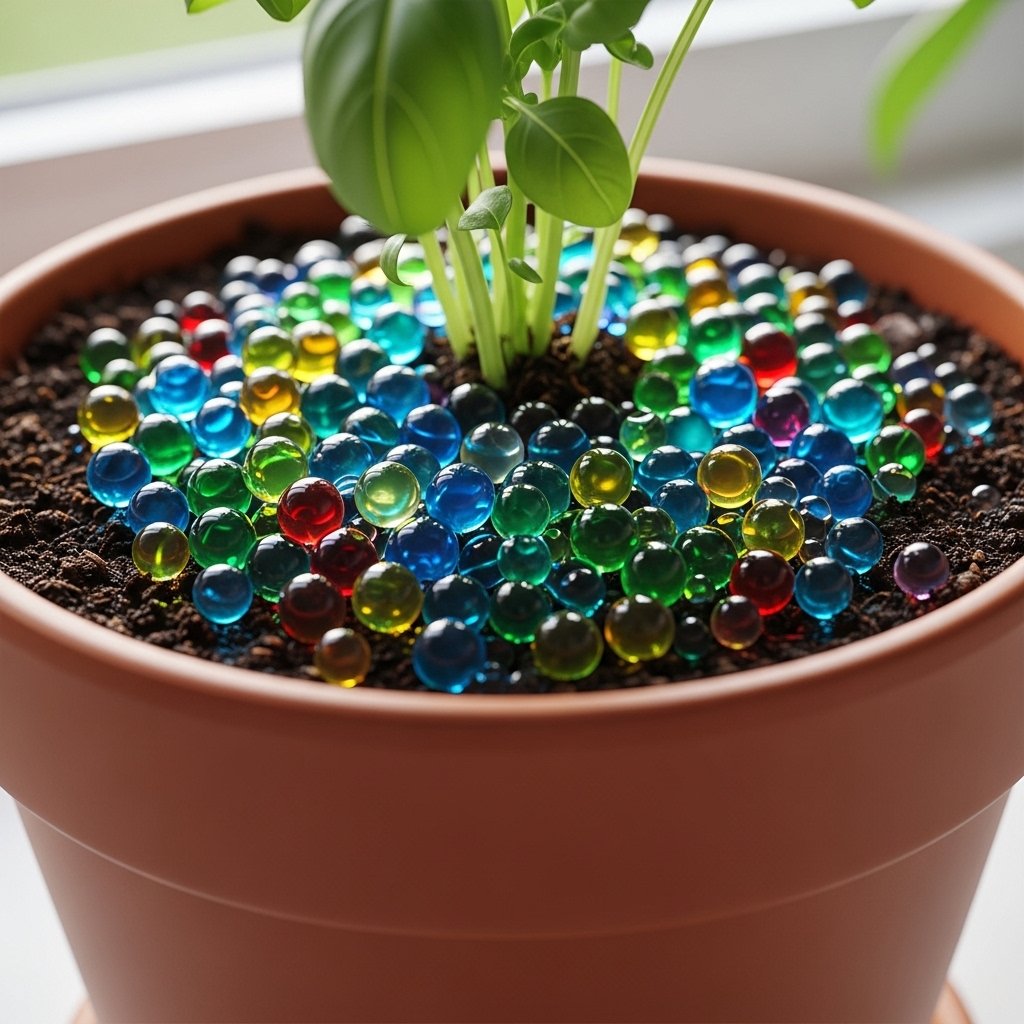
Hydrogel beads absorb water and release it slowly over time. Mix these beads into the soil or place them on top for decorative purposes. They help maintain moisture levels and reduce the need for frequent watering. This system is ideal for small indoor plants and decorative pots. It also adds a modern aesthetic touch to your plant setup.
12. Automatic Timer-Based Watering System
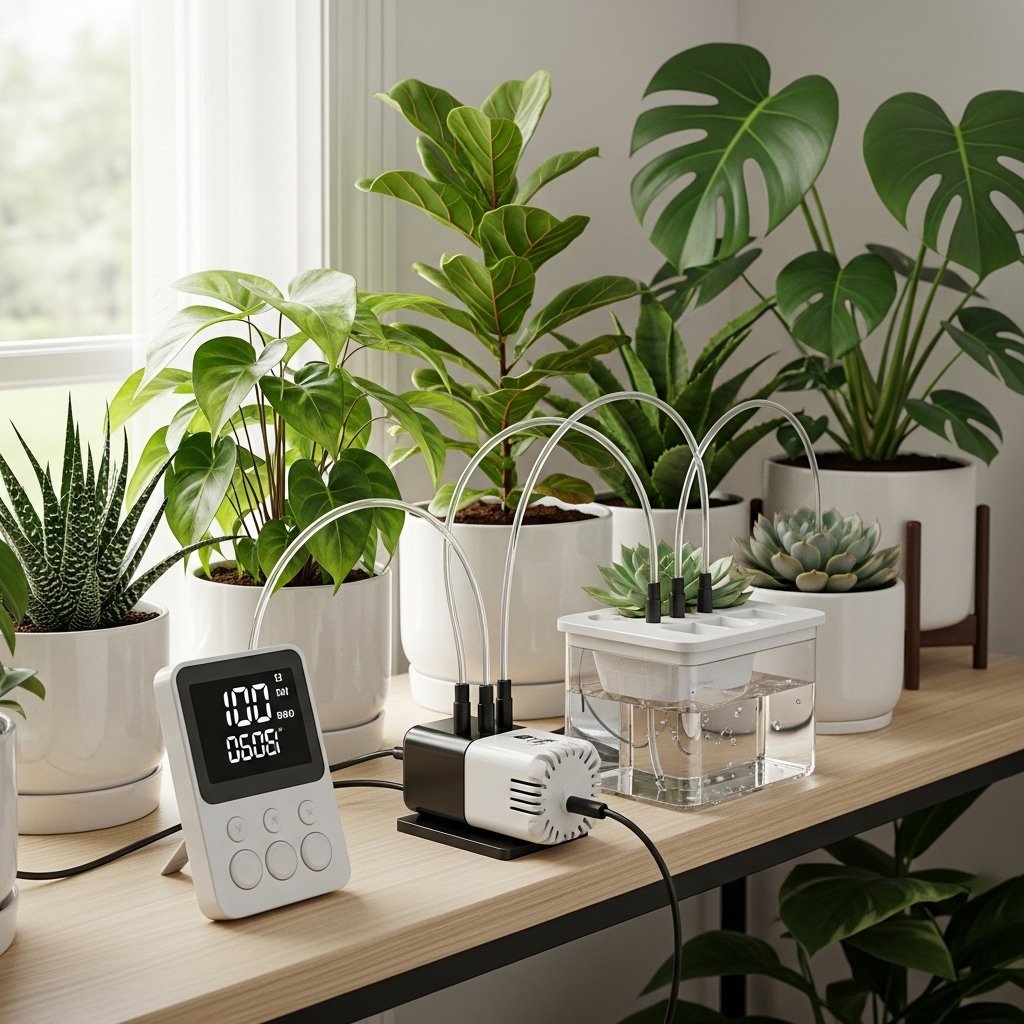
For a more high-tech DIY solution, use a timer connected to a small pump and tubing system. The timer controls when and how long the plants are watered. This setup is perfect for people who travel often or have a busy lifestyle. While it requires some initial setup, it offers maximum convenience. It’s one of the most efficient ways to automate indoor plant care.
13. How to Care for DIY Watering System
- Check Water Flow – Make sure water is flowing properly and not blocked in pipes or bottles.
- Clean Regularly – Remove dirt, algae, or buildup to keep the system working smoothly.
- Avoid Overwatering – Adjust the flow so plants get the right amount of water.
- Use Clean Water – Always use fresh water to prevent damage to plants and system.
- Inspect & Fix – Check for leaks or damage and repair quickly to avoid problems.
13.1. FAQ
13.2. What is a DIY watering system for indoor plants❓
A DIY watering system for indoor plants is a simple method you can create at home to water your plants automatically or slowly over time. It usually uses basic items like bottles, strings, or containers to control the water flow. This system helps keep plants hydrated even when you are busy or away for some time.
13.3. How can I make a simple DIY plant watering system❓
You can make a simple DIY plant watering system by using a plastic bottle filled with water and placing it upside down in the soil with small holes in the cap. Another easy method is the wick system, where a cotton string connects a water container to the plant soil. These methods are easy to set up and work well for beginners.
13.4. Why should I use a DIY watering system for indoor plants❓
Using a DIY watering system helps maintain consistent moisture in the soil, which is important for healthy plant growth. It saves time and effort, especially if you have multiple plants. It also reduces the risk of overwatering or underwatering, making plant care easier and more efficient.
14. Final Thoughts
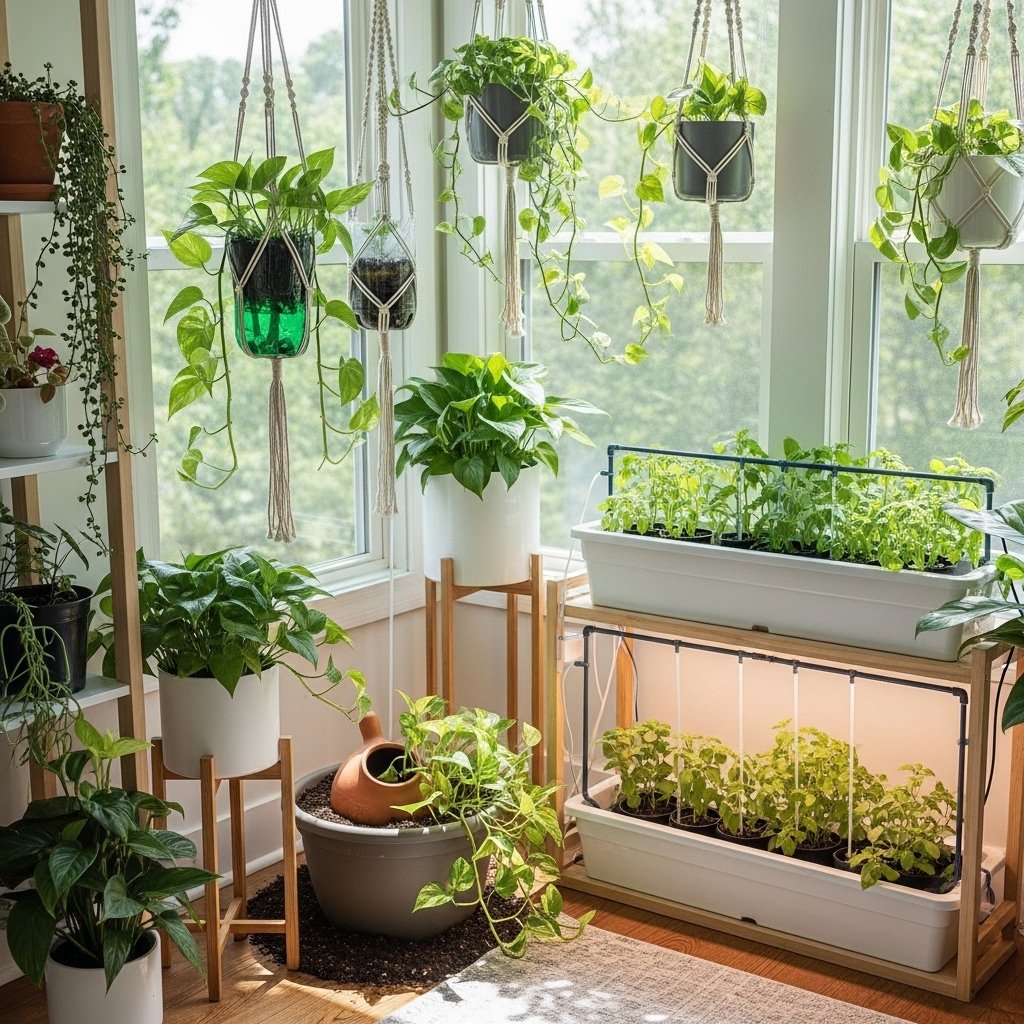
A DIY watering system for indoor plants is a smart and practical way to keep your greenery thriving with minimal effort. Whether you prefer simple hacks like bottle watering or more advanced systems with tubing and timers, there’s a solution for every need and budget. These systems not only save time but also help maintain consistent moisture, which is essential for plant health. By choosing the right method, you can reduce stress on your plants and ensure they grow beautifully. With a little creativity and effort, you can build an efficient watering system that perfectly fits your indoor gardening lifestyle.