Elephant Ears Plants Indoor: 12 Stunning Ways to Grow and Style Them in Your Home
Blog > Home > Indoor Plants & Home Decor > Elephant Ears Plants Indoor: 12 Stunning Ways to Grow and Style Them in Your Home
Elephant ears plants indoor have become a popular choice for plant lovers who want to bring bold, tropical vibes into their living spaces. Known for their large, dramatic leaves and lush greenery, these plants instantly elevate any room with a natural, statement-making look. Whether you are a beginner or an experienced indoor gardener, elephant ears plants are relatively easy to care for when given the right conditions. They thrive in bright, indirect light and require consistent moisture to maintain their vibrant appearance. In this guide, you will discover twelve creative and practical ways to grow, style, and care for elephant ears plants indoors.
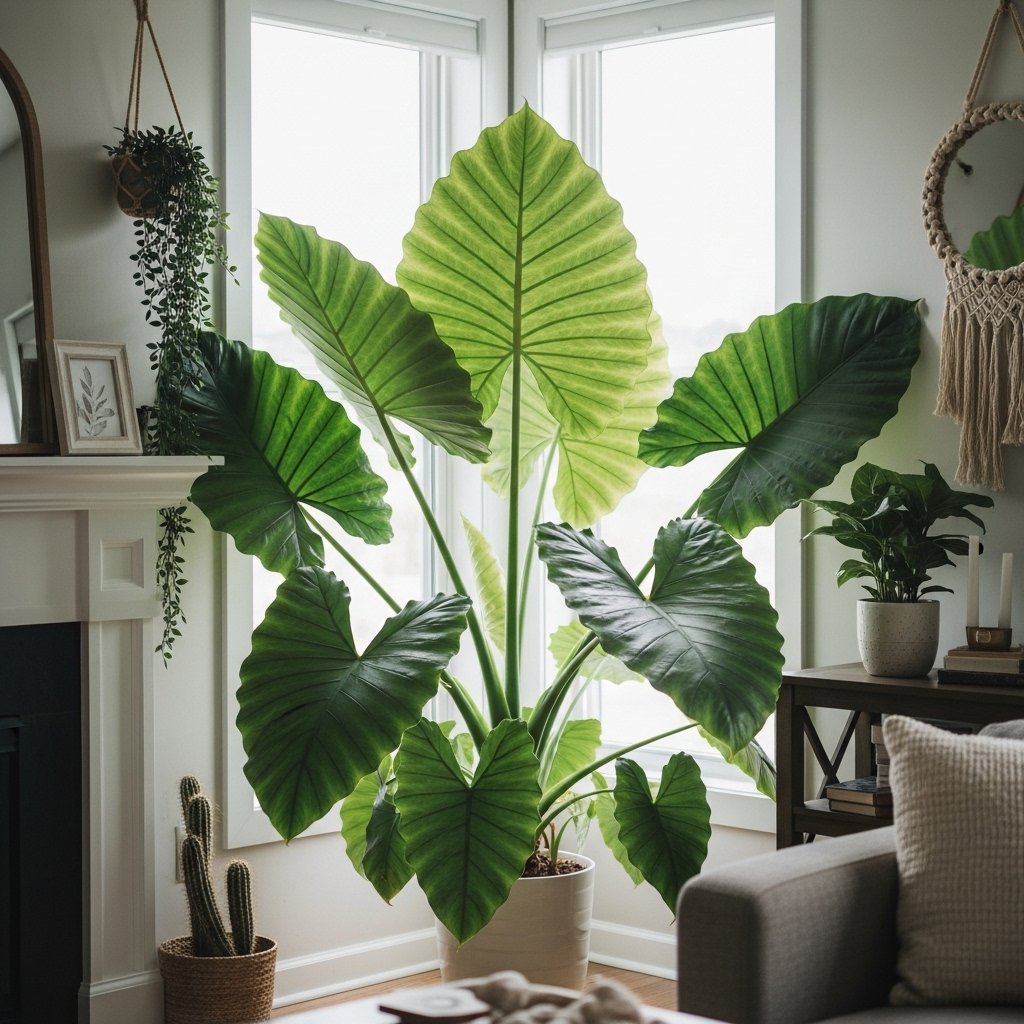
Table Of Content
1. Choose the Right Elephant Ears Variety
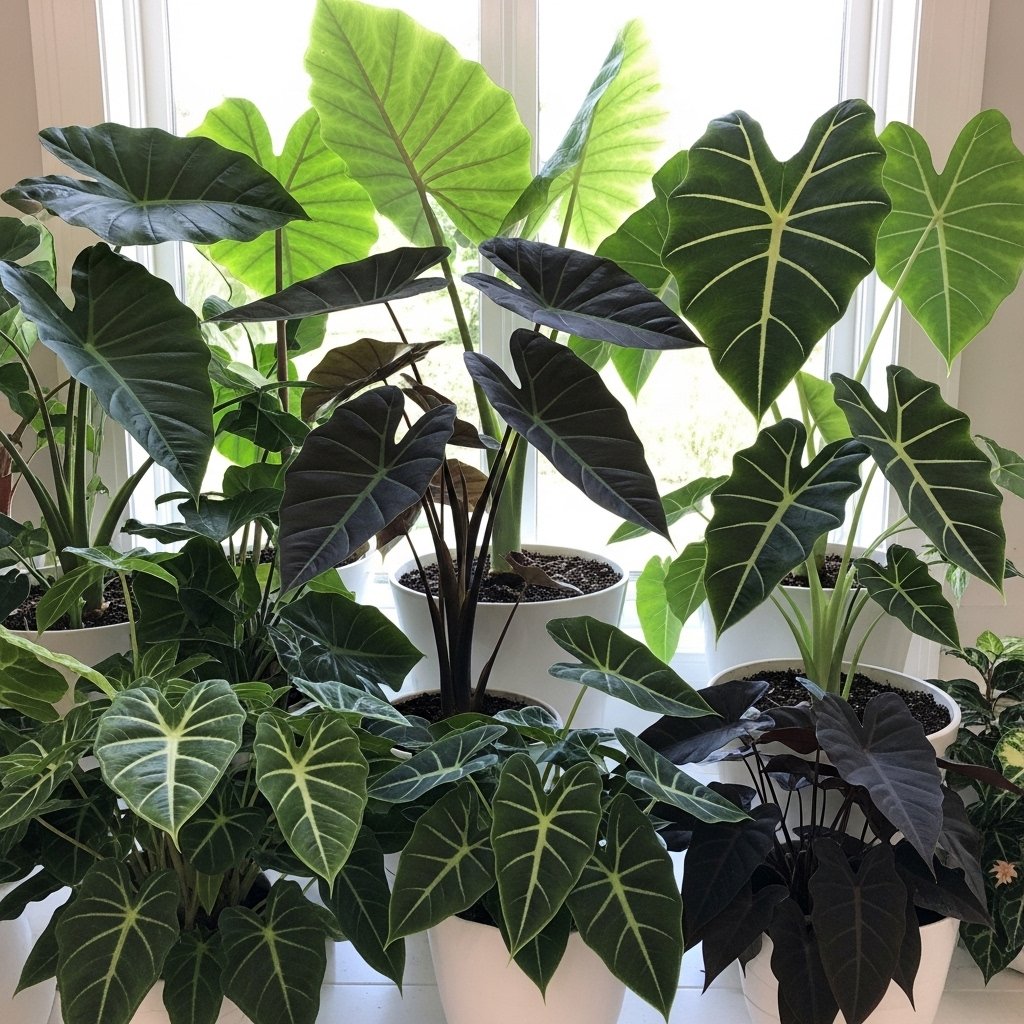
Selecting the right variety is the first step to successfully growing elephant ears plants indoors. Popular indoor-friendly types include Alocasia and Colocasia, both known for their unique leaf shapes and textures. Alocasia varieties often have glossy leaves with striking veins, while Colocasia tends to have softer, heart-shaped foliage. Choosing a compact variety ensures that the plant fits well within your indoor space without overcrowding. Understanding the differences between these types helps you pick the perfect plant for your home environment.
2. Provide Bright, Indirect Light
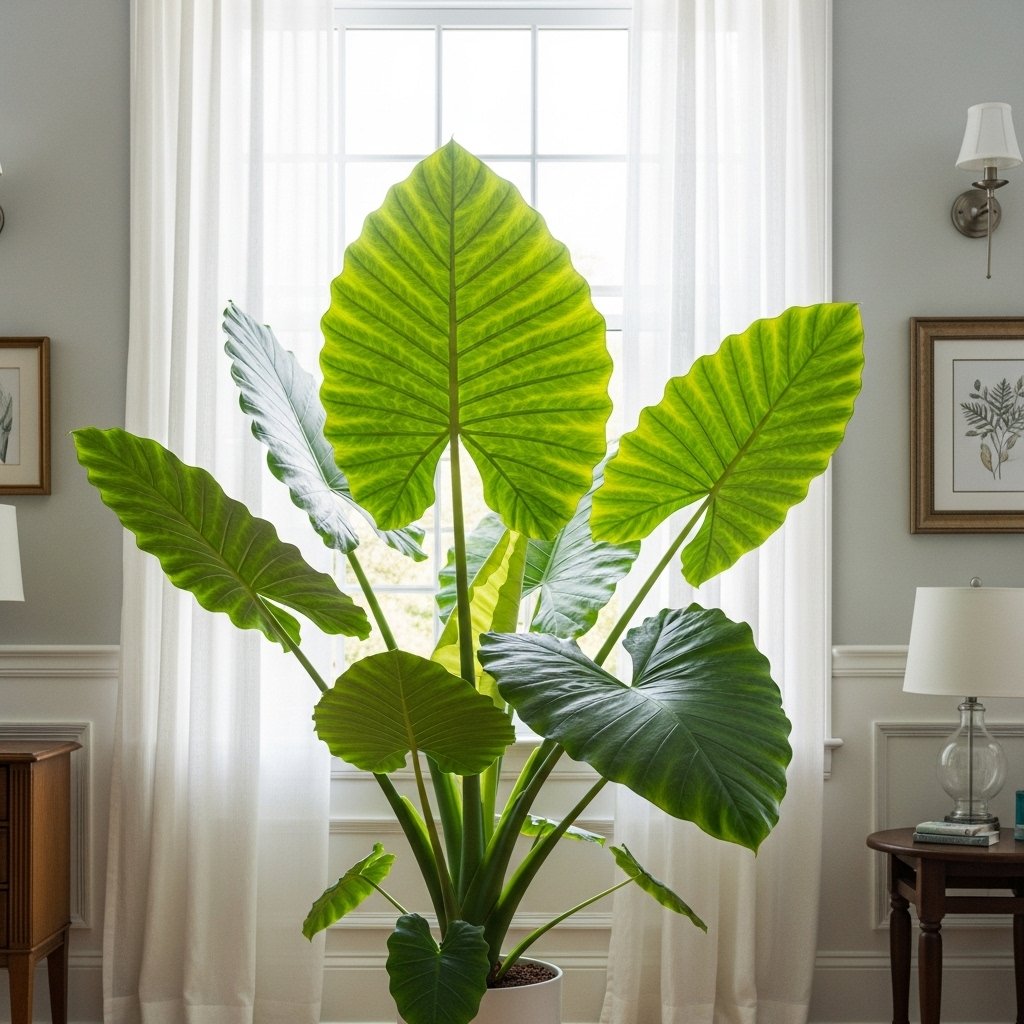
Elephant ears plants indoor thrive best in bright, indirect sunlight that mimics their natural tropical habitat. Placing them near a window with filtered light allows the leaves to grow large and healthy without scorching. Direct sunlight can damage the leaves, causing browning or fading of their vibrant green color. If natural light is limited, you can supplement with grow lights to maintain optimal conditions. Consistent lighting helps the plant maintain its dramatic and lush appearance.
3. Maintain Proper Watering Routine
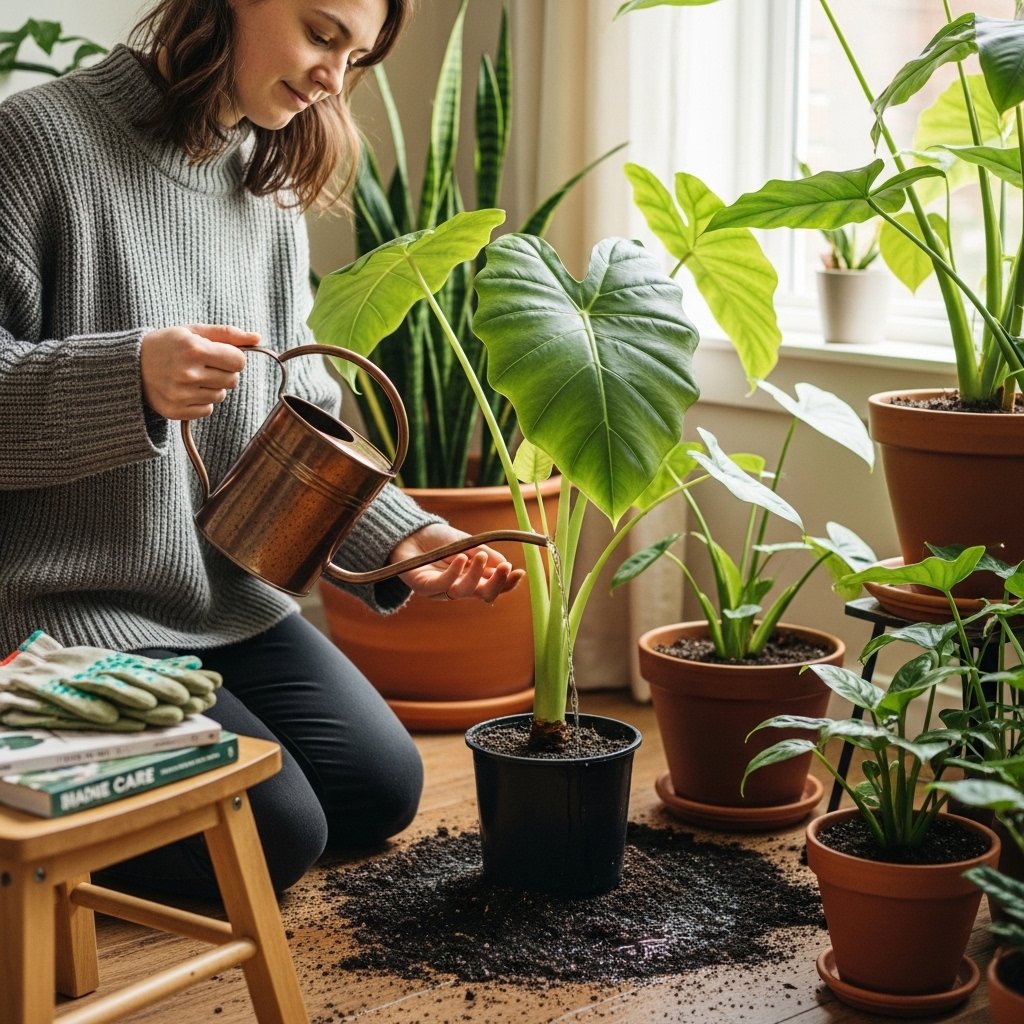
A proper watering routine is essential for keeping elephant ears plants healthy indoors. These plants prefer consistently moist soil but do not tolerate waterlogging, which can lead to root rot. Checking the top inch of soil before watering ensures you provide just the right amount of moisture. During warmer months, the plant may require more frequent watering due to faster evaporation. Maintaining a balanced watering schedule keeps the leaves vibrant and prevents drooping.
4. Use Well-Draining Soil Mix
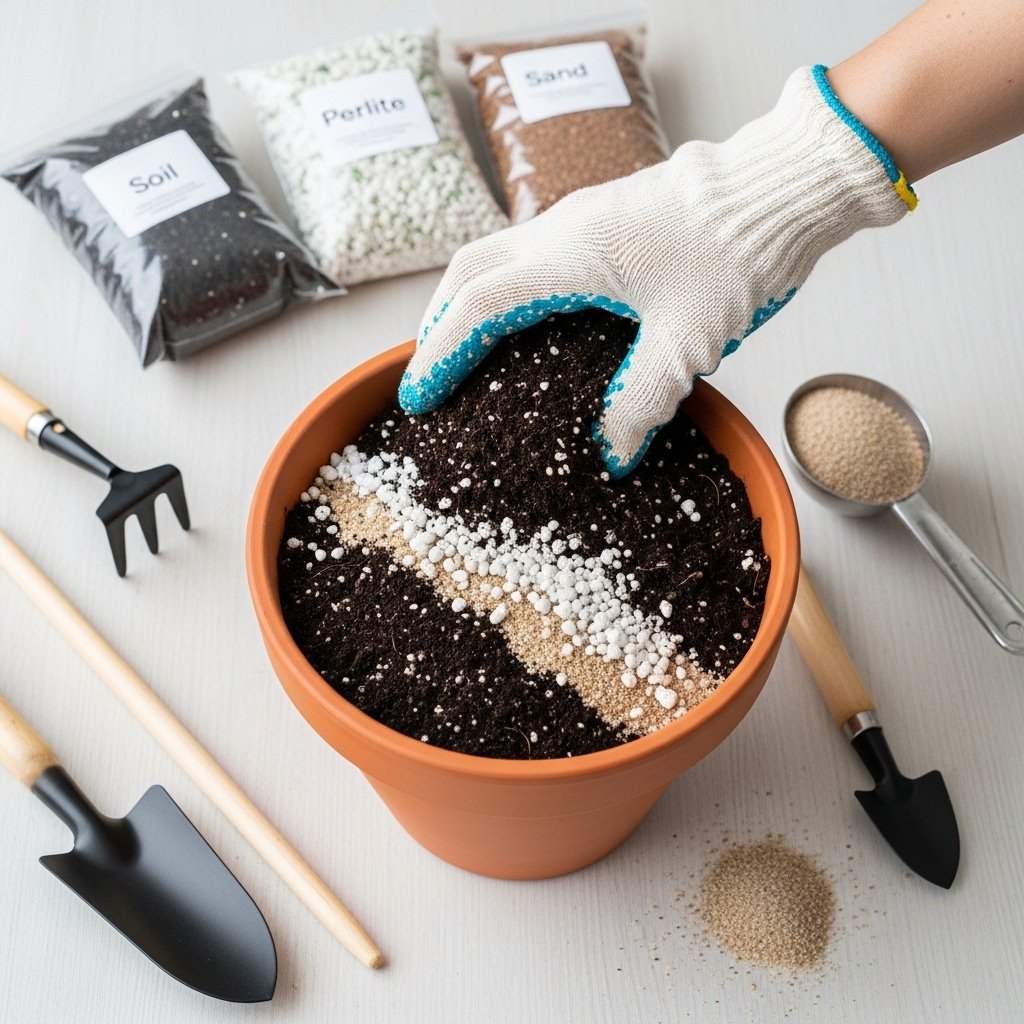
The right soil mix plays a crucial role in the growth of elephant ears plants indoor. A well-draining potting mix enriched with organic matter allows roots to breathe while retaining necessary moisture. Adding perlite or sand improves drainage and prevents water from accumulating at the base. This balance helps avoid common issues like root rot and fungal growth. Healthy soil ensures strong roots and supports the plant’s overall development.
5. Keep High Humidity Levels
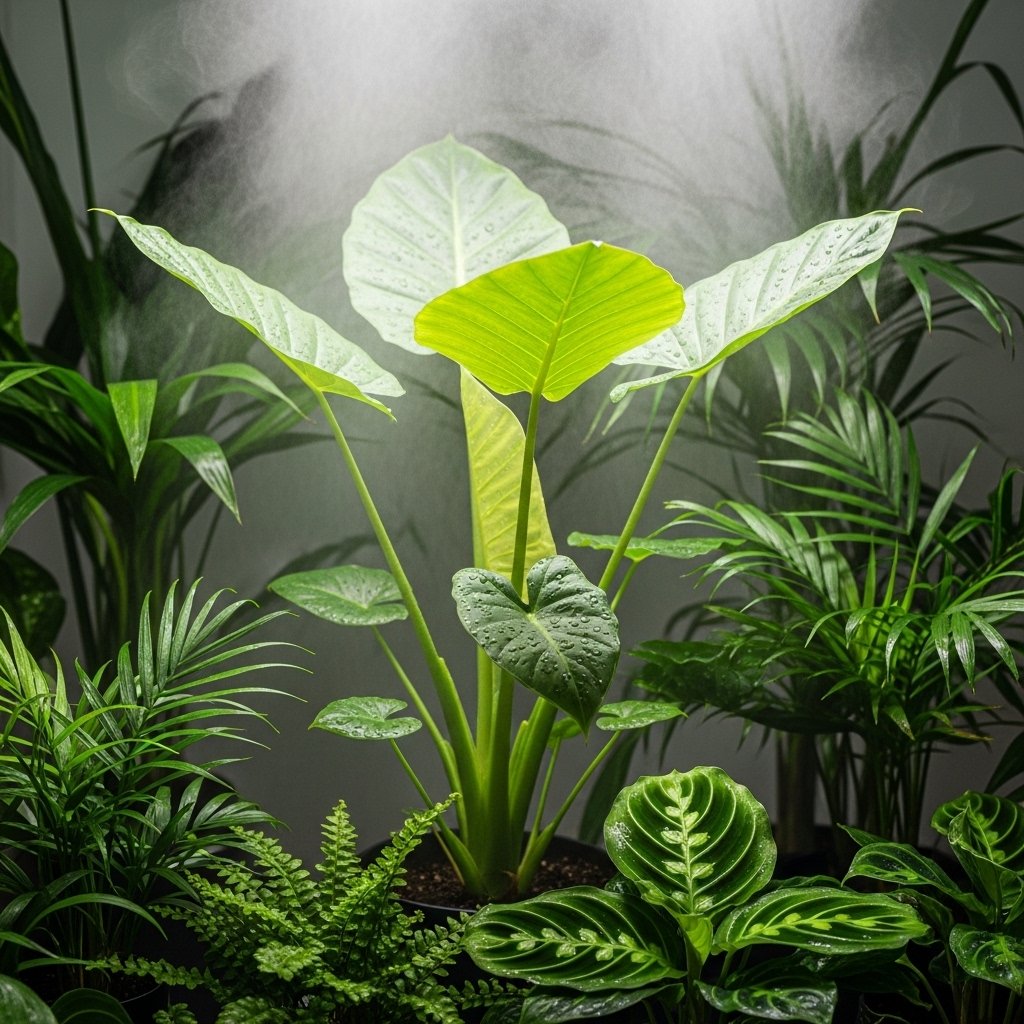
Elephant ears plants thrive in high humidity environments, making humidity a key factor for indoor care. Dry indoor air can cause the edges of the leaves to turn brown or crispy. Using a humidifier, misting the plant regularly, or placing it near a tray of water can increase humidity levels. Grouping plants together also helps create a micro-humid environment. Maintaining proper humidity keeps the leaves lush, glossy, and visually appealing.
6. Select the Right Pot and Container
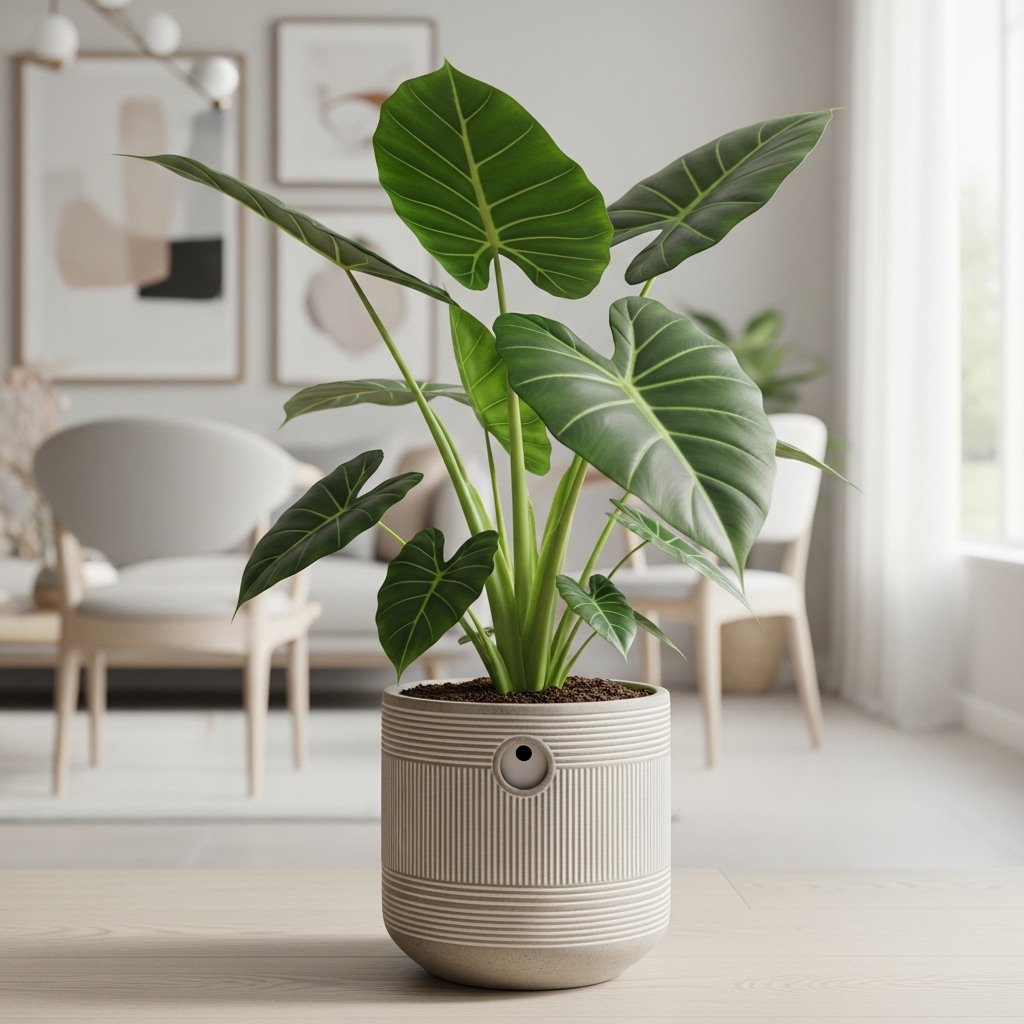
Choosing the right pot is important for supporting the growth of elephant ears plants indoors. A pot with drainage holes prevents excess water from accumulating and protects the roots. Larger pots allow the plant to grow freely and support its large leaves without tipping over. Decorative planters can enhance the aesthetic appeal while complementing your interior design. A stable and well-sized container promotes healthy and balanced growth.
7. Fertilize for Healthy Growth
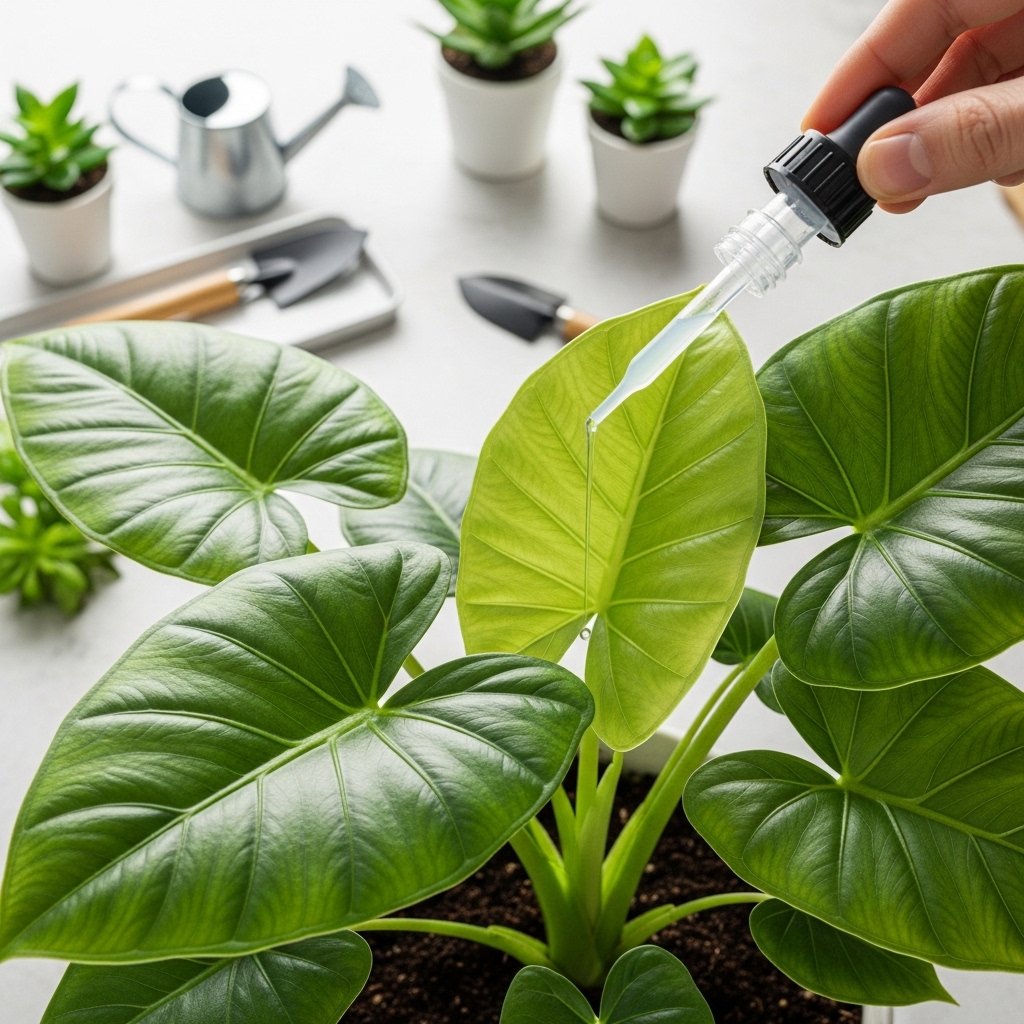
Regular fertilization helps elephant ears plants indoor grow strong and maintain their vibrant foliage. Using a balanced liquid fertilizer every few weeks during the growing season provides essential nutrients. Over-fertilizing should be avoided as it can damage the plant and lead to leaf burn. Feeding the plant consistently supports the development of large, dramatic leaves. Proper fertilization ensures your plant remains a striking focal point in your home.
8. Style Elephant Ears as a Statement Plant
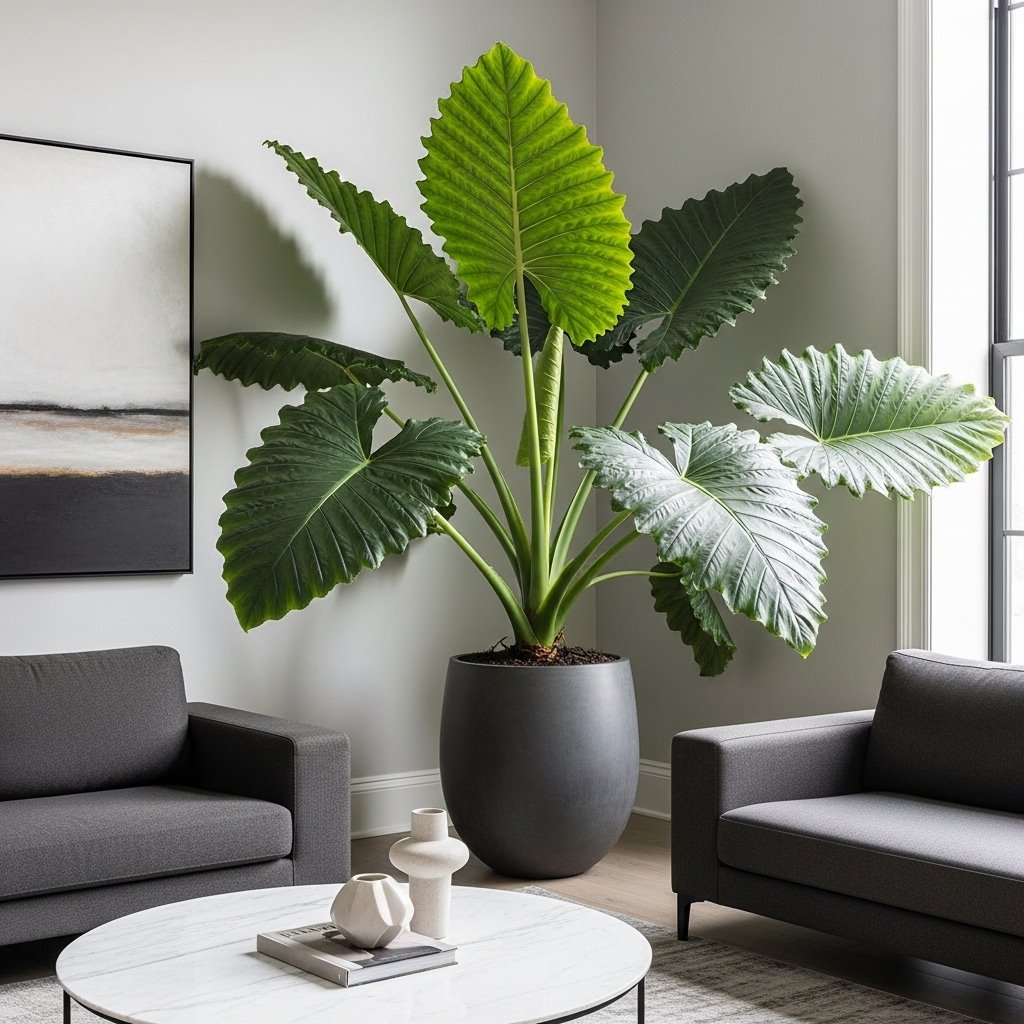
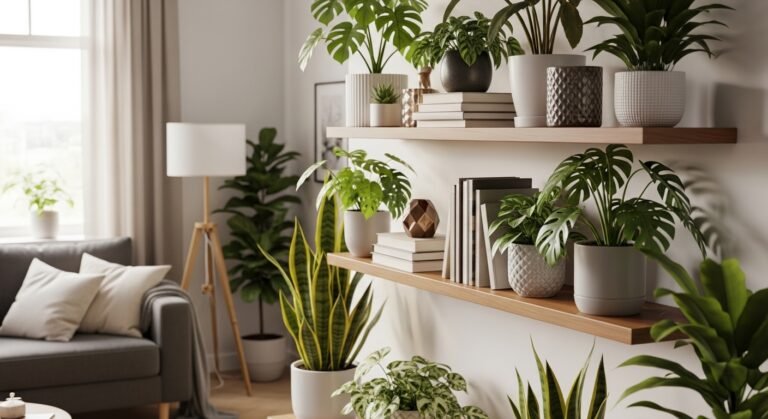
Elephant ears plants are perfect as statement pieces due to their bold and oversized leaves. Placing them in living rooms, entryways, or corners instantly adds a tropical and modern feel. Their dramatic appearance makes them a natural focal point without requiring additional décor. Pairing them with neutral furniture enhances their visual impact even more. This styling approach transforms your indoor space into a lush, relaxing environment.
9. Pair with Minimalist Interior Decor
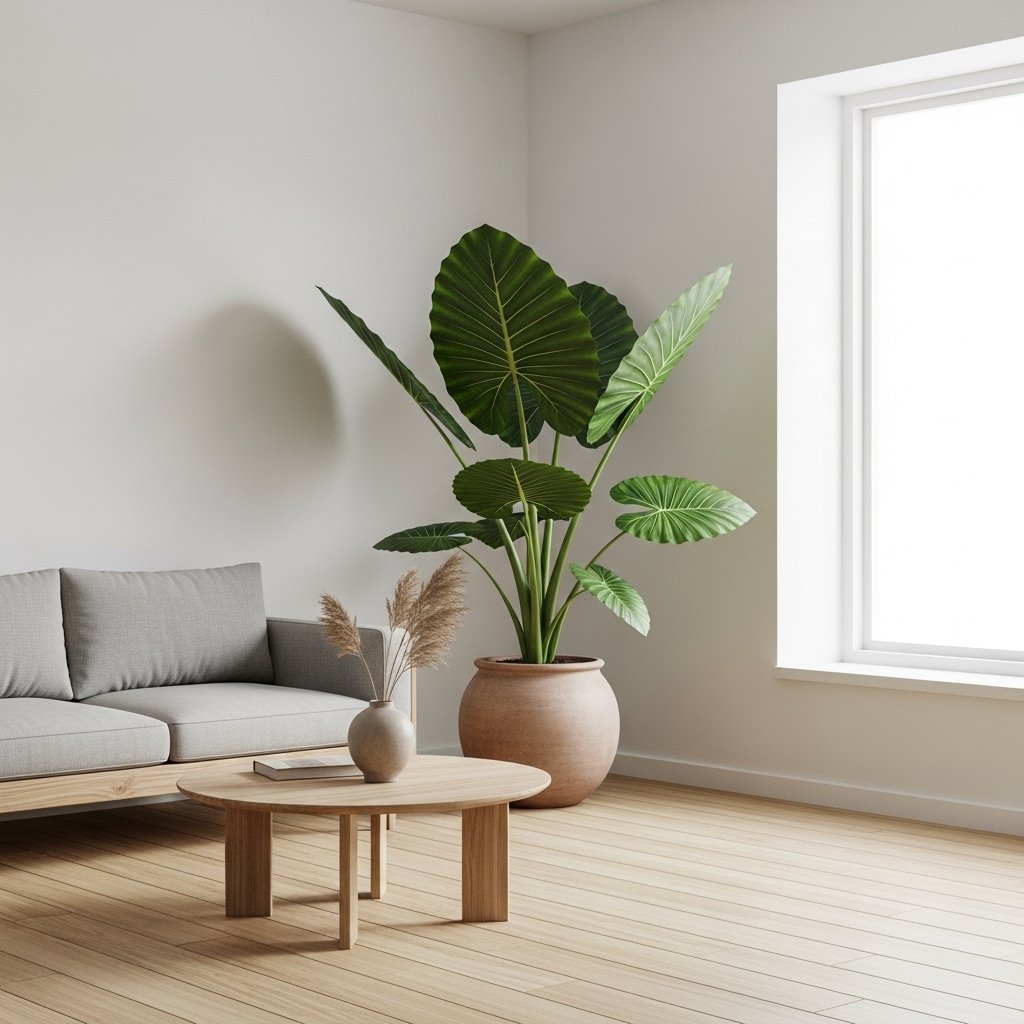
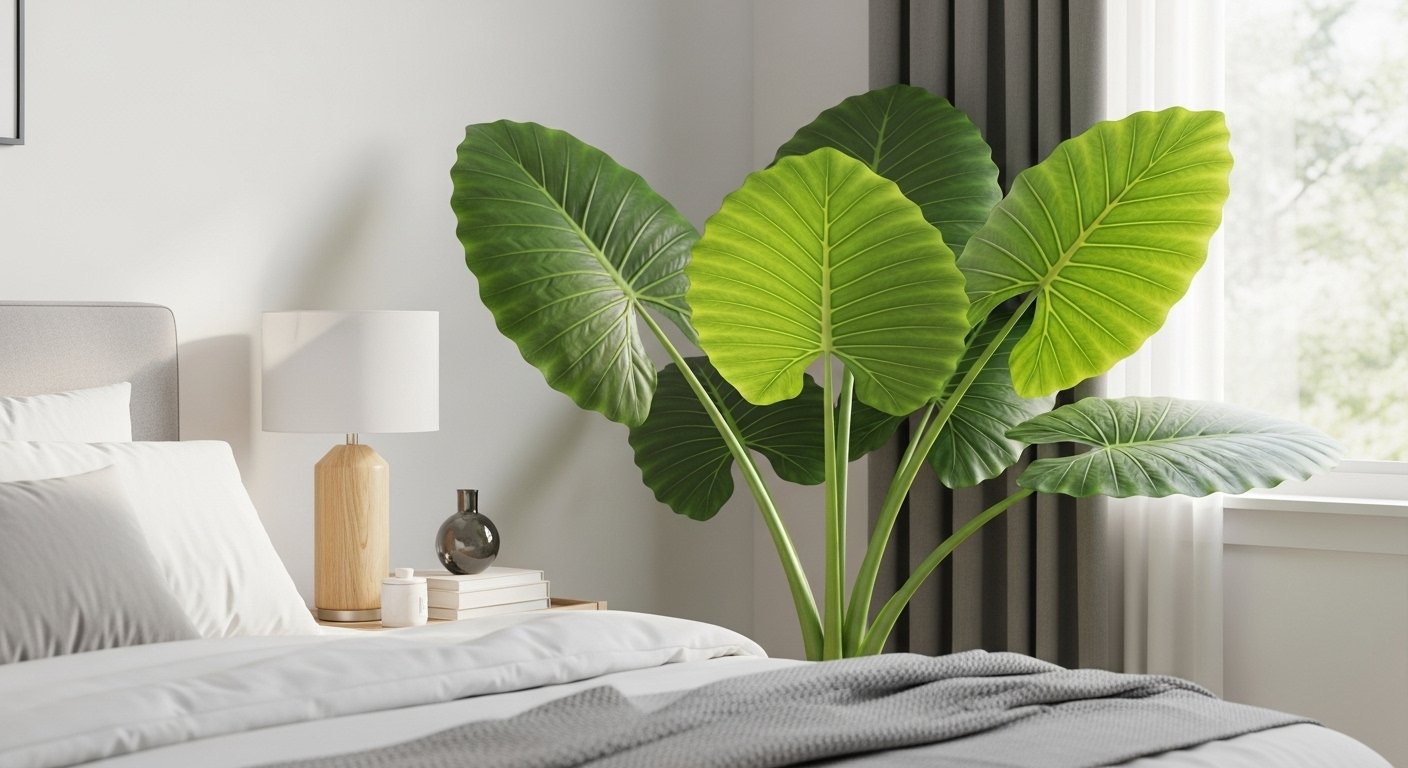
Elephant ears plants indoor work beautifully with minimalist interior styles. Their large leaves create contrast against clean lines and simple color palettes. Using neutral tones like white, beige, or gray allows the greenery to stand out effortlessly. This combination creates a calm and elegant atmosphere without overwhelming the space. The plant acts as a natural artwork, enhancing the overall design.
10. Rotate the Plant for Even Growth
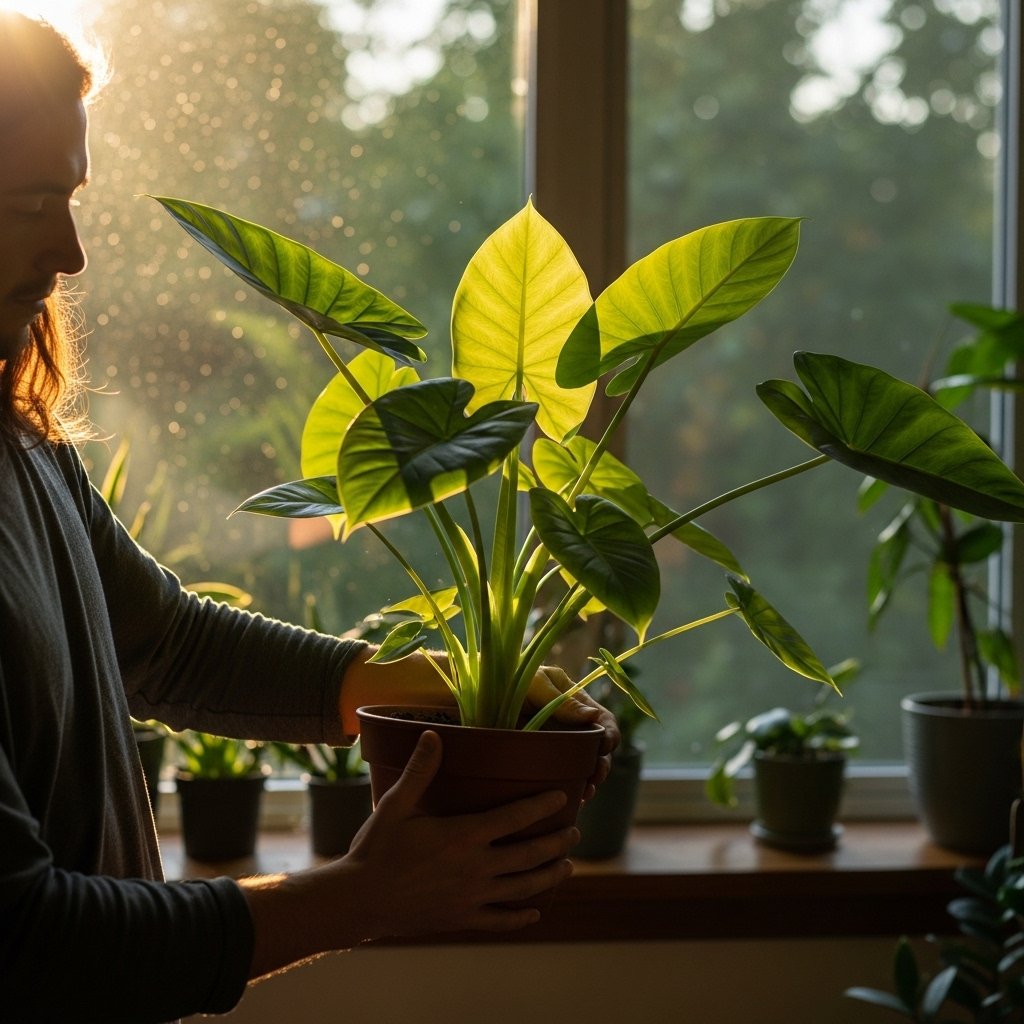
Rotating your elephant ears plant regularly ensures even growth on all sides. Indoor light sources often come from one direction, causing the plant to lean toward the light. Turning the pot every few days helps maintain a balanced and symmetrical shape. This practice also prevents uneven leaf development and keeps the plant looking full. Consistent rotation supports a healthier and more attractive plant.
11. Manage Common Indoor Issues
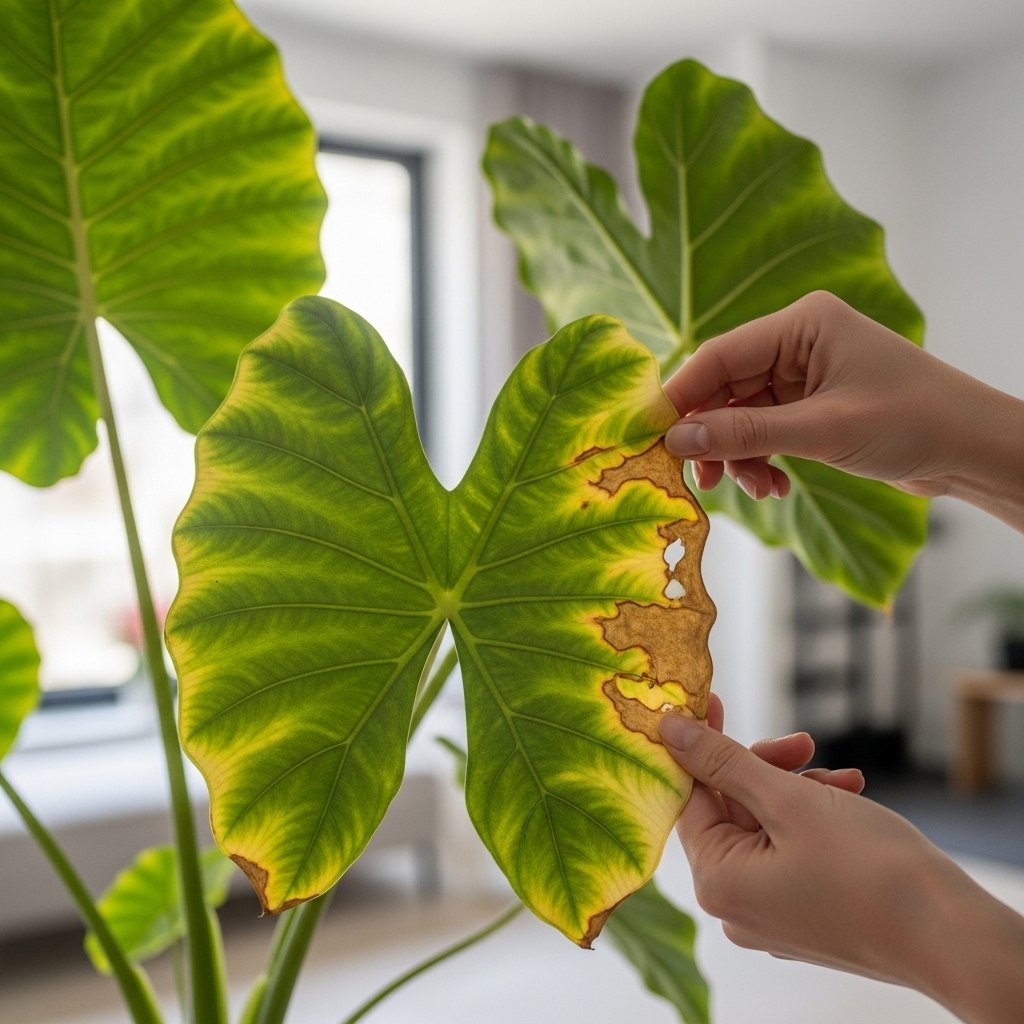
Elephant ears plants indoor can face common issues such as yellowing leaves, pests, or drooping. Yellow leaves often indicate overwatering, while dry edges suggest low humidity. Inspecting the plant regularly helps catch problems early and take corrective action. Using natural pest control methods keeps the plant safe and healthy. Proper care and attention ensure long-term success with minimal issues.
12. Create a Tropical Indoor Corner
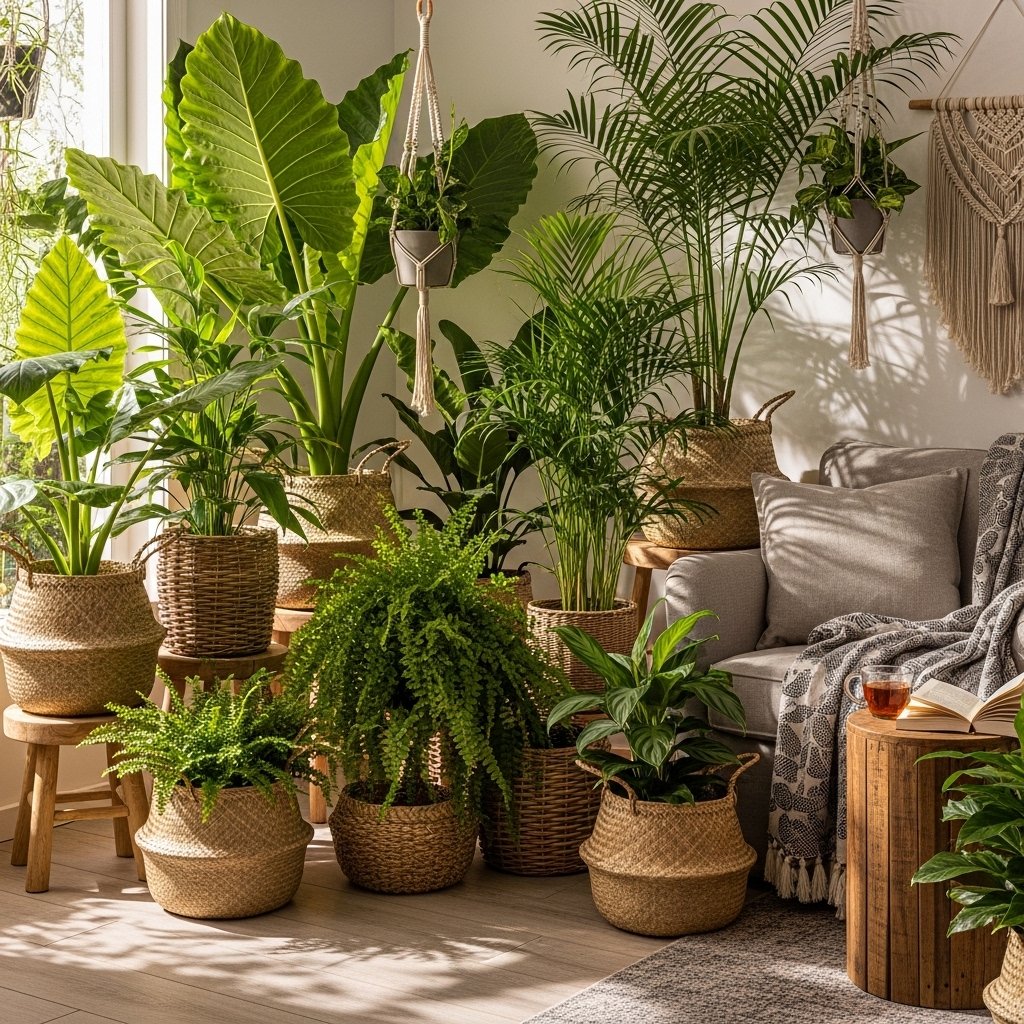
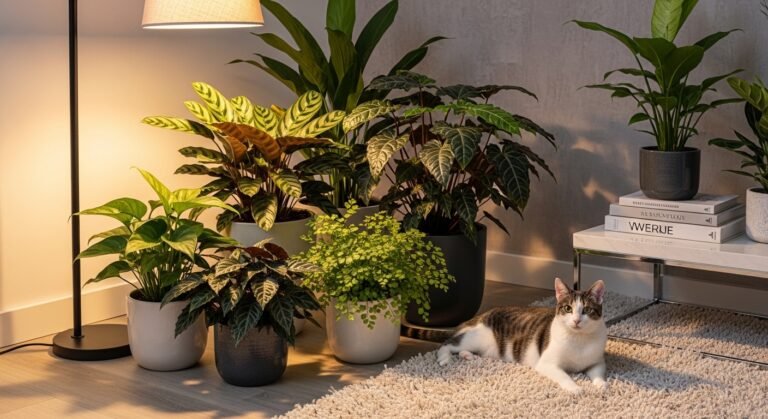
Creating a tropical corner with elephant ears plants adds a refreshing and vibrant touch to your home. Pairing them with other indoor plants like ferns or palms enhances the lush, jungle-like feel. Using natural materials such as wooden planters or woven baskets complements the theme beautifully. This setup creates a relaxing and inviting atmosphere within your living space. A dedicated plant corner transforms your home into a green sanctuary.
13. How to Care for Indoor Elephant Ear Plants
- Water Properly – Keep the soil consistently moist but not soggy; avoid overwatering.
- Provide Bright Indirect Light – Place near a window with filtered sunlight; direct sun can burn leaves.
- Maintain Humidity – Mist leaves or use a humidifier to keep air humid, especially in dry rooms.
- Use Well-Draining Soil – Plant in pots with drainage holes and rich, loamy soil to prevent root rot.
- Trim & Monitor – Remove yellow or damaged leaves and check for pests regularly to keep plants healthy.
13.1. FAQ
13.2. What are elephant ears plants❓
Elephant ears plants are tropical plants known for their large, heart-shaped leaves that resemble an elephant’s ear. They add a bold and dramatic look to indoor spaces. These plants are popular for indoor decoration because they create a lush, green focal point and can brighten up corners or empty areas in a room.
13.3. How do I care for indoor elephant ears plants❓
To care for indoor elephant ears plants, place them in bright, indirect sunlight and keep the soil consistently moist but not waterlogged. They thrive in warm, humid conditions, so occasional misting helps. Regularly remove yellow or dead leaves to keep the plant healthy and attractive.
13.4. Why are elephant ears plants good for indoors❓
Elephant ears plants are good for indoors because they add a tropical and vibrant feel to any room. Their large leaves create a striking statement, making them perfect for living rooms, bedrooms, or office spaces. They also improve air quality and bring a touch of nature inside your home.
14. Final Thoughts
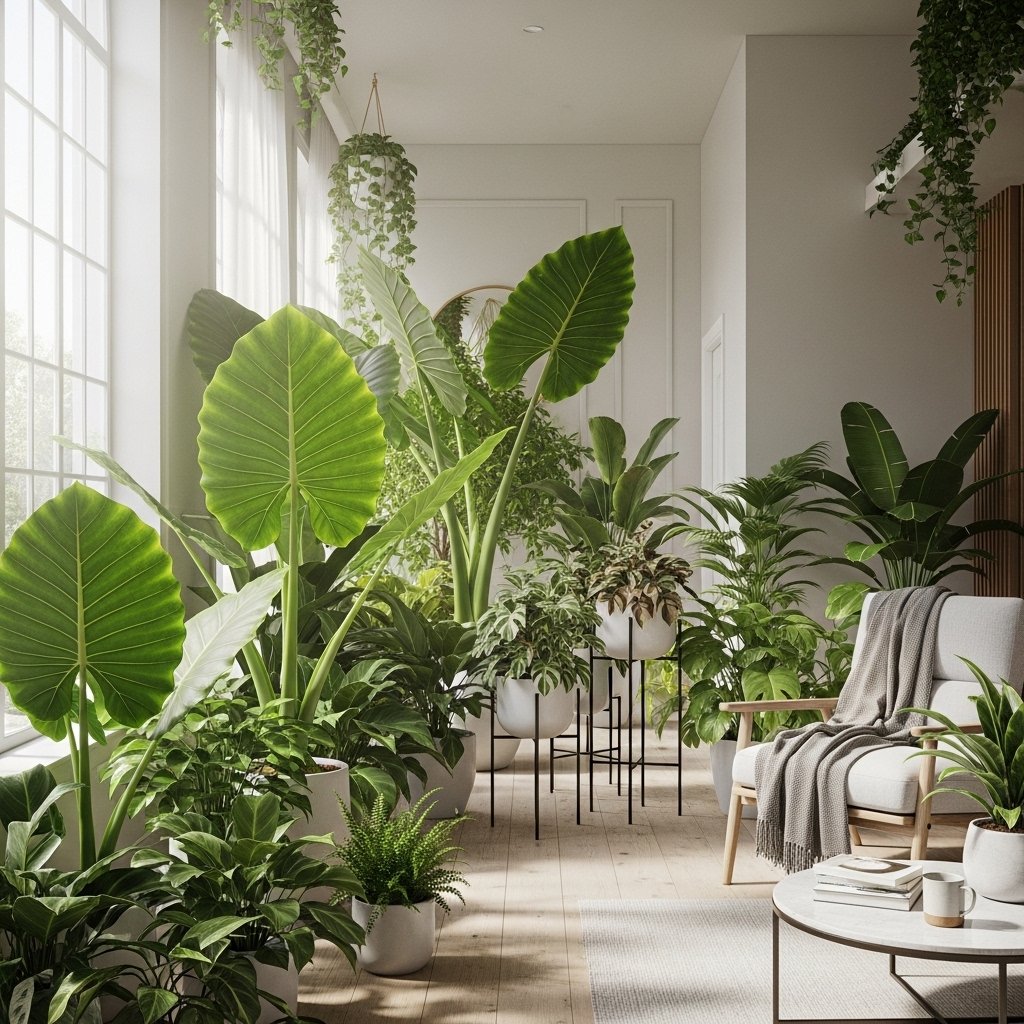
Elephant ears plants indoor are an excellent choice for anyone looking to add bold greenery and tropical charm to their home. With the right care, including proper light, watering, humidity, and soil, these plants can thrive beautifully indoors. Their large, dramatic leaves make them perfect for both decorative and functional purposes in interior design. Whether used as a statement piece or part of a plant collection, they bring life and freshness into any space. By following these ideas, you can successfully grow and style elephant ears plants indoors while enjoying their stunning visual appeal.