How to Propagate Indoor Plants: A Complete Step-by-Step Guide for Healthy Growth
Blog > Home > Indoor Plants & Home Decor > How to Propagate Indoor Plants: A Complete Step-by-Step Guide for Healthy Growth
Indoor plant propagation is one of the most rewarding and cost-effective ways to expand your plant collection. Whether you are a beginner or an experienced plant lover, learning how to propagate indoor plants helps you create new plants from existing ones. It not only saves money but also allows you to preserve your favorite plant varieties for years. Propagation can be done in several ways depending on the plant type, including water propagation, soil cutting, division, and more. In this guide, you will learn 12 proven methods and ideas on how to propagate indoor plants successfully at home with simple steps.
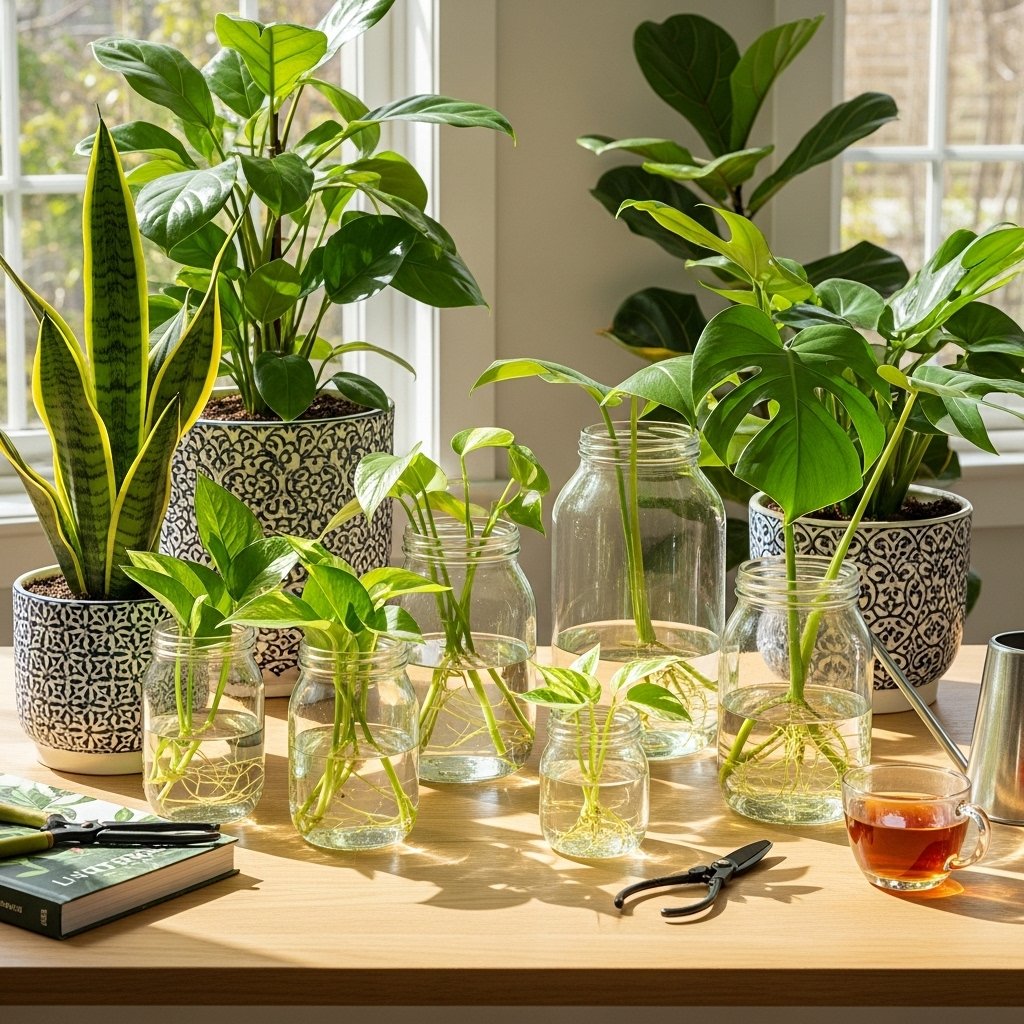
Table Of Content
1. Water Propagation Method for Indoor Plants
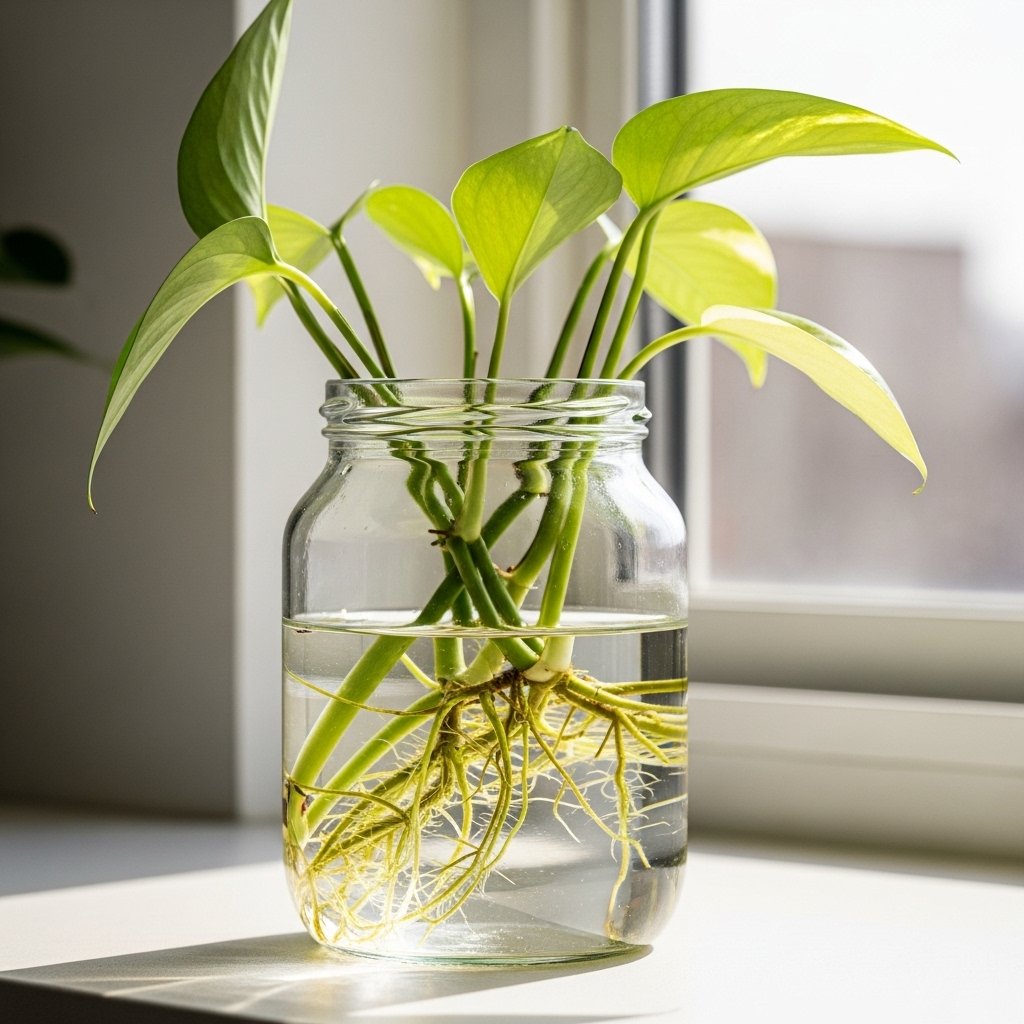
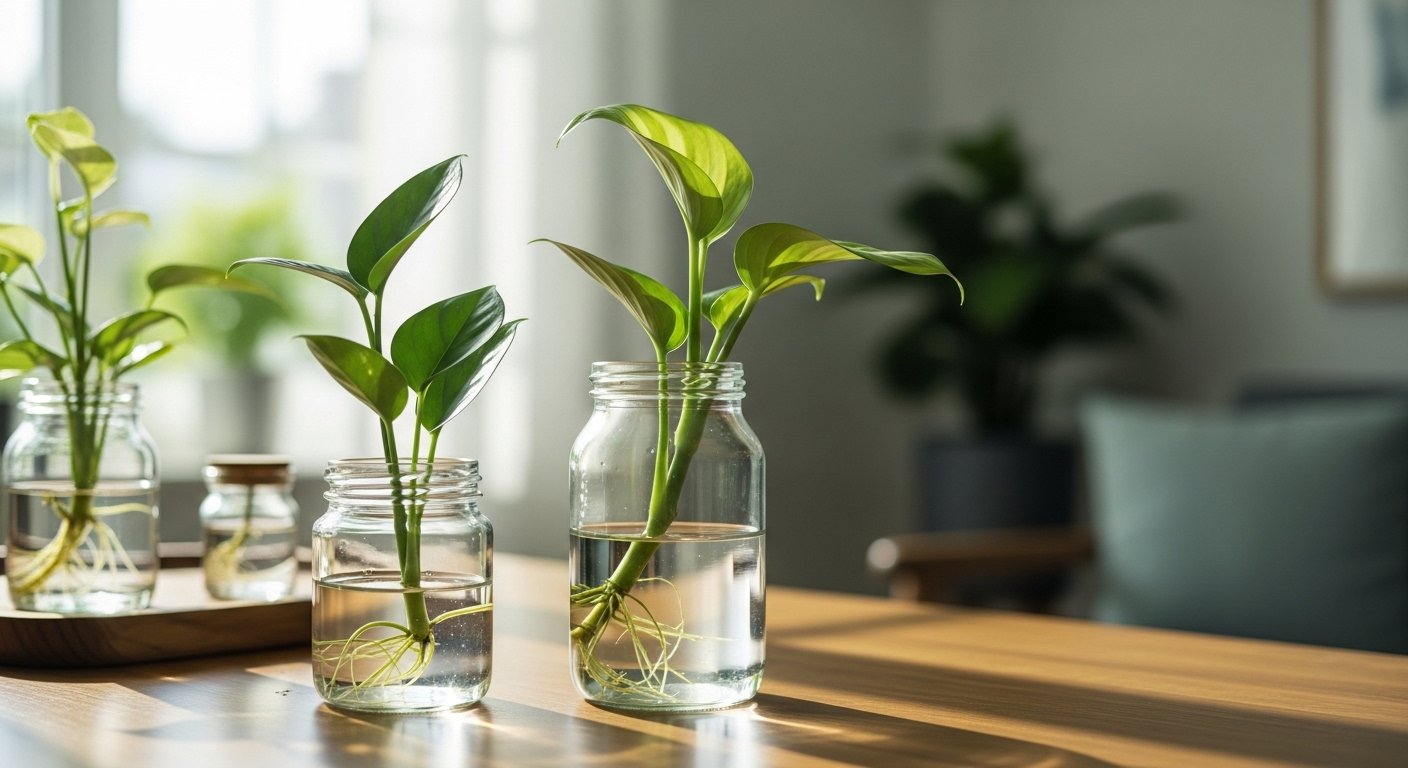
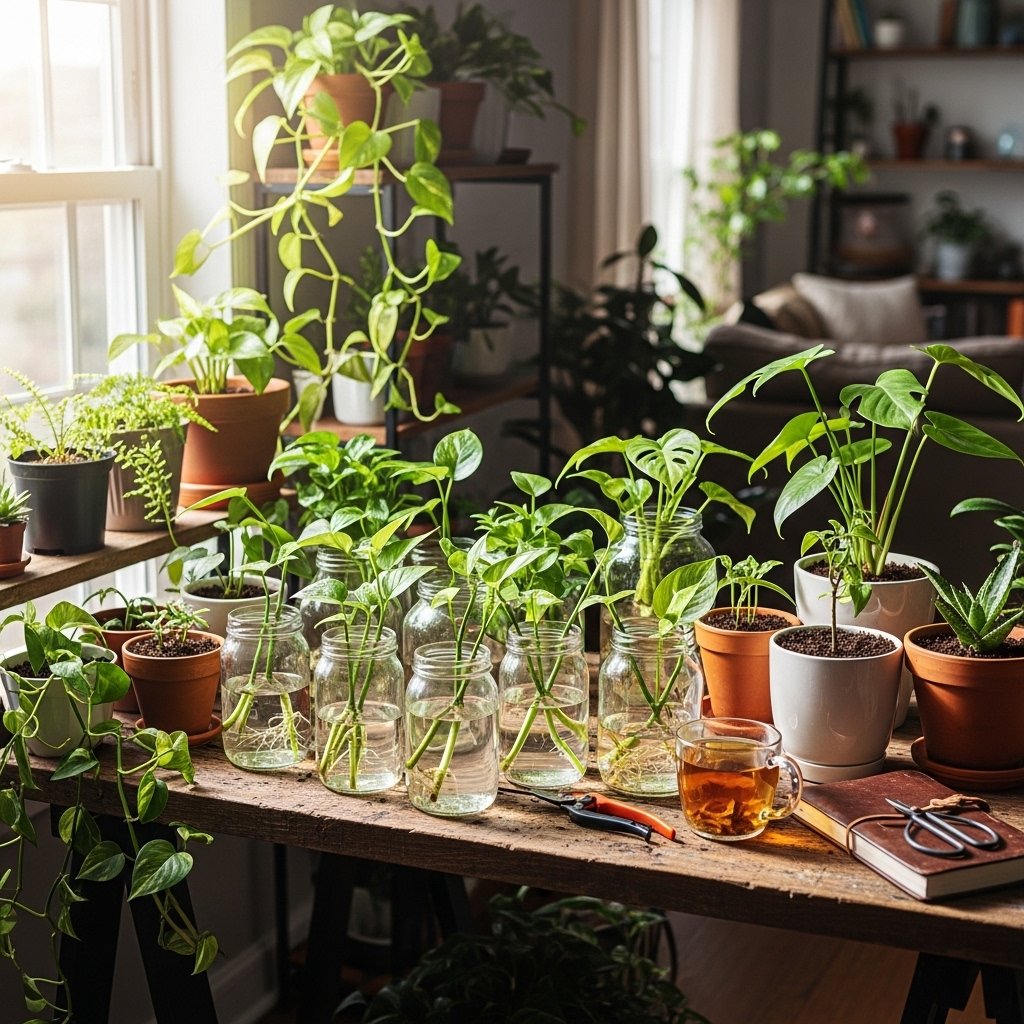
Water propagation is one of the easiest and most popular ways to propagate indoor plants. In this method, you place a healthy cutting of the plant in a glass of clean water until roots begin to grow. Plants like pothos, philodendron, and money plants respond very well to this technique. It is important to change the water every few days to prevent bacteria growth and keep it fresh. Once the roots are a few inches long, you can transfer the plant into soil for further growth.
2. Soil Propagation from Stem Cuttings
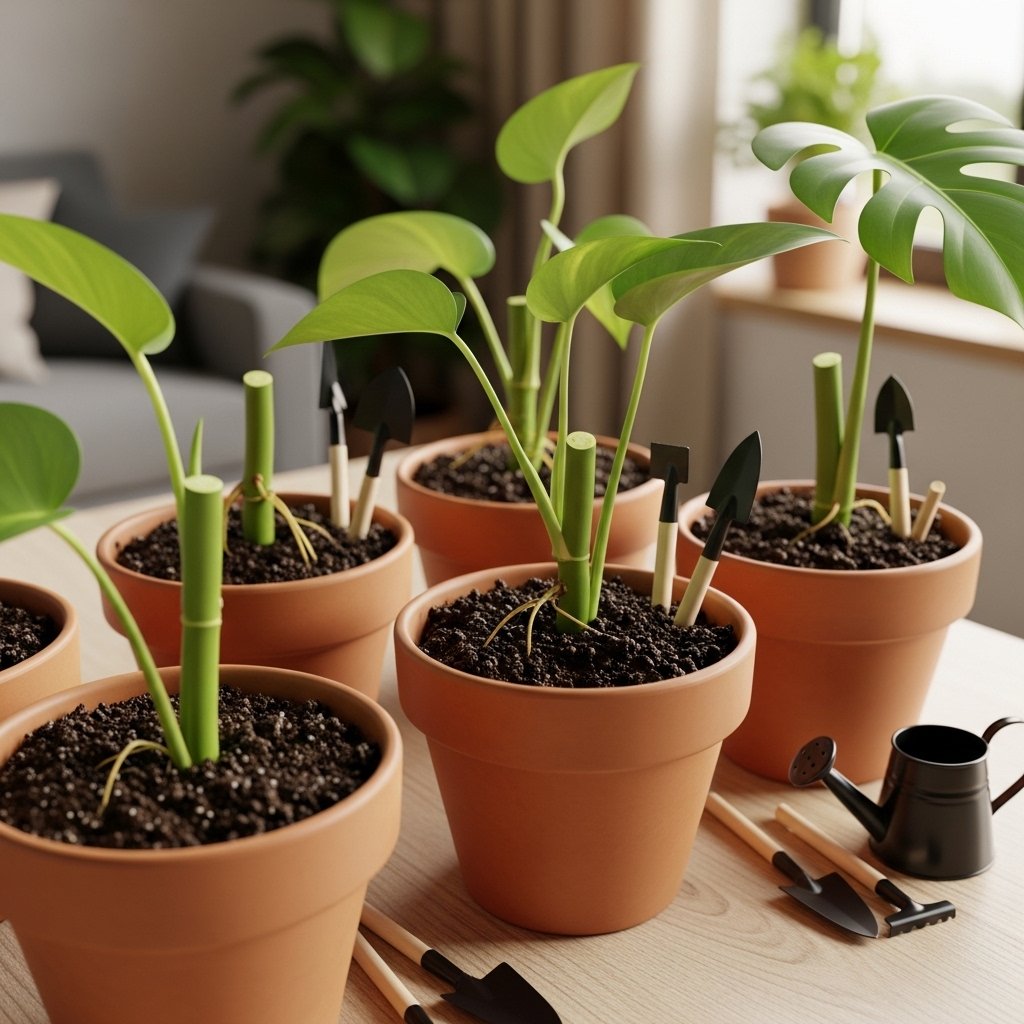
Soil propagation involves planting a cutting directly into moist soil instead of water. This method helps the plant adapt to soil conditions from the beginning, reducing transplant shock. Choose a healthy stem with at least two nodes and plant it in well-draining soil. Keep the soil slightly moist but not too wet to avoid rot. Many indoor plants like snake plants and crotons grow well using this propagation method.
3. Leaf Cutting Propagation Technique
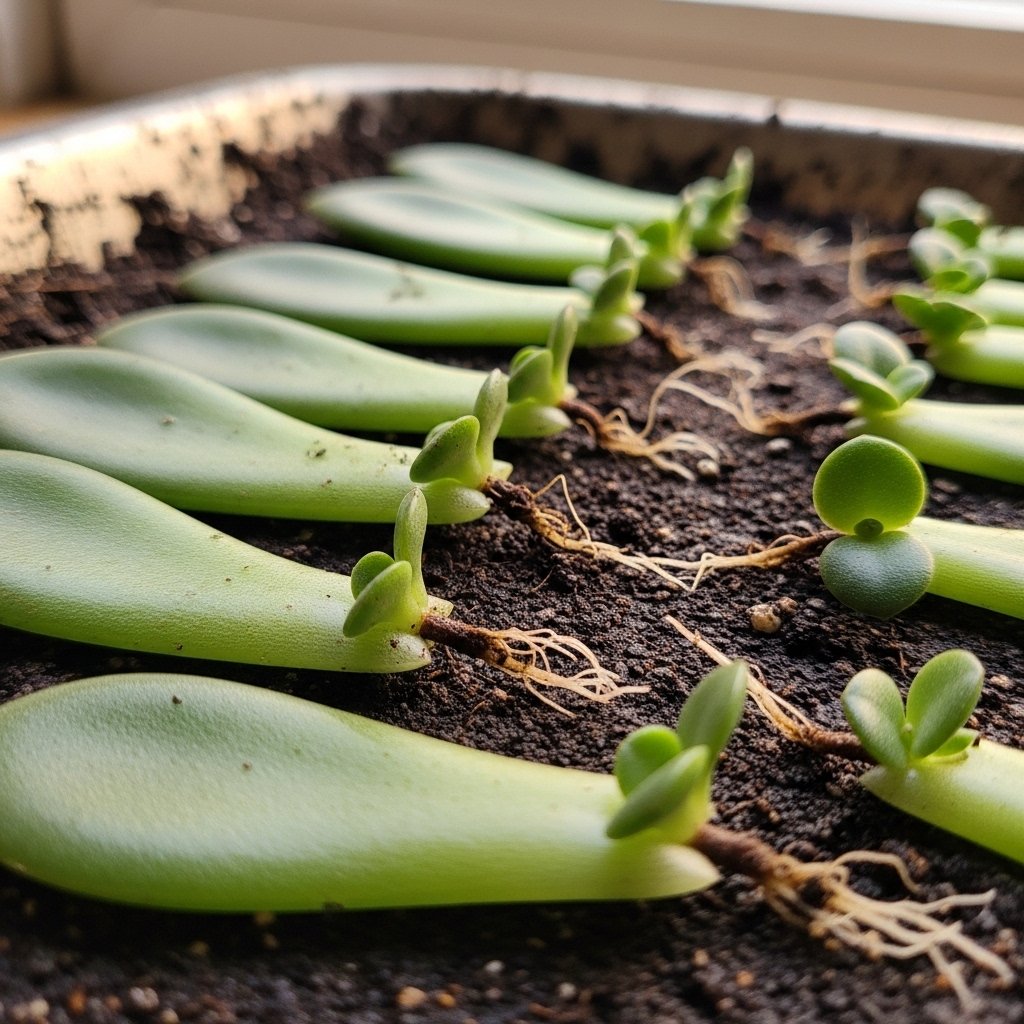
Leaf cutting propagation is ideal for plants that can grow from a single leaf. Succulents, jade plants, and some begonias can be propagated using this method. Carefully cut a healthy leaf and place it on soil or lightly insert it into the soil. Over time, small roots and baby plants will start forming at the base. This method requires patience but is highly effective for certain indoor plants.
4. Division Method for Mature Plants
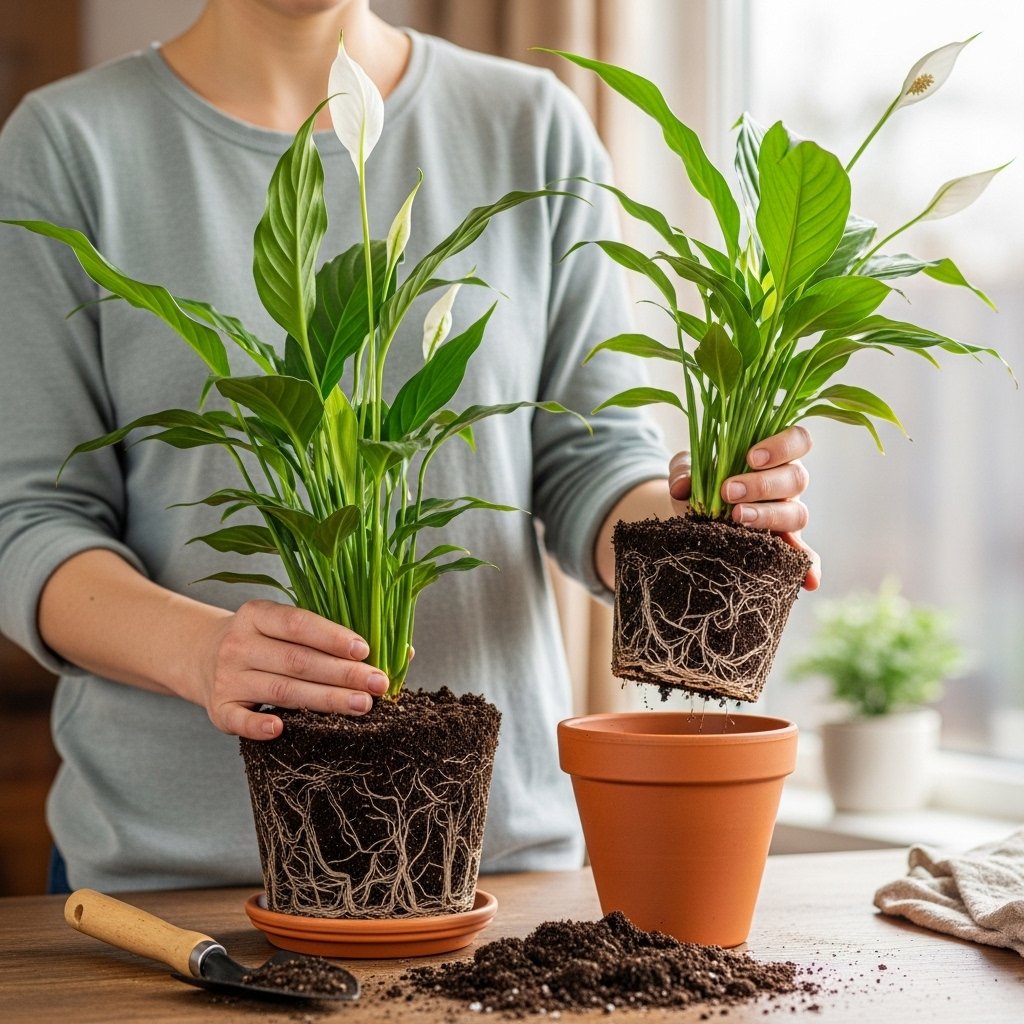
The division method is best for mature plants that grow in clumps. You simply separate the plant into smaller sections, each with its own roots. Plants like peace lilies, spider plants, and ferns respond well to this technique. Gently remove the plant from its pot and divide the root ball carefully without damaging the roots. Replant each section into fresh soil and water lightly to help them settle.
5. Air Layering for Advanced Propagation
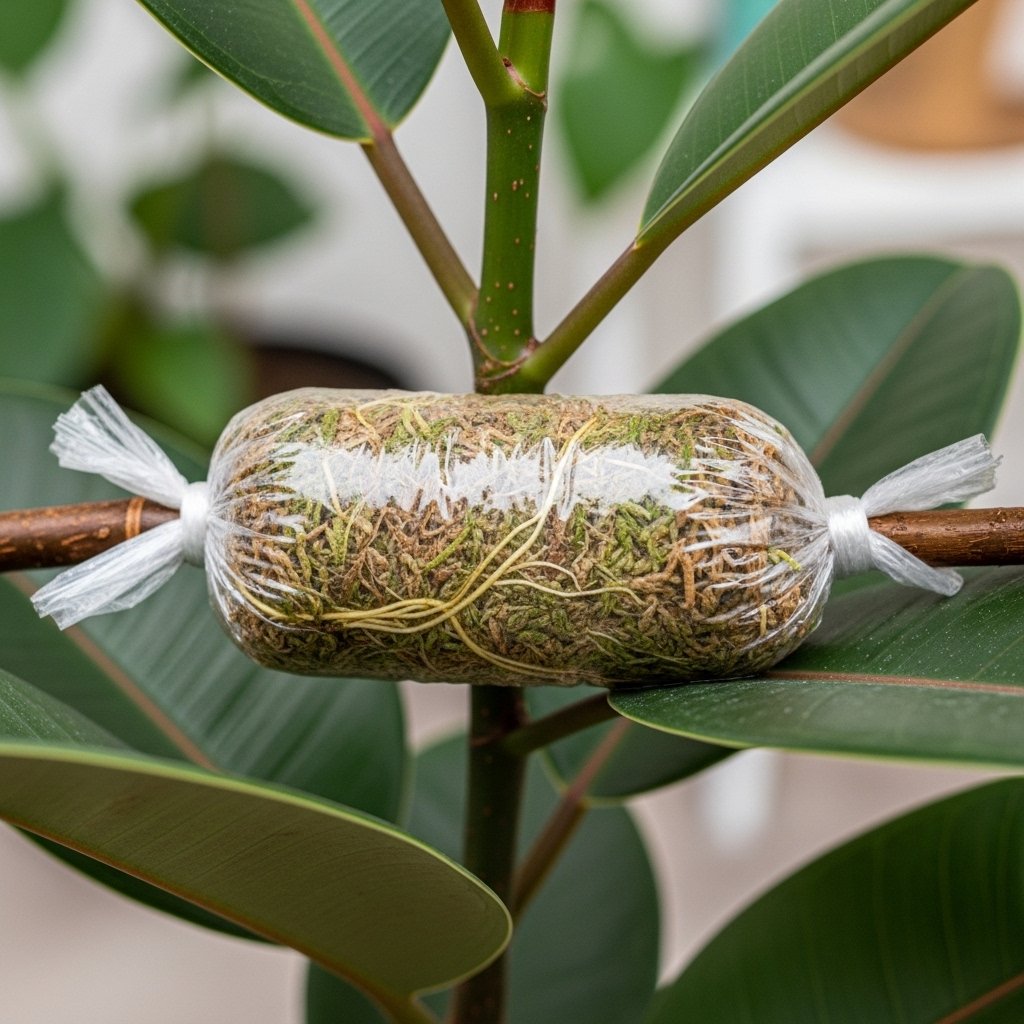
Air layering is an advanced propagation technique used for woody indoor plants. In this method, you encourage roots to grow on a stem while it is still attached to the parent plant. You wrap a moist moss layer around a cut section of the stem and cover it with plastic. After a few weeks, roots will form, and you can cut and plant it separately. This method is highly effective for plants like rubber plants and fiddle leaf figs.
6. Offsets and Pups Propagation Method
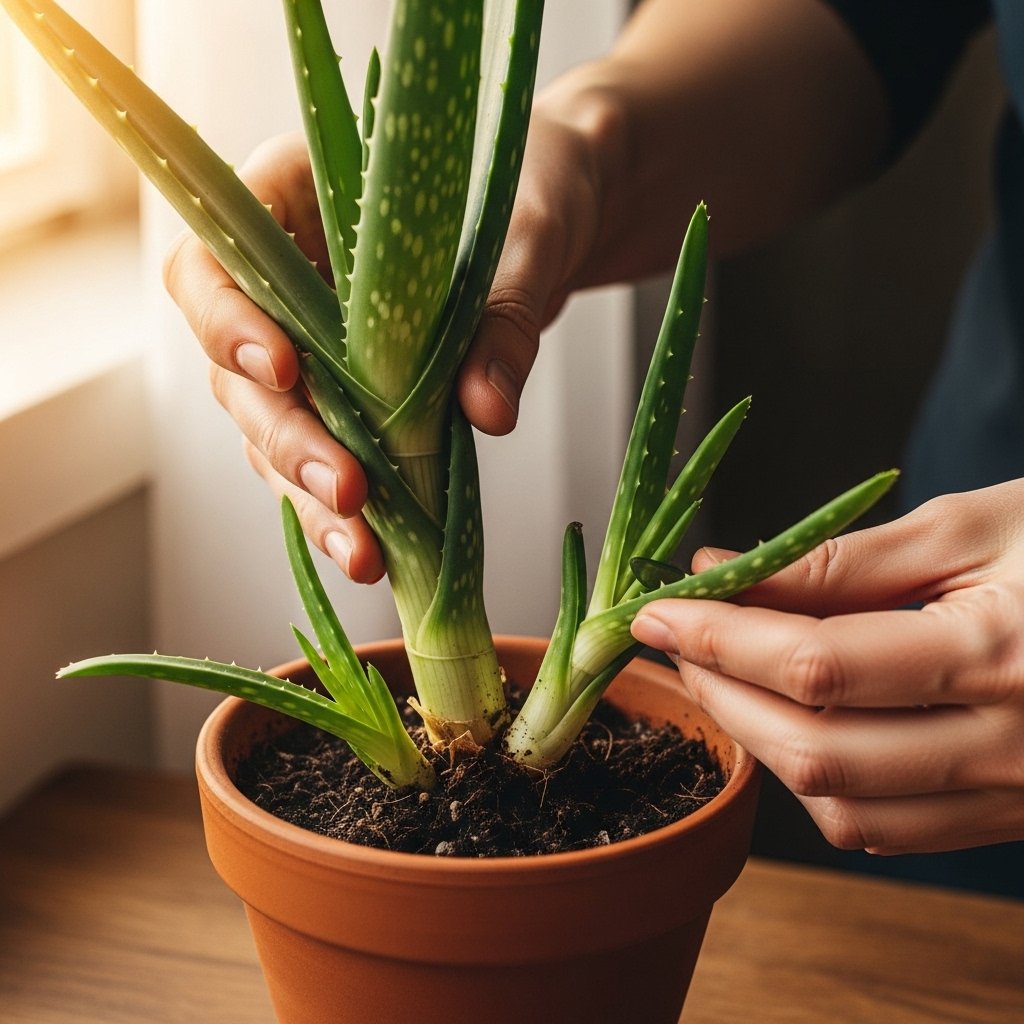
Some indoor plants naturally produce small baby plants called offsets or pups. These can be gently removed and planted separately. Aloe vera and snake plants commonly produce these pups around the base. Carefully separate the pup from the parent plant using a clean knife or by hand. Plant it in fresh soil and water lightly until it establishes roots.
7. Node Propagation for Fast Growth
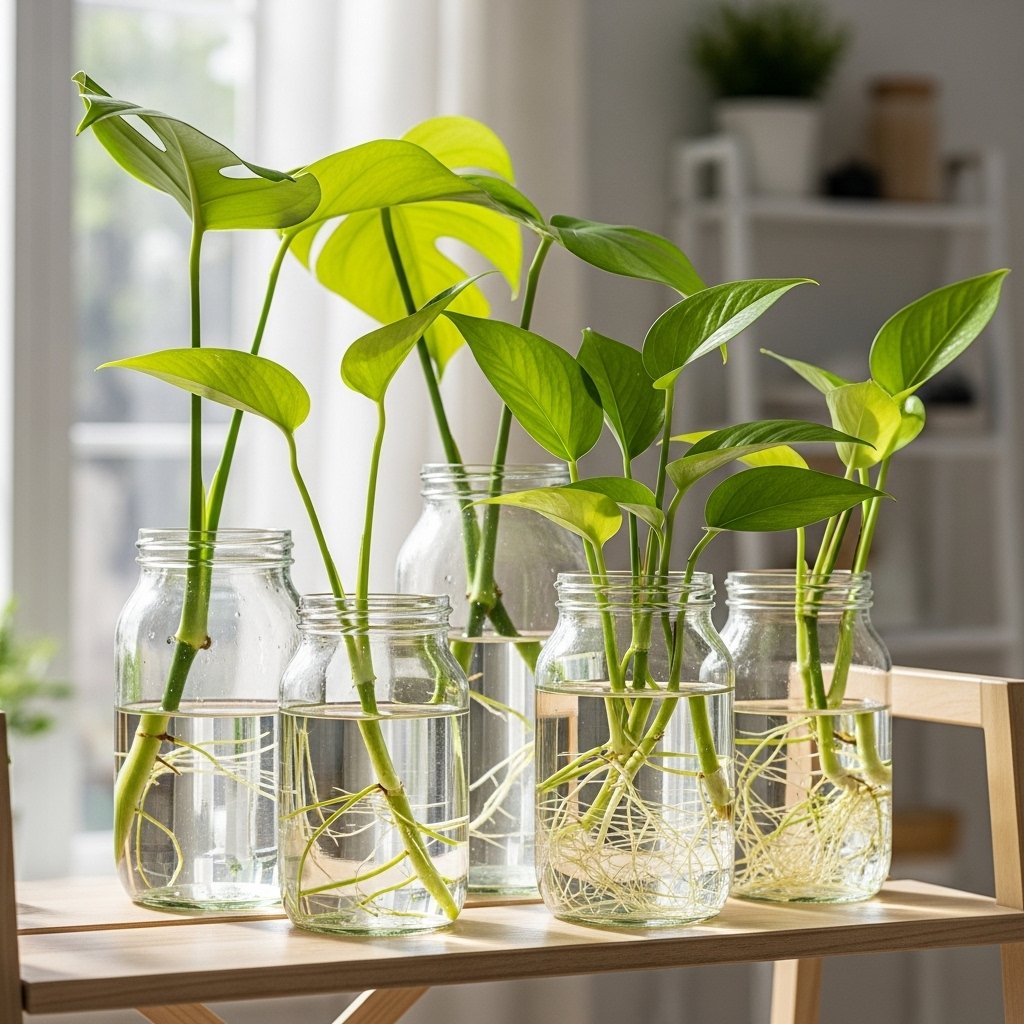
Node propagation focuses on cutting just below a node, which is the part where leaves and roots grow. This method is extremely effective for fast-growing indoor plants like pothos and monstera. Place the node cutting in water or soil depending on preference. The node is the key part that develops new roots and shoots. This technique increases the success rate of propagation significantly.
8. Propagating Succulents from Off Leaves
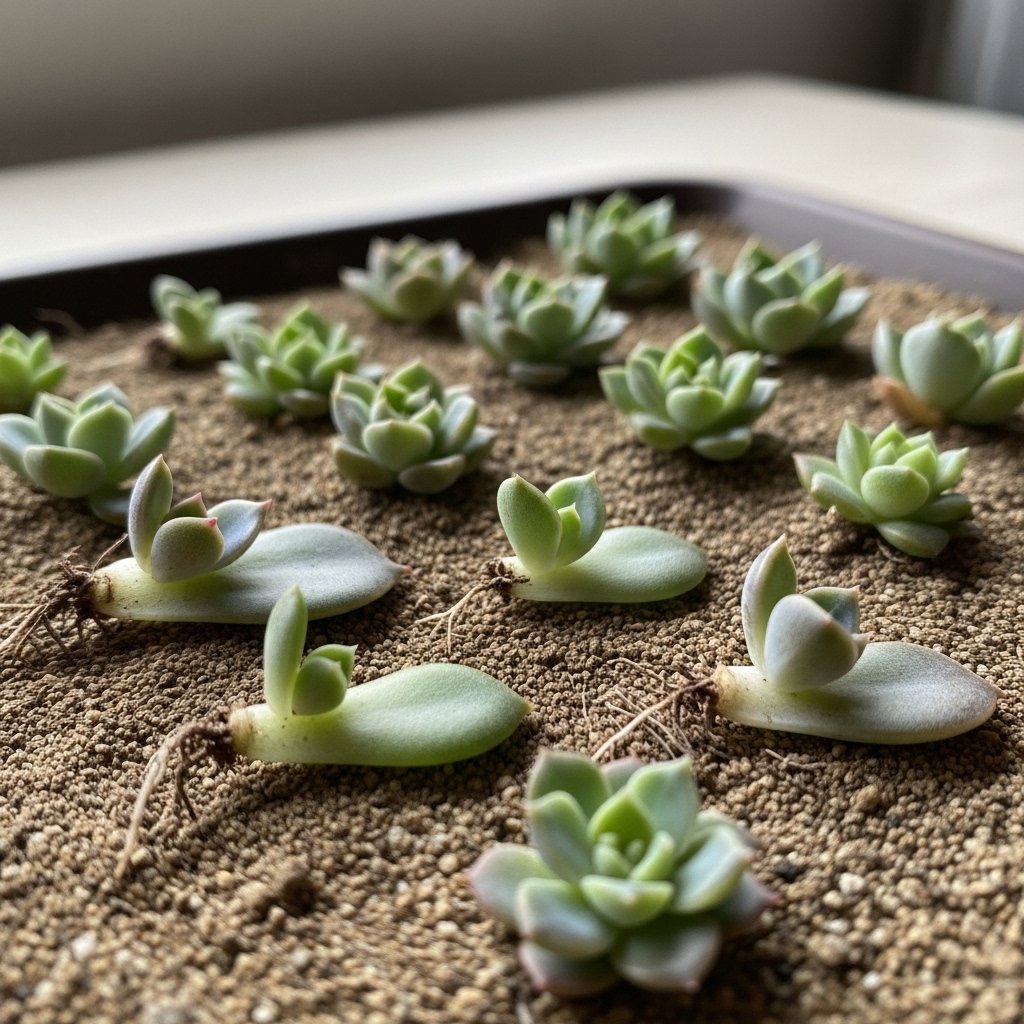
Succulents are among the easiest plants to propagate indoors. Simply twist or cut a healthy leaf and let it dry for a day or two. After that, place it on top of dry soil without burying it completely. Mist lightly every few days until roots and tiny rosettes appear. Over time, the leaf will grow into a full new succulent plant.
9. Cutting Propagation in Humid Conditions
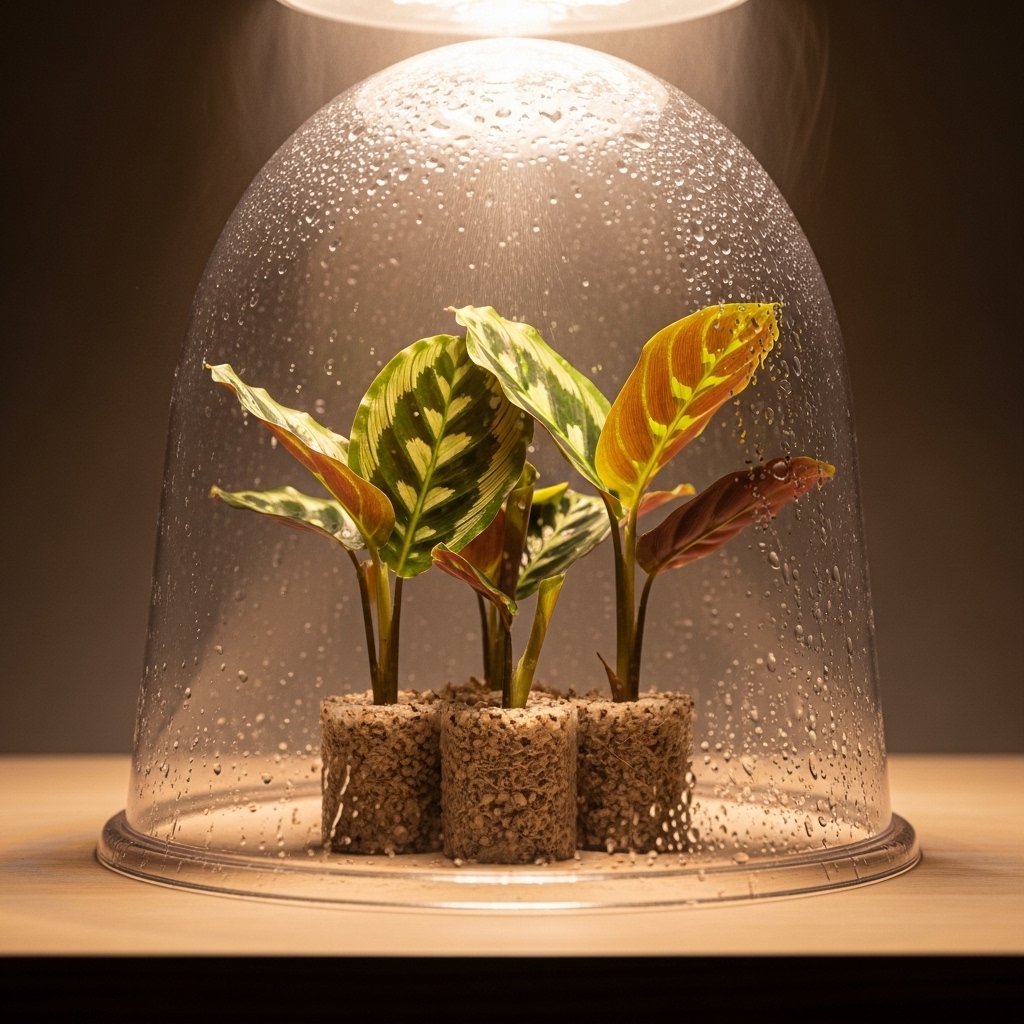
Humidity plays an important role in successful propagation for many indoor plants. Placing cuttings in a humid environment helps them retain moisture and grow roots faster. You can use a plastic cover or propagation box to create humidity. Keep the plant in indirect sunlight for best results. This method works especially well for tropical plants like calatheas and begonias.
10. Root Division for Fast Multiplication
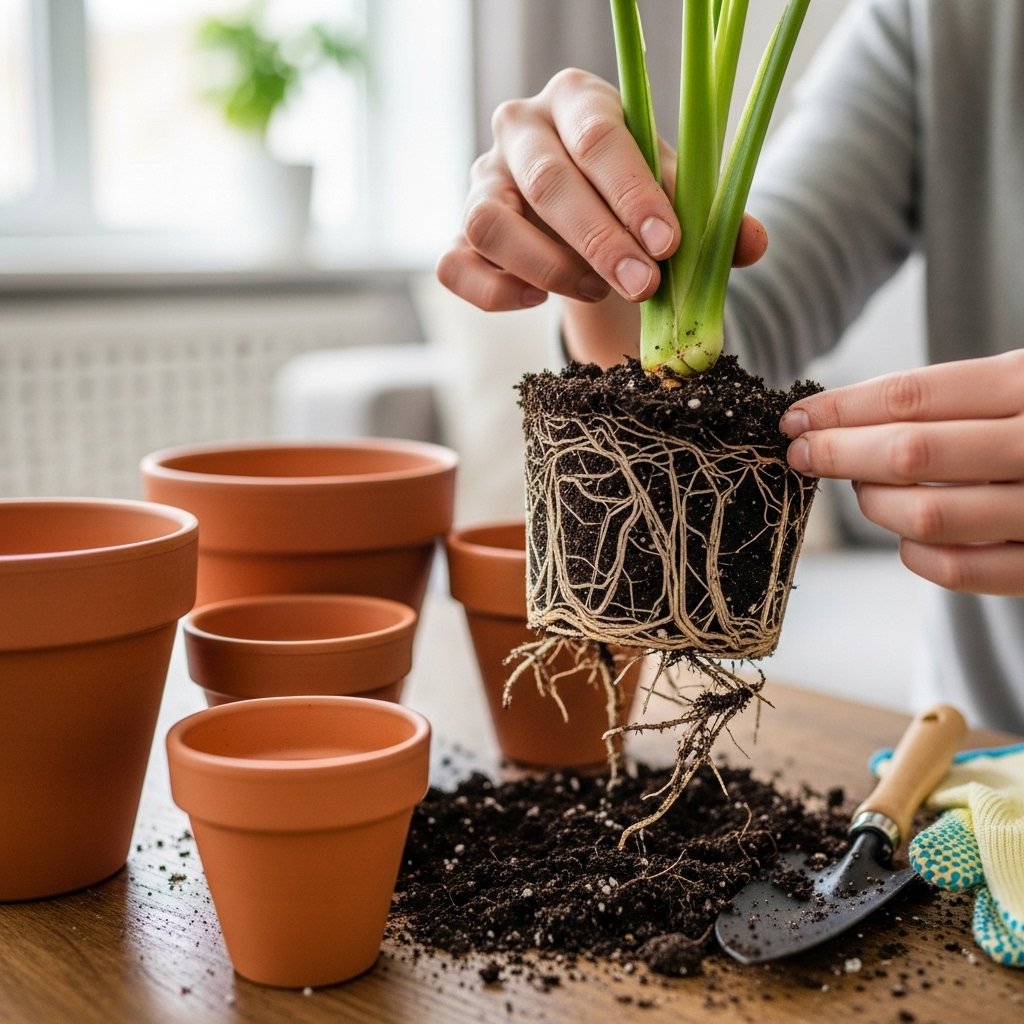
Root division is similar to plant division but focuses more on separating root clusters. Carefully loosen the soil and identify natural separation points in the roots. Gently pull apart sections while ensuring each part has enough roots to survive. Replant each division into separate pots with fresh soil. This method ensures quick establishment and healthy plant growth.
11. Propagating Indoor Vines in Water Bottles
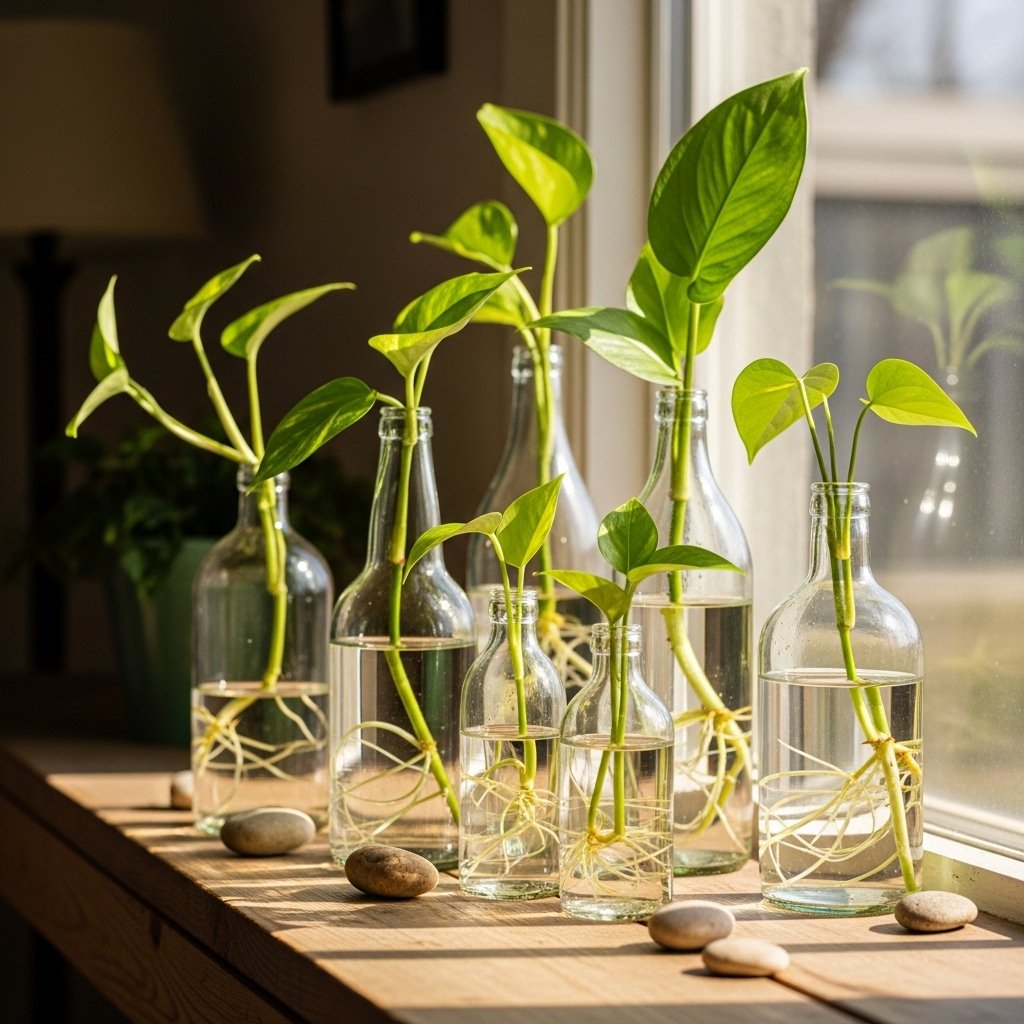
Using water bottles or jars is a creative and effective way to propagate indoor vine plants. Cut a healthy vine with multiple nodes and place it in a bottle filled with clean water. Ensure at least one node is submerged to encourage root growth. Keep it near indirect sunlight for better results. This method also allows you to visually track root development easily.
12. Seasonal Propagation Timing for Best Results
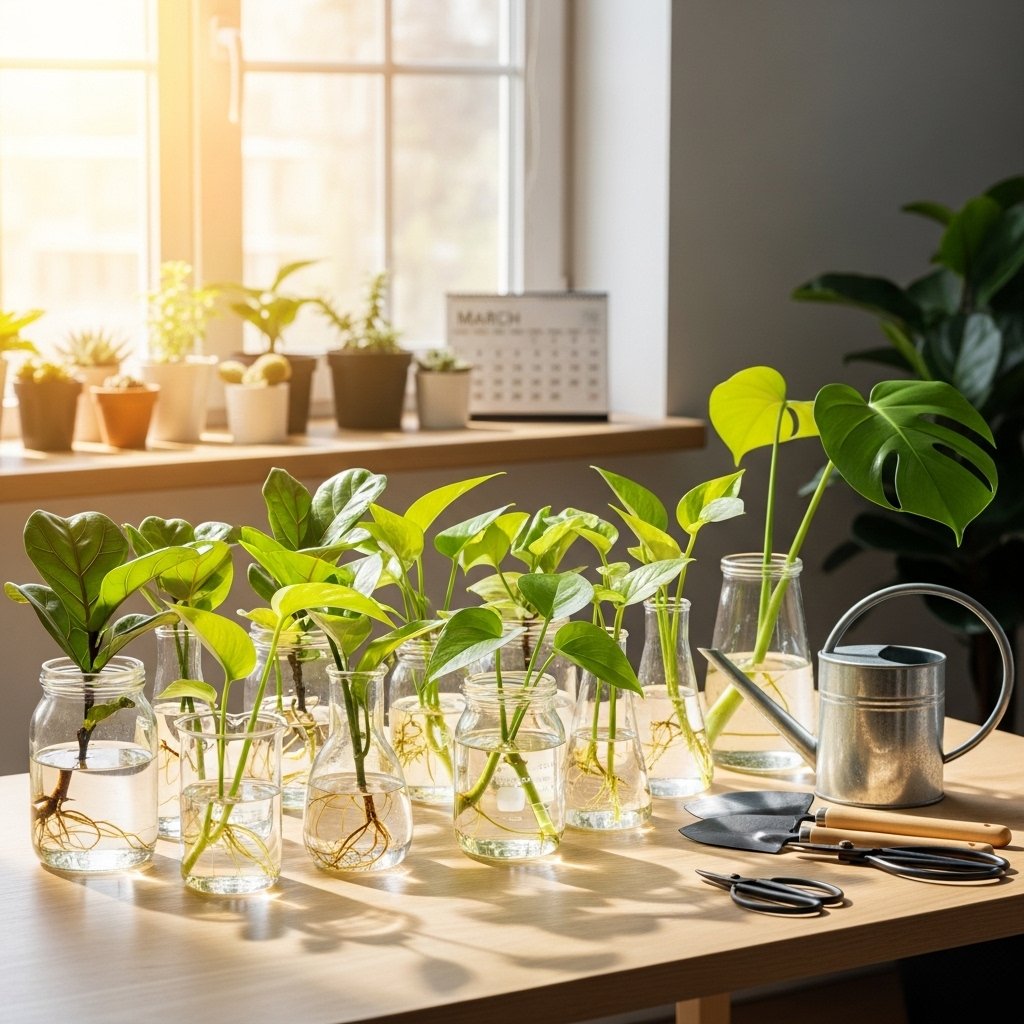
Timing plays a crucial role in successful indoor plant propagation. The best time to propagate most indoor plants is during spring and early summer. During these seasons, plants are in their active growth phase, making root development faster. Avoid propagation during winter when growth slows down significantly. Proper timing increases success rates and ensures stronger new plants.
13. How to Propagate and Care for Indoor Plants
- Choose Healthy Plants – Select strong, disease-free plants for propagation.
- Use Proper Method – Use stem cuttings, leaf cuttings, or division depending on the plant type.
- Provide Right Conditions – Keep soil moist, provide indirect sunlight, and maintain proper temperature.
- Pot and Soil Care – Use well-draining pots and fresh soil for new plants to grow strong roots.
- Regular Maintenance – Water carefully, trim dead leaves, and check for pests to keep plants healthy.
13.1. FAQ
13.2. What is plant propagation❓
Plant propagation is the process of creating new plants from existing ones. This can be done using leaves, stems, roots, or seeds. Propagating indoor plants allows you to grow more plants at home without buying new ones, saving money while expanding your indoor garden.
13.2. How can I propagate indoor plants❓
You can propagate indoor plants by using methods like stem cuttings, leaf cuttings, division, or water propagation. For example, place a healthy stem in water or soil, and it will develop roots over time. Different plants require different methods, but most indoor plants are easy to propagate with simple steps.
13.4. Which indoor plants are easiest to propagate❓
Some of the easiest indoor plants to propagate include pothos, spider plants, philodendrons, and succulents. These plants grow roots quickly from cuttings and require minimal care. Beginners often start with these plants to practice propagation successfully.
14. Final Thoughts
Learning how to propagate indoor plants is a valuable skill that allows you to grow your indoor garden effortlessly. With methods like water propagation, soil cutting, division, and air layering, you can multiply your favorite plants with ease. Each technique works differently depending on the plant type, so choosing the right method is important for success. Consistency, patience, and proper care play a major role in achieving healthy growth. By practicing these 12 propagation methods, you can enjoy a thriving indoor garden filled with fresh, vibrant, and beautifully grown plants.