How to Start a Cut Flower Garden for Beginners: A Step-by-Step Guide to Growing Beautiful Bouquets
Blog > Home > cut flower garden > How to Start a Cut Flower Garden for Beginners: A Step-by-Step Guide to Growing Beautiful Bouquets
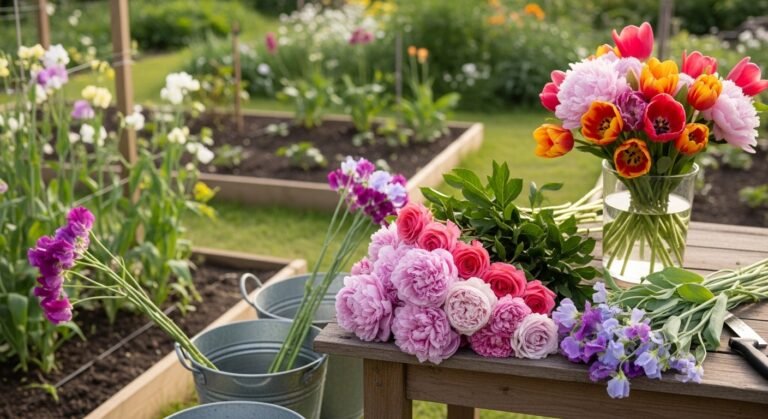
Learning how to start a cut flower garden for beginners is one of the most rewarding ways to enjoy fresh blooms all season long. A cut flower garden is designed specifically for harvesting flowers to create bouquets while encouraging plants to produce even more blooms. With the right planning, soil preparation, and plant selection, even first-time gardeners can grow vibrant flowers successfully. You do not need a large backyard to begin, as raised beds, small plots, or containers can all work beautifully. This guide will walk you through twelve essential steps to help you confidently start your own cut flower garden from scratch.
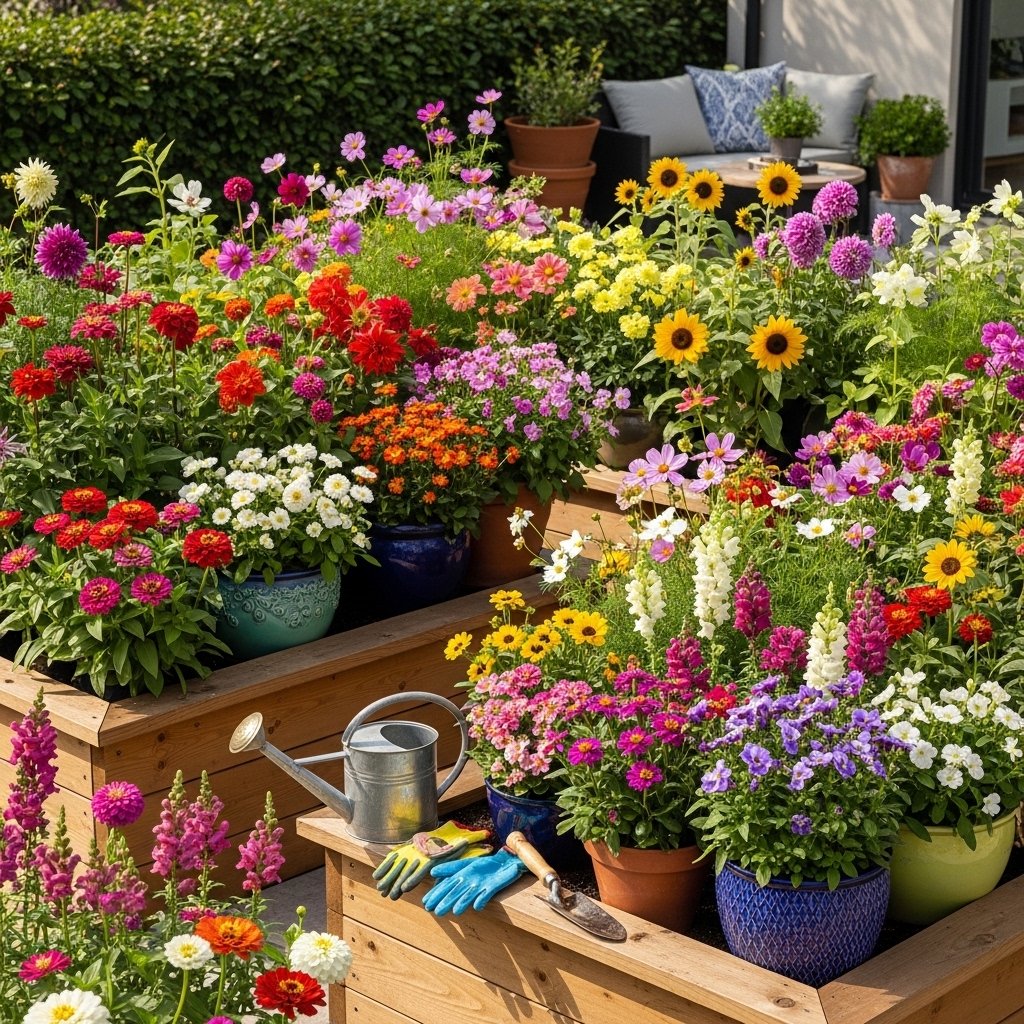
Table Of Content
1. Choose the Right Location
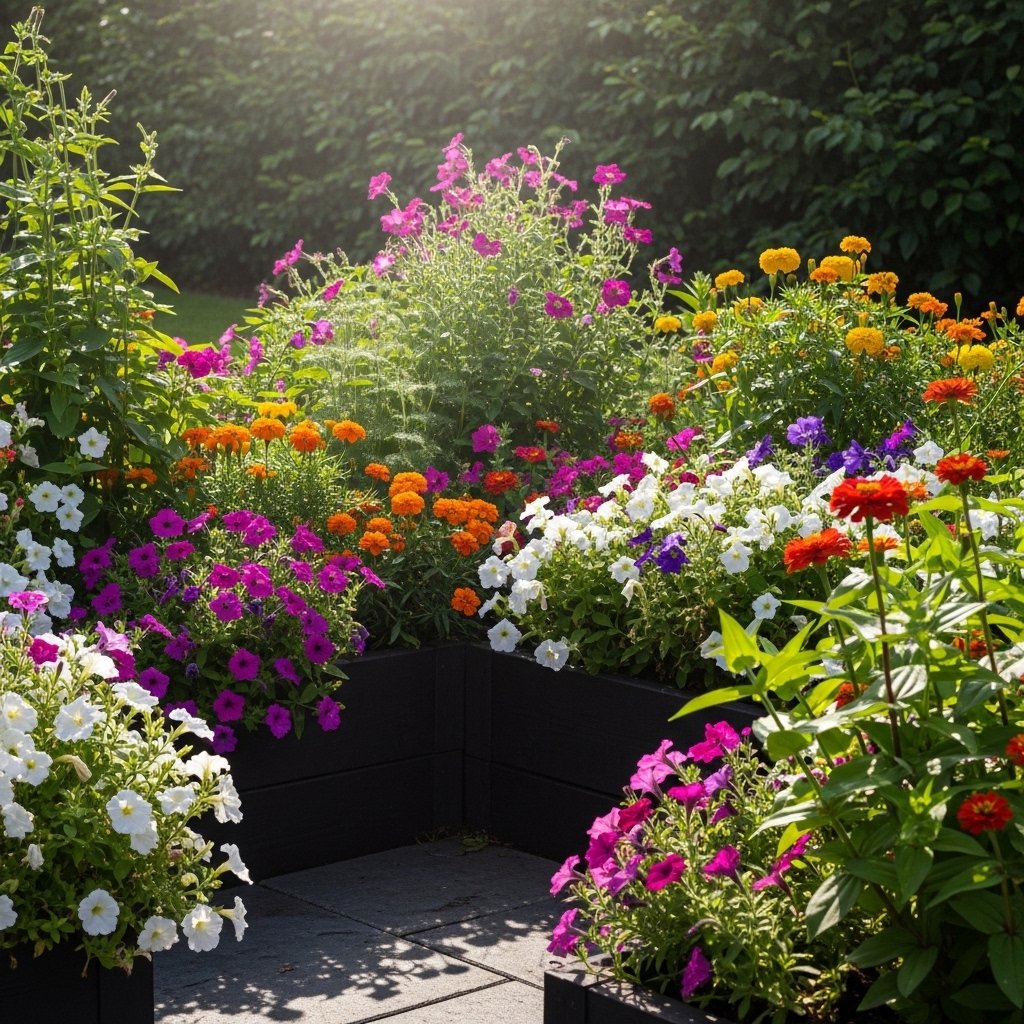
The first step in starting a cut flower garden is selecting the best location in your yard. Most flowering plants require at least six to eight hours of direct sunlight daily to produce strong stems and vibrant blooms. Choose a space with good drainage to prevent waterlogged roots and plant diseases. Avoid areas with heavy shade or strong wind exposure that could damage delicate flowers. A sunny, sheltered spot will provide the ideal environment for healthy growth and abundant harvests.
2. Test and Prepare Your Soil
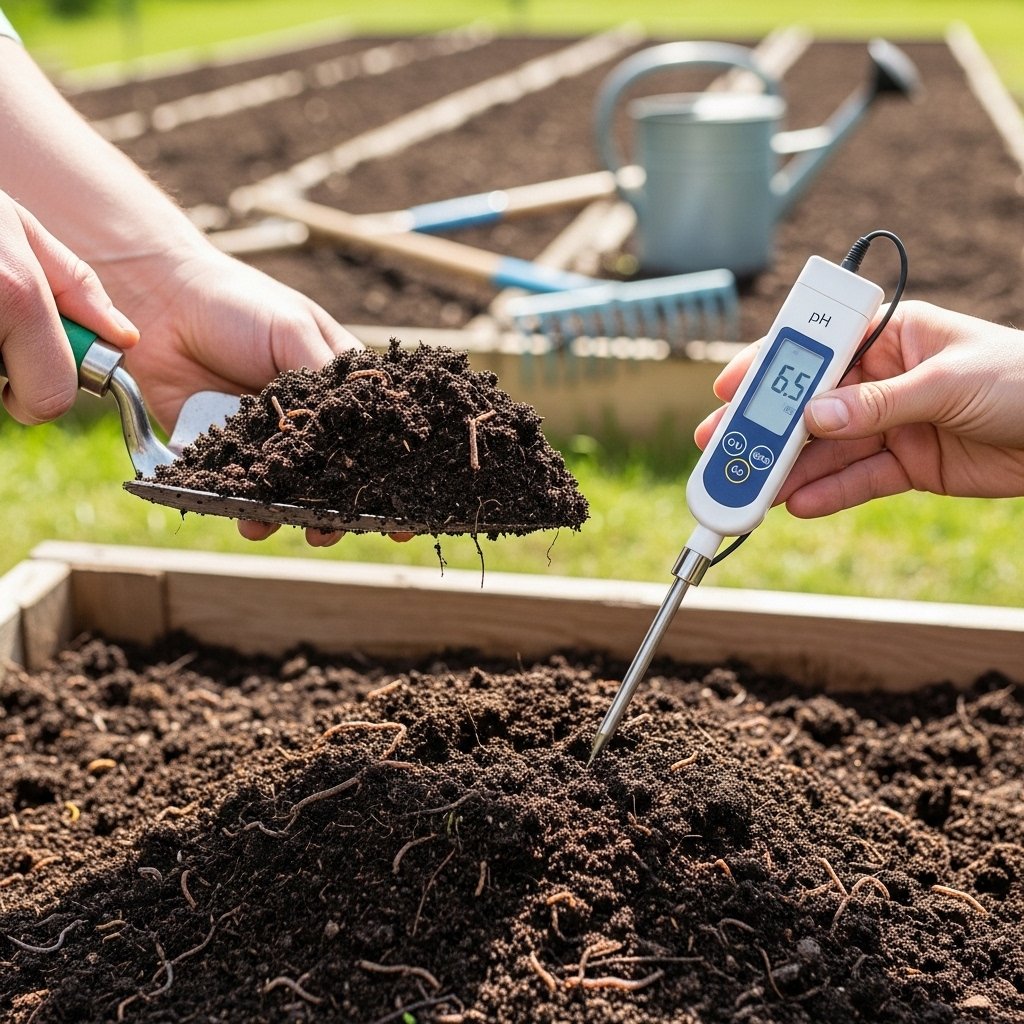
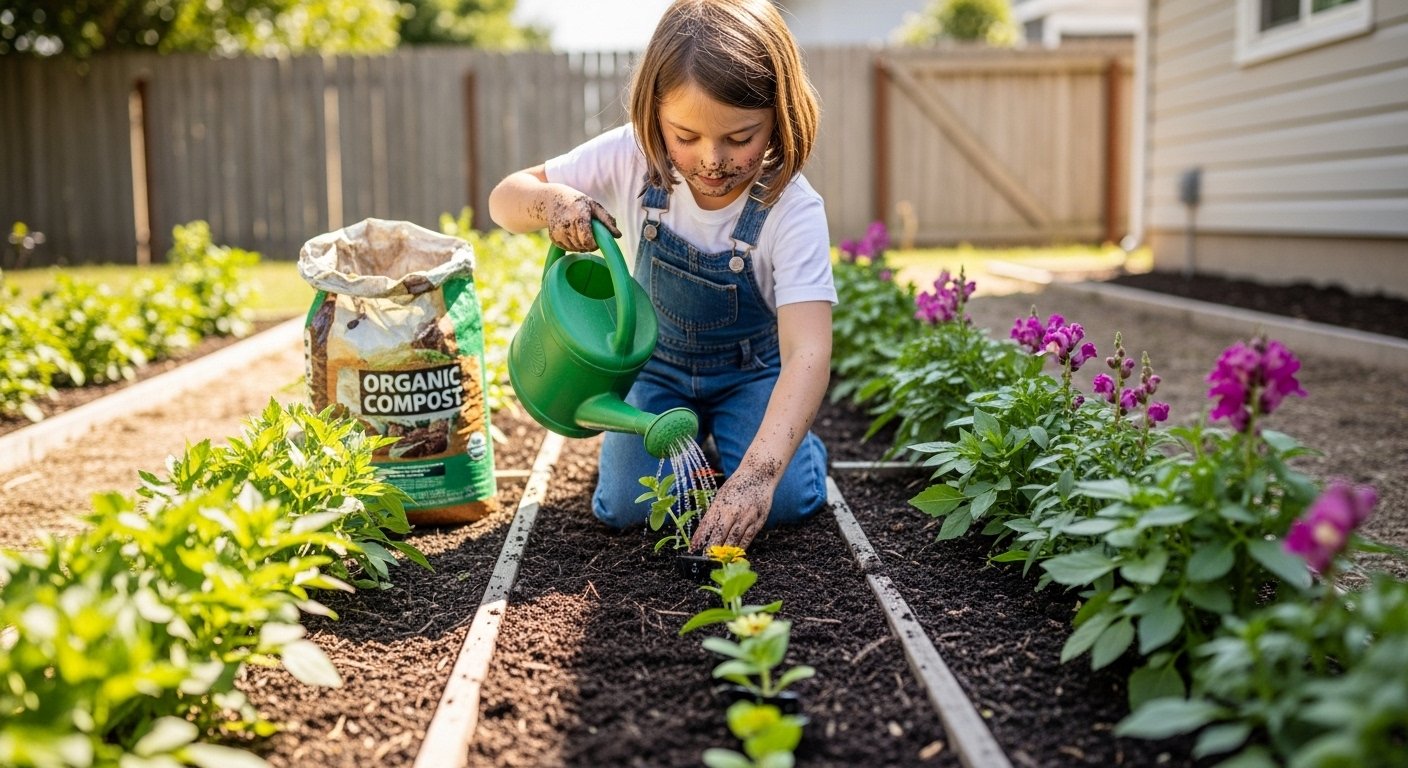
Healthy soil is the foundation of a successful beginner cut flower garden. Before planting, test your soil to determine its pH and nutrient levels for optimal flower production. Most cut flowers prefer slightly acidic to neutral soil that is rich in organic matter. Adding compost or well-rotted manure improves soil structure and boosts fertility naturally. Proper soil preparation ensures strong roots, healthier plants, and longer-lasting blooms.
3. Start with Easy-to-Grow Flowers
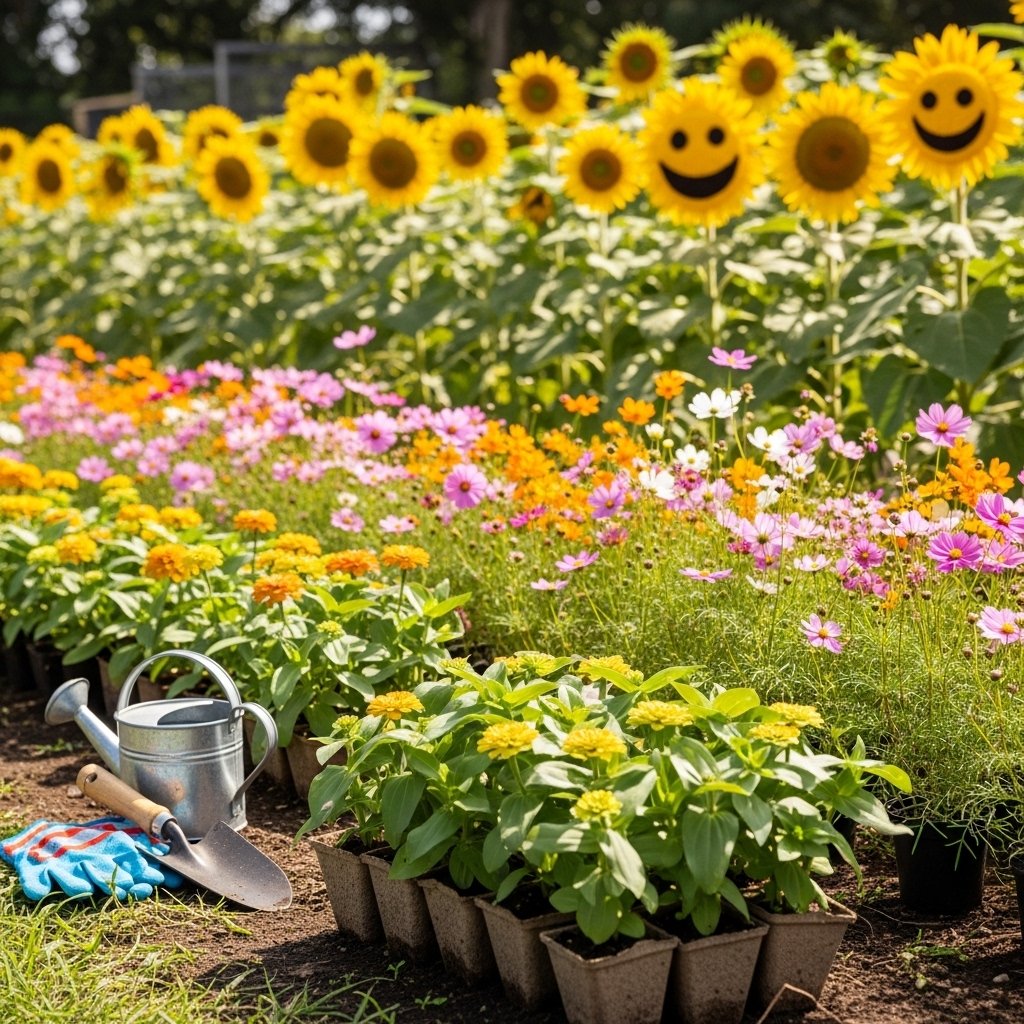
Beginners should focus on easy-to-grow cut flowers that thrive with minimal care. Popular beginner-friendly choices include zinnias, cosmos, sunflowers, marigolds, and snapdragons. These flowers germinate quickly, grow vigorously, and produce multiple blooms throughout the season. Choosing hardy varieties builds confidence and increases your chances of early success. Starting simple allows you to learn the basics before experimenting with more delicate blooms.
4. Plan Your Garden Layout
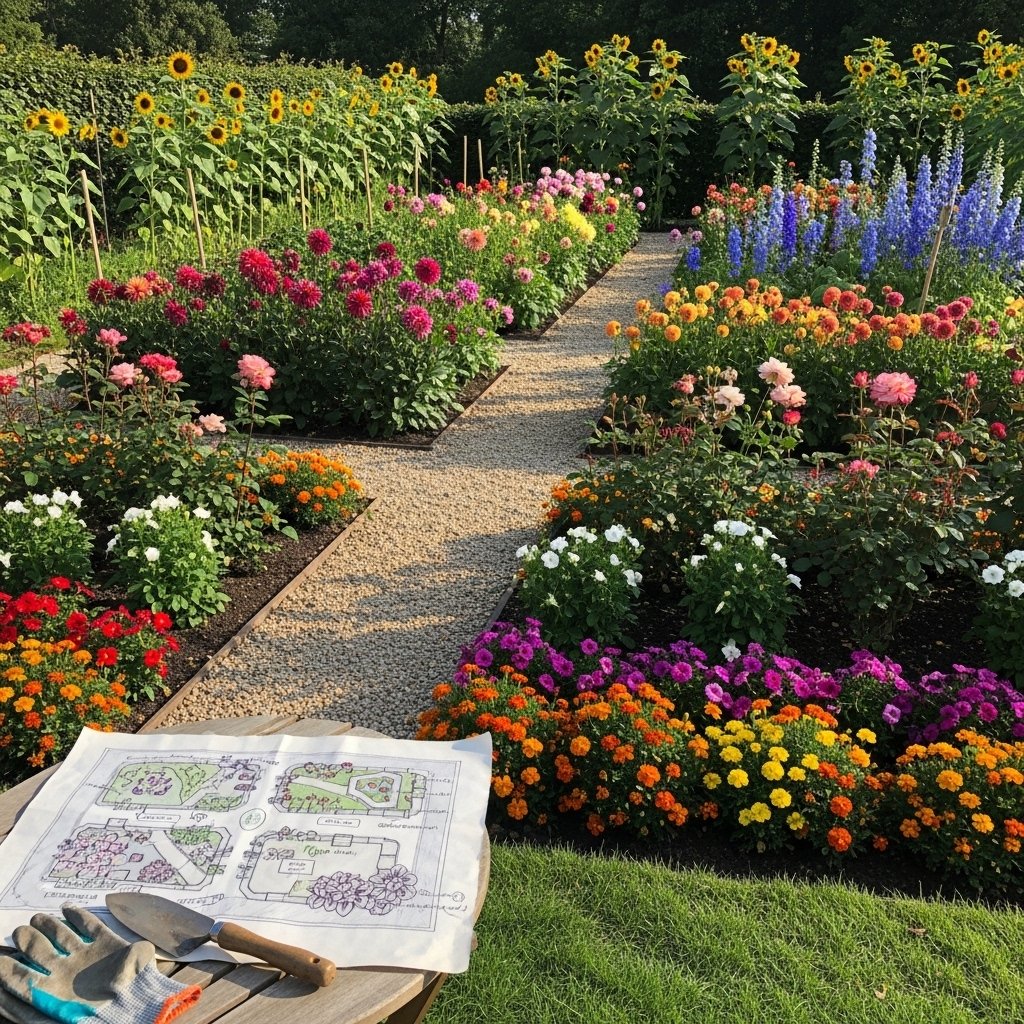
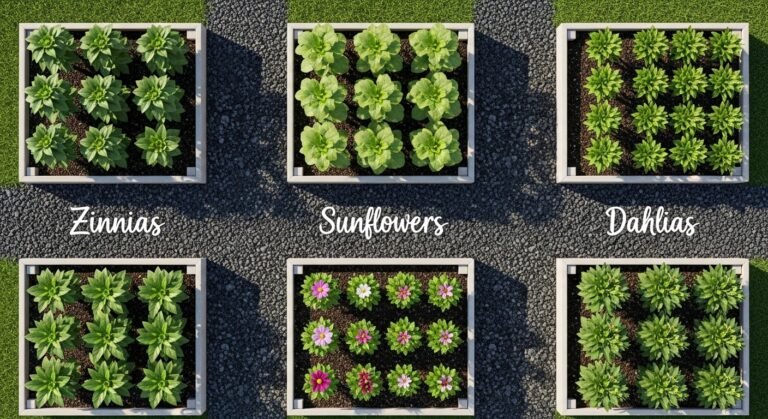
A thoughtful layout makes harvesting and maintenance much easier in a cut flower garden. Many beginners prefer planting flowers in neat rows to maximize space and accessibility. Grouping flowers by height prevents taller plants from shading shorter varieties. Leave walking paths between rows so you can easily water, weed, and cut flowers without damaging plants. An organized layout increases productivity and keeps your garden visually appealing.
5. Decide Between Seeds or Seedlings
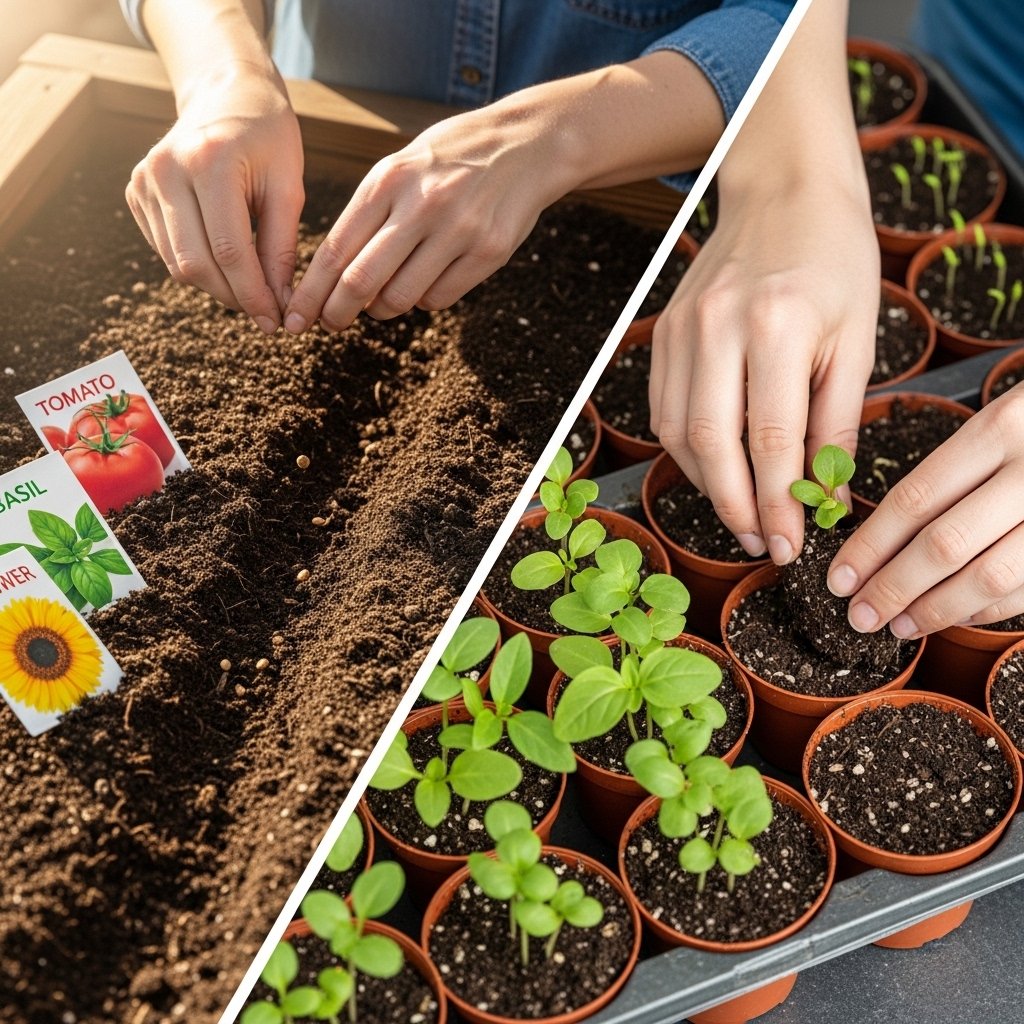
When starting a cut flower garden, you can choose between planting seeds directly or buying young seedlings. Seeds are more affordable and offer a wider variety of flower options for beginners. However, seedlings provide a head start and reduce the waiting time for blooms. Some flowers, like sunflowers and zinnias, grow well when directly sown into the soil. Understanding your climate and growing season will help you decide which method works best.
6. Understand Your Growing Zone
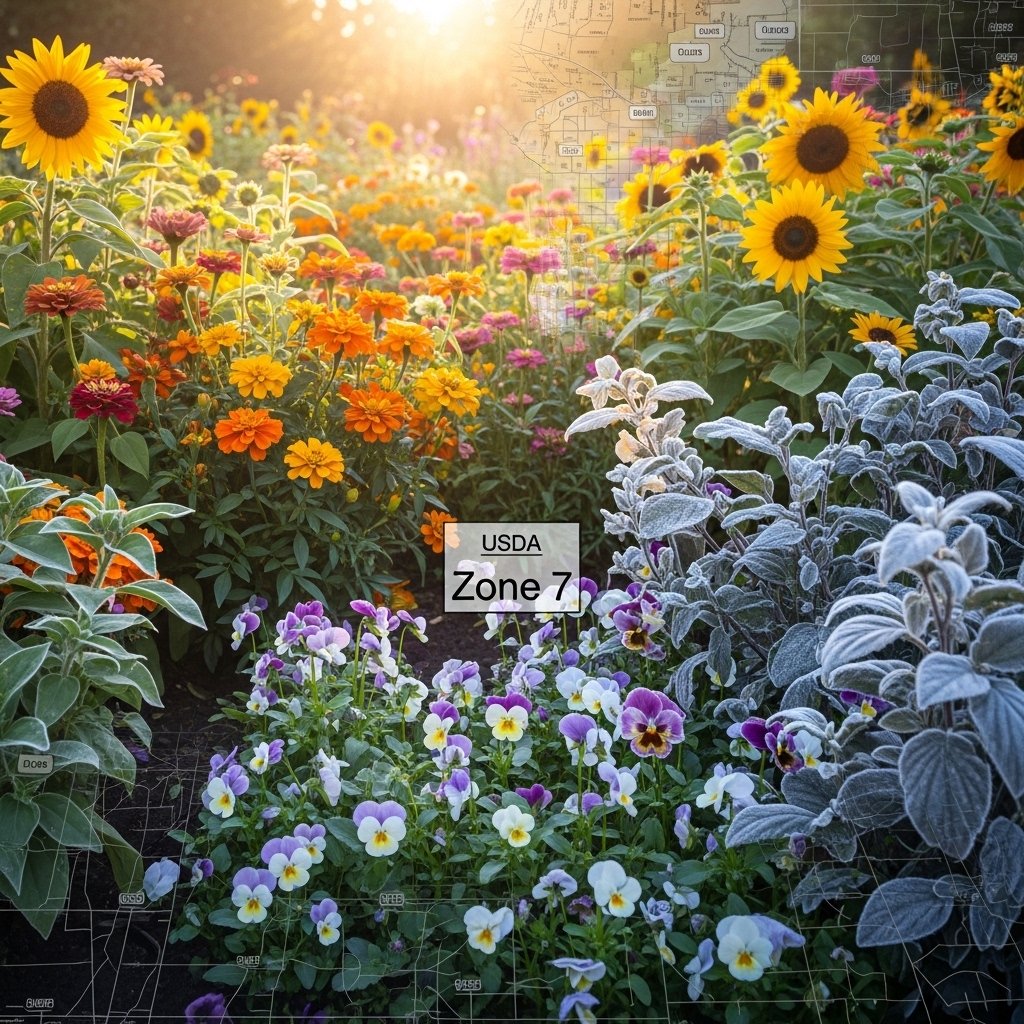
Knowing your USDA growing zone helps determine the best planting times and flower varieties. Climate plays a major role in how and when your cut flowers will bloom. Warm-season flowers should be planted after the last frost date in spring. Cool-season flowers can often be planted earlier for extended blooming periods. Understanding your local conditions ensures healthier plants and continuous harvests.
7. Practice Succession Planting
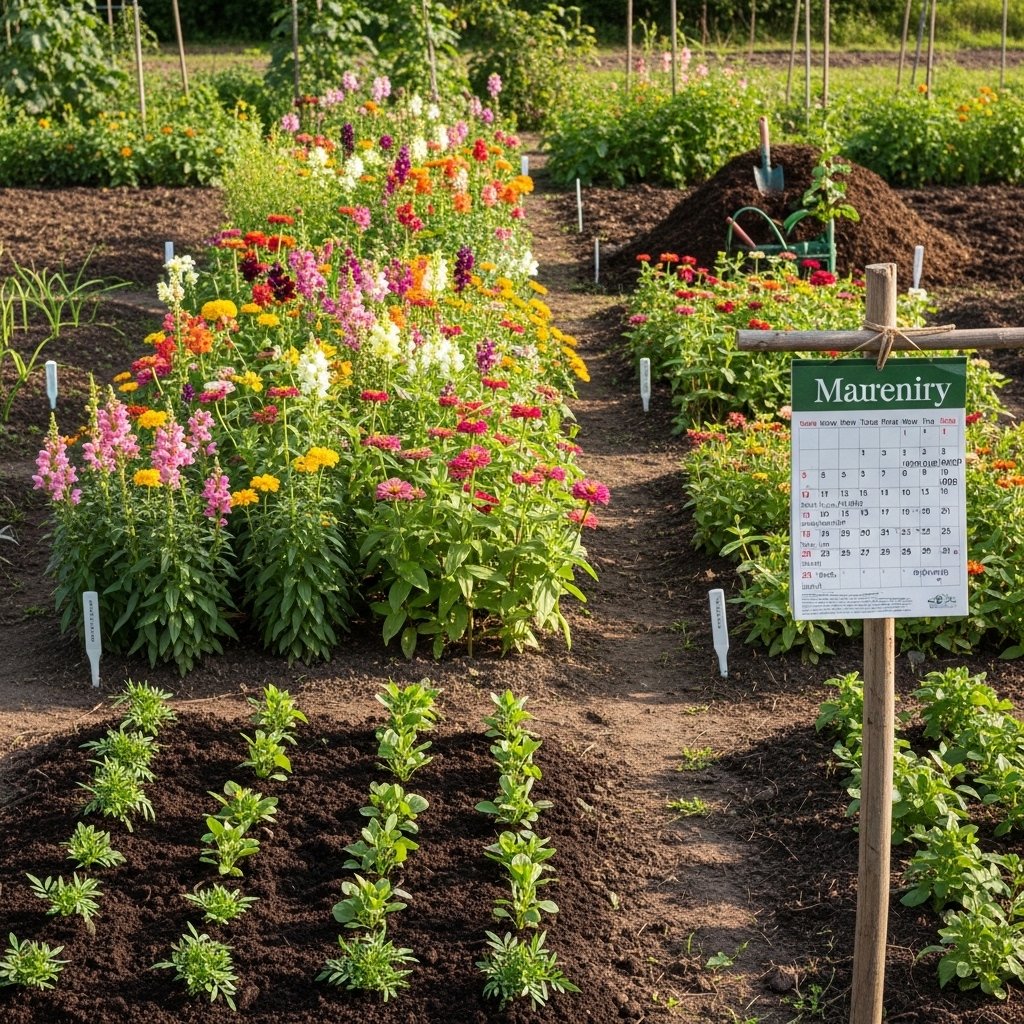
Succession planting is a key strategy when learning how to start a cut flower garden for beginners. Instead of planting all seeds at once, sow small batches every two to three weeks. This technique ensures a steady supply of fresh flowers throughout the growing season. As one batch finishes blooming, another will be ready to harvest. Succession planting keeps your garden productive and prevents gaps in flower production.
8. Water Consistently and Deeply
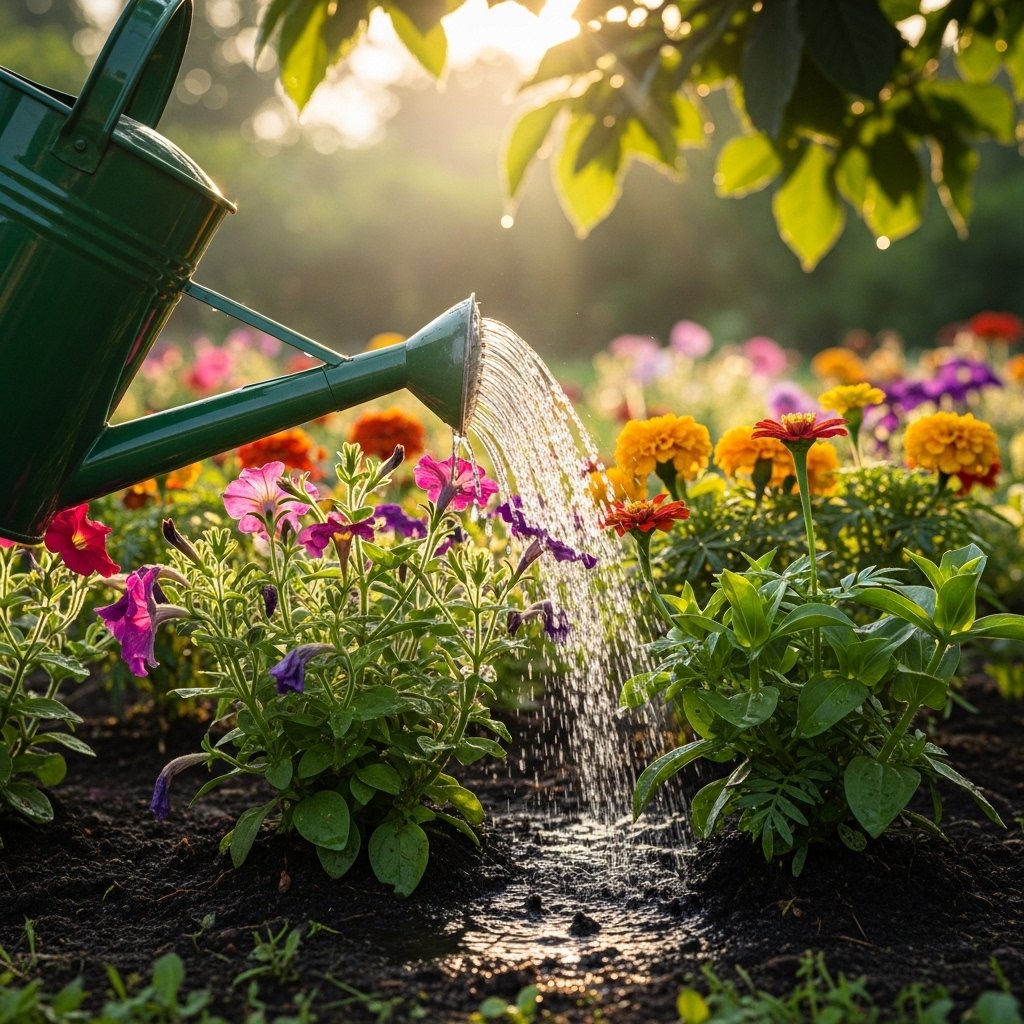
Proper watering is essential for strong stems and long-lasting cut flowers. Most flowering plants prefer deep watering once or twice a week rather than light daily watering. Consistent moisture encourages deep root development and reduces plant stress. Avoid overhead watering when possible to prevent fungal diseases on leaves and petals. A drip irrigation system or watering at the base of plants works best for healthy blooms.
9. Use Support for Tall Flowers
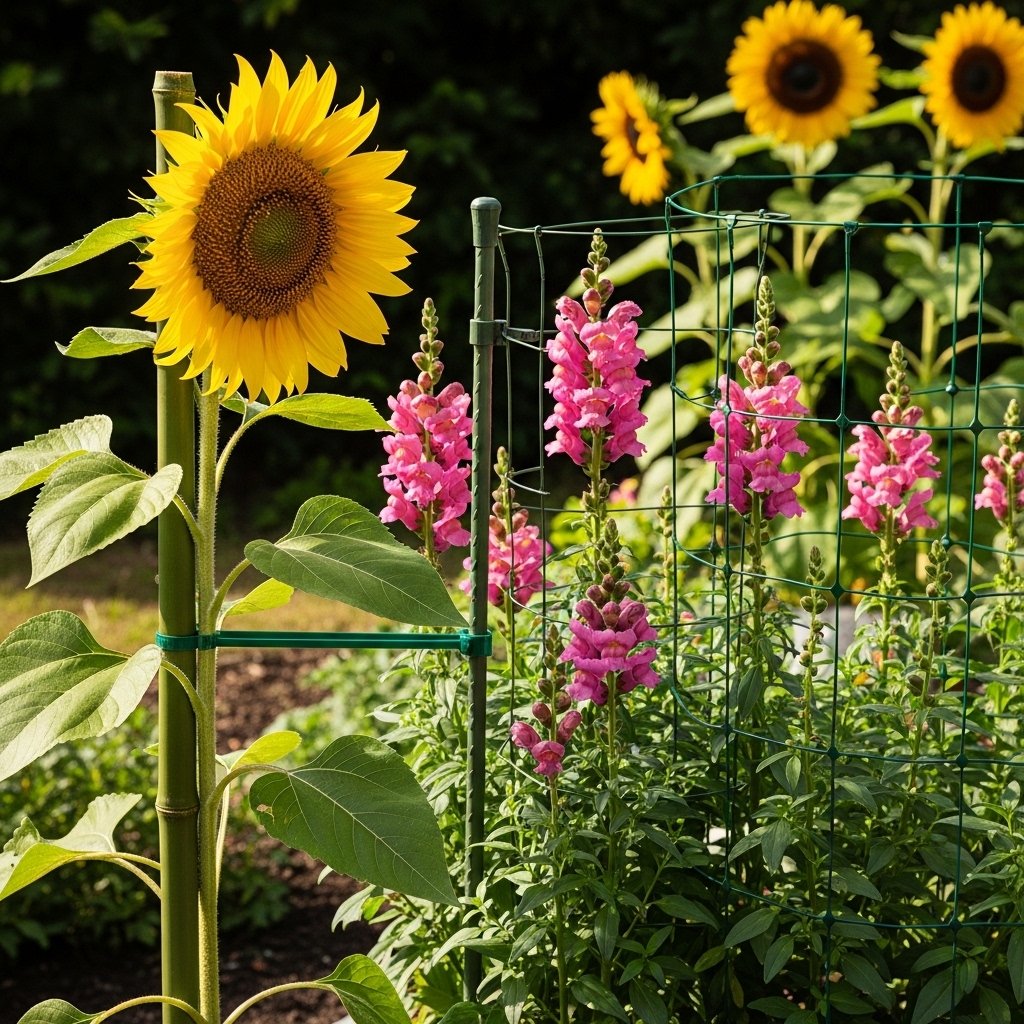
Some cut flowers grow tall and may require support to prevent bending or breaking. Sunflowers, snapdragons, and certain varieties of dahlias benefit from stakes or garden netting. Installing supports early in the growing process keeps stems straight and strong. Proper support improves flower quality and makes harvesting easier. Straight stems are especially important when arranging professional-looking bouquets.
10. Fertilize for Better Blooms
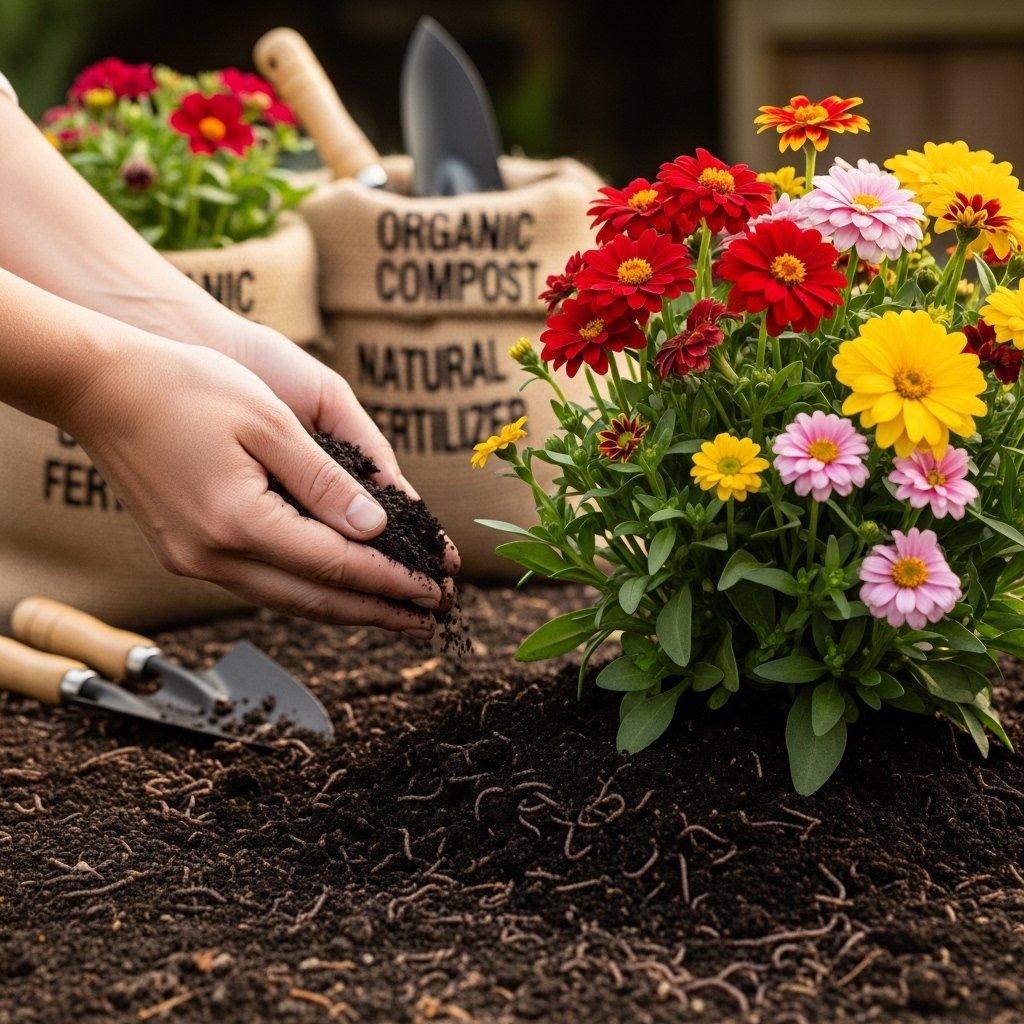
Fertilizing your cut flower garden encourages continuous flowering and strong plant growth. Use a balanced fertilizer or organic compost to provide essential nutrients. Avoid over-fertilizing, as too much nitrogen can produce excess foliage instead of flowers. Feeding your plants every few weeks during the growing season promotes larger and more vibrant blooms. Healthy plants produce longer-lasting cut flowers for arrangements.
11. Harvest Flowers Correctly
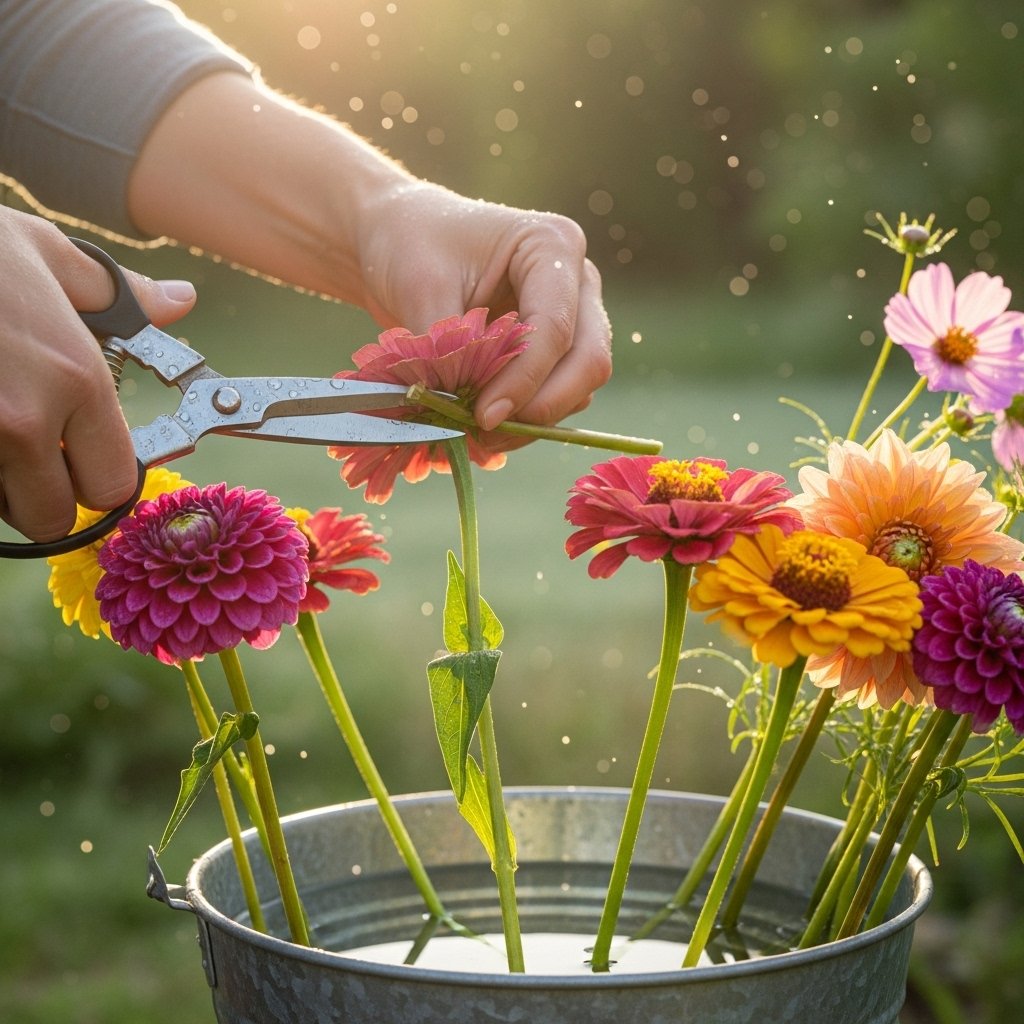
Harvesting flowers properly encourages plants to continue producing blooms. Cut flowers early in the morning when stems are fully hydrated and temperatures are cooler. Use sharp, clean shears to prevent damage and disease transmission. Cut stems at an angle and immediately place them in water to maintain freshness. Regular harvesting actually stimulates many varieties to produce more flowers.
12. Maintain and Deadhead Regularly
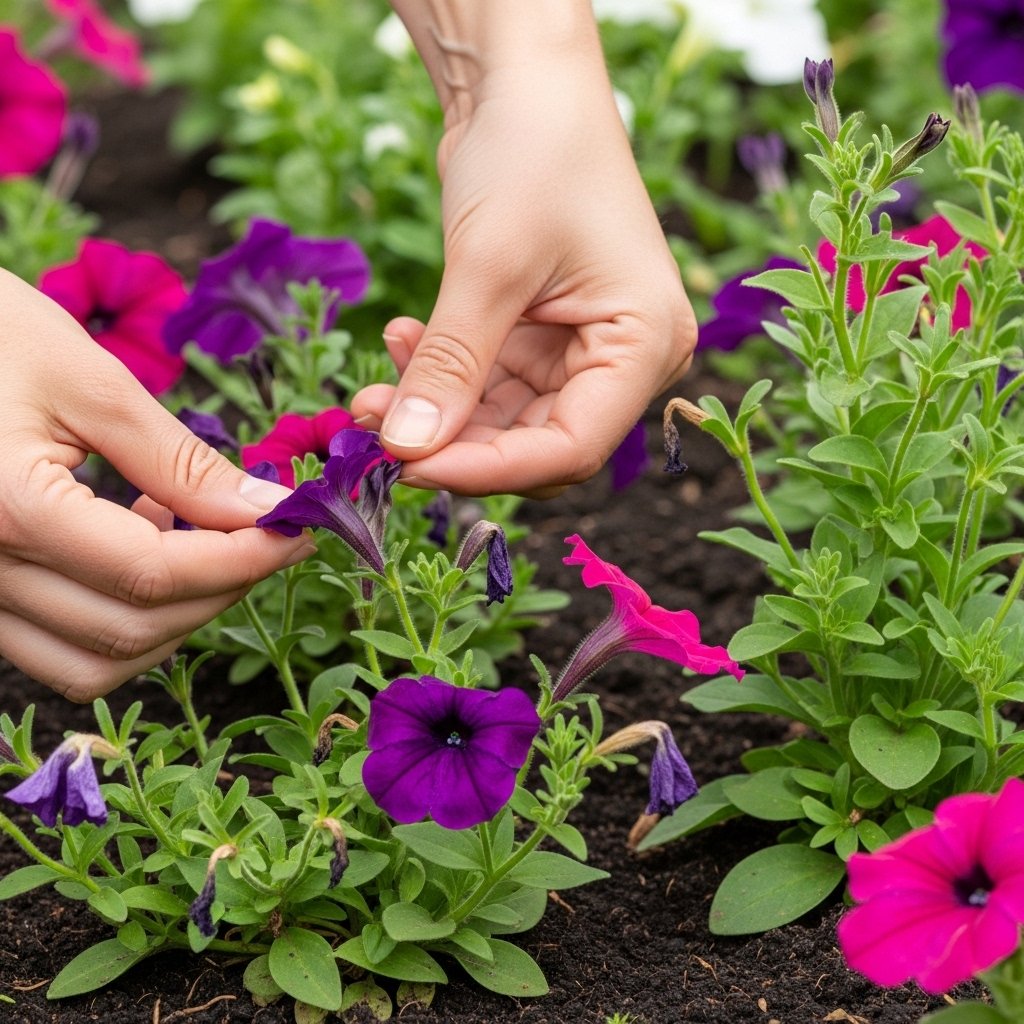
Ongoing maintenance keeps your beginner cut flower garden thriving all season. Remove faded blooms through deadheading to encourage new flower production. Keep weeds under control so they do not compete for nutrients and sunlight. Monitor plants for pests or diseases and address issues early. Consistent care ensures your garden remains productive and beautiful from spring through fall.
13. How to Care for a Beginner Cut Flower Garden
- Water Properly – Water your flowers deeply 2–3 times a week, especially in hot weather. Make sure the soil stays moist but not too wet.
- Give Enough Sunlight – Most cut flowers need 6–8 hours of direct sunlight daily to grow strong and healthy.
- Use Good Soil & Fertilizer – Plant flowers in well-drained, rich soil and add fertilizer every few weeks to support healthy blooms.
- Remove Dead Flowers – Cut off faded or dead blooms regularly. This helps the plant produce more fresh flowers.
- Control Weeds & Pests – Remove weeds often and check leaves for insects. Use natural pest control if needed to protect your plants.
13.1. FAQ
13.2. How to start a cut flower garden for beginners❓
Starting a cut flower garden for beginners begins with choosing a sunny location that receives at least six to eight hours of direct sunlight daily. Good soil preparation is very important, so loosen the soil and mix in compost to improve fertility and drainage. Beginners should start small with a manageable space and select easy-to-grow flowers to build confidence and experience.
13.3. Which flowers are best for beginner cut flower gardens❓
Some of the best flowers for beginners include zinnias, sunflowers, marigolds, cosmos, and snapdragons because they are easy to grow and produce many blooms. These flowers grow quickly and require simple care, making them perfect for first-time gardeners. Choosing a mix of colors and bloom times will help ensure a continuous supply of fresh flowers.
13.4. How do you prepare soil for a cut flower garden❓
Preparing the soil involves removing weeds, loosening the ground, and adding organic matter such as compost or well-rotted manure. Healthy soil provides essential nutrients that help flowers grow strong and produce vibrant blooms. It is also helpful to check that the soil drains well, as most cut flowers do not grow properly in waterlogged conditions.
14. Final Thoughts
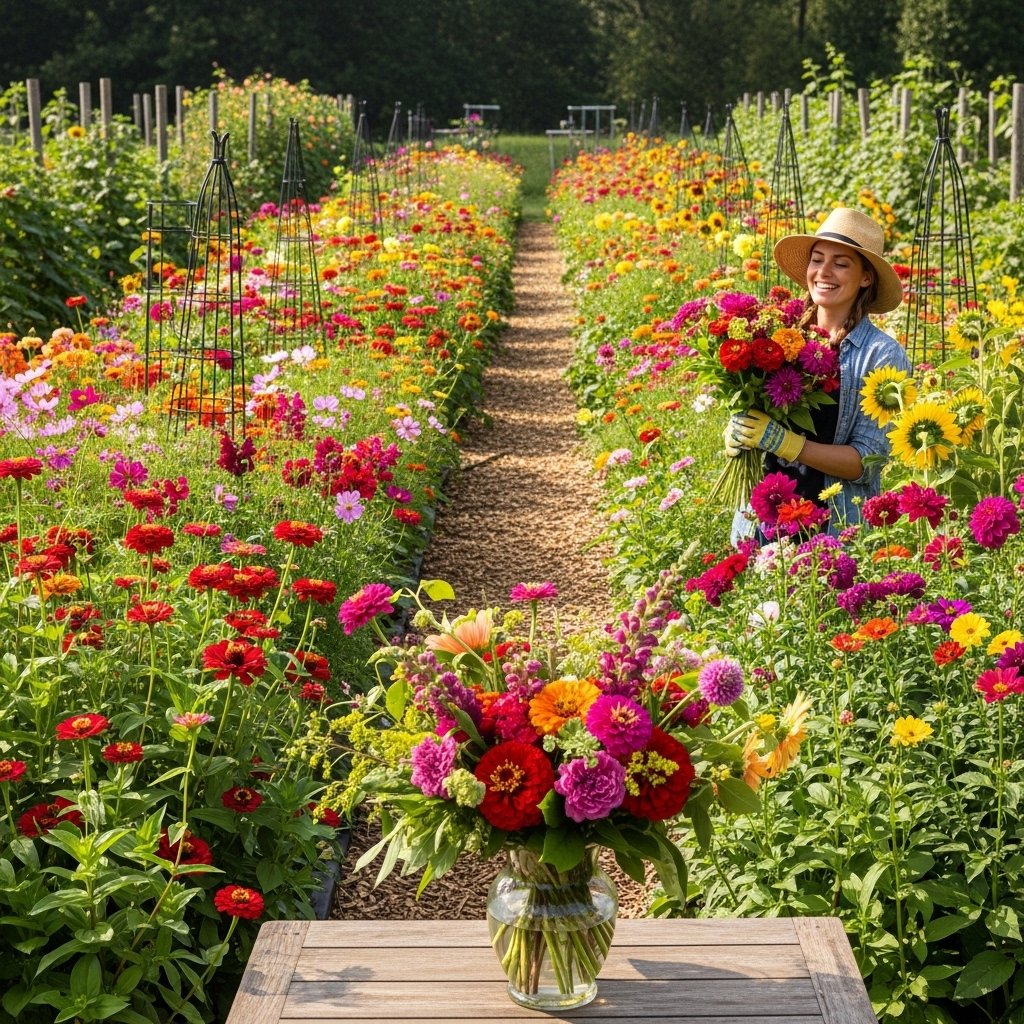
Starting a cut flower garden for beginners is easier than it may seem when you follow the right steps. By choosing a sunny location, preparing healthy soil, selecting easy-to-grow flowers, and practicing consistent care, you can enjoy fresh bouquets straight from your backyard. Thoughtful planning and regular harvesting will keep your garden blooming continuously throughout the season. With patience and attention, even new gardeners can grow vibrant, long-stemmed flowers successfully. A cut flower garden not only beautifies your space but also brings joy through every bouquet you create.