Indoor Plants Propagation: A Complete Guide to Growing More Plants at Home
Blog > Home > Indoor Plants & Home Decor > Indoor Plants Propagation: A Complete Guide to Growing More Plants at Home
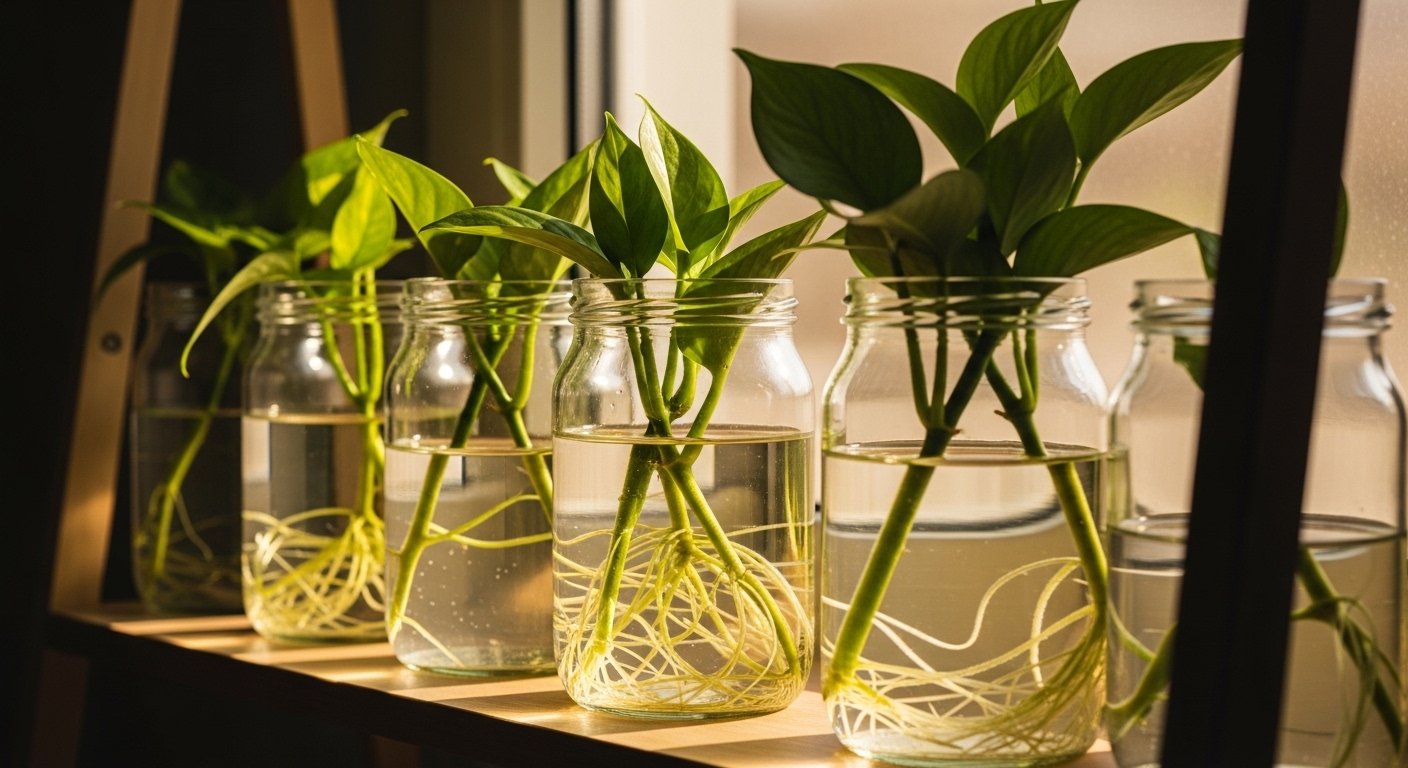
Indoor plants propagation is one of the most rewarding and cost-effective ways to expand your plant collection. It allows you to grow new plants from existing ones using simple techniques like cuttings, division, or leaf propagation. Not only does this save money, but it also helps you preserve your favorite plants for years. Many indoor plant lovers enjoy propagation because it feels like creating new life from a small piece of nature. In this guide, you will learn 12 practical and easy indoor plants propagation methods that you can try at home successfully.
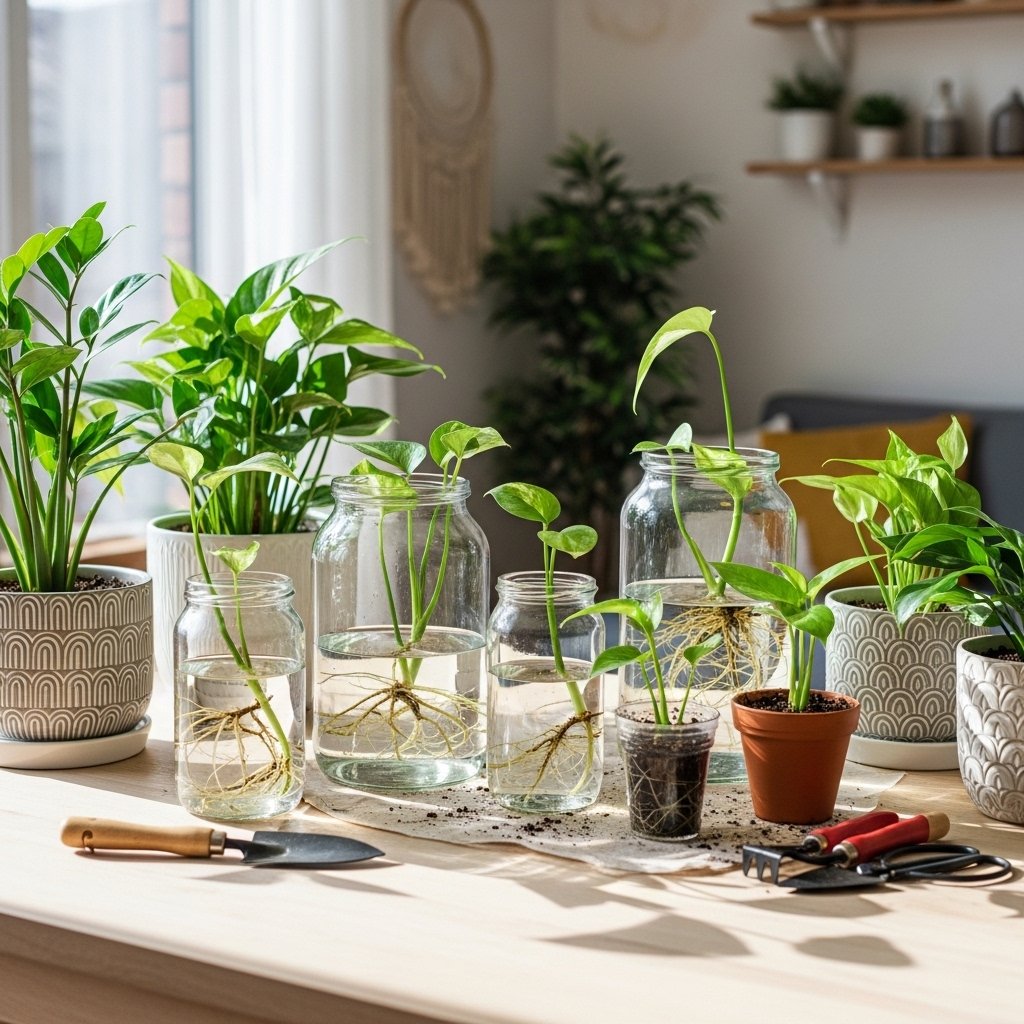
Table Of Content
1. Stem Cutting Propagation Method
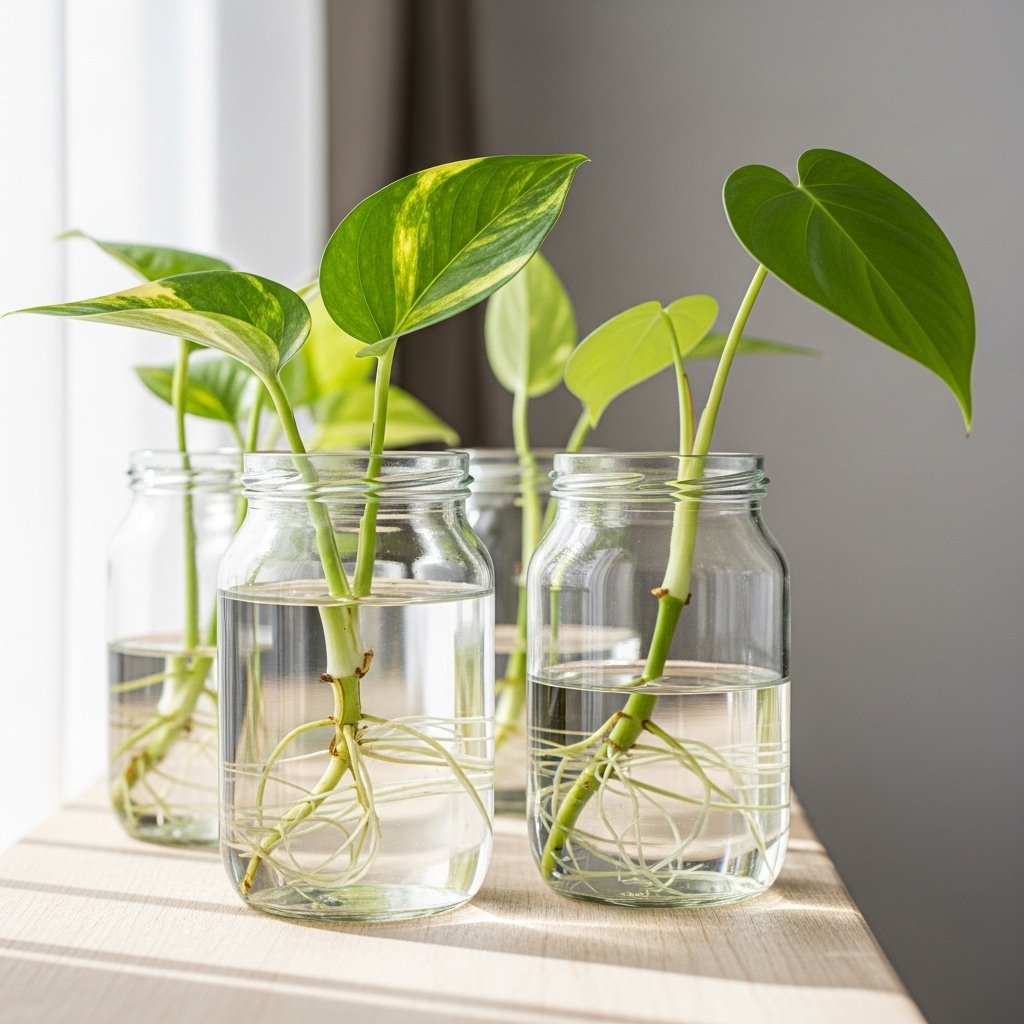
Stem cutting is one of the most common indoor plants propagation techniques. It involves cutting a healthy stem from a parent plant and placing it in water or soil to grow roots. Plants like pothos, philodendron, and money plant respond very well to this method. Make sure to cut just below a node, as this is where roots form easily. Keep the cutting in a warm, bright spot for the best results.
2. Water Propagation Technique
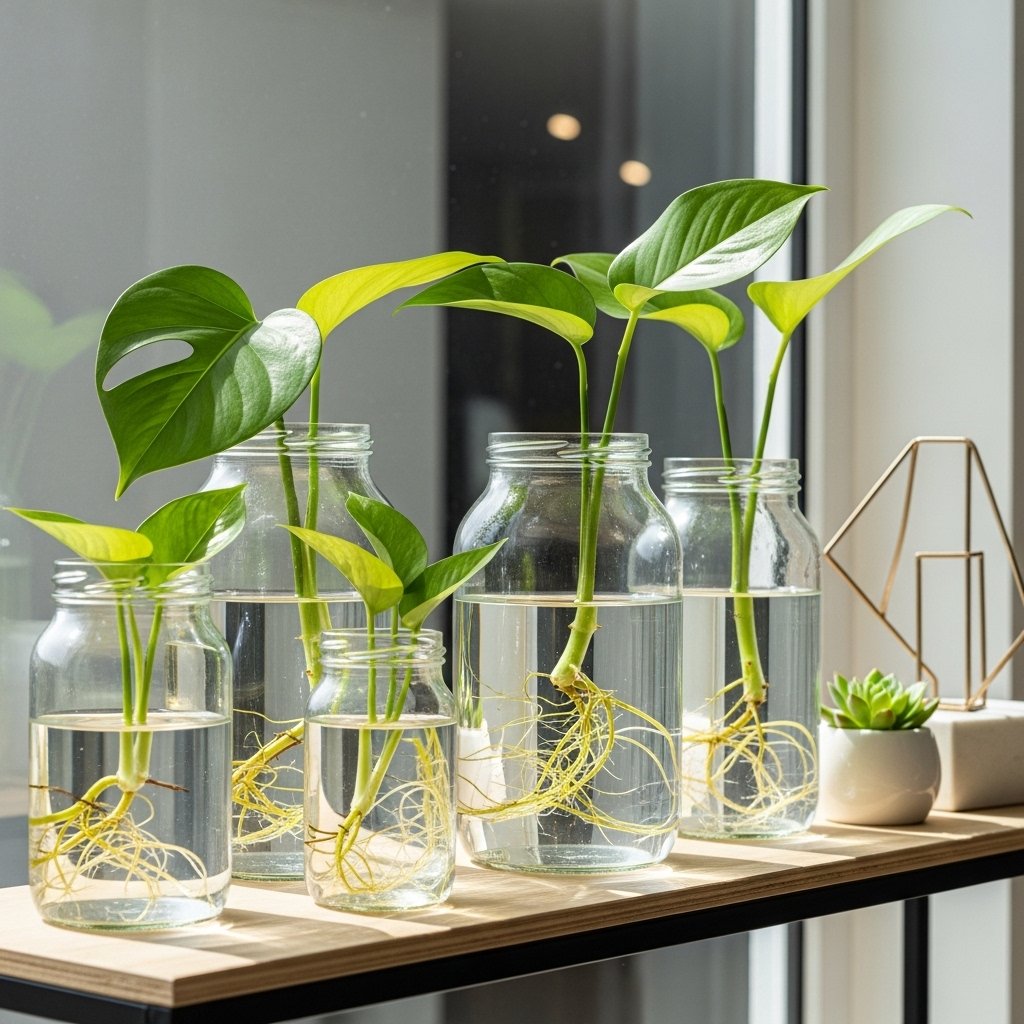
Water propagation is a beginner-friendly method where plant cuttings are placed in a glass of water. This method allows you to visibly watch root development, making it very satisfying. Change the water every few days to prevent bacteria growth and ensure healthy roots. Plants like monstera, ivy, and pothos thrive in water propagation. Once roots grow strong, you can transfer the plant to soil.
3. Soil Propagation Method
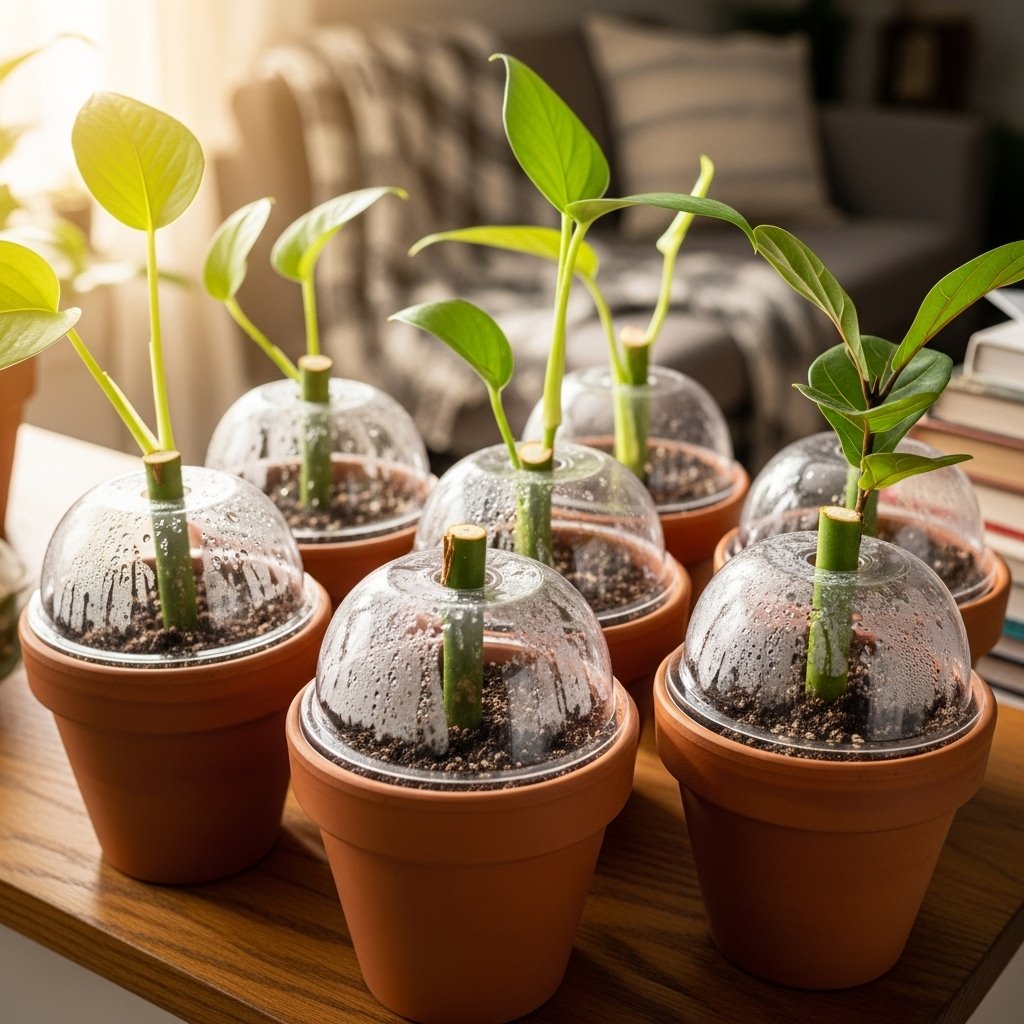
Soil propagation involves planting cuttings directly into moist soil instead of water. This method reduces transplant shock since the plant grows roots directly in its final medium. Use well-draining soil to avoid root rot and maintain proper moisture levels. Covering the pot with a plastic bag can help maintain humidity. This method works well for snake plants and rubber plants.
4. Leaf Cutting Propagation
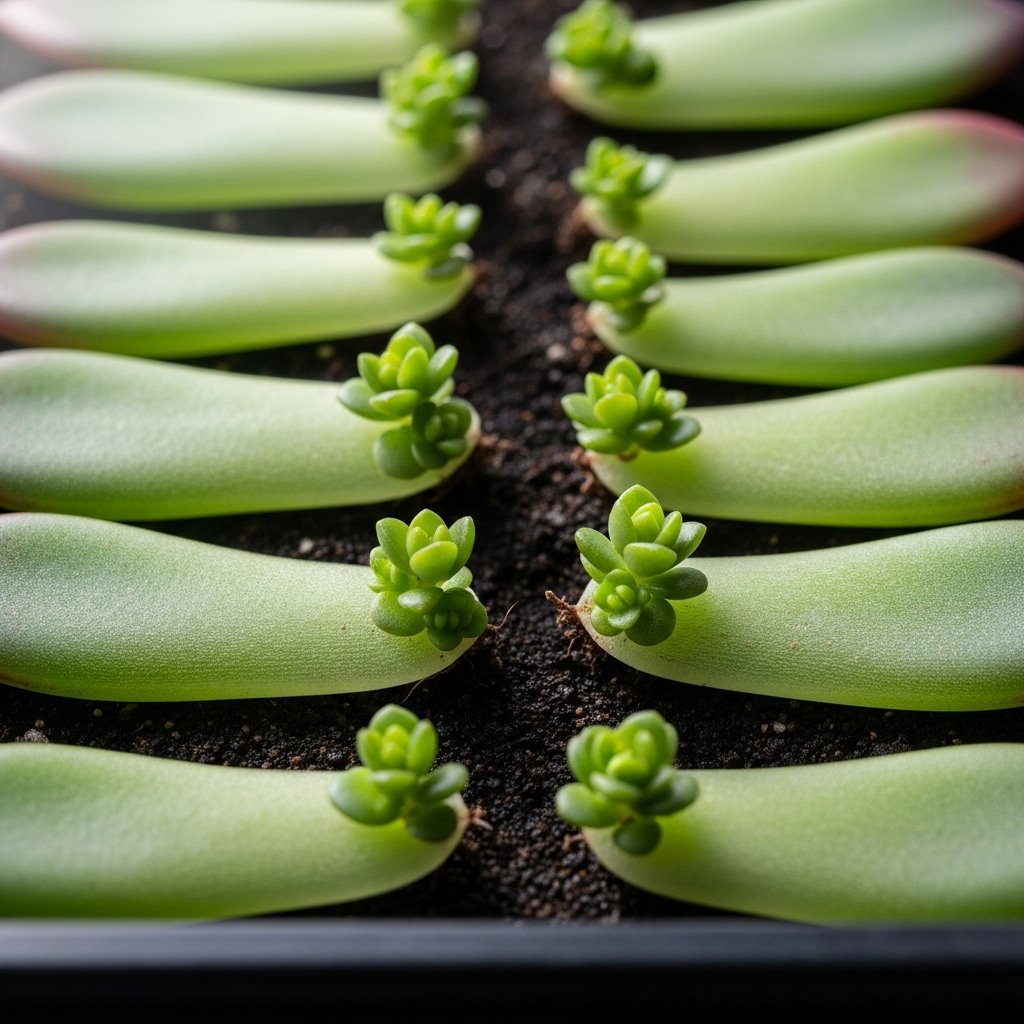
Leaf cutting propagation is used for plants that can grow new plants from a single leaf. Succulents, jade plants, and African violets are great examples. Simply cut a healthy leaf and place it on soil or lightly insert it into the surface. Over time, small roots and baby plants will form. Patience is key, as this method can take longer than others.
5. Division Propagation Method
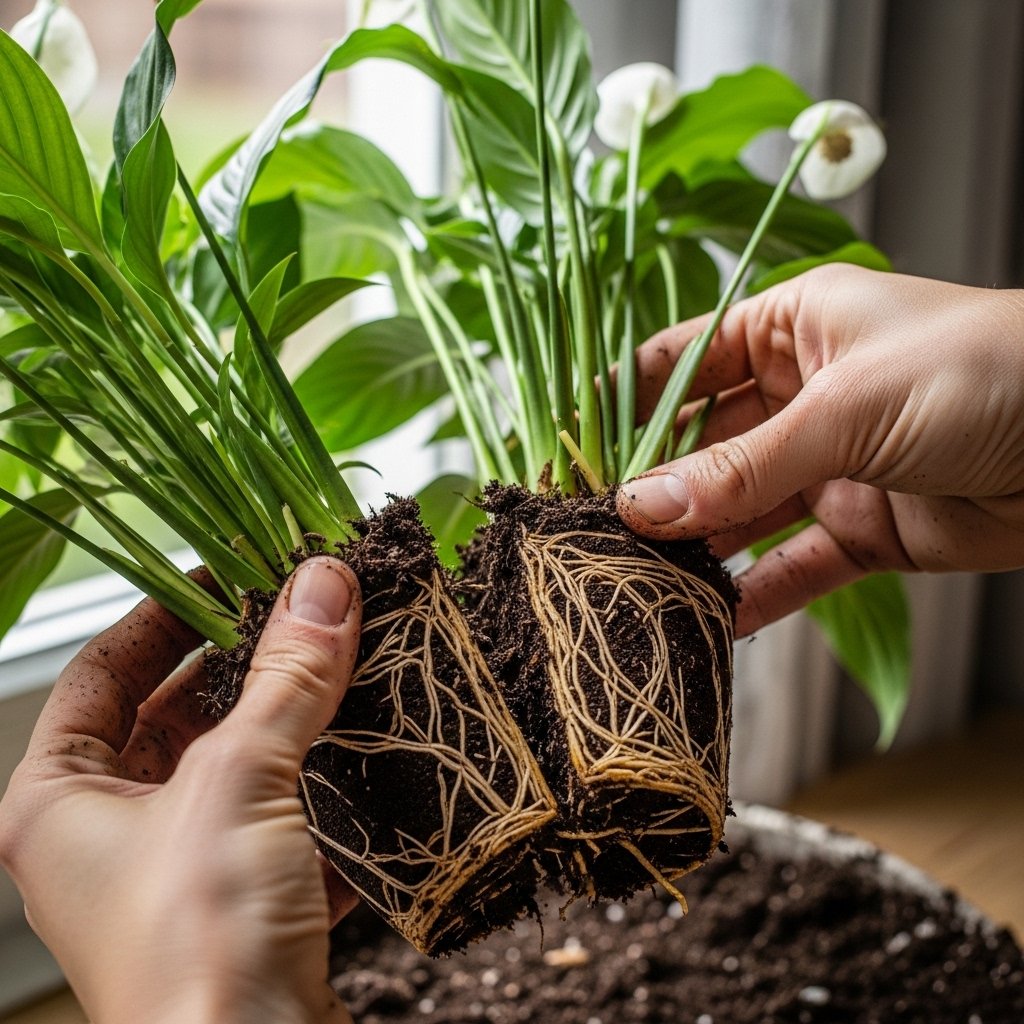
Division is a simple way to propagate plants that grow in clumps. You gently separate the root system into multiple sections and replant them individually. This method is commonly used for peace lilies, ferns, and snake plants. It is best done during repotting to reduce stress on the plant. Each divided section should have healthy roots and leaves for successful growth.
6. Air Layering Technique
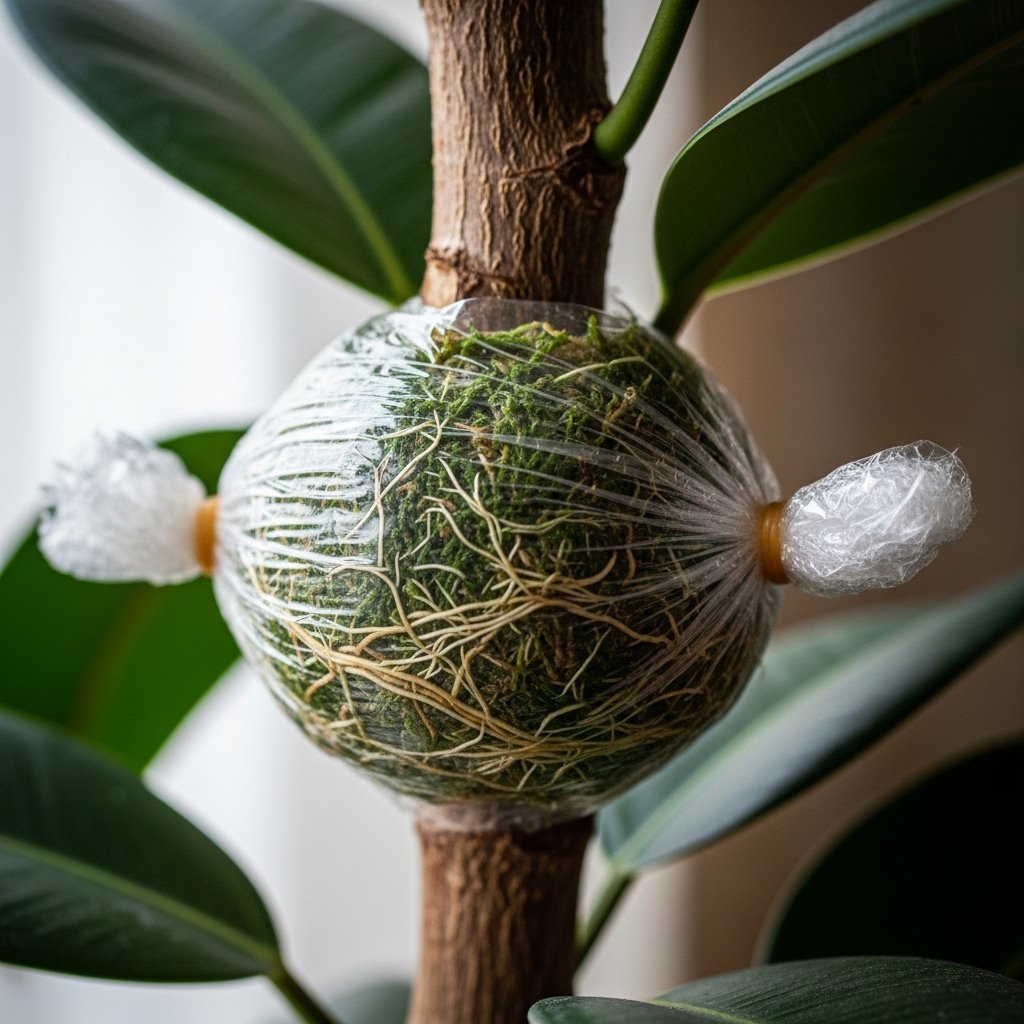
Air layering is a more advanced propagation method used for woody indoor plants. A section of the stem is wrapped with moist moss until roots develop. Once roots are visible, the stem is cut and planted separately. This method ensures a higher success rate for plants like ficus and dracaena. It is ideal for larger plants that are difficult to propagate through cuttings.
7. Node Propagation Method
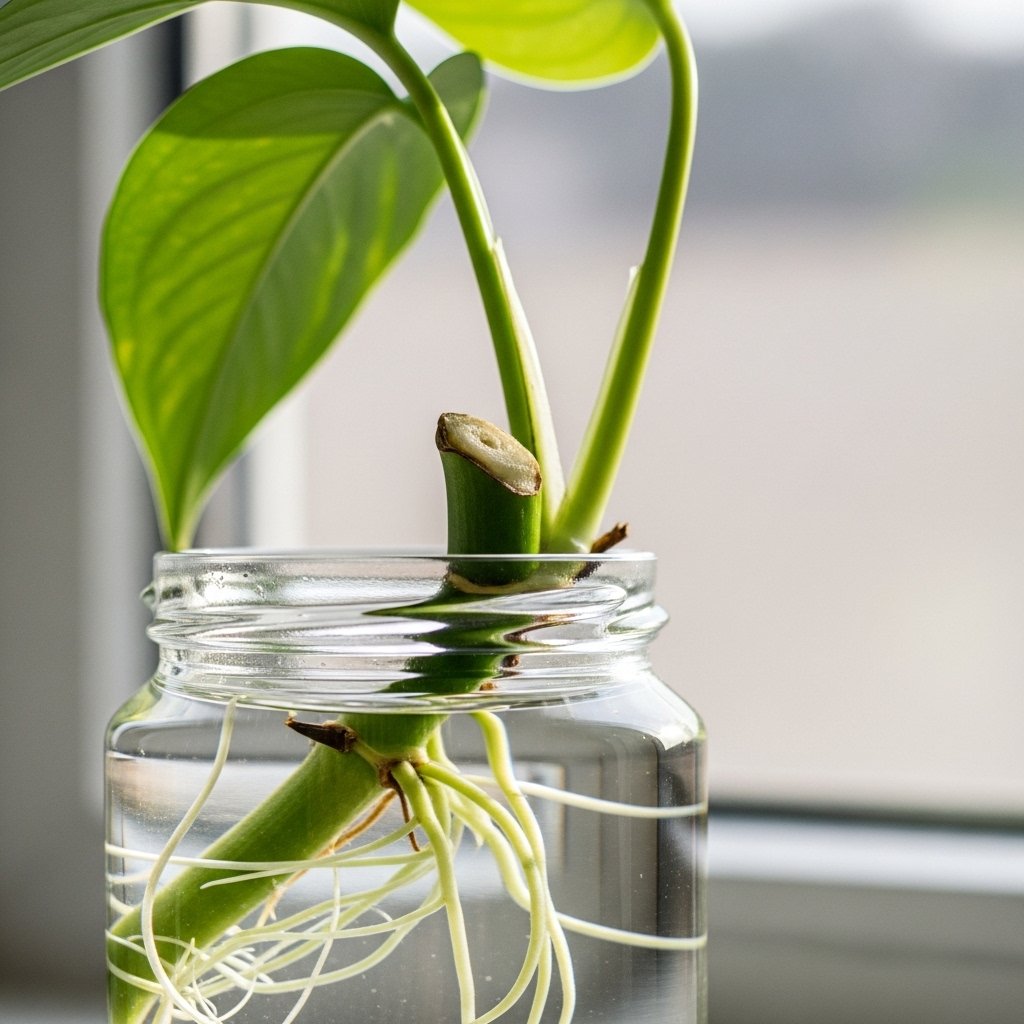
Node propagation focuses on cutting just below the node where leaves and roots grow. This method is essential for plants like monstera and pothos. The node is placed in water or soil to encourage root growth. Keeping at least one leaf on the cutting helps speed up the process. Proper light and humidity significantly improve success rates.
8. Offset Propagation Technique
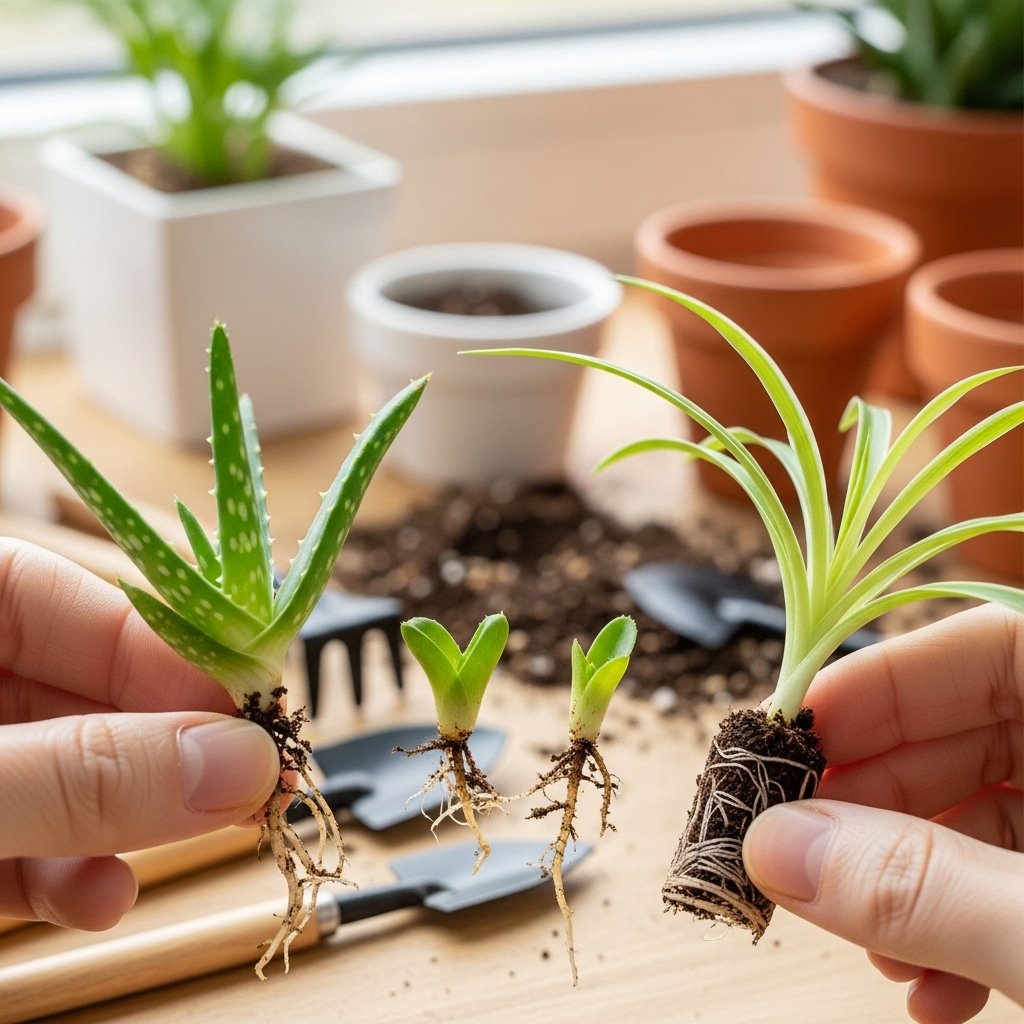
Offset propagation involves separating small baby plants (offsets) that grow near the parent plant. These offsets already have their own root system, making them easy to grow independently. Aloe vera and spider plants commonly produce offsets. Gently remove the offset and plant it in a separate pot. Water lightly until the plant establishes itself.
9. Rhizome Division Propagation
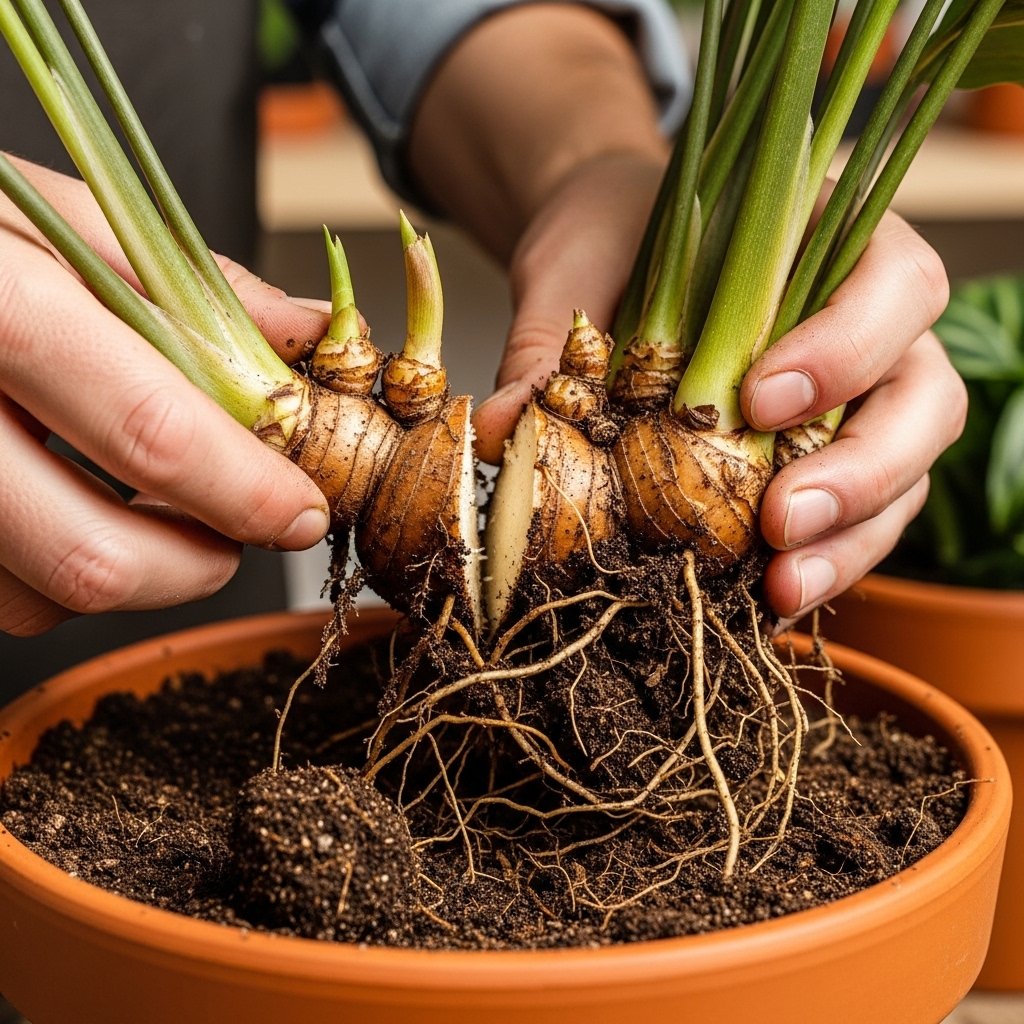
Rhizome division is used for plants that grow underground stems called rhizomes. When repotting, the rhizomes are carefully divided into sections. Each section should contain both roots and shoots. Plants like calatheas and ginger plants grow well using this method. It is a reliable way to create multiple healthy plants from one parent.
10. Cutting in Perlite or Cocopeat
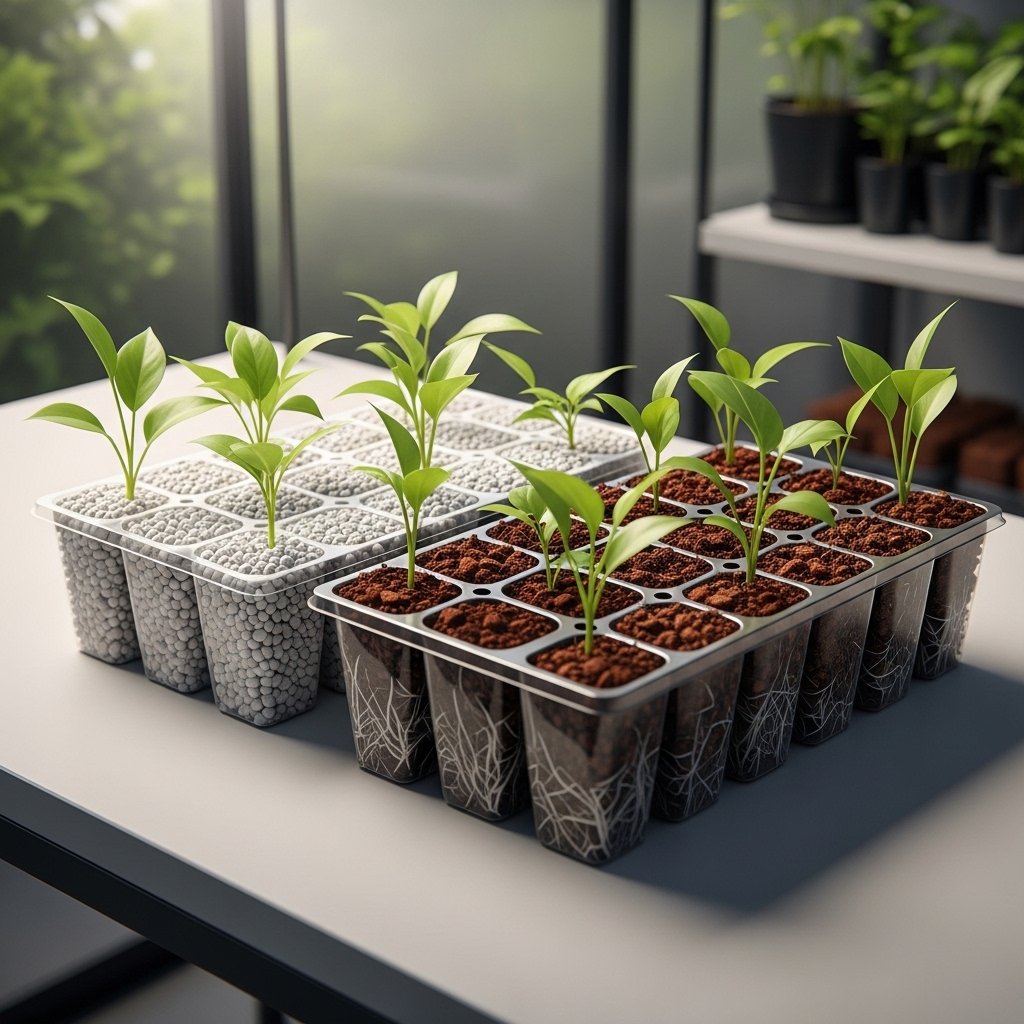
Using perlite or cocopeat for propagation improves aeration and moisture control. Cuttings are placed in these mediums instead of soil or water. This helps reduce the risk of rot while encouraging strong root development. It is especially effective for sensitive plants that do not root easily in water. Keep the medium slightly moist for best results.
11. Hormone-Assisted Propagation
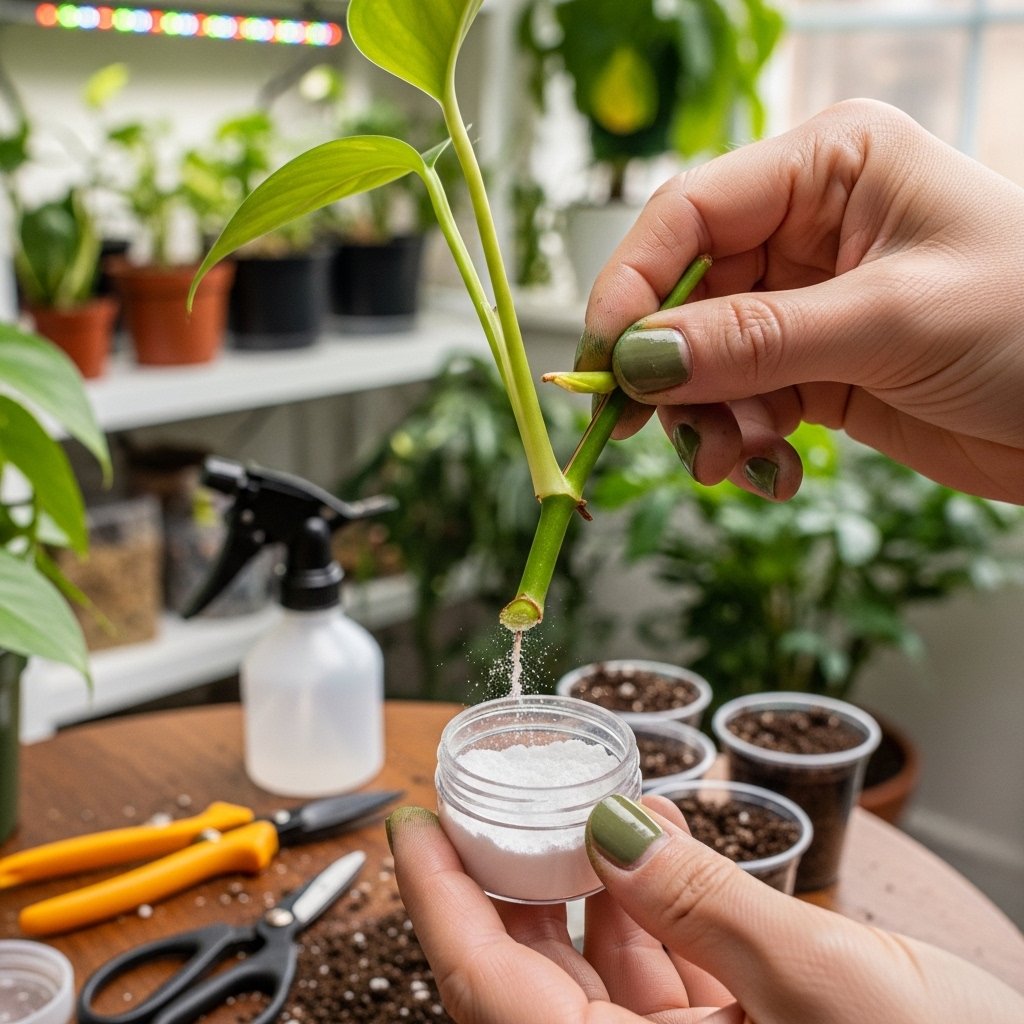
Rooting hormones can significantly boost propagation success rates. These powders or gels stimulate faster root growth in cuttings. Dip the cutting end into rooting hormone before planting it in soil or water. This method is helpful for difficult-to-propagate plants like fiddle leaf figs. It increases the chances of strong and healthy root formation.
12. Seasonal Propagation Timing
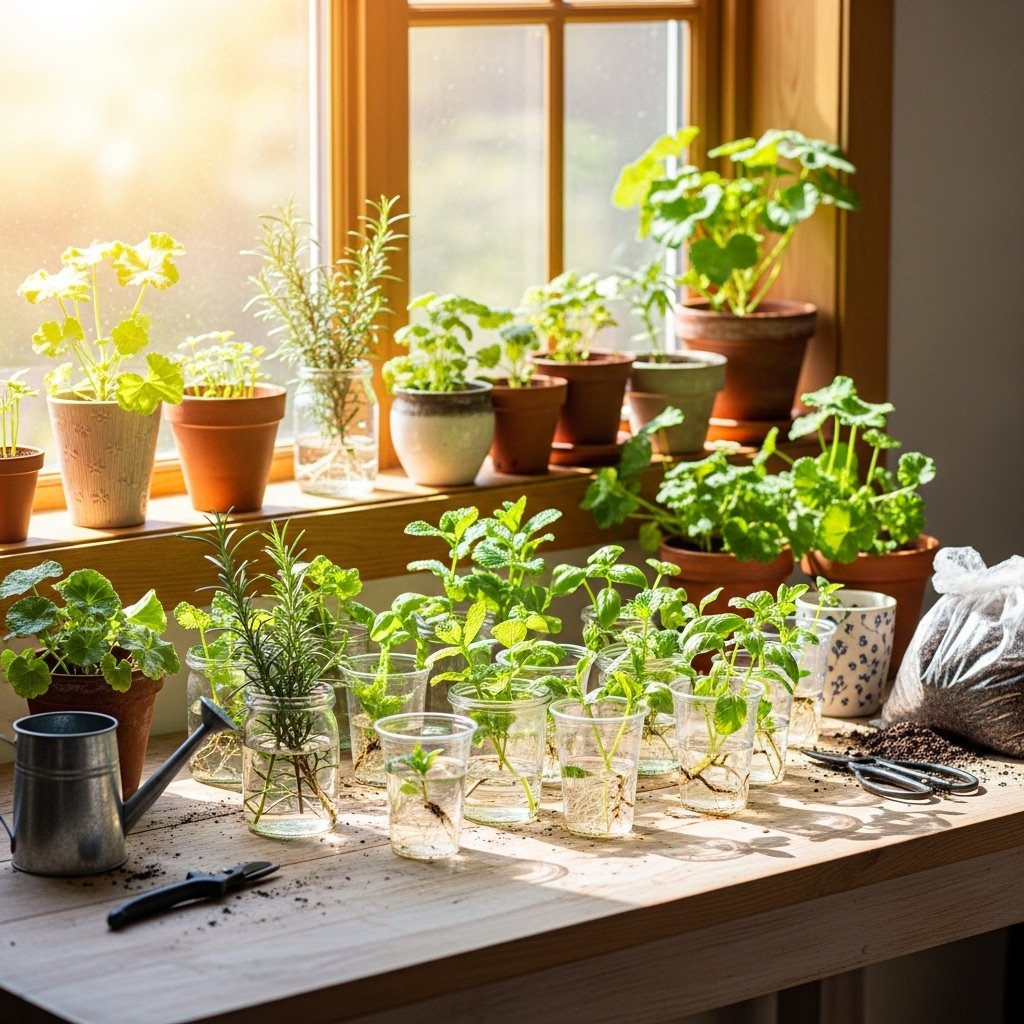
Timing plays an important role in indoor plants propagation success. The best season for most propagation methods is spring and early summer. During this time, plants are actively growing, which improves root development. Avoid propagating in winter when plant growth slows down. Proper timing ensures faster and healthier plant growth.
13. How to Care for Indoor Plant Propagation
- Use Clean Tools – Always use clean scissors or tools to avoid infection in cuttings.
- Choose Healthy Cuttings – Select strong, healthy stems for better growth success.
- Provide Proper Water – Keep cuttings in clean water or slightly moist soil, depending on method.
- Give Indirect Light – Place them in bright but indirect sunlight for safe growth.
- Be Patient & Monitor – Check regularly for root growth and change water or soil when needed.
13.1. FAQ
13.2. What is indoor plant propagation❓
Indoor plant propagation is the process of growing new plants from an existing parent plant. It is a simple gardening technique where parts like stems, leaves, or roots are used to create new plants. This method helps you multiply your indoor plants without buying new ones and is very useful for home gardening.
13.3. How can I propagate indoor plants at home❓
You can propagate indoor plants at home by using methods like stem cuttings, leaf cuttings, or water propagation. First, you cut a healthy part of the plant, place it in water or soil, and wait for roots to grow. With proper care like light, moisture, and patience, the cutting slowly turns into a new plant.
13.4. Why is indoor plant propagation useful❓
Indoor plant propagation is useful because it allows you to grow more plants for free. It helps you expand your indoor garden without spending money. It is also a relaxing activity that improves your connection with nature and makes your home greener and more beautiful.
14. Final Thoughts
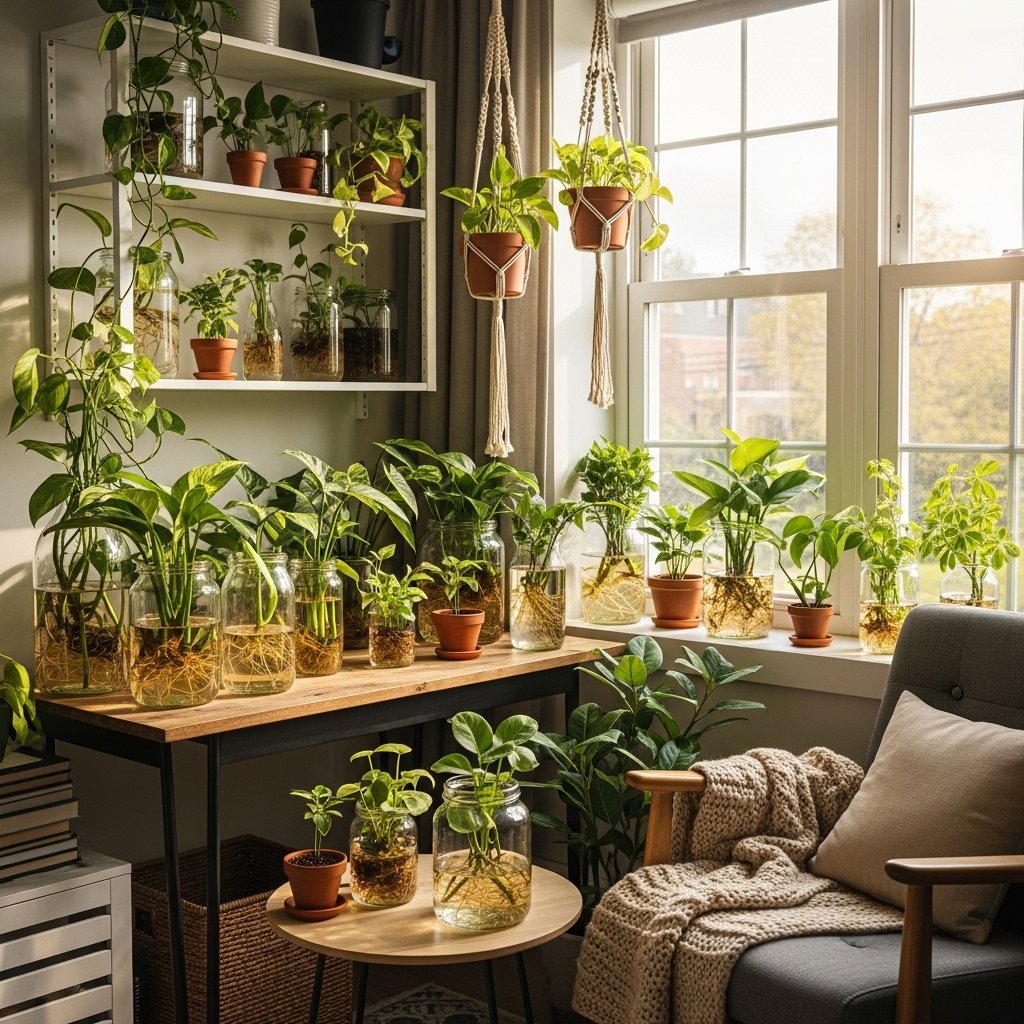
Indoor plants propagation is a simple yet powerful way to multiply your favorite plants and create a greener home environment. With the right techniques, even beginners can successfully grow new plants from cuttings, leaves, or divisions. Each method offers unique advantages depending on the plant type and your experience level. The key is patience, proper care, and understanding the needs of each plant. By trying these 12 propagation ideas, you can build a thriving indoor garden while enjoying the satisfying process of growing life from your existing plants.