Raised Bed Cut Flower Garden Layout: Ideas for a Colorful & Productive Garden
Blog > Home > cut flower garden > Raised Bed Cut Flower Garden Layout: Ideas for a Colorful & Productive Garden
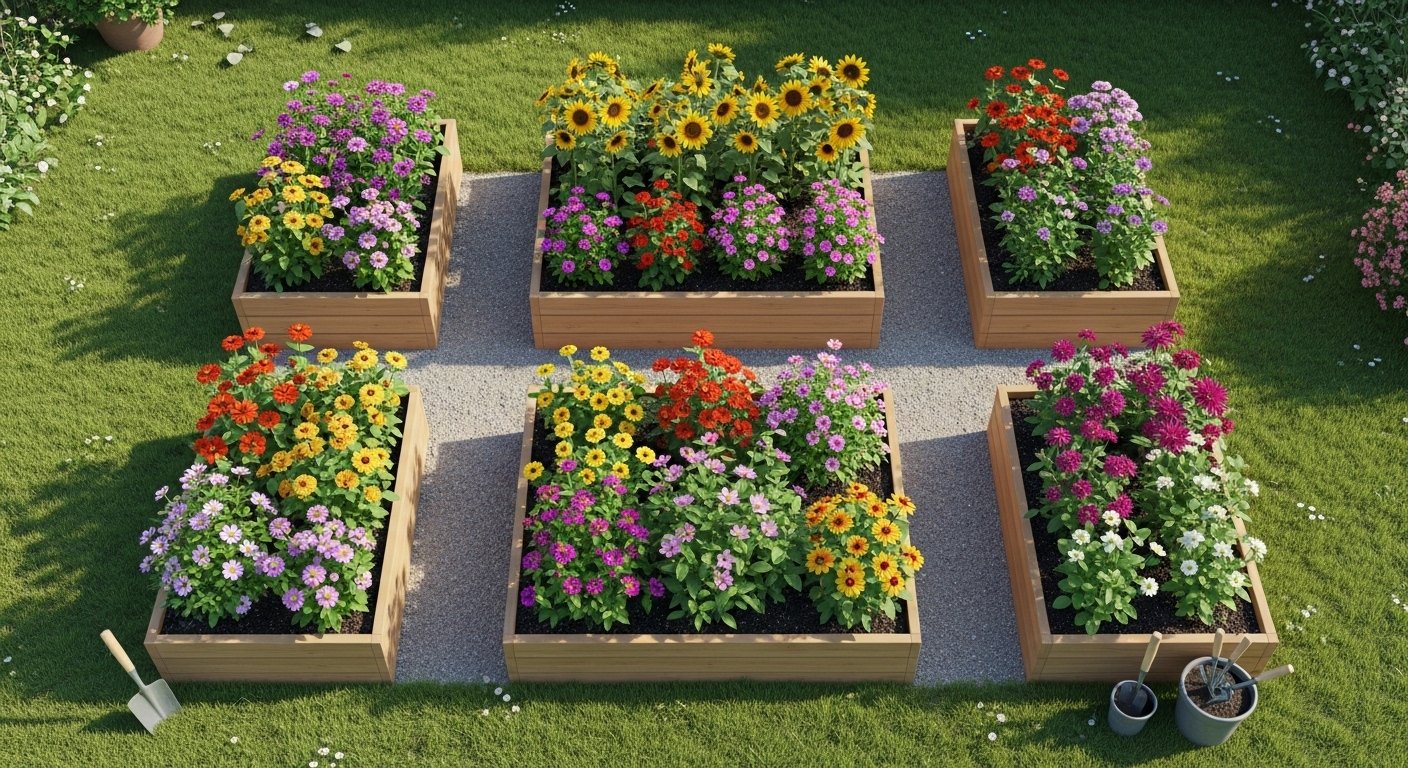
A raised bed cut flower garden layout is a practical and visually appealing way to grow beautiful blooms for bouquets, home décor, or gifts. Raised beds improve soil drainage, reduce weeds, and make garden maintenance easier, especially for flower enthusiasts. With proper planning, you can maximize space, create stunning color combinations, and ensure continuous blooms throughout the growing season. Designing your layout thoughtfully also makes harvesting simpler, as flowers are more accessible and easier to manage. In this guide, we explore twelve creative ideas for planning a raised bed cut flower garden layout that’s both productive and visually striking.
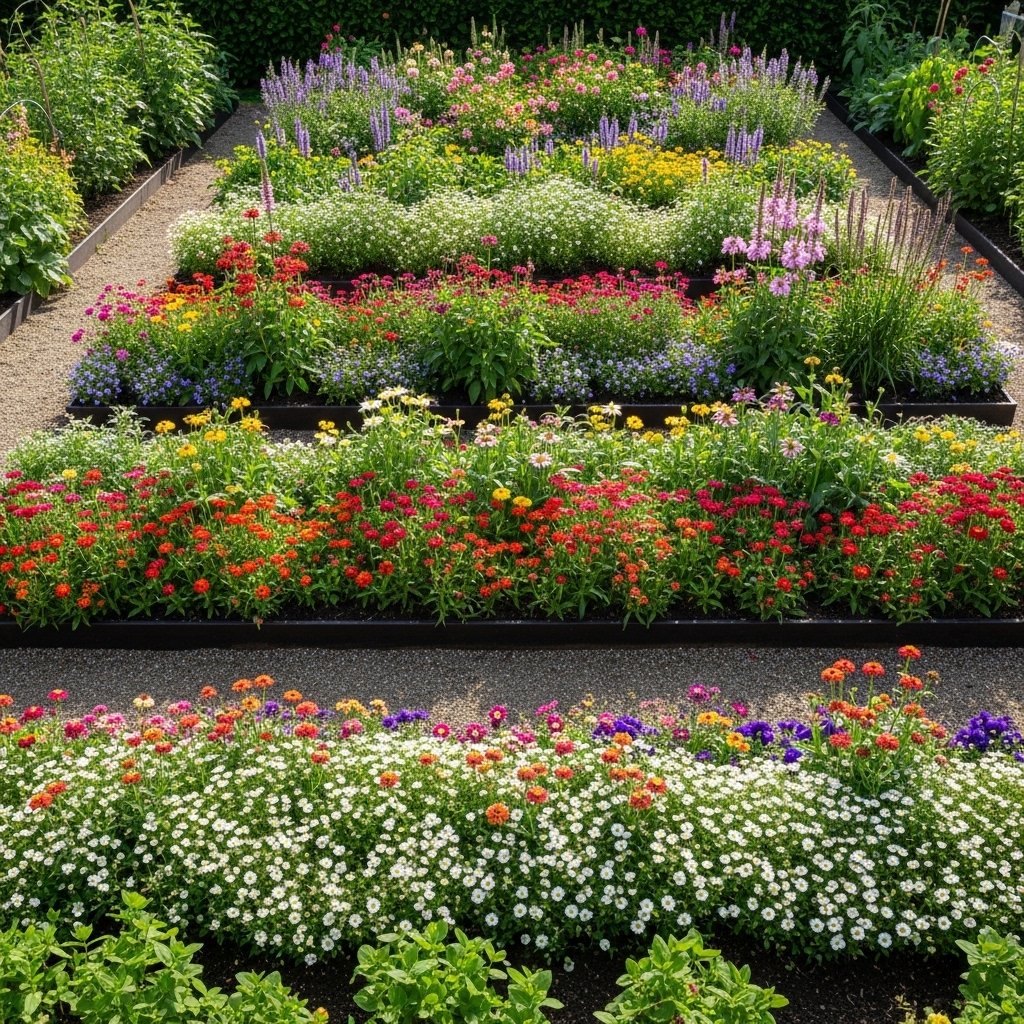
Table Of Content
1. Straight Row Layout
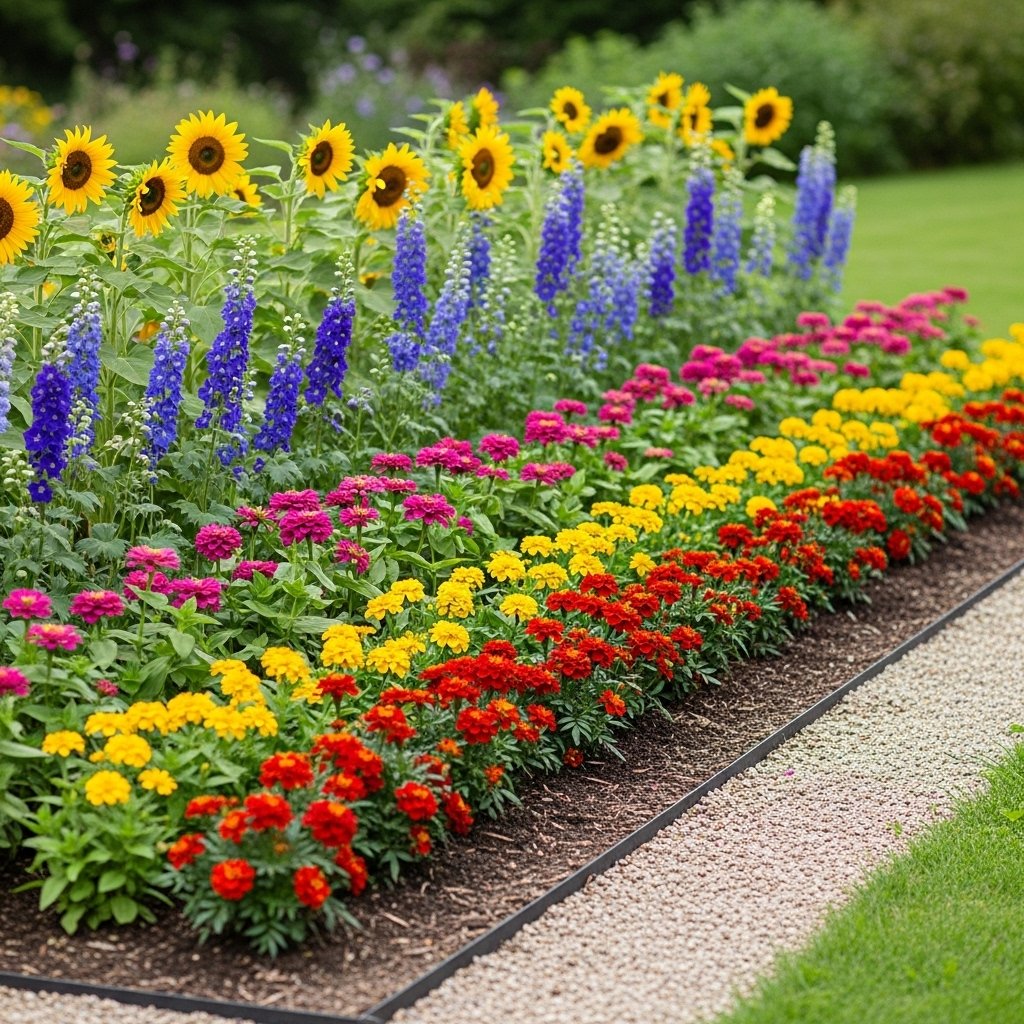
The straight row layout is a classic design that works well for beginners. Planting flowers in parallel rows within a raised bed makes watering, fertilizing, and harvesting more organized. Tall flowers like sunflowers or delphiniums can go in the back row, while shorter blooms like marigolds or zinnias are in front. This layout provides a neat and tidy appearance while allowing easy access to each plant. Straight rows are also ideal if you want a structured garden or plan to rotate crops seasonally.
2. Grid or Square Foot Layout
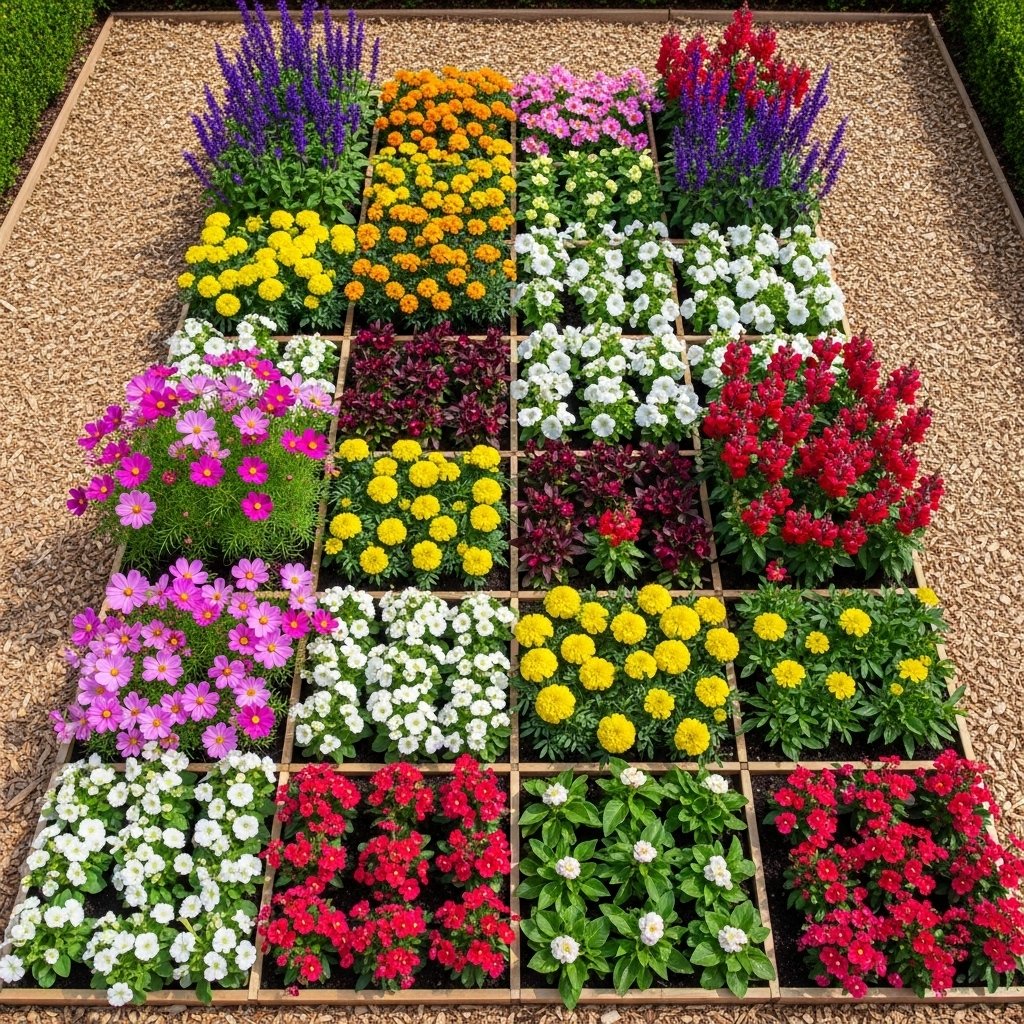
A square foot or grid layout maximizes growing space in small raised beds. By dividing the bed into equal squares, you can plant flowers based on their mature size and spacing requirements. Compact blooms like snapdragons or cosmos can fill smaller squares, while larger plants occupy full squares. This layout ensures no space is wasted and promotes healthy growth. It’s perfect for gardeners who want a highly organized, productive flower garden.
3. Layered Height Layout
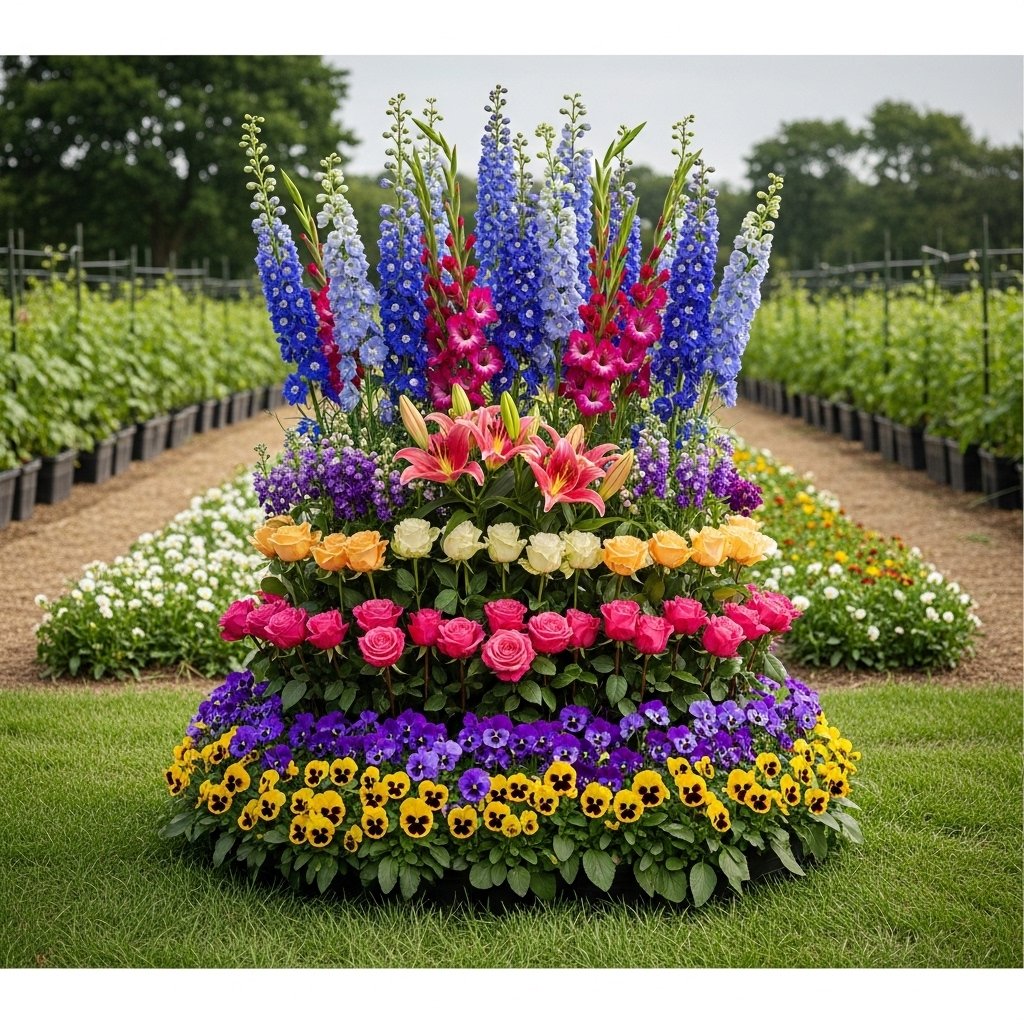
Using a layered height layout creates visual depth and a more dynamic flower bed. Place the tallest flowers at the back, mid-height blooms in the middle, and low-growing flowers in the front. This arrangement works especially well for cut flowers because it allows easy harvesting without disturbing other plants. Mixing textures and colors within each layer adds extra charm. Layered layouts are both practical and aesthetically pleasing, giving your garden a professional touch.
4. Spiral or Circular Layout
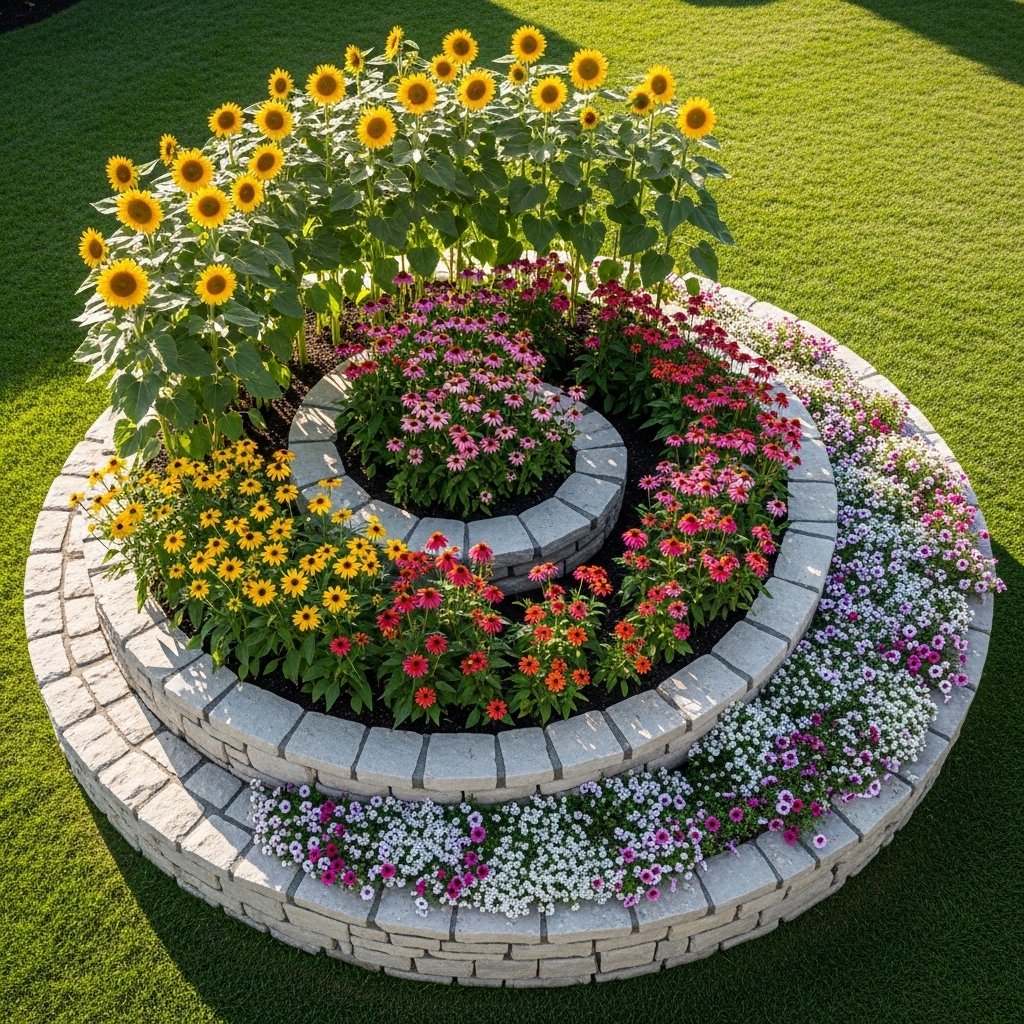
A spiral or circular raised bed layout is visually striking and ideal for smaller spaces. Arrange flowers in concentric circles or spirals, with taller plants in the center and cascading blooms around the edges. This design creates a focal point in the garden while allowing flowers to be easily accessible from any side. It also encourages companion planting, as flowers with similar needs can be grouped together. Spirals add both functionality and creativity to your garden design.
5. Mixed Perennial and Annual Layout
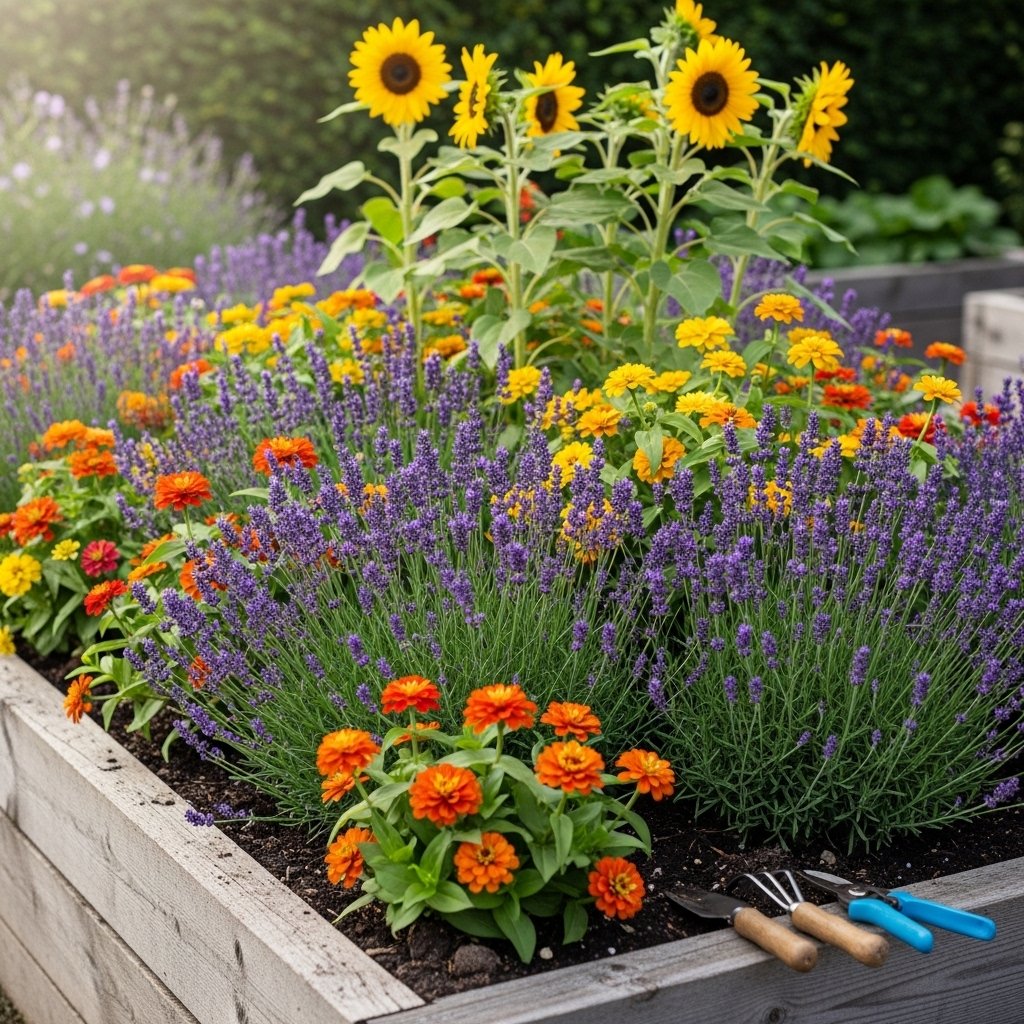
Combining perennials and annuals in your raised bed ensures continuous blooms. Plant perennials like lavender or peonies alongside annuals like zinnias or sunflowers to maintain color throughout the growing season. Perennials provide structure and long-term stability, while annuals fill gaps with vibrant seasonal color. This approach also allows you to harvest flowers for cut arrangements consistently. A mixed layout balances longevity with seasonal excitement.
6. Color-Themed Layout
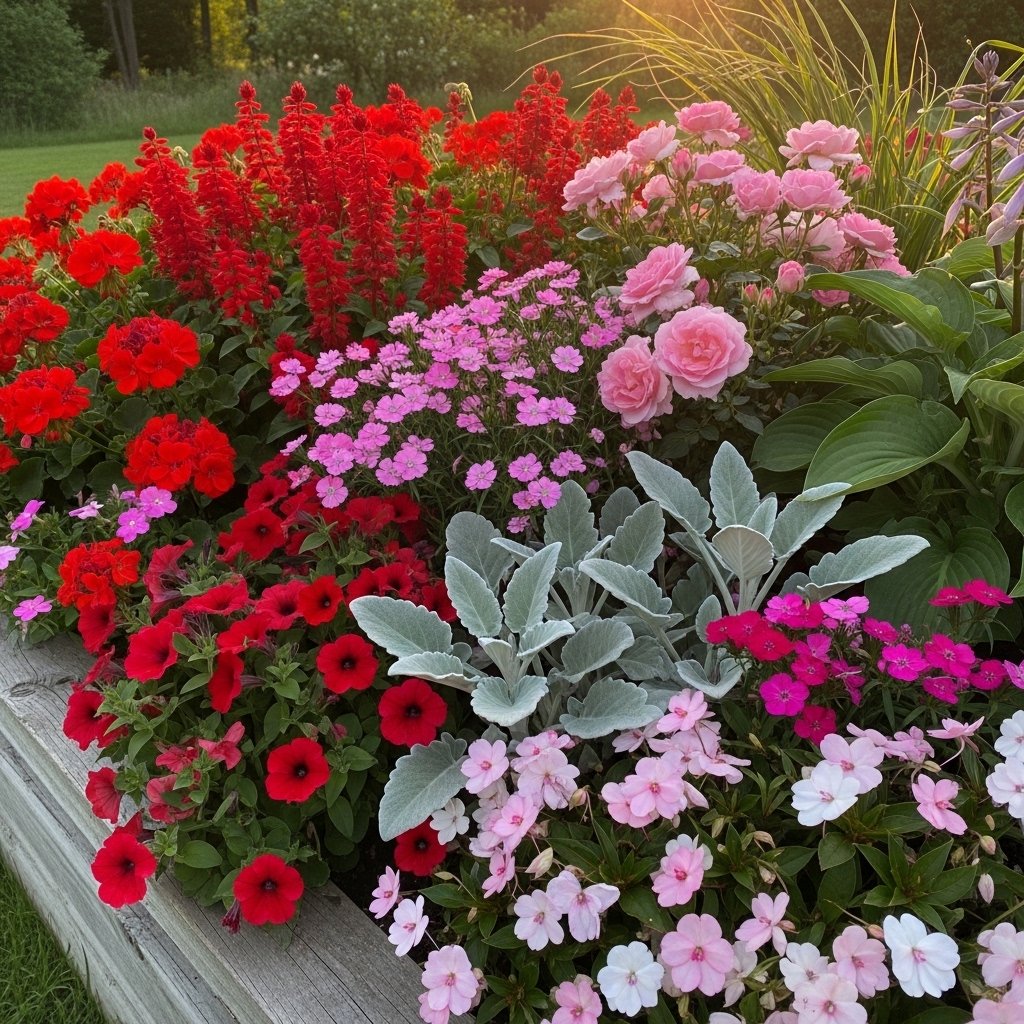
Creating a color-themed raised bed makes your garden visually stunning and ideal for cut flower arrangements. Group flowers by complementary or monochromatic color schemes, such as reds and pinks or purples and blues. This method allows you to plan bouquets with harmonious color combinations. Adding green foliage and filler flowers enhances the theme. Color-themed beds not only look beautiful but also simplify bouquet design when harvesting.
7. Row Companion Planting Layout
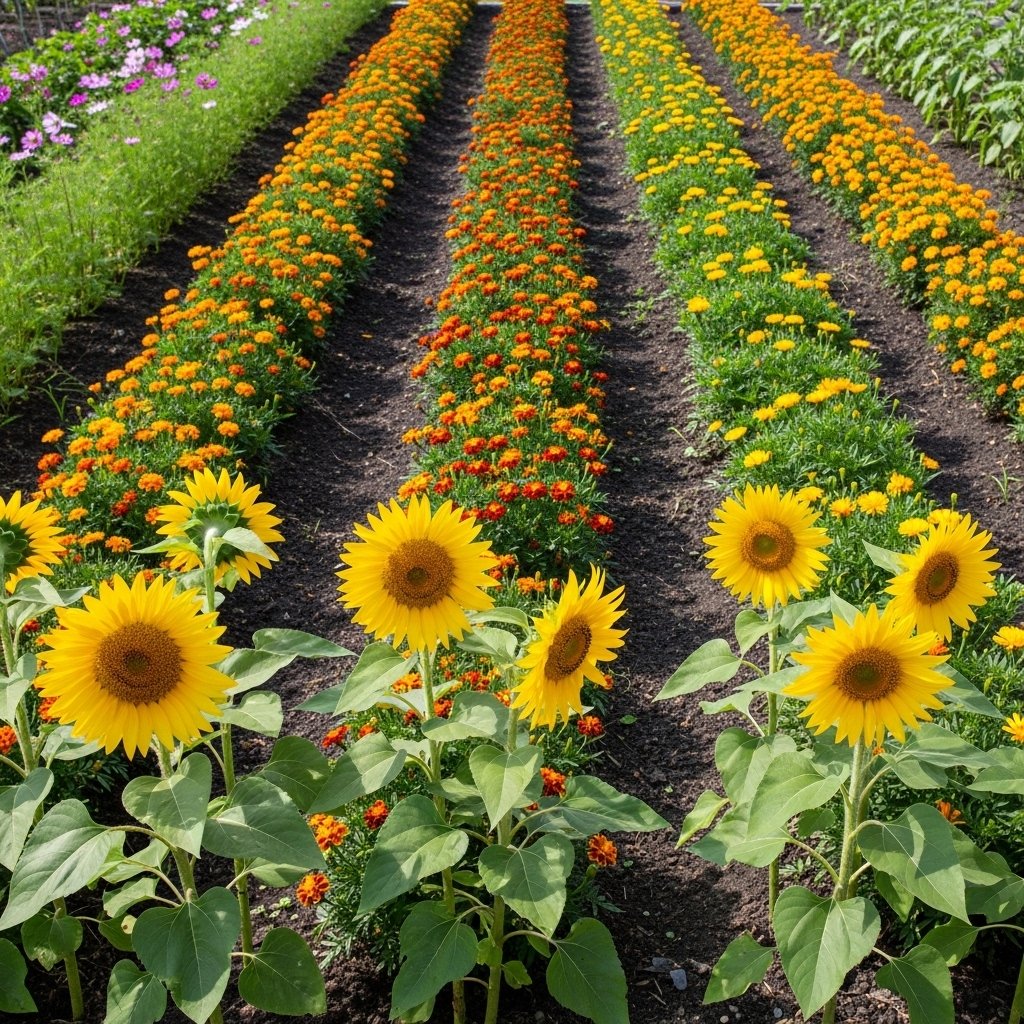
Companion planting in rows can improve flower growth and pest resistance. Pair flowers that support each other’s growth, such as marigolds with sunflowers or zinnias with cosmos. The layout involves alternating rows or interplanting companions within the raised bed. This method encourages healthier plants and reduces the need for chemical pest control. It’s a practical approach that enhances both aesthetics and productivity.
8. Block Planting Layout
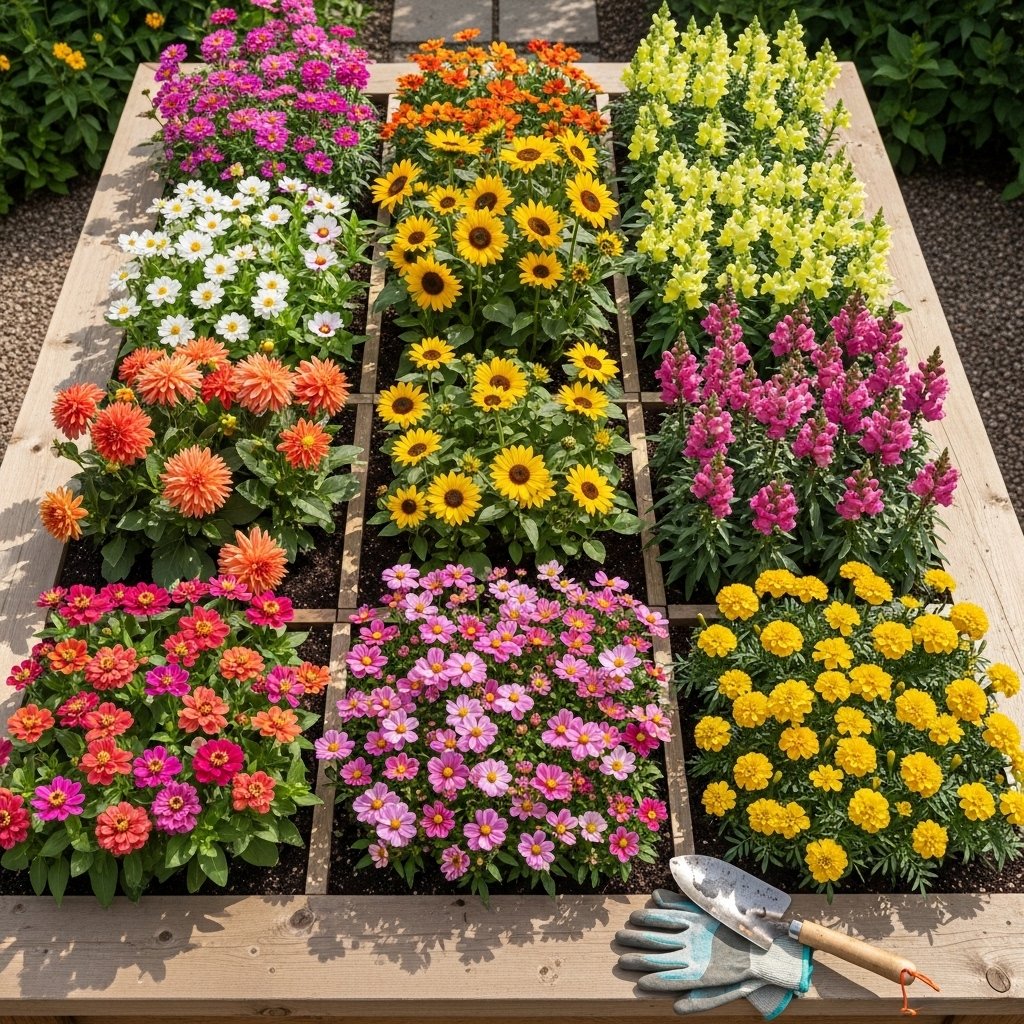
Block planting is ideal for gardeners who want a bold visual impact. Group flowers of the same type in blocks, creating vibrant color patches within the raised bed. This layout works well for flowers like dahlias, sunflowers, or snapdragons that look stunning in clusters. Blocks also make it easy to harvest multiple blooms at once. It’s a simple yet striking design that emphasizes the beauty of each flower type.
9. Vertical or Trellis Layout
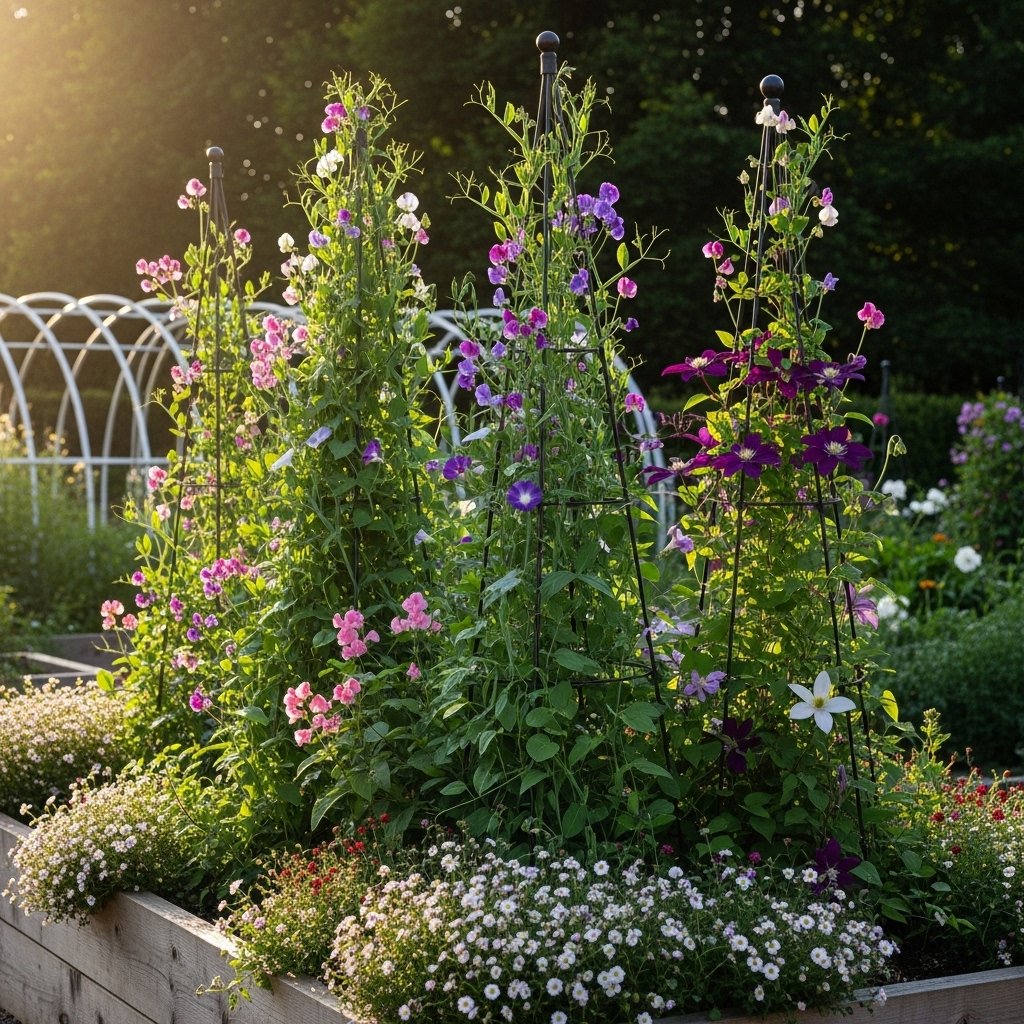
Using trellises or vertical supports adds height and maximizes space in raised beds. Climbing flowers like sweet peas, morning glories, or clematis can grow vertically, leaving more ground space for low-growing blooms. Vertical layouts improve air circulation and reduce disease risks in densely planted beds. They also create dramatic visual interest, perfect for cut flower gardens. This layout is especially helpful in small yards or limited garden spaces.
10. Succession Planting Layout
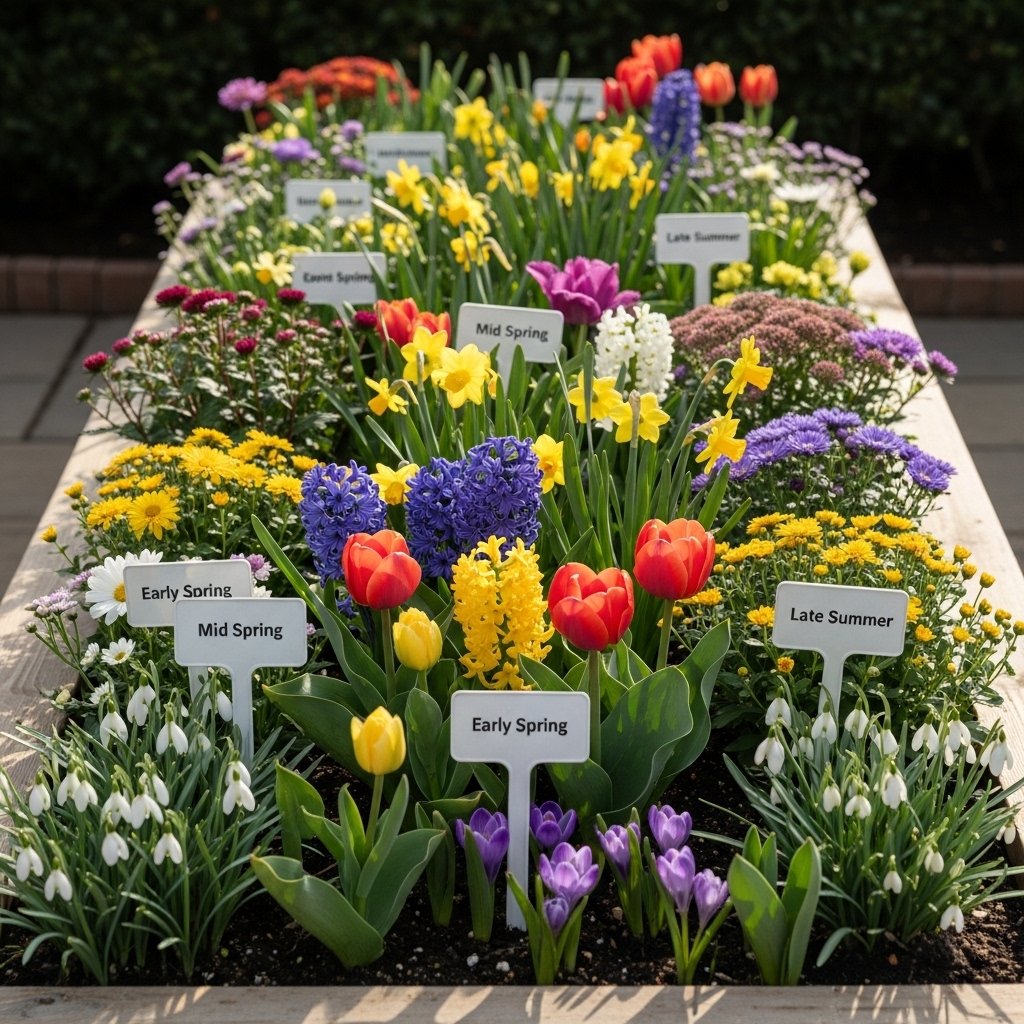
A succession planting layout ensures a continuous supply of flowers for cutting. Plan your raised bed so that when one flower finishes blooming, another is ready to take its place. Stagger planting times for fast-growing annuals or mix early and late bloomers. This strategy guarantees that your garden remains colorful and productive throughout the season. Succession planting is a smart approach for gardeners who love fresh bouquets all year.
11. Cottage Garden Style Layout
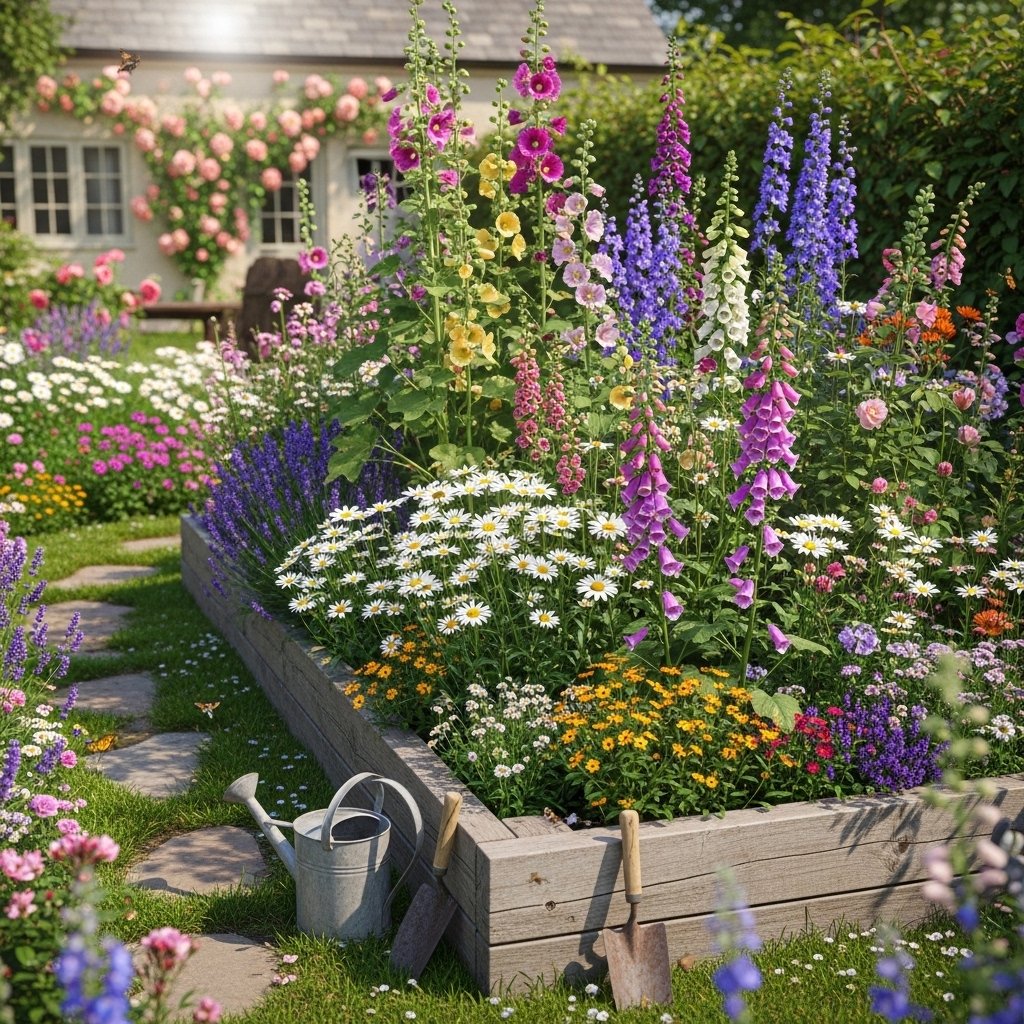
Cottage garden style emphasizes informal, overflowing blooms in a raised bed. Combine flowers of various heights, colors, and textures for a natural, whimsical look. Include traditional cut flowers like hollyhocks, foxgloves, and daisies for an authentic cottage feel. This layout encourages bees and pollinators, benefiting both flowers and the surrounding garden. Cottage-style raised beds are perfect for gardeners who love romantic, relaxed designs.
12. Pathway or Harvest Accessibility Layout
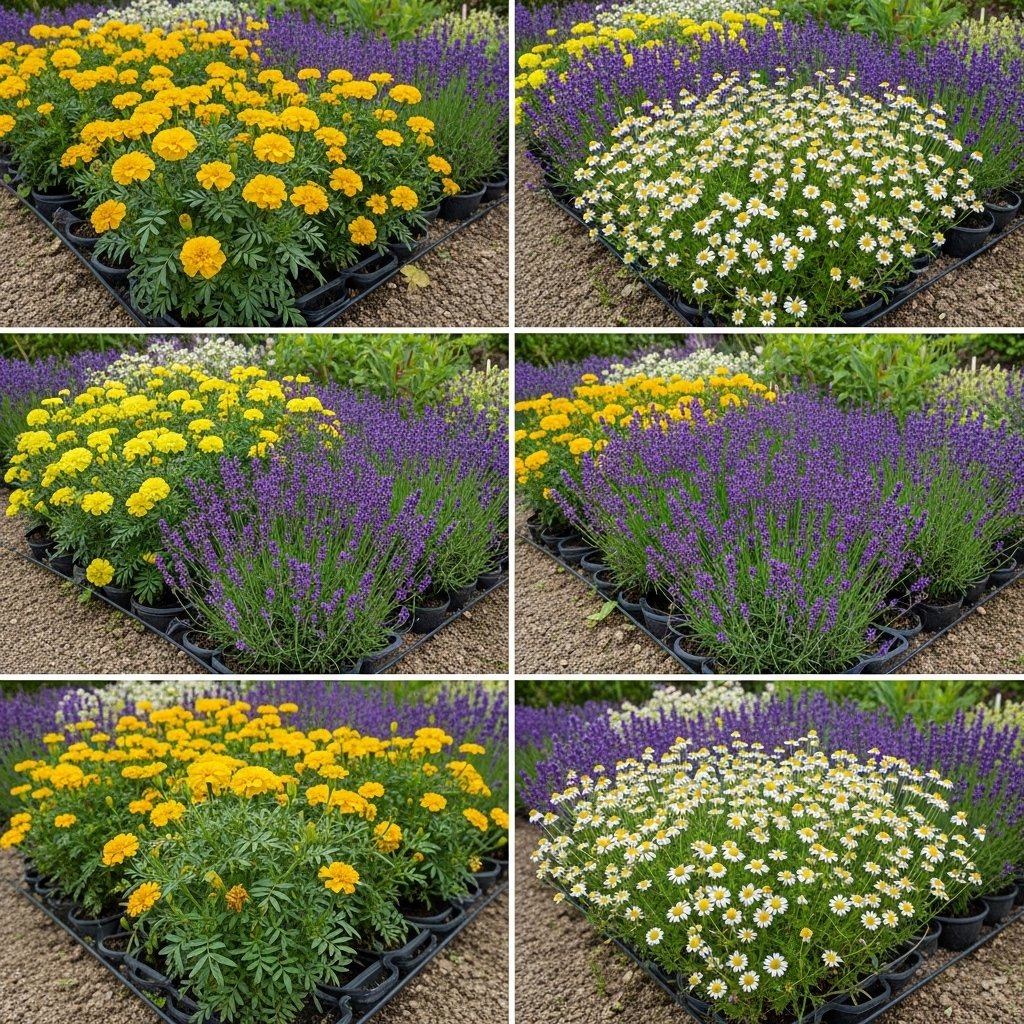
Designing your raised bed with pathways or accessible sections simplifies flower harvesting. Leave small gaps or stepping stones within the layout to reach plants without stepping on soil or roots. This is especially important for cut flower gardens to avoid damaging other blooms during harvest. Accessible layouts reduce maintenance stress and make your garden enjoyable to work in. It also allows you to rearrange flowers as needed without disturbing other plants.
13. How to Care for a Raised Bed Cut Flower Garden
- Water Properly – Water your flowers deeply but not too often. Keep the soil moist, especially during hot weather, but avoid overwatering to prevent root rot.
- Feed the Plants – Use compost or a balanced fertilizer every few weeks to help flowers grow strong and produce more blooms. Healthy soil means healthy flowers.
- Remove Weeds Regularly – Pull out weeds as soon as you see them so they do not take nutrients from your flowers. Mulching can also help control weeds.
- Prune and Deadhead – Cut off dry leaves and faded flowers to encourage new blooms. Regular cutting also helps maintain the shape of your garden layout.
- Check for Pests – Inspect plants often for insects or diseases. Use natural sprays or safe treatments to protect your flowers and keep the garden healthy.
13.1. FAQ
13.2. What is a raised bed cut flower garden layout❓
A raised bed cut flower garden layout is a planned arrangement of flowers grown in elevated garden beds specifically for cutting and creating bouquets. Raised beds improve soil drainage, make maintenance easier, and help organize flowers in neat sections. This layout allows gardeners to grow different types of flowers efficiently while keeping the garden visually attractive and easy to manage.
13.3. Why choose raised beds for growing cut flowers❓
Raised beds are ideal for cut flowers because they provide better soil control and drainage compared to ground-level planting. The soil warms up faster in spring, which helps flowers grow more quickly. They also reduce weed growth and make watering, fertilizing, and harvesting flowers more convenient, especially for beginners.
13.4. How should I arrange flowers in a raised bed layout❓
Flowers in a raised bed layout should be arranged according to their height and growth pattern. Taller flowers are best planted at the back or center, while medium and shorter flowers should be placed toward the front edges. This arrangement ensures all plants receive enough sunlight and creates a balanced, layered look that is both practical and visually appealing.
14. Final Thoughts
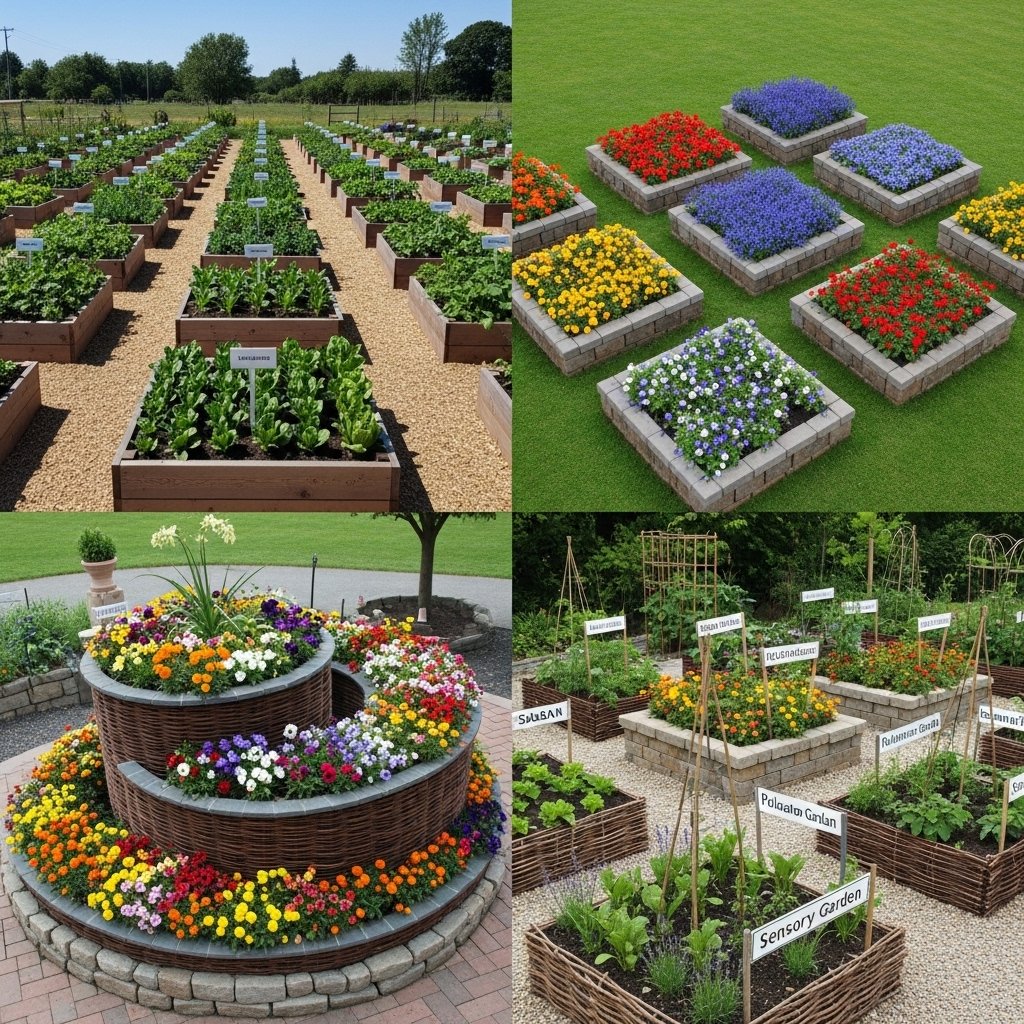
A well-planned raised bed cut flower garden layout combines beauty, functionality, and productivity. By experimenting with rows, layers, blocks, colors, and vertical planting, you can create a garden that’s visually appealing and easy to maintain. Thoughtful layouts also ensure continuous blooms, simpler harvesting, and a more enjoyable gardening experience. Whether you prefer a formal, cottage-style, or color-themed bed, raised beds give you control over soil, spacing, and design. With these twelve layout ideas, your cut flower garden can become a vibrant, accessible, and ever-blooming space.