Indoor Plants Lighting: Complete Guide to Healthy Growth and Beautiful Spaces
Blog > Home > Indoor Plants & Home Decor > Indoor Plants Lighting: Complete Guide to Healthy Growth and Beautiful Spaces
Indoor plants bring life, freshness, and natural beauty into any home, but their health depends heavily on proper lighting. Since most indoor spaces lack natural sunlight exposure throughout the day, understanding indoor plant lighting becomes essential for growth and survival. Different plants require different light intensities, ranging from low light to bright direct sunlight. Choosing the right lighting setup not only keeps plants healthy but also enhances their color, texture, and overall appearance. In this guide, you will explore key indoor plant lighting concepts and practical solutions to help your plants thrive indoors.
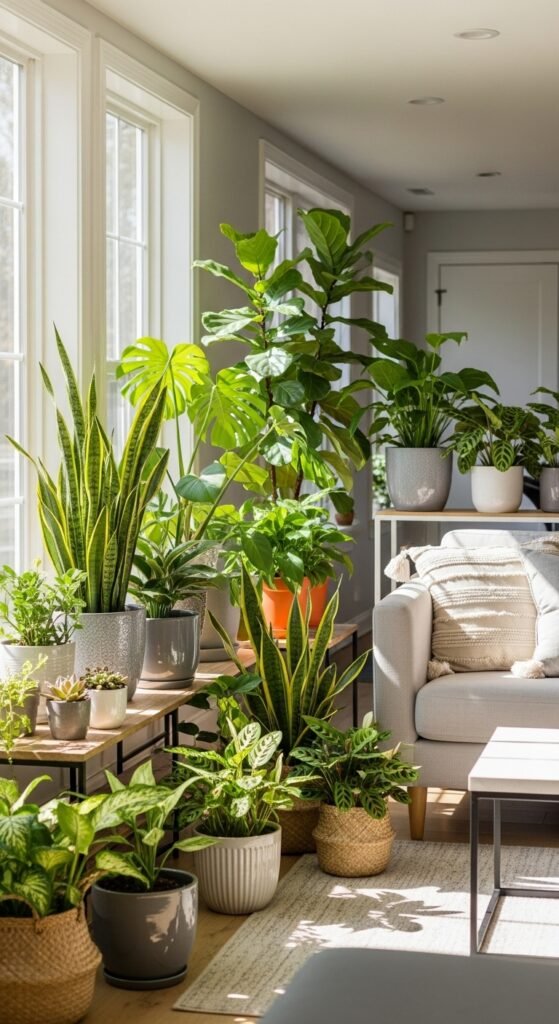
Table Of Content
1. Understanding Natural Light for Indoor Plants
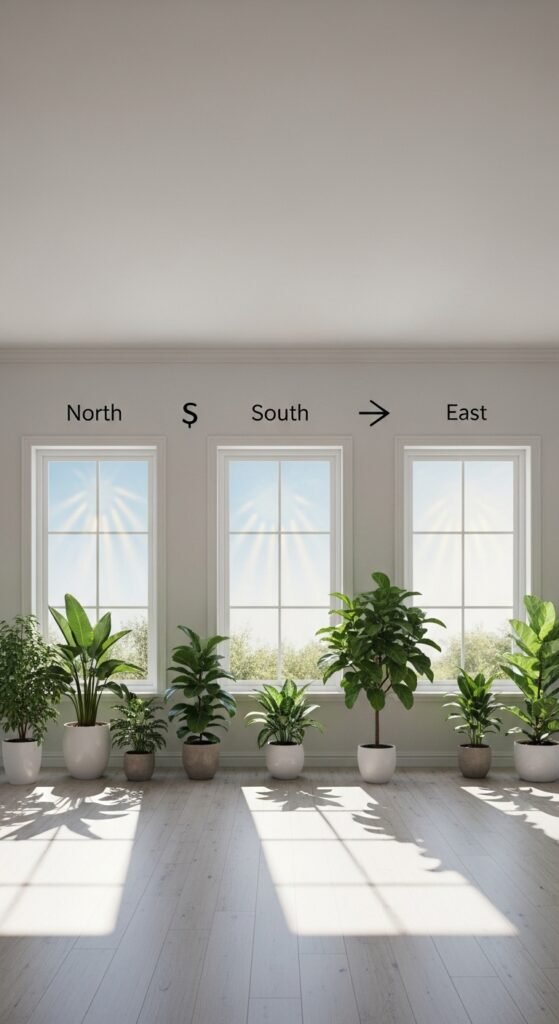
Natural light is the most important factor in indoor plant growth, as it provides the energy needed for photosynthesis. However, not all natural light is the same, and its intensity changes based on window direction and time of day. South-facing windows typically offer the brightest light, while north-facing windows provide softer, low-light conditions. Understanding how light enters your space helps you place plants more effectively. Observing light patterns in your home is the first step toward healthy plant care.
2. Low Light Conditions for Indoor Plants
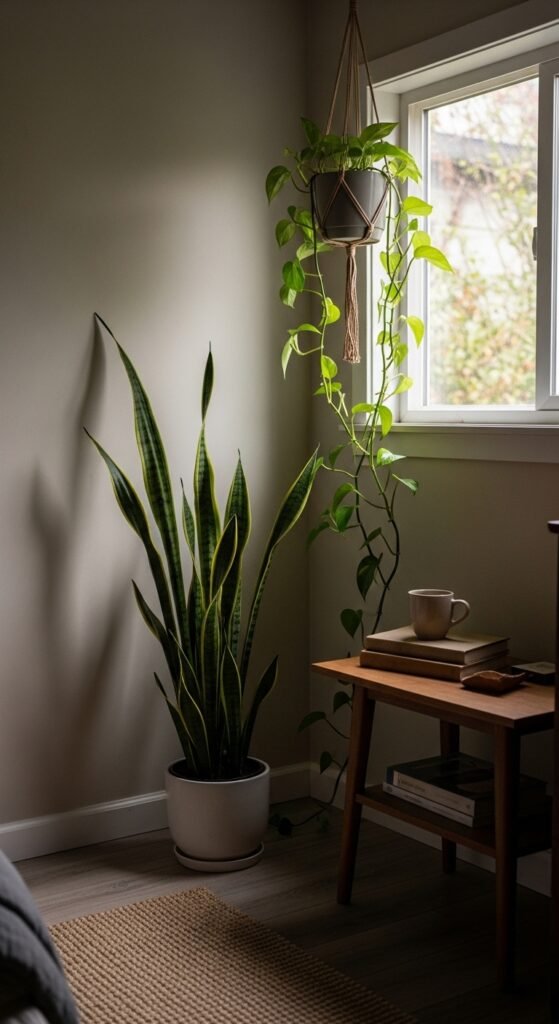
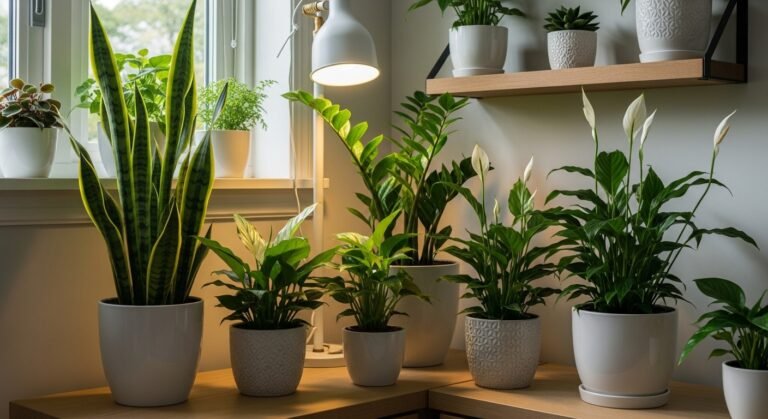
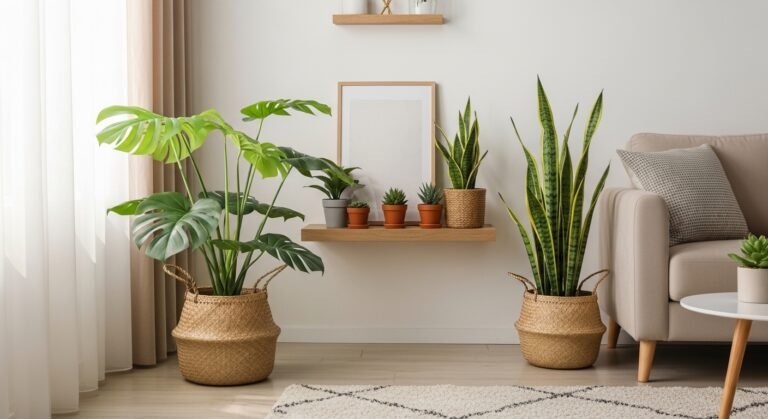
Low light areas are common in many homes, especially in hallways, bathrooms, or rooms with small windows. Some plants are naturally adapted to survive in these conditions, such as snake plants and pothos. However, even low-light plants still need some indirect light to grow properly. Placing them near a shaded window or using artificial lighting can improve their health. It is important to avoid complete darkness, as it slows growth and weakens plants over time.
3. Medium Light Requirements
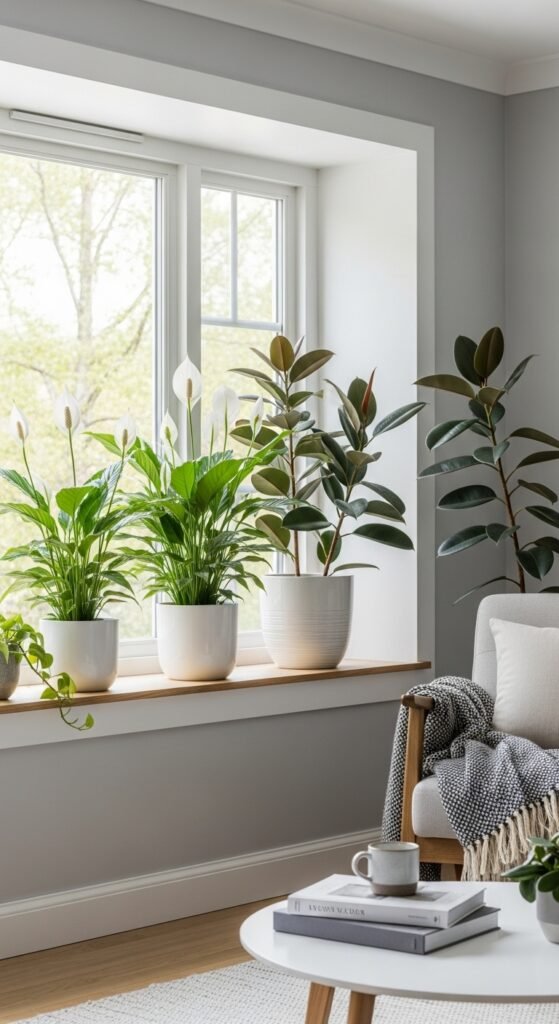
Medium light is one of the most suitable conditions for a wide variety of indoor plants. This type of light is usually found near east or west-facing windows where sunlight is filtered or indirect. Plants like peace lilies and rubber plants thrive well in these conditions. Medium light supports steady growth without causing leaf burn or stress. Rotating plants occasionally ensures even exposure and balanced development.
4. Bright Indirect Light Explained
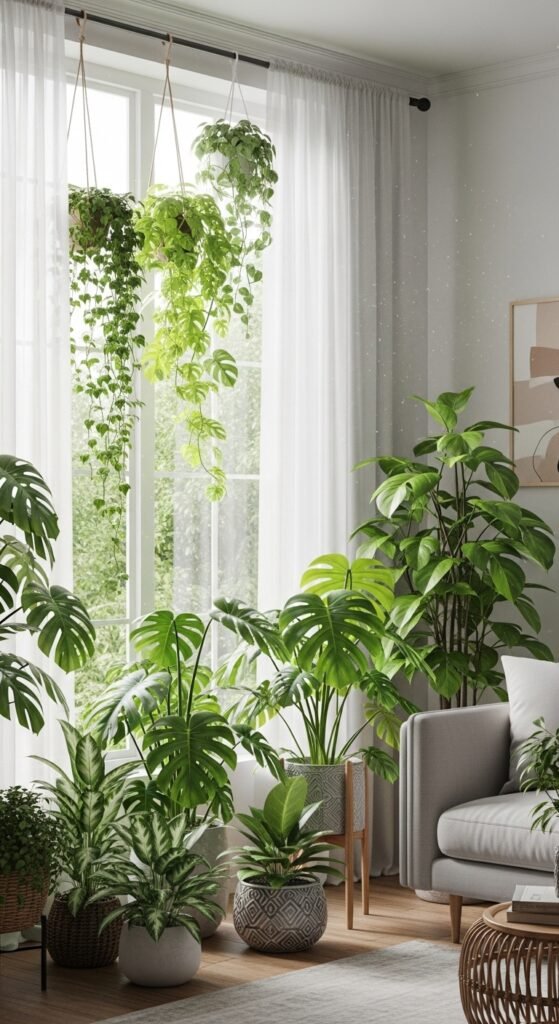
Bright indirect light is ideal for many tropical indoor plants that need strong light without direct sun exposure. This type of light is often found near windows where sunlight is filtered through curtains or reflected from walls. It provides enough energy for photosynthesis without damaging delicate leaves. Plants such as monstera and philodendron grow best in these conditions. Maintaining this balance is key to vibrant and healthy foliage.
5. Direct Sunlight for Indoor Plants
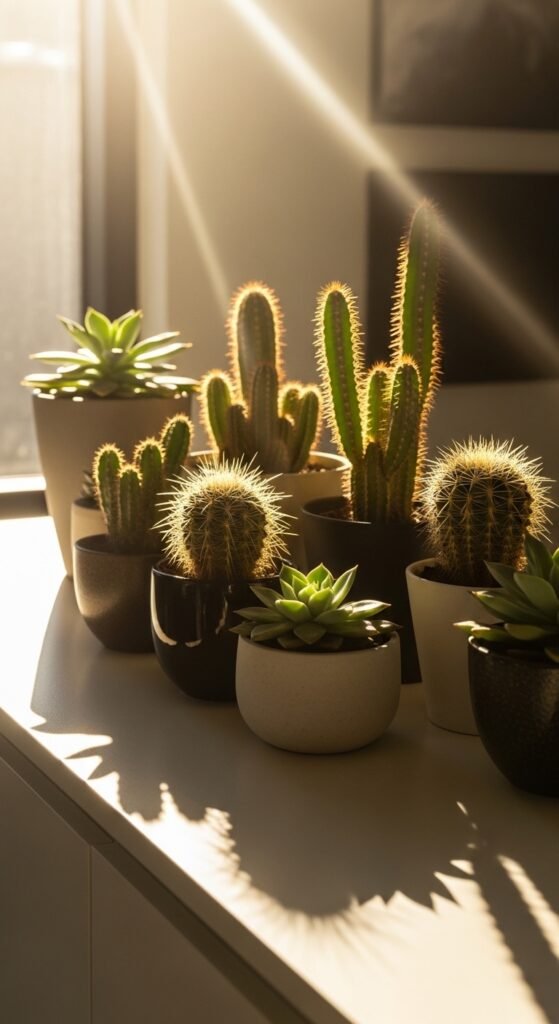
Some indoor plants require direct sunlight for several hours a day to stay healthy and grow properly. Cacti and succulents are perfect examples of plants that thrive in direct sunlight. However, too much direct exposure can sometimes cause leaf scorching in sensitive plants. It is important to gradually introduce plants to stronger light conditions. Proper placement near sunny windows ensures they receive enough energy without damage.
6. Artificial Lighting for Indoor Plants
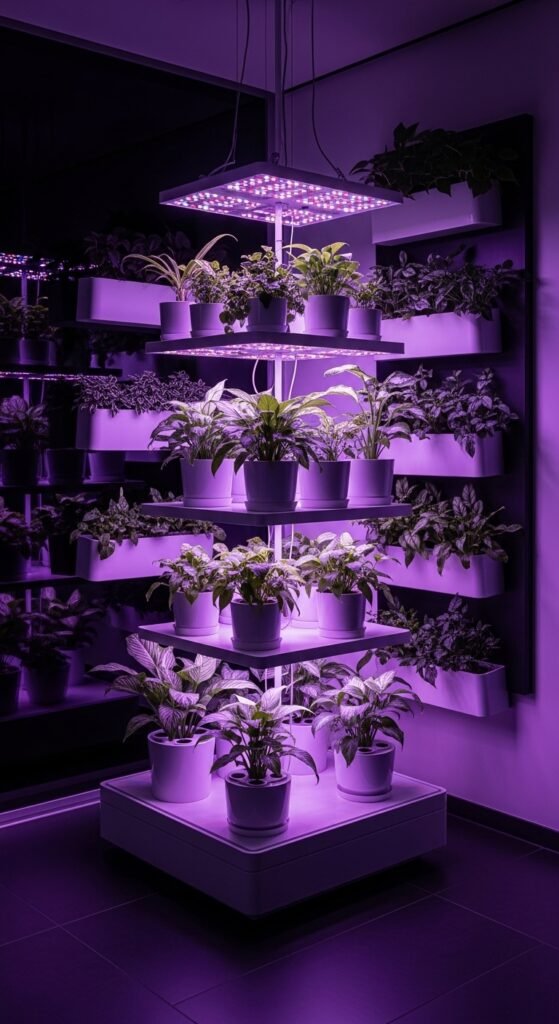
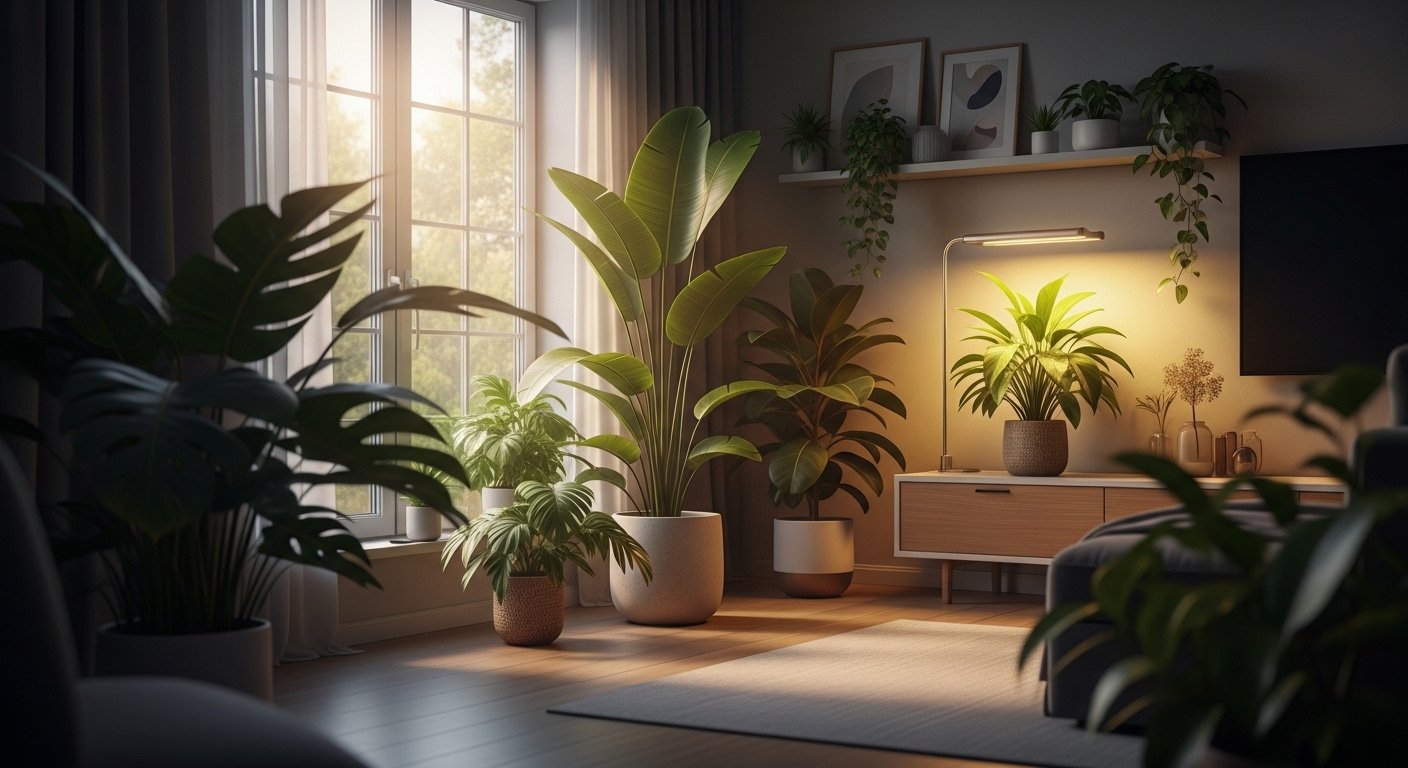
Artificial lighting is a great solution for homes that lack sufficient natural sunlight. LED grow lights are commonly used because they are energy-efficient and provide the right light spectrum for plant growth. These lights can be adjusted to mimic natural daylight cycles. They are especially useful during winter months or in dark rooms. Using timers can help maintain consistent light exposure for healthier growth.
7. Choosing the Right Grow Lights
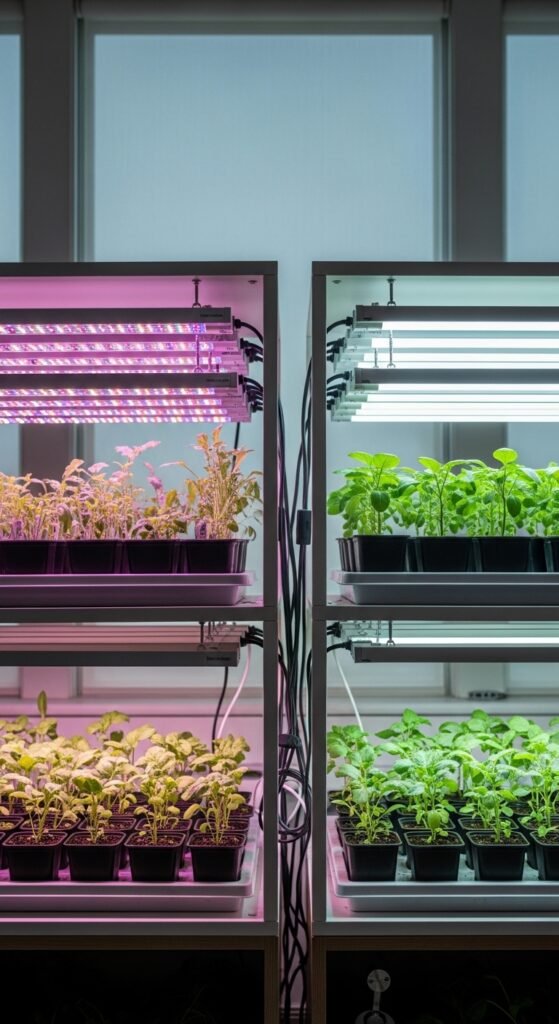
Not all grow lights are the same, and selecting the right one depends on your plant types and space. Full-spectrum LED lights are the most popular choice because they support all growth stages. Fluorescent lights are also used for small indoor plant setups. The distance between the light and plants is important to avoid overheating or underexposure. Proper selection ensures optimal plant health and growth efficiency.
8. Signs Your Plants Need More Light
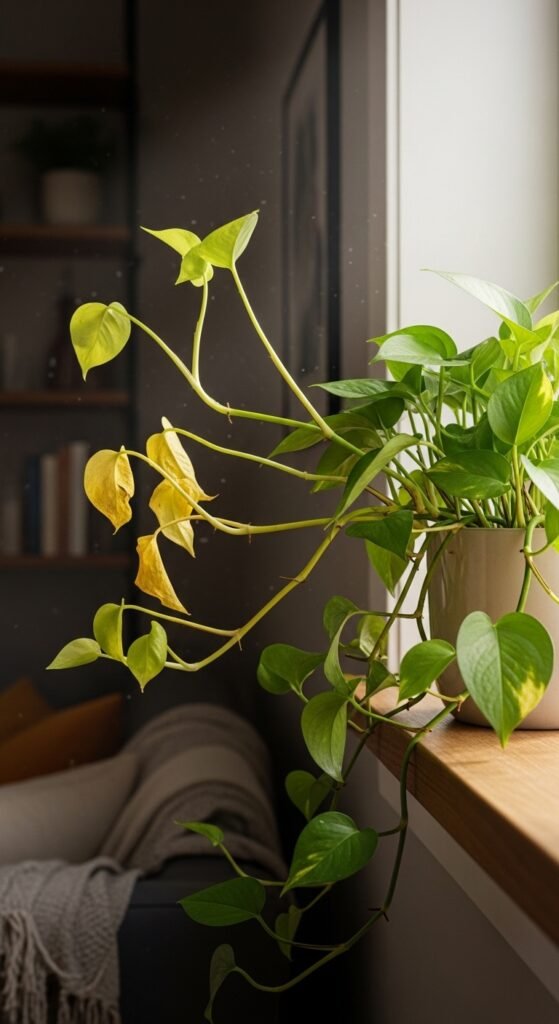
Indoor plants often show visible signs when they are not getting enough light. Common symptoms include yellowing leaves, slow growth, and leggy stems reaching toward light sources. In some cases, leaves may fall off or lose their vibrant color. Observing these signs early helps prevent long-term damage. Adjusting plant placement or adding artificial light can quickly improve their condition.
9. Rotating Plants for Even Growth
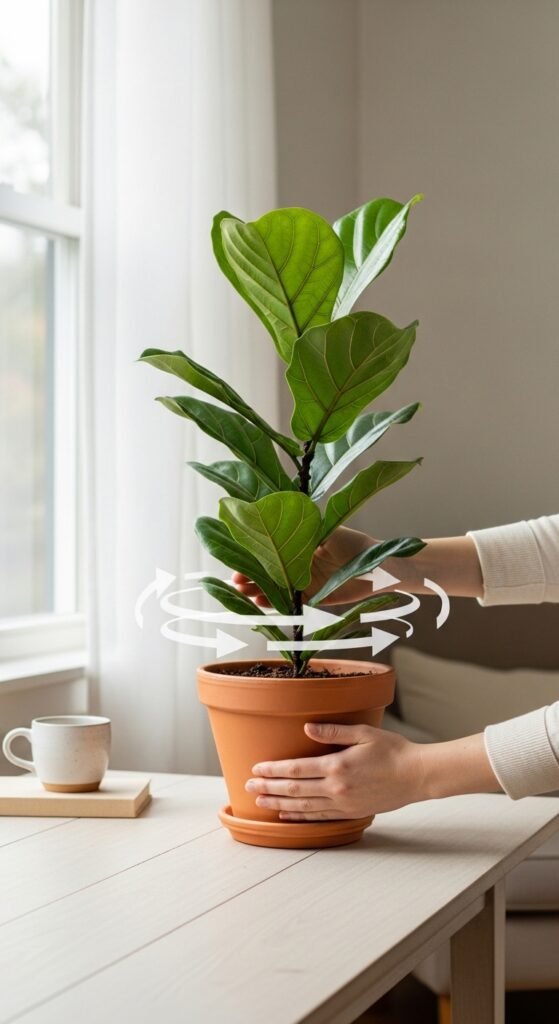
Plants naturally grow toward the direction of light, which can cause uneven shapes over time. Rotating your indoor plants every one to two weeks helps maintain balanced growth. This ensures that all sides receive equal light exposure. It also prevents plants from leaning excessively in one direction. Regular rotation is a simple but effective plant care habit.
10. Seasonal Changes in Indoor Lighting
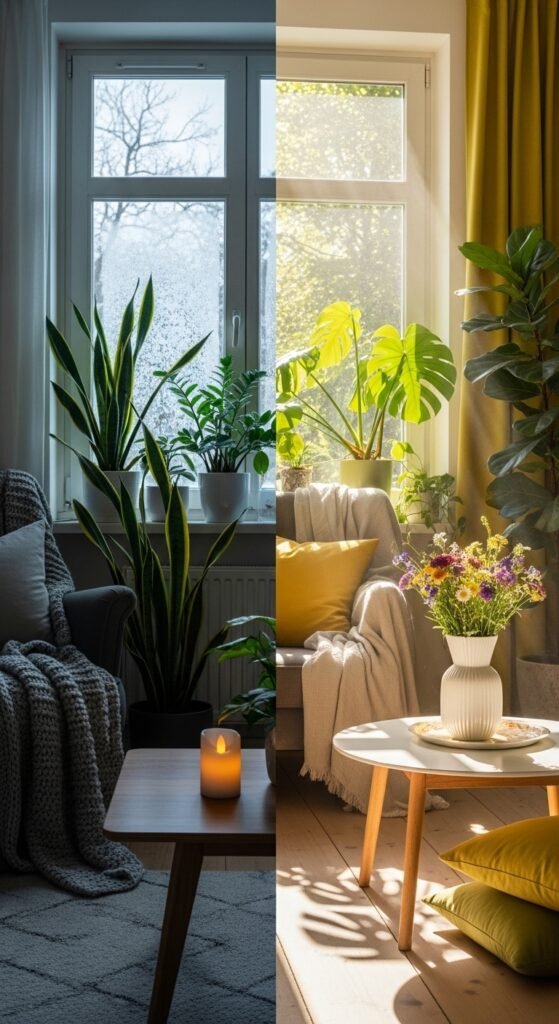
Lighting conditions inside homes change with seasons, affecting plant growth patterns. During winter, daylight hours are shorter, which can slow plant development. In summer, stronger sunlight may require filtering to protect sensitive leaves. Adjusting plant placement throughout the year helps maintain consistent growth. Understanding seasonal changes ensures long-term plant health.
13. How to Care for Indoor Plants and Lighting
- Water Plants Correctly – Give water according to each plant’s need and avoid overwatering.
- Place in Right Light – Keep plants near natural light, but avoid strong direct sunlight.
- Clean Plants Regularly – Wipe leaves gently to remove dust and help them stay healthy.
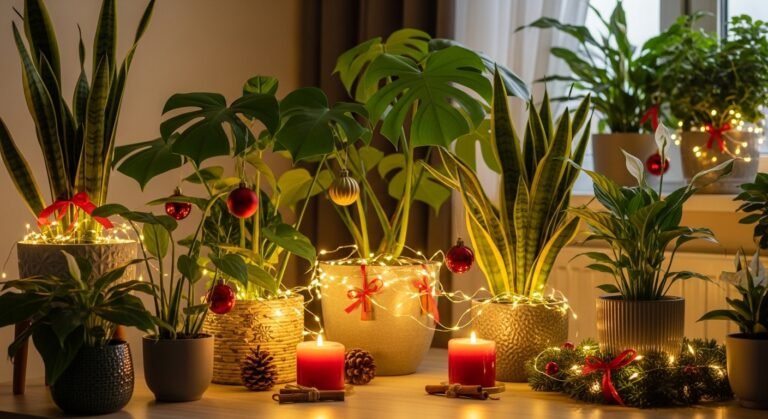
- Maintain Lighting Setup – Check bulbs, fairy lights, or lamps regularly to ensure they work properly.
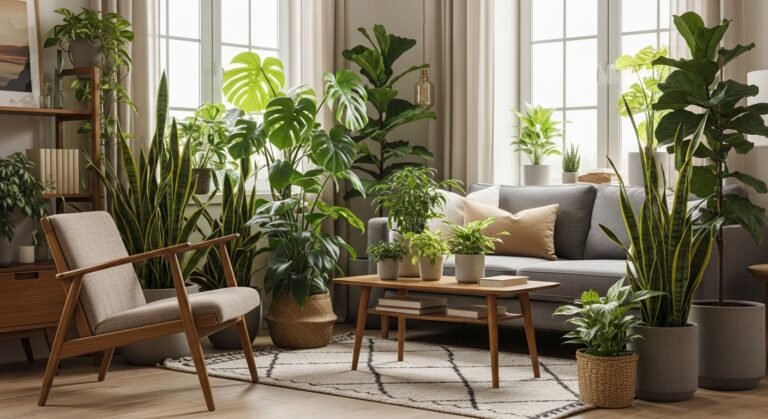
- Create Balanced Setup – Arrange plants and lighting together in a way that looks natural, cozy, and well-organized.
13.1. FAQ
13.2. What is indoor plant lighting❓
Indoor plant lighting refers to the use of artificial or natural light to help plants grow inside a room. Since indoor spaces often do not get enough sunlight, special lights are used to support plant health. Proper lighting helps plants make food, stay green, and grow properly even without direct sunlight.
13.3. Why do indoor plants need special lighting❓
Indoor plants need special lighting because many homes do not provide enough natural sunlight. Without proper light, plants may grow weak, lose color, or stop growing. Artificial lights help replace sunlight and give plants the energy they need for photosynthesis, which keeps them healthy and alive.
13.4. What type of light is best for indoor plants❓
The best light for indoor plants is full-spectrum LED grow lights because they mimic natural sunlight. These lights provide both red and blue light, which are important for plant growth. They are also energy-efficient, long-lasting, and safe for use in homes.
14. Final Thoughts
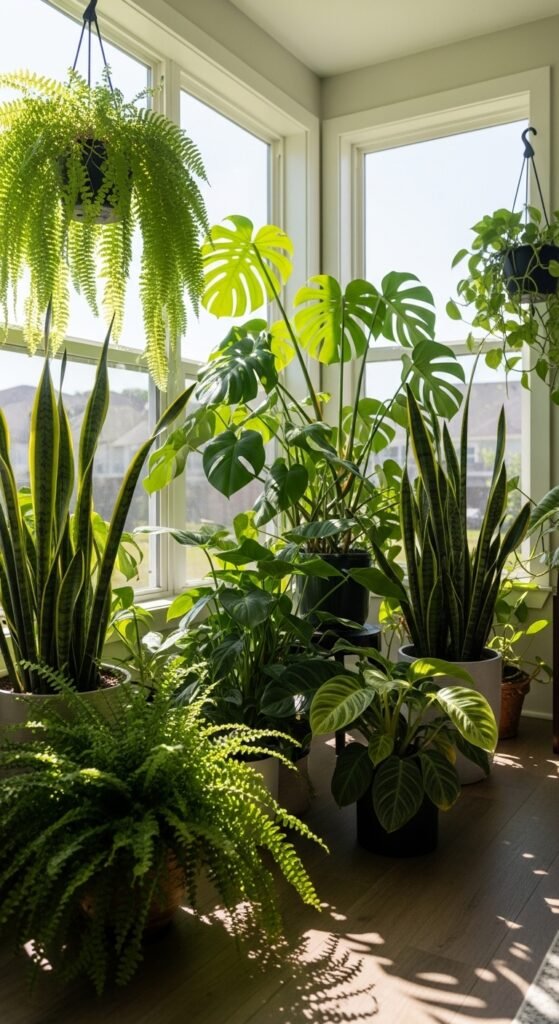
Indoor plant lighting plays a crucial role in maintaining healthy, vibrant, and long-lasting plants. Whether you rely on natural sunlight or artificial grow lights, understanding each plant’s light requirements is essential. Proper placement, regular monitoring, and seasonal adjustments can significantly improve plant growth. By applying these lighting strategies, you can create a thriving indoor garden that enhances your living space. Healthy lighting conditions not only support plant life but also bring natural beauty and freshness into your home.