Indoor Plants Vegetables: A Complete Guide to Growing Fresh Food at Home
Blog > Home > Indoor Plants & Home Decor > Indoor Plants Vegetables: A Complete Guide to Growing Fresh Food at Home
Growing indoor plant vegetables is becoming increasingly popular as people look for healthier lifestyles, fresher food, and sustainable living options. Even if you don’t have a garden or outdoor space, you can still grow a variety of vegetables right inside your home using pots, containers, or hydroponic systems. Indoor vegetable gardening allows you to enjoy pesticide-free produce while saving money and reducing grocery trips. It also improves air quality and adds a refreshing natural touch to your living space. In this guide, you will explore 12 practical indoor vegetable plant ideas that are easy to grow and highly rewarding.
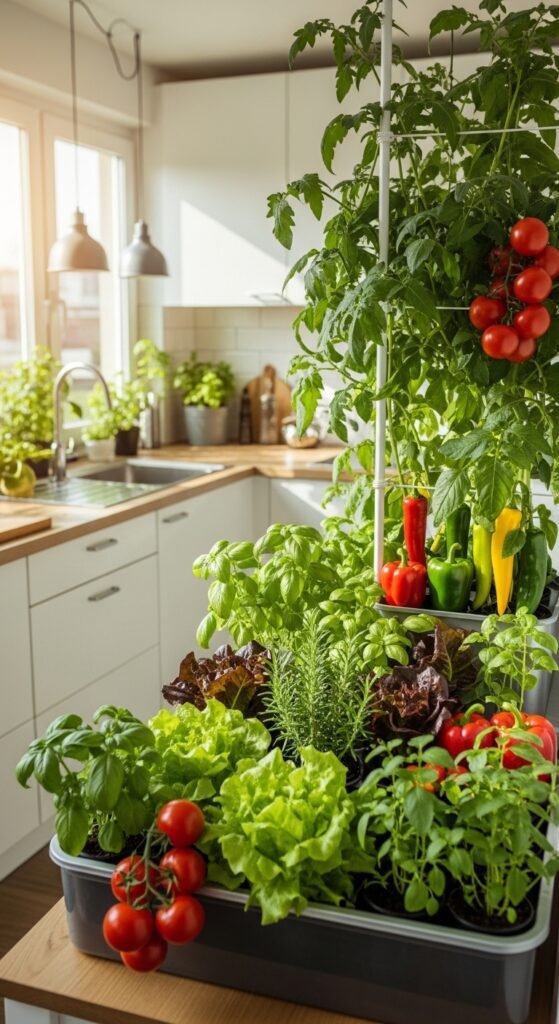
Table Of Content
1. Indoor Tomatoes
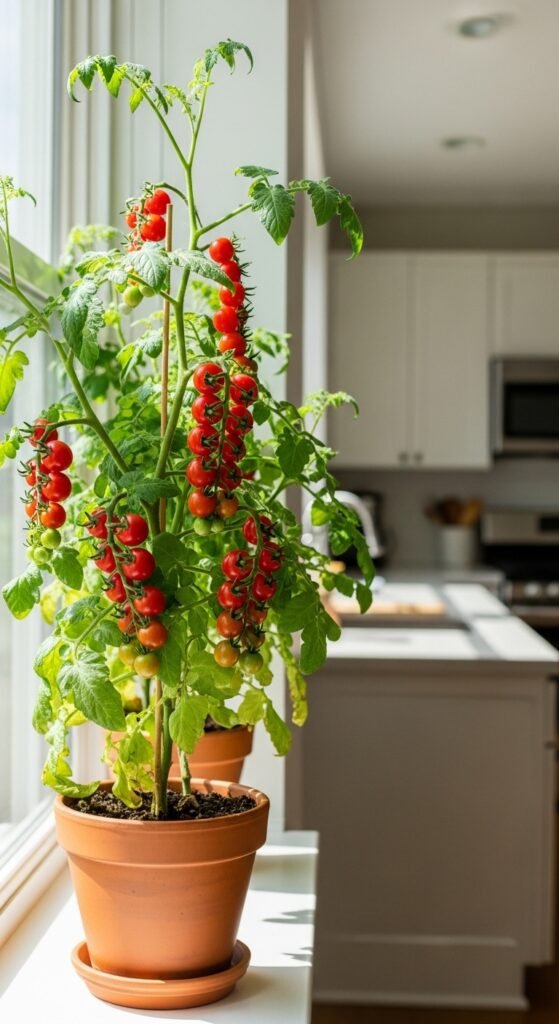
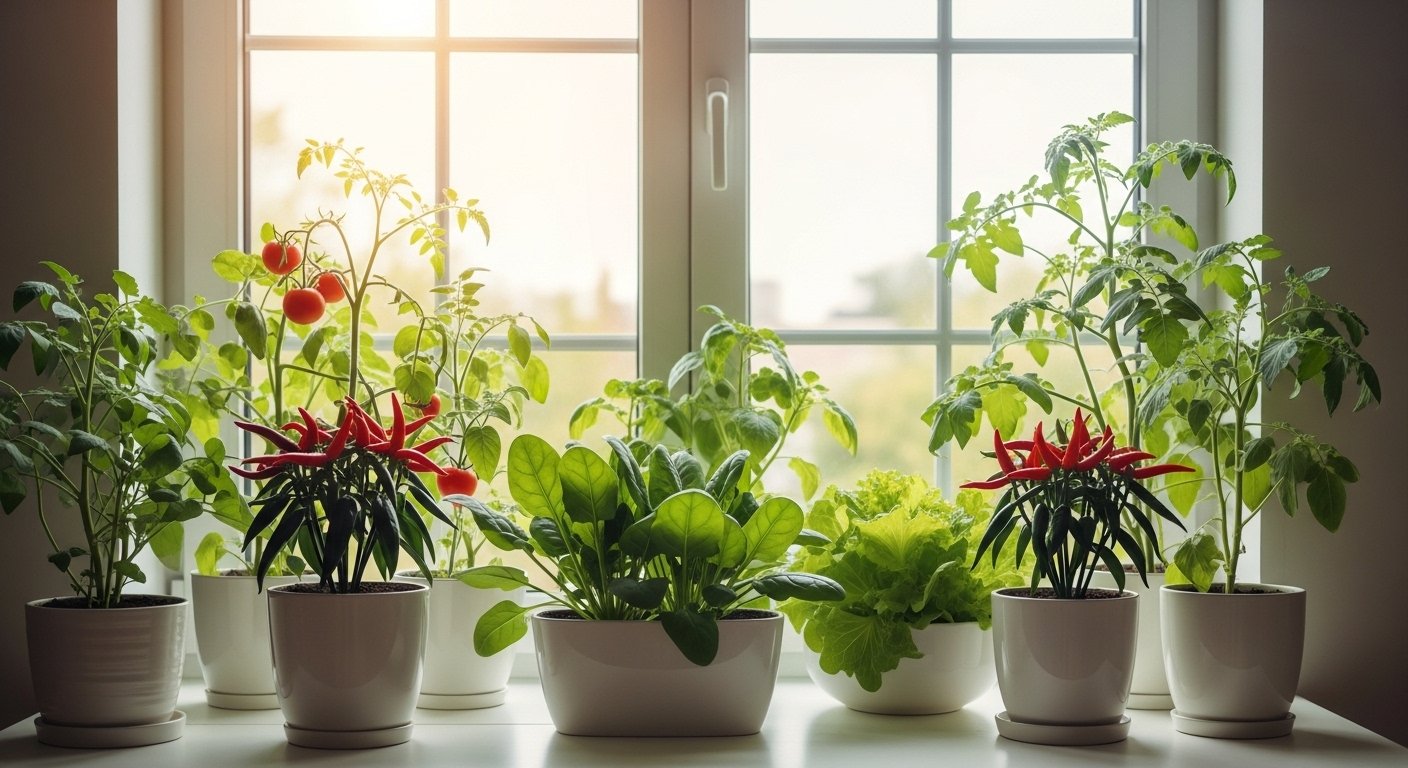
Tomatoes are one of the most popular vegetables to grow indoors because they adapt well to container gardening. Choose dwarf or cherry tomato varieties as they require less space and grow efficiently in pots. They need at least 6–8 hours of sunlight or a strong grow light to produce healthy fruits. Regular watering and well-draining soil are essential to prevent root rot. With proper care, indoor tomatoes can provide a continuous harvest throughout the season.
2. Fresh Indoor Lettuce
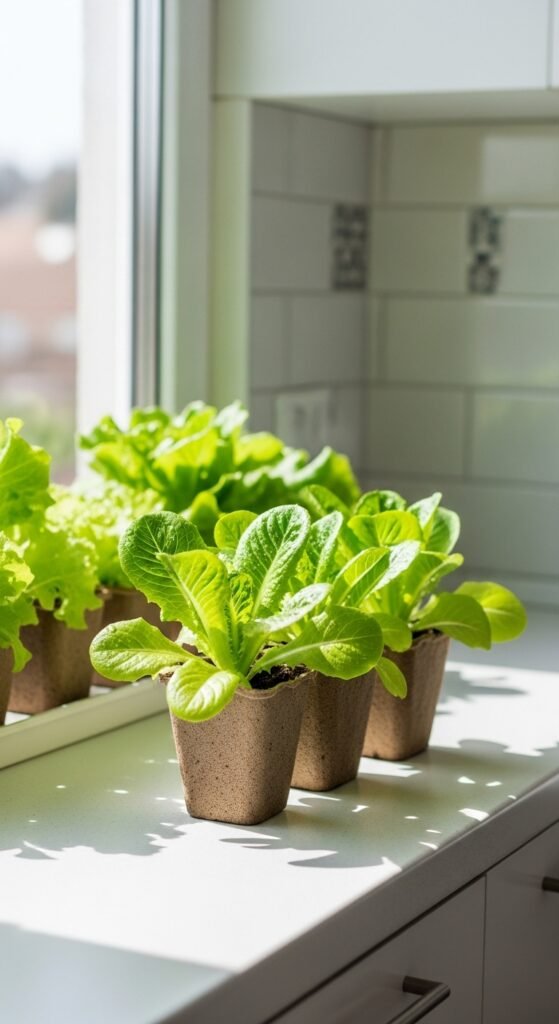
Lettuce is a fast-growing leafy vegetable that thrives in indoor environments with moderate light. It can be grown in small containers, making it ideal for kitchen gardens or windowsills. The plant requires consistent moisture, but overwatering should be avoided to prevent damage. You can harvest outer leaves regularly, allowing the plant to keep growing. This makes lettuce one of the easiest and most convenient indoor vegetables.
3. Spinach for Indoor Gardens
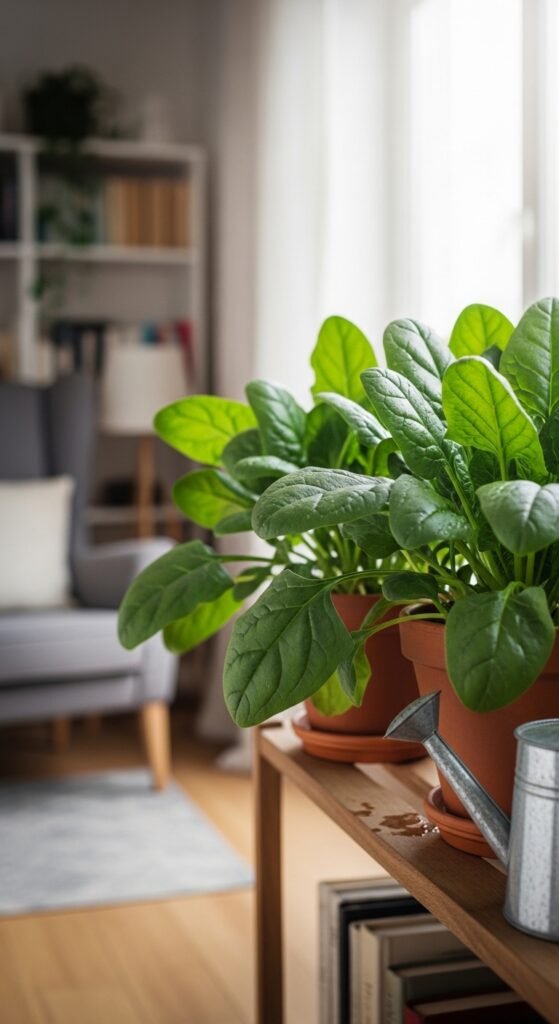
Spinach is a nutrient-rich leafy green that grows very well indoors with minimal effort. It prefers cool temperatures and indirect sunlight, making it suitable for home environments. Plant spinach seeds in a wide pot with fertile soil for best results. Regular harvesting encourages continuous growth and fresh leaves. This vegetable is perfect for salads, smoothies, and cooking.
4. Indoor Green Onions
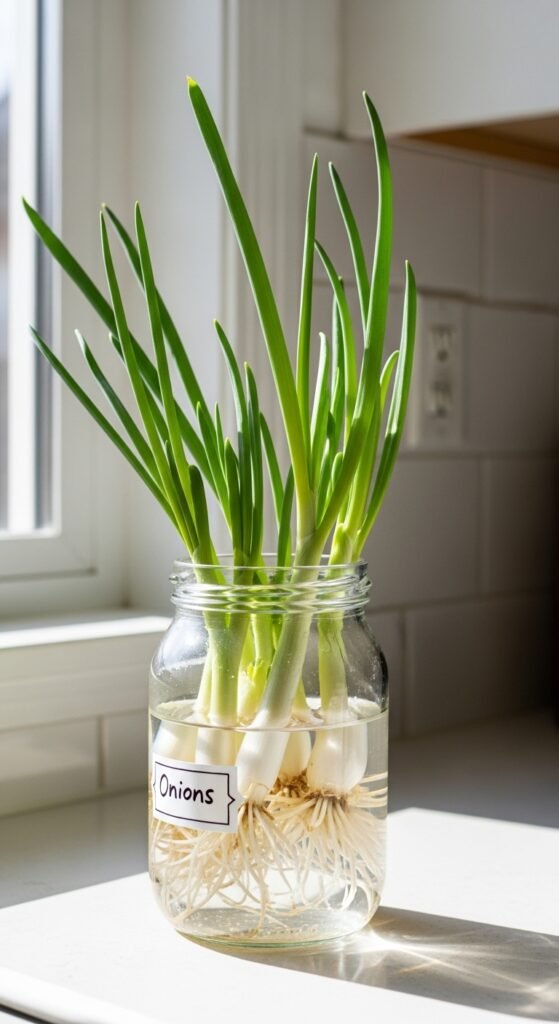
Green onions, also known as scallions, are extremely easy to grow indoors and require very little space. You can even regrow them from kitchen scraps by placing the roots in water. They grow quickly and can be harvested multiple times, making them highly efficient. A small pot on a kitchen windowsill is enough to maintain a steady supply. Their mild flavor makes them useful in many dishes.
5. Indoor Cucumbers
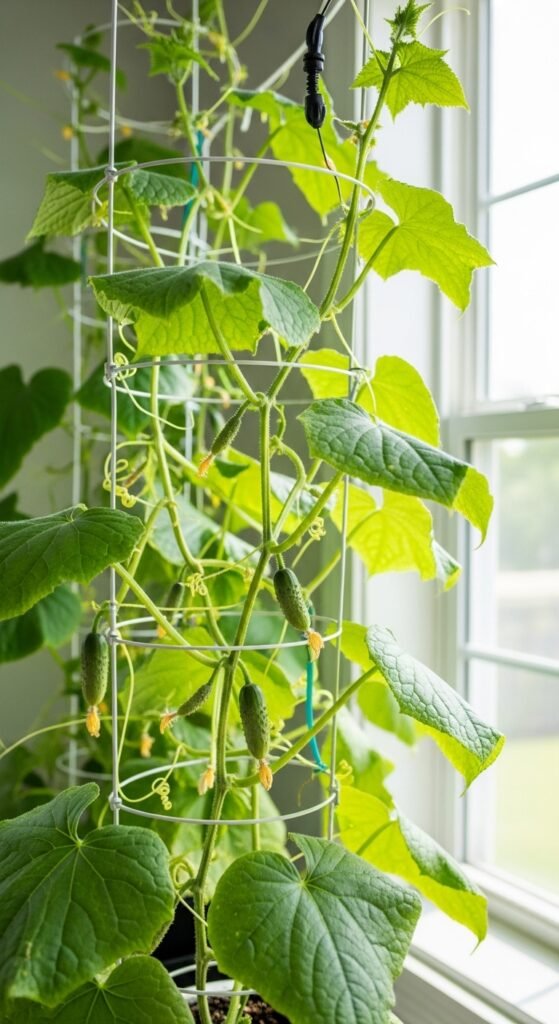
Cucumbers can be successfully grown indoors with the help of trellises or vertical support. Choose compact or bush varieties to manage space effectively. They require strong light and regular watering to produce healthy fruits. Indoor cucumbers grow quickly and need pollination support if grown without outdoor access. Fresh cucumbers from home taste crisp and chemical-free.
6. Bell Peppers Indoors
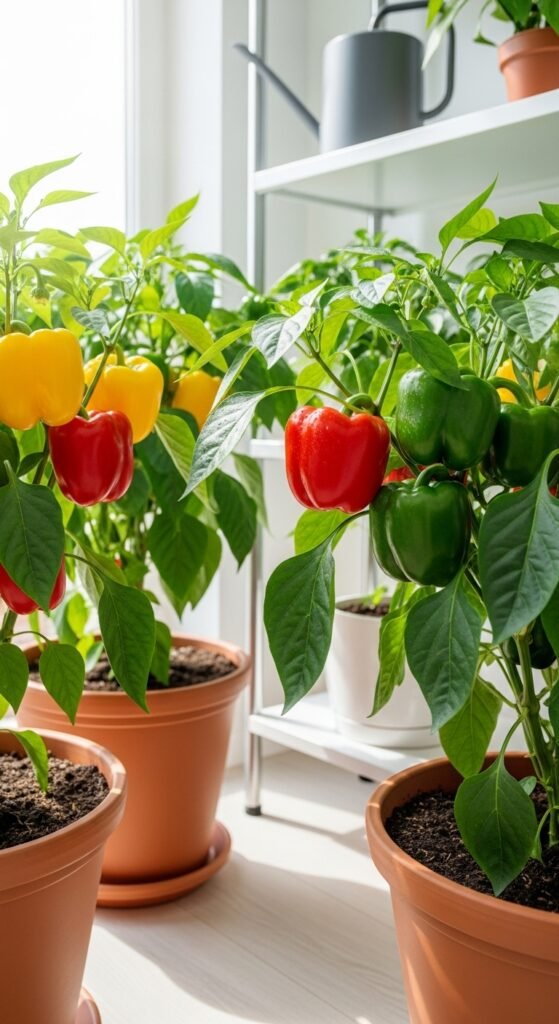
Bell peppers are colorful and nutritious vegetables that can thrive indoors with proper care. They need warm temperatures and plenty of sunlight or artificial grow lights. Use large containers to allow proper root development. Regular fertilization helps improve fruit size and quality. These plants add both beauty and productivity to indoor gardens.
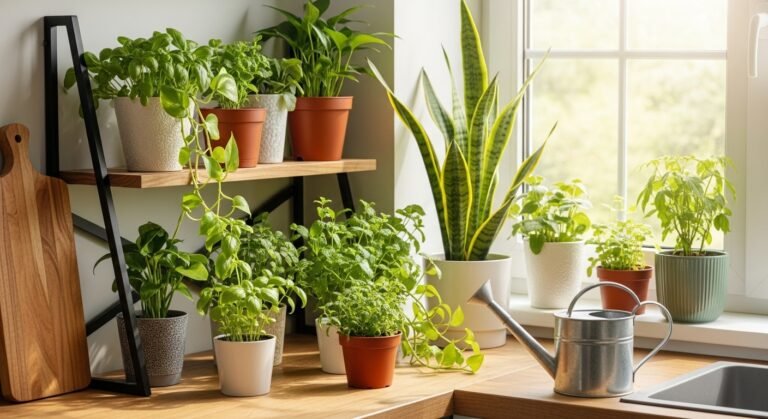
7. Indoor Herbs (Basil, Mint, Cilantro)
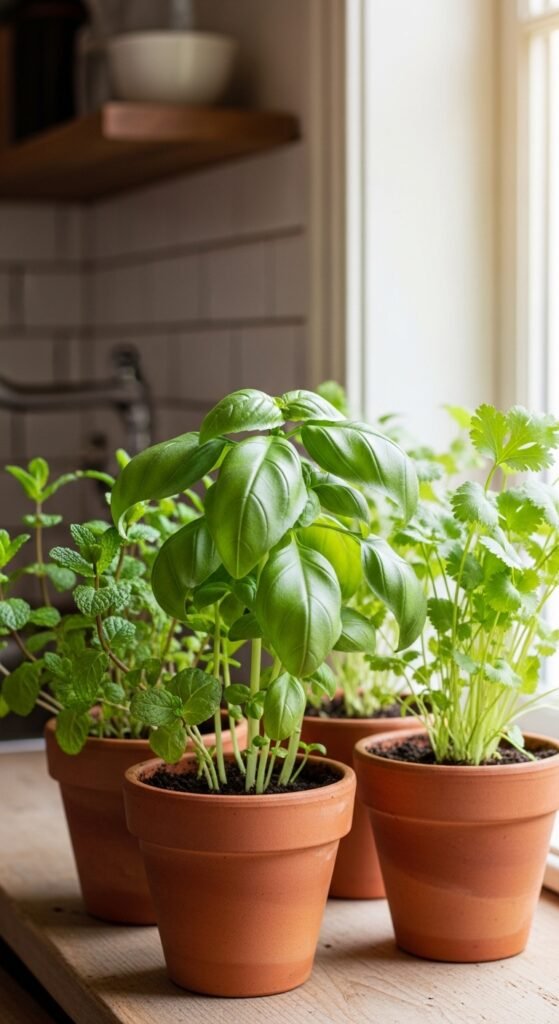
Herbs are some of the easiest indoor vegetables to grow and maintain. Basil, mint, and cilantro grow quickly in small pots and require minimal care. They prefer sunny spots like kitchen windowsills for healthy growth. Regular trimming encourages new leaf production and prevents overgrowth. Fresh herbs instantly enhance the flavor of home-cooked meals.
8. Indoor Carrots
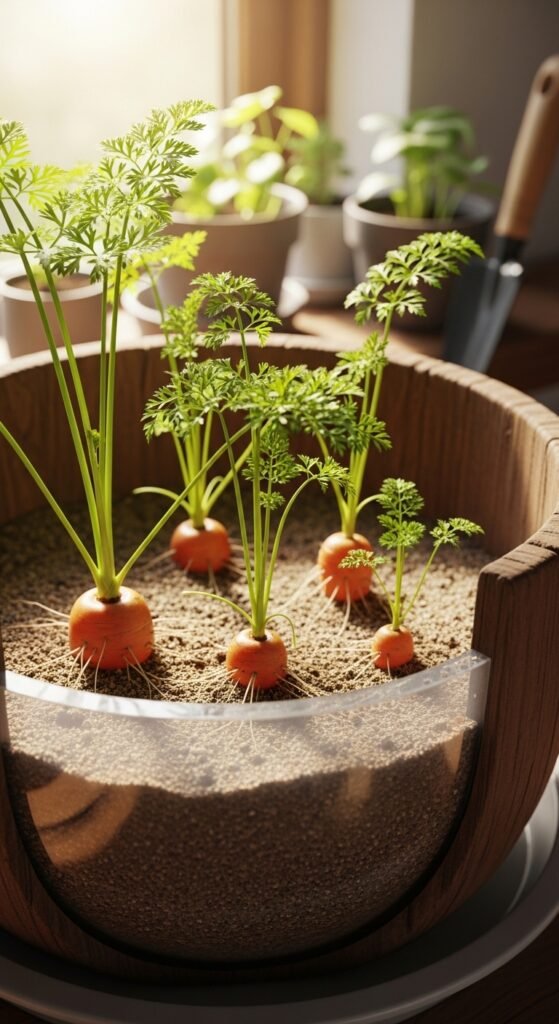
Carrots can be grown indoors if you use deep containers with loose, sandy soil. They require consistent moisture and patience as they take longer to mature. Smaller varieties like baby carrots are ideal for indoor gardening. Adequate sunlight is important for proper root development. Homegrown carrots are sweeter and more flavorful than store-bought ones.
9. Indoor Radishes
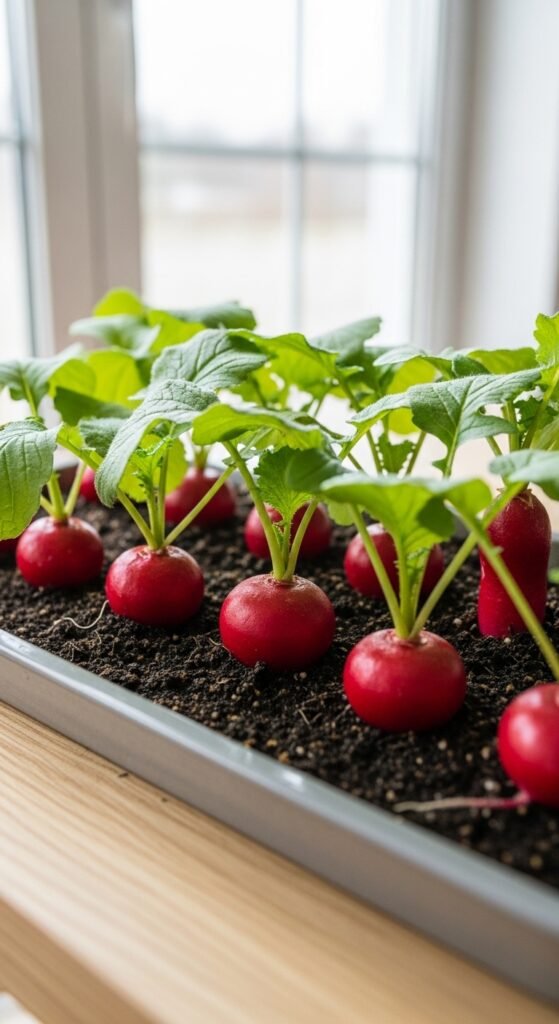
Radishes are fast-growing root vegetables that are perfect for beginners in indoor gardening. They can be harvested in as little as 3–4 weeks after planting. Radishes require shallow containers and loose soil for proper growth. They do not need intense sunlight, making them suitable for indoor spaces. Their crisp texture adds a fresh touch to salads and dishes.
10. Indoor Chilies
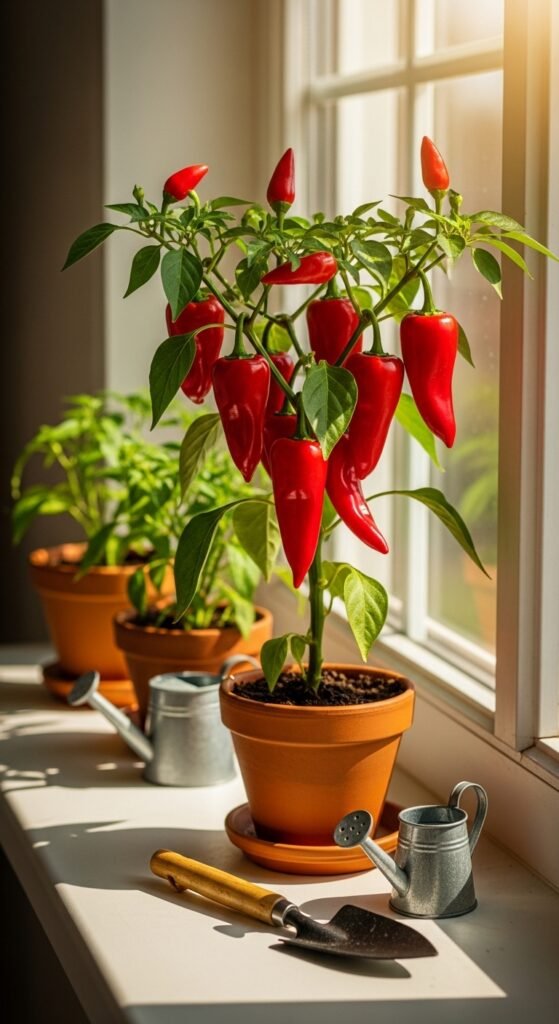
Chili plants grow very well indoors and can produce fruits year-round under the right conditions. They need warm temperatures and plenty of light to thrive. Small pots are sufficient, but proper drainage is necessary. Regular pruning helps improve yield and plant health. Indoor chilies add spice and freshness to home cooking.
11. Indoor Mushrooms
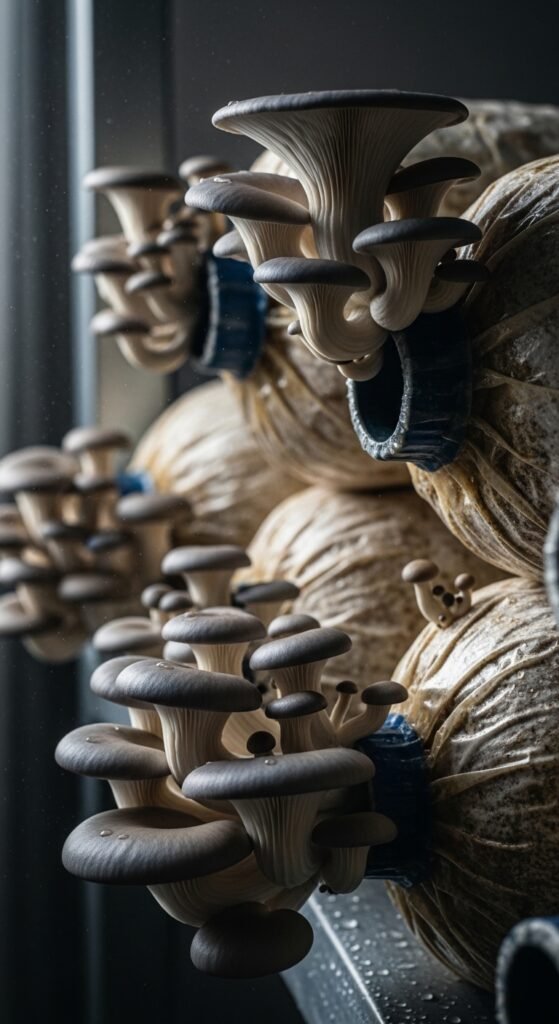
Mushrooms are unique indoor vegetables that do not require sunlight to grow. They thrive in dark, humid environments and can be grown using kits or organic materials. Oyster and button mushrooms are popular choices for beginners. They grow quickly and require minimal space, making them ideal for apartments. Fresh mushrooms are rich in nutrients and enhance many recipes.
12. Indoor Microgreens
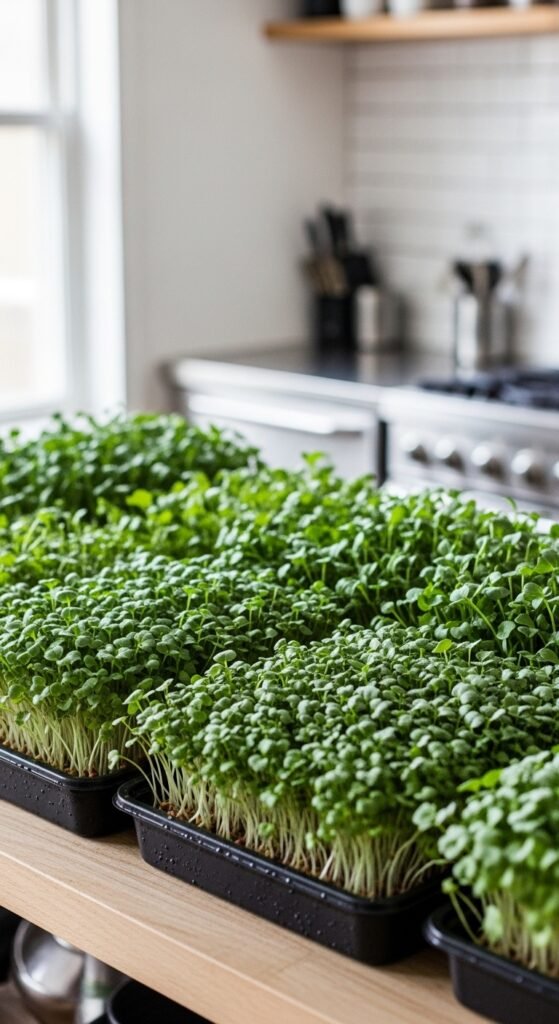
Microgreens are young vegetable greens that are harvested at an early stage of growth. They include varieties like radish, broccoli, and mustard greens. Microgreens grow quickly and only need shallow trays and minimal soil. They are packed with nutrients and can be grown year-round indoors. This makes them one of the most efficient indoor vegetable options.
13. How to Care for Indoor Vegetable Plants
- Water Correctly – Give water according to plant needs and avoid overwatering to prevent root rot.
- Give Enough Light – Place vegetable plants near a sunny window or bright spot for healthy growth.
- Use Good Soil – Choose rich, well-draining soil to help plants grow strong and productive.
- Feed Proper Nutrients – Use organic fertilizer or compost to support healthy vegetable growth.
- Check Regularly – Remove dry leaves and watch for pests to keep plants healthy and fresh.
13.1. FAQ
13.2. What are indoor vegetable plants❓
Indoor vegetable plants are vegetables that can be grown inside the home instead of a garden. These plants grow in pots, containers, or small spaces near windows or under lights. Common indoor vegetables include spinach, lettuce, green onions, tomatoes, and herbs. They are perfect for people who have limited outdoor space but still want fresh home-grown food.
13.3. Why grow vegetables indoors❓
Growing vegetables indoors is useful because it provides fresh and healthy food at home. It also saves money and reduces the need to buy vegetables from the market. Indoor gardening helps you control the growing environment, making it easier to protect plants from weather changes, pests, and pollution.
13.4. What vegetables can be grown indoors easily❓
Many vegetables can be grown indoors easily, such as spinach, lettuce, coriander, green onions, chili peppers, and cherry tomatoes. These plants do not need very large space and can grow well in pots or small containers. With proper light and care, they can produce fresh harvests even inside your home.
14. Final Thoughts
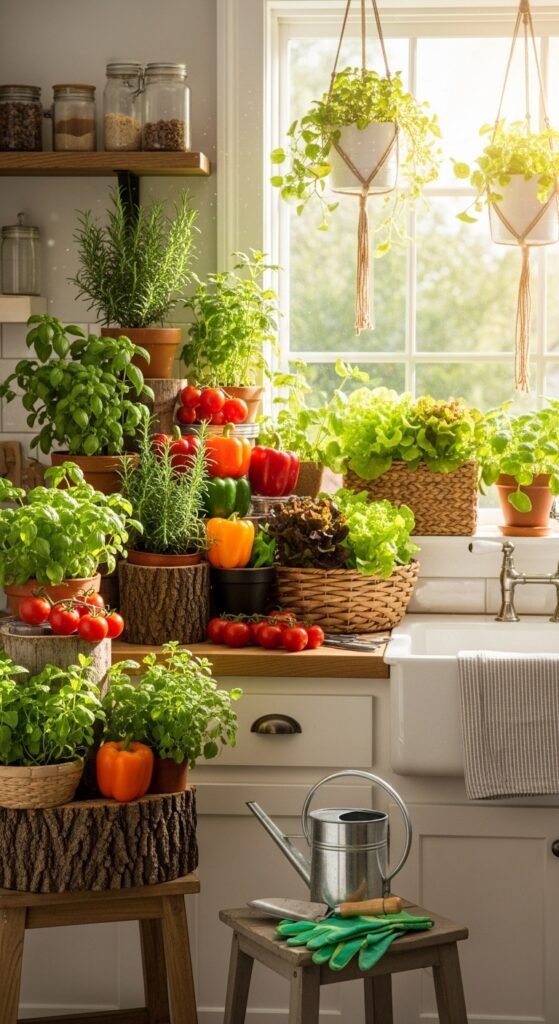
Indoor vegetable gardening is a simple yet powerful way to bring fresh, healthy food into your home. With the right plants, containers, and lighting, you can grow a wide variety of vegetables even in small spaces. From leafy greens like lettuce and spinach to fruits like tomatoes and peppers, the options are endless. These 12 indoor plant vegetable ideas show that anyone can start gardening regardless of experience or space limitations. By growing your own vegetables indoors, you enjoy fresher food, better health, and a greener lifestyle every day.