Natural Pesticides for Indoor Plants: Safe and Effective Solutions for a Healthy Home
Blog > Home > Indoor Plants & Home Decor > Natural Pesticides for Indoor Plants: Safe and Effective Solutions for a Healthy Home
Indoor plants bring life, beauty, and fresh air into your home, but they can sometimes attract unwanted pests. Common issues like aphids, spider mites, and fungus gnats can quickly damage your plants if left untreated. Instead of turning to harsh chemicals, many plant lovers prefer natural pesticides for indoor plants that are safe for humans, pets, and the environment. These eco-friendly solutions are easy to make, affordable, and highly effective when used correctly. In this guide, you’ll discover 12 natural pesticide ideas that help protect your indoor plants while keeping your home toxin-free.
Table Of Content
1. Neem Oil Spray
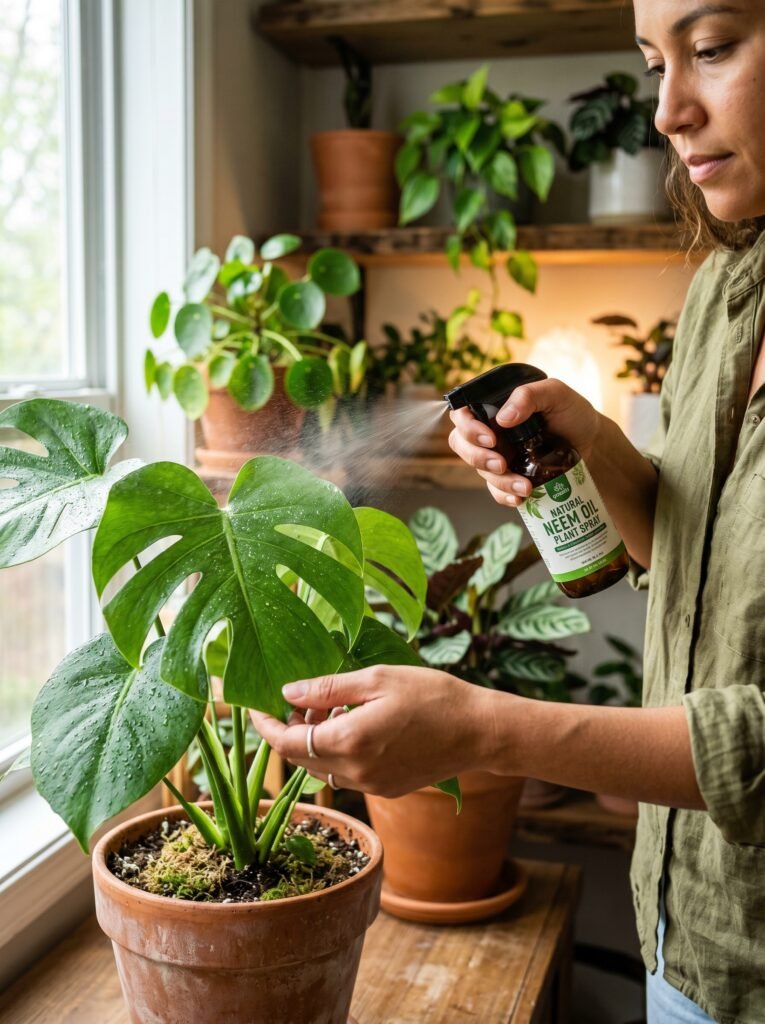
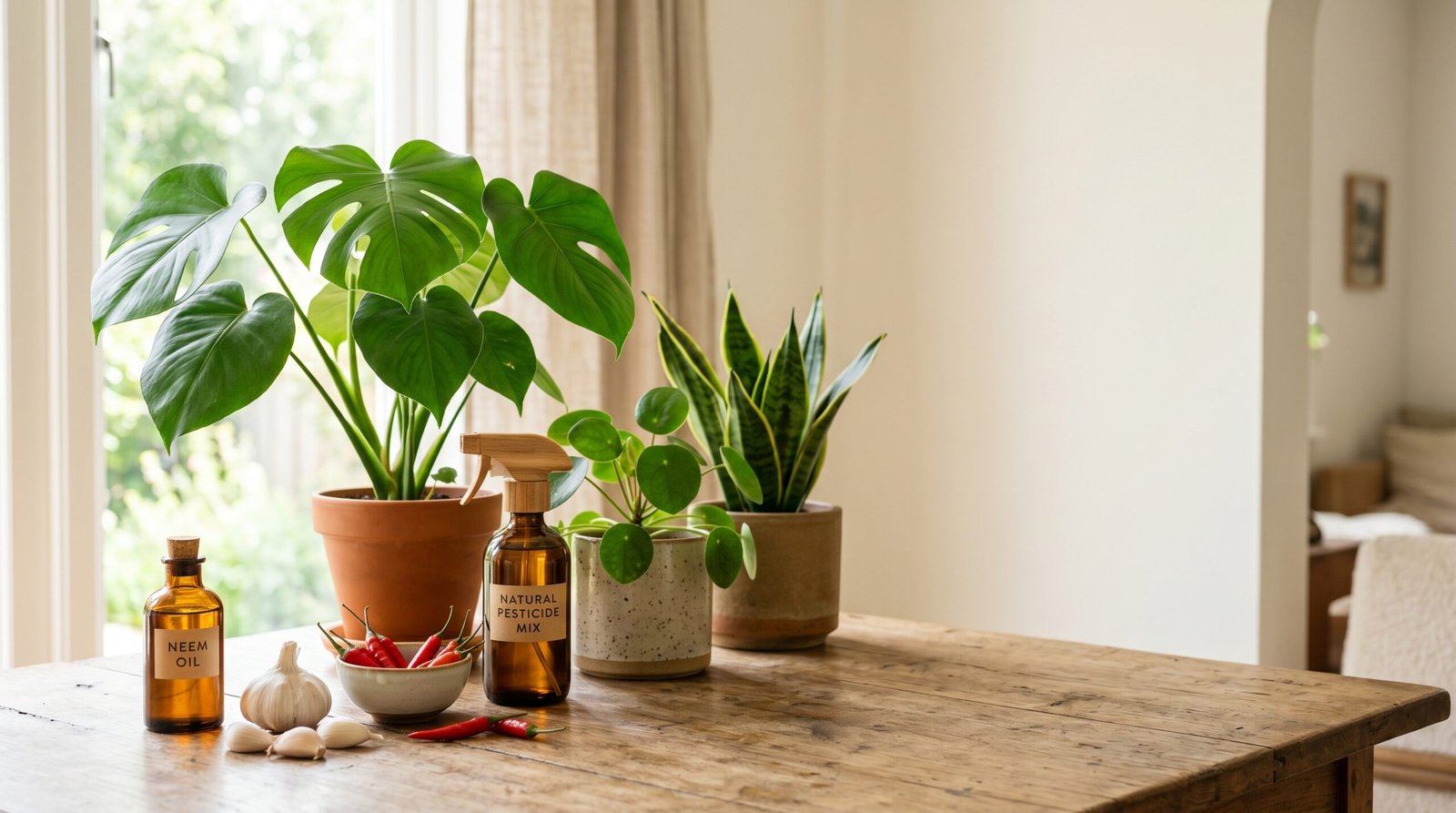
Neem oil is one of the most popular natural pesticides for indoor plants due to its powerful antifungal and insecticidal properties. It works by disrupting the life cycle of pests, preventing them from feeding and reproducing. To use it, mix a few drops of neem oil with water and a mild soap, then spray it on affected leaves. Regular application can help control pests like aphids, mealybugs, and spider mites. This solution is safe for most plants when used in proper dilution.
2. Soap and Water Solution
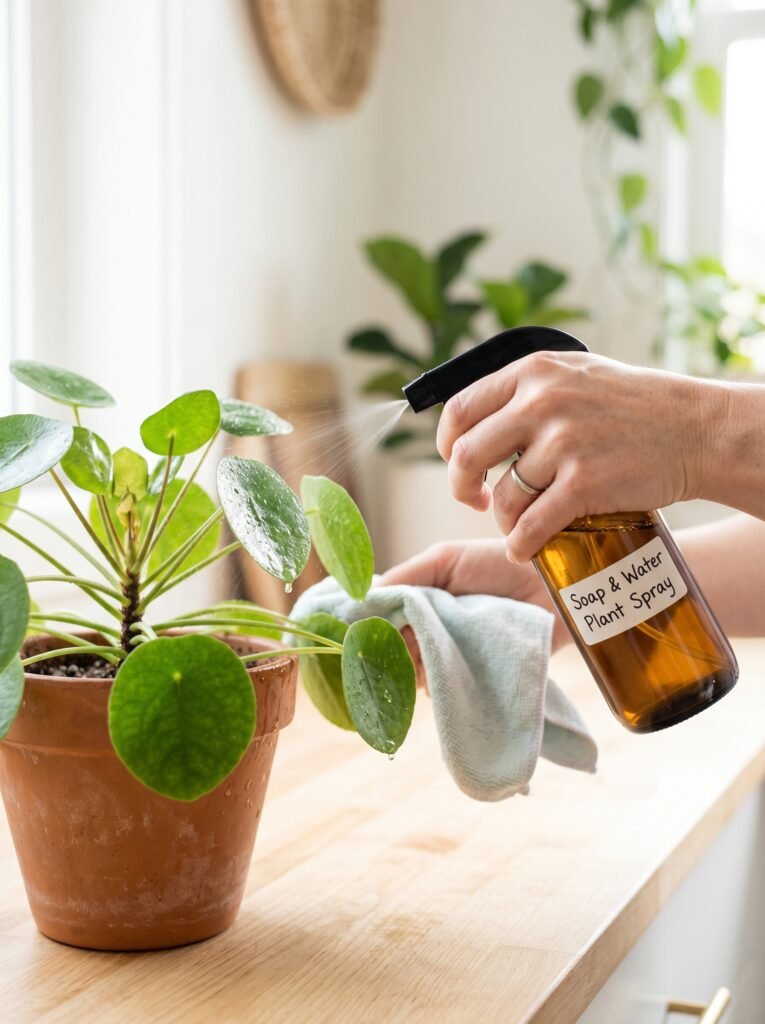
A simple soap and water mixture can effectively eliminate many soft-bodied insects. Mild liquid soap breaks down the protective outer layer of pests, causing them to dehydrate. Mix a few drops of dish soap with water and spray directly onto infected areas. Make sure to rinse the plant after a few hours to avoid residue buildup. This method is easy, cost-effective, and suitable for regular use.
3. Garlic Spray
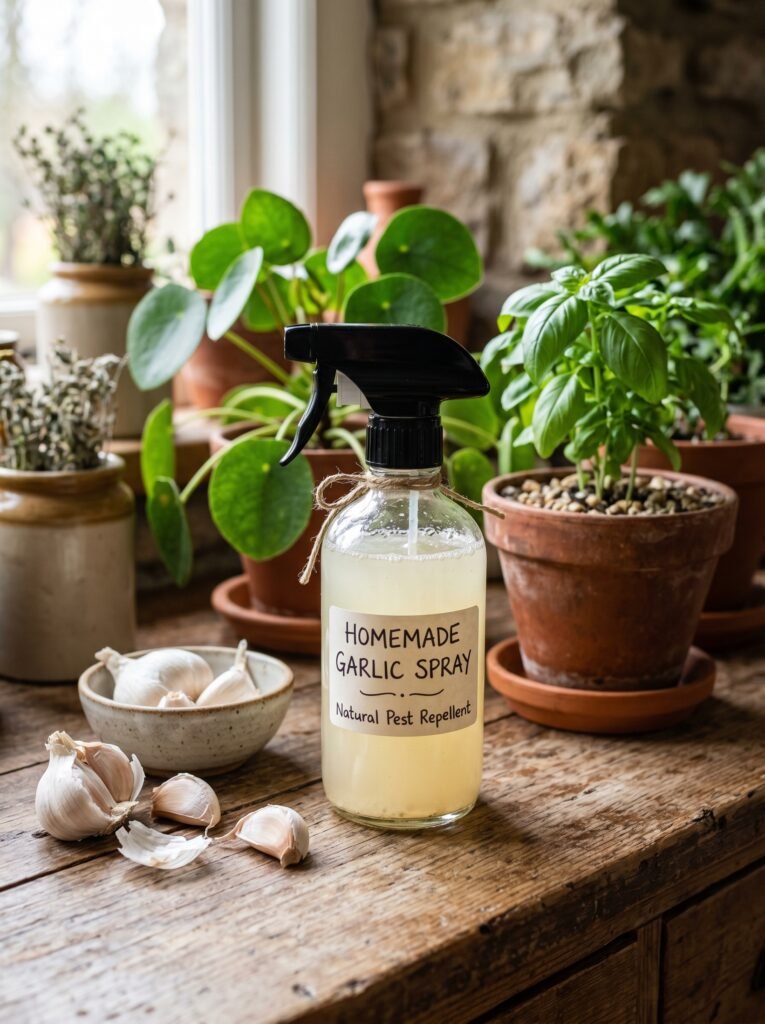
Garlic spray is a natural repellent that helps keep pests away from indoor plants. Its strong smell deters insects without harming the plant itself. Blend garlic cloves with water, strain the mixture, and spray it on leaves and stems. This solution works particularly well against aphids and caterpillars. Regular use can help prevent infestations before they start.
4. Chili Pepper Spray
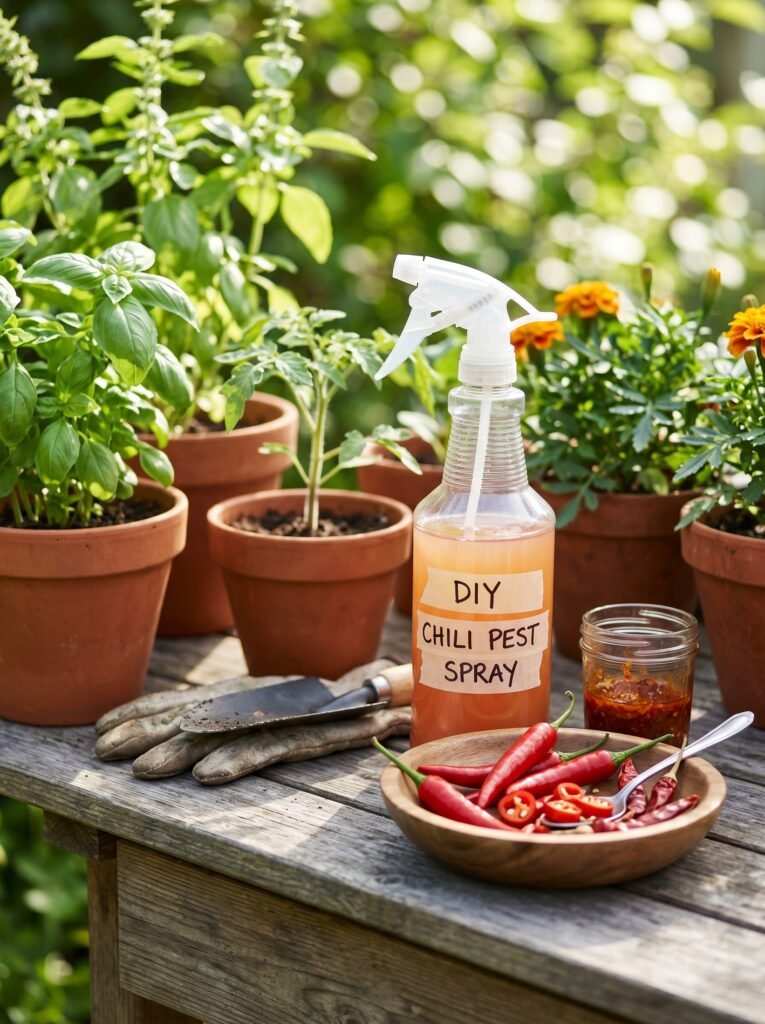
Chili pepper spray is another powerful natural pesticide that irritates and repels insects. Capsaicin, the active compound in peppers, makes plants less appealing to pests. Mix chili powder or fresh peppers with water and a small amount of soap, then spray lightly. Be cautious when handling this mixture, as it can irritate skin and eyes. This method is effective against a wide range of common indoor pests.
5. Vinegar Solution
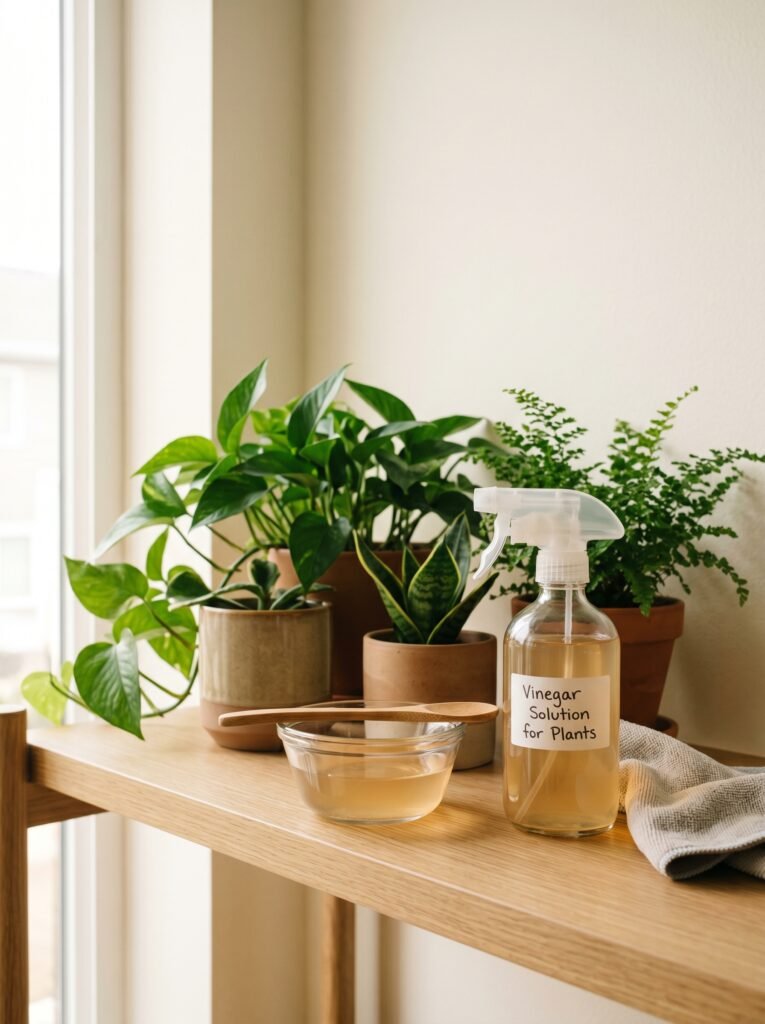
Vinegar can be used as a natural pesticide to deter pests like ants and fungus gnats. Its strong acidity disrupts the environment that pests thrive in. Mix equal parts vinegar and water and apply it carefully around the plant area, avoiding direct contact with leaves. This solution is best used as a preventive measure rather than a direct treatment. It helps maintain a pest-free environment indoors.
6. Essential Oil Spray
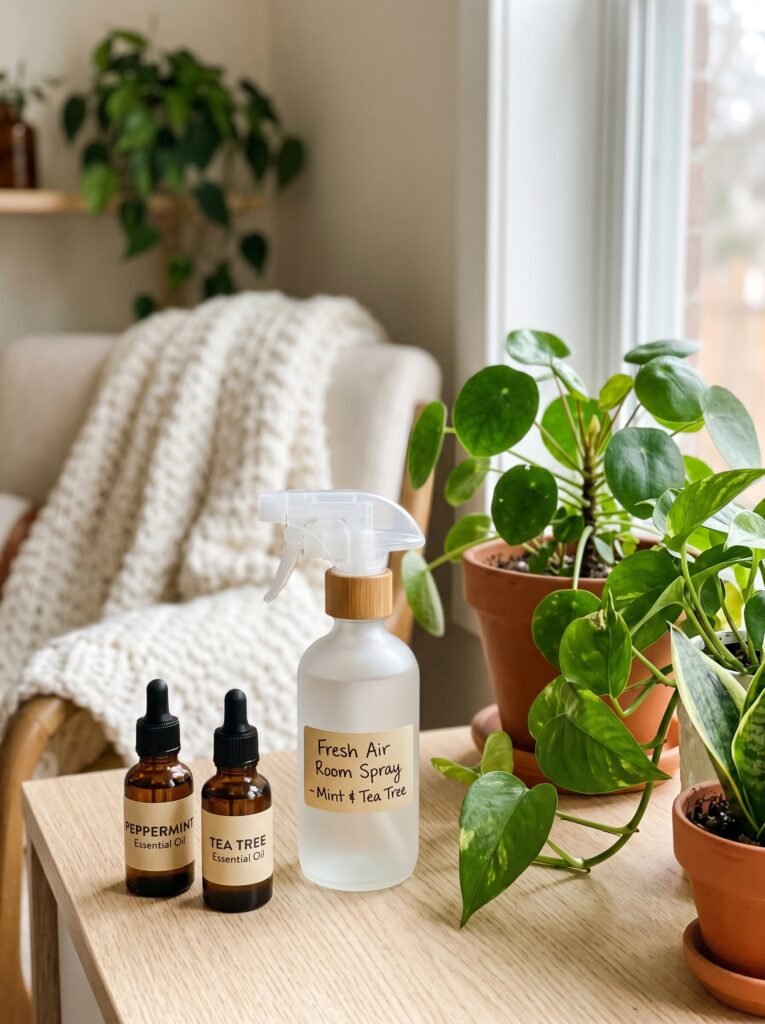
Essential oils like peppermint, eucalyptus, and tea tree oil act as natural insect repellents. These oils contain compounds that insects find unpleasant, helping to keep them away from your plants. Add a few drops of essential oil to water and spray lightly on leaves. This method not only protects plants but also leaves a pleasant fragrance in your home. Regular use can help maintain healthy indoor plants.
7. Baking Soda Spray
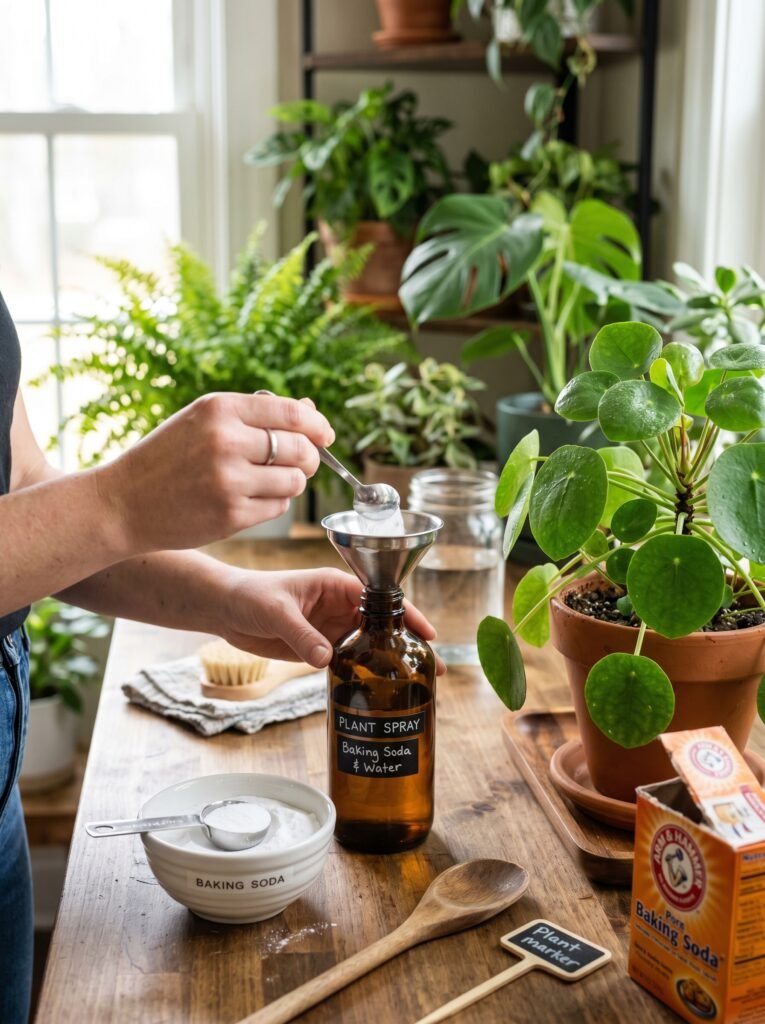
Baking soda is commonly used to prevent fungal infections in indoor plants. It works by altering the pH level on leaf surfaces, making it difficult for fungi to grow. Mix a small amount of baking soda with water and a drop of liquid soap, then spray on affected areas. This solution is especially useful for treating powdery mildew. Use it sparingly to avoid over-application.
8. Alcohol Spray
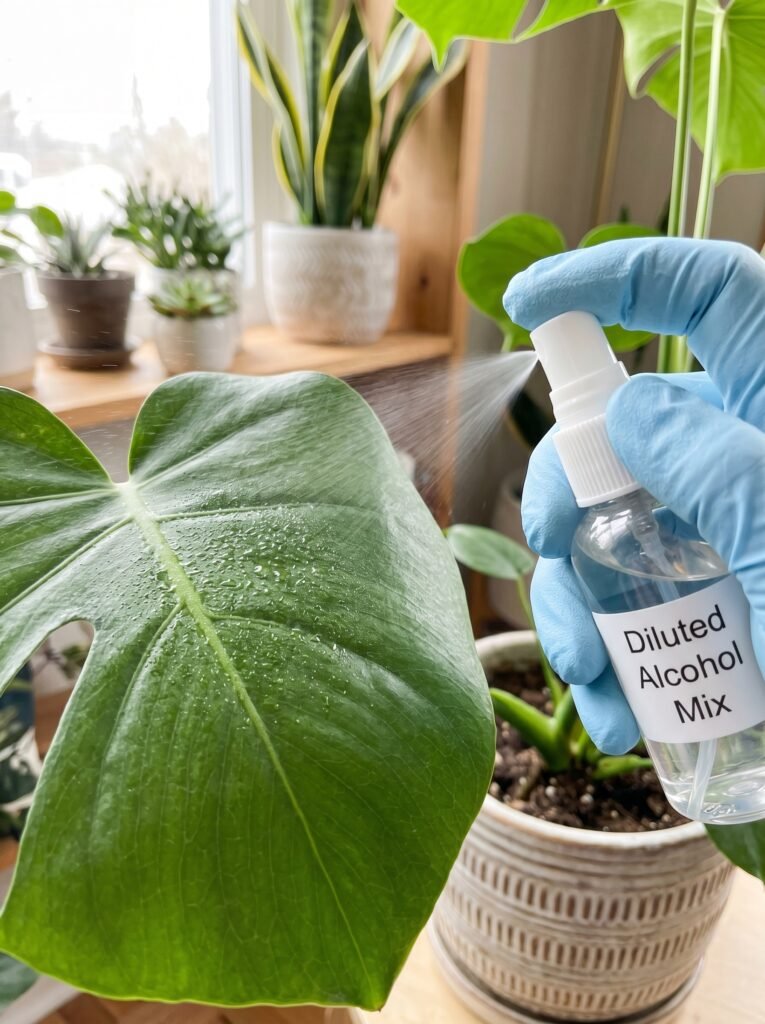
Rubbing alcohol is effective in killing pests like mealybugs and spider mites on contact. It works by dissolving the protective coating of insects, leading to dehydration. Dilute alcohol with water and apply it using a spray bottle or cotton swab. Always test on a small part of the plant before full application. This ensures the plant does not react negatively.
9. Cinnamon Powder
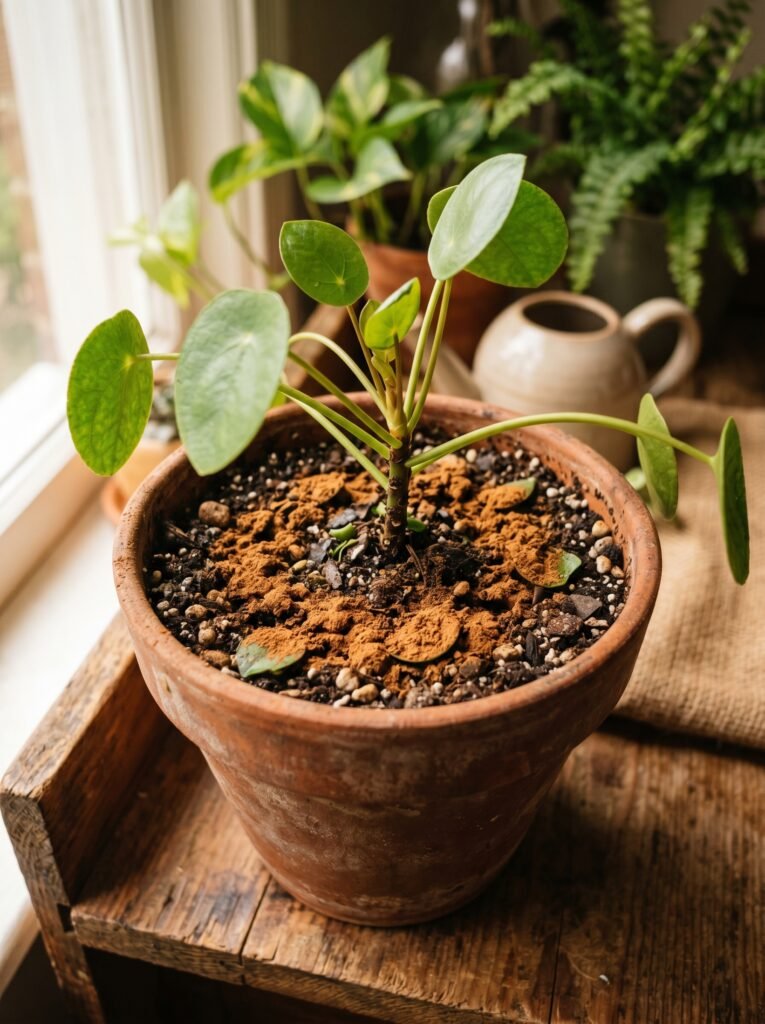
Cinnamon is a natural antifungal agent that helps protect indoor plants from diseases. Sprinkling cinnamon on soil can prevent mold growth and deter pests. It is especially useful for seedlings and newly planted pots. This method is simple, mess-free, and completely natural. Regular use helps maintain a healthy growing environment.
10. Hydrogen Peroxide Solution
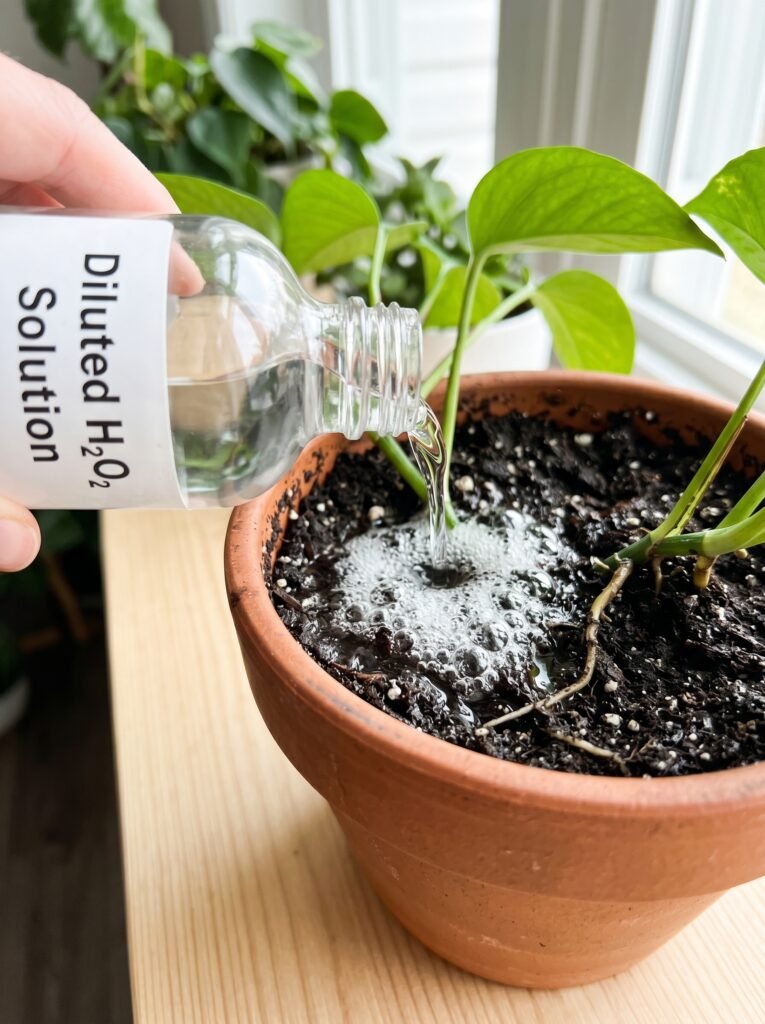
Hydrogen peroxide can be used to treat soil pests and root-related issues. When diluted with water, it releases oxygen that helps kill harmful bacteria and larvae. Pour the solution into the soil to target fungus gnat larvae effectively. This method also promotes healthier root growth. It is a dual-purpose solution for pest control and plant health.
11. Banana Peel Tra
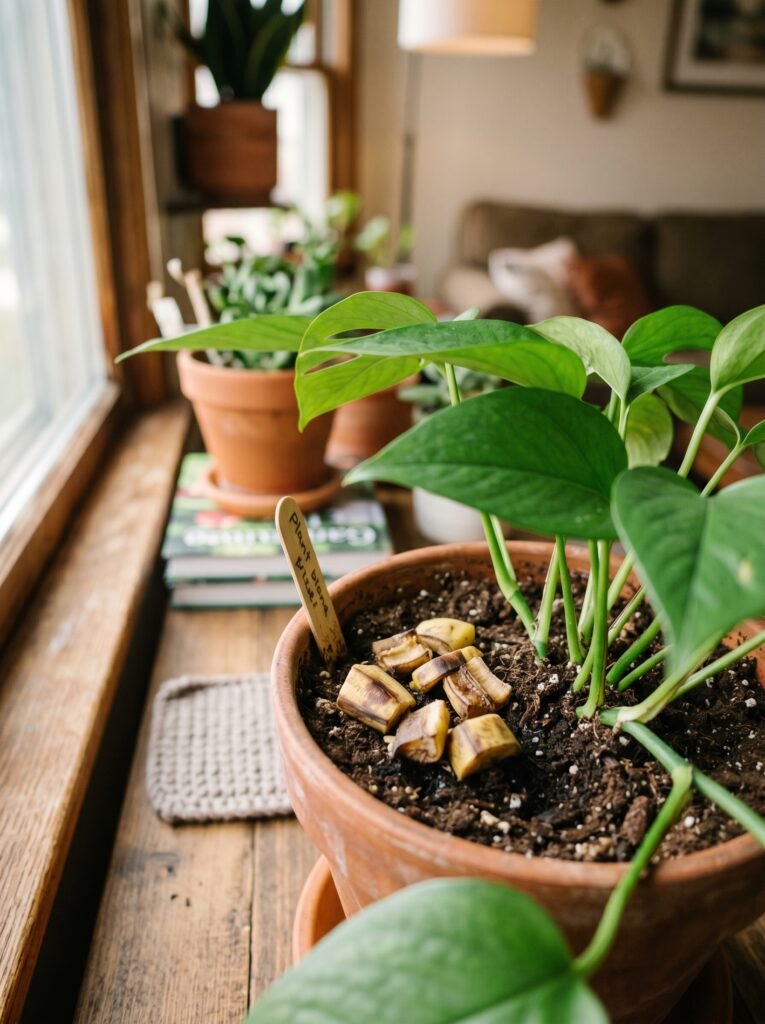
Banana peels can be used as a natural trap for pests like aphids. Place small pieces of banana peel in the soil to attract insects away from the plant. Once pests gather, remove and dispose of the peels. This method is eco-friendly and reduces pest populations naturally. It’s a simple yet effective solution for minor infestations.
12. Diatomaceous Earth
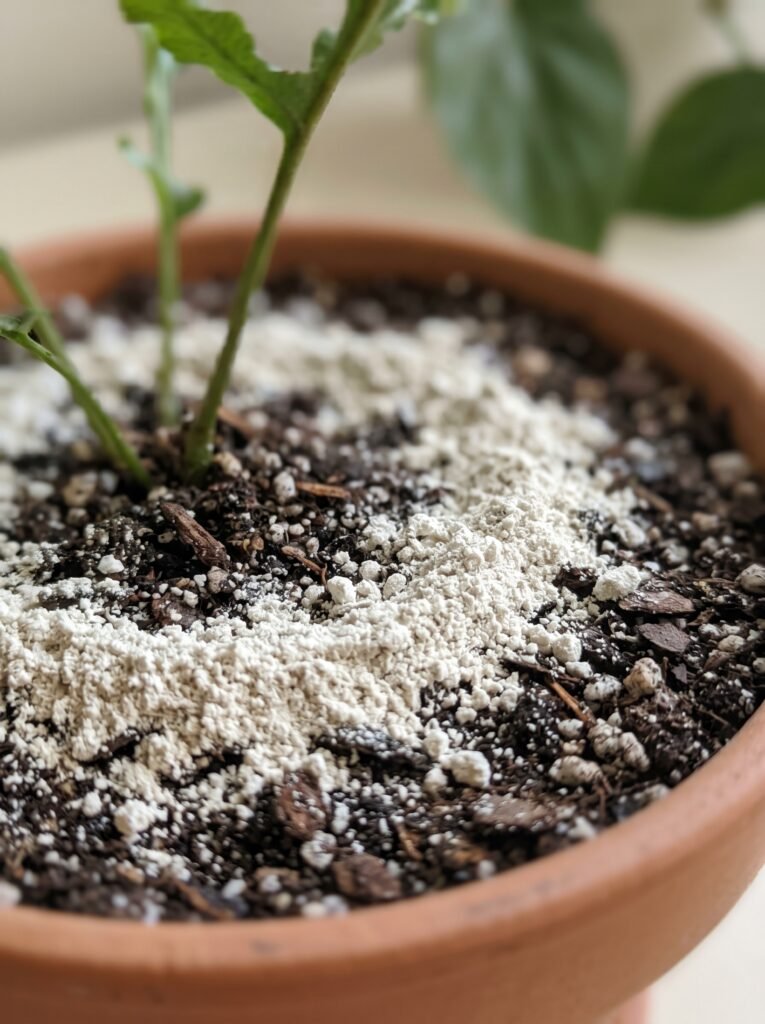
Diatomaceous earth is a natural powder made from fossilized algae that kills insects by damaging their outer layer. Sprinkle it lightly on soil and around plants to create a protective barrier. It is highly effective against crawling pests like ants and mites. Make sure to use food-grade diatomaceous earth for safety. This method provides long-lasting pest control without chemicals.
13. How to Care for Natural Pesticides for Indoor Plants
- Store Properly – Keep natural pesticides in a cool, dry place away from sunlight.
- Use Fresh Ingredients – Prepare small batches to keep the mixture effective.
- Apply Carefully – Spray lightly on leaves and avoid overuse to protect plants.
- Test First – Try on one leaf before full use to prevent damage.
- Clean Sprayers – Wash spray bottles after use to keep them safe and reusable.
13.1. FAQ
13.2. What are natural pesticides for indoor plants❓
Natural pesticides for indoor plants are safe and chemical-free solutions used to control pests like insects and bugs. These are usually made from common household items such as neem oil, garlic, vinegar, or soap water. They help protect plants without harming the environment or indoor air quality, making them a better choice for home use.
13.3. Why use natural pesticides for indoor plants❓
Natural pesticides are used because they are safer for humans, pets, and plants compared to chemical sprays. They reduce the risk of harmful side effects and keep indoor spaces healthy. Using natural options also supports eco-friendly practices and helps maintain a balanced environment for plant growth.
13.4. How can I make natural pesticide at home❓
You can make a natural pesticide at home by mixing simple ingredients like water with neem oil, dish soap, or crushed garlic. For example, a mixture of water and a few drops of liquid soap can help remove small insects from leaves. These solutions are easy to prepare and can be sprayed directly on plants.
14. Final Thoughts
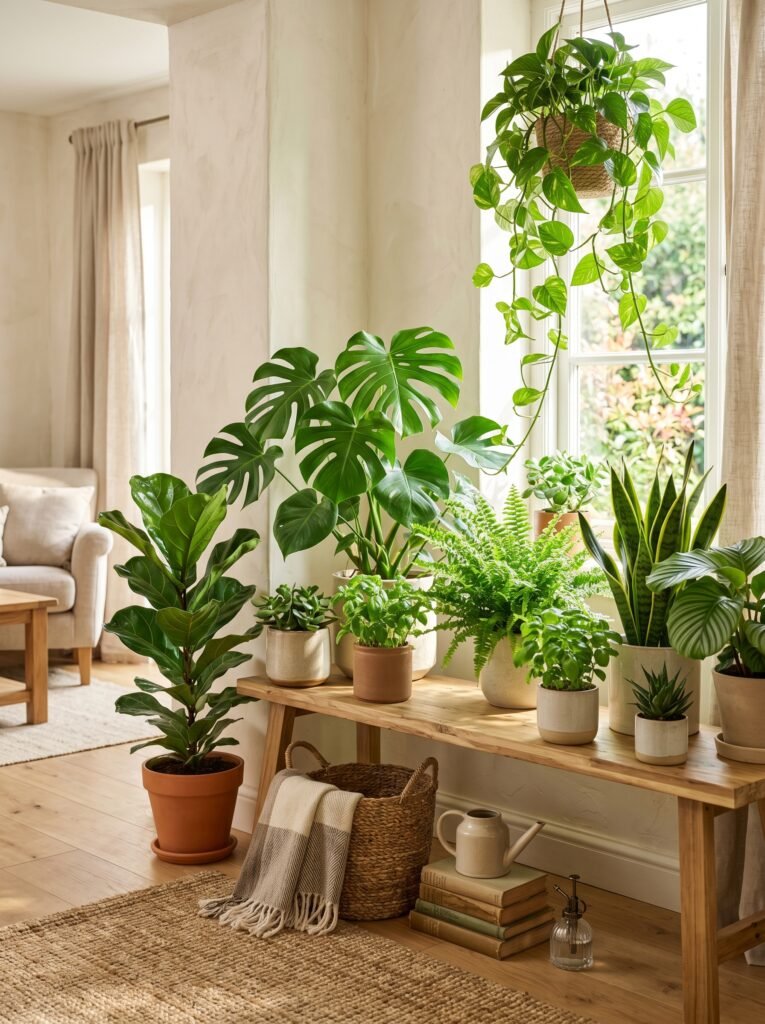
Using natural pesticides for indoor plants is a safe and sustainable way to keep your greenery healthy and thriving. These methods not only protect your plants from pests but also ensure your indoor environment remains free from harmful chemicals. The key to success is consistency and choosing the right solution based on the type of pest. By incorporating these natural remedies into your plant care routine, you can enjoy lush, vibrant plants all year round. With these 12 effective ideas, maintaining a pest-free indoor garden becomes simple and stress-free.