How to Make a Hanging Basket for Indoor Plants: A Complete Step-by-Step Guide
Blog > Home > Indoor Plants & Home Decor > How to Make a Hanging Basket for Indoor Plants: A Complete Step-by-Step Guide
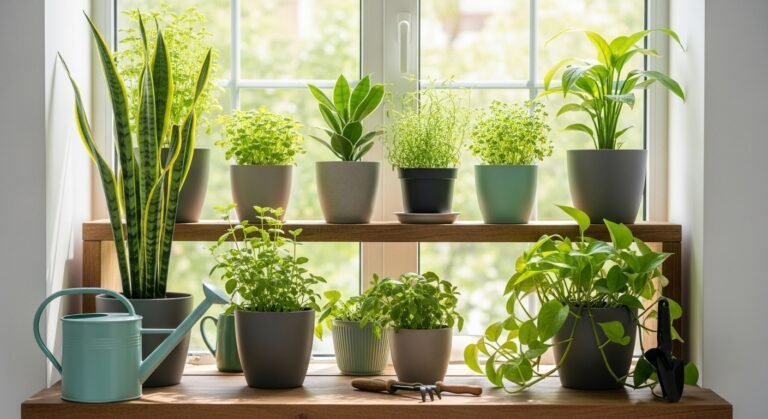
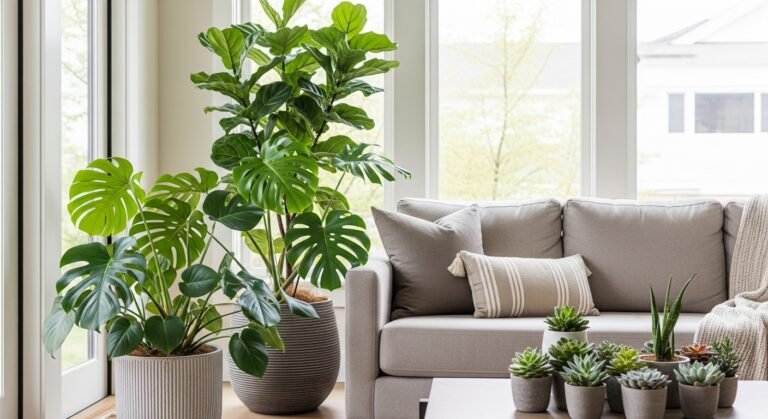
Indoor plants have become an essential part of modern home décor, bringing freshness, beauty, and a calming atmosphere into living spaces. One of the most creative and space-saving ways to display plants is by using a hanging basket. Learning how to make a hanging basket for indoor plants not only enhances your interior style but also allows you to customize designs according to your taste. Whether you live in a small apartment or a spacious home, hanging planters help maximize vertical space efficiently. In this detailed guide, you’ll discover 12 structured ideas and methods to create stunning hanging baskets that are both functional and visually appealing.
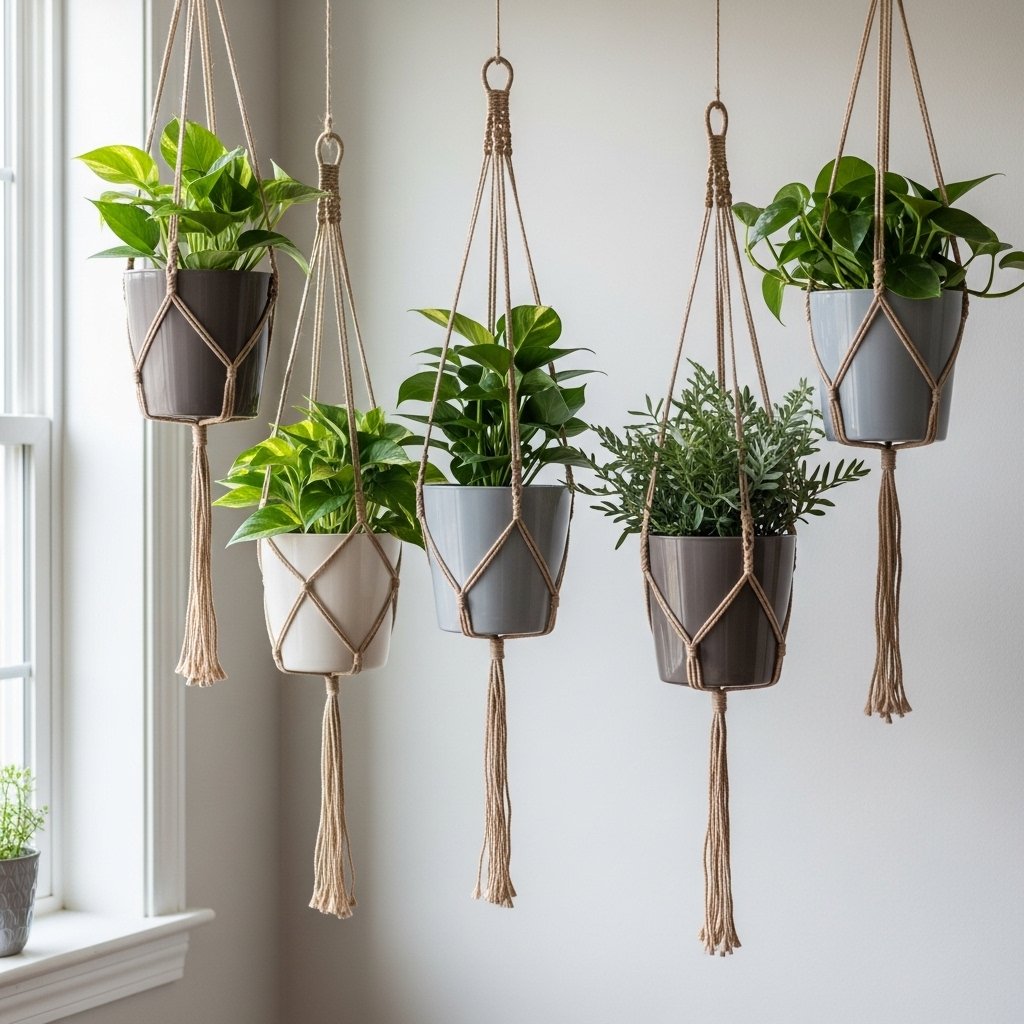
Table Of Content
1. Choose the Right Basket Base
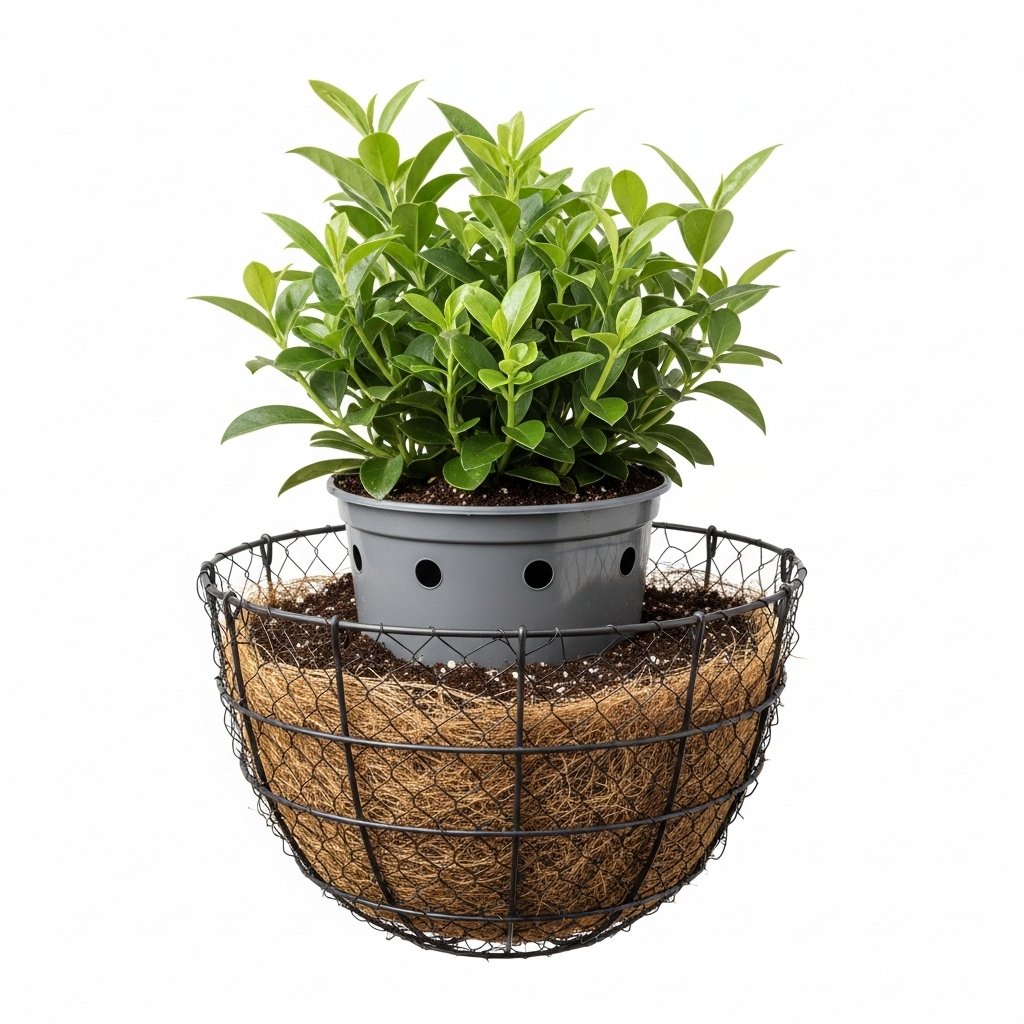
The first step in making a hanging basket is selecting a suitable base that can hold your plant securely. You can use materials like wire baskets, plastic containers, or even woven baskets depending on your aesthetic preference. Make sure the basket is sturdy enough to support the weight of soil and the plant. Proper drainage holes are essential to prevent water buildup and root rot. Choosing the right base ensures your hanging planter lasts longer and functions properly.
2. Select the Ideal Indoor Plants
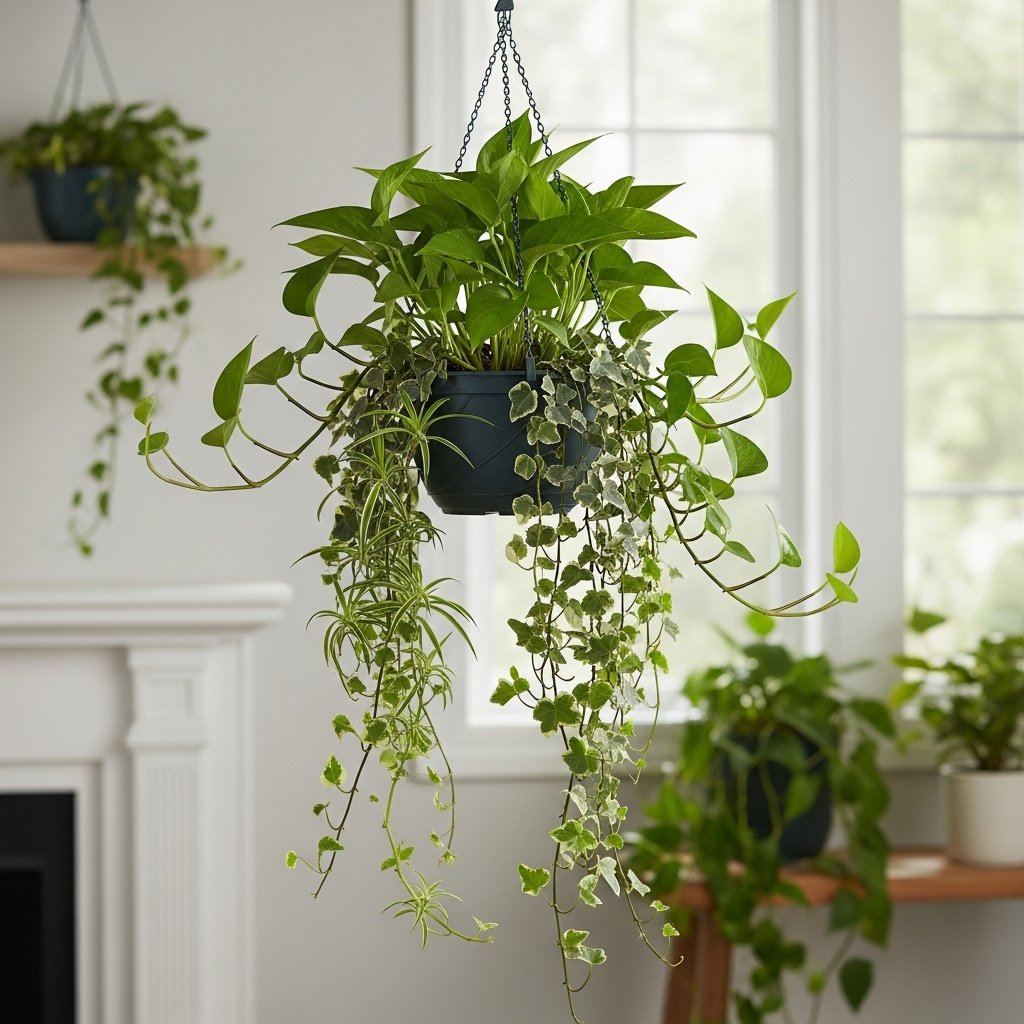
Not all plants are suitable for hanging baskets, so choosing the right ones is important. Trailing plants like pothos, spider plants, and ivy work best because they naturally cascade downward. These plants add a lush and decorative look to your hanging basket. Make sure the plant you choose thrives in indoor lighting conditions. Healthy plant selection plays a key role in the overall success of your hanging basket.
3. Prepare a Proper Liner
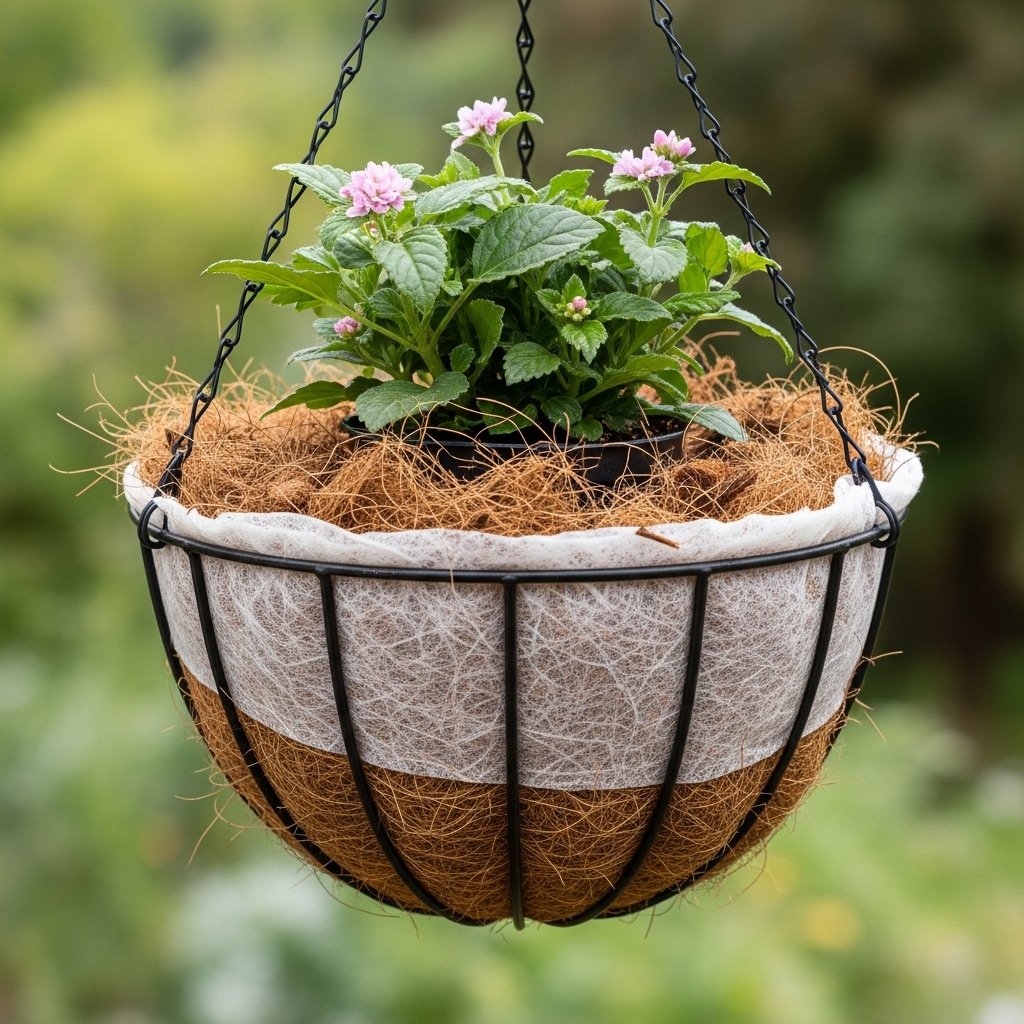
A liner helps hold soil in place while allowing excess water to drain properly. You can use coconut coir, moss, or even a fabric liner for this purpose. The liner should fit snugly inside the basket to avoid soil leakage. It also helps retain moisture, which is beneficial for plant growth. A good liner keeps your hanging basket neat and functional.
4. Use High-Quality Potting Mix
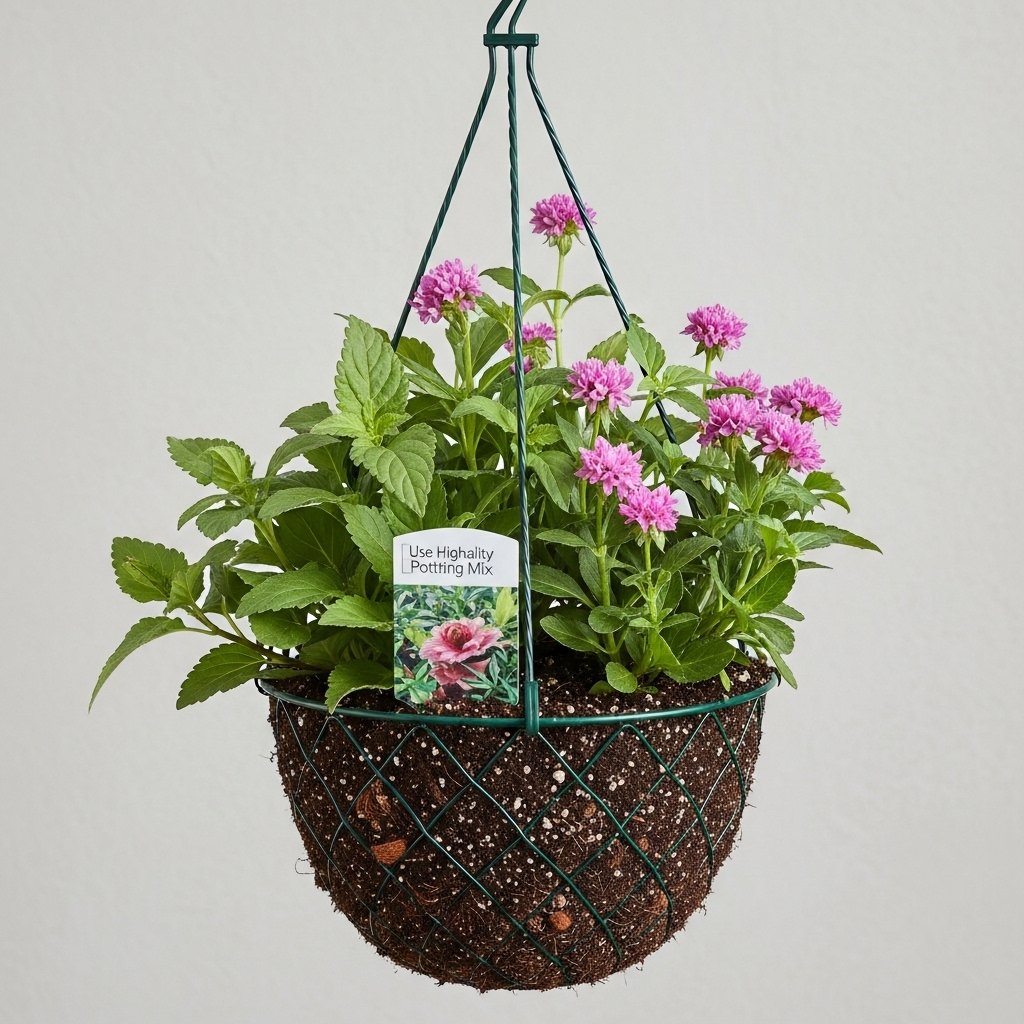
Using the right potting mix is essential for healthy plant growth in a hanging basket. Choose a lightweight, well-draining soil mix that allows roots to breathe. Avoid using heavy garden soil as it can compact and hinder drainage. You can also mix in perlite or coco peat to improve aeration. A quality potting mix ensures your plants remain healthy and vibrant.
5. Add a Strong Hanging Mechanism
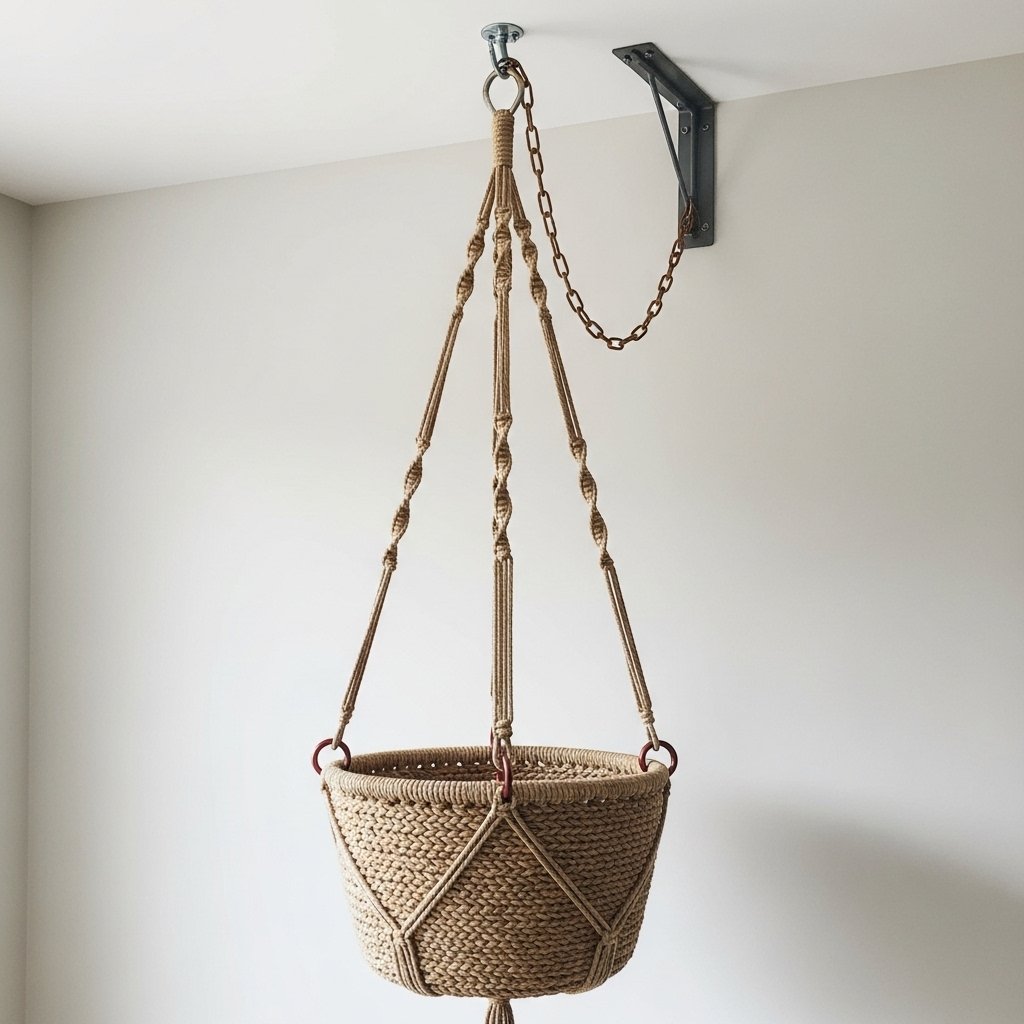
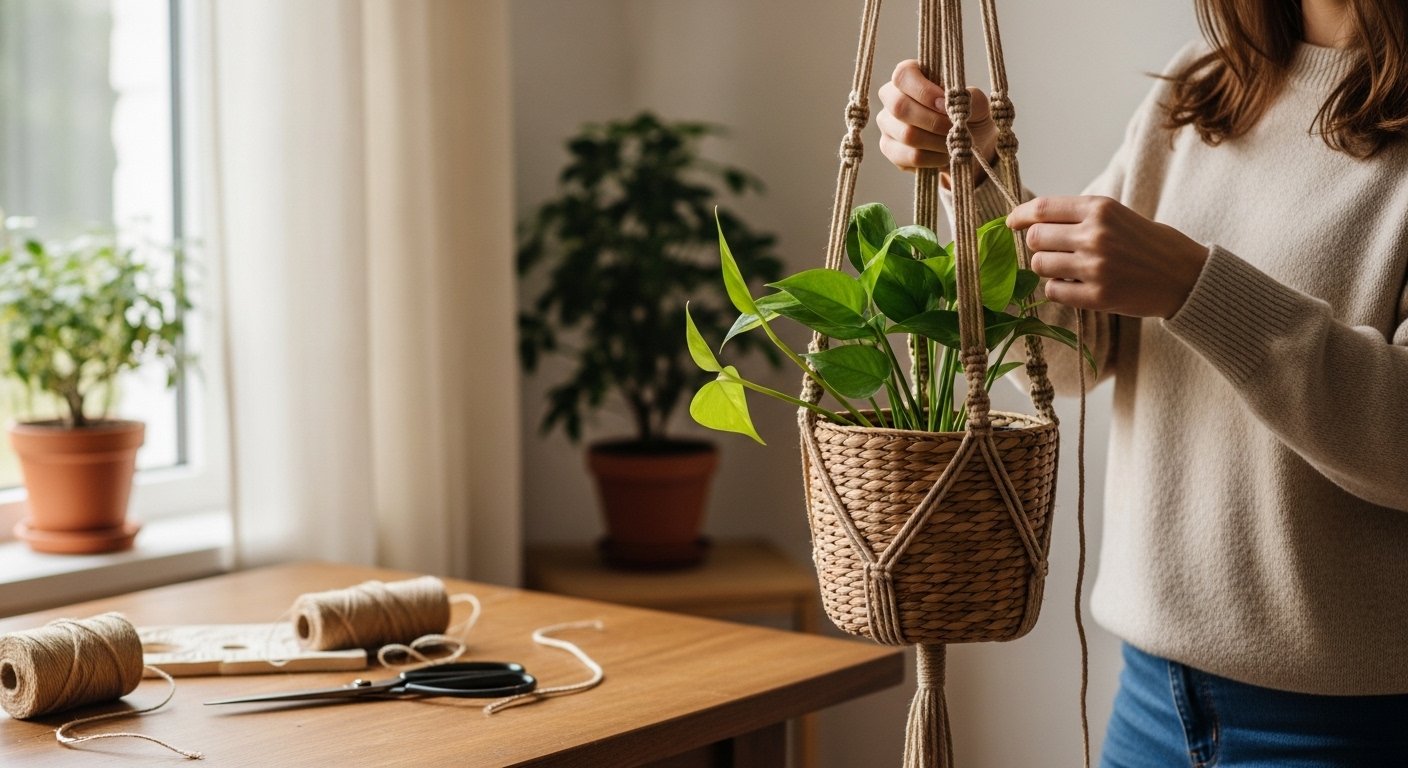
The hanging mechanism is what keeps your basket safely suspended. Use durable chains, ropes, or macramé hangers that can support the weight of the basket. Make sure all connections are secure to prevent accidents. You can attach the hanger to a ceiling hook or wall bracket. A strong support system is crucial for both safety and stability.
6. Create a DIY Macramé Holder
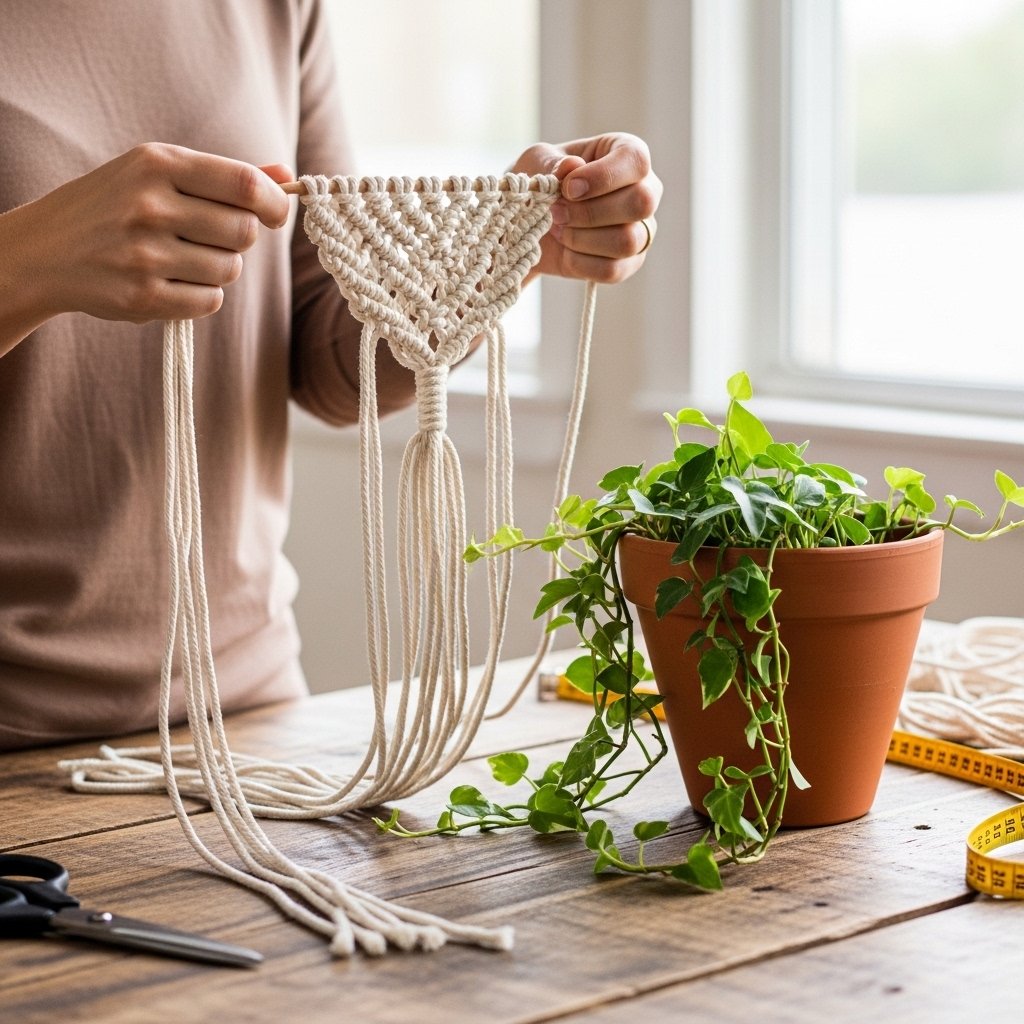
Macramé holders are a stylish and trendy way to hang indoor plants. You can create your own using cotton rope and simple knotting techniques. This adds a handmade and decorative touch to your basket. Macramé designs can be customized to match your home décor. It’s a great way to combine creativity with functionality.
7. Ensure Proper Drainage System
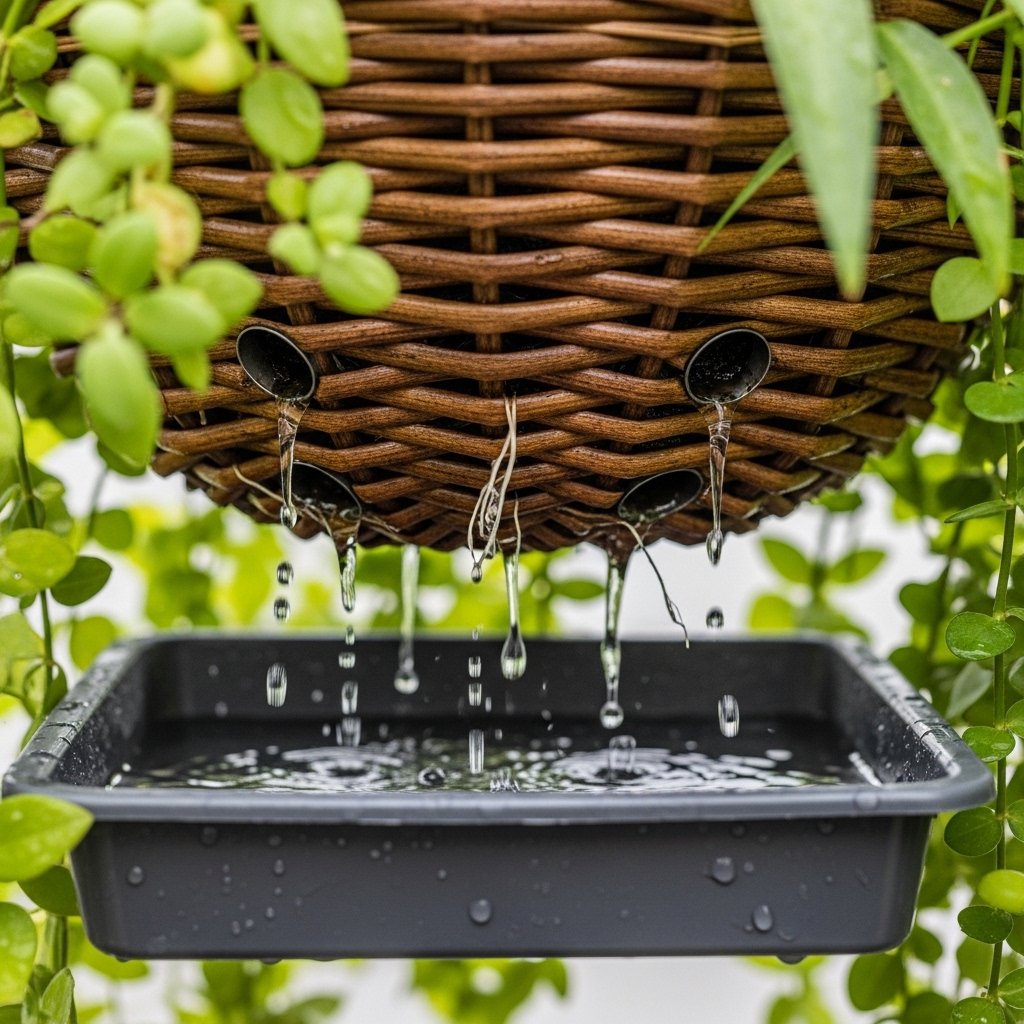
Drainage is one of the most important aspects of a hanging basket. Without proper drainage, excess water can damage plant roots. Always ensure your basket has holes at the bottom for water to escape. You can place a small tray underneath if needed to catch drips. Good drainage keeps your plants healthy and prevents overwatering issues.
8. Position the Basket Correctly
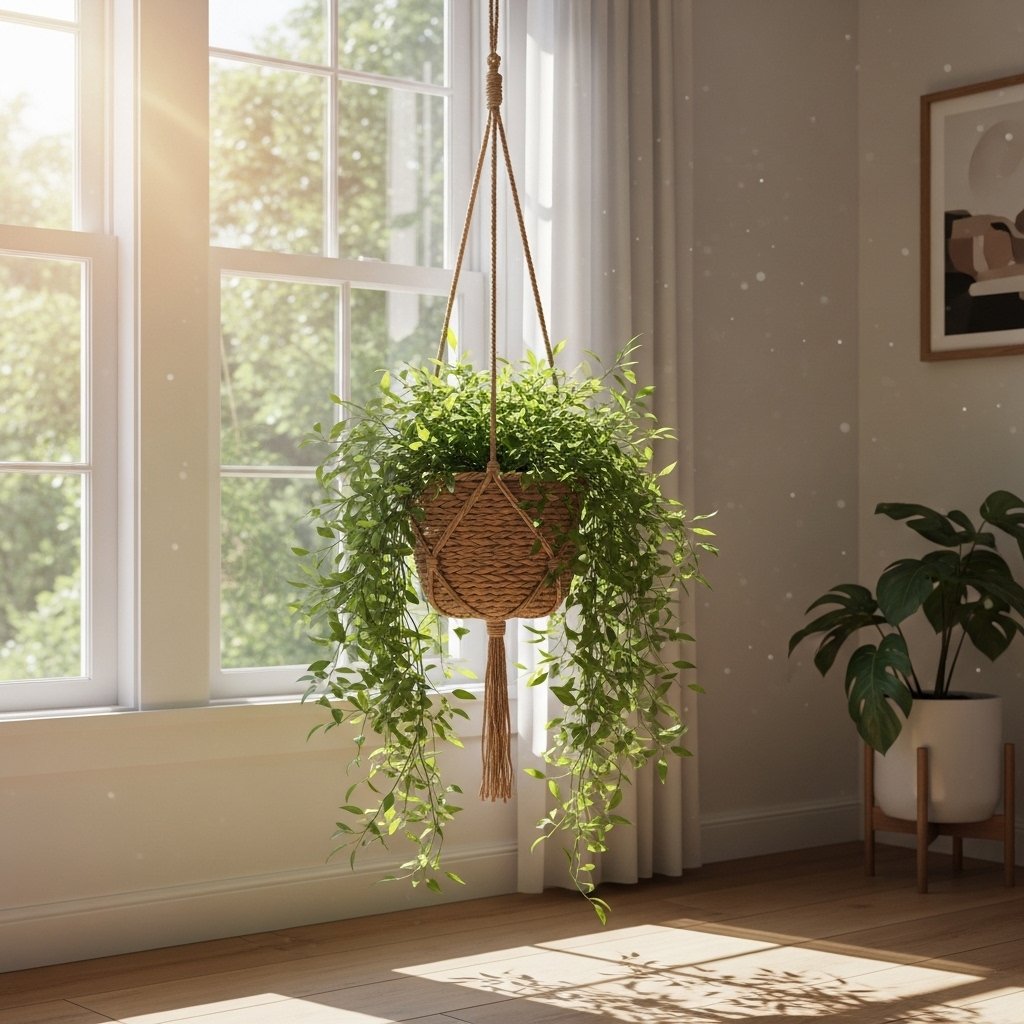
Placement plays a key role in the success of indoor hanging plants. Choose a location that receives adequate sunlight based on your plant’s needs. Avoid placing baskets in areas with poor air circulation. Hanging them near windows or bright corners usually works best. Proper positioning enhances both plant growth and room aesthetics.
9. Water Plants Carefully
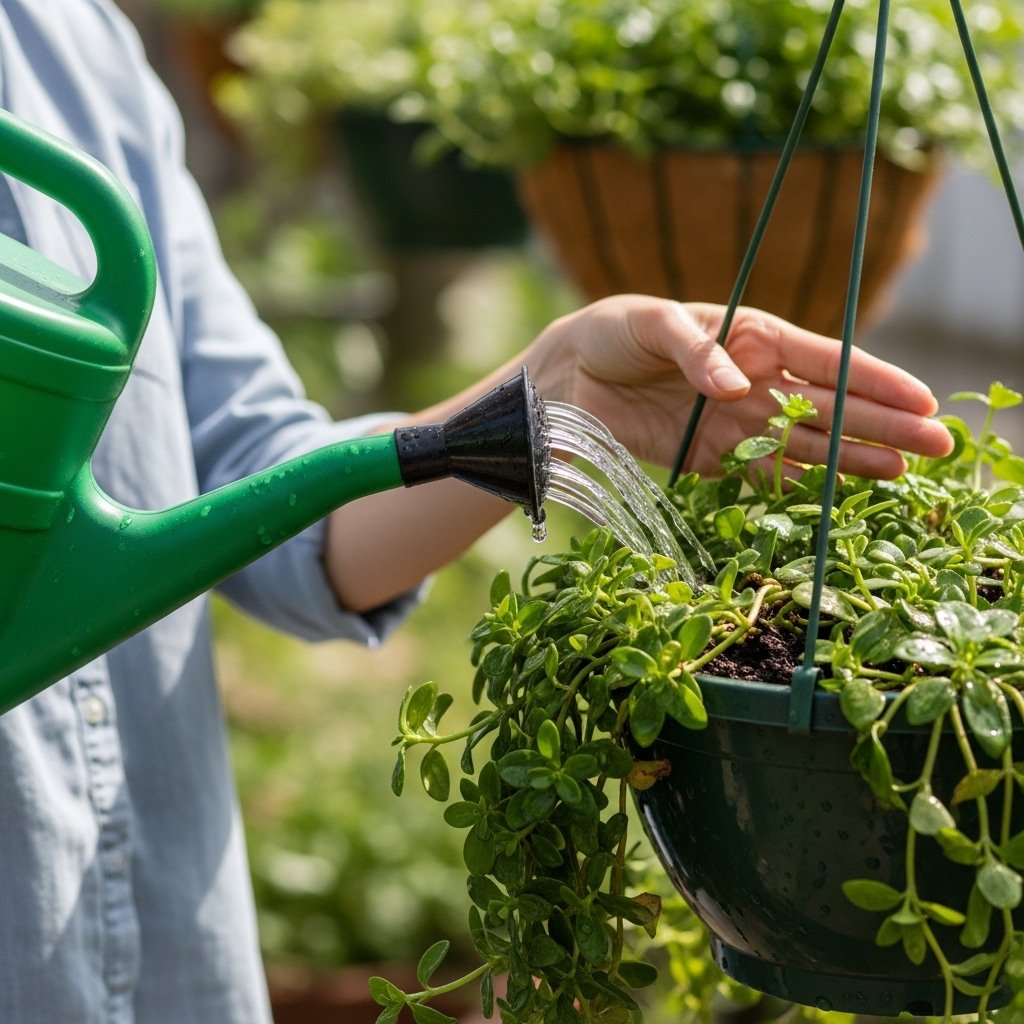
Watering hanging baskets requires a bit more attention than regular pots. Since they are elevated, water can drain quickly, so regular monitoring is important. Avoid overwatering as it can lead to dripping and mess. Use a watering can with a narrow spout for better control. Consistent watering keeps your plants thriving.
10. Decorate Your Hanging Basket
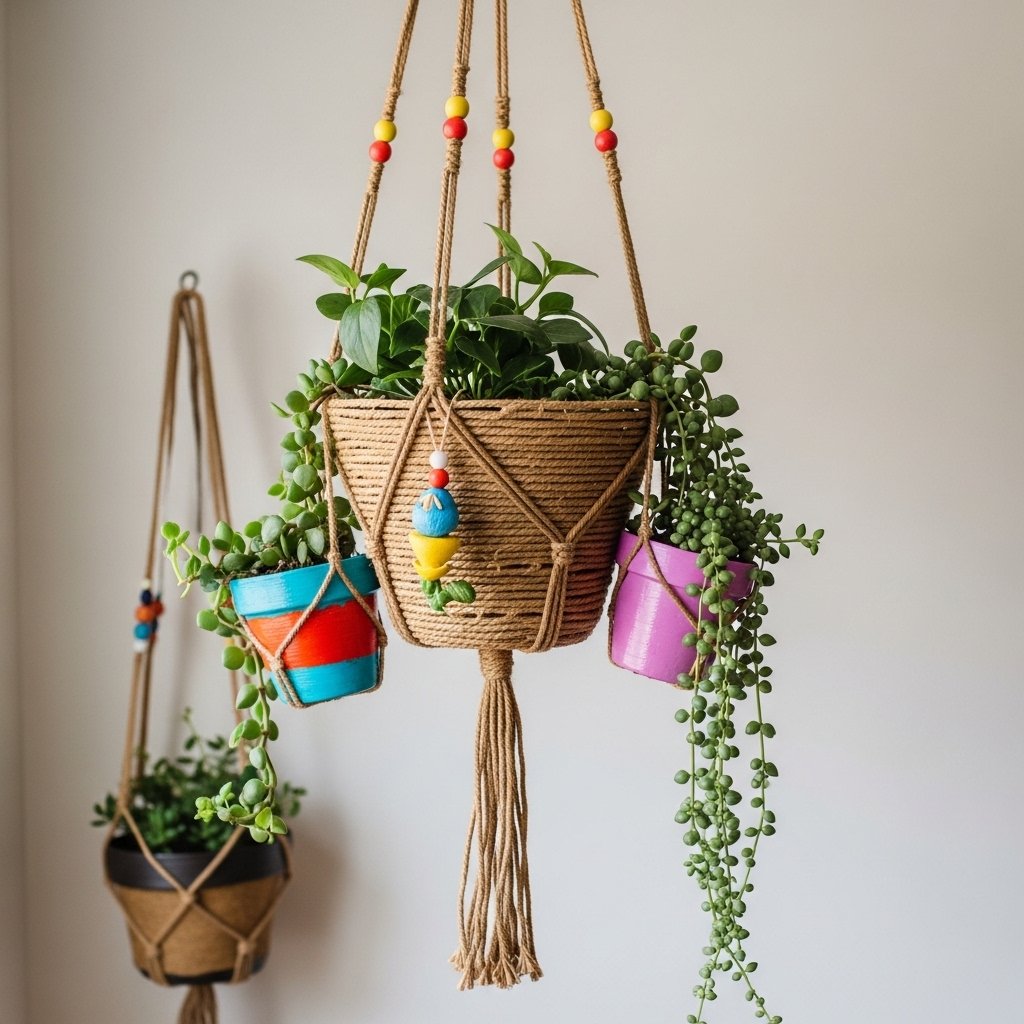
You can enhance the look of your hanging basket by adding decorative elements. Use painted pots, colorful ropes, or beads to make it more visually appealing. Matching your basket design with your room’s theme creates a cohesive look. Decorative touches make your hanging planter stand out as a statement piece. Creativity can turn a simple basket into a stylish décor item.
11. Maintain and Prune Regularly
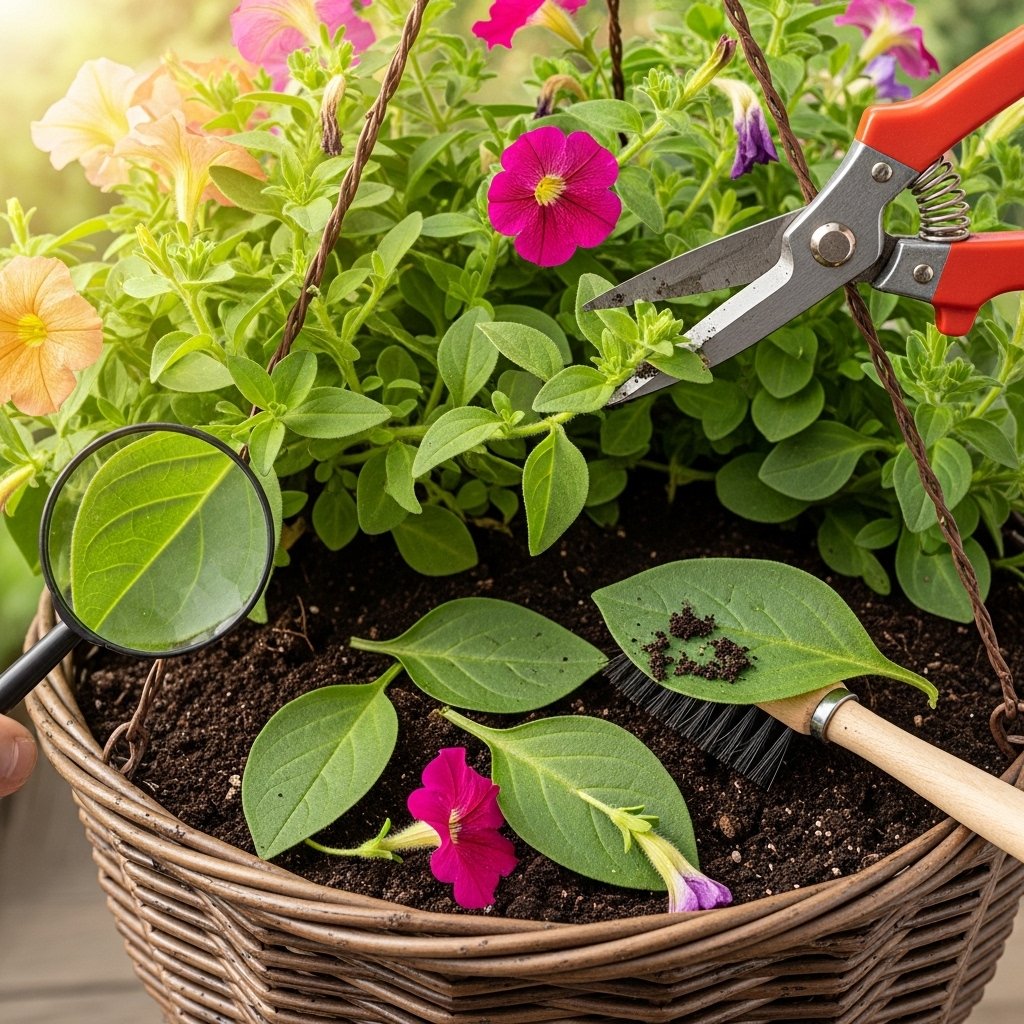
Regular maintenance is essential to keep your hanging basket looking fresh and healthy. Trim dead leaves and overgrown vines to encourage new growth. Cleaning the basket occasionally also helps maintain hygiene. Keep an eye out for pests or plant diseases. Proper care ensures your hanging basket remains beautiful over time.
12. Try Upcycling for Unique Designs
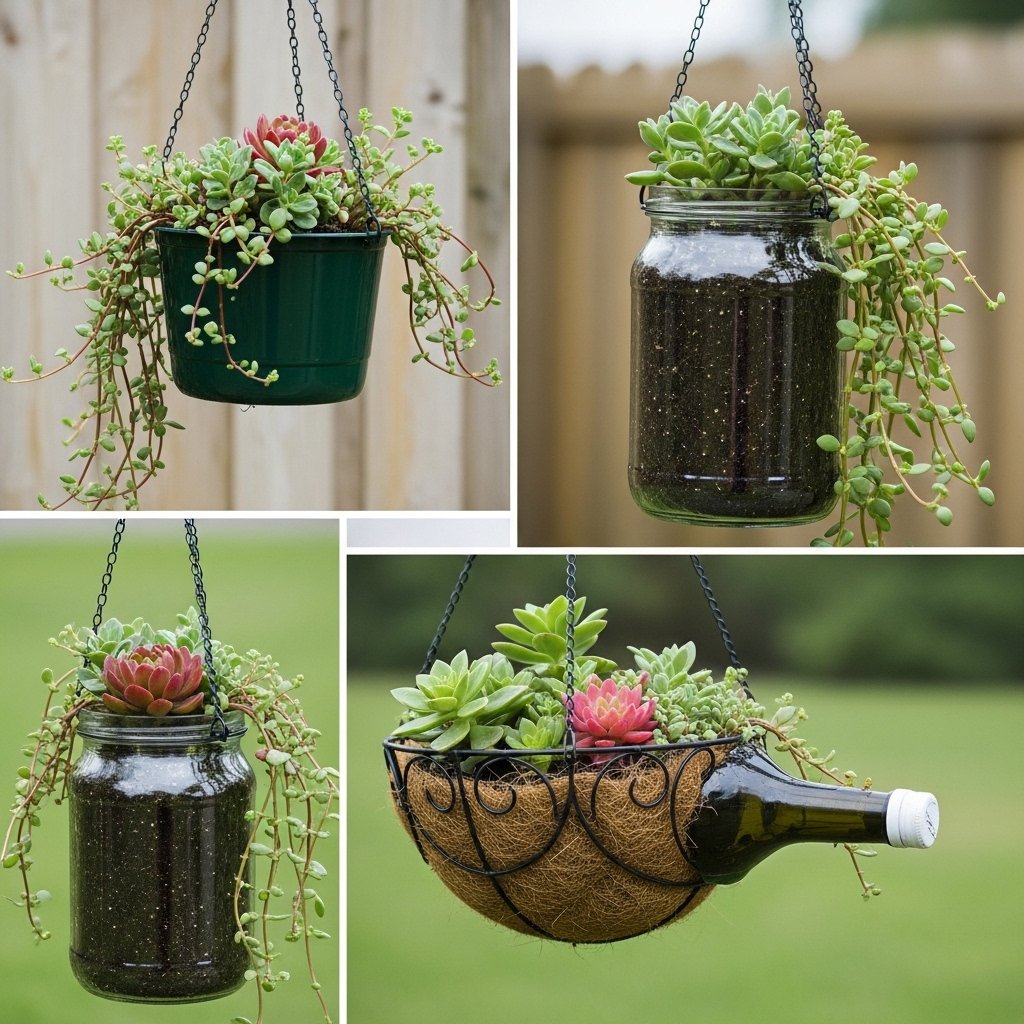
Upcycling is a great way to create unique hanging baskets while being eco-friendly. You can use old containers, jars, or even bottles as planters. This not only saves money but also adds a creative and personal touch to your décor. Make sure to modify them properly for drainage and support. Upcycled hanging baskets are both stylish and sustainable.
13. How to Care for Indoor Plant Hanging Basket
- Water Carefully – Water evenly but avoid overwatering; let excess water drain out.
- Provide Light – Hang the basket where plants get bright, indirect sunlight.
- Check Drainage – Ensure the basket has proper drainage to protect roots.
- Trim Regularly – Cut dry or overgrown leaves to keep plants healthy and neat.
- Rotate & Refresh – Turn the basket sometimes so all sides get light and grow evenly.
13.1. FAQ
13.2. How to make a hanging basket for indoor plants❓
To make a hanging basket for indoor plants, you can use simple materials like a small pot, rope or macramé cord, and a hook. First, place your plant in a lightweight pot with proper drainage. Then tie the rope securely around the pot in a balanced design so it can hold the weight. Finally, attach the rope to a hook on the ceiling or wall, making sure it is strong enough to support the plant safely.
13.3. What materials are needed for a plant hanging basket❓
You will need a plant pot, strong rope or cord, scissors, and a hook for hanging. You can also use beads or wooden rings for decoration. These materials are easy to find and affordable, making it simple to create a beautiful hanging basket at home without spending too much money.
13.4. Why use a hanging basket for indoor plants❓
A hanging basket helps save space and keeps your plants off the floor, which is perfect for small rooms. It also makes your room look more stylish and fresh by adding greenery at different heights. Hanging plants can improve the overall look of your space and create a calm and natural environment.
14. Final Thoughts
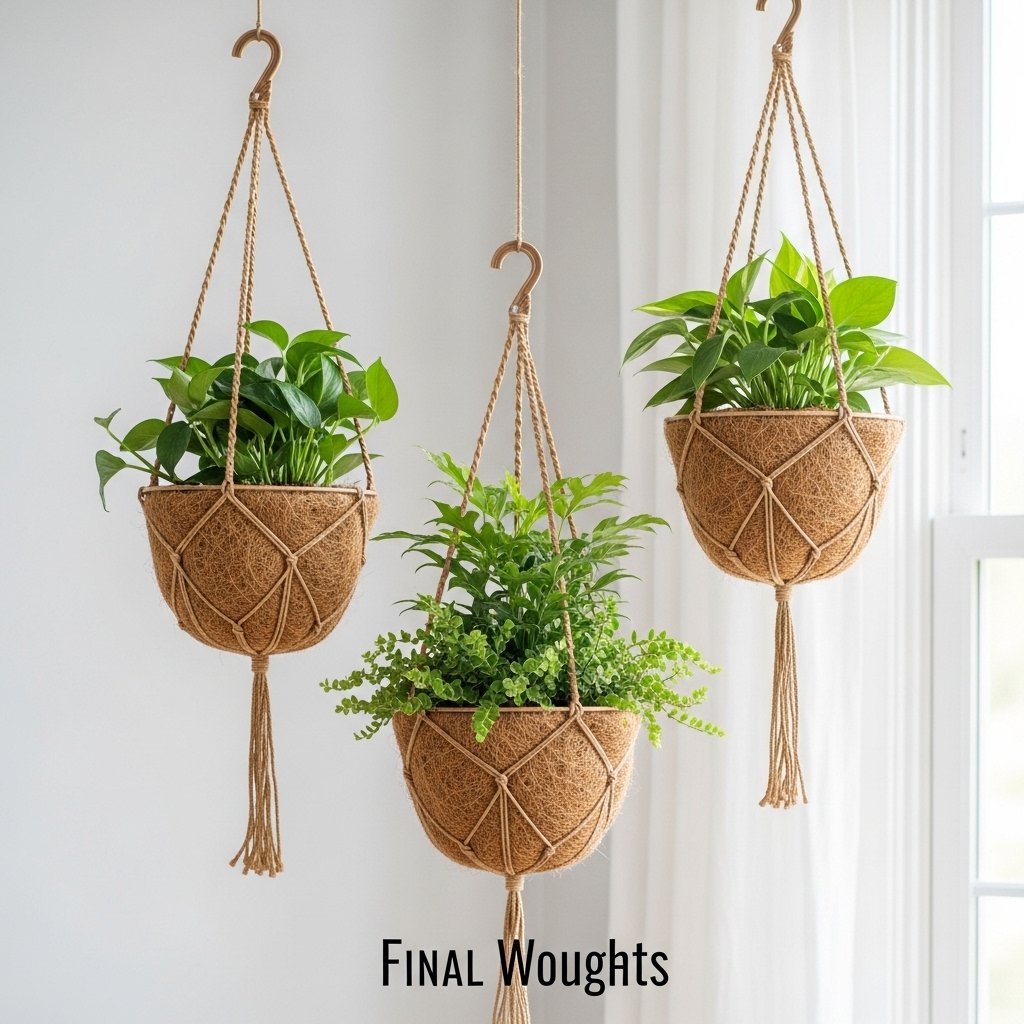
Learning how to make a hanging basket for indoor plants is a rewarding and creative process that enhances your living space. With the right materials, plant selection, and care routine, you can easily create beautiful and functional hanging planters. These baskets not only save space but also add a natural and refreshing vibe to your home. Whether you prefer simple designs or decorative styles, there are endless possibilities to explore. By following these 12 structured ideas, you can design hanging baskets that perfectly suit your indoor environment while showcasing your personal style.