Indoor Plants by Window with Blinds: Stylish Ideas for a Greener, Balanced Home
Blog > Home > Indoor Plants & Home Decor > Indoor Plants by Window with Blinds: Stylish Ideas for a Greener, Balanced Home
Indoor plants placed by windows with blinds create one of the most visually calming and functional home setups. They allow you to balance natural light, privacy, and plant health at the same time. Blinds help control sunlight intensity, which is essential because different plants require different light conditions. When combined thoughtfully, plants and blinds can transform any room into a peaceful, design-forward space. In this guide, you’ll explore 12 creative and practical indoor plant ideas for windows with blinds that enhance both aesthetics and plant growth.
Table Of Content
1. Snake Plant in Vertical Light Control Windows
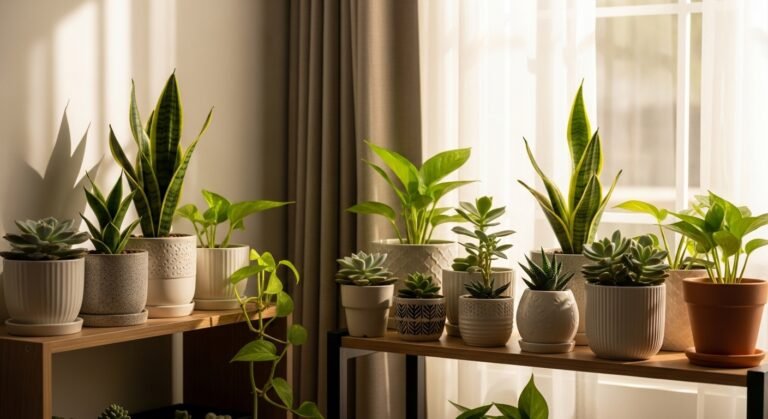
The snake plant is one of the best choices for windows with adjustable blinds because it thrives in both low and indirect light. Its tall, structured leaves complement vertical blind lines beautifully. You can adjust the blinds to filter harsh sunlight while still giving the plant enough brightness. This setup works especially well in bedrooms or offices where controlled lighting is important. It’s also low maintenance, making it ideal for beginners.
2. Pothos Hanging Near Half-Open Blinds
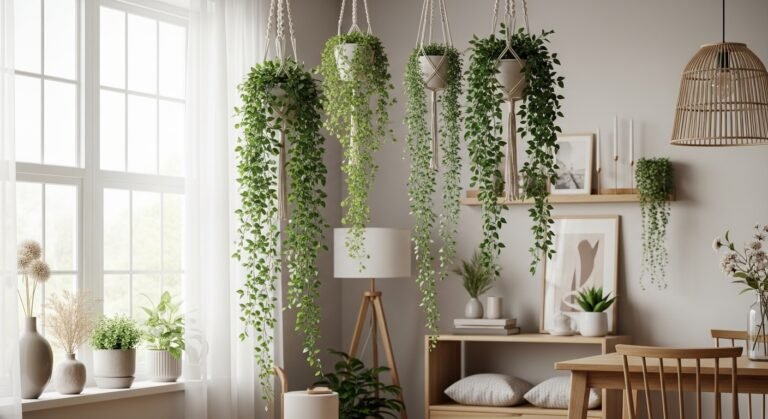
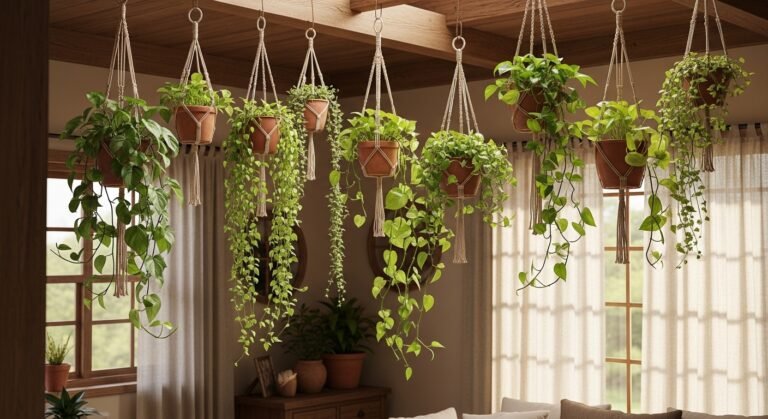
Pothos plants are perfect for hanging near windows with partially open blinds. Their trailing vines naturally frame the window area, creating a soft, flowing aesthetic. They adapt easily to changing light conditions, so blinds can be adjusted throughout the day without harming the plant. The mix of filtered sunlight and shade keeps their leaves vibrant and healthy. This setup adds a fresh, jungle-like feel to any space.
3. Peace Lily in Soft Filtered Window Light
Peace lilies thrive in gentle, filtered sunlight, making them perfect for windows with sheer or slightly closed blinds. Their elegant white blooms contrast beautifully with green leaves and neutral blinds. Too much direct sunlight can damage them, so blinds play an important protective role. This plant is ideal for living rooms or reading corners. It also helps improve indoor air quality while adding a calming presence.
4. Fiddle Leaf Fig with Adjustable Bright Light Blinds
The fiddle leaf fig requires bright but indirect light, making blinds essential for controlling exposure. Placing it near a large window allows it to grow tall and dramatic while blinds prevent leaf burn. You can adjust slats depending on the time of day for optimal light balance. Its bold structure pairs well with modern blinds like roller or Venetian styles. This combination creates a high-end interior design look.
5. Spider Plant on Windowsill with Half-Closed Blinds
Spider plants are excellent for windowsills where blinds provide partial shade. Their arching leaves soften the structured lines of blinds, creating a balanced visual contrast. They tolerate a wide range of light conditions, so minor changes in blind position don’t affect them much. This makes them perfect for kitchens or bathrooms with windows. They also produce baby plantlets that enhance the natural decor.
6. Aloe Vera in Sunny Windows with Light Diffusing Blinds
Aloe vera thrives in bright light, but direct harsh sunlight through windows can be controlled with light-filtering blinds. This helps prevent leaf scorching while still providing enough sun exposure. Its thick, sculptural leaves look stunning against clean blind lines. This setup works well in kitchens or sunny balconies. Aloe vera also serves a practical purpose as a healing plant.
7. Rubber Plant Beside Modern Roller Blinds
Rubber plants prefer bright, indirect light, making roller blinds an ideal pairing. The ability to roll blinds up or down allows precise control over sunlight exposure. Their glossy leaves reflect light beautifully, adding depth to the room. This plant works especially well in minimalist or modern interiors. The combination creates a bold yet balanced visual statement.
8. Ferns in Humid Corners Near Blinds
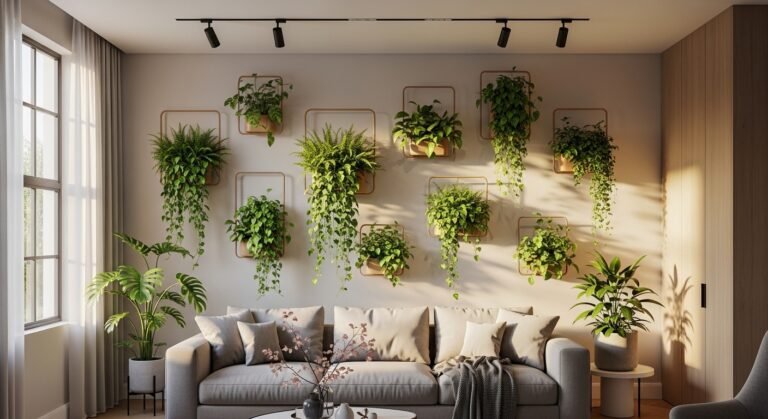
Ferns love indirect, humid environments, making them ideal for windows with partially closed blinds. The filtered light mimics forest-like conditions where ferns naturally grow. Placing them in bathrooms or shaded living room corners enhances their lush appearance. Blinds help protect them from drying out due to excessive sunlight. Their soft texture adds natural elegance to any room.
9. Monstera Deliciosa with Sheer Blinds
Monstera plants thrive in bright, filtered light, which makes sheer blinds the perfect companion. The patterned shadows created by blinds enhance their iconic split leaves. This combination creates a tropical, Instagram-worthy corner in your home. Adjusting blinds allows you to control growth direction and leaf size. It’s a favorite setup for modern interior plant styling.
10. Succulent Collection on Sun-Controlled Window Shelves
Succulents love sunlight but can easily get damaged by too much heat, making blinds very useful. A shelf near a window with adjustable blinds allows controlled exposure throughout the day. Their compact shapes contrast nicely with structured blind patterns. This setup works well in small apartments or minimalist spaces. It’s low maintenance and highly decorative at the same time.
11. Chinese Money Plant with Balanced Light Blinds
The Chinese money plant thrives in medium, indirect light, making it ideal for windows with adjustable blinds. Its round leaves symbolize prosperity and look visually pleasing against linear blind designs. You can shift blinds slightly throughout the day to maintain consistent lighting. This plant fits perfectly in office spaces or study rooms. Its simple structure adds calmness and balance to interiors.
12. Herb Garden by Kitchen Window with Functional Blinds
A kitchen herb garden near a window with blinds combines practicality with beauty. Herbs like basil, mint, and parsley need controlled sunlight, which blinds can easily provide. You can adjust lighting while cooking or during hot afternoons to protect the plants. This setup keeps fresh ingredients within reach while enhancing kitchen aesthetics. It’s both functional and visually refreshing.
13. How to Care for Indoor Plants Near Window Blinds
- Control Light – Adjust blinds to give plants soft, indirect sunlight.
- Water Carefully – Check soil before watering to avoid overwatering near warm windows.
- Rotate Pots – Turn plants regularly for even light exposure and balanced growth.
- Clean Dust – Wipe leaves often, as window areas collect more dust.
- Watch Temperature – Keep plants away from hot or cold drafts from the window.
13.1. FAQ
13.2. What are indoor plants by window with blinds❓
Indoor plants by window with blinds refer to placing houseplants near a window where blinds control the amount of sunlight entering the room. This setup helps plants get natural light while protecting them from harsh direct sun. It also creates a stylish and natural corner in the room, making the space feel fresh and peaceful.
13.3. Why place indoor plants near a window with blinds❓
Placing indoor plants near a window with blinds is important because it allows you to control sunlight exposure. Some plants need bright light, while others prefer indirect light. Blinds help adjust the light level easily, which keeps plants healthy and prevents leaf damage from too much sun.
13.4. Which indoor plants are best for window spaces❓
Best indoor plants for window spaces include snake plant, pothos, spider plant, peace lily, and monstera. These plants grow well in indirect sunlight and adapt easily to indoor conditions. They also improve air quality and add a fresh, green look to your home.
14. Final Thoughts
Indoor plants placed by windows with blinds create a perfect harmony between nature and interior design. Blinds are not just decorative elements; they play a crucial role in controlling light, temperature, and plant health. When paired correctly, they allow plants to thrive while enhancing the overall atmosphere of your home. From trailing vines to structured foliage, each plant brings its own character to window spaces. By choosing the right combination of plants and blinds, you can transform any window into a living, breathing focal point that feels both stylish and calming.