Mixing Indoor Plants in One Pot: A Complete Guide to Beautiful and Healthy Plant Combinations
Blog > Home > Indoor Plants & Home Decor > Mixing Indoor Plants in One Pot: A Complete Guide to Beautiful and Healthy Plant Combinations
Mixing indoor plants in one pot is one of the most creative ways to elevate home décor while saving space. It allows you to design miniature indoor gardens that look lush, balanced, and visually appealing. When done correctly, plant combinations can thrive together and create a natural ecosystem inside a single container. However, successful plant mixing is not just about aesthetics—it also requires understanding plant compatibility, watering needs, and growth habits. In this guide, you’ll explore practical and stylish ideas for mixing indoor plants in one pot, along with tips to keep them healthy and thriving.
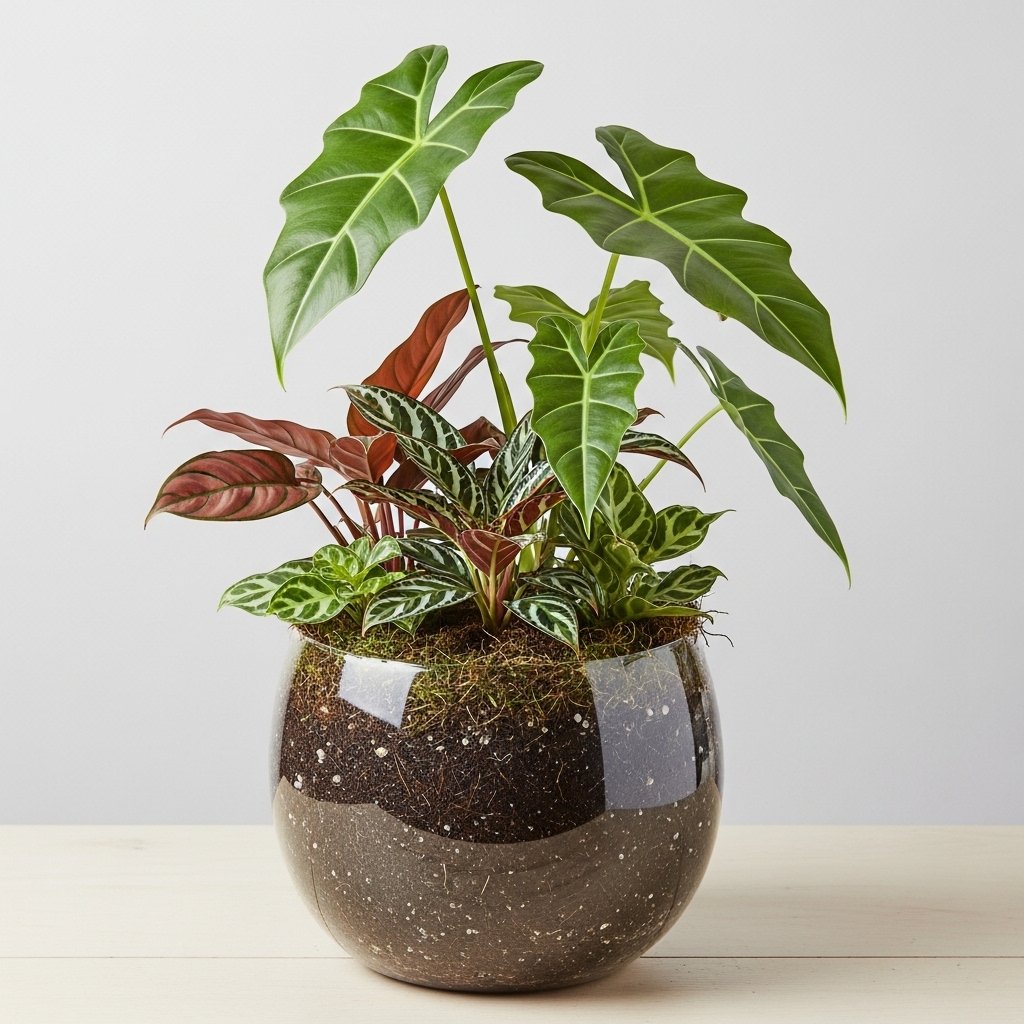
Table Of Content
1. Combine Plants with Similar Light Requirements
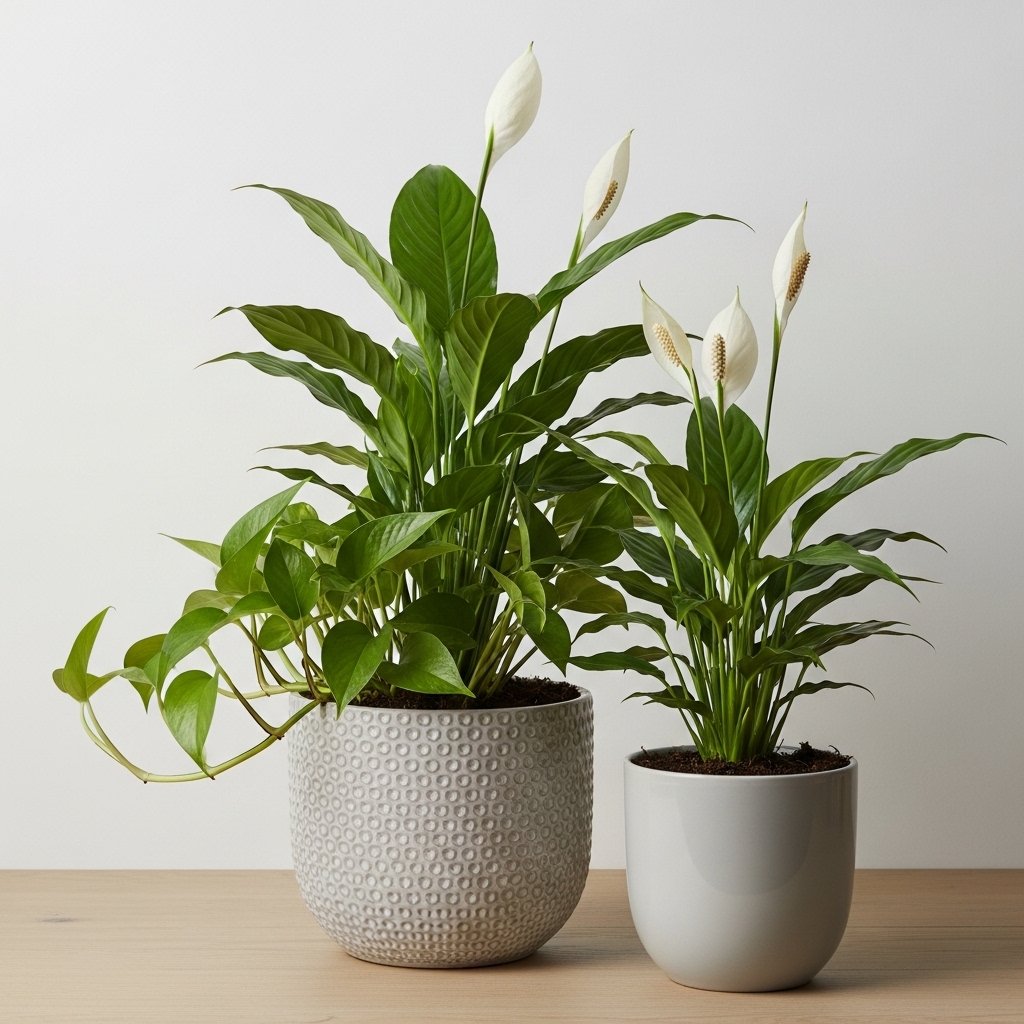
One of the most important rules when mixing indoor plants in one pot is matching their light needs. Plants that require bright indirect light should be grouped together, while low-light plants should share a separate container. This ensures that no plant is stressed due to unsuitable lighting conditions. For example, pothos and peace lilies can grow well together because they have similar light preferences. Keeping light requirements aligned helps maintain long-term plant health and balanced growth.
2. Mix Trailing and Upright Plants for Visual Balance
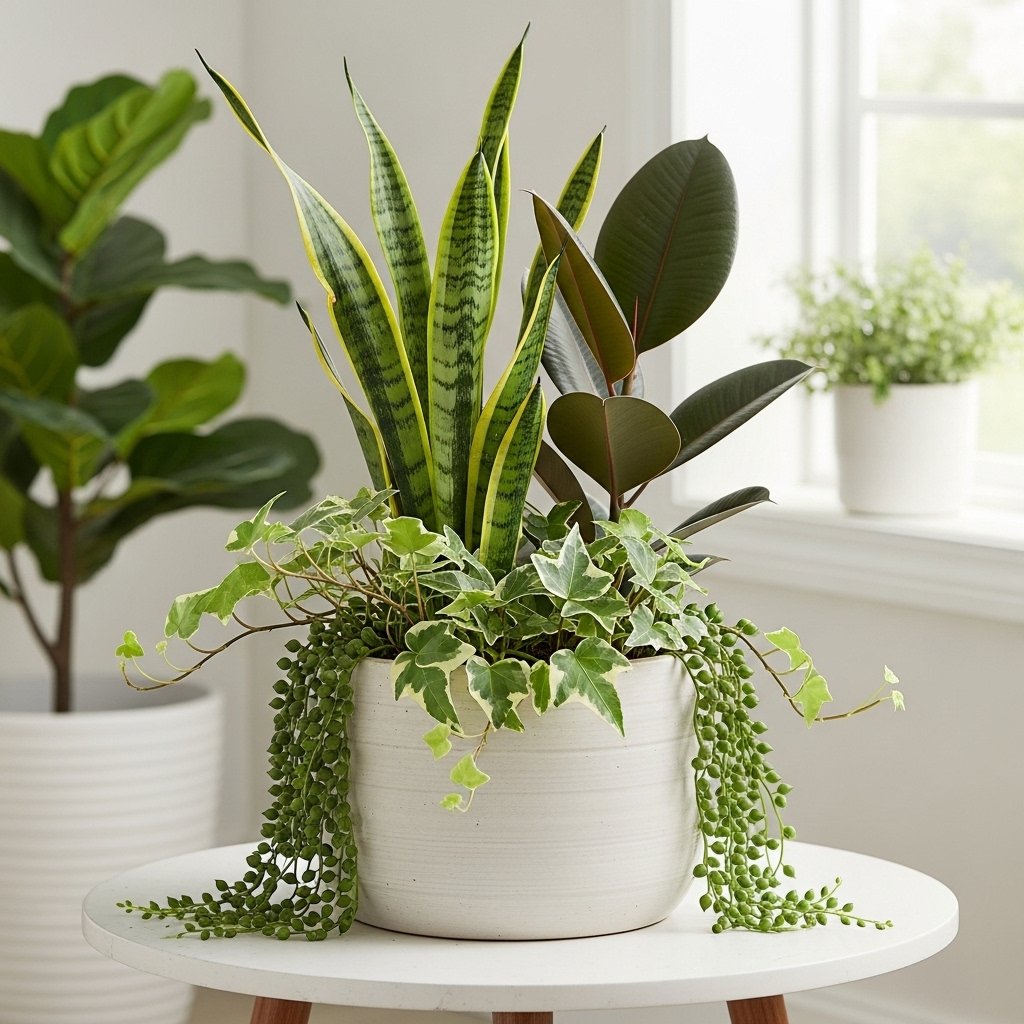
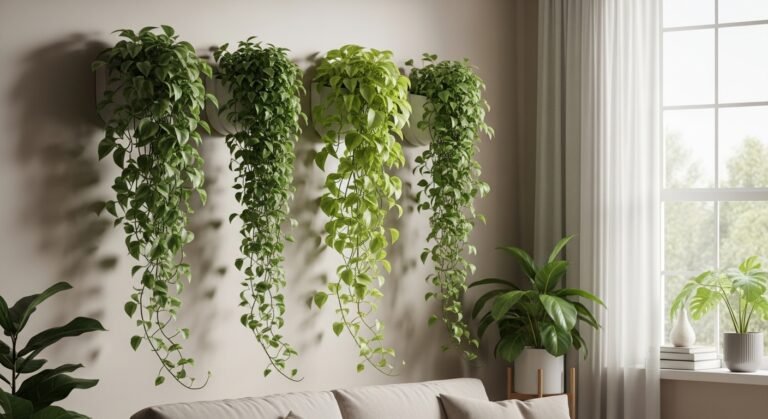
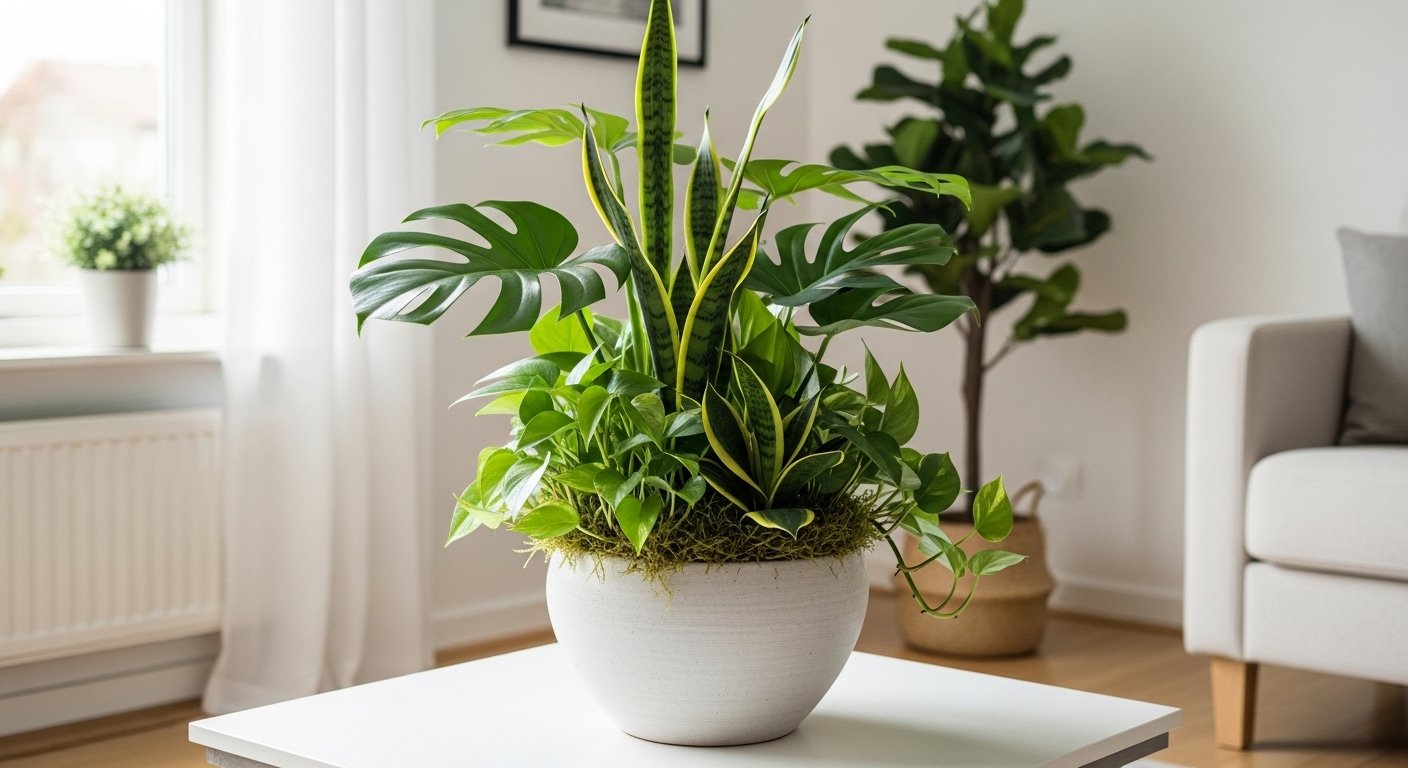
A visually appealing indoor pot often combines trailing and upright plants. Upright plants like snake plants or rubber plants provide height and structure, while trailing plants like ivy or string of pearls add softness and flow. This contrast creates a dynamic and natural look that mimics outdoor gardens. The upright plants act as focal points, while trailing plants fill empty spaces around the edges. This combination is perfect for coffee tables, shelves, or decorative corners.
3. Pair Plants with Similar Watering Needs
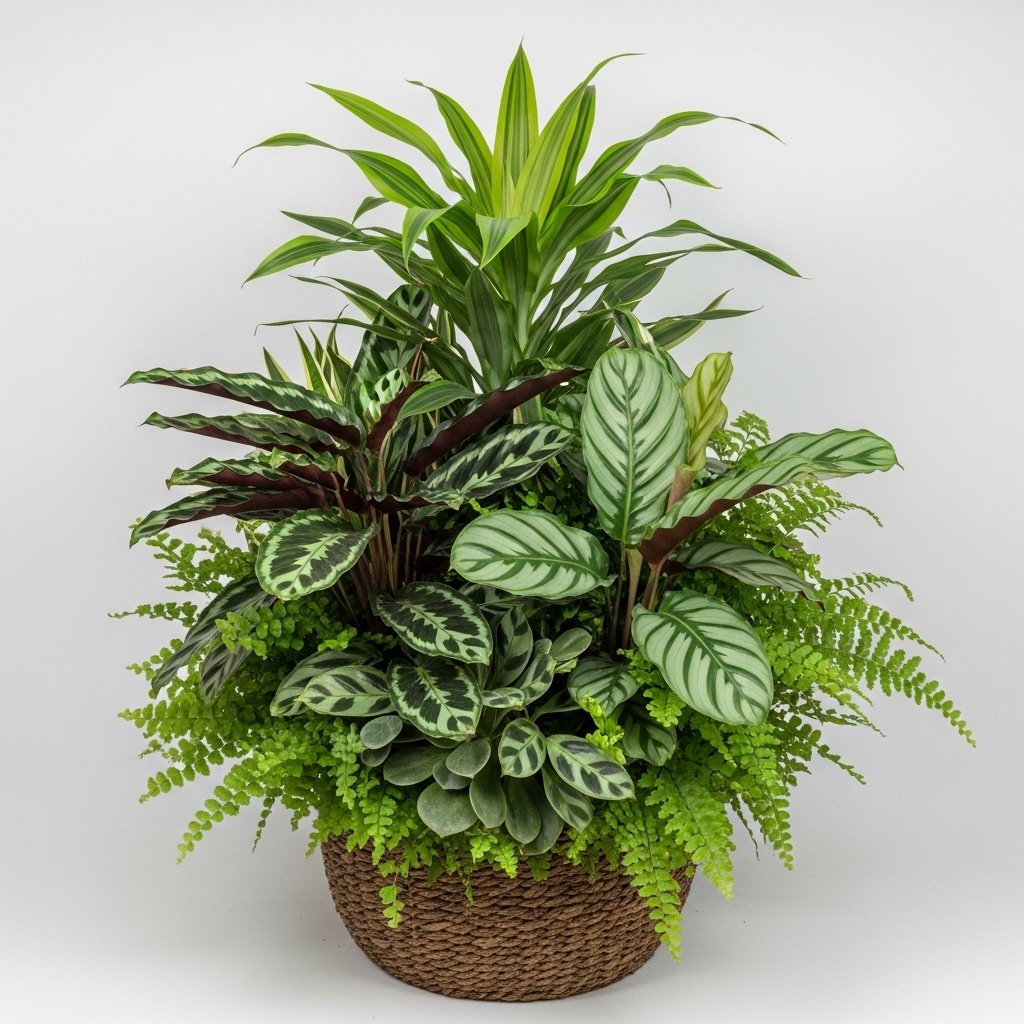
Watering compatibility is crucial when mixing indoor plants in one pot. Plants that need frequent watering should not be mixed with drought-tolerant species. For instance, succulents and ferns should not be planted together because their moisture needs differ significantly. Instead, group moisture-loving plants like calatheas and ferns in one pot. This makes care easier and prevents overwatering or underwatering issues. Balanced watering habits ensure a healthier and longer-lasting plant arrangement.
4. Create a Tropical Indoor Jungle Mix
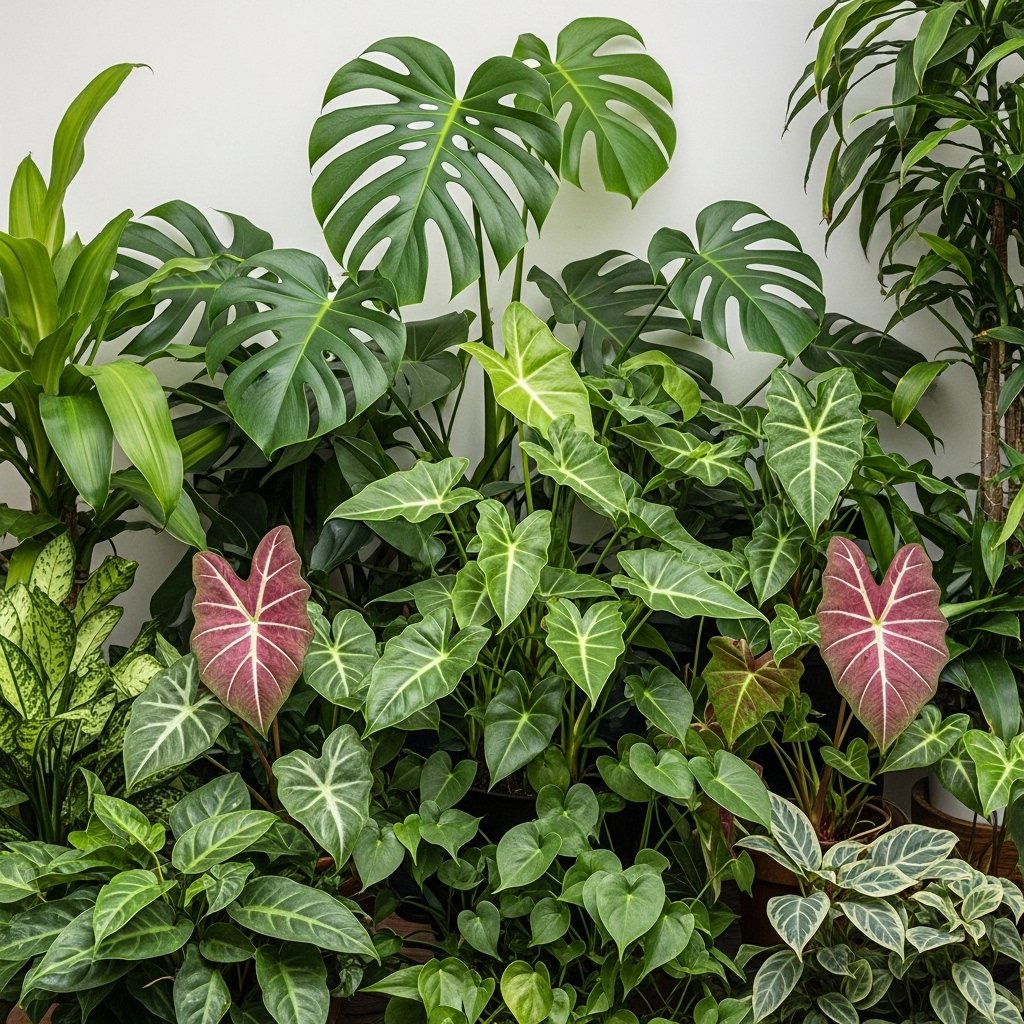
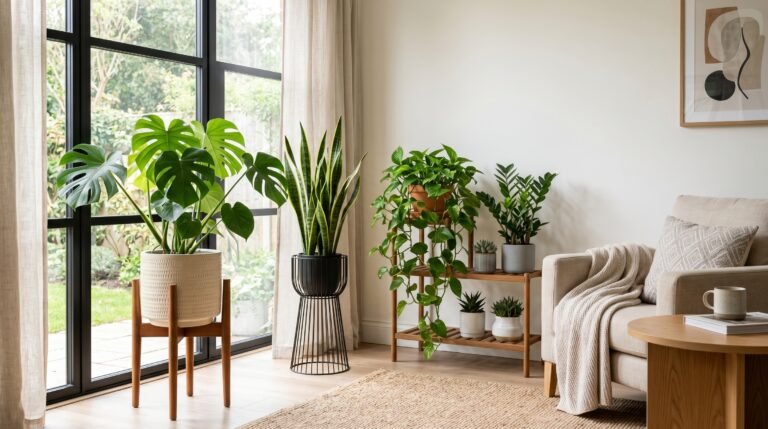
A tropical plant mix can transform any indoor space into a lush jungle-like environment. Combine plants like monstera, philodendron, and caladium for a bold and vibrant look. These plants thrive in similar humidity levels and create a rich green aesthetic. The large leaves of monstera contrast beautifully with the softer textures of philodendrons. This combination works especially well in living rooms or spacious indoor corners where humidity can be maintained.
5. Use Succulent Combinations for Low-Maintenance Pots
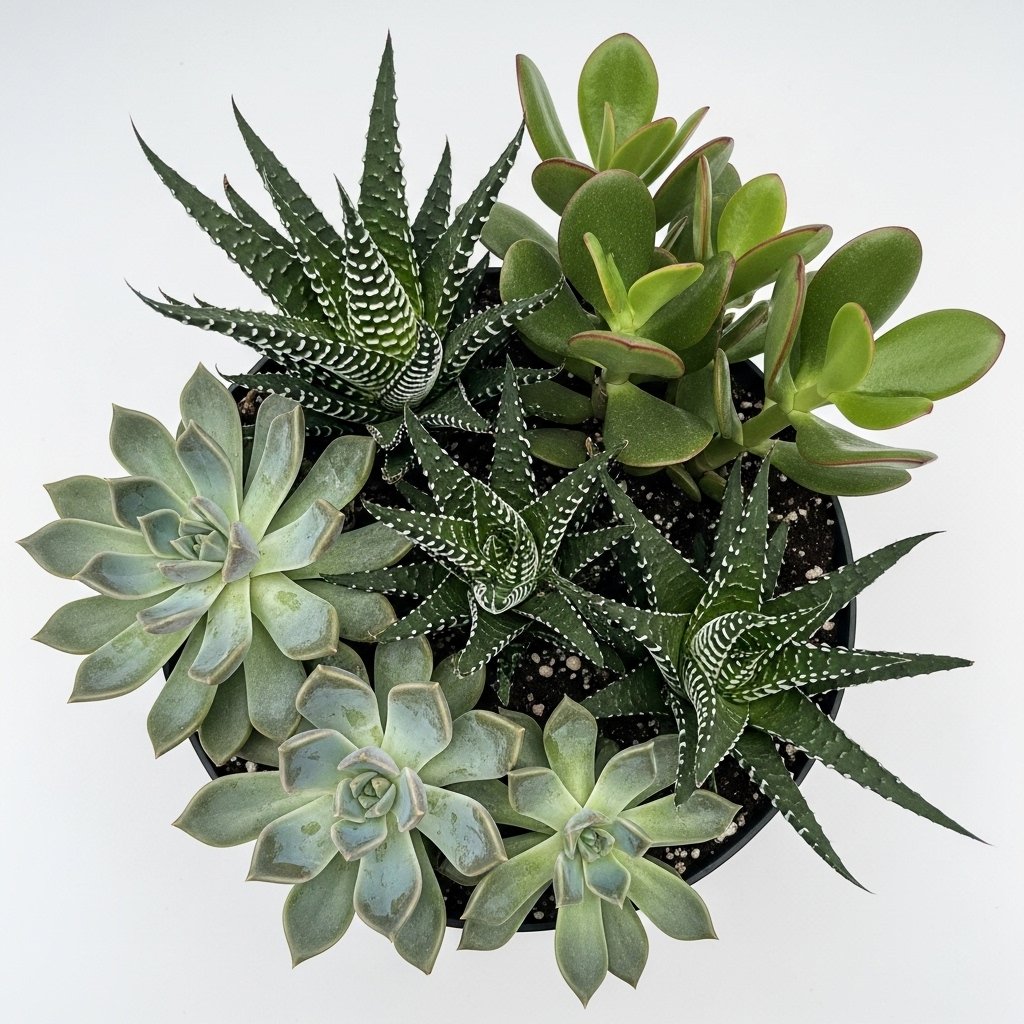
Succulents are perfect for creating low-maintenance mixed plant pots. You can combine varieties like echeveria, haworthia, and jade plants in one container. These plants require minimal watering and prefer well-draining soil, making them highly compatible. Their unique shapes and colors create a modern and decorative arrangement. A succulent mix is ideal for beginners or busy individuals who want greenery without constant maintenance.
6. Combine Air-Purifying Plants for Health Benefits
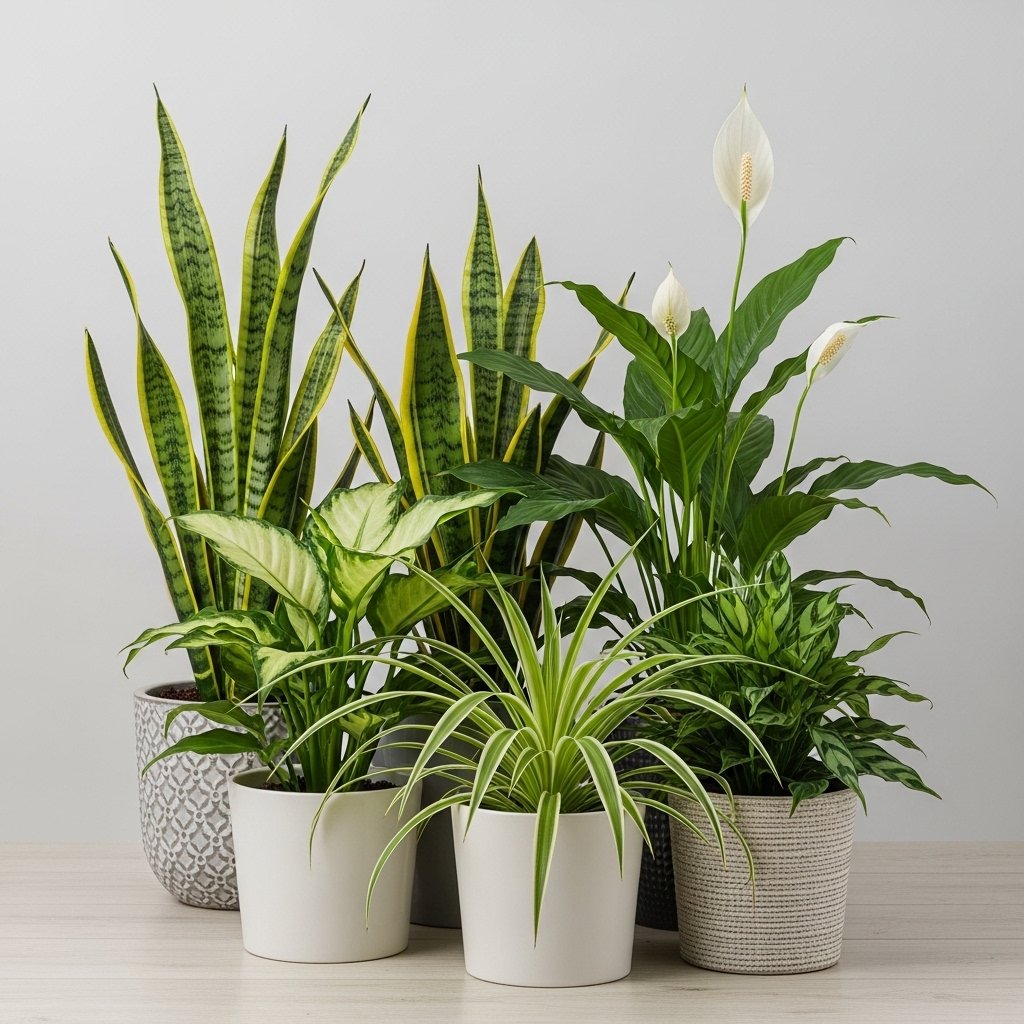
Mixing air-purifying plants in one pot not only enhances aesthetics but also improves indoor air quality. Plants like snake plant, spider plant, and peace lily are excellent choices for this purpose. These plants filter toxins while adding freshness to indoor spaces. Grouping them together creates a functional and visually pleasing arrangement. This combination is especially useful in bedrooms or workspaces where clean air is important.
7. Play with Leaf Textures and Colors
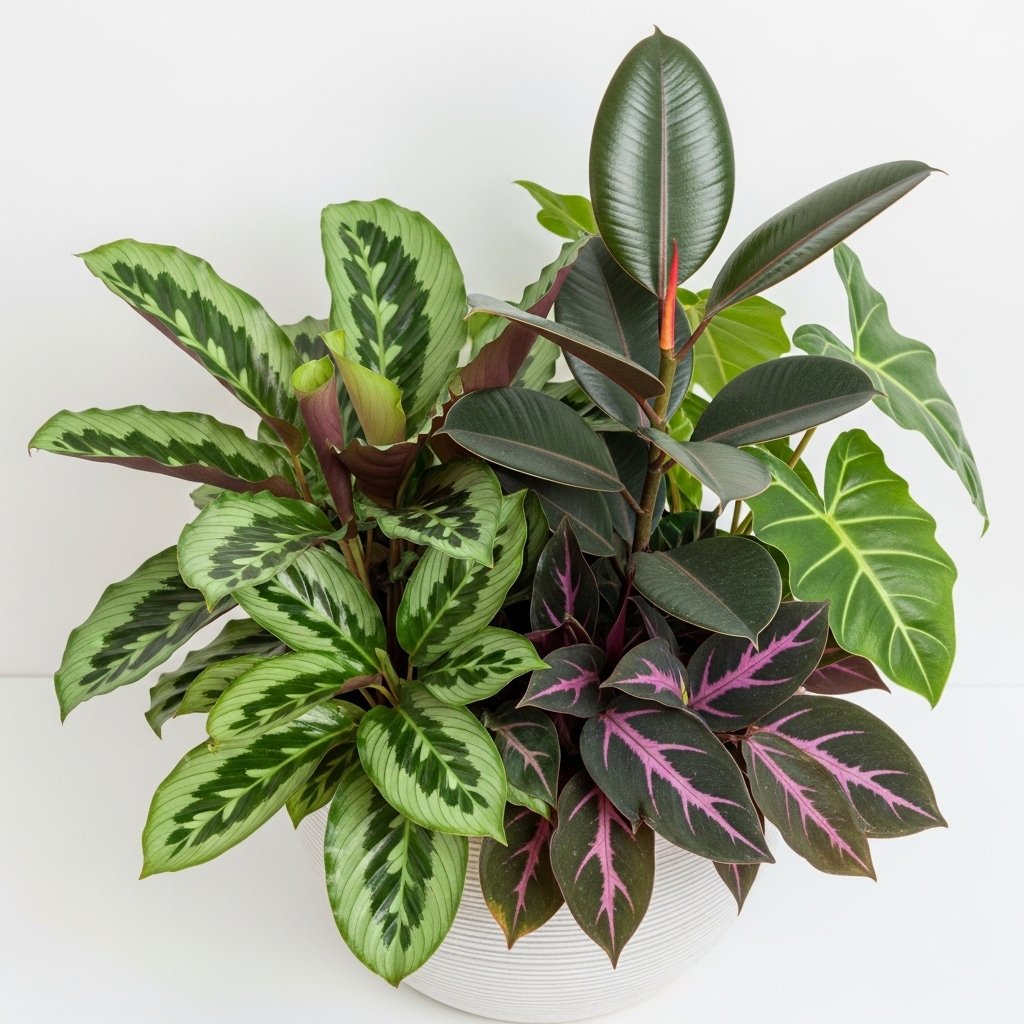
A successful indoor plant mix often includes variety in leaf textures and colors. Combining smooth, glossy leaves with rough or patterned ones creates visual interest. For example, pairing calathea with rubber plant adds contrast in both texture and tone. Green shades mixed with variegated or purple-tinged leaves make the pot more attractive. This approach focuses more on design aesthetics while still keeping plant compatibility in mind.
8. Build a Mini Herb and Indoor Plant Mix
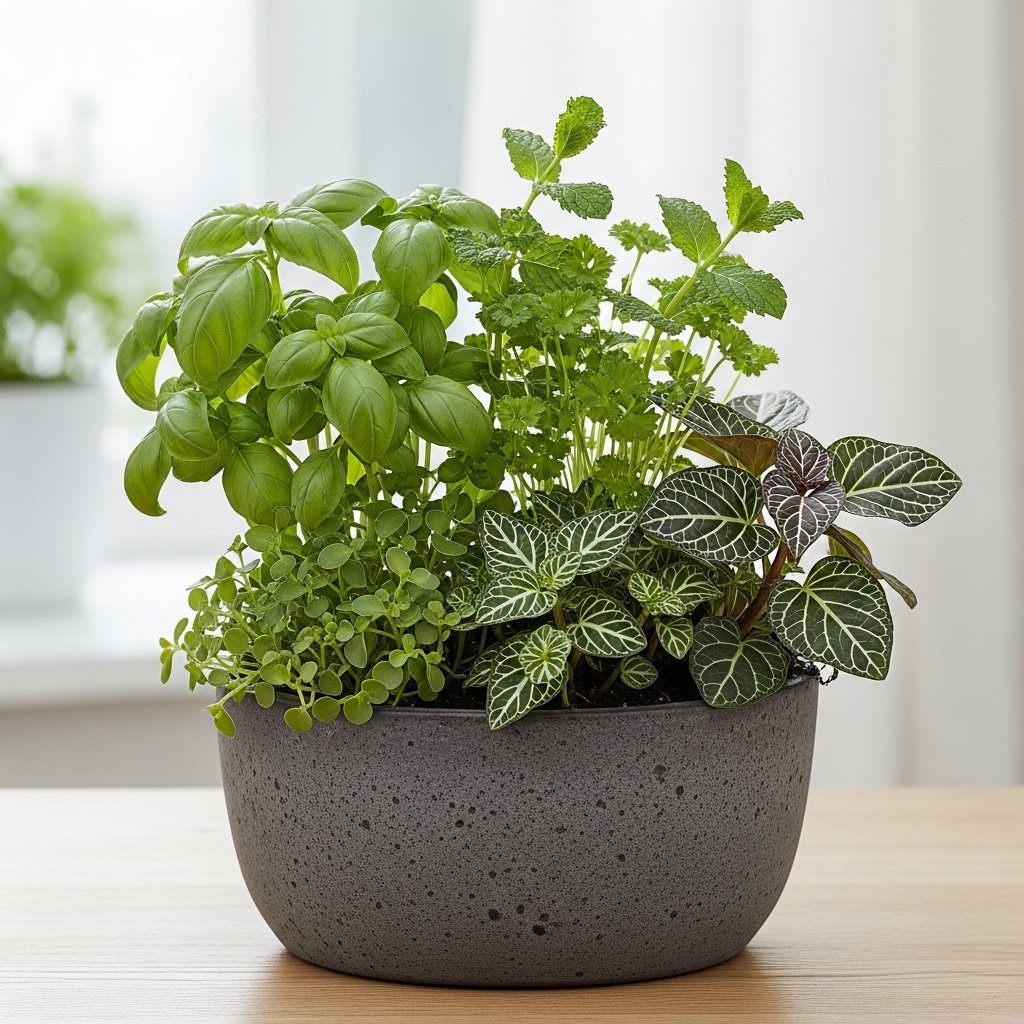
You can also mix small herbs with decorative indoor plants in one pot. Herbs like basil, mint, or parsley can be paired with compact ornamental plants. However, this works best when herbs and plants share similar light and watering needs. This type of mix is both functional and decorative, especially for kitchen spaces. It allows you to enjoy fresh herbs while maintaining a green indoor aesthetic.
9. Create a Monochrome Green Theme Pot
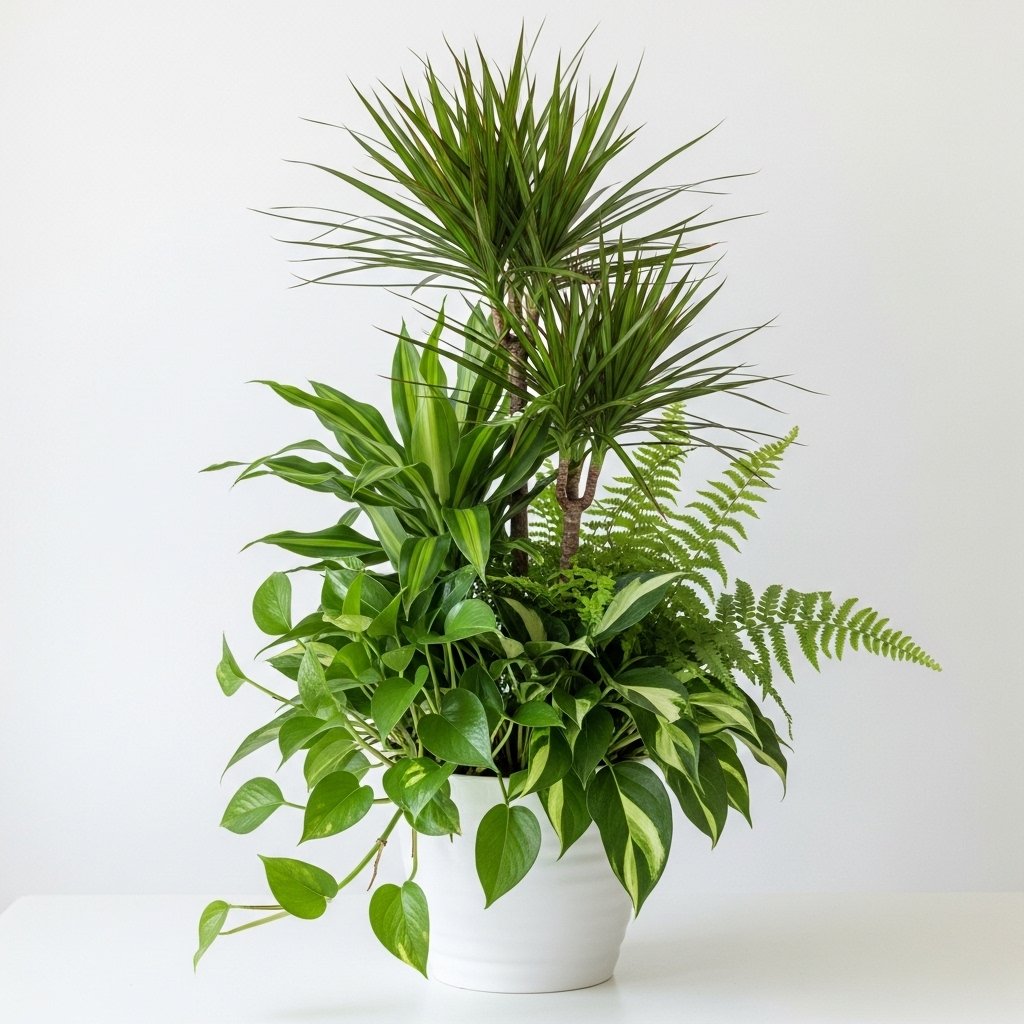
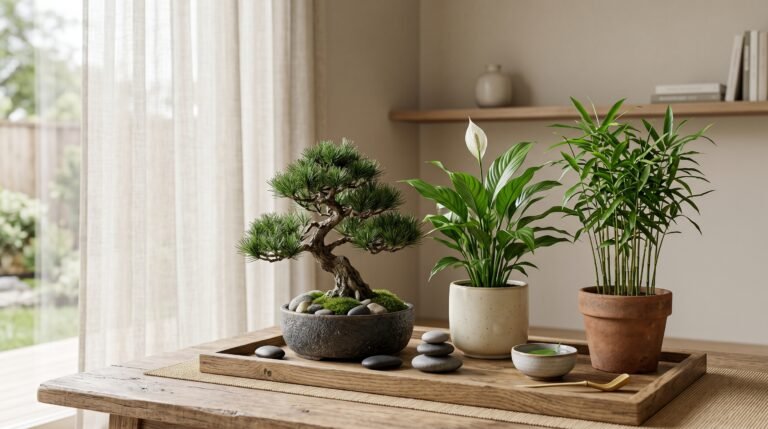
A monochrome green arrangement focuses on different shades of green foliage in one pot. Plants like pothos, ferns, and dracaena can be combined to achieve this soothing look. Even though the colors are similar, variation in leaf shape and size keeps the arrangement interesting. This type of mix creates a calming and natural vibe that suits minimalist interiors. It is ideal for people who prefer subtle and elegant décor.
10. Use Decorative Pots to Enhance Plant Mixing
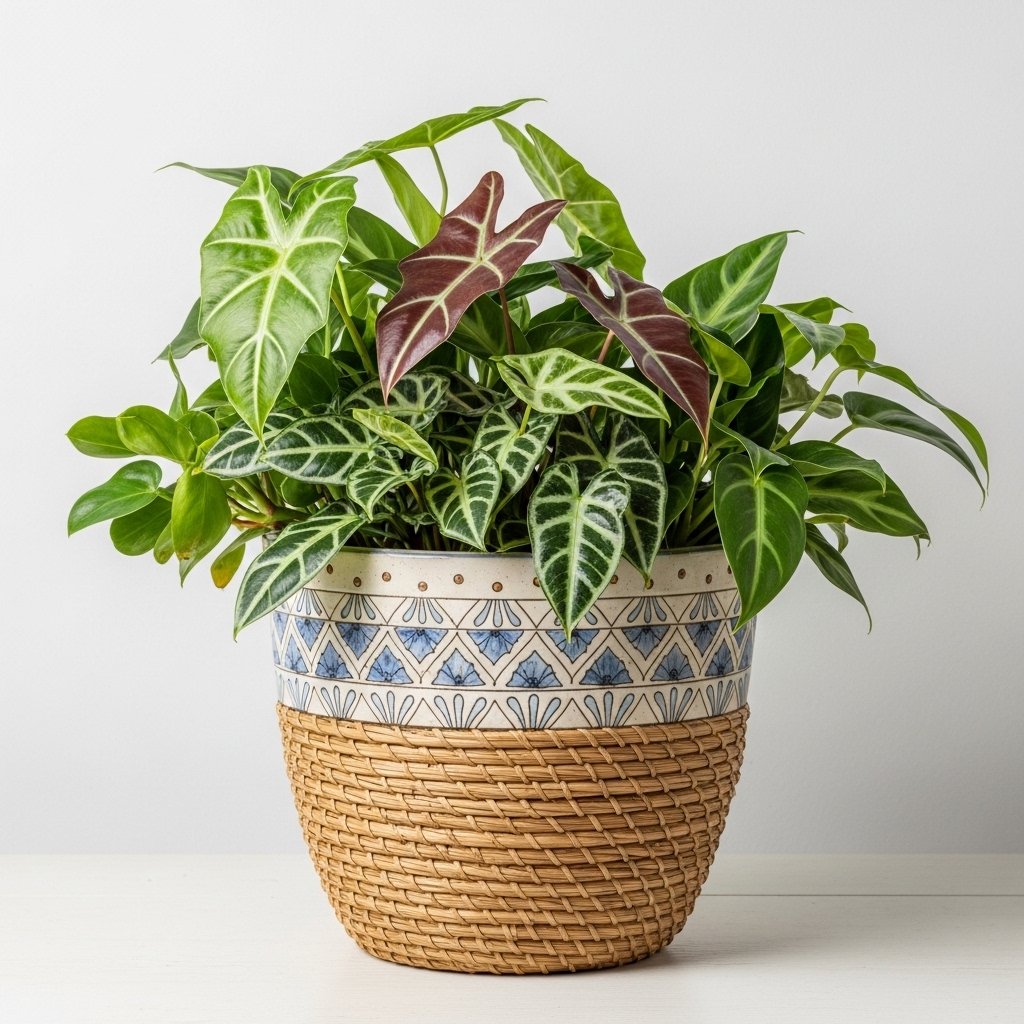
The pot itself plays a major role in enhancing the beauty of mixed indoor plants. Choosing ceramic, terracotta, or woven baskets can completely change the overall look. A well-designed pot complements the plant combination and ties everything together visually. Drainage holes are essential to prevent water accumulation and root rot. A stylish container can turn even a simple plant mix into a decorative centerpiece.
11. Mix Fast-Growing and Slow-Growing Plants Carefully
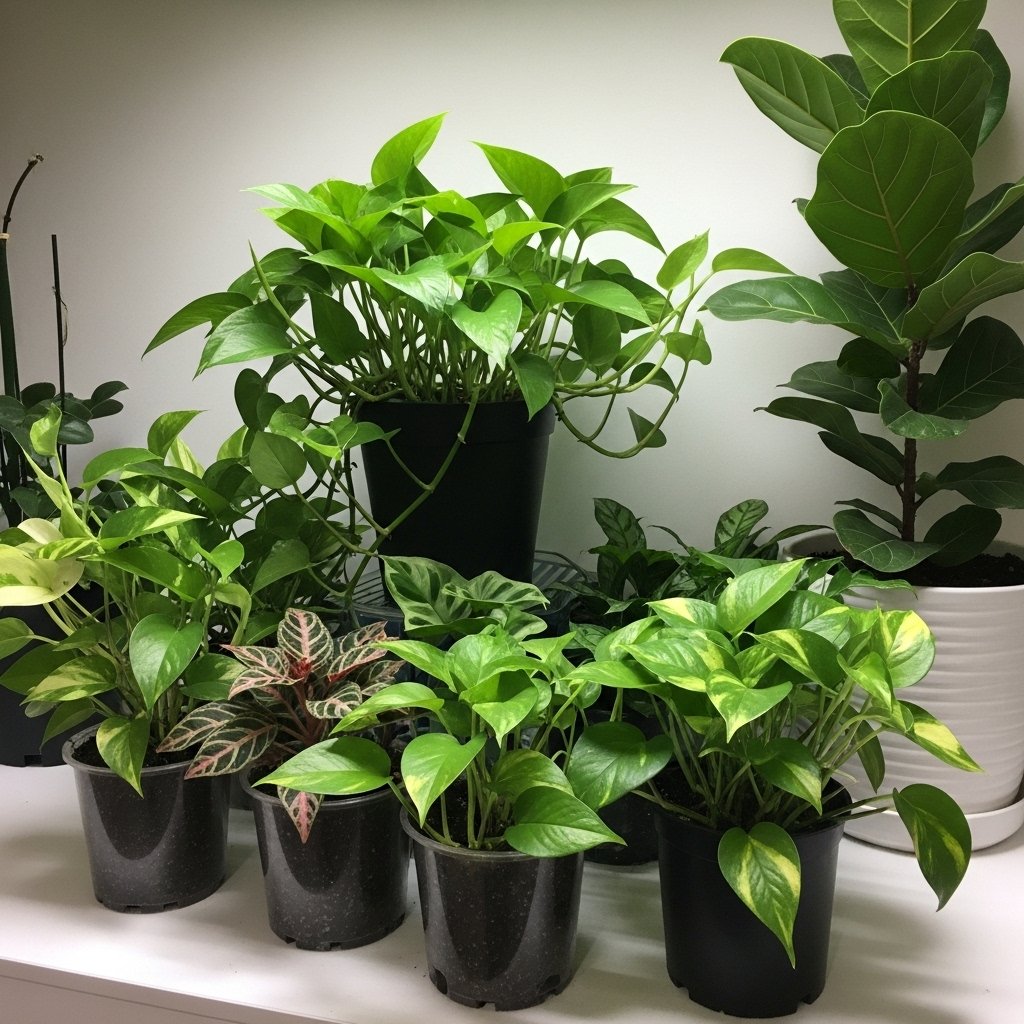
When combining indoor plants, growth rate should also be considered. Fast-growing plants can easily overshadow slower-growing ones if not managed properly. For example, pothos grows quickly and may dominate smaller plants if left unchecked. It is better to balance growth rates or prune regularly to maintain harmony. Proper planning ensures that all plants have enough space to grow without competition.
12. Design Seasonal Indoor Plant Arrangements
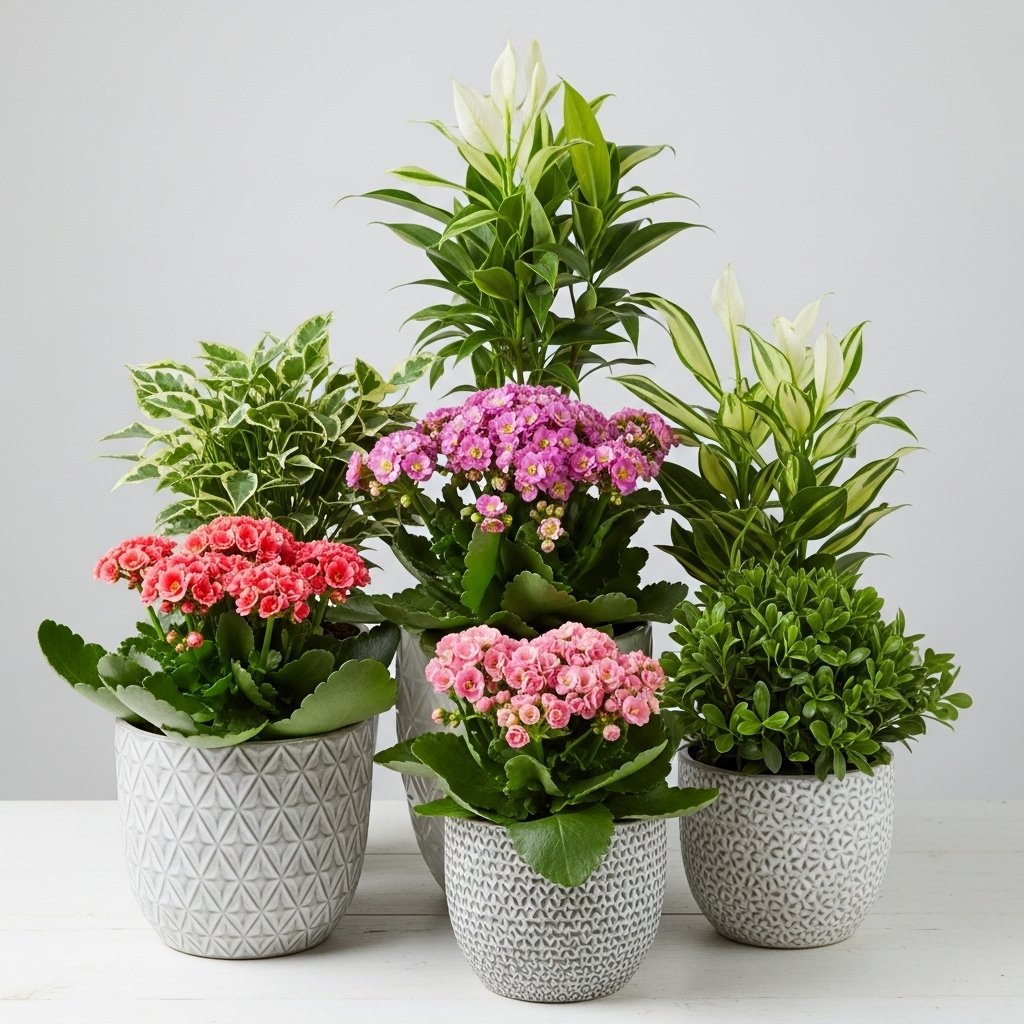
Seasonal mixing allows you to refresh your indoor plant pots throughout the year. You can rotate plants based on seasonal colors, growth cycles, or decorative themes. For example, adding flowering plants in spring and leafy greens in winter keeps the arrangement dynamic. This approach keeps your indoor space visually exciting and ever-changing. Seasonal mixing also helps you experiment with new plant combinations over time.
13. How to Care for Mixing Indoor Plants in One Pot
- Choose Similar Plants – Mix plants with the same light and water needs for healthy growth.
- Use a Big Pot – Select a pot with enough space so roots don’t get crowded.
- Good Drainage – Make sure the pot has drainage holes to avoid root rot.
- Balanced Watering – Water carefully because different plants should not stay too wet or too dry.
- Regular Maintenance – Trim overgrown leaves and remove weak plants to keep the pot healthy and attractive.
13.1. FAQ
13.2. What is mixing indoor plants in one pot❓
Mixing indoor plants in one pot means planting different types of plants together in a single container. This is done to create a decorative and natural look while saving space. It also helps in making a beautiful indoor arrangement where plants complement each other in shape, color, and texture.
13.3. Why mix indoor plants in one pot❓
Mixing indoor plants in one pot is popular because it creates a visually attractive display and brings variety into a small space. It allows you to combine different leaf shapes and colors, making the pot look fuller and more stylish. It is also a smart way to decorate homes with limited space.
14. Final Thoughts
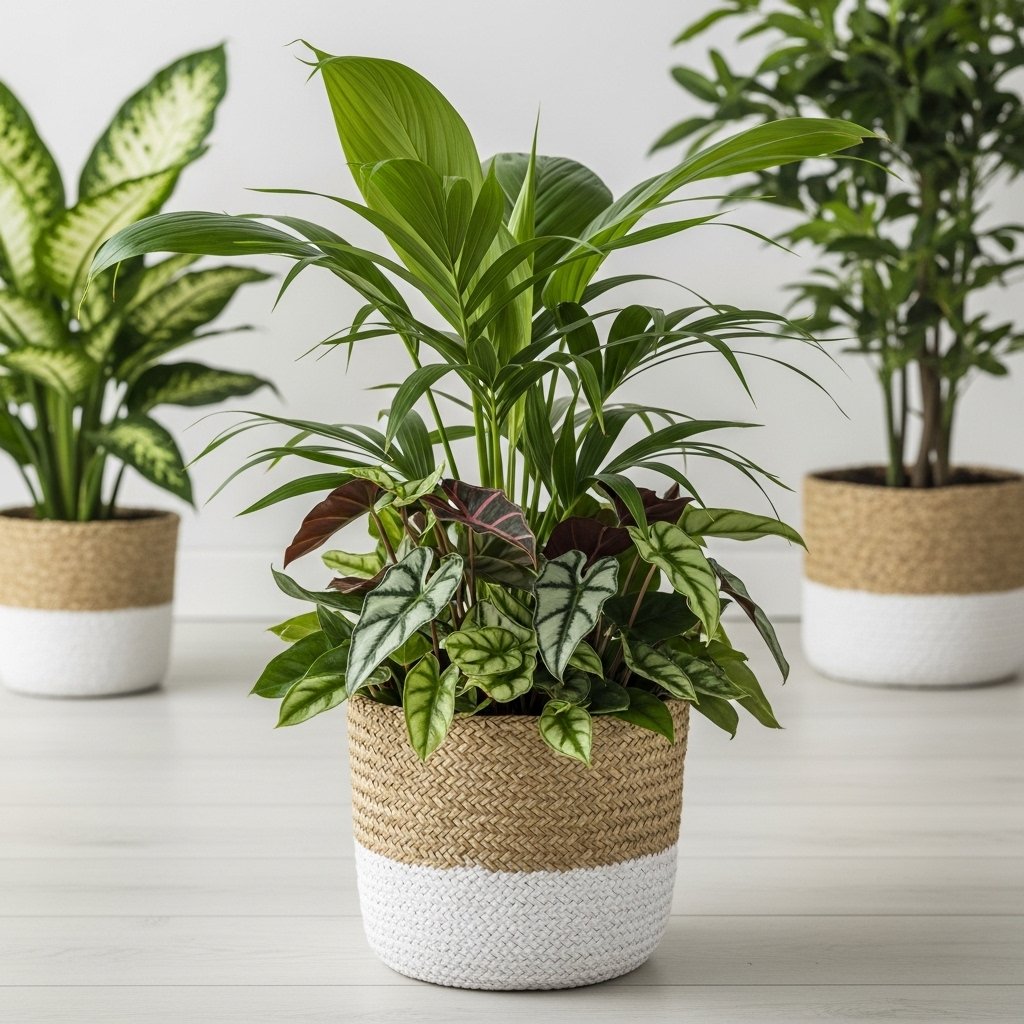
Mixing indoor plants in one pot is both an art and a science that brings life and creativity into any indoor space. When plants are carefully chosen based on light, water, and growth compatibility, they thrive beautifully together. Beyond aesthetics, these combinations can improve air quality, save space, and enhance your home’s atmosphere. From tropical jungle mixes to low-maintenance succulents, there are endless possibilities to explore. By applying these ideas, you can create stunning indoor plant arrangements that are healthy, balanced, and visually captivating.