How to Fix Yellowing Indoor Plants: Complete Care Guide for Healthy Green Growth
Blog > Home > Indoor Plants & Home Decor > How to Fix Yellowing Indoor Plants: Complete Care Guide for Healthy Green Growth
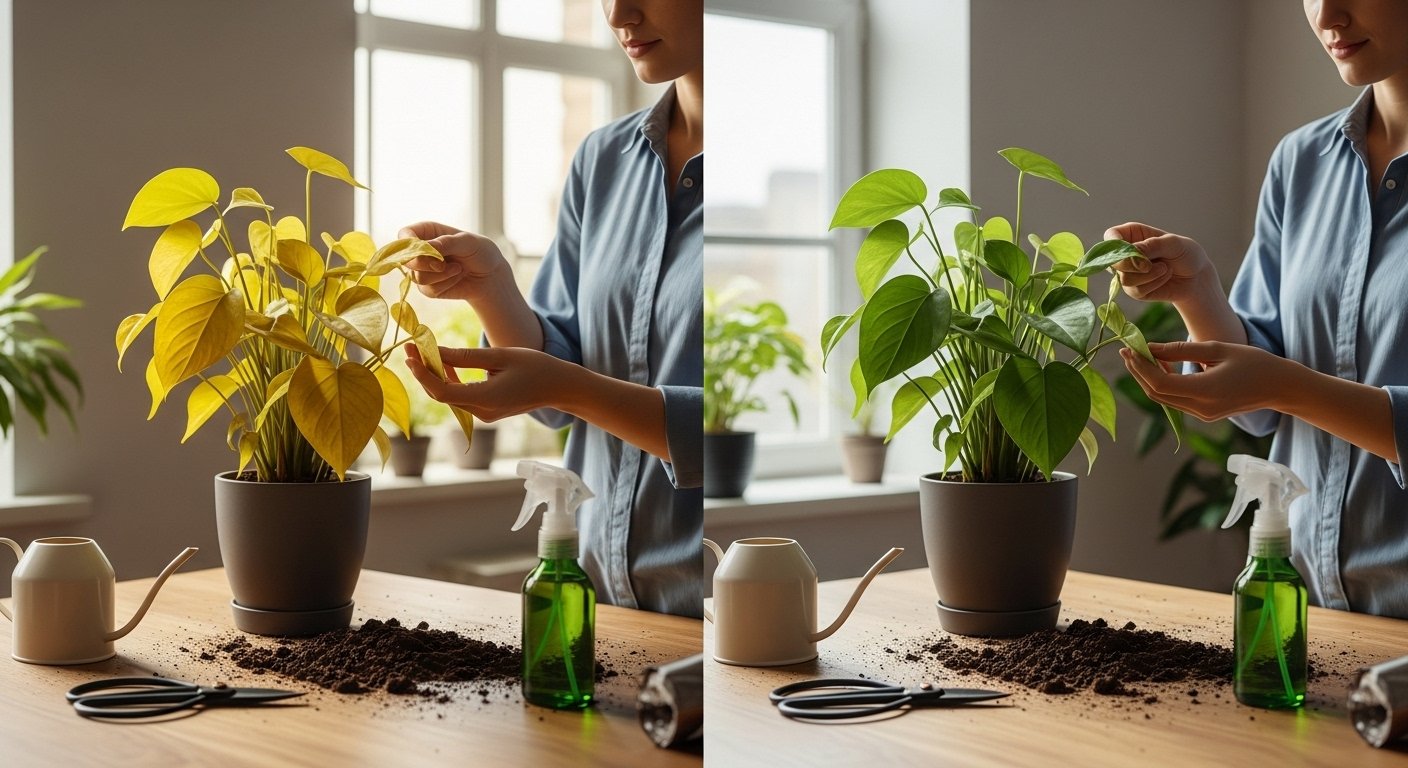
Yellowing leaves on indoor plants are one of the most common problems plant owners face. While it may look alarming, it is usually a sign that your plant is trying to tell you something is wrong. The issue can be caused by watering mistakes, poor lighting, nutrient deficiencies, pests, or even natural aging. The good news is that most cases of yellowing leaves can be fixed with the right care adjustments. In this guide, you’ll learn exactly how to identify the cause and fix yellowing indoor plants step by step so they can return to healthy green growth.
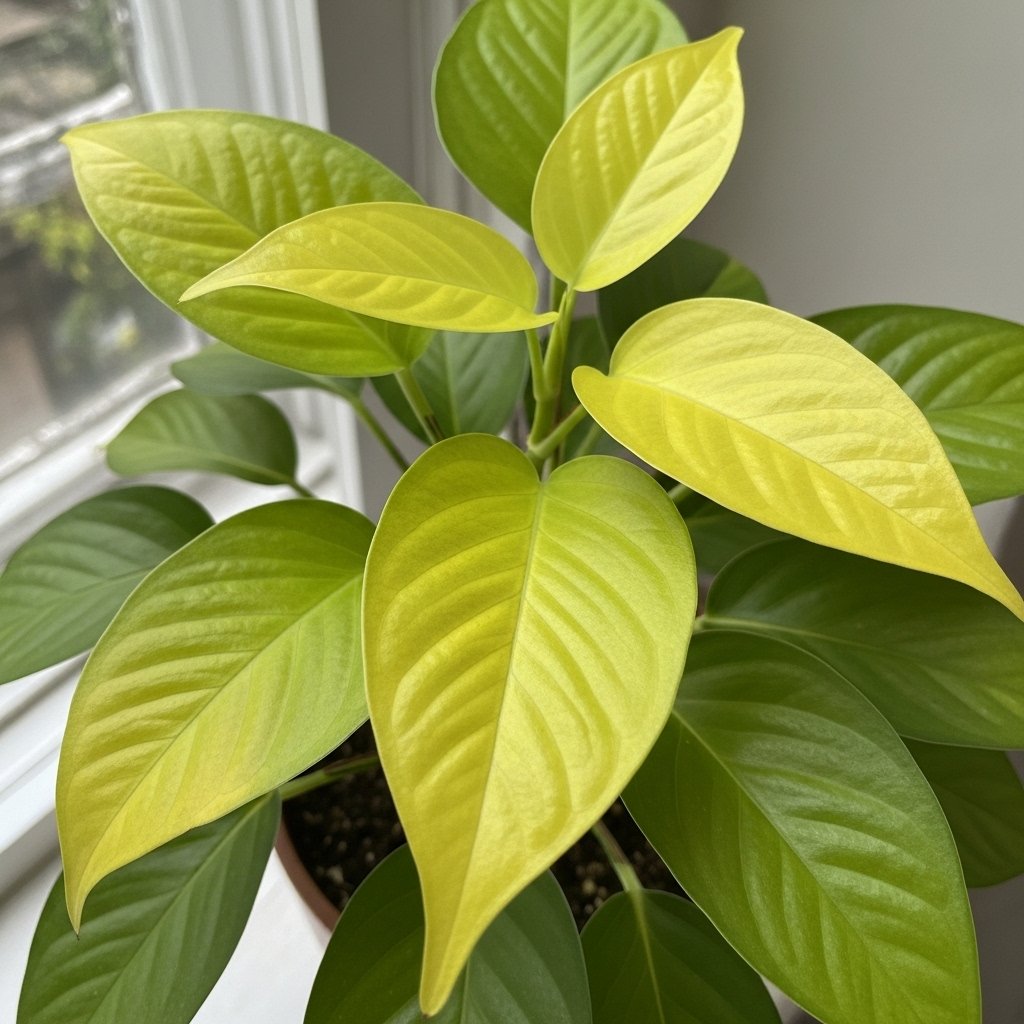
Table Of Content
1. Check Your Watering Routine Carefully
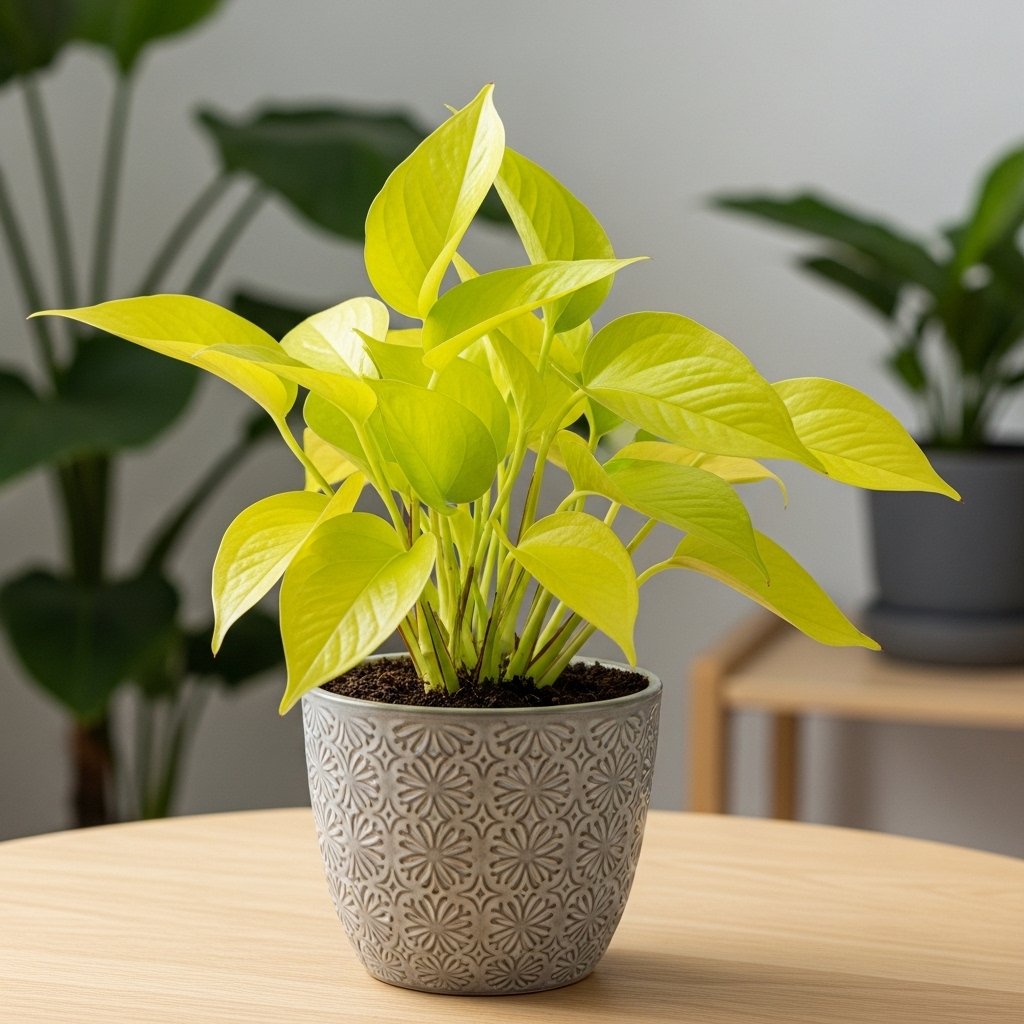
One of the biggest reasons indoor plants turn yellow is improper watering. Overwatering can suffocate roots and lead to root rot, while underwatering can cause dehydration and stress. You should always check the soil before watering by inserting your finger about an inch deep. If it feels wet, wait a few more days; if it feels dry, it’s time to water. Consistency is key, as irregular watering often confuses the plant and leads to yellow leaves.
2. Improve Drainage in the Pot
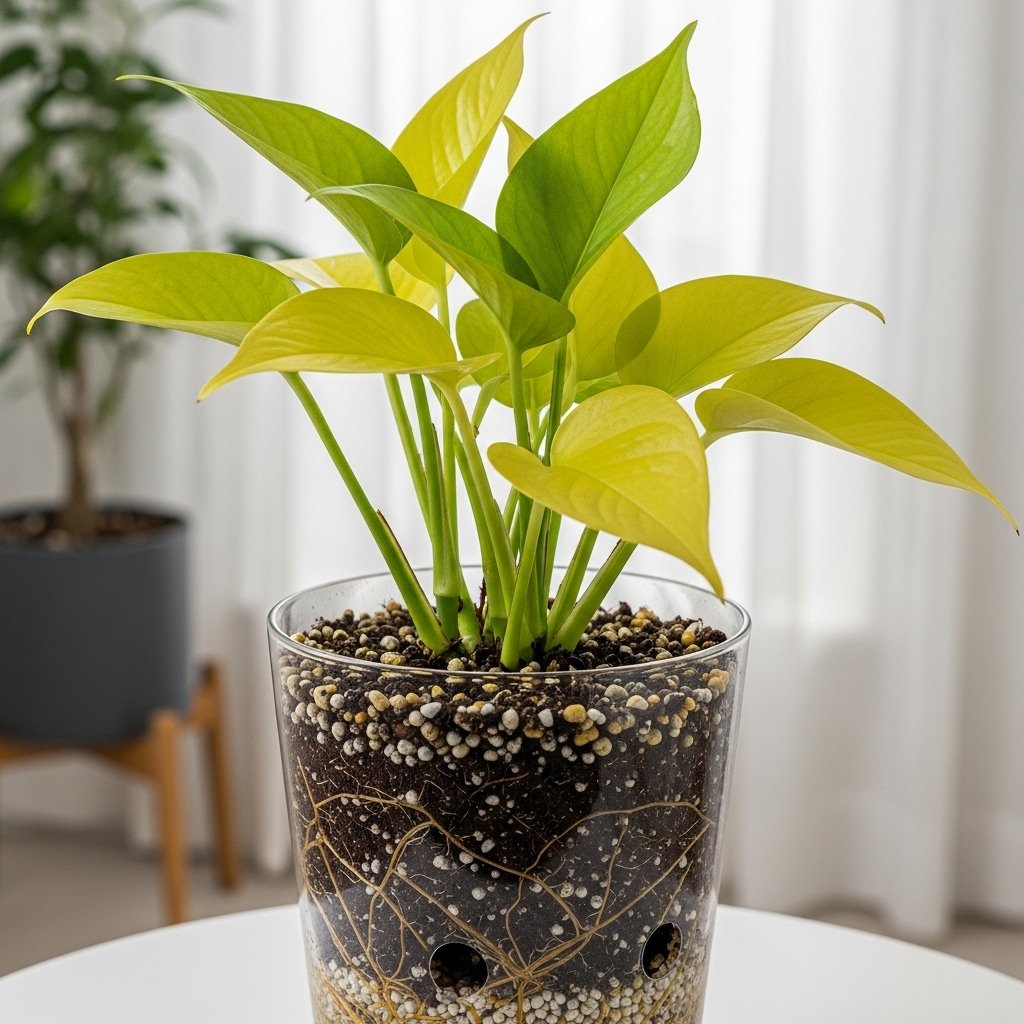
Poor drainage is another common cause of yellowing leaves in indoor plants. When excess water cannot escape, it collects at the bottom of the pot and damages the roots. Make sure your pot has proper drainage holes to allow water to flow freely. You can also add a layer of pebbles or use well-draining potting mix to improve airflow. Healthy roots are essential for green, vibrant leaves, so never ignore drainage issues.
3. Adjust Light Exposure Properly
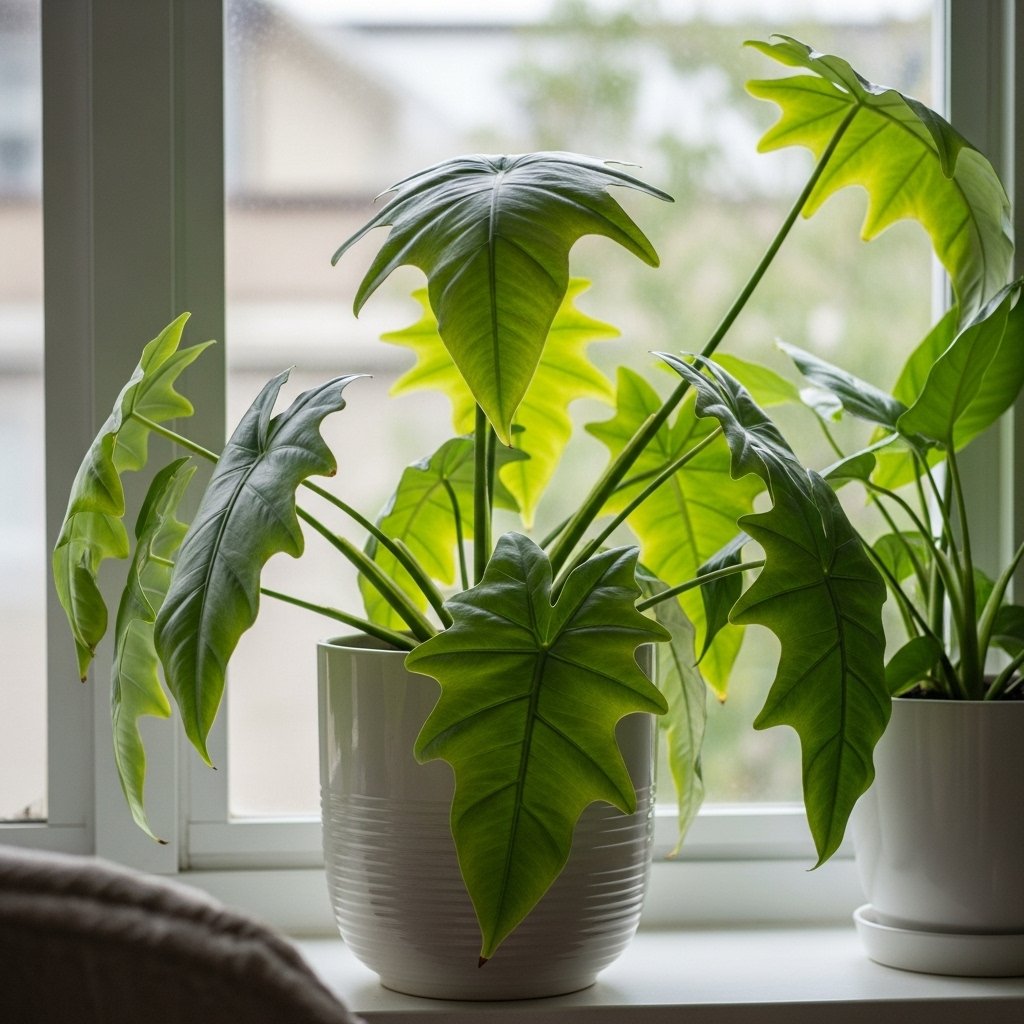
Indoor plants need the right amount of light to maintain their green color and healthy growth. Too much direct sunlight can scorch leaves, while too little light can cause them to turn pale or yellow. Identify your plant’s light preference—some prefer bright indirect light, while others thrive in low-light conditions. Move your plant closer to a window or away from harsh sunlight if needed. Balanced lighting helps plants produce energy efficiently through photosynthesis.
4. Feed Your Plant with Proper Fertilizer
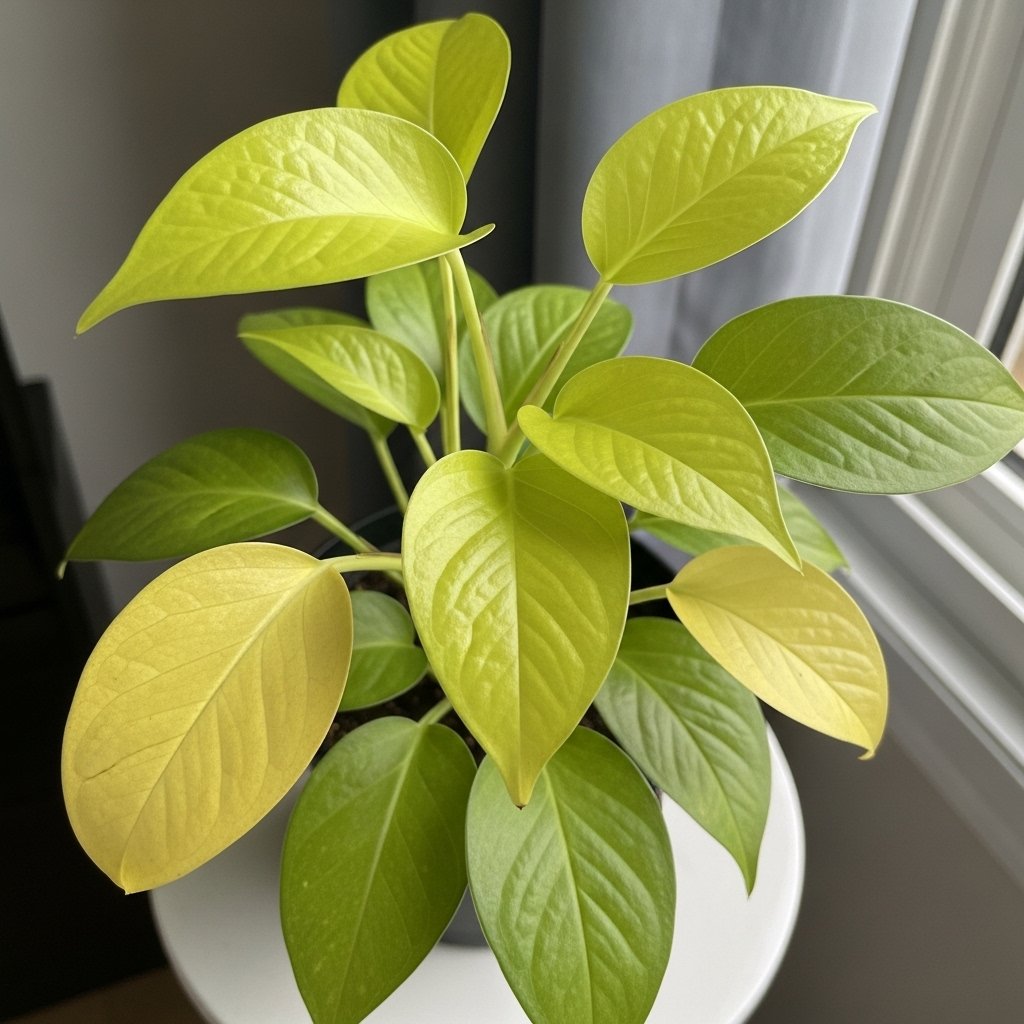
Nutrient deficiency is a major reason behind yellowing leaves, especially a lack of nitrogen, magnesium, or iron. Indoor plants require occasional feeding to maintain healthy growth. Use a balanced liquid fertilizer during the growing season, usually spring and summer. Avoid over-fertilizing, as it can burn the roots and worsen the problem. Proper nutrition helps restore the natural green color of leaves and strengthens overall plant health.
5. Inspect for Root Rot Problems
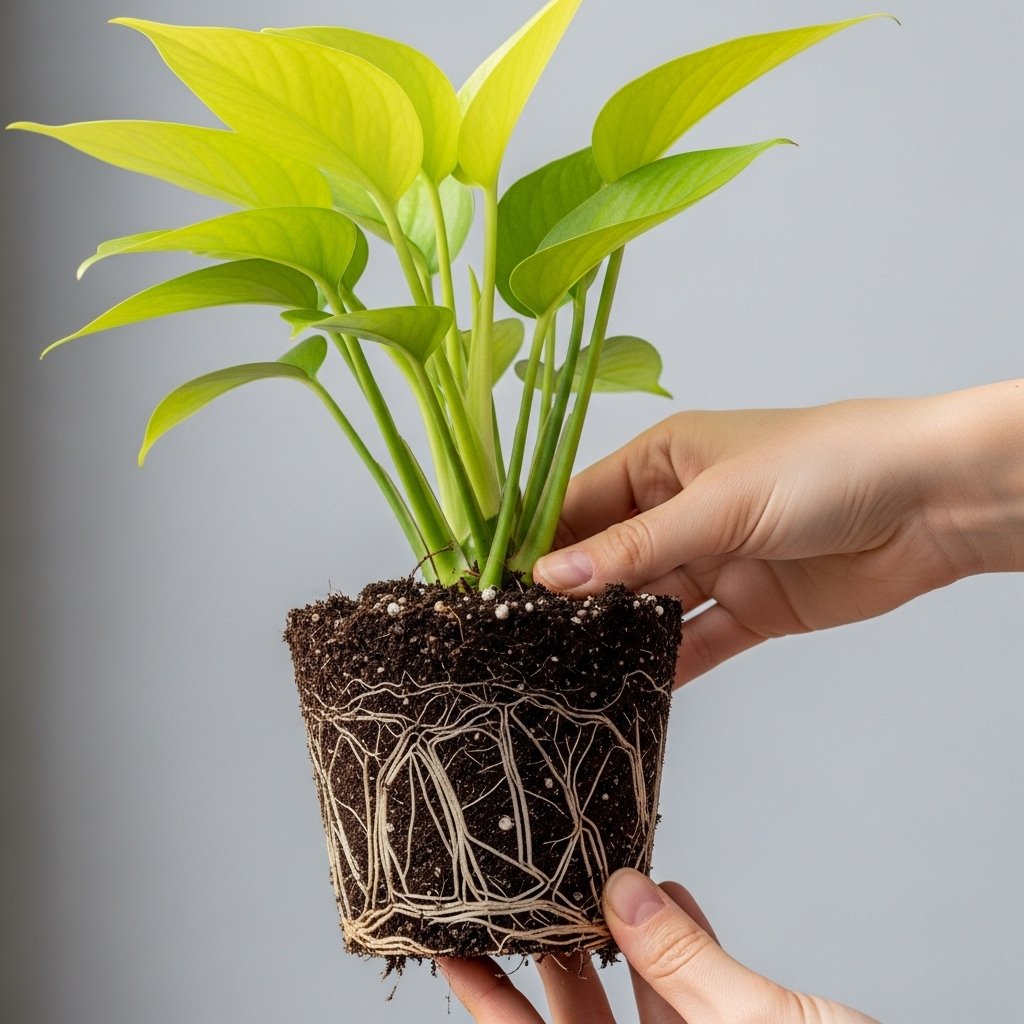
Root rot is a serious condition caused by prolonged overwatering and poor drainage. When roots start decaying, the plant cannot absorb nutrients properly, leading to yellow leaves. If you suspect root rot, gently remove the plant from its pot and check the roots. Healthy roots are white and firm, while rotten ones appear brown and mushy. Trim damaged roots and repot the plant in fresh, well-draining soil to help it recover.
6. Check for Pest Infestations
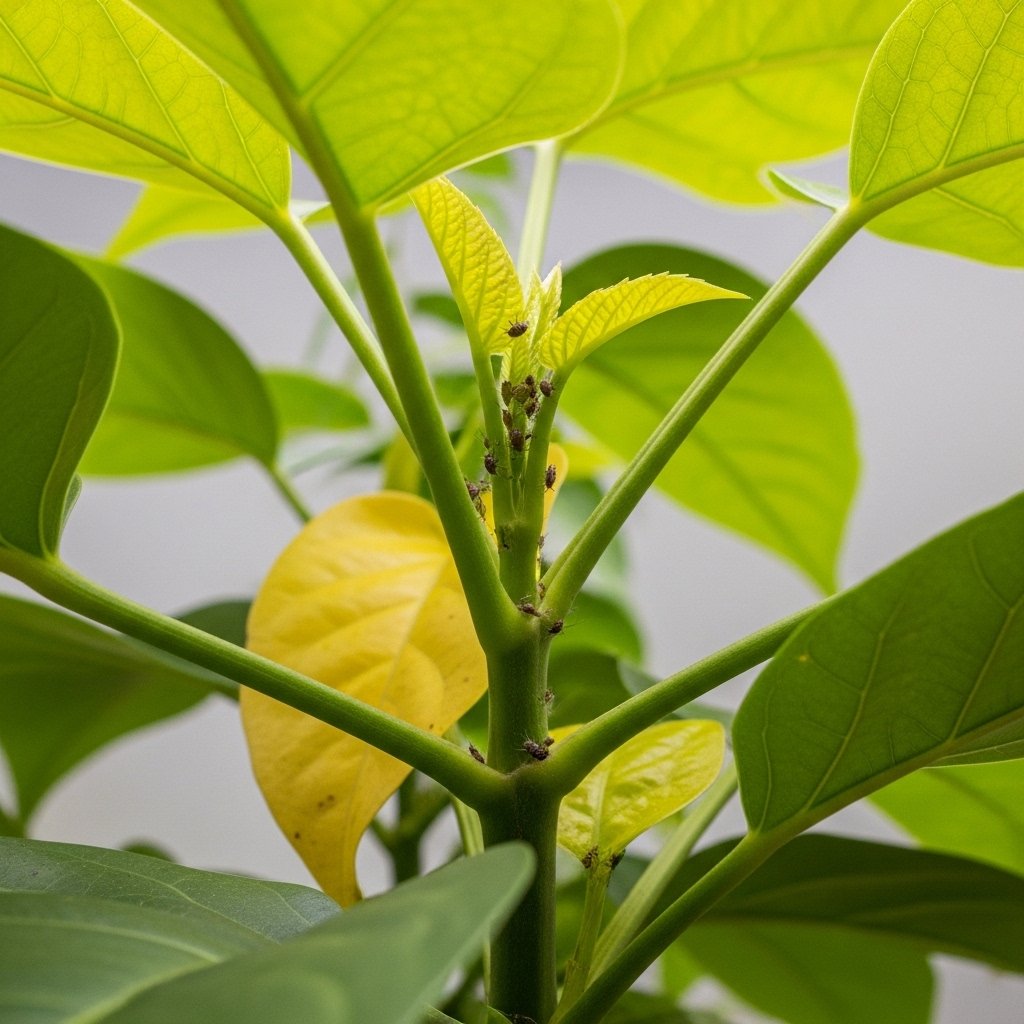
Pests like spider mites, aphids, and mealybugs can suck nutrients from plant leaves, causing them to turn yellow. Regularly inspect the underside of leaves and stems for any signs of insects. If pests are found, wash the plant gently with water or use insecticidal soap. Neem oil is also a natural and effective treatment option. Early detection is important to prevent further damage and keep your plant healthy.
7. Maintain Proper Humidity Levels
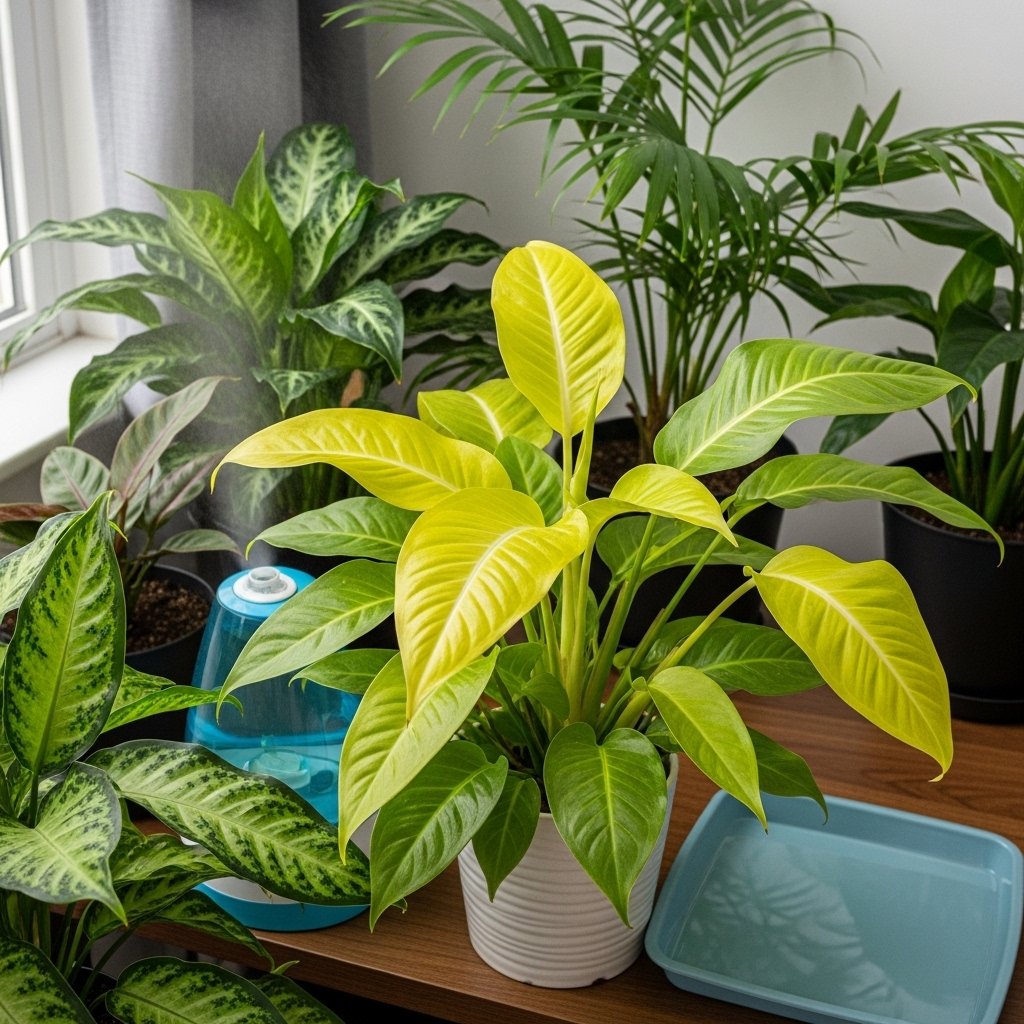
Many indoor plants originate from tropical environments and require higher humidity levels to thrive. Dry indoor air, especially during winter or in air-conditioned rooms, can cause leaf yellowing. You can increase humidity by misting the plant, using a humidifier, or placing a water tray nearby. Grouping plants together also helps create a more humid microclimate. Maintaining proper humidity keeps leaves fresh, green, and hydrated.
8. Repot When the Plant Becomes Root-Bound
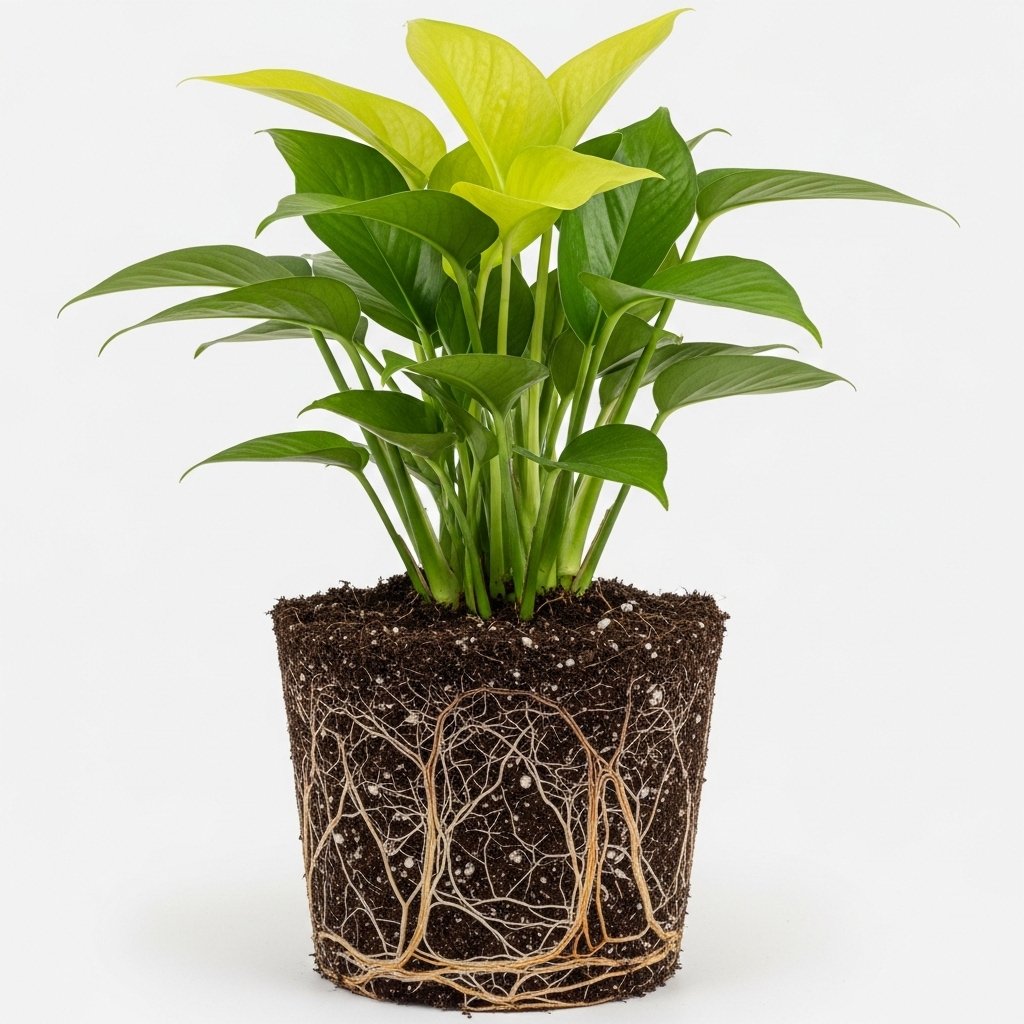
When a plant outgrows its pot, its roots become cramped and cannot absorb nutrients efficiently. This condition, known as being root-bound, often leads to yellowing leaves. If roots are circling tightly around the soil, it’s time to repot the plant into a larger container. Choose fresh potting soil and a slightly bigger pot with drainage holes. Repotting gives the plant space to grow and restores its health.
9. Maintain Stable Temperature Conditions
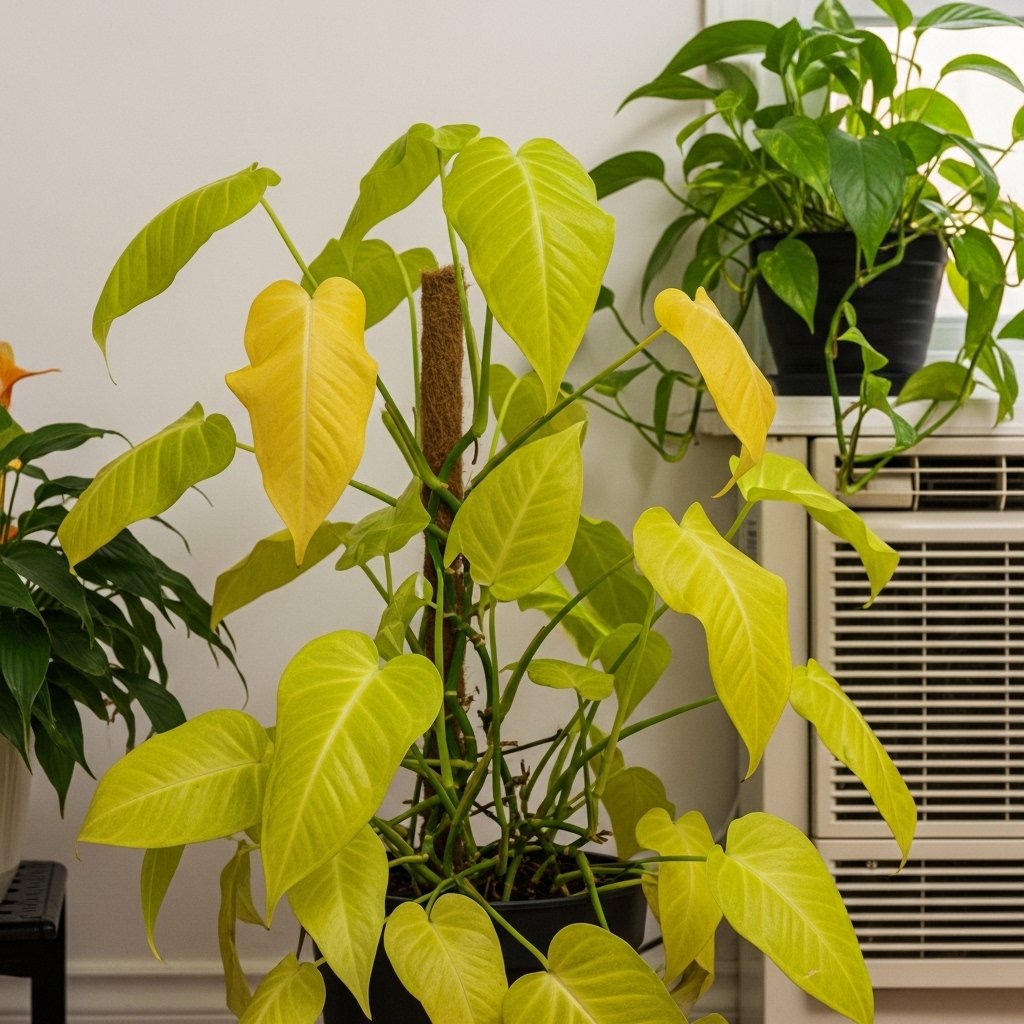
Sudden temperature changes can stress indoor plants and cause their leaves to turn yellow. Most houseplants prefer stable temperatures between 18°C and 27°C. Avoid placing plants near cold drafts, heaters, or air conditioners. Extreme heat or cold disrupts their natural growth cycle and weakens their structure. Keeping a stable environment helps plants stay strong and maintain their natural green color.
10. Remove Old or Damaged Leaves
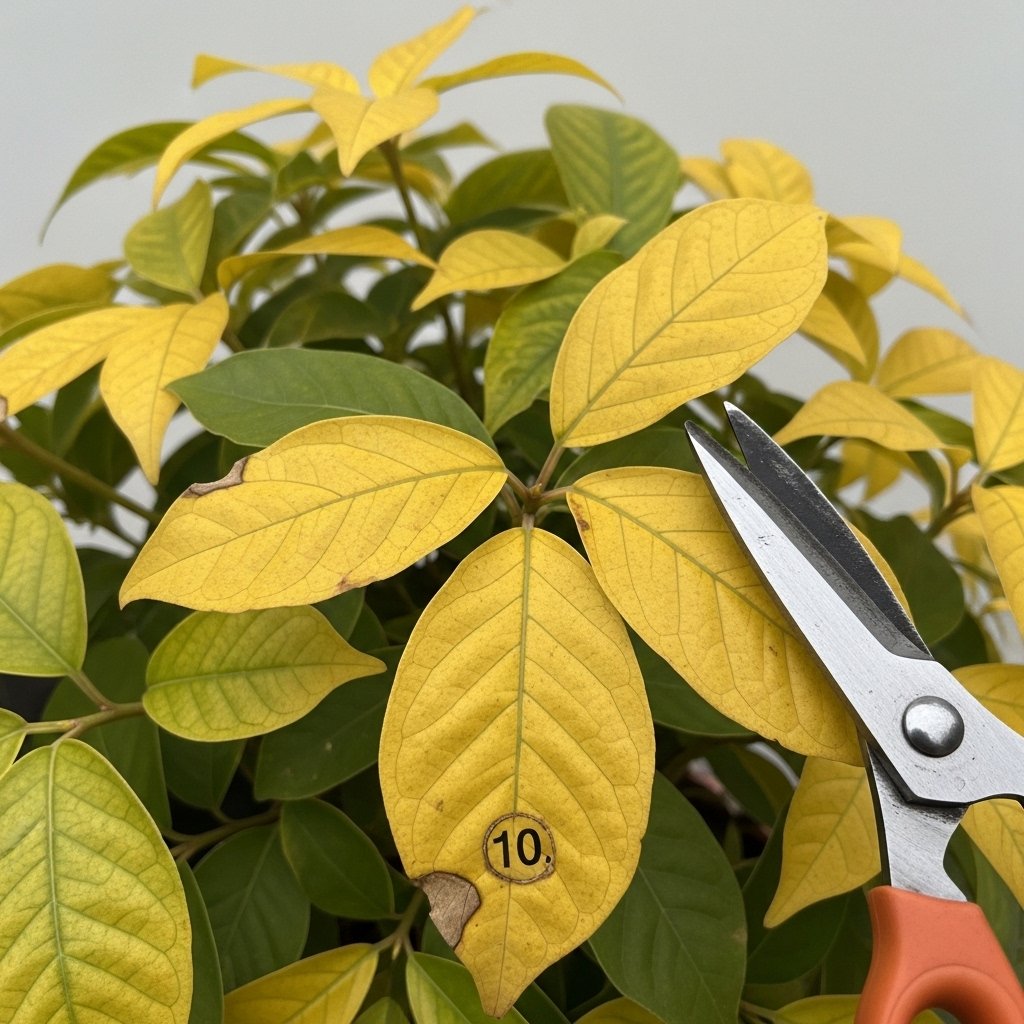
Sometimes yellowing is simply a natural part of a plant’s life cycle. Older leaves naturally turn yellow and fall off as the plant focuses energy on new growth. Removing these leaves helps the plant redirect energy more efficiently. Use clean scissors or pruning tools to trim yellow or dead leaves. This also improves the plant’s appearance and prevents potential disease spread.
11. Clean Dust Off the Leaves
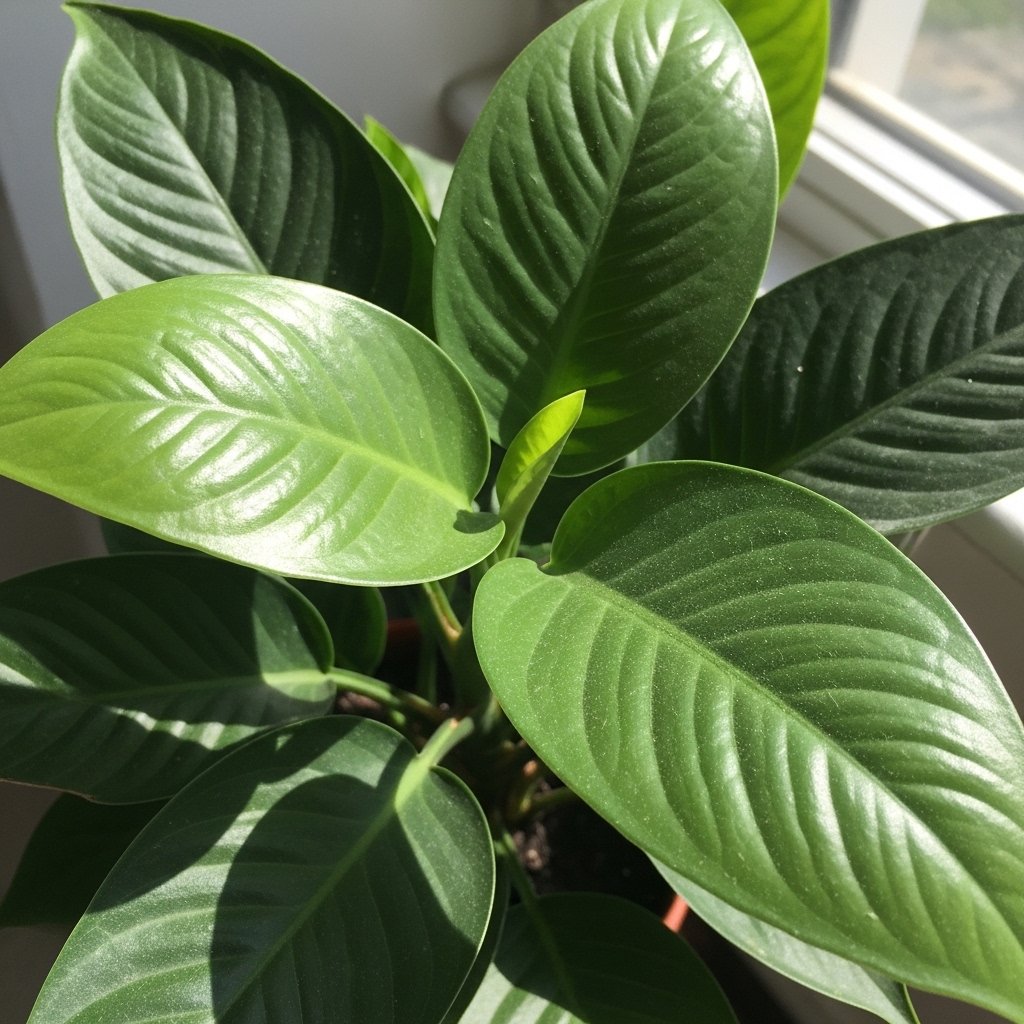
Dust accumulation on leaves can block sunlight and reduce photosynthesis, leading to weak and yellowing plants. Indoor environments often cause dust to settle on leaf surfaces over time. Wipe the leaves gently with a damp cloth to keep them clean and shiny. For larger plants, a light shower with lukewarm water works well. Clean leaves allow the plant to absorb light more effectively and stay healthy.
12. Use the Right Soil Mix for Your Plant
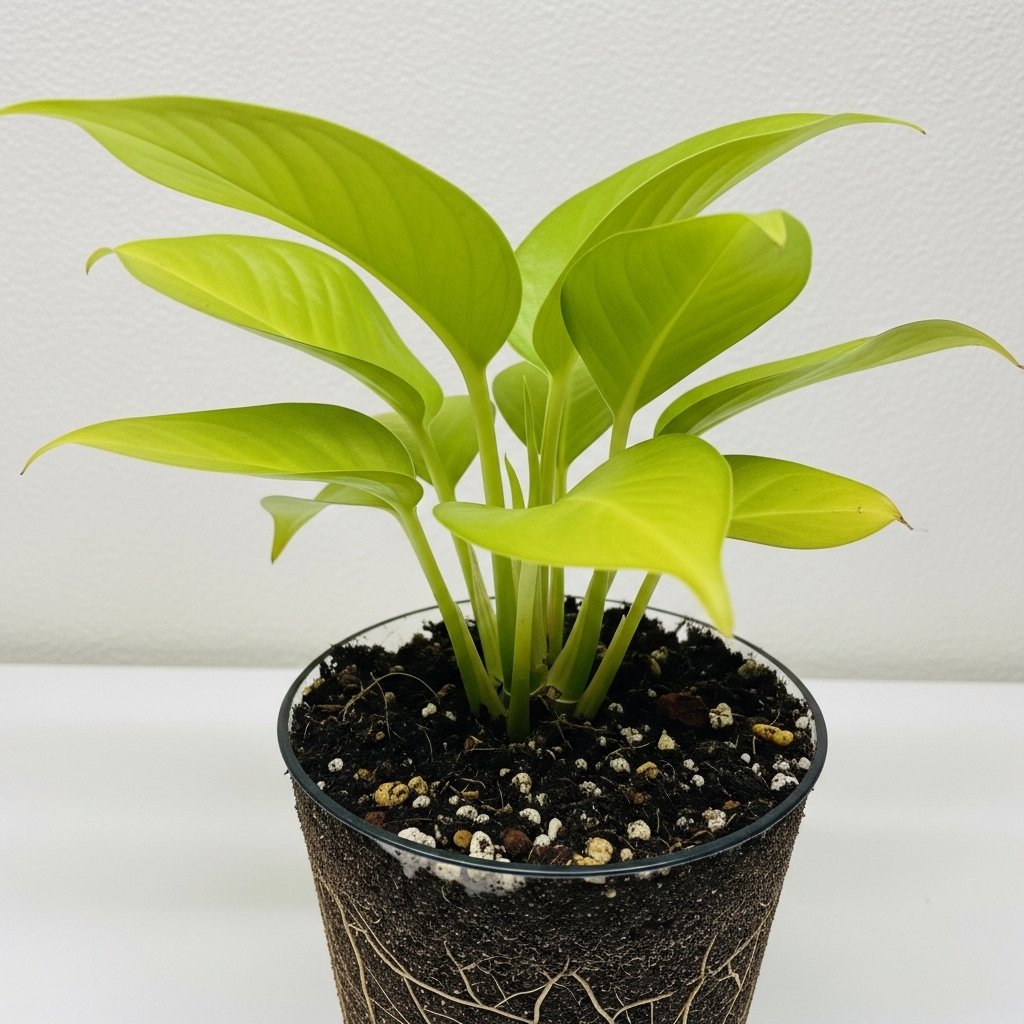
Soil quality plays a major role in plant health and leaf color. Poor or compact soil can restrict root growth and water absorption, leading to yellowing leaves. Always use a high-quality potting mix suited for indoor plants. Some plants may require specific mixes, such as cactus soil or orchid bark. Refreshing the soil every 1–2 years ensures proper nutrients and better drainage for long-term plant health.
13. How to Care for Indoor Plants and Fix Yellow Leaves
- Check Watering – Yellow leaves often come from overwatering or underwatering, so adjust water carefully.
- Improve Light – Place plants in proper indirect sunlight to help them recover and grow healthy.
- Remove Bad Leaves – Cut or remove yellow leaves so the plant can focus energy on new growth.
- Check Soil & Drainage – Use well-draining soil and make sure pots are not holding extra water.
- Add Nutrients – Use light fertilizer if needed to fix nutrient deficiency and boost plant health.
13.1. FAQ
13.2. How to fix yellowing indoor plants❓
Yellowing leaves in indoor plants usually mean the plant is stressed due to improper care. To fix this, first check the watering routine because overwatering is one of the most common causes. Make sure the soil is slightly moist, not soggy, and the pot has proper drainage. Also, place the plant where it gets enough indirect sunlight, as too little light can also cause yellow leaves.
13.3. Why do indoor plant leaves turn yellow❓
Indoor plant leaves turn yellow due to several reasons such as overwatering, underwatering, lack of sunlight, or nutrient deficiency. Sometimes old leaves naturally turn yellow and fall off, which is normal. However, if many leaves are changing color at once, it usually indicates a care problem that needs attention.
13.4. How much water do yellowing plants need❓
Yellowing plants often suffer from incorrect watering. Most indoor plants prefer watering only when the top soil feels dry. Giving too much water can lead to root rot, while too little water can dry out the plant. A balanced watering schedule based on the plant type helps restore healthy green leaves.
14. Final Thoughts
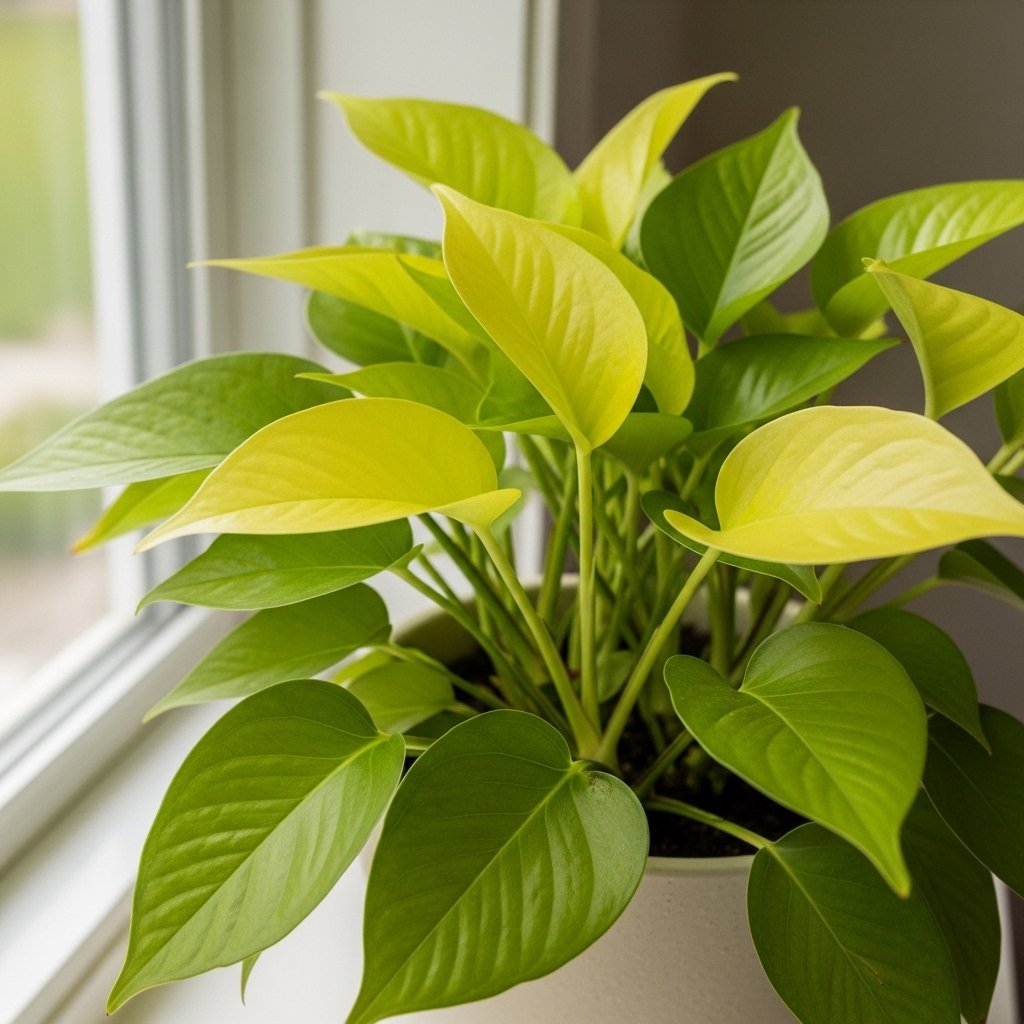
Fixing yellowing indoor plants requires careful observation and consistent care. Most problems come down to watering issues, poor lighting, or nutrient imbalance, all of which can be corrected with simple adjustments. By improving soil quality, maintaining proper humidity, and checking for pests regularly, you can restore your plant’s natural green beauty. Remember that plants also go through natural aging, so not all yellow leaves are a cause for concern. With patience and the right care routine, your indoor plants can thrive and stay healthy for years to come.