Indoor Flowering Plants Guide: How to Grow Beautiful Blooms at Home
Blog > Home > Indoor Plants & Home Decor > Indoor Flowering Plants Guide: How to Grow Beautiful Blooms at Home
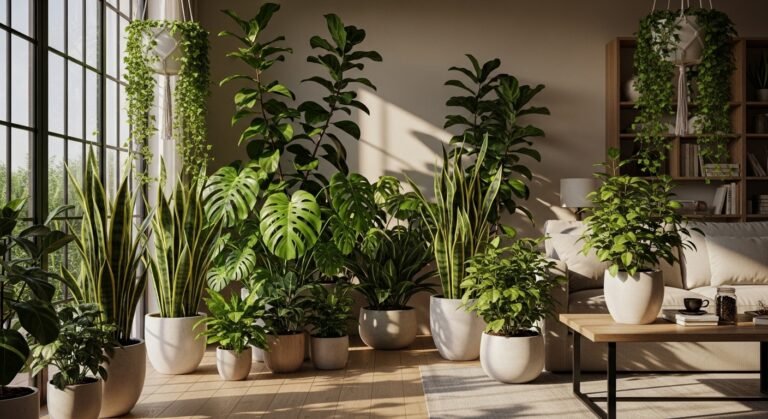
Indoor flowering plants are one of the easiest ways to bring life, color, and freshness into your home. They not only enhance interior beauty but also improve air quality and create a calming environment. With the right care, many flowering plants can bloom beautifully indoors throughout the year. However, each plant has different light, water, and humidity needs that must be understood for healthy growth. In this guide, you’ll discover 12 essential indoor flowering plants and how to care for them successfully at home.
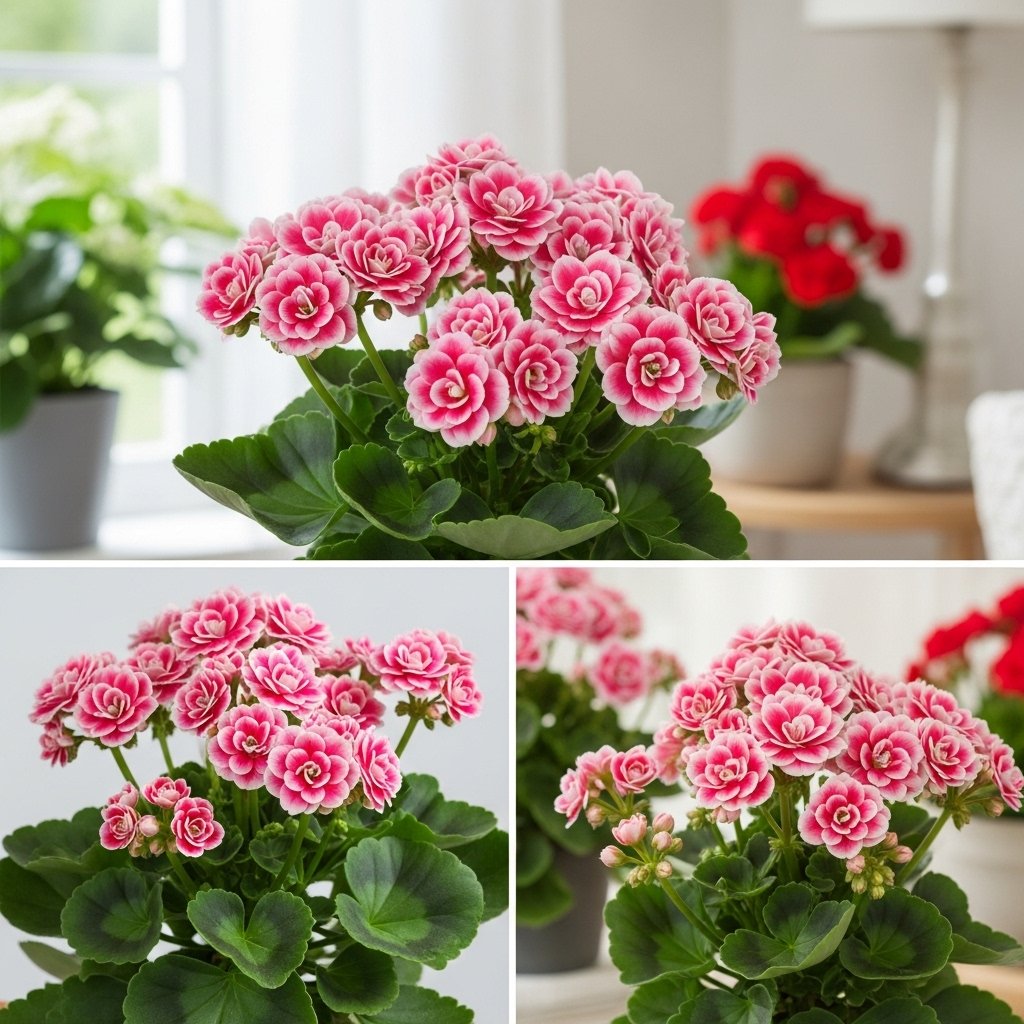
Table Of Content
1. African Violet (Saintpaulia)
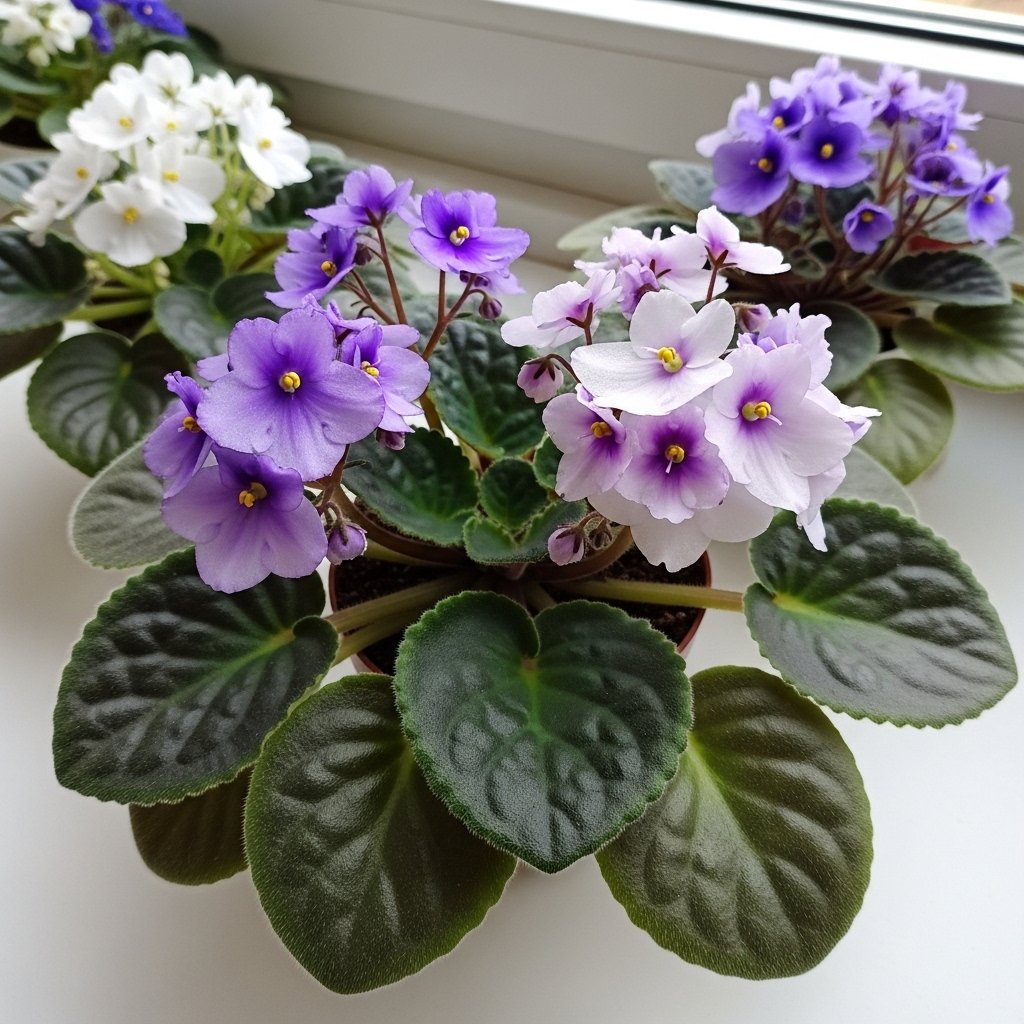
African violets are one of the most popular indoor flowering plants due to their compact size and vibrant blooms. They produce beautiful purple, pink, or white flowers almost year-round when cared for properly. These plants prefer bright, indirect light and should never be exposed to direct sunlight. Watering should be done carefully from the bottom to avoid leaf damage. With consistent care, African violets can bloom continuously indoors.
2. Peace Lily (Spathiphyllum)
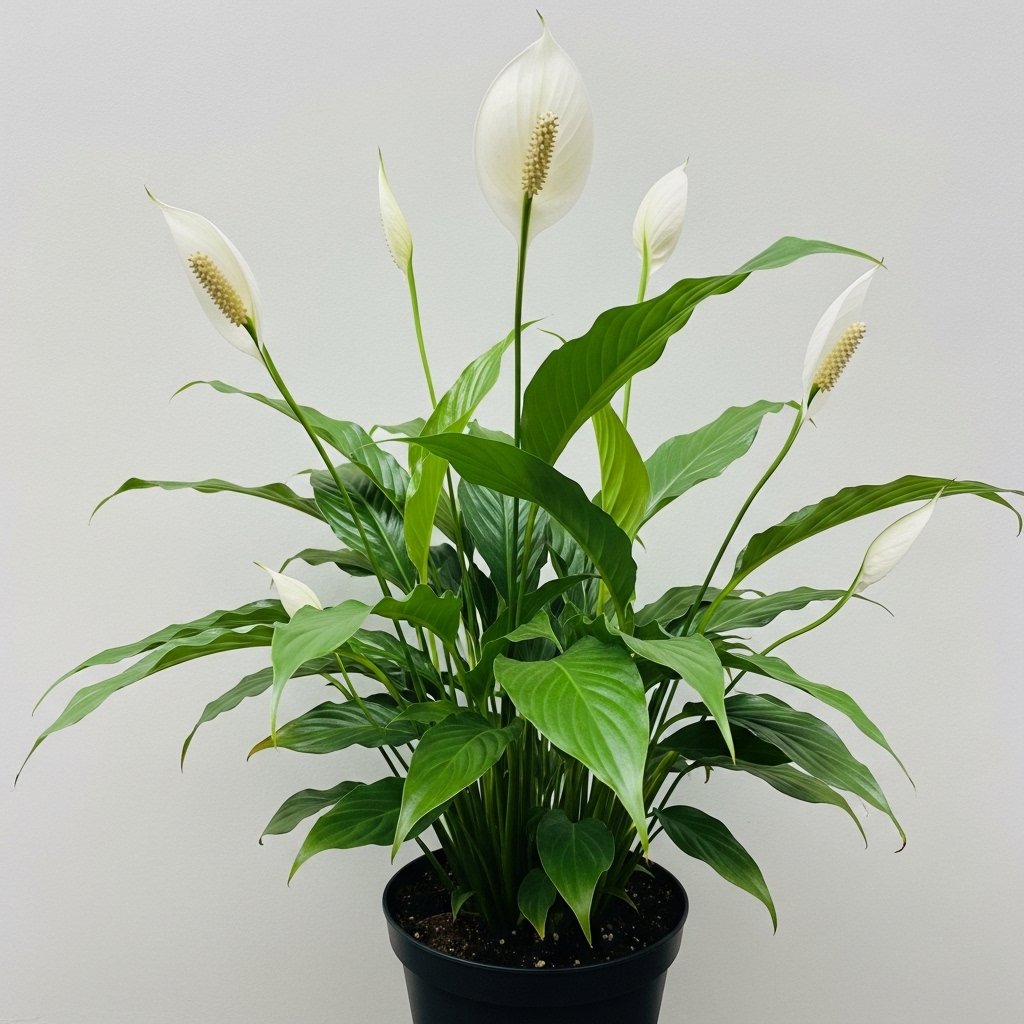
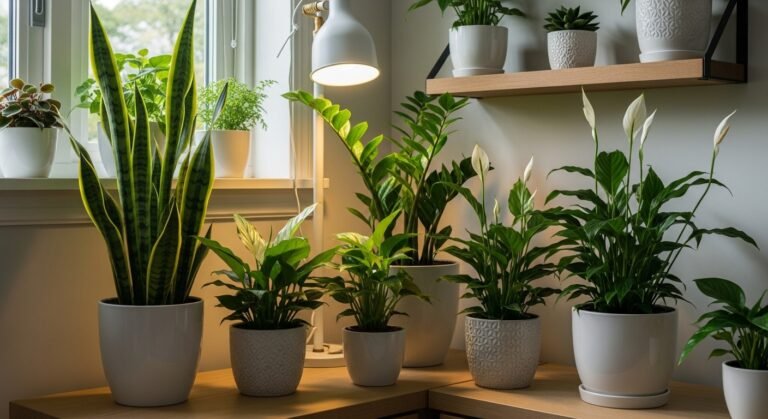
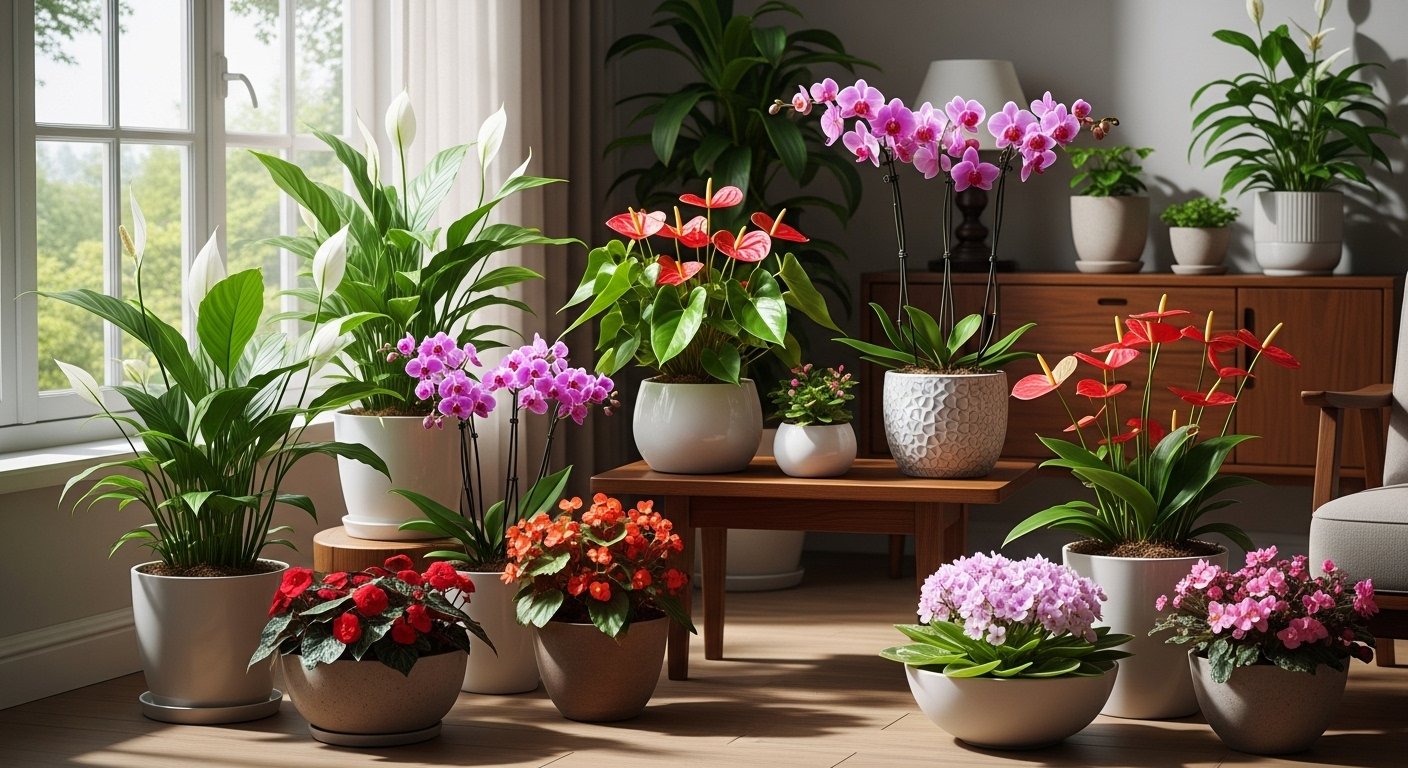
Peace lilies are elegant indoor plants known for their white, hood-like flowers and lush green leaves. They thrive in low to medium light conditions, making them perfect for indoor spaces. These plants also help purify indoor air by removing toxins. They prefer slightly moist soil but should not be overwatered. Their simple beauty makes them a favorite for homes and offices.
3. Orchids (Phalaenopsis)
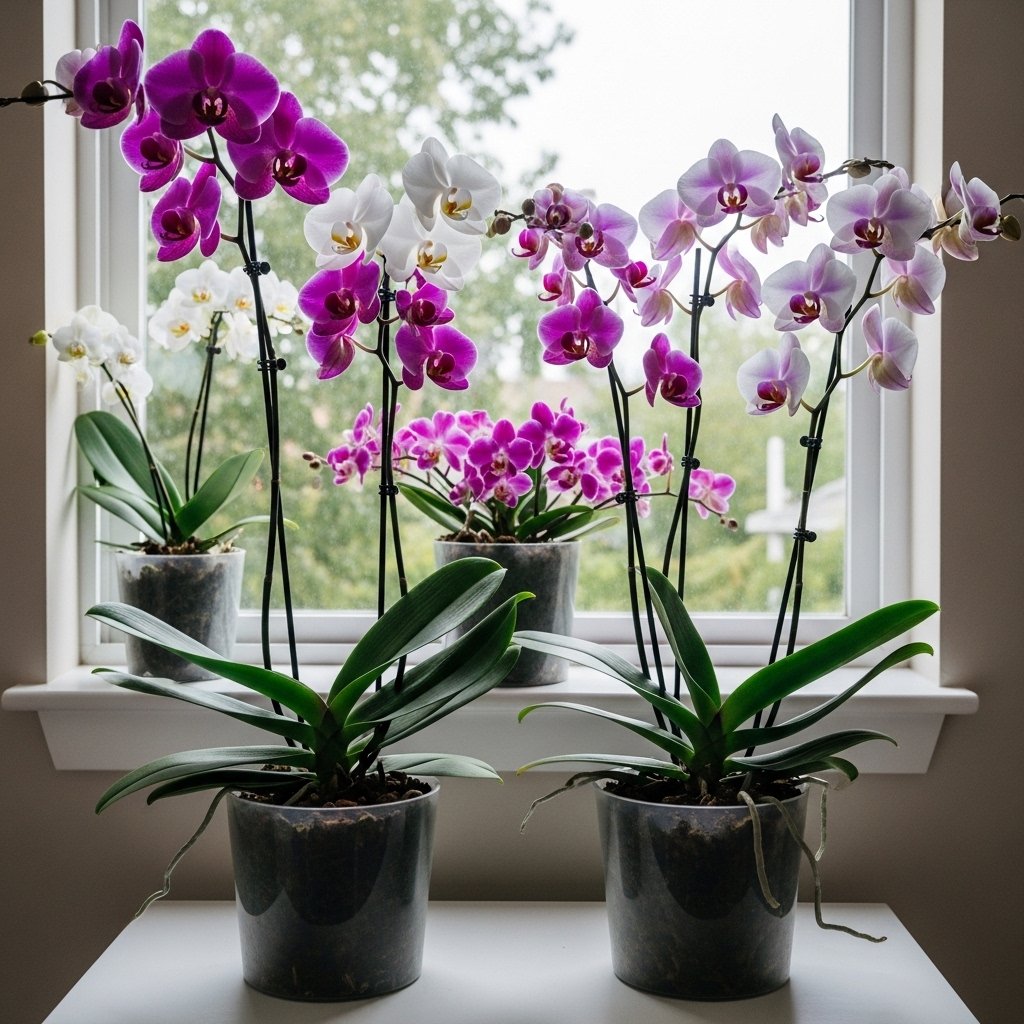
Orchids are exotic flowering plants that add a luxurious touch to any indoor space. They are available in many colors such as white, purple, and pink. Orchids need bright, indirect light and well-draining bark-based soil. Overwatering is a common mistake, so they should be watered sparingly. With patience, orchids can bloom for several months at a time.
4. Anthurium
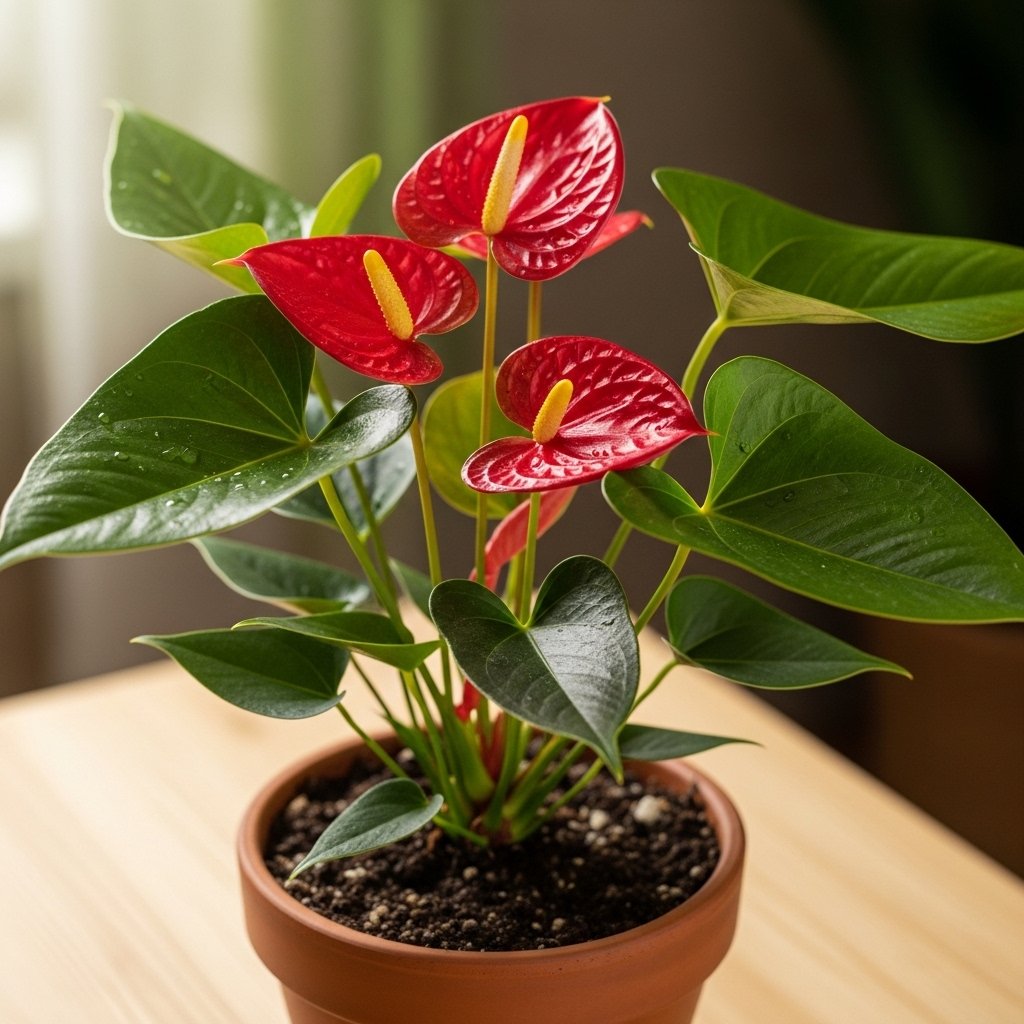
Anthurium plants are known for their glossy heart-shaped flowers in red, pink, or white shades. They thrive in warm, humid environments with indirect sunlight. These plants prefer evenly moist soil but dislike standing water. Anthuriums can bloom almost all year when kept in ideal conditions. Their vibrant appearance makes them perfect for decorative indoor displays.
5. Begonia
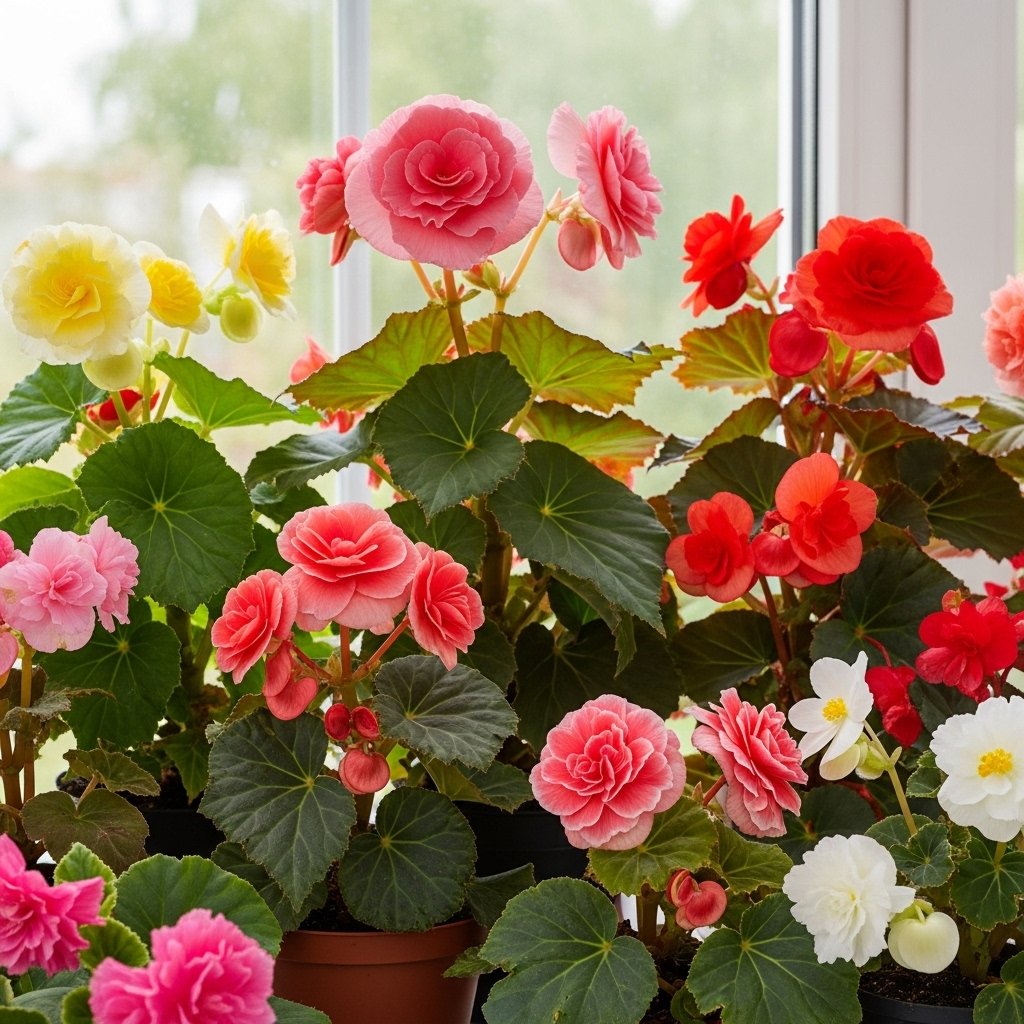
Begonias are versatile indoor flowering plants with colorful blooms and attractive foliage. They grow well in bright, indirect light and need well-drained soil. These plants should be watered when the top layer of soil feels dry. Begonias are available in many varieties, offering different flower shapes and colors. Their beauty makes them ideal for windowsills and indoor gardens.
6. Jasmine (Indoor Varieties)
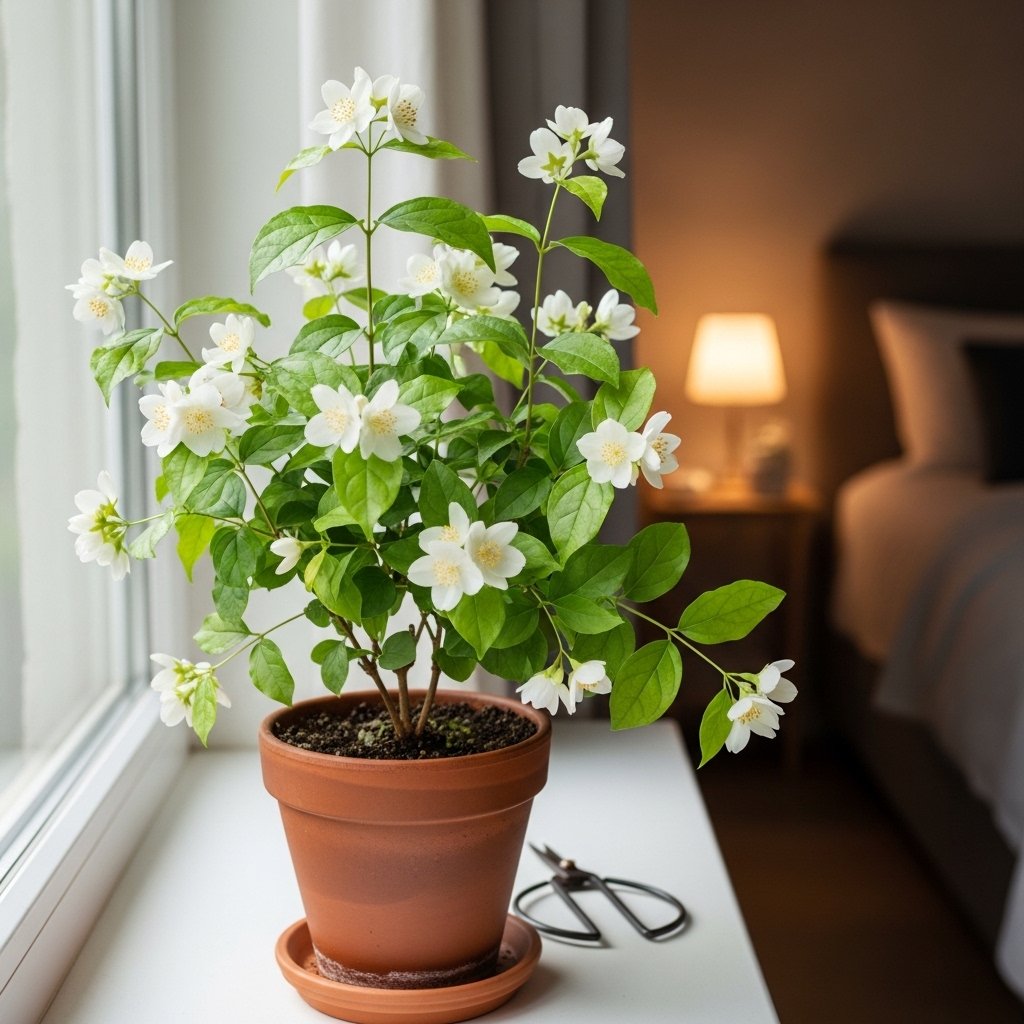
Indoor jasmine plants are famous for their fragrant white flowers that bloom beautifully in the right conditions. They require bright light and slightly cooler nighttime temperatures. Regular pruning helps maintain shape and encourages more blooms. Jasmine plants prefer moist but not soggy soil. Their soothing fragrance makes them a popular choice for bedrooms.
7. Kalanchoe
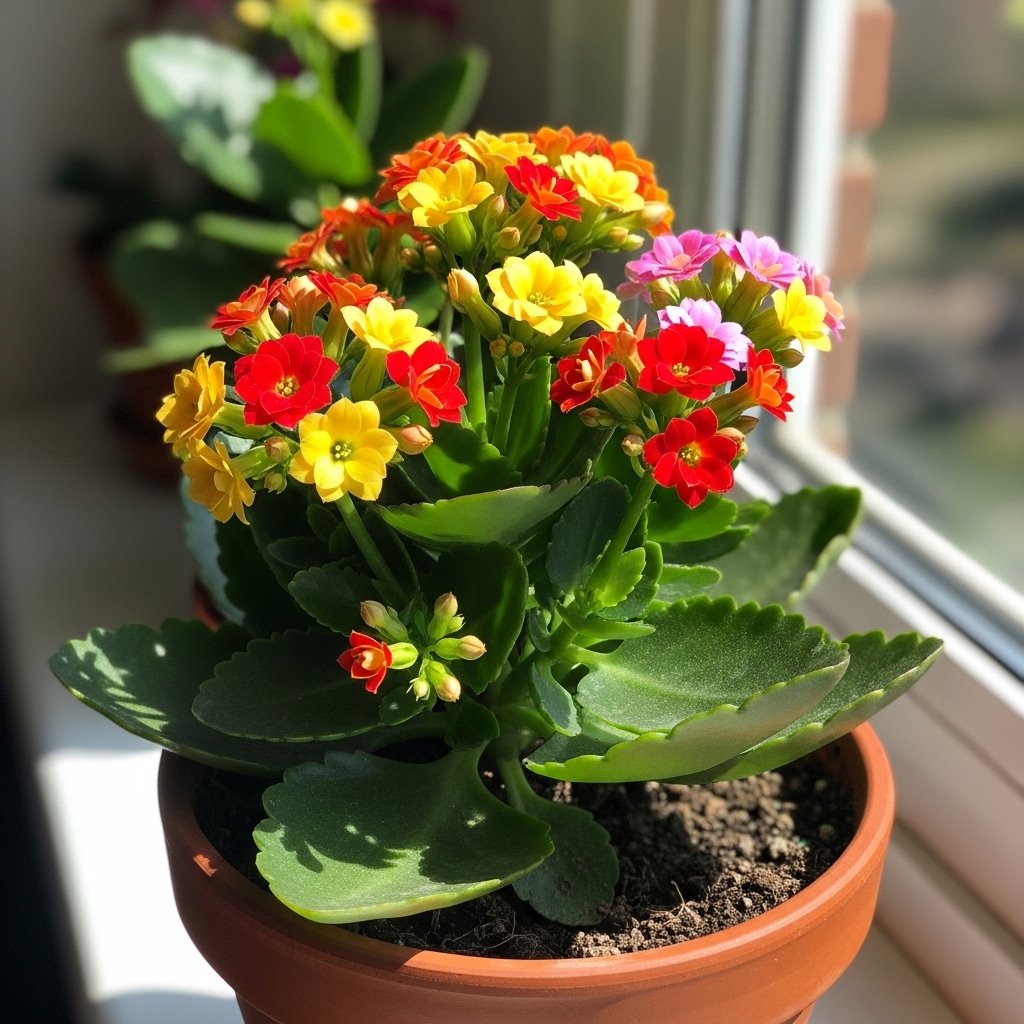
Kalanchoe is a low-maintenance flowering succulent that produces clusters of small, vibrant flowers. It thrives in bright sunlight and requires minimal watering. Overwatering can damage the plant, so dry soil is preferred between watering cycles. Kalanchoe blooms in shades of red, yellow, orange, and pink. Its long-lasting flowers make it perfect for beginners.
8. Geranium (Indoor Types)
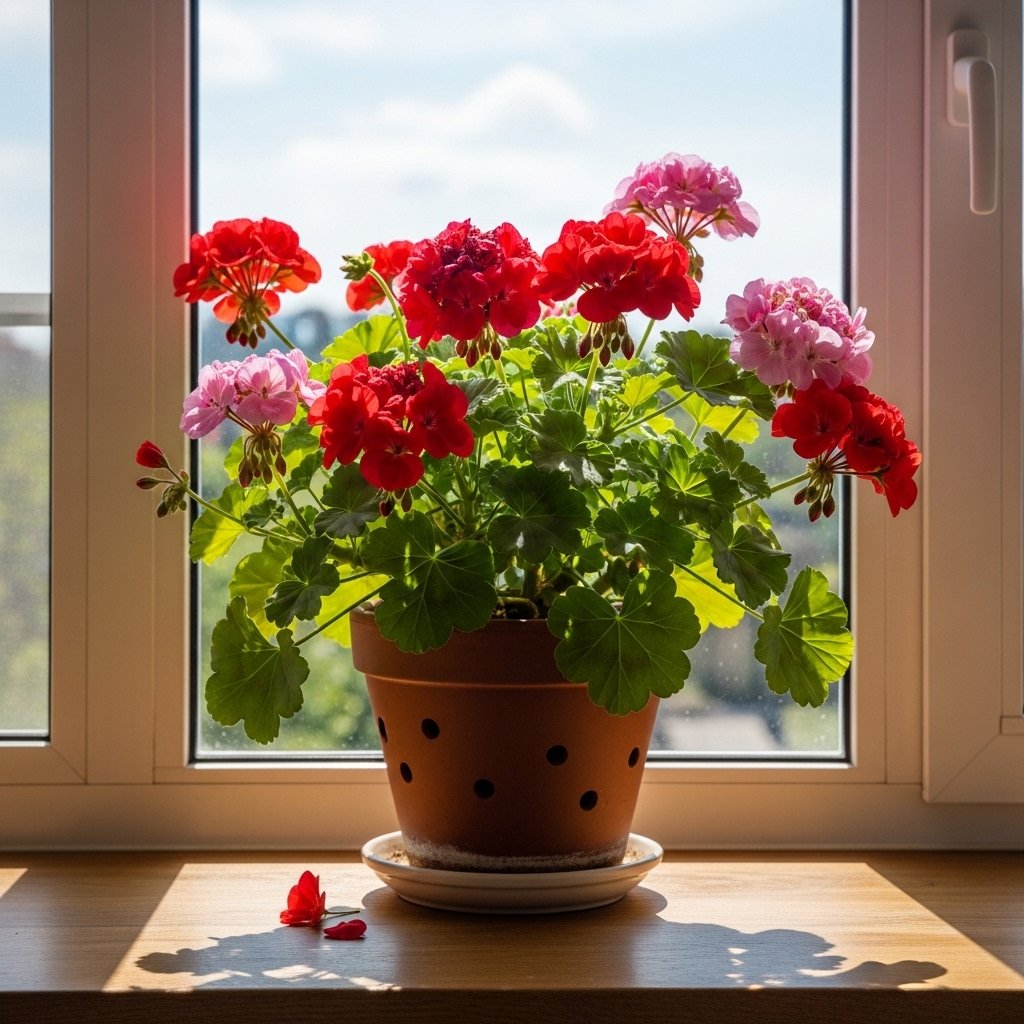
Geraniums are bright and cheerful flowering plants that can also be grown indoors. They need plenty of sunlight, ideally near a sunny window. These plants prefer well-drained soil and moderate watering. Regular deadheading encourages continuous blooming. Geraniums add a burst of color to indoor spaces.
9. Bromeliad
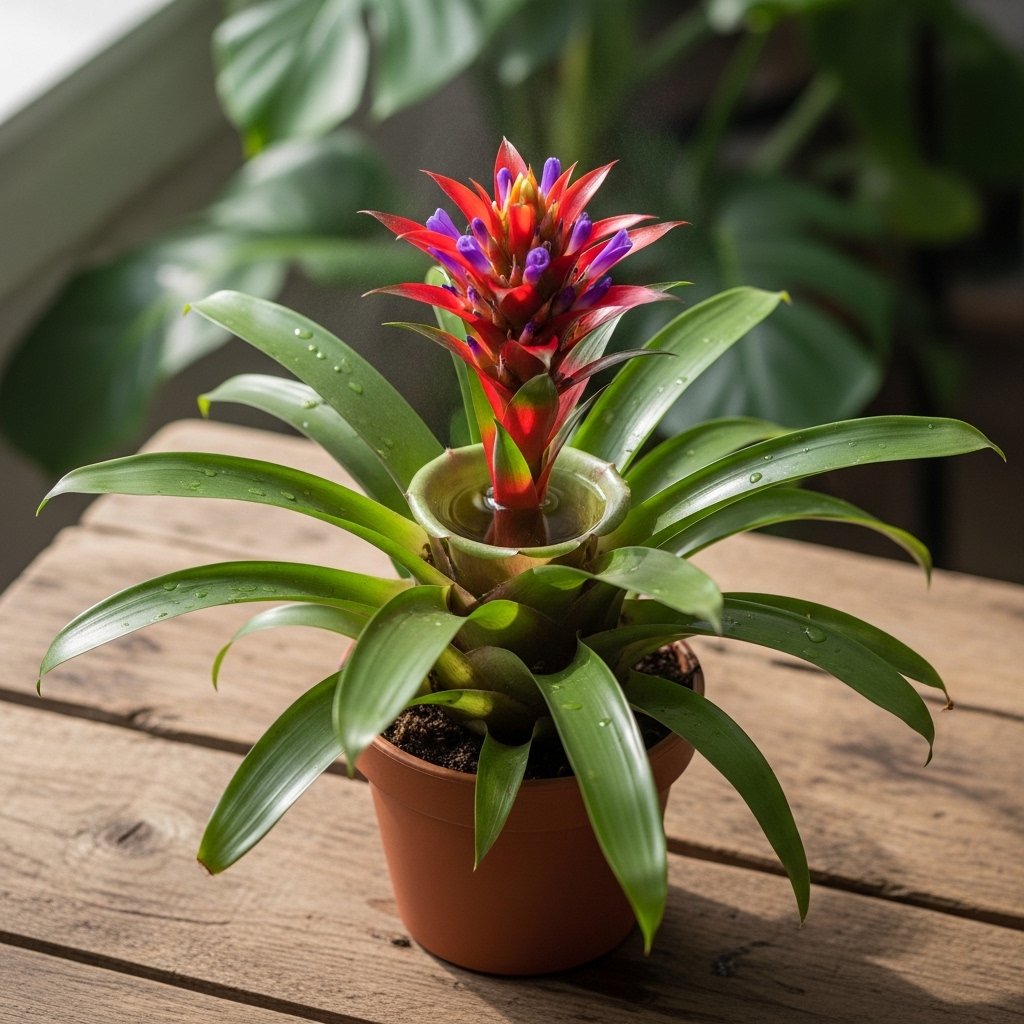
Bromeliads are tropical indoor plants known for their unique, long-lasting colorful bracts. They grow well in bright, indirect light and humid conditions. Instead of soil watering, their central cup should be kept filled with water. These plants require minimal maintenance once established. Their exotic look makes them a standout indoor plant choice.
10. Hibiscus (Indoor Care)
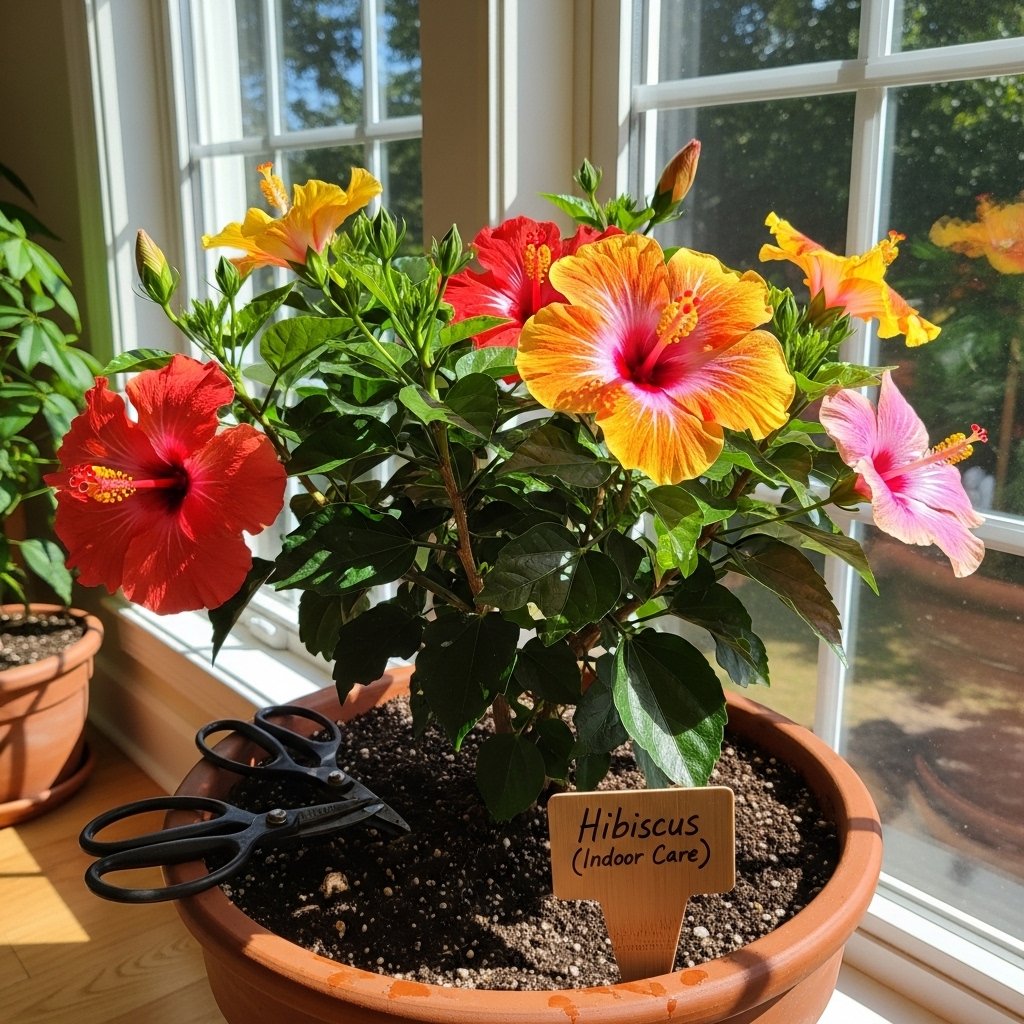
Indoor hibiscus plants produce large, vibrant flowers in red, yellow, orange, or pink shades. They need plenty of sunlight to bloom properly. Regular watering is important, but the soil should not stay soggy. Pruning helps maintain shape and encourages more flowers. Hibiscus plants bring a tropical feel indoors.
11. Clivia
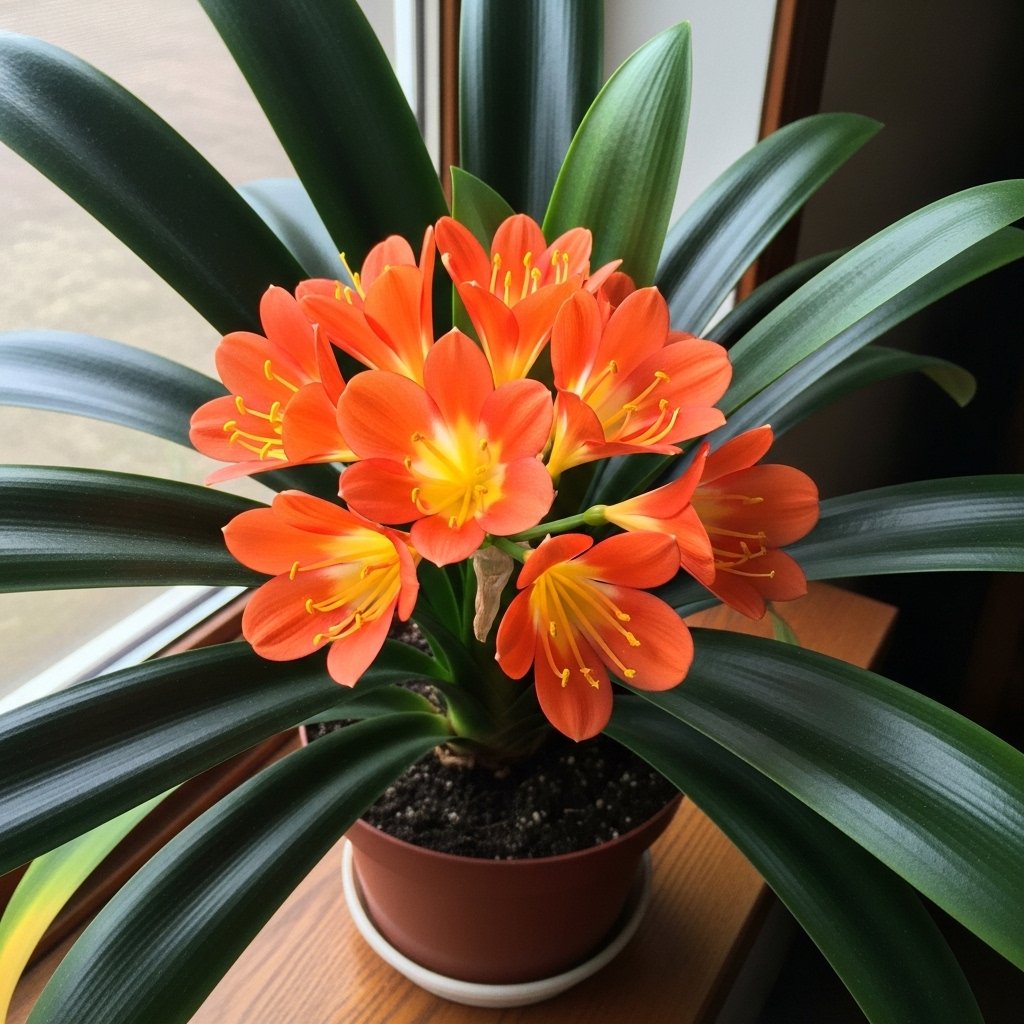
Clivia is a hardy indoor flowering plant that produces clusters of orange or yellow trumpet-shaped flowers. It prefers low to moderate light and minimal watering. Overwatering should be avoided as it can lead to root rot. Clivia blooms best when slightly root-bound. Its bold flowers make it a striking indoor plant.
12. Christmas Cactus (Schlumbergera)
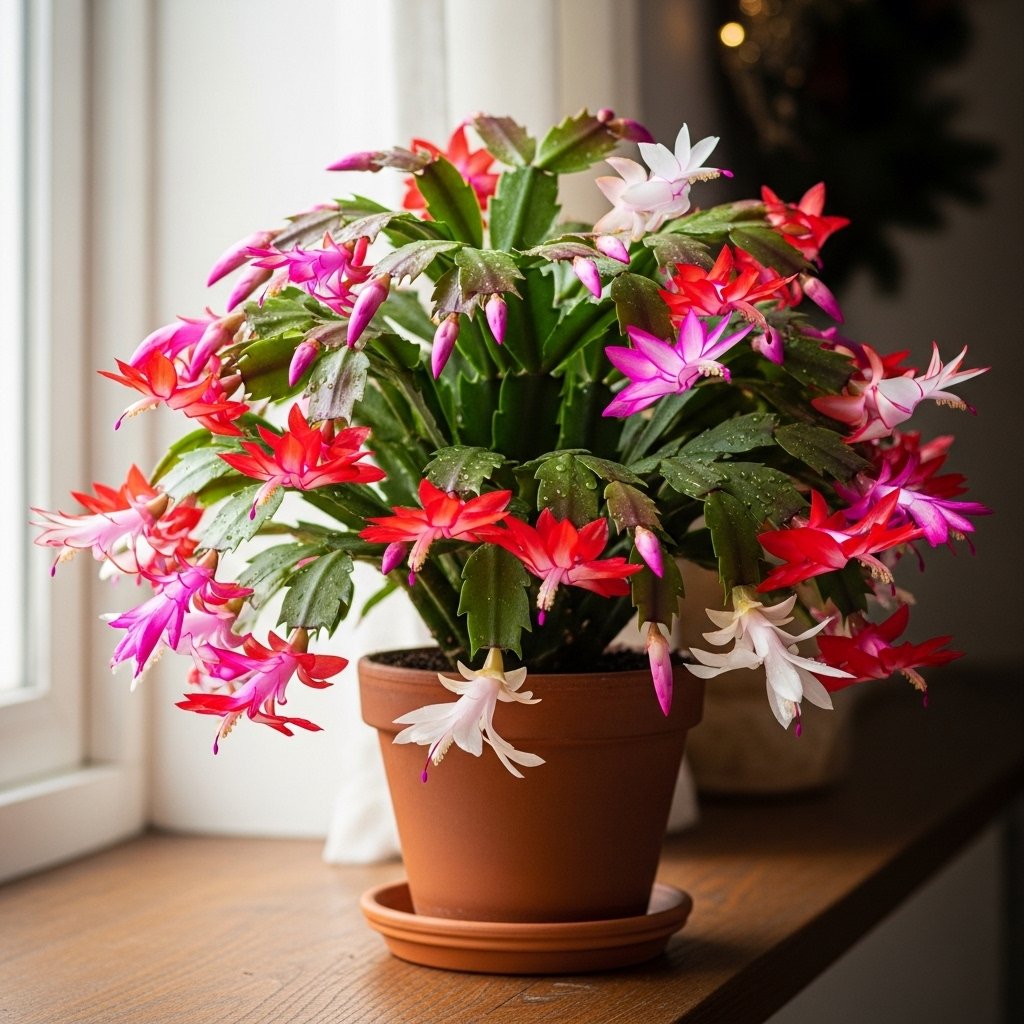
The Christmas cactus is a popular indoor plant known for its seasonal blooming during winter. It produces beautiful pink, red, or white flowers. This plant prefers bright but indirect light and slightly moist soil. It requires a period of cooler temperatures to encourage blooming. With proper care, it can live and bloom for many years.
13. How to Care for Indoor Flowering Plants
- Water Correctly – Water plants when the soil feels slightly dry; avoid overwatering to prevent root rot.
- Give Enough Light – Place flowering plants near a window where they get bright, indirect sunlight.
- Use Proper Soil – Choose well-draining soil so roots stay healthy and flowers bloom better.
- Remove Dead Flowers – Cut off wilted flowers and dry leaves to encourage new growth.
- Fertilize Occasionally – Use mild plant fertilizer to help flowers grow stronger and more colorful.
13.1. FAQ
13.2. What are indoor flowering plants❓
Indoor flowering plants are plants that grow inside homes and produce flowers. They are kept in pots or containers and placed in rooms, balconies, or near windows where they can get enough light. These plants not only add natural beauty to indoor spaces but also help improve air quality and create a calm and fresh environment in the home.
13.3. Why should we keep indoor flowering plants at home❓
Indoor flowering plants are kept at home because they make the environment more beautiful and peaceful. Their colorful flowers improve the look of any room and give a fresh natural feeling. They can also help reduce stress and make indoor spaces feel more lively and relaxing.
13.4. What are the best indoor flowering plants for beginners❓
Some of the best indoor flowering plants for beginners include peace lily, jasmine, African violet, anthurium, and hibiscus. These plants are easy to care for and do not require too much maintenance. With basic watering and proper sunlight, they can grow well indoors and produce beautiful flowers.
14. Final Thoughts
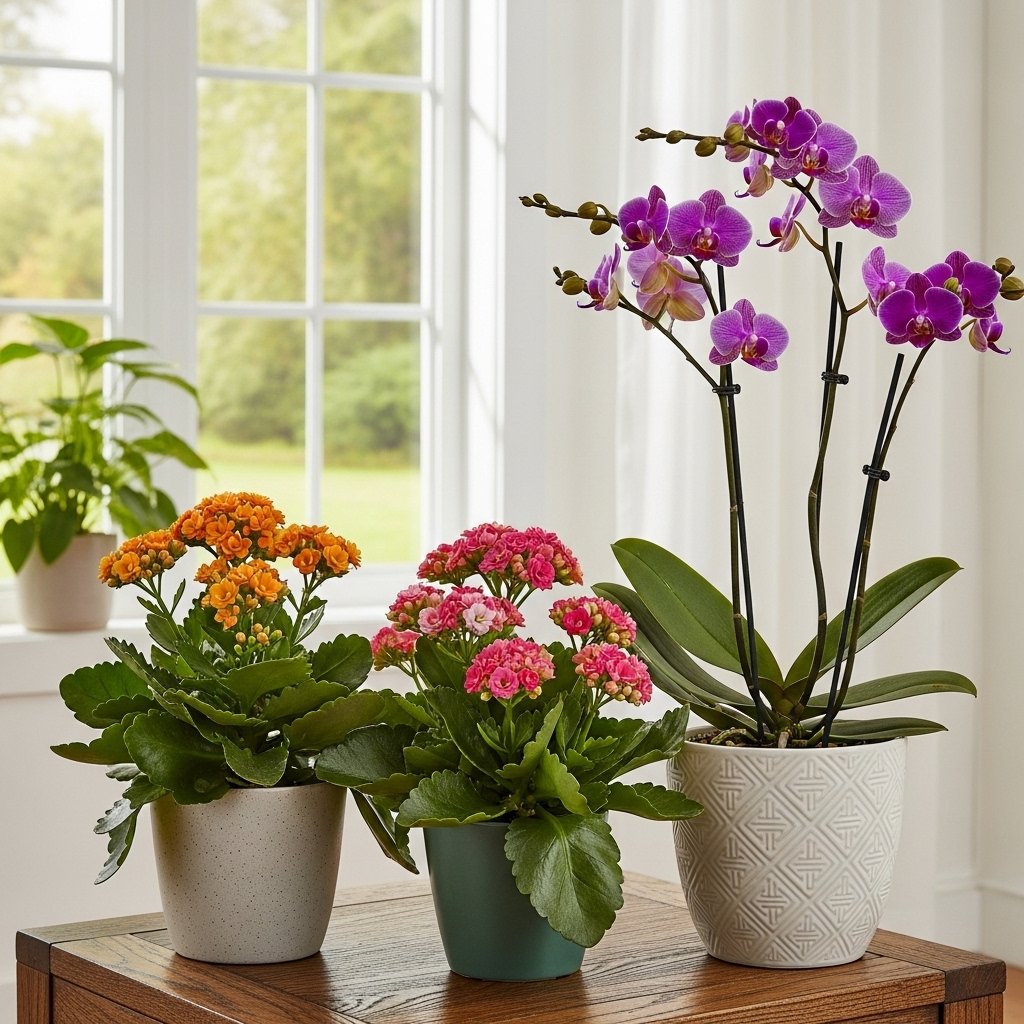
Indoor flowering plants are a wonderful way to bring natural beauty and freshness into your living space. Each plant has its own unique requirements, but most thrive with proper light, balanced watering, and good humidity. By choosing the right plants for your environment, you can enjoy colorful blooms throughout the year. Whether you prefer low-maintenance options like kalanchoe or elegant blooms like orchids, there is an indoor flowering plant for every home. With consistent care, your indoor garden can become a peaceful and visually stunning space.